
Last updated: Apr 19, 2026
Palm Bay sits in Brevard County on Florida's Atlantic side, where hurricane season from June through November is the defining roof risk period. The heat, humidity, and salt air accelerate fasteners, sealants, and roofing underlayment wear. Year after year, roofs face tropical systems, seasonal wind events, and debris impacts that can create hidden leaks long before you notice them. This section cuts to the point: you must plan for high wind, rapid response after a storm, and documentation that proves resilience when insurance reviews, adjusters, or re-roof decisions come into play.
In this climate, the key decision is wind resistance. Palm Bay homes frequently rely on asphalt shingles and metal as practical options, but the takeaway is not the material alone-it's how the system is attached and sealed. Look for a roof that employs enhanced wind-attachment methods, impact-resistant finishes where feasible, and a robust underlayment with proper ventilation to prevent heat-related failures. If you are considering tile options, choose systems that are specifically rated for Atlantic storm loads and that feature proven wind clips and fastener patterns. The goal is a roof that can shed driving rain while staying intact through a direct hit, not just a sunny-day appearance.
With frequent tropical systems and seasonal wind events, a proactive inspection rhythm beats reactive panic. Schedule a mid-season check after peak winds and after every major storm or coastal surge event. Quick checks for uplift-related gaps around chimneys, vents, and edge cap tiles save you from larger leaks later. After a storm, target a dry-in assessment to ensure the roof cavity remains free of water intrusion, and document any damage with timestamped photos. If a leak shows up, track its path from the attic to the ceiling-this helps identify compromised decking or flashing that needs immediate attention.
Post-storm leak checks are more than a courtesy; they are a shield against escalating damage. Debris impacts can lift shingles or tiles in ways that aren't obvious from the ground. Begin with a careful exterior walkaround: look for lifted edges, missing granules, or punctures in sealing. Inside, check ceilings and walls for staining or dampness, even far from obvious impact points. If a leak is suspected, arrange a temporary dry-in to cover exposed areas and prevent rainfall from penetrating the attic or living spaces. This buys you time for a proper assessment and prevents moisture from silently corroding structure and insulation.
In Palm Bay, documentation that shows wind-resistance features, installation details, and any retrofits can streamline insurance communications after a storm. Start with a clearly labeled record of materials, attachment methods, and any wind-rated components installed during re-roofing. Photographs taken during installation, year-by-year inspection notes, and post-storm damage records all become valuable evidence if an insurer requests it. The aim is to present a coherent, timestamped narrative: what was installed, how it was installed, and how the system performed under wind and rain pressures.
When a tropical system threatens, prioritize securing loose components, trimming back overhanging vegetation that could become projectiles, and ensuring gutters and downspouts are clear to reduce water backup. After the storm passes, begin the exterior assessment before rising humidity shadows the damage. Fast decisions about temporary repairs can prevent further water intrusion while awaiting a professional evaluation. In this climate, swift, documented responses are a homeowner's best defense against prolonged leaks and escalating repair costs.
The local market favors asphalt shingles, metal roofing, clay tile, concrete tile, synthetic/composite shingles, and slate. Metal and tile are particularly visible on rooflines across the neighborhood, giving a mix of textures that withstand the Space Coast climate while offering distinct curb appeal. Each material brings its own look and feel, but in practice you'll notice that aluminum-coated metal and interlocking concrete tiles handle the open exposure of coastal winds a bit differently than the flexible underlayment and fastener patterns you'd use with asphalt. The choice here often comes down to how a roof interacts with heat, humidity, and the recurring storm sequence.
The hot, humid conditions accelerate aging of shingles and underlayment, so you'll want products with robust saturation and good UV resistance. Asphalt shingles can soften and curl a bit faster under constant sun, especially on southern exposures, while synthetic shingles are built to resist UV but may not mimic the appearance you want for decades. Clay and concrete tiles hold up well to sun, but in this climate their weight demands a sturdy structure and careful edge support to prevent micro-movements during fast-moving wind events. Metal roofs respond to heat with quick shedding of condensate and drying, yet some lighter profiles can show wear at fastener points if not properly installed and sealed. Slate delivers longevity but comes at a high weight that stresses supporting beams and requires precise installation to avoid edge cracks under wind shear.
Wind exposure drives the need for rigorous edge securement and wind-rated fasteners. For asphalt, look for butt joints and nailing patterns that deter uplift on exposed edges; sealant compatibility with Florida humidity matters. Metal roofs rely on interlocking seams and corrosion-resistant fasteners; improper sealing at ridge lines invites wind-driven rain under panels. Tile systems demand careful starter courses and staggered seams so that edge rows lock against gusts rather than lift as a single piece. Synthetic shingles aim to combine light weight with decent wind performance, but installation quality remains essential to prevent edge blows. Slate, while handsome, requires experienced mounting to resist wind uplift along bundle lines and around hips and ridges.
Year-round heat and humidity invite fasteners to loosen or corrode if not selected for coastal salt exposure. Inspect edges and fastener lines after storm seasons, especially for tile and metal systems where edge displacement can show up as cracked tiles or loose panels. For clay and concrete tile, watch for cracks that can propagate with repeated wind-driven rain entries; prompt replacement preserves the roof's integrity. Asphalt shingles benefit from periodic recaulking of valleys and flashing joints to maintain a continuous water seal as materials age. Synthetic shingles offer easier maintenance in some cases, but still need periodic checks of sealant compatibility with Florida's moisture loads. Slate requires careful inspection of mortar or setting bed integrity at edges and around penetrations.
Material choice is not only about appearance but how a roof handles intense UV, wind-driven rain, and long storm seasons. Aesthetics may steer you toward tile for Mediterranean or coastal look, while metal may suit modern lines and offer exceptionally quick drainage. The balance you seek is a roof that resists wind, sheds rain efficiently, and ages gracefully under Florida sun, all while fitting your home's character and the neighborhood's visual rhythm.
In Palm Bay, after a busy storm season you'll notice pricing shifts that reflect the surge in demand for re-roofing, emergency dry-in, and insurance-related repair work across Brevard County. Typical local material ranges stay consistent with the markets nearby, but the price tag can move upward when crews and materials are stretched thin by storms and rapid dry-in needs.
Typical local material ranges are about $350 to $700 per square for asphalt shingles, $600 to $1100 for metal, $900 to $1500 for clay tile, $800 to $1300 for concrete tile, $350 to $600 for synthetic/composite shingles, and $1200 to $2000 for slate. These ranges provide a practical baseline for budgeting after the seasonal rush, acknowledging that actual bids may land toward the higher end when weather windows tighten and crews are juggling multiple storm-related projects.
Costs are also shaped locally by wind-resistance requirements in the permit package, staged inspections, and the labor intensity of tile and metal systems that are common in this market. In practice, tile and metal roofs command higher labor costs and longer install times, especially when staging is needed to satisfy wind-resistance expectations and to complete dry-in and final inspection steps in days with favorable weather. Synthetic and asphalt options offer flexibility for quickly restoring a weather-tight roof, but long-term performance and wind performance should be weighed against short-term speed.
Shifting weather patterns and storm recovery demand mean that the price to re-roof after a storm season can be notably higher than the same job in a calmer year. It's common to see a modest premium for priority scheduling, expedited dry-in, and insurance-related coordination, all of which contribute to the final bill. If a contractor needs to bring in more crews or arrange material deliveries on tight timelines, those costs tend to flow into the project price as well.
Practical budgeting steps help you navigate this period without overpaying. Start with a fixed materials quote for your preferred system, then request a separate line item for wind-resistance enhancements and staged inspections. Confirm whether the bid includes debris removal, installation of underlayment suitable for humid conditions, and any necessary fastening upgrades for high-wind performance. Finally, keep a weather buffer in your planning; one or two weeks of extra scheduling can prevent a rushed dry-in that pushes labor and disposal costs higher.
In the end, plan for a range that accounts for storm-driven demand while comparing multiple bids that reflect the same wind-resistance goals, roof type, and staged inspection approach.
Florida Roof Bros
(321) 446-1702 floridaroofbros.com
478 Martin Rd Unit 107, Palm Bay, Florida
5.0 from 296 reviews
Florida Roof Bros: Protecting Central Florida, One Roof at a Time. Since 2020, we've provided top-tier residential and commercial roofing services throughout the region from our Palm Bay headquarters. As a local, family-owned company, we specialize in expert roof replacement, new installations, durable metal roofing, and reliable repairs. Experience the difference of working with a trusted, customer-focused roofing contractor committed to excellence.
3LP Roofing
(321) 385-8193 www.3lproofing.com
Palm Bay, Florida
5.0 from 152 reviews
3LP Roofing is a Palm Bay firm that does dependable roofing repair, installation, replacement, and inspection for residential and commercial properties across Brevard County and Indian River County. Their services further include skylights and attic ventilation. With an experienced team, 3LP Roofing has earned a reputation for taking time with property owners to make sure all the issues involved in their roofing are properly understood before making a decision. 3LP Roofing also makes flexible financing options available through their office, so property owners can think long-term without being weighed down by short-term budget concerns. Call their office today. They answer the phone 24/7.
Bear Contractors
(321) 327-3960 www.bearroofingfl.com
1712 Canova St SE, Palm Bay, Florida
5.0 from 226 reviews
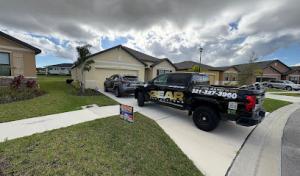
At Bear Contractors inc., we're dedicated to safeguarding your most significant investment -your home. With years of experience and a passion for excellence in the roofing industry, we provide top-notch roofing solutions that protect your property while enhancing its curb appeal.
Superior One Roofing
(321) 250-9396 superioroneroofing.com
111 Enterprise Ave, Palm Bay, Florida
4.9 from 443 reviews
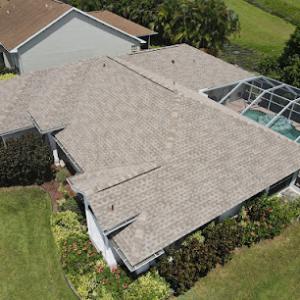
Your Trusted Local Roofing Experts — Superior One Roofing With over 40 years of combined roofing experience, Superior One Roofing is proud to be Brevard County’s trusted name in quality, craftsmanship, and customer care. As a GAF Master Elite® Contractor—a distinction earned by less than 2% of roofers nationwide—we deliver roofing systems built to last and backed by industry-leading warranties. Fully licensed, bonded, and insured, our local team has helped hundreds of Florida homeowners protect their homes with durable, storm-ready roofing solutions. From inspections and repairs to complete roof replacements, we go above and beyond to ensure every customer is completely satisfied—because at Superior One Roofing, we’re Superior by Design.
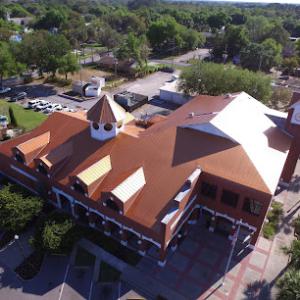
Florida Retrofits
(877) 659-8354 www.floridaretrofits.com
2840 Kirby Cir NE #1, Palm Bay, Florida
5.0 from 105 reviews
Since 2011, Florida Retrofits, the specialist in all things roofing, has been providing superior services for residential and commercial properties in Florida. With an emphasis on budget-friendly shingle and metal roofing solutions, our team of experts is dedicated to delivering high-quality craftsmanship and durable results. We also excel in retrofitting, hurricane straps, and comprehensive exterior installations, including roofing, soffit, and fascia. We don't just meet your roofing needs, we exceed them, creating a stylish and protective synergy for your property, guarding it against Florida's unpredictable weather. Trust us for your roofing requirements; experience the perfect harmony of durability and aesthetics with Florida Retrofits.
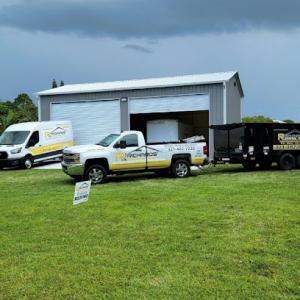
Richards' Roofing
(321) 482-7220 richardsroofinginc.com
1431 Waldrun Street Southeast, 1466 Transcoro St SE, Palm Bay, FL
4.9 from 126 reviews
Experienced professionals committed to quality

Expedition Roofing
(321) 345-7437 expeditionroofing.com
1540 Erie Ct SE, Palm Bay, Florida
5.0 from 51 reviews
Whether you're in search of a dependable commercial roofing repair contractor in Palm Bay, FL, or seeking services for roof installation & replacement, look no further than Expedition Roofing. Our team of specialists is dedicated to delivering professional solutions tailored to your needs. With expertise in providing top-quality roof repair solutions for commercial properties, we're equipped to address issues such as leakages, storm damage, and general wear and tear, ensuring long-lasting results. From shingle roofing installation to metal roof installation and comprehensive roof replacements, we offer industry-leading craftsmanship you can rely on. Count on us for excellence, transparent communication & commitment to customer satisfaction.
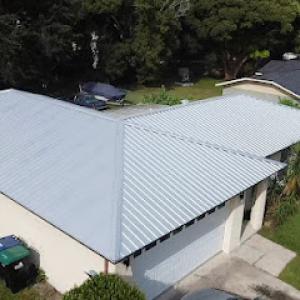
Fellowship Roofing
(321) 266-1956 fellowshiproofing.com
221 Peake St NE, Palm Bay, Florida
5.0 from 24 reviews
Serving Brevard County since 2024, Fellowship Roofing is your premier choice for residential and commercial roofing. As a dedicated, family-owned business, we are committed to providing top-quality roofing solutions with a foundation of honesty and exceptional craftsmanship. Our focus is on serving the community's needs, ensuring every project is handled with professionalism and a dedication to lasting results.
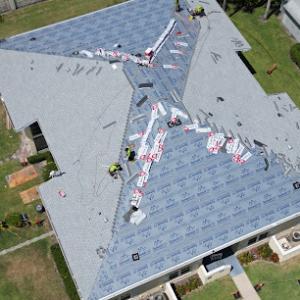
Florida Roofing & Renovations
(321) 914-3360 thefloridaroofers.com
1572 Breezewood Ln NW, Palm Bay, Florida
4.7 from 26 reviews
State Certified Roofing and General contractors operating in Brevard County Fl. Over 30 year installing all types of roofing and exterior renovations in Melbourne, Palm Bay, Melbourne Beach, Satellite Beach Viera and more. We install shingles, metal, tile and flat roof including siding, soffit and fascia, porches and additions.
Metal Roofing Contractor
(800) 303-3309 metalroofingcontractor.com
4640 Lipscomb St suite 4, Palm Bay, Florida
5.0 from 7 reviews
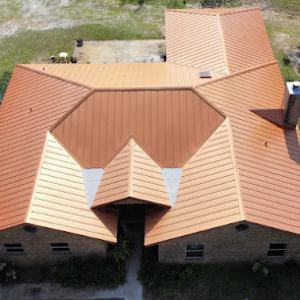
Metal Roofing Contractor is Palm Bay, Melbourne, and Florida’s trusted specialist in durable, affordable metal roofs in Florida. We service Florida as the best metal roofing company in Melbourne, Palm Bay, Rockledge, Merritt Island, Tampa, Orlando and Florida. We sell quality roofing products at affordable roofing prices to be the best residential metal roof and commercial metal roofing company. Metal Roofing Contractor sells many metal roof types and colors of metal shingles, standing-seam, metal tiles, stone-coated steel roofs, and corrugated metal roofs. Florida metal roofs handle hurricane winds and last longer compared to shingles. Call Metal Roofing Contractor for a free affordable metal roof quote in Palm Bay, Orlando, and Florida.
Williams Roofing
(321) 254-0647 williamsroofingfl.com
1554 Hollis Ct NW, Palm Bay, Florida
4.5 from 16 reviews
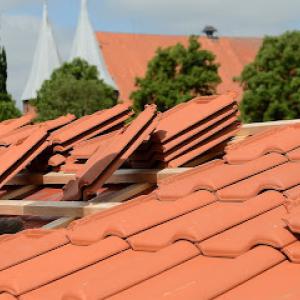
Williams Roofing is the leading roofing company in Brevard County, dedicated to providing high-quality re-roofing, roof installation, and roof repair services to our customers. Our team of experienced professionals has been proudly serving the space coast for more than 55 years, delivering unparalleled craftsmanship and exceptional customer service.
Hough Roofing & Screen Rooms
(321) 837-1838 www.houghroofing.com
2642 Palm Bay Rd NE, Palm Bay, Florida
3.3 from 78 reviews
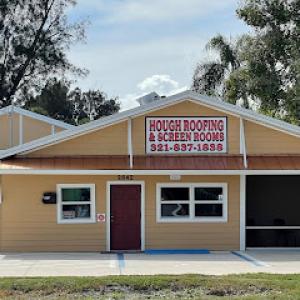
★ Family Owned and Operated by a Certified Contractor.★ Serving The Space Coast Since 1980.★
A full re-roof in this area typically requires a permit through the City of Palm Bay Building Department. The process is designed to verify wind-resistance, drainage, and overall safety for the local hurricane-prone climate. Before any shingle tear-off or deck replacement begins, you should confirm with your contractor that the permit package is complete and accurate. Expect to document scope of work, selected roofing materials, and wind-resistance notes for the proposed system. The package should spell out how the new roof will meet or exceed applicable wind codes and Florida codes for high-wind exposure, which helps streamline inspections and reduces delays after a weather event.
Your permit submission should clearly articulate the scope of work, including any underlayment choices, ventilation changes, and roof edge details. The selected roofing materials must be identified in writing, with product specifications that address wind uplift resistance and suitability for high-humidity conditions. Wind-resistance notes are especially critical in this coastal climate, where exposure to repeated storms is common. It helps to attach manufacturer data, installation instructions, and any engineering calculations or Miami-Dade (or Florida) Notice of Acceptances if applicable. A complete package minimizes back-and-forth with the Building Department and accelerates the staged inspection timeline.
Palm Bay uses staged inspections that commonly include underlayment, mid-roof, and final inspection, and each stage must pass before final sign-off. Underlayment inspection checks for proper installation, waterproofing continuity, and alignment with roof lines and penetrations. The mid-roof inspection evaluates the integration of underlayment with the structural deck, flashing at vents, skylights, and chimneys, and confirms wind-resistance features are properly installed. The final inspection verifies that all components meet code requirements and that the roof is ready for life-cycle performance under Florida's heat, humidity, and storm conditions. Schedule these inspections in a timely manner to avoid overlap with weather windows or material delivery delays, and coordinate with the contractor to ensure access for inspectors. If an inspection fails, address the noted deficiencies promptly and request re-inspection with all updated documentation. Maintaining organized records of permit approvals, inspection approvals, and any amendments will help you navigate future permit needs and potential insurance documentation.
In Palm Bay, homeowners face Florida's high-claim hurricane environment, where a roof's condition can directly affect coverage and premiums. The Atlantic exposure means storms can test weak spots year after year. A roof that shows solid wind resistance and well-documented maintenance reduces your risk of sudden denials after a storm, and it makes sense to treat wind performance as a long-term investment rather than a one-off upgrade.
Insurers in this market often look closely at wind-resistance documentation and roof condition reporting because of repeated hurricane and tropical storm exposure along the Atlantic coast. Clear records of upgrades, quality of underlayment, fastener patterns, and nailing schedules can translate into faster claims handling and more favorable settlement paths. When a claim is filed, the absence of detailed warranties or inspection notes can slow things down or invite disputes.
Wind mitigation credits are a meaningful part of the local roofing conversation, so homeowners benefit from keeping permit records, inspection approvals, photos, and product documentation after a re-roof. Start a simple file tangibly tied to the roof's life cycle: before-and-after photos, confirmation of material type, and notes from installers about fastening methods and surge protection features. This is not just for the claims drawer-these documents can support a smoother recovery process if a wind event shakes the neighborhood.
When a storm hits, a well-documented roof speeds assessment and remediation. Immediate action should include photographing storm damage from multiple angles, recording any rain intrusion in the attic, and preserving debris patterns that indicate wind-driven failures. If a re-roof is necessary, align your choices with proven wind-resistant designs and keep copies of specifications. Having a robust set of documents helps navigate the year-to-year risk profile that Palm Bay homeowners routinely face.
Connect with contractors who help homeowners navigate the claims process from damage assessment to final approval.
Florida Roof Bros
(321) 446-1702 floridaroofbros.com
478 Martin Rd Unit 107, Palm Bay, Florida
5.0 from 296 reviews
Bear Contractors
(321) 327-3960 www.bearroofingfl.com
1712 Canova St SE, Palm Bay, Florida
5.0 from 226 reviews
Afternoon thunderstorms during the wet season regularly interrupt roofing work in Palm Bay and can create moisture-related delays between tear-off and dry-in. Expect the crew to pause when lightning is nearby or when sustained rains hit the roof deck. That means planning for several potential weather holds a week at a time rather than a single dry morning window. Communication with the crew should include a clear plan for continuous work when possible, but also realistic stop-and-wait contingencies when storms roll through.
The city's hot, humid summers can affect installation conditions for shingles and underlayment, making timing and crew pace more important than in milder climates. High heat can shorten material handling time and affect adhesive performance for certain underlayments. Humidity can slow curing and make fasteners struggle to seat properly. Schedule work for cooler parts of the day when feasible, and build in extra time for product handling, alignment checks, and ventilation during the dry-in phase. If a heat front pushes through, consider a slower but steadier pace to maintain quality and reduce waste.
Local planning often favors drier weather windows for exterior projects to reduce weather delays, a scheduling reality you should expect for roof replacement as well. Start with a flexible calendar that prioritizes consecutive dry days for tear-off and dry-in, but hold a contingency block for unexpected storms. Coordinate with the crew to identify two to three preferred weather windows per month and reserve them, knowing that a single storm event can shift the sequence by days. Keep a rolling forecast in hand and be ready to adjust timing without compromising the roof's moisture management plan.
Palm Bay's frequent heavy rain and wind-driven storms make low-slope transitions, penetrations, and skylight flashings recurring leak points when detailing is weak. In summer, the combination of heat, humidity, and fast-moving storms can warp, lift, or crack flashing and membranes that look sound after a quick inspection. Your roof's flat or near-flat sections are the most vulnerable during long rainy spells, when drainage slows and pooled water finds the seams and joints. If a transition from a steep slope to a low-slope area isn't watertight, you'll notice staining or damp patches first around vents, skylights, and curb mounts.
Flat-roof and skylight specialties are active in the local contractor market, indicating enough demand to justify dedicated service lines. That means you'll find specialists who understand the peculiarities of Florida-fast aging sealants, heat-accelerated wear, and storm-season stress on skylight systems. When you seek help, ask for a contractor who can demonstrate time-tested skylight flashing details, proven membrane transitions, and a plan for staged inspections during a re-roof when needed. A local pro should be able to walk you through which skylight styles and curb installations tend to hold up best under Palm Bay's wind loads and summer downpours.
Homes and additions with lower-slope sections are especially vulnerable during prolonged summer rain cycles and tropical weather when drainage and flashing defects show up quickly. Look for damp ceiling spots near skylights after heavy rain, staining along the edges where membranes meet penetrations, and any loose or wrinkled flashing around vents. If a drip starts around a skylight during a storm, treat it as a warning sign rather than a one-off nuisance. Inspect around the flashing boots, curb-mounted skylights, and any internal stops at transitions where water can back up and penetrate. A methodical, local-focused inspection plan helps catch issues before they become costly repairs.
Find specialists in TPO, EPDM, and built-up flat roofing systems for residential and commercial properties.
Florida Roof Bros
(321) 446-1702 floridaroofbros.com
478 Martin Rd Unit 107, Palm Bay, Florida
5.0 from 296 reviews
Bear Contractors
(321) 327-3960 www.bearroofingfl.com
1712 Canova St SE, Palm Bay, Florida
5.0 from 226 reviews
Florida Retrofits
(877) 659-8354 www.floridaretrofits.com
2840 Kirby Cir NE #1, Palm Bay, Florida
5.0 from 105 reviews