
Last updated: Apr 19, 2026
June through November brings the highest risk of weather disruption, with daily thunderstorms and the peak of hurricane activity pressing hard on tear-offs, dry-in schedules, and post-work inspections. In this window, plans can shift on a dime as sudden downpours soak exposed decking, cause wind-driven debris delays, and force crews to pause work. The practical impact is more than a few rain delays: a stalled project increases exposure to wind and rain, raises the chance of decking moisture accumulation, and tightens the window to finish before the next front moves through. If a re-roof must start in this period, expect longer timelines and tighter coordination with weather forecasts, supplier deliveries, and your insurance documentation plan. The risk profile is especially acute if the project relies on a dry-in to protect underlayment and decking; a single heavy shower can compromise days of work.
January through March is typically the easiest local window for underlayment drying and site access because Central Florida is cooler and drier then. This period offers clearer skies, lower humidity, and more predictable afternoon breaks, which helps crews complete tear-offs, lay down underlayment, and chase ventilation and moisture-guard details without the constant rain intrusion. If you can align your schedule to start in this window, you give your re-roof the best shot at a clean dry-in, solid decking, and fewer post-install surprises from hidden moisture. The longer stretches of dry days also mean fewer interruption cycles for material deliveries and less risk of wind-driven debris complicating the installation.
The October to November transition can still bring lingering showers that leave roof decking moisture-sensitive even after peak summer ends. Its risk profile sits between the peak storm period and the late-winter lull, so planning here requires heightened vigilance. Decking and underlayment can stay damp longer than expected, which can compromise adhesive bonds, fastener seating, and nail sealing if moisture is trapped. If a re-roof is scheduled in this span, you must build flexibility into the timeline for potential additional drying days, extra inspections, and contingency holds for after-rain cleanup. In practice, that means a proactive moisture check of decking prior to underlayment application, and a readiness plan for extended drying time if a recent shower left surfaces damp.
If the forecast shows a high probability of storms for the next 10 days in the June-November window, consider deferring the start or compressing milestones into a tighter run when a multi-day dry spell appears. If you can lock into January-March, you gain a safer path to underlayment drying and a more predictable site access. And keep an eye on late-season transitions; plan for potential moisture checks and a flexible pace to avoid compromising roofing performance or damage mitigation.
Lakeland's dominant residential choices span asphalt shingles, metal, clay tile, concrete tile, wood shingles or shakes, and synthetic or composite shingles, creating a wide local price spread from budget re-roofs to heavy premium systems. In practice, the cheapest option is often asphalt, while tile and metal systems push into higher dollars due to material costs and staging needs. Homes with concrete or clay tiles typically see the most pronounced price jumps because these installations demand specialized labor and longer installation windows. The local market also reflects a broader weather-driven wave: after tropical storms, scheduling compresses and homeowners feel a faster replacement timeline, which in turn can push costs upward.
Asphalt shingles remain the most common choice for Lakeland rooftops, and you'll typically see the most competitive pricing here. The cost range in this area is roughly $350 to $550 per square for asphalt shingles, installed. This level usually translates to simpler tear-offs, minimal staging, and quicker crew rotations. If the existing roof is straightforward and the deck is sound, asphalt can meet a solid balance of price and expected lifespan, especially for homes built in the late 20th century with standard framing. In dry-season windows, scheduling ease helps keep these costs predictable, but be mindful that storm timing can tighten calendars and squeeze material deliveries, nudging the final number upward.
Metal systems commonly bring higher installed costs because of material price, the need for precise flashing, and more extensive roof preparation in some homes. Typical metal pricing runs from about $700 to $1,000 per square. The payoff, when viewed through Lakeland's climate, is durability against wind and rain, plus longer warranties. Labor and staging for metal projects usually require more careful sequencing and elevated safety setups, which can push labor day rates higher during peak storm seasons. If a homeowner anticipates hurricane-season impacts, planning ahead for a dry spell can help secure favorable scheduling and avoid premium rush costs.
Clay tile projects usually land near the higher end, often $1,000 to $1,900 per square, while concrete tile generally ranges from $850 to $1,500 per square. Tile exteriors are common in premium upgrades or for certain architectural styles in the area. Both tile types demand skilled crews and additional staging to manage weight limits and tile handling. In Lakeland, these projects run longer and carry higher labor costs, especially when removing and re-laying a heavy roof deck. Storm-driven demand can further concentrate scheduling, so expect longer lead times and potential price shifts during hurricane season.
Wood shingles or shakes sit around $550 to $1,000 per square, with variability tied to quality of harvest, treatment, and the intricacies of matching existing wood tones and grain. Installations require careful spacing and more frequent detailing around roof penetrations. As with other premium materials, labor intensity and staging can push costs higher in busy periods, particularly when crews must navigate steeper pitches or tighter access points after storms.
Synthetic or composite shingles offer a middle ground, typically $600 to $1,000 per square. They aim to blend durability with a more forgiving installation process than tile, while still addressing heat and wind concerns. In busy periods, the cost delta versus asphalt can narrow when factoring in longer-term performance and wind-resistance benefits. The scheduling reality during storm seasons still matters: prompt ordering and clear communication with the roofing crew help keep timelines tight and avoid premium rush charges.
Gullett Roofing
(863) 412-2821 www.gullettroofing.com
535 Bracey Rd, Lakeland, Florida
5.0 from 168 reviews
Licensed roofing contractor specializing in both residential and commercial roofing

K.L. Smith
(863) 500-7609 www.klsmithinc.com
2519 Buckskin Rd, Lakeland, Florida
4.9 from 267 reviews
Serving Polk County for over 50 years, K.L. Smith is Lakeland, Florida’s premier veteran-owned roofing company. Built on honor, integrity, and commitment, we’re Polk County’s most trusted roofing contractor. Our expert team delivers top-quality roof repairs, replacements, and inspections, ensuring your home stays safe and secure. From storm damage assistance to routine inspections, we provide reliable, affordable solutions prioritizing customer satisfaction and peace of mind. Contact us today for a free estimate and discover why locals choose K.L. Smith for all their roofing needs!
Five Points Roofing
(863) 660-5834 fivepointsroofingfl.com
2587 Colonel Ford Dr, Lakeland, Florida
5.0 from 67 reviews
As the top roofing company in Lakeland FL, we are the roofer to call! When you're in need of professional roofing repair or replacement, call the seasoned team at Five Points Roofing! We provide solutions for both local homeowners and businesses.
Eustis Roofing Company
(863) 340-7653 eustisroofing.com
2500 Drane Field Rd Suite 103, Lakeland, Florida
4.9 from 121 reviews
Welcome to Eustis Roofing Company, a family-owned roofing contractor proudly serving Lakeland, FL, and surrounding areas since 1959. We specialize in both residential and commercial roofing services, offering everything from architectural shingle roofs to custom seamless gutters, flat roofs, roof coatings, metal roofs, and specialty roof installations, and more. Our mission is to be the most reputable roofing company in Lakeland while leading the industry in innovation. Whether you need roof repairs, maintenance, or a full roof replacement, our experienced team, including a dedicated Crew Leader and Project Manager, ensures every project runs smoothly, safely, and efficiently.
High Tower Roofing
(863) 510-5477 hightowerroofing.com
5302 Florida Ave S STE 208, Lakeland, Florida
4.8 from 587 reviews
High Tower Roofing is a locally owned roofing company headquartered in Lakeland, FL. We serve home and property owners in Lakeland, Winter Haven, Greater Polk County, and Sarasota. Since 2012, we’ve been in the business of providing exceptional customer service and stunningly beautiful roofs. It’s our mission to deliver a stress-free roofing experience to each and every client. We look forward to serving you!
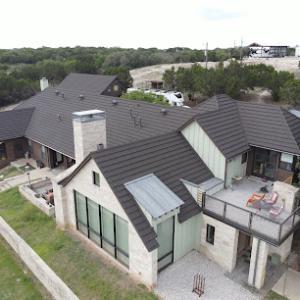
Priority Roofing
(863) 701-4746 priorityroofs.com
4460 Florida National Dr Suite 4460-2, Lakeland, Florida
4.9 from 115 reviews
Replace or repair your residential roof with Priority Roofing where customer service is our #1 priority! We’re local, professional Lakeland roofers, our bids are competitive, and we’ll find a great solution for your residential roof. Unlike some other roofing companies in Lakeland, we specialize in home roof installation and roof repair, as well as emergency roofing service for leaks and damage. From dozens of shingle systems, to metal, tile and slate roofing options, we have roofs to fit nearly every budget. Our company inspects your roof and provides an honest assessment of what needs to be done, all at no cost to you. Priority Roofing is family owned and locally operated.

Stronghold Roofing & Solar
(863) 400-3323 strongholdroofing.com
505 Martin L King Jr Ave, Lakeland, Florida
4.9 from 439 reviews
When it comes to residential, mobile home, and commercial roofing, Stronghold Roofing & Solar is the name to remember. As the best roofing company in & near Lakeland, FL, we provide roofing materials like flat, tile, asphalt shingles, solar shingles and metal and roofing services like roof inspection, replacement and repair guaranteed to fit every budget and style whether for residential or commercial use. No matter your choice, we can assure you that you’ll enjoy longevity and durability from your new roof. We’ll find the perfect solution for you. Simply give us a call and get started now with free roof estimates by the best Lakeland roofers & top-rated roof companies near you.
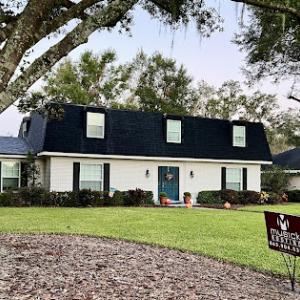
Musick Roofing
(863) 904-5350 www.musickroofing.com
3600 County Line Rd, Lakeland, Florida
4.9 from 205 reviews
Musick Roofing is a trusted roofing contractor proudly serving Lakeland and the Central Florida area with expert roof repair, replacement, and installation services since 2003. With over 20 years of experience, our licensed and insured team specializes in shingle roofing, metal roofing, flat roofs, and emergency roof repairs. Whether you're dealing with storm damage, leaks, or planning a full roof upgrade, Musick Roofing delivers high-quality workmanship, dependable service, and competitive pricing. We offer free estimates, honest recommendations, and guaranteed satisfaction—because protecting your home or business starts at the top. Contact Musick Roofing today for reliable, local roofing services you can count on.
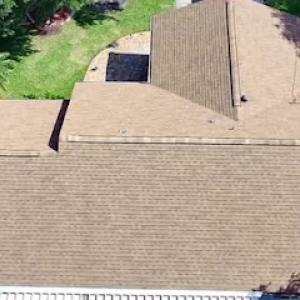
America Top Roofing
(863) 733-2171 americatoproofing.com
2420 N Crystal Lake Dr suite 204, Lakeland, Florida
4.9 from 76 reviews
America Top Roofing is a name you can trust when it comes to roofing services. With a rich history spanning 30 years, we have been a consistent force in the roofing industry. Our commitment to quality, integrity, and customer satisfaction has been the cornerstone of our success. Based in Lakeland, FL, we have deep roots in the community and a strong dedication to serving our neighbors. Our experienced team is equipped to handle all your roofing needs, ensuring that your investment in your home or business is protected. Contact us at: Info@americatoproof.com
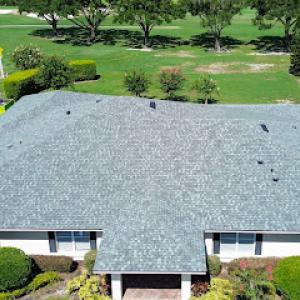
Trimm Roofing
(863) 276-6300 trimmroofing.com
2500 Drane Field Rd STE 101, Lakeland, Florida
4.9 from 131 reviews
Florida relies on Trimm Roofing for reliable roofing solutions. We offer comprehensive services, including roof installation, repair, and maintenance for residential and commercial properties. Specializing in Atlas shingles, metal roofing, tile, and Brava composite roofing. We prioritize quality, transparency, and customer satisfaction. Contact us for a free roof inspection and experience the Trimm Roofing difference!
Protect Preserve Roofing
(833) 777-6634 protectpreserveroofing.com
559 Laura Rd, Lakeland, Florida
5.0 from 30 reviews
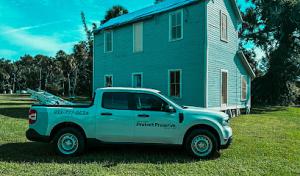
When it matters, Protect Preserve. Licensed, insured, and minority-certified, we serve Florida and multiple states as a trusted pre-approved roofing vendor for national and Florida insurers. We work on asphalt shingle roofs, metal roofs, tile roofs, and flat roofs, offering repairs, replacements, and 24/7 emergency tarps. With 20+ years in property restoration, we deliver insurance-formatted estimates in Xactimate and Cotality, helping prevent delays. Most are delivered in hours, complex projects may take longer. Every project includes on-site supervision, clear photo/video documentation, and responsive communication, roofing done right, on time, and with integrity.
W.D. Hutchinson Roofing
1717 W Memorial Blvd, Lakeland, Florida
5.0 from 29 reviews
Contact W.D. Hutchinson Roofing for all of your home roofing and re-roofing needs. Take advantage of our workmanship warranty, manufacturers' warranties, and FREE estimates! Serving The Tampa Bay and surrounding counties for over 53 years!
A full re-roof in Lakeland typically requires a permit through the City of Lakeland or Polk County Building Department, depending on jurisdiction. Before any shingle or tile comes off, confirm which authority handles your address. Start with a quick call to the local building department to verify the correct permit type, required forms, and any neighborhood-specific approvals. Having the permit lined up before work begins helps you avoid delay-driven compounding issues when the contractor is ready to move.
In Lakeland-area re-roof projects, plan review is a common step, and on-site inspections follow key stages. Expect a plan review to assess basic elements such as proposed roofing material, fastener choices, and any attic venting or underlayment details that could affect wind resistance. Once the crew opens the roof, inspectors typically look at underlayment installation and roof decking integrity before shingles or tiles go back on. A final inspection confirms the completed roof meets code, and this is when any noted corrections must be addressed to close out the permit. Coordinating with your contractor to schedule inspections promptly helps minimize time with an incomplete or failing stage, especially during the busier fall season when inspections can back up.
A practical reality in Lakeland is the two-roof-layer limit, which can drive tear-off decisions more than you might expect. Local inspectors evaluate what's under the existing roof, and if the underlying decking or underlayment shows issues, the tear-off may reveal problems that force a full replacement rather than a cap-over. That means the decision to tear off should be guided by what inspectors find once the old roof is opened, not by the appearance of the surface alone. In practice, this means your contractor should be prepared for a staged process: confirm layered roofing, assess decking and underlayment during removal, and align your plan with what the permit review will tolerate for reuse of any existing components.
Keep a documented trail of all permits, plan-review acknowledgments, and inspection notices. Inspections in Lakeland can be time-sensitive, so coordinate access for inspectors and ensure the site is safe and accessible at the scheduled times. If a re-roof is tied to an insurance-mandated wind mitigation package, have the relevant documentation ready for the wind-mitigation review and any required photographs of fasteners, nailing patterns, and attic ventilation. Staying proactive with these steps helps prevent surprises when the inspector visits and supports a smoother path to final approval.
In a market where carriers tighten requirements and scrutinize roof age, material type, and prior repairs, you face a careful game of documentation. Insurance providers want clear, verifiable evidence before renewing or repricing coverage, and Lakeland homeowners are often asked to supply details that used to be glossed over. The sharper the records, the smoother the renewal path, and the less likely you are to encounter surprises when a policy is renewed or adjusted after a claim window opens.
Wind mitigation takes on extra weight in this area. Insurer credits can meaningfully affect policy pricing and eligibility after a re-roof, especially when a roof is newer or features certain protective components. Having the right documentation ready is not just about getting a favorable quote; it can determine whether a claim gets approved at all if a storm test comes through your neighborhood. The practical effect is that a clean, thorough set of wind-related improvements is a long-term savings strategy, not a one-time paperwork chore.
After storms in the Lakeland area, adjusters may request thorough records and photo documentation. This can include roof age, the specific material installed, and evidence of prior repairs or retrofits. Pre-loss roof condition records become particularly valuable in a market where claim frequency is higher and the questions from insurers can be more pointed. If you maintain a rolling file of roof photos, inspection notes, and supplier receipts, you can respond quickly and reduce the back-and-forth that slows settlements. Having a clear trail of what was installed, when, and how it was maintained helps demonstrate durability and compliance with wind-related standards that insurers expect to see.
A proactive approach means thinking ahead to what happens when a contractor suggests repairs or a full re-roof. Prepare a simple, date-stamped log of maintenance, any hail or wind impacts, and subsequent fixes. When the time comes to discuss coverage or a potential re-roof, you'll have a factual baseline that supports both the decision to replace and the quality of the materials chosen. In practice, this means organizing photos by date, noting the exact roof type, and keeping receipts for any weather-related work. This level of preparedness isn't just about a smoother claim process; it's about resilience through a season when tropical storms and storm-induced wind are recurring realities.
Connect with contractors who help homeowners navigate the claims process from damage assessment to final approval.
Gullett Roofing
(863) 412-2821 www.gullettroofing.com
535 Bracey Rd, Lakeland, Florida
5.0 from 168 reviews
K.L. Smith
(863) 500-7609 www.klsmithinc.com
2519 Buckskin Rd, Lakeland, Florida
4.9 from 267 reviews
Five Points Roofing
(863) 660-5834 fivepointsroofingfl.com
2587 Colonel Ford Dr, Lakeland, Florida
5.0 from 67 reviews
Lakeland's hot, humid summers push roof assemblies to manage heat gain and moisture migration more aggressively than in drier Florida markets. Your roof can act like a diagnostic tool for the attic and insulation if you factor in the direction of prevailing storms and the cycle of heavy summer rain. Materials that shed water quickly, resist mold growth, and maintain good underlayment compatibility perform best when paired with an efficient ventilation plan. In this climate, a roof that handles both intense sun exposure and sudden downpours reduces the risk of premature deterioration, blistering, and trapped moisture that can compromise deck integrity over time.
Asphalt shingles remain a common choice for cost-sensitive replacements, offering solid performance when installed with proper ventilation and a high-quality underlayment. In this market, a shingle system that includes a ridge vent or powered ventilation helps flush heat and moisture from the attic space, which matters during Lakeland's long, humid seasons. When evaluating asphalt, look for architectural or dimensional profiles with a wider nailing line and better wind uplift ratings to stand up to seasonal wind events. A well-sealed roof deck and drip edge installation also contribute meaningfully to moisture management across generations of Florida rain.
Metal roofs are a prominent upgrade for homeowners prioritizing longevity and storm performance. In Lakeland, metal systems that feature concealed fasteners or a robust sealant strategy deliver excellent wind resistance and rapid water shedding during tropical downpours. The heat-reflective coatings available on many metal panels help temper attic temperatures when paired with appropriate attic insulation. If you anticipate frequent in-and-out roof inspections after storms, a metal roof with secure flashing details and corrosion-resistant finishes will pay dividends over time and reduce the risk of wind-driven leaks.
Clay and concrete tiles excel at heat tolerance and moisture control when properly installed with a solid substrate and correct underlayment. Concrete tiles tend to be a more flexible choice for Lakeland's humidity, while clay provides a classic look with strong weathering potential when the color is kept protected from long-term sun exposure. Both tile types benefit from a capable underlayment and careful valley detailing to manage rain runoff. A tile roof can endure heavy rains if the deck and substrate are prepared for roof movement and temperature cycling common in Central Florida summers.
Wood shingles and shakes appear in the market as a niche option, offering a distinct curb appeal but requiring meticulous maintenance in Lakeland's climate. They demand robust ventilation beneath and protection from accelerated moisture cycles to prevent cupping or moss buildup. If choosing wood, select treated or naturally durable species and plan for periodic refinishing to preserve the surface finish against sun and rain. In homes with air gaps or older structures, professional evaluation helps confirm suitability and long-term durability in storm-prone seasons.
Explore specialists in steel, aluminum, and standing seam metal roofs built to last 50 years or more.
Gullett Roofing
(863) 412-2821 www.gullettroofing.com
535 Bracey Rd, Lakeland, Florida
5.0 from 168 reviews
K.L. Smith
(863) 500-7609 www.klsmithinc.com
2519 Buckskin Rd, Lakeland, Florida
4.9 from 267 reviews
Eustis Roofing Company
(863) 340-7653 eustisroofing.com
2500 Drane Field Rd Suite 103, Lakeland, Florida
4.9 from 121 reviews
When a roof lives in a place with inland Polk County wind events, older weak points become urgent repairs even if the house isn't on the coast. Prolonged summer humidity and repeated heavy rainfall add a delayed, cumulative attack on the roof deck, underlayment, and flashing. If a storm sneaks up or a gust tests a seam, small leaks can turn into visible damage quickly. The risk isn't just a blown shingle; it's the moisture sneaking into plywood or OSB, warping edges, and inviting mold behind the scenes. You need a plan that respects how storms can tighten timing windows and force rushed decisions if a contractor hits a weather squeeze.
Extreme July through September heat isn't just uncomfortable for workers; it changes how materials handle and how fast crews can work. Asphalt, metal, and tile behave differently when the sun bears down and shadows shift. Rushing through critical steps-like proper nailing, sealant cure, or precise underlayment folds-can leave subtle vulnerabilities that show up after a few heavy downpours. For homeowners, that means committing to a realistic schedule that prioritizes secure fastening, clean drainage, and careful flashing placement over speed. In hot weeks, you may see temporary measures that reduce downtime but shouldn't compromise long-term integrity.
In Lakeland, prolonged summer humidity and repeated heavy rainfall make decking moisture, underlayment exposure, and leak tracing more time-sensitive during active projects. Exposed underlayment during roof work invites quick deterioration if rain arrives between steps. Walk-throughs should verify that decking remains dry, fasteners are not overdriven, and any exposed seams are protected before the next weather event. If a leak tracing session reveals multiple drip paths, it's a signal to pause and reassess rather than press through a questionable diagnosis.
Tropical-storm wind events in inland Polk County can turn older weak points into urgent repairs even when homes are not on the coast. The lesson: treat storm timing as a guiding constraint, not a negotiable detail. If a window of calm looks narrow, ensure that critical components-proper nailing patterns, secure flashing, and accurate ridge venting-are locked in before the next squall. A conservative, weather-aware approach saves you from chasing leaks long after the crew packs up.
When you can't wait, these contractors offer fast response times to stop leaks and prevent further damage.
Priority Roofing
(863) 701-4746 priorityroofs.com
4460 Florida National Dr Suite 4460-2, Lakeland, Florida
4.9 from 115 reviews
Musick Roofing
(863) 904-5350 www.musickroofing.com
3600 County Line Rd, Lakeland, Florida
4.9 from 205 reviews
Protect Preserve Roofing
(833) 777-6634 protectpreserveroofing.com
559 Laura Rd, Lakeland, Florida
5.0 from 30 reviews
In this market, flat or low-slope sections are a real maintenance concern rather than a niche specialty. The local contractor pool shows meaningful demand for flat-roof work, so expect more options for membrane systems and coating candidates that handle Lakeland's steamy days and sudden summer downpours. When you're surveying a home with a wide rear patio roof or a carport, plan for a thorough, staged inspection that treats the slope like a primary water-control feature rather than an afterthought. Look for signs of poor drainage, pooling water after storms, and edges that show edge flashing wear or membrane edge curl. A practical approach is to map every flat area, note shingle-adjacent transitions, and set a recheck cadence after hurricane-season wind events.
Skylight-related roof work appears often enough in offerings to merit separate attention during leak diagnosis and replacement planning. In Lakeland, direct sun can bake seals and accelerate flashing deterioration around skylights, especially where venting or curbs meet the roof plane. During leak diagnoses, inspect for condensation in glazing, cracked perimeter sealant, and any frost-like moisture on the interior pane after a rain event. Replacement planning should account for the extra load paths around these penetrations and consider upgrading flashing to continuous metal flanges or integrated curb adapters. If a skylight is going to be replaced, align the installation with a fresh low-slope membrane transition to minimize future seam issues.
Roof coatings are present but less prevalent here than full re-roofing and storm repair, suggesting restoration remains a secondary option. Coatings can extend surface life on warmer days when you're juggling a busy storm calendar, but they are most effective as a preventive step on well-maintained membranes rather than a cure for extensive wear. Use coatings as a targeted maintenance move on marginally worn areas or as a temporary protective layer after a hail patch. For older flat surfaces, plan coatings as a companion to a more comprehensive repair strategy rather than a standalone replacement.
Find specialists in TPO, EPDM, and built-up flat roofing systems for residential and commercial properties.
Eustis Roofing Company
(863) 340-7653 eustisroofing.com
2500 Drane Field Rd Suite 103, Lakeland, Florida
4.9 from 121 reviews

Stronghold Roofing & Solar
(863) 400-3323 strongholdroofing.com
505 Martin L King Jr Ave, Lakeland, Florida
4.9 from 439 reviews
Musick Roofing
(863) 904-5350 www.musickroofing.com
3600 County Line Rd, Lakeland, Florida
4.9 from 205 reviews
In this market, quick response and cleanup matter as much as the final roof. Look for a contractor who answers calls or texts promptly, can schedule a timely site visit, and commits to a clear cleanup plan that limits debris on driveways and yards during a storm window. A locally rooted crew often means faster access to materials, shortcuts around dead-end streets, and fewer scheduling conflicts during peak re-roofing seasons. Verify that the company has a stable, local phone line and a physical address you can verify in person.
Lakeland homeowners value contractors with a known local footprint. Long-standing, family-owned firms tend to carry a track record in the same neighborhoods, which translates to familiarity with housing stock common to this area and the typical storm-driven timeline. Ask for a reference list from nearby streets with similar roof styles and ages, and request a few recent projects to inspect for workmanship continuity and material handling in our climate.
Because re-roofing is so common here, focus on how a contractor handles paperwork and inspection sequencing rather than price alone. Confirm they coordinate with your insurer on required documentation, including wind mitigation if applicable, and that they schedule the necessary inspections in the right order. Ask for a written plan that outlines the sequence from teardown to final inspection, including how temporary weatherproofing is maintained during any gaps.
Confirm the contractor is licensed and insured, with up-to-date certificates of insurance naming you as an additional insured where appropriate. A local presence should show up as a concrete office or shop address, a consistent crew roster, and a willingness to meet you on-site to discuss materials, ventilation, and attic access.