
Last updated: Apr 19, 2026
Delray Beach sits on Florida's southeast coast, so roofs are exposed to Atlantic tropical storm and hurricane conditions during the June to November season. That means every tile, metal seam, and flat edge faces salt-laced air, shifting winds, and sudden downpours that can turn a small leak into a garden-shed problem overnight. Your roof isn't just weathered by a single storm-it endures a season of battering that tests connections, coatings, and flashing. Preparation now reduces repair time when a system-wide event hits.
Tile and metal roofs in this town endure more than wind; they wrestle with salt spray that can corrode fasteners and degrade sealants. When the ocean storm bands roll in, lift risk climbs, especially on older or poorly maintained components. The most vulnerable areas are ridge lines, hips, and transitions between roof planes. If you notice loose tiles, lifted metal panels, or stiff, crusty sealants, treat it as a flashing alert and address it before a storm surge of rain arrives.
The rainy season and frequent summer thunderstorms can delay tear-offs, dry-in work, and inspection scheduling. A delayed or fragmented project becomes a vulnerability window that storms often exploit. A proactive crew can stage a temporary but sturdy tarping plan and secure perimeters so water intrusion is minimized, even if a fast-resume weather window stalls a full replacement. Increments of work done in advance can be the difference between a minor fix and a full-blown interior ordeal.
Local demand for roofers, tarping, and quick turnover after coastal storm events spikes rapidly after a hit. That means two practical outcomes for homeowners: first, have a trusted team lined up with clear emergency protocols; second, organize pre-storm documentation that shows existing conditions, photos of flashings, and a brief plan for immediate water control if wind or rain intensifies. When a storm warning goes up, you want a response that isn't chasing contractors but coordinating a pre-arranged schedule with a clear sequence of priority steps.
For tile and metal homes, specific readiness steps matter more than ever. Tile roofs benefit from a thorough inspection of fasteners, underlayment, and uplift-resistant clips where applicable. Metal roofs rely on properly seated seams and corrosion-resistant fasteners; check for sealant degradation at panel overlap and penetrations for vents or skylights. If any fasteners show signs of loosening or corrosion, address them now, because retrofits after a storm can be more costly and time-consuming than early maintenance.
In Delray Beach, the clock on maintenance is driven by peak storm activity and the Atlantic's seasonal rhythm. Build a plan that prioritizes a pre-season inspection, targeted repairs on vulnerable seams and flashings, and a documented readiness checklist you can share with a trusted contractor. A defensive mindset toward wind-driven rain and salt exposure is not overkill-it's a practical shield against the kind of power outages, water intrusion, and interior damage that coastal communities know all too well.
Finally, keep your roof ready for rapid changes in weather, and treat every early warning signal as a cue to verify that your roof's durability remains intact. The season's uncertainty favors homeowners who have already established a repair-ready inventory of components, a documented maintenance history, and a reliable crew prepared to mobilize at the first sign of trouble. By aligning your readiness with Delray Beach's coastal realities, you reduce risk, shorten downtime, and protect your home from the storm season's harsh demands.
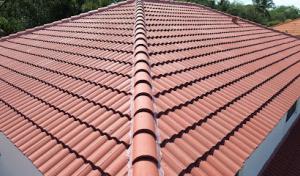
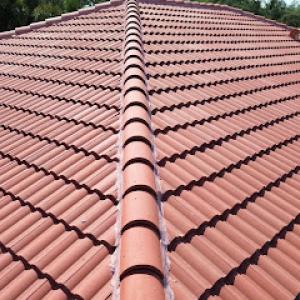
Tile roofing is a hallmark of the local roofscape, reflecting the Mediterranean and coastal residential style that runs through many neighborhoods. When a home uses clay or concrete tile, the goal is reliable long-term performance under tropical sun, wind, and salty air. The tiles themselves resist impact well, but their fasteners, underlayment, and the supporting structure must be evaluated against the Florida storm season. In this market, a well-tuned tile roof can weather typical rain events and seasonal heat if the installation accounts for drainage, venting, and proper alignment of hips, ridges, and valleys. Expect inspections to focus on tile alignment, broken units, and the condition of gutters and discharge paths that keep runoff off the fascia and walls.
Salt spray and coastal air accelerate corrosion of exposed metal components, flashings, and fasteners even when the primary roof covering is tile. If your roof uses metal accents, cap sheets, or a standing-seam section, the finish should be rated for seaside exposure and the fasteners chosen for coastal use. Regular checks should include the condition of edge detailing where wind-driven spray tends to strike most, plus the crest of hips and ridges where salt-laden air can accumulate. For any metal underlayment or flashings, a proactive maintenance plan helps prevent galvanic corrosion, paint peeling, and pitting that can compromise watertightness over time.
In this area, edge detailing matters more than in inland markets. Pay attention to the drip edge, gutter interfaces, and any metal-to-tile connections where water movement transitions between materials. Ensure flashings at roof-to-wall intersections are continuous and free of gaps where salt-laden mist can gather. If a metal valley or parapet exists, confirm that sealants and coatings maintain flexibility in high heat and humidity, and that coatings stay intact through seasonal storms. Regular hand-checks after heavy rain or storms help catch loose fasteners, degraded sealants, or corroded metal before leaks start.
A practical approach is to pair a tile roof inspection cycle with coastal weather patterns: after hurricane season, after the worst of the rainy months, and with the onset of the dry season. During inspections, target fasteners for any loosening, verify the condition of sealants around penetrations, and confirm that edge metals carry a fresh protective coat as needed. For metal components, consider coatings or touch-up finishes that resist salt exposure, and replace any severely corroded clips or straps to maintain wind resistance and overall roof integrity.
Find contractors who specialize in clay and concrete tile roofs, known for their durability and curb appeal.
SK Quality Roofing
(561) 783-5248 www.skqualityroofing.com
772 SW 17th Ave, Delray Beach, Florida
5.0 from 241 reviews
APEX Roofing of Delray Beach
2210 NE 3rd Ave, Delray Beach, Florida
5.0 from 30 reviews
Imperial Roofing Group
(954) 667-2990 www.imperialroofinggroup.com
335 E Linton Blvd #2043, Delray Beach, Florida
4.8 from 23 reviews
SK Quality Roofing
(561) 783-5248 www.skqualityroofing.com
772 SW 17th Ave, Delray Beach, Florida
5.0 from 241 reviews
Free consultation. SK Quality Roofing in Delray Beach, FL, has over 40 years of experience serving Palm Beach & Broward Counties. We specialize in roof replacements and repairs for tile, shingle, metal, and flat roofs. As a GAF Certified Plus Contractor, we deliver trusted service for both residential and commercial clients.
APEX Roofing of Delray Beach
2210 NE 3rd Ave, Delray Beach, Florida
5.0 from 30 reviews
At APEX Roofing of Delray Beach, we’re a trusted roofing contractor in Delray Beach, FL, delivering expert roofing and solar solutions built for Florida’s unique climate. We specialize in storm damage roof repair, roof installation, and roof replacement, along with solar panel and gutter installation. Our experienced team is dedicated to quality, professionalism, and customer satisfaction on every project. Whether you're dealing with roof leaks or planning a new solar setup, we’re here to protect your home and enhance energy efficiency with reliable service across Florida.
Imperial Roofing Group
(954) 667-2990 www.imperialroofinggroup.com
335 E Linton Blvd #2043, Delray Beach, Florida
4.8 from 23 reviews
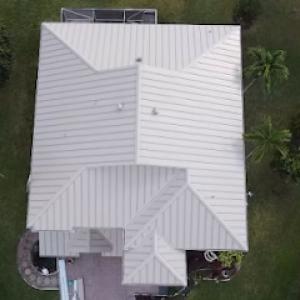
Roofing contractors set out to provide local Palm Beach and Broward County residents and businesses with the highest quality roofing services possible. Over this time frame, our skilled contractors have conducted countless roof repairs, coatings, inspections, installations, and replacements. If you need to hire a professionally licensed roofing contractor in Palm Beach or Broward County, our courteous staff is always here to help you in any way that we can. Our knowledgeable and well versed staff would be happy to answer any questions that you may have about your property or our wide range of exceptional services. As such, we have the knowledge, skill, and experience necessary to satisfy all of your roofing needs.
Gulfstream Roofing
(561) 276-9500 gulfstreamroofing.com
140 NW 18th Ave, Delray Beach, Florida
4.2 from 57 reviews
Gulfstream Roofing was founded by Bob McDonald in June of 1978. For over 40 years, our team has been providing affordable quality roofing for clients in our community. We offer roofing repairs, installation, as well as maintenance of residential & commercial properties in Broward and Palm Beach counties. Our mission is to provide quality roofing services in a professional manner, the goal being to not only meet your expectations, but exceed them. GULFSTREAM ROOFING INC. IS AN INDUSTRY RECOGNIZED ROOFING CONTRACTOR IN SOUTH FLORIDA WITH A REPUTATION FOR QUALITY AND DEPENDABILITY. In our forty plus years of experience, we have gained a reputation for our work on single family homes, custom homes & estates, and multi-family properties.
Ron Bell Roofing
1020 SW 10th St, Delray Beach, Florida
4.1 from 38 reviews
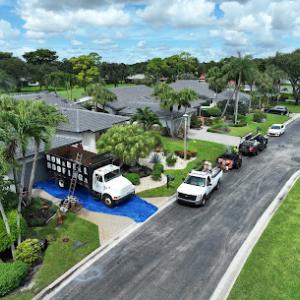
South Florida's go-to roofing specialists. With over 38 years of experience, we've been keeping homes safe and dry, one roof at a time. - New Roof install - Roof Repairs - Roof Replacements
Triumph Roofing, Restoration & Reconstruction
(561) 593-4136 www.triumphrrr.com
Serving
4.9 from 102 reviews
Triumph is a 24/7 Roofing, Mold Remediation, and Mold Removal company located in Boynton Beach Fl. Give us a Call Today for any Roofing issues. New Roofs, Roof Leaks or Roof Repairs. We Service both Residential and Commercial clients. Available for emergency services, day or night.
SmartRoof - Roofing & Solar
Serving
4.6 from 113 reviews
SmartRoof re-energizes the dream of homeownership across the Miami region through energy efficient upgrades. With innovative integrated solar solutions, and roof, gutter, siding, window and door replacement, we’re improving the home improvement process. We’re taking the home renovation industry from a frustrating back-and-forth, to a collaborative, service-focused dream. We lead with kindness, relatability, and a commitment to communication and support. Backed by thousands of 5-star reviews and more than 20,000 installations, we treat your home like it is our own. We’re certified by the best manufacturers in the US, and use only the latest roofing and solar technologies to help you achieve your dream home. Build your future with us!
RoofClaim
Serving
5.0 from 135 reviews
We're a national roofing company providing roof inspections, roof repair, & roof replacement backed by a Million Dollar Guarantee. At RoofClaim we handle your roofing needs from start to finish. Shingle roof replacements can be completed in one day using top-quality materials. We offer financing and customized payment solutions. Over 11,000 satisfied customers and a 4.9 star average Google rating. Book your free roof inspection today!
CLS Roofing Contractor of Boca Raton
(561) 918-2477 clsroofingllc.com
Serving
5.0 from 60 reviews
CLS Roofing Contractor of Boca Raton is your premier choice for all roofing needs at 4301 Oak Cir. Specializing in comprehensive roof repair and replacement, we are a leading roofing contractor renowned for exceptional residential and commercial roofing services. Our expertise includes shingle roofing, metal roofing, and asphalt roofing solutions, tailored to withstand Florida's climate. We offer reliable emergency roof repair with a commitment to quality and customer satisfaction. Trust CLS Roofing Contractor for unmatched craftsmanship and top-notch roofing services in Boca Raton. Contact us today to ensure your roof's longevity and durability.
Blues Brothers Roofing
(561) 361-6378 www.bluesbrothersroofing.com
Serving
4.8 from 473 reviews
Dedicated to the highest level of customer experience, the professionals at Blues Brothers Roofing have the reputation and knowledge to assist our customers with roof repairs or roof replacements from Boca Raton through the surrounding cities.

Gustafson Roofing
(561) 880-3456 www.giroofers.com
Serving
4.8 from 398 reviews
At Gustafson Roofing in Boynton Beach, we're proud to bring over 75 years of experience to every roofing project. As a family-owned business, we provide comprehensive roofing services, including repairs, replacements, maintenance, and inspections for residential and commercial properties. Our team is dedicated to delivering high-quality craftsmanship and exceptional customer service. Whether you need emergency repairs or a full roof replacement, choose us for peace of mind and a roof that lasts.
Caldwell Roofing
(561) 475-5279 caldwellroofing.com
Serving
4.9 from 31 reviews
Caldwell Roofing is one of South Florida's premier residential Roofing Contractors—and we’ve been comprehensively serving your area for over 25 years. We pride ourselves on being the most respected, reputable and Professional Roofing Contracting Company in southern Florida. If you notice a problem with your roof, don’t wait, as water damage and the elements can make things a lot worse. Caldwell will be on-site quickly to provide affordable roof maintenance and roof repair. And when the time comes for a completely new roof design, Caldwell will bring your vision to life in a cost-efficient and timely manner.
Provided local cost ranges run from about $350 to $700 per square for asphalt shingles, $700 to $1200 for metal, $900 to $1800 for clay tile, $800 to $1600 for concrete tile, $1500 to $3000 for slate, and $500 to $900 for fiber cement shingles. Those numbers reflect the pairing of Delray Beach's coastal climate with the typical residential stock, where larger coastal-style homes and tile systems are common. Materials chosen will directly shape the total project price, but the shipping, handling, and weather-sensitive scheduling can tilt bids in surprising ways during peak demand.
Delray Beach's strong tile-roof presence tends to push project totals higher because tile systems are heavier, more labor-intensive, and common on larger coastal-style homes. Clay and concrete tiles require careful structural assessment, fastener planning, and sometimes decked or reinforced framing to meet wind-load expectations. Expect higher installers' mobilization costs when working on big, pitched roofs, and anticipate longer durations on site for tile cutting and layout. If a full tile replacement is on the table, budgeting toward the upper end of the tile ranges is prudent, especially for larger homes or premium finishes, and factor in potential accessory costs for underlayment and flashings.
Storm-season demand surges in southeast Florida can raise labor wait times and pricing pressure, while dry-season scheduling may improve weather reliability even though heat can complicate material handling. In practice, those dynamics mean a tile replacement project started in late fall or winter may secure more predictable access to crews, but the material handling challenges in intense summer heat still persist. If timelines are flexible, coordinating around the tail end of hurricane season or the early dry season can help avoid spike periods and reduce project friction.
Asphalt shingles remain the most budget-friendly entry point, but tile and metal options are common in Delray Beach due to longevity and coastal performance. Clay tile tops the price ladder in most installations, while concrete tile sits between for cost per square but shares durability benefits. Slate represents a premium path with high weight and specialized install needs. Fiber cement shingles offer a middle ground with better weather resistance than basic asphalt, yet still lower price than true tile or slate. For homes with existing tile, a common path is to repair or reseal on a like-for-like basis to maintain curb appeal and wind performance without a full structural upgrade.
When planning, think in terms of a per-square range and then add a contingency for heavier tile work, flashing replacements, and underlayment upgrades. For Delray Beach homes, a realistic adjustment accounts for the labor intensity of tile installations and the potential need for additional roof deck or framing reinforcement. Scheduling with an eye toward mild weather windows can reduce weather-related delays and keep the project on track. Finally, coordinating with a contractor who can provide detailed material warranties and wind-resistance evidence helps ensure the replacement meets the coastal demands of the area.
The most popular roofing material in the US. Find pros who install, repair, and replace asphalt shingles.
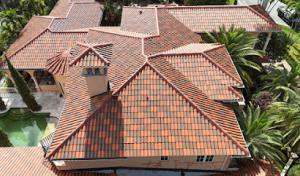
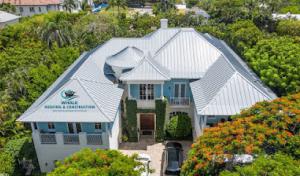
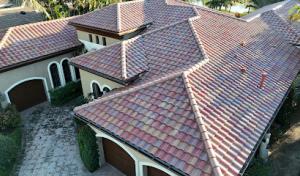
When planning a full roof replacement, expect that a building permit through the city's Building Division is typically required. The permitting process exists to verify that the chosen materials and installation methods meet local wind, flood, and code requirements, which are especially critical in a coastal setting. Start by pulling the permit early in the project timeline, because approvals can affect scheduling with your contractor and the availability of hurricane-season work windows. A common expectation is to submit project plans, including the type of roof system, underlayment specifications, and fastener details, so staff can review for compliance with Delray Beach's construction codes and wind-resistance standards.
Plan review may be part of the process for larger or higher-wind roofing projects. In a coastal city with hurricane exposure, a more thorough review helps ensure the roof design aligns with anticipated wind loads and roof-to-wall connections. If your project involves a premium or specialty roof-such as tile, clay, or metal-be prepared for additional documentation, including attachment details, flashing configurations, and any venting or attic ventilation changes. The plan review can take extra time, so coordinate with your contractor to avoid delays during peak season. The aim is to confirm that the proposed system will perform as intended under seasonal stressors and that permits align with insurance and local enforcement expectations.
Roofing inspections in Delray Beach commonly include underlayment verification, nailing pattern confirmation, and the final inspection to certify code compliance. Underlayment must be installed per code specifications to protect against wind-driven moisture, especially during hurricane season when storm surges and heavy rainfall are a possibility. The nailing pattern is scrutinized to ensure proper fastener spacing and depth, which directly affect wind uplift resistance for tile or metal systems. The final inspection confirms that the installation matches the approved plans and meets all applicable wind, moisture barrier, and roof-penetration standards. Expect at least one mid-project inspection if deviations from the plan arise or if contractors propose an alternate method; delays in approvals can ripple into weather windows and permit expiration.
Work with a licensed contractor who routinely navigates Delray Beach's Building Division expectations and is familiar with coastal construction nuances. Gather all required documentation early, including product data for underlayment, fastener charts, and attachment details for tile or metal systems. Keep your project team aligned on weather protection measures, particularly during hurricane-season months, and be prepared for potential plan-review notes that require design tweaks. Understanding the permit and inspection sequence helps protect the home, the roof investment, and the surrounding property from wind-driven damage and moisture intrusion.
You operate in an active storm-claim environment where roof age, replacement quality, and documentation can affect premiums and claim outcomes. In Delray Beach's salt-spray air and hurricane season, roofs that show wear or nonstandard repairs tend to draw closer scrutiny from adjusters. When a tile or metal roof has been through multiple repairs, or if underlayment and fasteners look aged, an insurer will weigh not just today's damage but the history of maintenance you can prove. Your best defense is honest records of past replacements, lived-in performance during storms, and a realistic plan to address aging components before the next event.
Insurers in Florida often want wind-mitigation evidence and detailed records after storm events, which is especially relevant for coastal Palm Beach County properties. You may be asked for photos of hip-ridge venting, shingle or tile attachment, and the condition of fasteners, straps, and underlayment. Keep a simple file: dates, what material, where installed, and any professional evaluation. If a roof has recent upgrades-tight fasteners, upgraded underlayment, reinforced edge protection-gather independent documentation. Those documents can meaningfully influence how a claim is processed and how policy terms are adjusted.
Carrier reunderwriting and tighter availability in some coastal Florida areas make homeowners more sensitive to roof condition and code-compliant replacements than in lower-risk markets. A roof that's visibly aging or lacking modern wind-resistance features can limit options for coverage or renewals after a major event. Proactive upkeep, timely replacements with recognized wind-rated products, and clean maintenance records create a clearer, faster path through the process. In a neighborhood of tile and metal roofs, even subtle upgrades can shift the odds in a claim's favor if storms arrive.
Consider a preemptive assessment by a local roofer who understands salt corrosion, coastal fasteners, and the way tile lays against gusts. Document attic condition, flashing integrity, and the roof-to-wall connections you rely on during a hurricane. After a storm, avoid relying on memory alone; assemble a concise report with dates, parties involved, and the exact materials installed. This disciplined approach reduces ambiguity when insurers review your claim. Keep copies secure somewhere.
Connect with contractors who help homeowners navigate the claims process from damage assessment to final approval.
APEX Roofing of Delray Beach
2210 NE 3rd Ave, Delray Beach, Florida
5.0 from 30 reviews
Triumph Roofing, Restoration & Reconstruction
(561) 593-4136 www.triumphrrr.com
Serving
4.9 from 102 reviews
Flat and low-slope roofing is a meaningful local specialty in Delray Beach, reflecting the mix of condos, additions, and commercial buildings in the city. The typical flat or near-flat roof in this area often serves as a balcony or terrace, which means it endures constant exposure, foot traffic, and seasonal humidity. This is not a one-size-fits-all scenario-you will see both built-up membranes and modern single-pply systems common across multi-unit properties and small commercial structures.
Summer downpours arrive fast and heavy, so drainage performance is non-negotiable. Confirm that your roof has a clear path for water to flow to scuppers or internal drains, with minimal slope loss at seams. Keep drip edges and penetrations sealed, and test drainage after any repair to ensure nothing anchors water in place during a downpour. Establish a rapid leak-response routine: a phone tree for residents, a visible leak note on the access area, and a plan to divert water when a drain is temporarily blocked.
High humidity and repeated wetting cycles in coastal south Florida compound ponding wear. Inspect for soft spots, blistering, or creeping moisture near seams and transitions. Pay particular attention to transitions around parapets and vent penetrations where heat and moisture can accelerate deterioration. Seasonal roof coatings or sealants can help, but only when applied to clean, dry surfaces and rechecked after the wet season.
Routine maintenance should focus on keeping debris clear from drains and ensuring flashings stay integrated with adjacent walls. Address any micro-leaks promptly with compatible sealants before they spread through the deck. For flat roofs serving occupied spaces, document any patch work with a quick follow-up inspection after heavy rains to catch hidden leaks early.
Find specialists in TPO, EPDM, and built-up flat roofing systems for residential and commercial properties.
SK Quality Roofing
(561) 783-5248 www.skqualityroofing.com
772 SW 17th Ave, Delray Beach, Florida
5.0 from 241 reviews
Skylight work appears often enough in the Delray Beach market to merit special attention, especially on custom homes and remodels. The combination of salty air, high humidity, and sudden thunderstorm downpours makes skylights and their surrounding flashing a frequent source of leaks if not properly engineered and installed. In homes with clay or concrete tile, the flashing around the skylight has to ride over a curved roof plane, which adds a seam that can crack or separate under wind-driven rain. In metal-roofed houses, corrosion around penetrations sharpens the risk, turning a small drip into a noticeable stain in days.
Wind-driven rain during southeast Florida thunderstorms can expose weaknesses around penetrations and flashing details more quickly than in drier climates. A tight seal on a skylight is not enough if the curb, countersink, or step flashing lacks consistent hardware and bonding. An overlooked detail-like a missed sealant bead, a loose or torn boot, or a misaligned flange-can become a leak pathway after a strong gust. You should inspect the perimeter flashing after a surge of rain and again after a storm front, paying close attention to any damp spots on the ceiling or along interior walls adjacent to skylights.
Coastal corrosion risk in Delray Beach makes metal flashing condition around skylights and roof penetrations a more important maintenance item. If flashing is aluminum or galvanized steel, expect some pitting and thin spots over time, especially around fasteners and seams. Proactive checks for rust, loose screws, and degraded sealant help prevent slow, creeping leaks that compromise insulation and interior finishes. Regular cleaning to remove salt spray buildup around the flashing helps extend life and keeps protective coatings intact.
A practical approach is to schedule a yearly exterior inspection focusing on skylight seals, flashing joints, and the curb collar. After large storms, perform a quick walkaround to look for lifted shingles or tile edges near the skylight, and listen for any dripping when rain recedes. If a leak is detected, address it promptly, as delays compound water intrusion risks into attic spaces and potentially into ceiling finishes.
Find contractors experienced in skylight installation, flashing, and leak repairs to bring natural light into your home.
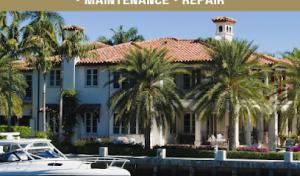
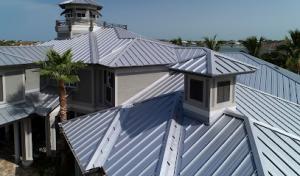

The dry season is the preferred window for replacement work because it reduces rain interruptions that can slow crews and compromise materials. In a coastal Palm Beach County setting, that stable stretch helps tile and metal roofs go up without the frequent wipeouts caused by sudden showers. The goal is a stretch of days with little to no rain, modest humidity, and manageable sea-breeze winds that won't pin crews down. Scheduling during this period minimizes rework and delays that can ripple into insurance and material procurement timelines.
Extreme heat in the drier months still affects crew pacing and material handling, so the best schedule is not simply the coolest month but the most stable weather window. Delray homes with clay or concrete tiles, or narrow passageways through older neighborhoods, benefit from cooler mornings and shade-structured days. Plan for early starts to avoid the peak heat and to keep tile or metal sheets from overheating during cutting and lifting. A well-timed start also reduces the chance of heat-related equipment downtime.
Booking before hurricane season helps avoid the permit, inspection, and contractor backlog that follows tropical weather threats. A proactive window can align with supplier schedules, ensuring shingles, underlayment, or clips arrive in time. If a storm rumored late in the season disrupts plans, a preparation lead time minimizes the risk of storm-driven delays or last-minute substitutions in underlayment and fasteners.
Coordinate a clear two- to four-week lead time with your contractor so weather forecasts, material deliveries, and crew availability align. Have a contingency plan for a brief weather setback, and set a realistic target date that stays within the dry spell while avoiding peak heat. This steady, prep-forward approach fits tile-roofing rhythms and keeps a Delray project on track without last-minute scrambles.
The Delray Beach market shows unusually strong concentration in re-roofing and emergency repair, so you are often sorting among replacement-focused crews rather than niche new-construction roofers. That dynamic matters when your roof needs to stand up to salt spray, coastal winds, and summer storms. Look for crews that clearly emphasize rapid mobilization after a storm and who bring a track record of completing full replacements without lingering leaks or shoddy cleanups. A good crew understands tile and metal systems as well as the common asphalt and concrete options found on Delray homes, so you're not juggling specialists who only handle one material.
Quick response signals matter here. When a storm passes, you want a crew that can be on site within 24 to 72 hours for assessment and a predictable timeline for the work to start and finish. Ask for recent projects in similar coastal neighborhoods and request a written start window, not just a verbal estimate. Cleanliness after a tear-off, a careful debris plan, and a dedicated tarp or containment strategy during tearing are tangible indicators of a crew that prioritizes post-storm safety and neighborly respect. Confirm they have a procedure for protecting landscaping, driveways, and hurricane shutters, since clutter and debris easily become neighborhood eyesores after strong winds.
Long-established and family-owned firms are common enough to matter as trust signals in a market where storm urgency can attract less-vetted operators. Favor crews with local roots and repeat customers who will still answer a phone call after hours. Local crews tend to know which tile profiles and metal systems perform best in this climate, and they're more likely to stand behind their work with a reasonable warranty and a responsive service plan. If a contractor hesitates to provide current client references in Delray and nearby coastal communities, take that as a caution flag.
When interviewing, prioritize how the crew explains roof-material compatibility with salt exposure and wind loads, their plan for protecting the interior during a tear-off, and their process for final cleanup and site restoration. Request a written scope that names material levels, underlayment choices for coastal use, and a staged schedule. Finally, confirm they understand the urgency many homeowners feel after summer events and will dedicate appropriate personnel to maintain your home's security and comfort while the project progresses.