
Last updated: Apr 19, 2026
Boynton Beach sits in coastal Palm Beach County, where summer through early fall is the highest-risk period for tropical storm and hurricane roof damage. The area faces rapid shifts from bright sun to tropical downpours in a single afternoon, and that pattern wears roofs differently than inland neighborhoods. Your tile-heavy home is built to last, but the combination of wind-driven rain and long UV exposure accelerates aging and creates multiple failure points at once. This means readiness isn't a one-and-done project-it's a surgical, season-aware plan you implement every year.
With a large stock of clay and concrete tile, the roof's strength hinges on fasteners, underlayment, and the connection to the walls. In Boynton Beach, wind can rip loose tiles even when gutters are clear, and shattered tiles invite water intrusion that you might not catch until a stain appears. The heat and humidity also break down underlayment faster than you'd expect, so continuity of seal and coverage matters just as much as the visible tile layer. Be especially vigilant about hip and ridge lines, where wind loads peak, and about any barbed or malleable clips that secure tiles to the deck. If your roof shows areas where tiles sit unevenly, or where fasteners look corroded, treat that as a red flag for a targeted fix rather than a full-scale rethink.
Start with a rapid, honest assessment: walk the roof edge from the ground with binoculars or a high-quality camera to spot loose or cracked tiles, missing fasteners, or bare deck areas. Prioritize securing lose tiles and replacing cracked ones before the next storm season, since even a few weak points can cascade into extensive interior damage once rain pours in. Inspect flashings around chimneys, vents, and dormers; overlapping sealant gaps are common entry points for water during heavy rains. Ensure the underlayment beneath the tiles is intact and continuous, especially along roof-to-wall transitions where wind pressure is highest.
Prepare for quick tear-off interruptions: during the heart of hurricane season, heavy downpours often pause exterior work, so plan to complete the critical steps of replacement or repair outside the window of peak storms. If a full replacement is underway, stage tarps and temporary barriers to protect interior spaces should a sudden squall strike. Keep a readiness checklist for storms: check seals, reinforce entry points, and confirm that any replacements already in progress have secure, wind-rated attachments ready to withstand rapid gusts.
In this climate, timing matters more than perfect conditions. Schedule major roof work to avoid the worst of the storm-heavy months when storms are most likely to interrupt tear-offs and dry-in work. Coordinate with crews for a plan that prioritizes continuous visibility, rapid sealing, and a fast, high-integrity dry-in. If you have to push a replacement outside the storm-heavy window, center the plan on minimizing exposure of the interior while the deck is open. In all cases, the goal is to reduce the roof's vulnerable moments-before, during, and after the peak of hurricane season.
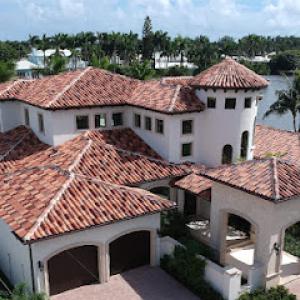
Tile roofing is the strongest specialty signal in this market, matching the prevalence of clay and concrete tile on South Florida homes and planned communities. In this climate, a tile roof isn't just about curb appeal; it's about enduring heat, humidity, and tropical downpours. The practical reality is that a well-installed tile roof can outlast many other coverings, but it must be maintained with attention to the underlayment and fasteners that live beneath the surface.
When a storm passes, you're most likely to hear about broken field tiles first. Yet in Boynton Beach, the longer-term challenge sits a little deeper: underlayment aging caused by heat and humidity beneath otherwise durable tile coverings. The underlayment acts as the second line of defense against leaks, and it can deteriorate even if the tiles themselves remain intact. A proactive inspection after each hurricane season should include a careful look at the underlayment's condition, especially in areas where tiles sit on high-traffic roof planes or near penetrations like vents and skylights.
Repairs can be complicated by tile profile and color matching on older roofs, which is a common issue in established Palm Beach County neighborhoods. Matching a replacement tile to a decades-old color and profile isn't a cosmetic luxury-it affects the roof's water-tight performance and the overall aesthetic harmony of the home. When a repair requires removing several tiles for access, plan for a precise re-tiling sequence to maintain the original line and shadow. In many cases, small color or profile differences are acceptable, but on tile-heavy homes they stand out quickly and can drive the decision toward a full or partial re-cover rather than piecemeal fixes.
For readiness, adopt a simple post-storm routine. After a hurricane or heavy rain, do a surface check from the ground for obvious missing tiles or debris accumulation. If you see irregular tiles, flicker, or hear unusual sounds from wind-driven movement, arrange a prompt roof assessment. Because many homes rely on a tile system that performs well in wind when installed correctly, focus on securing loose edges and confirming that fasteners and battens remained intact under wind load. If a tile roof has experienced prior repairs, pay extra attention to the flashing details around chimneys and valleys, where heat and salt exposure can accelerate wear.
In practice, build a maintenance plan that prioritizes tile integrity, underlayment health, and color-matching feasibility. A local roofer who understands the distinctive Florida tile market can guide you through targeted replacements that preserve performance while keeping the roof's look cohesive across the score of neighboring homes.
Find contractors who specialize in clay and concrete tile roofs, known for their durability and curb appeal.

Gustafson Roofing
(561) 880-3456 www.giroofers.com
716 SE 1st St A, Boynton Beach, Florida
4.8 from 398 reviews
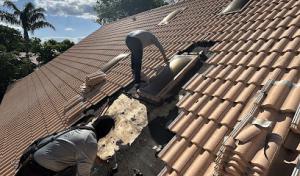
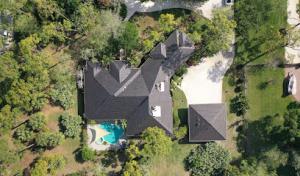
Triumph Roofing, Restoration & Reconstruction
(561) 593-4136 www.triumphrrr.com
3600 S Congress Ave Suite L, Boynton Beach, Florida
4.9 from 102 reviews

Gustafson Roofing
(561) 880-3456 www.giroofers.com
716 SE 1st St A, Boynton Beach, Florida
4.8 from 398 reviews
At Gustafson Roofing in Boynton Beach, we're proud to bring over 75 years of experience to every roofing project. As a family-owned business, we provide comprehensive roofing services, including repairs, replacements, maintenance, and inspections for residential and commercial properties. Our team is dedicated to delivering high-quality craftsmanship and exceptional customer service. Whether you need emergency repairs or a full roof replacement, choose us for peace of mind and a roof that lasts.
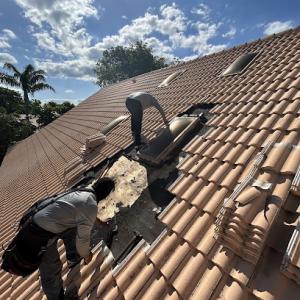
FLS Roofing
Boynton Beach, Florida
5.0 from 45 reviews
At FLS Roofing, roofing isn’t just our trade—it’s our reputation. We take pride in doing things the right way, every time. From roof repairs to full roof replacements, our team brings years of experience, honest communication, and solid craftsmanship to every job. We know your home is one of your biggest investments, and we treat it with the same care we’d give our own. ROOF REPAIRS, ROOF REPLACEMENTS, EMERGENCY ROOF LEAKS, FREE ROOF INSPECTIONS, RESIDENTIAL ROOFS, SHINGLE ROOFING, TILE ROOFING, FLAT ROOFING, METAL ROOFING, TPO.
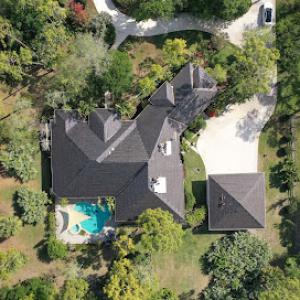
Triumph Roofing, Restoration & Reconstruction
(561) 593-4136 www.triumphrrr.com
3600 S Congress Ave Suite L, Boynton Beach, Florida
4.9 from 102 reviews
Triumph is a 24/7 Roofing, Mold Remediation, and Mold Removal company located in Boynton Beach Fl. Give us a Call Today for any Roofing issues. New Roofs, Roof Leaks or Roof Repairs. We Service both Residential and Commercial clients. Available for emergency services, day or night.
SeaBreeze Roofing & Sheet Metal
(561) 292-3457 seabreezeroof.com
2600 High Ridge Rd, Boynton Beach, Florida
4.8 from 481 reviews
SeaBreeze Roofing & Sheet Metal is a licensed roofing contractor serving Boynton Beach, West Palm Beach, Boca Raton, and surrounding South Florida areas. We specialize in roof repair, emergency roof leak service, roof replacement, and flat roofing systems. We work on tile, metal, shingle, and TPO/modified bitumen roofs. If your roof is leaking or storm-damaged, we provide fast inspections, clear options, and dependable workmanship. We can help document damage and explain insurance-related next steps when applicable. Call to schedule an inspection or request a quote.
Millennium Makeover
(561) 967-1306 millenniummakeover.net
2911 NW Commerce Park Dr STE 3, Boynton Beach, Florida
4.7 from 47 reviews
With over 25 years of experience in the roofing industry, Millennium Makeover, founded in 2005, consistently stays ahead of the curve by utilizing the latest roofing techniques. Our dedication to continuous learning allows us to provide exceptional roofing services while also specializing in kitchen renovations, bathroom renovations, and floor refinishing. Whatever your home improvement needs, Millennium Makeover is here to deliver expert solutions. Contact us today and let us help you transform your home with confidence and care!
Hercules Roofing
(561) 220-9998 www.herculesroofing.com
421 NE 7th Ave, Boynton Beach, Florida
4.6 from 52 reviews
Hercules Roofing offers unmatched residential and commercial roof installation repair maintenance replacement and leak detection. With over ten years of roofing experience under our belts our tested expertise and commitment to quality put us above other roofing companies in the area.

Fairway Roofing & Painting
(561) 767-2479 www.fairwayroofinginc.com
227 Woolbright Rd, Boynton Beach, Florida
4.4 from 32 reviews
Fairway Roofing & Painting is a locally owned roofing contractor. We do shingle, flat & tile repairs. We do silicone roof coatings, repair fascia, soffit, skylights. boynton beach Roof repair boynton beach, skylight repair boynton beach, silicone roof coating boynton beach, roof painting boynton beach, shingle repair boynton beach, tile repair boynton beach, flat repair boynton beach, reroof boynton beach, fascia repair boynton beach, soffit repair boynton beach delray beach Roof repair delray beach, silicone roof coating delray beach, roof painting delray beach, shingle repair delray beach, tile repair, flat repair delray beach, reroof delray beach delray beach, fascia repair delray beach, soffit repair delray beach, skylight repairs

Oasisbuilders
(561) 733-3756 www.oasisbuilders.com
1171 NW 10th Ct, Boynton Beach, Florida
4.3 from 30 reviews
As one of South Florida's most diverse general contractors and restoration companies, Oasis Builders has provided a wide array of professional services since their inception in 1969. We are a single source, turn-key General Contractor located in the heart of Palm Beach County. We serve all 4 counties in South Florida with a full array of in-house capabilities, offering experience from the simplest re-models to the most exquisite additions, windows & doors, re-roofs, and hurricane insurance restorations. Bottom line - "We Got You Covered!"

Paradise Exteriors Roofing
(561) 576-0056 www.paradiseexteriors.com
1918 Corporate Dr, Boynton Beach, Florida
4.6 from 14 reviews
Paradise Exteriors Roofing is a professional company that specializes in providing high-quality roofing contractor services. They are experienced in energy-efficient full replacement roofing, offering a combination of protection and aesthetics for homeowners. With their expertise, they ensure that the new roof not only enhances the appearance of the home but also provides efficient insulation and energy savings. Paradise Exteriors prioritizes the quality of their work and aims to deliver exceptional roofing services to their clients. Whether it's protecting the home or improving its overall appeal, their team of professionals is well-equipped to provide top-notch roofing replacement services.
America's Choice Roofing
(561) 333-3235 www.acroofing.com
High Rdg Rd, Boynton Beach, Florida
4.2 from 29 reviews
With many years of experience, we are a trusted roofing company committed to providing high quality roofing services. Our skilled team ensures top-notch workmanship and customer satisfaction on every project.
APEX Roofing of Delray Beach
Serving
5.0 from 30 reviews
At APEX Roofing of Delray Beach, we’re a trusted roofing contractor in Delray Beach, FL, delivering expert roofing and solar solutions built for Florida’s unique climate. We specialize in storm damage roof repair, roof installation, and roof replacement, along with solar panel and gutter installation. Our experienced team is dedicated to quality, professionalism, and customer satisfaction on every project. Whether you're dealing with roof leaks or planning a new solar setup, we’re here to protect your home and enhance energy efficiency with reliable service across Florida.
South Star Roofing
(561) 537-5544 southstarroofing.com
Serving
5.0 from 41 reviews
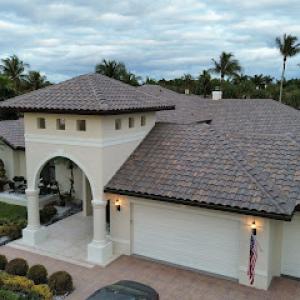
At South Star Roofing, we provide expert roofing services across Palm Beach County, including roof repairs, new roof installation, and full roofing projects. Our in-house team delivers quality, competent roof services with every job. Whether you need a new roof or reliable repairs near Palm Beach County, we make the process effortless, budget-friendly, and stress-free. Trusted for roofing in West Palm Beach and beyond, South Star Roofing is committed to giving every customer the best results from start to finish on their roofing project.
The dominant local material mix includes asphalt shingles, metal, clay tile, concrete tile, wood shingles or shakes, and synthetic or composite shingles, but the market signals show especially strong local demand for tile and metal expertise. That means when you walk through a neighborhood with a variety of home styles, you'll notice a lot of texture and color from clay and concrete tile, with metal panels popping up on porches, add-ons, or coastal-adjacent elevations. For a reroof or a new roof, recognizing this mix helps you gauge availability of local installers who understand tile weights, fastener patterns, and wind-rated underlayments that perform well in high-swell humidity and urgent leak scenarios after a storm.
In sun-drenched, humid climates with salt air, material choice hinges on UV resistance, moisture management, and wind uplift near the coast. Asphalt shingles can perform well when a high-quality underlayment and proper ventilation are in place, but heat exposure accelerates aging and granule loss unless you select products with strong UV stability and reflective coatings. Metal roofing, particularly standing-seam systems, shines in this market because its life cycle benefits from coastal wind-tight seam design and a finish that resists corrosion with appropriate coatings. Clay and concrete tiles bring excellent wind performance and long-term durability, yet installation specifics-such as battened vs. continuous support, and the weight considerations-need careful evaluation for coastal vibrations and potential algae or mold growth in humid months. Wood shingles or shakes bring a traditional look with a need for periodic treated finishes to resist moisture and termites, while synthetic or composite shingles offer a lighter, lower-maintenance alternative that still aims to mimic natural textures without absorbing moisture like wood.
Tile-heavy homes are clearly the design standard in many neighborhoods, so the best practice hinges on wind-resilient installation and rapid leak response. Clay and concrete tiles require accurate roof deck preparation, a sturdy underlayment system, and attention to nail patterns that reduce risk of lift during tropical breeze events. For replacement, consider tile profiles that maximize wind uplift resistance, plus local installers who understand the cadence of storms and the need for quick, reliable sealing methods around penetrations, chimneys, and vent stacks. In addition, color and texture choices can influence heat management and glare, which matters for longevity of the tile glaze and the surrounding components.
Homes with low-slope sections, lanais, additions, or transitions often need different roofing approaches than the main roof plane, which is why flat-roof specialization is also notably active in this market. Flat sections benefit from robust vapor barriers, compatible ballast or edging systems, and careful detailing where they meet steeper roof planes to prevent water pooling. When considering a reroof that involves transitions, you'll want a contractor who can design a cohesive drainage strategy and ensure that flashings around skylights, parapets, and sidewalls preserve the same level of wind resistance as the primary roof. For coastal neighborhoods, ensure the chosen system pairs well with existing fascia and gutter configurations to maintain rapid interior dry-down after heavy rains.
Local replacement pricing is heavily influenced by the town's strong use of tile systems. Tile roofs push material and labor costs higher than asphalt shingles, largely because tile work requires specialized crews, longer installation times, and careful synchronization with existing roof lines. In neighborhoods with large tile inventories, you'll likely see higher per-square costs for both clay and concrete options, especially when matching an existing color, profile, or texture. If your current roof is tile, expect contractors to quote closer to the upper end of the typical ranges for any full or partial replacement, and plan for a longer job timeline during peak season.
Palm Beach County's hurricane season drives pronounced demand spikes after wind events. When a significant wind event hits, crews from across the region converge on local neighborhoods, creating tighter labor markets and tighter windows to complete quick turnarounds. This can push both scheduling and pricing pressure higher for replacements, particularly for tile systems where skilled labor is already in shorter supply. If you're facing a roof replacement in late summer or early fall, it's prudent to reserve a crew early and anticipate potential freight or lead-time delays that can affect both the timeline and the final cost.
Costs rise when roofs feature multiple elevations or complex tie-ins, which are common in South Florida designs with long runs and jogs. Low-slope sections, edge details, and transitions between patios or sunrooms can complicate waterproofing and require extra flashing, underlayment, and even reinforcement for wind resistance. Accessory features such as skylights, solar tubes, or decorative tile borders add labor time and material costs, especially if the roof system needs to be integrated with existing structures. In practice, a straightforward replacement on a single-slope, uniform tile roof will run notably cleaner, while mixed elevations and a cascade of features will push up both price and scheduling considerations.
Get a clear picture of your project costs upfront - no commitment required.
America's Choice Roofing
(561) 333-3235 www.acroofing.com
High Rdg Rd, Boynton Beach, Florida
4.2 from 29 reviews
A full roof replacement typically requires a building permit through the local jurisdiction and Palm Beach County review framework. That process is not optional in this area: skipping permit review or rushing through the paperwork can lead to delays, fines, or a stop-work order that disrupts rain-prone weeks. The building department expects clear plans, including roof line details, material types, fastener schedules, and drainage considerations. A licensed contractor who understands the county's review checklist helps avoid last-minute backlogs that push projects into hurricane season windows.
The process generally includes plan review plus scheduled inspections during the job. Commonly, you'll see an inspection after tear-off to confirm proper exposure and the new underlayment is in place, and another final inspection to verify completion and code compliance. If any step doesn't align with the plan review notes, a re-inspection or revision may be required, which can add time and uncertainty during a storm season. Expect the schedule to account for local weather holds and the county's crew availability, especially in peak demand months.
Wind mitigation considerations are part of the local roofing conversation because documentation may affect insurance credits and must be coordinated with the building department process. That means you'll want your contractor to prepare or verify the necessary wind-rated components, attic ventilation details, and secondary-water-resistive barriers as applicable to the product and local code amendments. Keep copies of all permits, inspection approvals, and mitigation paperwork accessible. If the insurer requests additional proof of compliance, having a tidy, department-approved file on site saves time and reduces the risk of coverage gaps when a claim arises after a storm.
This coastal area faces frequent wind and storm claims, and the roof is often the first and most scrutinized line of defense. The underwriting mindset here tends to connect roof condition directly to renewal decisions. A well-maintained roof with clear records can help stabilize premiums and avoid gaps in coverage after a storm. Conversely, a deteriorating roof or patchy maintenance history can raise red flags for insurers, increasing the risk of non-renewal or restricted options when a claim is filed.
Remember that insurers typically want both pre-loss and post-loss photos to assess risk and verify conditions at the time of a claim. A homeowner should maintain a current set of photographs showing roof surface, flashing, and visible fasteners, along with a simple, dated log of maintenance. When a leak or wind event occurs, timely documentation becomes a practical asset: clear timelines and visual evidence can influence settlement speed and accuracy, and help demonstrate that reasonable precautions were taken to mitigate further damage.
Wind mitigation details tied to the roof system can be a factor carriers weigh during underwriting. After recent hurricane seasons, some Florida carriers have tightened product availability, making the age of the roof and its permit history more conspicuous in decisions. A roof that shows consistent, recent upkeep alongside well-documented wind-resistance features is more likely to yield favorable underwriting signals, even if the house is on the older side for the community.
Keep a photo archive updated after major weather events and before any claim season. Create a simple binder or folder with roof type, age (rough estimate if exact date is unknown), last service date, and the results of any professional assessments. If a storm is forecast, preemptively review shingles, tiles, and flashing and address obvious vulnerabilities so that post-storm inspections show proactive care rather than deferred neglect. This approach can reduce the friction that sometimes accompanies wind-related claims.
Connect with contractors who help homeowners navigate the claims process from damage assessment to final approval.
Triumph Roofing, Restoration & Reconstruction
(561) 593-4136 www.triumphrrr.com
3600 S Congress Ave Suite L, Boynton Beach, Florida
4.9 from 102 reviews
SeaBreeze Roofing & Sheet Metal
(561) 292-3457 seabreezeroof.com
2600 High Ridge Rd, Boynton Beach, Florida
4.8 from 481 reviews
Millennium Makeover
(561) 967-1306 millenniummakeover.net
2911 NW Commerce Park Dr STE 3, Boynton Beach, Florida
4.7 from 47 reviews
Flat-roof specialists are active here because many homes and commercial buildings use low-slope sections that behave differently from tile or shingle roofs. In this market, quick diagnosis of ponding, edge drainage, and flashing transitions matters. The long rainy season can expose drainage weaknesses fast, especially where ponding or marginal flashing exists. Understanding the local mix of flat sections helps you plan a maintenance and repair path that minimizes leaks and disruption during hurricane season.
On low-slope roofs, you should regularly check for standing water after heavy rains. Even small, persistent ponding near parapets, HVAC curbs, or drain inlets can accelerate deck wear and leak paths. Inspect drainage lines and scuppers for clogs, and verify that fascia and drip edges are still directing water away from the membrane or substrate. Flashing transitions around walls, skylights, and roof penetrations deserve a quarterly eye: look for lifted seams, loose fasteners, and any UV-dried sealant cracks. If you notice moisture staining or damp insulation, treat it as a warning flag rather than a one-off issue.
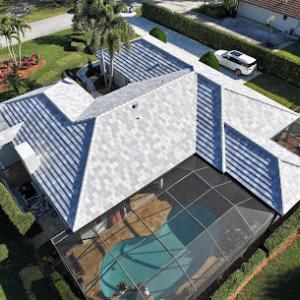
Roof coatings are a visible local specialty and serve as a practical strategy for extending life without full replacement. Coatings can tighten minor leaks, reflect heat, and slow membrane degradation, which is useful when a full rebuild isn't the immediate goal. For a coating job, verify compatibility with the existing substrate and confirm proper surface preparation. In this market, restoration-focused approaches-recoats, flashing reseals, and targeted deck repairs-often buy substantial service life and preserve proper drainage paths. Plan for a coating cycle as part of a long-term maintenance rhythm, not as a one-time fix.
Schedule a seasonal walk-around after the peak of the rainy season to spot early signs of edge deterioration or flashing displacement. Keep a simple checklist: confirm drain cleanliness, test spray from a hose to trace potential leak paths, and monitor any new damp spots on ceilings or walls beneath flat sections. If a visible trend of leakage or ponding emerges, address it promptly with targeted repairs before storm season intensifies.
Find specialists in TPO, EPDM, and built-up flat roofing systems for residential and commercial properties.
SeaBreeze Roofing & Sheet Metal
(561) 292-3457 seabreezeroof.com
2600 High Ridge Rd, Boynton Beach, Florida
4.8 from 481 reviews
Millennium Makeover
(561) 967-1306 millenniummakeover.net
2911 NW Commerce Park Dr STE 3, Boynton Beach, Florida
4.7 from 47 reviews
In Boynton Beach, timing matters because late spring through early fall brings frequent rain that can delay open-roof work and complicate dry-in scheduling. If a full replacement is planned, align the project with a stretch of several dry days or a reliable stretch in the dry season to minimize moisture exposure on exposed roof decks. Tile-heavy homes require careful sequencing to keep underlayment and fasteners protected during rain gaps, so a realistic weather forecast matters as much as the calendar.
The dry season's heat and intense sun can also affect crew pace and material handling, so replacement windows are chosen around both weather risk and installation practicality. Heavier tile applications benefit from cooler mornings and shaded work zones to preserve sealants and reduce glare-driven fatigue. Schedule critical roof-penetration work earlier in the day, with cleanup and staking completed before peak heat, to avoid delays that push progress into rain windows.
Emergency repairs are especially relevant locally because active leak response often bridges the gap between storm damage and a fully permitted replacement. If leaks threaten interior ceilings or attic insulation during a storm, temporary measures should be implemented promptly to limit water intrusion. When a patch is necessary, plan a staged approach: address the immediate leak, then secure a firm replacement timeline that targets a dry-weather block for the more extensive work.
1) Assess roof health after the peak storm season, noting exposed seams, edge tiles, and flashing integrity. 2) Set a tentative replacement block that avoids late spring fronts and the heaviest part of the hurricane season. 3) Build in a weather contingency: add 1-2 weeks for potential rain delays or supply hiccups. 4) When choosing a day window, prioritize cooler mornings for setup and re-seaming work, with a clear plan for rapid drying and temporary cover if an afternoon shower appears. 5) After completion, schedule a brief follow-up to verify flashings and dry-in performance as the air settles post-summer.
When you can't wait, these contractors offer fast response times to stop leaks and prevent further damage.
Gustafson Roofing
(561) 880-3456 www.giroofers.com
716 SE 1st St A, Boynton Beach, Florida
4.8 from 398 reviews
Triumph Roofing, Restoration & Reconstruction
(561) 593-4136 www.triumphrrr.com
3600 S Congress Ave Suite L, Boynton Beach, Florida
4.9 from 102 reviews