
Last updated: Apr 19, 2026
Spring in this area hits hard with hail and heavy rain, creating sudden shingle damage and leak risks you can't ignore. A single hailstorm can leave hidden bruises on shingles, flashing, andvent details that aren't obvious at first glance but can turn into costly leaks once warm, wet weather sets in. The timing of repairs matters: left untreated, exposed underlayment and decking can deteriorate quickly, and a later-winter freeze-thaw cycle can complicate repairs or replacement. Pay attention to moisture intrusion in ceilings and attic spaces right after a storm, and treat any approach of rain as a warning to act fast.
Replacement timing in this market is commonly pushed into late spring through early fall because winter snow and freeze-thaw conditions make full tear-offs and sealing less favorable. That means if a hail event happened in March or April, you're likely dealing with a window of weeks to months before work can proceed at full speed. Plan around that pattern: you may need interim measures to protect vulnerable areas, but full replacement is often scheduled once the weather has consistently warmed and dry spells occur. Staying ahead of the clock reduces the risk of delays that can stretch into the busy spring-summer season.
Indiana insurers commonly require photo documentation, contractor estimates, and adjuster review after hail and wind events, which makes storm-date documentation especially important in Marion. If a storm just happened, you need clear, dated photos that show the condition of shingles, gutters, vents, and any visible leaks. Contractor estimates should be detailed and precise, illustrating scope and sequencing for the claim. An adjuster will want to verify the storm event and the damage pattern, so keep all records organized, including timelines of when you noticed leaks, when you contacted your insurer, and when contractors toured the roof. Delays in documentation can slow down approvals and push your work further into the late-spring window.
After a hail event, start with a rapid exterior scan from ground level and, if safe, up on a ladder to inspect for lifted granules, damaged shingles, or dented flashing. Photograph damage on multiple angles and capture interior signs of leaks, especially around attic vents and ceiling spots. Contact your preferred roofing contractor to schedule a no-pressure inspection promptly; ask for a written inspection report and a detailed warranty-oriented proposal. If you have an active claim, prepare to share storm-date photos and the contractor estimates as soon as the insurer requests them, and maintain a centralized file with all correspondences and documentation. Acting quickly reduces stress, accelerates scheduling, and helps ensure the most favorable outcome in Marion's spring storm cycle.
Above All Construction
(765) 573-5982 www.aboveallconstruction.org
4794 S Lincoln Blvd, Marion, Indiana
4.2 from 47 reviews
Residential Improvements Contractor in Marion, IN Servicing Grant County and surrounding areas
Sherriff Goslin Roofing Marion
(765) 664-7329 www.sherriffgoslin.com
905 S Washington St, Marion, Indiana
4.3 from 25 reviews
Sherriff Goslin Roofing Marion, an established and trusted roofing contractor with a century-long legacy, offers premium roofing services for homes, barns, churches, and commercial properties. As an Atlas Pro® Diamond Level Contractor, they prioritize integrity, safety, and quality to ensure exceptional results. Sherriff Goslin provides free roof inspections, repairs, and durable roofing systems backed by an unparalleled 10-year free service guarantee. Their skilled professionals ensure a worry-free experience, from the initial assessment to the final touches, ensuring the preservation of your property and your utmost satisfaction.
K. Graber Construction
(765) 395-7275 www.kgraberco.com
Serving
5.0 from 40 reviews
K Graber Construction is a family-owned company that comes from a long line of carpenters - 3 generations with over 30 years of experience. We offer services for metal & shingle roofing, commercial & agricultural pole barns, pole barn homes, steel buildings, new home construction, additions & remodels, concrete contracting, and ICF construction. At K. Graber Construction, our team works hard to cut through the noise and clutter to provide every customer with quality work, excellent customer service, and complete integrity.
Recon Exteriors
Serving
5.0 from 12 reviews
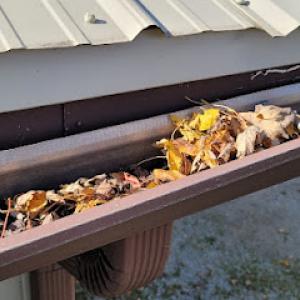
We clean out your gutters, so you don't have to.
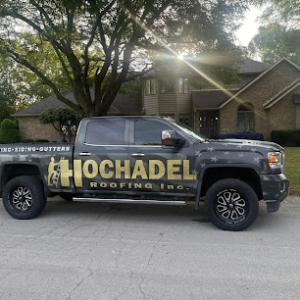
Hochadel Roofing
(765) 348-4159 www.hochadelroofing.com
Serving
4.9 from 119 reviews
Since 1973, we have been a locally owned, family operated, fully insured roofing contractor. We specialize in asphalt shingle replacement & repairs. Call today for your FREE estimate and to get, more than a roof!
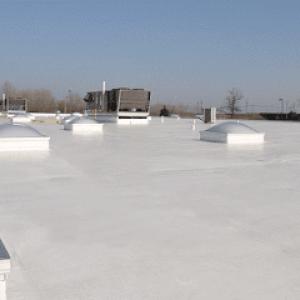
Complete Commercial Roofing
(765) 457-4848 www.ccrroofing.com
Serving
5.0 from 6 reviews
Complete Commercial Roofing has served Kokomo and the surrounding area since 2003. We specialize in Duro-Last Roofing and other Roofing Systems.
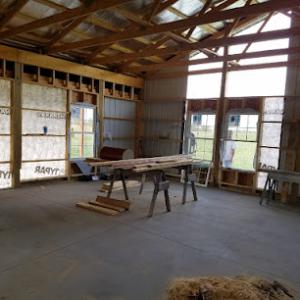
DHL Construction
(765) 760-5820 www.crownspacovers.com
Serving
4.2 from 20 reviews
DHL Construction is a fully licensed and bonded company that has provided expert services to East Central Indiana residents since 2004. We are always professional, always efficient, and always on time. We leave every worksite looking as clean as before we got there. We believe in a job well done the first time around. If you aren’t satisfied, our job isn’t done.
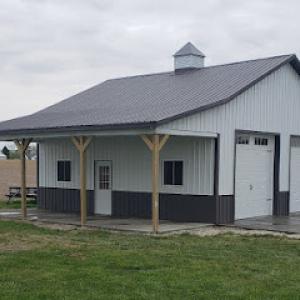
Steel Pro
Serving
4.1 from 9 reviews
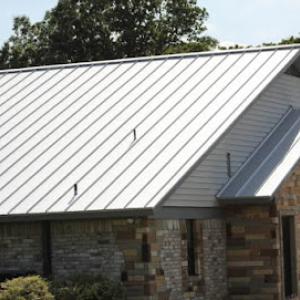
Count on us for quality post-framing at your local business. Stronger Homes and Businesses Start With Us Count on us for post-frame building and roofing in the Bunker Hill, IN area Everybody needs the strongest home or business property possible. That's exactly what Steel Pro, LLC will give you. We're a metal roofing contractor that also provides post-frame building services in Bunker Hill, IN and nearby.
Huntington Roofing Services
Serving
5.0 from 1 review
We take pride in making our roofs look professional. With our expertise, we make sure your roof just doesn't come with the professional experience that you deserve, but the best quality, best price, and overall best service. Roofs can be extremely frustrating to the average homeowner, business, or landlord. Whether it is torn shingles, hole in your roof, leaks, or just plain wear and tear. Like many material things, overtime roofs simply deteriorate. Unfortunately, sometimes there are no preventatives that one can take when it comes to repairing roof complications except to call the professionals. That is where we come into play.
Indiana roofing
Serving
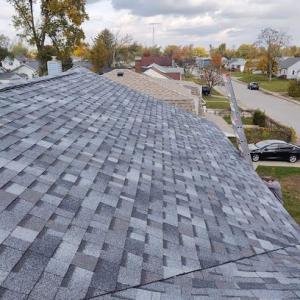
local Indiana roofing contractor, specializing in all exterior projects.
Marion roofs are exposed to cold winters with snow, hot summers, and shoulder-season storm swings rather than coastal or mountain weather patterns. That combination leaves a distinct imprint on roofing materials. Freeze-thaw cycles are a steady test: moisture that seeps into tiny gaps can freeze, expand, and then thaw again, slowly prying at shingles, underlayment, and flashings. The result is microcracks, curling edges, and a gradual loss of surface protection that accelerates aging compared with milder climates. In Marion, the annual rhythm of warm days followed by sudden cold snaps keeps roofs on a tighter schedule of wear and stress, especially on shingle edges and sealant joints.
Autumn wind events in this area add a separate wear pattern by loosening aging shingles before winter weather arrives. Those gusts can lift corners, expose underlayment, and create minor lifting along rake edges and hips. If a roof has endured a wet spring and a cold, windy autumn, the cumulative effect is a roof that already feels "torn" before a single snowflake falls. This makes late-season inspections particularly important, because issues that start as small lifts or valve-like gaps can become bigger problems once winter moisture moves into place.
Spring hail is a lead topic for the city, and you will notice that hail damage is often a catalyst for accelerated aging. Even if a roof looks superficially fine after a hail event, hidden granule loss, minor fractures, or compromised flashing can set the stage for accelerated aging through the rest of the year. The timing of those events matters: a repair or replacement decided promptly after a hailstorm tends to preserve more of the roof's long-term life, while delayed action can allow moisture intrusion to exploit existing weak points. In planning repairs, consider the seasonality of storms and how quickly you can access experienced local roofers who understand Marion's typical wind and temperature swings.
In Marion, asphalt shingles often show granule loss and curling at the edges first, especially after multiple freeze-thaw cycles. Metal roofs may exhibit chalky oxidation or panel fastener wear where cold snaps have stressed seams. Clay and concrete tiles tend to crack or spall at corners and ridges after heavy freeze-thaw cycles, while wood shingles can develop cupping and splitting from repeated moisture uptake and dehydration. Synthetic shingles, designed to ride out temperature fluctuations, may still show seam or edge care needs after several seasons of Marion's weather mix. The telltale indicator across all materials is a pattern of surface roughening or edge lifting that correlates with the most brutal seasons-winter and late autumn-paired with the occasional spring hail impact.
Begin with regular inspections, focusing on edges, valleys, and flashings, especially after autumn storms and post-winter thaws. Clean gutters to prevent attic moisture buildup and check attic insulation to minimize condensation that travels toward the roof deck. During inspection, look for soft spots, unusual sponginess, or discolored patches that suggest moisture intrusion. When aging signs appear, address them promptly rather than waiting for a larger issue to develop. In Marion's climate, a proactive approach that aligns with seasonal stress patterns helps extend a roof's life by reducing the cumulative damage from freeze-thaw cycles and wind-driven wear.
Asphalt shingles are a dominant choice in this market partly because they fit the local replacement market created by hail, wind, and freeze-thaw wear. For most homes, a good asphalt roof provides solid season-to-season performance without overloading older structures. In practice, look for a shingle with good impact resistance ratings and an installer who understands how Marion springs can whip up hail and how winter cycles stress the attic from attic-to-eave movement. When selecting, prioritize products with proven wind uplift ratings and a reliable underlayment strategy that guards against melt-and-freeze cycles along eaves and valleys.
Metal roofing is relevant in Marion because snow shedding and durability appeal to owners dealing with winter accumulation and long-term storm resistance. If your roof faces frequent snow load or you want extended life with lower maintenance, metal can be a strong fit. Choose colors and profiles that promote efficient snow shedding while matching the aesthetic of your home. A metal roof paired with a quality underlayment and proper venting helps minimize ice dam risk and reduces heat gain in shoulder seasons. Scheduling for installation should consider contractor experience with snow-related interruptions and the risk of hail damage during the transition from old to new.
Clay tile, concrete tile, wood shakes, and synthetic/composite products appear in the market, but heavier or more specialized systems can be affected by local labor availability and structural suitability on existing homes. If your framing and attic layout support heavier systems, these options can offer long-term durability and distinct curb appeal. Clay and concrete tiles excel in thermal mass and longevity but require careful assessment of roof pitch, structural load, and the ability of the deck to carry the weight. Wood shakes deliver a traditional look and good ventilation, yet consider maintenance needs in damp springs and potential insect exposure. Synthetic composites offer flexibility and easier installation, though you should verify wind uplift performance and how the material behaves in freeze-thaw cycles. In Marion, the choice often boils down to whether the structure can handle weight and whether a local crew can reliably source and install the system.
Start by documenting your roof's current condition after winter and spring storms. If hail has damaged shingles or left granules in gutters, asphalt remains a sensible first check, with attention to guaranteed workmanship and a reputable warranty. If wind and snow are your chief concerns, metal can offer a durable shield, provided the installation accounts for snow and ice shedding paths. For homes with unique architectural features or limited attic space, confirm structural compatibility and the ease of maintenance with tile or synthetic options. In any case, choose a roof that aligns with the home's pitch, exposure, and existing supporting structure to maximize performance through Indiana's mix of hail, wind, and freeze-thaw cycles.
Winter freeze-thaw cycles in Marion can cause shingles to crack, curl, and lose weather resistance even when damage is not obvious from the ground. The repeated expansion and contraction of roof materials during cold snaps and warm spells invites micro-cracks that compromise the surface long before a distinctive leak appears. If shingles appear tight and intact after a winter, that hiding wear can still feed deterioration over the following seasons, especially on slopes with strong sun exposure or poor ventilation.
Ice dam risk matters locally because snow followed by thaw-refreeze conditions can back water under roof coverings at eaves. When meltwater refreezes at the soffit line, it creates a dam that redirects runoff back toward the underlayment and through any small gaps or vulnerable flashings. After a season with heavy snow, those backflows can show up as staining, staining, or small leaks at the interior ceiling near exterior walls. The sequence is stubborn: cold overnight, wet melt during the day, and a constantly shifting edge of ice that pressures the roof deck beneath the shingles.
The city's inspection emphasis on proper installation and ventilation ties directly to these winter failure patterns. A roof that breathes poorly or was installed with marginal attic ventilation will experience more pronounced freeze-thaw stress, speeding up shingle degradation and raising the risk of ice dam formation. Proper ventilation helps temper attic temperatures and moisture buildup, reducing the likelihood that heat-driven melt propagates under the roof deck. Conversely, inadequate flashing at eaves, valleys, and transitions can become focal points for freeze-thaw damage to migrate downward.
If winter storms are recent or predicted, look for early signs of wear that aren't obvious from the ground: small lifted tabs, brittle edges, and curling toward the deck. Consider how attic heat and moisture are managed in your home-verify there is a clear, unobstructed path for air from the soffits to the ridge. When snow sits high on the roof, a careful, temporary removal plan avoids sudden, heavy water intrusion at the moment thaw begins. In Marion, a proactive, well-ventilated setup paired with meticulous flashing and edge protection is the best hedge against the quiet, costly consequences of winter's freeze-thaw cycle.
Re-roof work requires a permit from the City Building Department before any tear-off or new roofing material is installed. Your contractor should pull the permit and provide the approved scope of work, including ventilation, underlayment, and wind-resistance considerations. Plan submittals typically include roof plan, vent locations, and product specifications. If you live in a neighborhood with special rules, confirm any local covenants since they can influence the permit packet.
The city Building Department reviews the application and the intended work, with inspections scheduled during and after the project. Expect at least a framing/underlayment verification, flashing and finish inspection, and a final project completion check. Inspections may require access for the inspector to the attic and crawl spaces, so keep access clear. If the inspector finds deviations, your contractor will need to address them before proceeding.
Neighborhood-specific wind-resistance or venting requirements may apply, so scope and ventilation details should be confirmed before installation. The inspector will verify proper securing, nailing patterns, and code-compliant exhaust venting. If ridge vents, turbine vents, or soffit intake are installed, ensure they meet the approved configuration for the block. Some neighborhoods require a particular underlayment or drip edge detail.
Before the permit is issued, assemble the typical submittal package: project address, contractor contact, roof type and square, and a brief method description. Have product data for shingles, underlayment, and vents ready, along with any wind-rated components. After work begins, keep a clear path for inspections and note any changes from the approved plan.
In Marion, the spring window is when costs can jump for many homeowners. Typical Marion material ranges run about $350 to $700 per square for asphalt shingles, $700 to $1500 for metal, $1100 to $2100 for clay tile, $900 to $1700 for concrete tile, $550 to $1000 for wood shingles or shakes, and $650 to $1100 for synthetic or composite shingles. After a spring hail event, demand surges and more homeowners try to schedule replacements in the late spring to early fall work window, which can push pricing upward for a short period. If your roof is approaching the end of its life and hail damage is evident, expect a tighter scheduling window and possibly higher bids during that peak time.
Asphalt shingles stay the most budget-friendly option year-round, but even these can feel the impact of seasonal demand spikes. Metal roofing, while pricier, often still lands within its typical range, yet installation crews can see shorter lead times post-hail storms as homes compete for slots. Clay and concrete tiles carry heavier weight and longer installation cycles; during peak season, you may notice longer timelines and higher labor charges due to the extra coordination and heavier equipment required. Wood shingles or shakes sit within a mid-range band, while synthetic or composite shingles sit mid-to-upper in cost and can respond more predictably to scheduling pressures.
Spring hail events shape the pricing narrative for Marion. When hail hits, the surge in insurance-driven scheduling can tighten the late spring to early fall window, nudging bids upward beyond typical ranges. If you're facing an insurance-driven timeline, expect some variability in scheduling and a potential bump in unit costs, especially for heavier systems like clay tile or concrete tile. In off-peak months, you may find more flexibility and steadier pricing, though stock and crew availability can still influence total cost.
Indiana is a frequent hail and wind claim environment, and Marion homes see spring storms that stress roofs hard. In these cases, the insurer will closely weigh whether damage came from a specific hail event or from long-term aging. That distinction matters because depreciation for older roofs can affect how much of a replacement the policy actually covers. You may face questions about roof age, material type, and prior repairs when the adjuster reviews a claim.
Carriers may scrutinize older roofs or higher-risk materials during depreciation and claim-resolution discussions in Marion-area storm claims. Asphalt shingles, metal, or tile can come under sharper inspection after a hail season, especially if the roof shows existing wear. If the roof has brittle shingles, exposed fasteners, or signs of previous shortcuts, expect more conservative evaluation. The goal for you is to be prepared to demonstrate how recent damage combines with the roof's condition.
For Marion claims, homeowners should keep date-stamped photos, interior leak evidence, and written estimates ready before the adjuster visit. A clear timeline helps separate new storm damage from pre-existing issues. Have your documentation organized by section: exterior photos, attic or interior signs of water, and any contractor quotes. This readiness can speed up the process and protect your more recent repair needs.
Be prepared to document prior repairs and any maintenance that could influence the roof's remaining life. Explain weather timing: when the hail happened, how soon you noticed leaks, and whether interior signs appeared after that event. Stay factual, and keep notes of all conversations. Your organized approach helps the insurer consider the picture rather than a moment today.
When a Marion-style storm hits, the rush to replace a roof during a short local replacement season can push you toward choices you'll regret later. Hail-season timing means you might be presented with limited inspection windows, few contractor options, and a sense that "any roof is better than none." That impulse often leads to selecting a shingle type or roof system without fully verifying compatibility with your attic, soffits, and ventilation. The result can be a roof that looks fine from the curb but traps heat, moisture, or debris inside, shortening the system's life and inviting costly surprises when spring warmth returns.
Even in a busy spring, the temptation to skip steps to save time is strong. But in Marion, the City Building Department expects in-process documentation and a final signoff that confirms roof work met safety and code expectations. When those steps are bypassed, it can stall insurance adjustments, complicate future resale, and leave you with unresolved questions about warranty coverage. A deliberate, documented process, even in a tight window, pays off later with fewer headaches and clearer records.
Ventilation shortcuts are especially risky here because local inspections specifically verify ventilation, and winter moisture performance depends on it. In Marion's freeze-thaw climate, inadequate ventilation can trap moisture, accelerate ice dam formation, and impair sheathing. Skipped or mis sized vents, blocked intake, or undersized fans create a hidden cost that only shows up after the first cold snap. Prioritize a ventilation plan that aligns with the attic layout and confirmed airflow calculations.