
Last updated: Apr 19, 2026
Spring in this area brings the highest combination of hail events and strong winds, creating the peak period for roof damage and insurance claim activity. Shingles age quickly under the dual stress of freezing winters and summer heat, and a single hail storm can leave behind granular loss and hail hits that are only visible from certain angles. When a storm hits, you may see immediate leaks or hidden damage that becomes apparent only after a few days of warming and sun exposure. Time is of the essence: a rapid initial inspection, even from ground level, can prevent further interior damage and set up a solid foundation for your claim.
Ohio insurers commonly scrutinize wind and hail claims here by asking for photos, material specifications, roof age, and an itemized scope before approving replacement work. Because you will be asked for precise details, prepare a careful dossier: take wide and close-up photos of all roof areas, document the exact locations of dents or missing granules, and record any thermal or moisture signs visible in attic spaces. Have the roof age ready, including the original installation date if known, and keep a simple, itemized list of damaged components-shingles, underlayment, flashing, vents, and any signs of decking concerns. Expect the adjuster to request a professional assessment of critical roof components before any replacement decision is finalized.
Because adjusters may want on-site verification of decking condition after a claim, Lima homeowners should expect roof tear-off findings to affect final claim discussions. If decking has sustained water intrusion or warping, that will influence the scope and approval of repairs. Plan for access to the attic to allow the adjuster to observe any signs of moisture intrusion, mold risk, or roof deck delamination. Clear the attic perimeter of obstructions so the inspector can move freely and observe underside conditions without delay. Be prepared to discuss ventilation and attic insulation, since those factors can influence long-term performance and claim outcomes.
As storms roll through the season, prioritize documenting every step: after a storm, perform a rapid exterior inspection, photograph damage from multiple angles, and note the date and weather conditions. If you're unsure about the extent, schedule a professional roof evaluation promptly to provide an independent assessment that can support your claim narrative. When you file, present a cohesive story: what happened, the observed damage, how it progressed, and why replacements or repairs are necessary now to prevent further risk. Amid the process, keep a running log of all communications with the insurer, contractors, and inspectors.
Begin with a no-risk exterior check for loose shingles, lifted tabs, and dented metal when applicable. Photograph both the dry and post-storm states to capture changes. If you notice interior signs of leakage or attic moisture after a storm, address it quickly to minimize secondary damage. Reach out to a local, reputable roofer with experience navigating claims to help compile the itemized scope and prepare for the adjuster's on-site evaluation. The goal is to protect the home's structure and align the claim with the actual damage observed, including decking condition, to avoid delays or dispute.
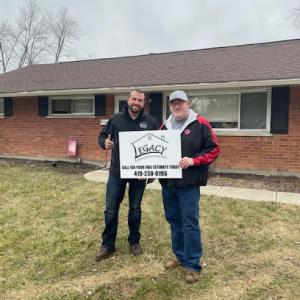
Legacy Roofing & Construction
(419) 230-0196 www.legacyroofingltd.com
4320 Harding Hwy, Lima, Ohio
4.9 from 85 reviews
Our Legacy Guarantee is us guaranteeing your price, our work, and your satisfaction. While most contractors will take 25% to 50% of a down payment to start your project, we don't require any money to get started. After your roof is installed, we have you sign a certificate of completion saying that you are satisfied with the install as well as the cleanup. We believe in putting the customer first and that you should be happy with the work that is done before ever having to pay us.
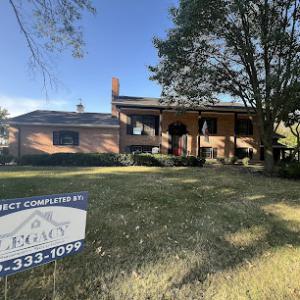
Legacy Property Solutions
(419) 333-1099 www.lpsohioexteriors.com
712 N Eastown Rd, Lima, Ohio
4.9 from 37 reviews
Legacy Property Solutions specializes in shingle and metal roof replacements for both residential and commercial properties. Whether you're in need of a full roof replacement or a small repair, our experienced team delivers high-quality workmanship at fair, local prices. In addition to roofing, we provide expert siding and gutter installation as well. If the exterior of your home needs a complete upgrade, we would love to help you with a simple, straightforward process. We have also been serving the Lima, OH area for 3+ years helping homeowners get the coverage they deserve with their insurance. If you have storm damage and need help working with insurance, this is our specialty.

Winegardner Roofing
(419) 234-1644 www.limaroofing.com
900 S Metcalf St, Lima, Ohio
4.6 from 99 reviews
Winegardner Roofing provides roofing repairs, roofing replacement, asphalt roofing, and metal roofing services in the greater Lima, OH area.
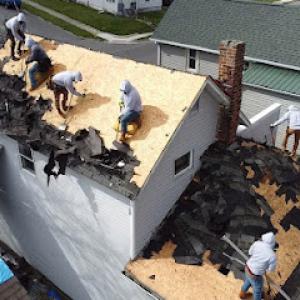
Quality Roofing Partners
(419) 228-7663 ohioqualityroofing.com
1534 Allentown Rd, Lima, Ohio
4.7 from 67 reviews
Lima's Local Roofing Specialist. Quality Roofing Partners is locally owned and operated. Specializing in all types of Roof Repairs and Replacements. Quality Roofing Partners offer free estimates and quick response times to keep our customers satisfaction at its best.

Johnson Roofing & Restoration
(419) 222-7663 www.johnsonroofs.com
514 N Cable Rd, Lima, Ohio
4.9 from 18 reviews
Since 2006, Johnson Roofing & Restoration continues to provide our customers with the highest quality service, along with innovative & durable products... delivering Style and Protection to both residential and commercial projects. We pride ourselves on exceeding your expectations and ensuring you are happy with your entire experience… all the way through to the finished project.
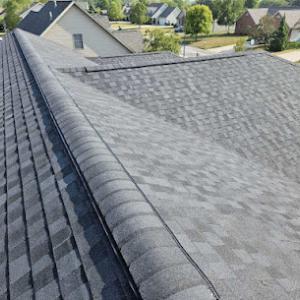
Scott Bentz Contracting
(419) 222-5154 scottbentzcontracting.com
4417 Meadowlands Dr, Lima, Ohio
4.8 from 24 reviews
Lima’s Only Guaranteed Roofing Company

The Gutterman Company
(800) 842-2345 guttermanco.com
4921 S Dixie Hwy, Lima, Ohio
4.8 from 21 reviews
Gutters and downspouts are one of the most important features of any home or business because they ensure your foundation does not erode and your siding does not incur water damage. Trust The Gutterman Company in Lima, OH, to protect your property for years to come. Family owned since 1987, this experienced gutter installation and replacement contractor has been serving the residents of Lima, Allen County and the surrounding areas with pride and integrity. Their crews have the knowledge and training to install and replace gutters, downspouts, gutter guards and seamless gutter systems. Using only the highest quality tools and materials, such as name brand Gutter Warrior, their work will stand against even the worst storms.

Ohio Roof Masters
(567) 440-7583 www.ohioroofmasters.com
1214 Bellefontaine Ave Unit B, Lima, Ohio
5.0 from 13 reviews
Ohio Roof Masters is a licensed and insured, full-service residential and commercial roofing company serving Lima, OH and the surrounding areas that have specialized in roof installations, repair, inspections, and exterior renovations for more than 15 years. Our skilled team installs the highest quality materials to maintain our reputation for exceptional customer service and satisfaction, from beginning to end. We are a GAF factory-certified contractor too! We have helped thousands of homeowners in the Miami Valley and Greater Dayton area restore their properties, and we would love to do the same for you. Get in touch with our roofing contractors today!

Peake Roofing
(419) 287-6747 peakeroofingoh.com
909 Holly St, Lima, Ohio
5.0 from 6 reviews
Peake Roofing, a family-owned roofing company in Lima, Ohio, with over 34 years of experience in the construction industry. Our dedication to excellence and attention to detail distinguishes us as the dependable choice for all of your roofing and exterior needs. Whether you require roof repairs, replacement, new installations, or siding solutions, we produce excellent results with a focus on quality craftsmanship. Our unique process involves a professional project manager on every task, ensuring that everything runs smoothly, on time, and personalised. Choose Peake Roofing for dependable, experienced service that ensures your home or company is in good hands. Call us today to get a free quote and discover the Peake difference!
Bullet Roofing Company
(419) 799-7663 bulletroofingcompany.com
138 S Collins Ave, Lima, Ohio
5.0 from 2 reviews
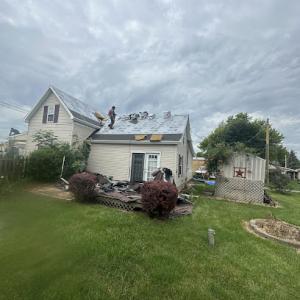
Bullet Roofing Company is a professional roofing contractor based in Lima, Ohio, providing reliable roof repair and roof replacement services for residential and commercial properties. We specialize in asphalt shingle roofing, metal roofing, storm damage repairs, and insurance claim assistance. Our experienced team focuses on quality workmanship, honest communication, and long-lasting results. From minor roof leaks to full roof replacements, Bullet Roofing Company proudly serves Lima and surrounding areas with dependable roofing solutions designed to protect your home or business.
Evans Roofing - Lima/Findlay Area
(419) 394-6326 www.evanshomeimprovementoh.com
442 W Grand Ave, Lima, Ohio
4.0 from 4 reviews
Experts in roofing, siding, and construction in Ohio since 1965! Residential and commercial ! Contact us today for a free estimate! We warranty all work! Financing available! Serving Lima and all surrounding areas
Thrush & Son, LLC of Lima
(419) 516-4455 www.thrushandson.com
Lima, Ohio
5.0 from 1 review
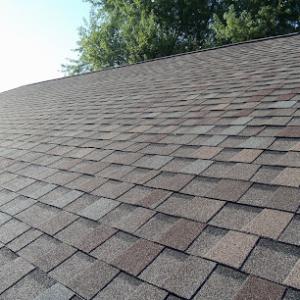
Since 1960, Thrush & Son has grown to become one of the most trusted names for home improvements in Dayton, Ohio and now Lima, Ohio. In an industry where ninety-four percent of contractors close their doors within ten years, Thrush & Son has stood the test of time for three generations. As an award winning, GAF Master Elite Roofing Contractor, most roofing projects can be started within a week and completed within one or two days. So if your home has been damaged due to the recent line of severe storms or if it’s just time for a new roof, maybe even siding or windows, see why over thirty thousand homeowners have chosen to Trust in Thrush!
In Lima, the repeated freeze-thaw cycling that happens through winter begins to show its effects long before it's time to think about spring storms. The daily swing from bitter cold to a thaw can widen small flashing gaps and push shingle edges to lift ever so slightly. Over a single season, those micro-movements accumulate, letting a drop of moisture sneak under the flashing and into vulnerable seams. If a roof edge has been given a quick, superficial seal during the dry season, the freeze-thaw action can far outpace that patchwork repair. The result is not dramatic overnight failure, but a slow creep of wobble at the penetrations-vent pipes, chimneys, and skylights-that becomes more noticeable after a few thaw cycles.
Ice damming is a recurring winter concern in Lima, especially where attic ventilation and insulation are uneven and snow refreezes along eaves. When heat escapes unevenly from the attic, snow melts at the upper roof and refreezes at the cold eave line, forming an ice dam. That dam traps meltwater behind it, allowing it to back up under shingles and into the roof deck. The damage isn't just cosmetic: water intrusion can rot sheathing, loosen fasteners, and corrode metal details. The bottom line is that even a single season of inconsistent attic conditions can transform a minor shingle edge lift into a larger, more expensive patching job once spring storms arrive. Regular attention to attic insulation and proper ventilation helps slow this cascade, but it isn't a magic fix for steeply pitched or older roofs.
Snow loads and ice buildup in Lima can stress both roof coverings and gutter systems, so winter damage often shows up first at eaves, valleys, and penetrations. Eaves bear the brunt of the weight as snow slides or sits settled against the fascia. Valleys carry the load from two roof planes converging and are common failure points if flashing isn't adequately integrated. Penetrations-vent stacks, skylights, and HVAC boots-tend to crack or loosen first when the structure flexes under winter stress. You may notice hairline cracks along flashing seams or granule loss on shingles in these zones after a heavy storm or a cold snap. Those telltale signs aren't just cosmetic; they're indicators that moisture has already found a pathway into the roof system.
Protecting against freeze-thaw stress starts with a clear-eyed inspection after winter but before the heavy rains of spring. Look for lifted edges, loose flashing, and granule loss along eaves and in valleys, then address those issues before they become larger leaks. If attic temperatures run high or insulation is uneven, consider upgrading sealing and ventilation to reduce the frequency and severity of ice damming. Keep gutters clear so that meltwater can shed away rather than back up against the roof line. When storm season starts to roll in, a proactive approach-confirming flashing integrity, ensuring proper underlayment, and verifying that penetrations are sealed-helps you avoid the cascade of winter damage showing up all at once after a spring thaw.
Asphalt shingles remain a practical fit for Lima because they balance replacement frequency with a climate that sees humid summers and winter freeze-thaw cycles. In neighborhoods with mixed sun and shade, these shingles handle expansion and contraction without demanding special structural changes. When you expect spring storms to bring hail or wind, asphalt offers a familiar, repair-friendly option that local crews can source quickly. If you're thinking long-term maintenance, choose a shingle line with good granule retention and a sturdy adhesive strip; this helps resist that first round of wind-driven granules after a heavy storm. In areas with dense tree cover or nearby landscaping, consider impact-resistant varieties to reduce the risk of hail-related damage over the service life. A standard installation can be done on typical roof slopes common to Lima homes, with fasteners sized for moderate wind exposure and the right underlayment to keep moisture from sneaking in during spring thaw events.
Metal roofing has strong local relevance in Lima because homeowners looking for longer service life often want better shedding of snow and resistance to recurring wind events. If your home experiences stiff spring winds or regular hail, metal panels can provide superior resistance and ease of maintenance compared to some other options. The lightweight nature of modern metal systems reduces load on older roof structures, but installation must account for the existing deck and attic ventilation to avoid condensation issues. Panels with a standing-seam profile tend to perform well in freeze-thaw conditions, as seams are less prone to leaks if flashing is properly integrated around chimneys, skylights, and attic vents. When choosing metal, prioritize coatings designed to resist corrosion from humidity and summer humidity swings, and confirm your chosen profile will integrate with existing drip edge and gutters to direct runoff efficiently during rainy springs.
Tile and wood options exist, but they are less common in Lima. Clay and concrete tiles offer excellent durability in dry periods and strong wind performance, but their heavier weight requires a solid roof structure and attention to attic support. The winter burden of freeze-thaw cycles can affect tile joints, so professional inspection after severe winters is wise. Wood shingles and shakes provide a distinct look and good insulating value, yet they demand more maintenance and greater attention to moisture exposure and mold in humid summers. Availability of local contractors who regularly install these materials varies, which can affect scheduling and long-term service. If you are leaning toward tile or wood, have a qualified roofer assess whether your roof deck and anchors can handle the added load and whether the attic's ventilation system is adequate to prevent moisture-related issues.
In Lima, the key is pairing the material with a robust storm-response plan and a realistic maintenance schedule. Regardless of the chosen system, ensure your roof has a reliable underlayment and a preventive maintenance routine that includes inspecting for wind-damaged shingles, loose flashing, and hail-impact zones after spring storms. If timing matters for a replacement due to storm events, align with a trusted local contractor who understands how spring humidity and wind patterns influence sealant aging and shingle adhesion. For many homes, the goal is to minimize the number of mid-life repairs while maximizing shelter from rain and wind-especially during Lima's peak storm months.
Asphalt shingles stay the common budget baseline, with typical installed cost around 350 to 700 USD per square. If choosing metal, expect 700 to 1400 USD per square, with higher installation complexity and a tighter pool of qualified installers. Clay and concrete tiles push the price higher still, often 1200-2500 USD per square for clay and 1000-1700 USD per square for concrete. Wood shingles or shakes run from roughly 550 to 900 USD per square, and synthetic or composite shingles sit in the 420 to 900 USD per square range. These ranges reflect current local market conditions and transport costs, plus the specialty labor needed for steeper pitches or updated underlayment.
Lima roof pricing can rise after spring storm periods when regional demand spikes for re-roofing, emergency tarping, and insurance-related replacements. If a storm damages multiple homes at once, scheduling delays can extend project timelines and complicate material availability. Weather-driven delays may also affect when crews can safely operate, potentially shifting start dates into the heart of the construction season. Planning early and locking in an estimator before the peak helps guard against last-minute price jumps.
Costs in Lima are often affected by whether tear-off reveals moisture-damaged decking that must be documented and corrected before final inspection and permit closure. If decking needs replacement, expect added materials and labor, which can swing the total well beyond a straight replacement estimate. Have a trusted crew verify decking during the tear-off phase, so moisture issues are identified and priced before the permit process moves forward.
Material choice matters sharply in Lima, where asphalt shingles are the common budget baseline while metal and tile systems carry higher installation complexity and narrower specialist availability. If opting for metal or tile, anticipate a longer lead time to secure qualified crews and tighter scheduling windows around weather and storm recovery efforts. Consider factoring a contingency for expedited shipments or specialty underlays, especially after a surge in demand following a storm.
Get multiple quotes, and ask for itemized scopes that separate tear-off, underlayment, decking repairs, and new roof installation. Document storm damage with photos and notes for insurance discussions, and confirm how the quote handles potential decking replacement. Build in a contingency for price fluctuations tied to spring demand, and align timing with your insurer's processing timeline to minimize gaps between assessment and replacement.
Don't let upfront costs delay a critical repair - these contractors offer payment plans to fit your budget.
Legacy Roofing & Construction
(419) 230-0196 www.legacyroofingltd.com
4320 Harding Hwy, Lima, Ohio
4.9 from 85 reviews

Winegardner Roofing
(419) 234-1644 www.limaroofing.com
900 S Metcalf St, Lima, Ohio
4.6 from 99 reviews

Evans Roofing - Lima/Findlay Area
(419) 394-6326 www.evanshomeimprovementoh.com
442 W Grand Ave, Lima, Ohio
4.0 from 4 reviews
In Lima, a full roof replacement typically requires a permit submitted to the city building department, and contractors commonly handle that filing for homeowners. The permit ensures the project complies with local codes, weather-related constraints, and neighborhood requirements. A responsible contractor will start the permit process early in the project, not just at the moment of tear-off, and will keep you posted on any additional documentation the city requests. If a contractor offers to skip the permit, that should raise a red flag, since non-permitted work can complicate insurance claims and future resale. Expect the approval timeline to reflect seasonal demand, especially after the spring storm season when inspections are in higher demand.
Lima's final inspection process focuses on installation details such as ventilation, flashing, and nailing standards before the permit is closed out. Ventilation must meet the attic and roof deck requirements to guard against moisture buildup during humid summers and rapid freeze-thaw cycles in shoulder seasons. Flashing around chimneys, skylights, and vent stacks should be continuous, properly sealed, and integrated with the shingles to prevent wind-driven leaks from spring storms. Nailing standards are checked to verify fastener depth, pattern, and roof-to-deck attachment strength. These elements are critical for resisting hail and wind uplift common in spring weather. The inspector will pause the process if gaps or improper overlaps are found, and corrections must be addressed before the permit can be marked complete.
The city may request documentation or corrections after inspection in Lima, so homeowners should confirm permit closure rather than assuming the job is fully signed off at completion. Have your contractor provide the final inspection report, approved plans, and any stamped revisions. If rain or wind caused minor delays during installation, ensure the record reflects the updated timeline and any added measures taken to protect temporary openings. Retain all permit-related correspondence and inspection notices in a dedicated project file. When the city issues final clearance, keep a copy of the official closure for your records and proof of compliance for insurance documentation and future maintenance planning.
Lima's warm, humid summers can accelerate asphalt shingle aging, making older roofs show granule loss and heat-related wear more quickly after several seasons. When planning a re-roof, the goal is to pick a stretch with lower moisture exposure and fewer temperature extremes so the tear-off, underlayment, and reinstallation finish without moisture-related setbacks.
Replacement timing often works best outside the wettest or most temperature-extreme windows. Start with early summer when rains are lighter and daytime highs are steady but not brutal. Avoid the peak heat of midsummer and the late-summer humidity spikes if possible. Scheduling during a stretch with cooler mornings and stable afternoons reduces the chance of moisture condensing on underlayment and helps crews manage tear-off debris and ventilation more predictably.
Humidity in Lima makes attic ventilation performance especially important because trapped moisture can shorten roof system life even when the exterior covering still looks serviceable. Before any tear-off, have a qualified contractor inspect attic vents, baffles, and insulation. Ensure there is unobstructed airflow from soffit to ridge and that the ventilation plan can handle the added moisture demand during installation. If the attic is damp or warm, push the schedule slightly to a drier spell or allow extra drying time before matting the new underlayment.
Coordinate with the contractor to stage the tear-off when a stretch forecasts dry, moderate days. Remove debris and protect exterior walls to keep the interior space drier during the process. Confirm that ventilation is adequate to move moist air out during and after installation, and plan for a short overlap with dry weather to let roofers finalize flashing, drip edge, and underlayment without rain concern. In a typical Lima cycle, the goal is a window that minimizes exposure to both heavy rain and extreme heat while ensuring attic moisture is controlled throughout the project.
Lima homeowners dealing with roof claims should expect Ohio carriers to weigh local wind and hail exposure when deciding repair versus replacement. The region's spring storms, plus summer humidity and freeze-thaw cycles, shape how insurers view shingle wear and structural stress. Prepare for a claims conversation that prioritizes damage evidence aligned with Lima's storm realities.
Active storm years can push insurers toward wind-rated materials or higher deductible treatments, especially if multiple claims cluster within a single season. The choice between patching a small area or replacing a larger section often hinges on observed storm-driven uplift, granular granule loss, or fascia damage. In practice, expect some carriers to scrutinize asphalt wear patterns and to favor durable options for durability against future events.
For Lima claims, the strongest documentation package includes date-stamped photos, material details, roof age information, and a contractor scope that matches observed storm damage. Photograph every affected plane, attic signs of moisture, and any sag or granule pileups. A scope that mirrors the adjuster's findings-down to shingle type and patching vs. full replacement-speeds approvals and reduces back-and-forth.
Some insurers in this market may apply higher deductibles or push for wind-rated materials after active storm years affecting Lima-area claims. Understanding the insurer's wind resistance expectations and the practical compatibility of a more robust material with the existing roof deck helps you navigate upgrades without overhauling the entire system.
Prompt, organized communication matters when storm season peaks. Have your contractor's scope ready to align with the adjuster's assessment, ensuring that the documentation reflects observed damage and aligns with the policy's coverage triggers. Clear, timely exchanges reduce delay as the claim moves toward a resolution that matches Lima's weather reality.
In this market, you will encounter many companies focused on replacement rather than niche system work. That means your best bet is a crew with solid re-roofing experience, capable of handling existing decking, flashing, and a variety of shingle types without turning the project into a puzzle. Quick response and cleanup are major hiring priorities, reflecting how often homeowners need fast post-storm service with minimal debris and exposed decking.
Prioritize contractors who can clearly outline a short, practical plan for a full or partial roof replacement and who demonstrate familiarity with common Lima housing stock-sloped shingle roofs, attic ventilation considerations, and access constraints in tight neighborhoods. Look for crews that bring vehicle-mounted cleanup gear, tarp systems, and a ready-to-work approach for immediate storm recovery. A long-established local track record often signals reliability and pricing that fits practical needs over premium branding.
Ask for references from nearby neighborhoods with similar roof types and weather history. Confirm their crew size and project timeline, and request a written sequence of work, including tarping, removal, and installation steps, so you know when access points will be secured each day. If a contractor offers accelerated schedules, verify they have adequate staff to maintain quality and safety without rushing critical details.
Ensure daily cleanup plans are in writing and that debris disposal aligns with the fastest, least disruptive routes available. Confirm the crew will protect exteriors, keep walkways clear, and minimize street congestion during windy spring days. Maintain open lines of communication for post-storm timing needs, insurance documentation, and any unexpected weather changes that could impact scheduling. A dependable, locally rooted crew can make the transition from storm recovery to a solid, lasting roof smoother and more predictable.