
Last updated: Apr 19, 2026
Spring hail and wind events routinely leave a wake of dented shingles, lifted edges, and granule loss that can look minor at first but hides moisture pathways and accelerated aging. The sequence in this region often starts with a high-wind or hail hit, followed by winter ice damming and heavy snow loads that stress weakened roofs further. Reroof decisions timed after the storm are crucial: if the deck or underlayment has hidden damage, a premature coating or patch will fail under mid-winter freeze-thaw cycles. In practical terms, plan for a new roof as soon as damage is confirmed and your weather window allows safe, proper installation. Waiting through a longer harvest season of sun and thaw cycles increases the risk of hidden damage amplifying over the winter, driving up repair complexity and risk of leaks.
Muncie homeowners should watch for more than missing shingles. If you notice exposed underlayment, lifted or buckled shingles, or granules accumulating in gutters after a storm, act quickly. Dented metal vents, damaged flashing, and compromised valleys are telltale signs that water can bypass the outer surface and intrude at the deck level. After a significant hail event, treat every dull or pale shingle as a potential failure point, especially if the roof is aging or near the end of its expected life. Winter ice-dam behavior can mask ongoing drainage issues caused by wind-driven damage, so inspections should extend to gutters, downspouts, and eaves where meltwater can back up and creep under flashing. In short: storm timing isn't just about immediate repairs; it's about preventing a cascade of failures through winter.
Indiana roof claim activity in this belt is heavily driven by hail and wind, and adjuster site visits plus photo documentation are common after losses in markets like this one. When a claim is filed, expect an on-site visit where the adjuster evaluates hail impact, wind-induced damage, and any resulting interior exposure. Your documentation should be precise: date-stamped photos from multiple angles, close-ups of damaged shingles or flashing, and a clear record of attic moisture or staining if present. The better the documentation, the more straightforward the replacement path becomes. If any part of the roof has been compromised by ice damming or heavy snow-loads, insist on a thorough assessment of the entire roof system-not just the visibly damaged sections-because secondary damage can lurk behind intact-looking shingles.
Storm damage, emergency repair, and insurance-claims work are among the most prevalent specialties in the Muncie market. Local contractors often position themselves as storm response experts who can accelerate inspection, secure the property quickly, and coordinate with insurers for a streamlined replacement process. The urgency here is real: the moment a storm passes, rapid temporary repairs can prevent a small leak from becoming a large interior repair. If a contractor touts rapid shingle patching, emergency tarping, or fast-tracked insurance claims, align expectations with a full, vented reroof plan that adheres to safe installation practices and ensures long-term performance against the next hail-season and winter cycle. Your goal is a durable, properly ventilated roof that stands up to the next spring storm and the following winter's load.
Clemens Home Solutions
(765) 999-4135 clemenshomesolutions.com
2222 S Madison St, Muncie, Indiana
4.9 from 1456 reviews
Since 1998, Clemens Home Solutions has helped Indiana homeowners protect and improve their homes with dependable, custom exterior solutions. As a family-owned company, we focus on solving your home’s challenges with honesty, expertise, and the highest-quality materials. Whether you need a new roofing system, seamless gutters, LeafX gutter guards, premium replacement windows, or energy-efficient exterior doors, our professionals deliver long-lasting performance and unmatched value. Discover how easy exterior remodeling can be with a trusted partner who puts people first & excellence always.
Weathertight Roofing
(765) 256-2089 weathertightroofingllc.com
601 W Fuson Rd Suite 2, Muncie, Indiana
5.0 from 19 reviews
Roofing is an extremely important characteristic of your home, as it ensures that you stay protected while allowing you to control the atmosphere of your indoor spaces. If your roof needs work in Delaware County, IN and all nearby surrounding areas, you can count on your expert roofers at Weathertight Roofing We have over a decade of experience in offering homeowners intuitive roofing services at affordable prices, and are committed to adding value to your home with quality solutions that last. Weathertight Roofing is a locally owned and operated business which has served central Indiana since 2012. From roof repair to window installation, we have you covered.
Allen Bontrager Carpentry - Indiana's Roofing & Exterior Specialists
1601 N Country Club Rd, Muncie, Indiana
5.0 from 17 reviews
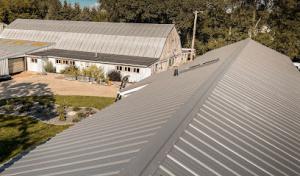
For over 20 years, Allen Bontrager Carpentry has been Indiana's go-to for top-notch roofing and construction. Specializing in steel and shingle roofing, siding, windows, doors, and more, our seasoned team combines traditional values of honesty and uncompromising craftsmanship. Our fully insured team offers free estimates, competitive pricing, and prompt service to every residential and commercial project. We are your premier local construction contractors in Muncie, Indiana — call us for your next project!

Sherriff Goslin Roofing Muncie
(765) 286-0346 www.sherriffgoslin.com
205 W Ontario Dr, Muncie, Indiana
4.8 from 35 reviews
Experience the finest in home improvement with Sherriff Goslin Roofing Muncie, the top-rated roofing and general contractor in the region. Established in 1906 and present in Muncie since 1981, their commitment to quality and customer satisfaction has endured for over a century. As an Atlas Pro® Diamond Level Contractor, they provide exceptional roofing services, including inspections, estimates, repairs, and replacements for residential homes, farms, barns, and churches. Their dedication to their craft and customer service, along with free roof inspections and estimates, makes Sherriff Goslin Roofing Muncie the ideal choice for all your roofing needs.
Ace Construction & Remodeling
(765) 282-6030 www.aceconstructiononline.com
2700 Wheeling Ave # 7, Muncie, Indiana
4.7 from 28 reviews
ACE Construction & Remodeling is a trusted, full-service residential contractor based in Muncie, IN, proudly serving Muncie and the surrounding areas since 1996. We specialize in roofing, roof repairs, siding, gutter installations, and other home renovation services. Fully insured, bonded, and licensed in Indiana, we ensure quality craftsmanship on every project. We back our work with warranties on select services and are committed to exceeding customer expectations. Whether you need roof repairs, new siding, or gutter installation, ACE Construction & Remodeling is here to meet all your home improvement needs with professionalism and care. Contact us today for a free consultation!
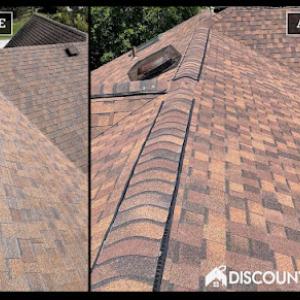
Discount Roof
(765) 523-6139 mydiscountroof.com
3400 E Jackson St, Muncie, Indiana
5.0 from 8 reviews
Discount Roof, a premier roofing contractor with an impressive 30-year industry presence, is here to elevate your home's exterior with top-notch remodeling services. Their skilled team of trained and experienced professionals specializes in the installation of quality roofs, sidings, windows, and attic insulation, all while offering exceptional affordability. Discount Roof stands as a beacon of reliability and expertise, consistently delivering the finest exterior home transformations to discerning homeowners seeking the pinnacle of comfort and style.
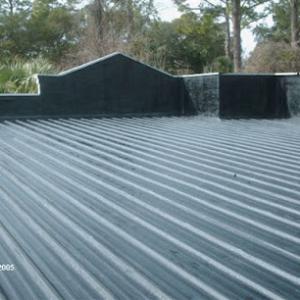
ACR1.COM Commercial Roofing
1924 N Elm St, Muncie, Indiana
4.2 from 33 reviews
The Advantage Systems Commercial Roofing System offered by ACR1 Commercial Roofing is a Seamless and Highly Reflective system. We offer roof repair, maintenance, and installation. Learn more about our commercial roofing services by calling us or visiting our website.
Rodeffer Roofing
(765) 729-5622 www.callcupcake.com
1415 S Meeker Ave, Muncie, Indiana
5.0 from 6 reviews
"If you are looking for a roofing company that holds itself to a higher standard and never waivers from its commitment to excellence look no further! Here at Rodeffer Roofing, family owned and operated, we are 100% committed to providing you with the best roofing experience from start to finish.We provide roofing services in the Muncie & Indianapolis IN area, we are dedicated to professionally installing the highest quality products on your home or business; whether you're in need of new roof installation or roof repair. We are trained and able to give the best labor and material roofing warranties! We come equipped to deliver a firm estimate in your hand 30 minutes of arrival on any residential building."
Newsome's Construction
(765) 838-1451 newsomesconstructionin.com
2009 N Granville Ave, Muncie, Indiana
4.6 from 10 reviews
Since 2014, Newsome's Construction has been a trusted name in roofing and construction services in Muncie, IN. Specializing in roofing, pole barns, and farming, we also excel in comprehensive services including excavation, demolition, and concrete work. Our commitment to honest and reliable service has earned us a strong reputation, with a track record of exceeding client expectations. Proudly serving Delaware, Jay, Madison Counties, and neighboring areas, we are dedicated to delivering top-notch quality and craftsmanship. Contact us today for all your roofing and construction projects and experience the Newsome’s difference!
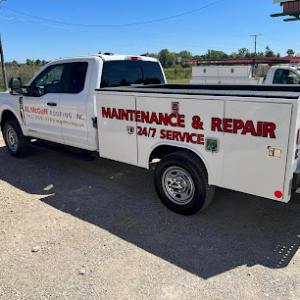
McGuff Roofing
(765) 289-2145 mcguffroofing.com
610 E Wysor St, Muncie, Indiana
4.3 from 17 reviews
Expert residential and commercial roofing you can trust since 1904. Family owned and operated in Muncie, Indiana. With hundreds of thousands of square feet installed to date, the team at McGuff Roofing can take care of all of your commercial and residential roofing needs. McGuff Roofing over the years has expanded to offer windows and siding. Contact McGuff Roofing for all of your residential & commercial roofing, windows and siding in Muncie, Indianapolis, Fort Wayne.
Simmons Roof Maintenance
(765) 808-7884 www.srm-llc.com
4119 Old State Rd 3, Muncie, Indiana
3.7 from 3 reviews
SRM is a full-service commercial roofing company with more than 70 years of combined experience. Our services include new construction, re-roofing, repairs, inspection, and maintenance.
#1 Roofing & construction
(765) 896-7020 www.a1roofconstruction.com
401 E Willard St, Muncie, Indiana
5.0 from 1 review
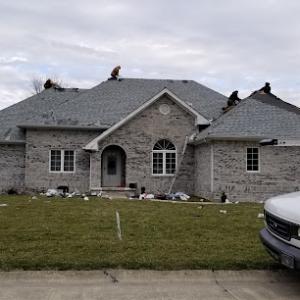
I serve the whole state of indiana and surrounding States; I service Apartments complex; Schools; residential housing; commercial buildings; metal roofs. You name it, I service it, which mean, I replace it or repair it. And 5 to 6 inch Gutters etc.
Muncie's cold winters and regular precipitation create repeated freeze-thaw cycling that can shorten roof life and expose flashing, shingle, and underlayment weaknesses. Water that infiltrates tiny gaps freezes, expands, and pushes apart seams. Over time, this process can loosen nails, loosen granules, and widen gaps where water can sneak in during thaws. When the weather shifts from bitter cold to a quick warm spell, those cycles accelerate material fatigue in ways that aren't obvious from a quick inspection after a storm. The result is a roof that looks fine from the ground but leaks after a heavy melt or a sharp freeze.
Winter ice dams are a named seasonal risk in Muncie, making attic ventilation and roof-edge water management more important than in milder Indiana markets. When warm attic air melts snow at the ridge and the meltwater refreezes at the eaves, a dam forms that backs water up under shingles and into the underlayment. Over multiple winters, repeated dam formation can lead to moisture intrusion, ceiling stains, and compromised insulation. The easiest preventive mindset is proactive edge management: ensure the roof edge has a clean, continuous gutter line, and that ice stops are kept clear only where they're truly needed. In homes with inadequate overhangs or blocked gutters, the dam risk compounds quickly after heavy snowfall.
The city's emphasis on ventilation for replacement projects is especially relevant because poor airflow can worsen ice-dam formation and moisture problems during winter months. In practical terms, that means attic venting should be planned to move cold, dry air across the roof deck while letting warm, moist air escape. In a typical Winnipeg-to-Manor area feel of Muncie winters, attic soffit vents alone may not suffice if the attic isn't properly sealed or if insulation is compressed. An imbalance between intake and exhaust can create warm pockets that melt snow only to refreeze at the rafters, feeding a cycle of dampness. The upshot: proper ventilation reduces both ice dam risk and long-term edge rot, preserving fasteners and shingle adherence.
Look for granule loss along the eave lines after winter storms, especially on darker shingles where granules show more plainly. Check for raised or loose flashing around chimneys, vents, and valleys after each thaw. Pay attention to attic signs of moisture-stains, damp insulation, or a musty odor-as early indicators of ventilation or underlayment issues that can be amplified by freeze-thaw cycles. If ice builds up at the eaves despite clear gutters, the roof may lack sufficient ventilation or insulation, or there could be a local flashing weakness that needs targeted attention.
A practical maintenance rhythm centers on pre-winter checks for flashing integrity, vent operation, and insulation levels, followed by post-winter inspections for any signs of moisture intrusion. Small repairs performed promptly after the first cold snap can prevent larger water problems that would otherwise escalate during subsequent freezes. In short, consistent attention to edge water management and attic airflow helps roofs endure the repetitive freeze-thaw cycling that characterizes this winter climate.
Asphalt shingles dominate the reroof market because they fit the typical home stock and weather pattern around here. You'll see them on new and replacement jobs after hail events, with wind and summer heat stressing the surface and edges. In practice, choose a mineral-saturated shingle with good impact resistance and a sturdy underlayment strategy to tackle the spring layers and the winter freeze-thaw cycle. Pay attention to installation details that the city tends to scrutinize: proper nail sizing, adequate attic ventilation, and a well-sealed drip edge. For many homeowners, asphalt remains the most forgiving option when shingles are damaged by hail or wind and the roof line isn't unusually steep. When a repair is possible, it often keeps you on a predictable path for the next storm season.
Metal is a meaningful but smaller specialty locally. Homeowners who expect repeated hail exposure or heavy snow can appreciate how metal sheds hail impacts and helps snow slide off steeper pitches. In practice, metal shines when the roof is oriented to maximize wind resistance and when a careful assessment is made of the fastener layout and edge detailing. A metal roof can extend a roof's life in areas that see rapid temperature swings, but it requires precise flashing around chimneys and vents. If you're weighing metal, consider the local hail history, attic heat buildup, and the potential for noise during heavy rain events, which some households notice more with metal than with asphalt.
Clay tile, concrete tile, wood shakes, and synthetic/composite options exist in the market, but suitability hinges on how they handle freeze-thaw movement, impact exposure, and moisture cycling. Clay and concrete tiles carry excellent longevity in dry climates, yet in this region they need a robust substructure and careful spacing to prevent cracking from freeze-thaw cycles. Wood shakes bring a classic look, but their performance depends on surface treatment and maintenance to resist moisture cycling and hail. Synthetic shingles offer versatility and can mimic other materials; however, their long-term behavior under cold snaps and rapid temperature changes should be verified with local installers who have seen how these products respond to the spring wind and winter moisture. In all cases, a considered roof deck and ventilation plan helps maintain attic moisture balance and accentuates the performance of any chosen material.
In Muncie, the average homeowner tends to see asphalt shingles as the baseline choice, with pricing often cited around $350 to $750 per square. Metal roofing sits higher, typically $700 to $1,400 per square, while clay tile moves into the $900 to $1,800 range. Concrete tile is commonly quoted from $1,000 to $2,100 per square, and wood shingles or shakes usually land between $700 and $1,800 per square. Synthetic or composite shingles sit in a middle band, roughly $500 to $1,100 per square. These ranges reflect typical local materials installed on mid-century and newer homes around town, where roof pitches and visible elevations vary.
Storms drive costs up in Muncie, especially after hail and strong winds. When a significant hail event or a windy day sweeps through, demand for reroofing, emergency dry-in, and insurance-related replacement work surges. That pressure can push prices upward for a window of days or weeks, as crews, materials, and coordinating inspections become scarce. If an insurer approves a full roof replacement after a weather claim, the choice of material may be influenced by shingle availability and the timing of the payout, so the final bill can diverge from the dry, pre-storm quote. In practical terms, expect closer attention to scheduling and more rapid decision-making after a hailstorm, since quick dry-in and proper ventilation become essential to avoid leaks and further wind damage.
Muncie faces freeze-thaw cycles that stress underlayment and roof ventilation. When planning, consider that longer lead times for certain materials can occur after a hail event, potentially delaying replacement windows and extending temporary fixes. Asphalt shingles remain the most cost-effective and widely available option for immediate coverage needs, but spring or late-summer storms can reopen discussion on upgrading to metal or synthetic shingles if the house shows high exposure or unusual attic heat gain. Work with a local contractor who can forecast material availability two to four weeks out and align it with an insurance settlement timeline, so the project proceeds without dangling underlayment and ventilation gaps.
Get a clear picture of your project costs upfront - no commitment required.
Allen Bontrager Carpentry - Indiana's Roofing & Exterior Specialists
1601 N Country Club Rd, Muncie, Indiana
5.0 from 17 reviews
Sherriff Goslin Roofing Muncie
(765) 286-0346 www.sherriffgoslin.com
205 W Ontario Dr, Muncie, Indiana
4.8 from 35 reviews
ACR1.COM Commercial Roofing
1924 N Elm St, Muncie, Indiana
4.2 from 33 reviews
In Muncie, most reroof projects require a building permit through the City of Muncie Building Department rather than being handled as permit-free maintenance. Before any shingle removal or new roof installation begins, you should confirm with your contractor that the permit application is filed and approved. The process typically involves submitting roofing plans, along with contractor information, including licensing and contact details. Expect to provide a basic roof layout, material selections, and the proposed start date. This isn't a formality for a quick fix; it's a step that helps ensure the work meets local code requirements for ventilation, underlayment, and attic access. Had you planned a late-start project, you'd want to verify that the permit is active and that the scope aligns with what's permitted, so you don't face delays or penalties once work is underway.
Inspections in Muncie occur during and after installation, with attention to underlayment, ventilation, and overall code compliance. The building inspector will typically verify that the underlayment is installed in the correct direction, overlaps properly, and is secured to resist wind-driven moisture. Ventilation is another critical checkpoint: attic baffles, soffit intake, and ridge or turbine vents must be arranged so that air can circulate, preventing heat and moisture buildup that can shorten roof life. During the job, inspectors may spot temporary gaps or misalignments that require adjustments before proceeding. After installation, expect a final walk-through to confirm proper flashing at valleys, chimneys, and roof-to-wall intersections, as well as secure fasteners, proper nail spacing, and that the overall roof system aligns with current code standards. If the project involves repairs to the decking or structural components, the inspector will look for proper repair methods and material compatibility with the new roof system.
Coordinate closely with the contractor to ensure all permit conditions are clear before work begins. Keep copies of permit documentation, approved plans, and any inspector notes on site during the project in case questions arise. When planning around the spring storm season or fall freeze-thaw cycles, allow extra buffer time for inspections, since weather-related delays can affect scheduling. After the final inspection, retain the inspection card and any compliance letters; you may need them for future work or insurance documentation if questions arise about the installation. If concerns arise during or after inspection, speak directly with the Building Department or your contractor's project manager to address issues promptly and keep the roof replacement on track.
In Muncie, hail and wind losses drive roof claims across multiple seasons, so replacement decisions are often tied to storm documentation rather than age alone. When a storm hits, the goal is to capture a clear, timely picture of the roof's condition so an adjuster can see what failed, not what should have failed by calendar date. Weather patterns mean durable underlayment and ventilation choices matter, so keep this observation in mind when you evaluate whether a replacement is warranted.
Some insurers serving Indiana may ask for added replacement documentation before approving roof work. This can include photos taken before any temporary repairs, wind-mmitigation details, and notes about attic ventilation and attic condition. Prepare a simple file: a dated set of exterior roof photos, attic photos showing vents and insulation, and a list of visible hail impacts or wind damage. If your insurer names a preferred format or sequence, follow it to avoid delays.
Because adjuster site visits are common after losses, you benefit from documenting damage immediately after storms and before temporary repairs alter visible conditions. Photograph from ground level and from the eaves looking up, focusing on damaged shingles, lifting granules, and bent flashing. Keep a dated log of repair steps you take, even if they are temporary. This helps prevent disputes later about preexisting conditions and supports a clean, claim-focused narrative.
During the claim process, expect questions about storm timing, wind events, and hail durations. Be ready to share your documentation promptly and respond to requests for additional photos or measurements. Clear, organized evidence reduces back-and-forth and helps align the replacement decision with actual damage rather than assumptions.
Connect with contractors who help homeowners navigate the claims process from damage assessment to final approval.
Weathertight Roofing
(765) 256-2089 weathertightroofingllc.com
601 W Fuson Rd Suite 2, Muncie, Indiana
5.0 from 19 reviews
Sherriff Goslin Roofing Muncie
(765) 286-0346 www.sherriffgoslin.com
205 W Ontario Dr, Muncie, Indiana
4.8 from 35 reviews
Newsome's Construction
(765) 838-1451 newsomesconstructionin.com
2009 N Granville Ave, Muncie, Indiana
4.6 from 10 reviews
In the height of summer, asphalt roofing crews face long days under sun and humidity, and a full-day tear-off multiplies the heat exposure. Shingle granules can soften when temperatures spike, and adhesive timing for underlayment and new shingles can shift if afternoons push well past 90 degrees. The result is slower progress, more pauses, and higher risk of heat-related wear on both crew and materials. Homeowners should expect shorter, more efficient morning start windows and be prepared for occasional afternoon delays when heat accelerates material handling or forces crews to pause for safety. Clear communication about daily start times and contingency plans helps keep a project moving without surprises.
Autumn in this area brings sudden showers and gusty winds that can derail steady progress. A stubborn rain front can push a replacement into sequences where roof openings sit exposed for longer than planned, inviting weather-related setbacks. Wind can complicate the handling of decking or underlayment, and crews may need to pause to protect newly laid layers or to re-seal vulnerable portions. For homeowners trying to wrap up before winter, that means a real risk of the project spilling into tighter timelines or overlapping with seasonal transitions. Planning a buffer in the schedule for unpredictable fall weather helps prevent a rushed finish that could compromise installation quality.
With winter ice dam risk rising as soon as late fall arrives, delaying installation into the shoulder months can move protective roofing work into the harshest part of the year. Ice dams threaten new shingles and underlayment, and frost can slow setup and cure times. If the late-summer or early-fall window slips, the roof may face prolonged exposure to cold conditions before completion. To avoid compounding problems, set expectations early with the crew about preferred installation windows and be prepared for a possible winter-into-spring finish if weather pushes a timing shift.
In this market, the strength of a storm roofer sits as much in their local roots as in their crews. The Muncie market is notably heavy on long-established companies, which matters in a storm-driven reroof environment where homeowners often want firms with local staying power. Look for a company with several decades of steady service in the area, not just a flashy sales pitch. A contractor's presence in nearby neighborhoods, familiarity with nearby housing stock, and a track record of swift follow-through on storm jobs are practical indicators of staying power you can rely on when leaks threaten interior spaces.
Cleanup included and quick response are common local hiring signals, reflecting homeowner concern about debris, tarping speed, and minimizing interior leak damage after storms. When you call, notice how the office communicates: are crews dispatched promptly, is tarping material on site quickly, and does the contractor designate a project manager who can be reached during the project? Those signals matter more than glossy photos. A contractor who demonstrates a rapid mobilization plan and a clear cleanup protocol tends to keep houses drier and reduce the chance of secondary damage.
Residential reroofing is more prevalent than niche specialty work in this area, so homeowners should expect many contractors to focus on replacement and repair rather than highly specialized roof systems. If a pitch includes exotic materials or off-norm installations, press for a concrete explanation of why that approach suits a typical Muncie home. Most roofs encountered after hail and wind storms are standard asphalt, metal, or composite systems, with emphasis on proper underlayment, ventilation, and a solid installation sequence to handle Midwestern freeze-thaw cycles.
Ask for local project references, especially from neighboring streets with similar houses. Confirm that the crew supervisor will be on site during critical stages, and request a written timeline that includes tarp removal and debris cleanup milestones. Finally, verify that the contractor demonstrates knowledge of typical Muncie roof lines and common attic ventilation needs, ensuring a durable, weather-resilient result.