
Last updated: Apr 19, 2026
Spring hailstorms and high winds are a primary trigger for roof inspections, temporary tarping, and full replacement decisions in this area. After a storm, you should prioritize a careful, on-site assessment as soon as it's safe to do so. Visible hail hits, dented gutters, loose shingles, or granule loss on the lawn are red flags that warrant a professional check. If you're missing shingles or you notice leaks inside, don't hesitate to stage temporary protection-tarping or board up exposed areas-to minimize interior damage while you arrange a roofer. In this climate, waiting for leaks to become dramatic invites more damage from subsequent freeze-thaw cycles, so act quickly but safely.
Ohio insurers commonly scrutinize roof age, prior condition photos, and installation warranties after hail and wind events. That means having a solid before-and-after record can tilt a claim in your favor. Start gathering documentation now: photos of the roof from the prior season, notes on any existing damage, and copies of installation warranties if you still have them. If a storm hits and the roof has already endured years of wear, you'll want clear evidence of the roof's state before the event to support a timely decision on replacement versus repair. In Dayton, adjusters expect to see a logical, well-documented case rather than a piecemeal repair history. This is not a time for paperwork gaps or vague descriptions; you want precise angles, date stamps, and a straightforward narrative of pre-storm condition.
The local contractor market strongly skews toward storm damage, emergency repair, and insurance-claims work, indicating that homeowners here often hire roofers immediately after severe weather rather than only at end-of-life. That urgency creates a dense field of potential contractors, by-the-minute scheduling pressure, and a risk of rushed decisions. When storms strike, verify that any roofer you consider has a solid track record with insurance coordination and a transparent claim approach. Ask for recent references from nearby neighborhoods with similar roof types, and confirm that the contractor can provide temporary tarping, rapid assessments, and a clear plan for replacement if the insurer approves it. If you feel pushed into a quick decision, request a written scope and a second opinion from your insurer's preferred partner to avoid conflicts between quick fixes and long-term performance.
Prepare a concise, factual log of storm events, including dates, wind speeds if known, hail size, and observed damage. Take exterior photos from multiple angles, note shingle granule loss, and document gutters and flashings as well. Inside the house, photograph any leaks, staining, or attic moisture. When you speak with your insurer, reference those exact photos and the date of the storm. Your roofer should deliver a detailed assessment and a repair/replace plan tied to what the insurer is likely to approve. In Dayton's storm-prone environment, clear communication between homeowner, contractor, and insurer is the linchpin to timely, effective resolution.
After a severe weather event, you'll face a rapid decision window: pursue temporary repairs or proceed directly to replacement if the damage is extensive. Fast action can prevent further interior damage and reduce the risk of secondary issues during the next freeze-thaw cycle. Keep a sharp eye on the weather forecast to prevent delays from additional storms. If your roof is still within its serviceable life but shows significant hail wear, you'll want a precise, insurer-aligned plan that balances risk, cost, and coverage-so you aren't pressured into suboptimal, short-term fixes. In this market, a timely, well-documented, and strategically coordinated response is your best path to a solid, durable roof.

DryTech Exteriors
(937) 787-5931 www.drytechexteriors.com
3036 Far Hills Ave, Dayton, Ohio
5.0 from 662 reviews
DryTech Exteriors is a locally owned and operated residential roofing company proudly serving Dayton and the greater Dayton and Miami Valley area. From Middletown to Springfield and everywhere in between, homeowners can rely on our roofing, gutter, and siding services for professional results. DryTech has been recognized as the Best of Dayton 2025, 2024, 2023, and 2022 winner for Best Roofing Company, and named a 2023 Nextdoor Neighborhood Favorite, a 2022–2023 Dayton Magazine Best of Home & Design winner, and the 2021 BBB Eclipse Integrity Award winner. Our owner was recognized in Dayton Magazine’s Women to Watch Class of 2023. As an Owens Corning Platinum Preferred Contractor, we are in the top 1% of roofing companies NATIONWIDE.

D&G Roofing & Restoration
(937) 439-0554 dgroofingcontractor.com
2431 Vienna Pkwy, Dayton, Ohio
4.9 from 259 reviews
We are D&G Roofing and Restoration, a roofing company located in the Dayton, Ohio area. The Greater Dayton and Northern Cincinnati's most trusted roofing and restoration company!
All-Side Roofing & Restoration
(937) 975-2363 www.allsideroof.com
226 E 6th St, Dayton, Ohio
4.9 from 168 reviews
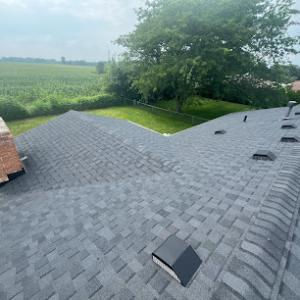
All-Side Roofing and Restoration offers professional roof repair, roof replacement, siding installation, and gutter services in Dayton, Centerville, Oakwood, Kettering, Springboro, and nearby areas. We specialize in storm damage roofing, hail damage repair, wind damage restoration, and expert insurance claim assistance. Our certified inspectors provide detailed roof inspections, documentation, and claim support to help homeowners secure fair coverage. With reliable service, clear communication, and superior craftsmanship, we deliver trusted exterior home restoration. Call today for a free roof inspection.
Coverall's Total Home Improvement Company
(937) 293-5400 coverallshomeimprovementco.com
1878 Nash Ct, Dayton, Ohio
4.9 from 300 reviews
Coveralls Total Home Improvement is a Veteran company and offers a valuable service and a good experience to the public. We are licensed, bonded, and insured We strive to be recognized in standards of ethics, morals, honesty, and craftsmanship. Our mission is to close the gap on our competitors and to support the public with a good experience. We provide the best of products, certified installers, warranties and price.! Also, coveralls will be there with any crisis response to help, maintain and service the public!!
Cardinal Roofing & Renovations
(937) 576-6753 cardinalrenovations.net
5735 Webster St, Dayton, Ohio
5.0 from 69 reviews
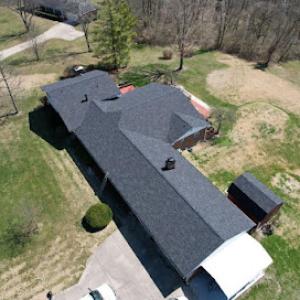
Committed to providing the best possible service with the highest quality installations in roofing, siding, gutter and window installs. Our mission is to go above the standard and build long lasting relationships with our clients. Helping clients step by step through their claims process in order to restore their homes due to storm damage as well.
Van Martin Roofing
(937) 537-5440 vanmartinroofing.com
5250 N Springboro Pike, Dayton, Ohio
4.9 from 393 reviews
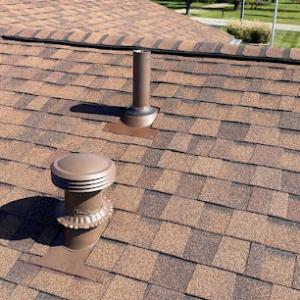
Van Martin Roofing is your leading roofing company for expert roof repair, roof replacement, and roof maintenance in Dayton, Ohio. Serving homeowners and businesses across the greater Dayton area, we specialize in quality roofing solutions that last. Our team is committed to dependable communication, skilled roofers, and our VanGuard Warranty for long-term protection. Whether it’s leaking roof repair, storm damage, or a full roof installation, we provide fast, reliable service. Searching for a local roofing contractor or roofing help for your home in the Dayton area? Choose Van Martin Roofing—your professional partner for residential roof replacements and commercial roofing.
Blue Knight
(937) 901-7721 blueknightroofing.com
7825 N Dixie Dr D, Dayton, Ohio
4.9 from 129 reviews
Serving a wide array of your residential roofing and related needs with professional, uncompromising workmanship and top-quality products is our mission at Blue Knight Roofing and Restoration. We are your premier full-service roofing contractor in Dayton, OH, committed to your satisfaction in roofing installation, repairs, and much more
American Home Tech
(937) 210-9001 www.americanhometech.com
211 Kiser St, Dayton, Ohio
4.8 from 331 reviews
At American Home Tech, we are the best full-service contractor for your commercial and residential roofing, siding, windows, gutters, decks, and interior remodeling projects, including doors, kitchen remodels, bath remodels, and painting, throughout Dayton, OH and surrounding areas. We provide expert services at any budget and specialize in insurance claim replacements. We proudly offer free estimates and inspections on your project with a no-obligation guarantee. American Home Tech strives to stand behind our motto of “trust is just one thing we build well” with every project we complete.
Quality Exterior & Restoration
2263 W Schantz Ave, Dayton, Ohio
4.9 from 142 reviews
With a lifetime of experience and a passion for home exterior work, we proudly serve the Dayton, OH area as the best roofing and siding contractors. Our services include installation and repairs for your roof, siding, windows, gutters or doors. Looking to improve or upgrade your home? Give us a call today to schedule a consultation or request a quote!

MasterRoof Contracting
(937) 247-4245 masterroofcontracting.com
6361 Shadow Lake Trail, Dayton, Ohio
4.9 from 144 reviews
Locally owned and operated roofing contractors, we strive to be your top choice roofing company serving the greater Dayton Ohio, and Miami Valley areas! From emergency roof repair to roof replacement, we have you covered on all your residential and commercial properties. Highest quality and best-in-class warranties! Contact us for all your roofing, siding, and solar needs! -Locally Owned Operated -Residential Commercial -Roofing/Siding/Gutter -Full Service Roofing Company

Scott Bauer Roofing
(937) 293-3702 scottbauerroofing.com
3044 Wilmington Pike, Dayton, Ohio
4.8 from 293 reviews
We are a local roofing contractor in Dayton Ohio providing: Roof Repair, Roof Replacement, Roof Damage Restoration, New Siding, Siding Repair, New Gutters, Gutter Repairs, Gutter Upgrades, and more. We are a local family owned and operated business.

Solid Rock Roofing
(937) 435-4646 www.solidrockroofing.com
653 Congress Park Dr, Dayton, Ohio
4.9 from 117 reviews
As a locally owned and operated, third-generation roofing company, we are here to help you with any of your roofing needs. Whether you need a simple roof repair or a total roof replacement, our trained and reputable roofing contractors are here for you. In addition to roofs, we also provide services in siding, rain gutters, and skylights. Give us a call today to get started!
Dayton's cold winters followed by temperature swings create freeze-thaw cycling that can widen small flashing and shingle defects into active leaks. The process begins when water from a shallow roof defect migrates into seams and under flashing. When temperatures drop, that water freezes and expands, prying apart seals and creating micro-cracks that grow over multiple cycles. By spring, a surface that looked minor can harbor enough weakness to leak during a heavy rain or a rapid thaw. The pattern is predictable enough to notice as a homeowner: a small drip near a chimney or vent that only shows up after a spell of cold nights followed by warm afternoons. Regular inspection matters, especially around bell-roofs, vent flashings, and the edge of the cap shingles where the worst cold-air infiltration often sits.
Winter ice dam formation and snow load stress are recurring seasonal risks in Dayton, especially where attic heat loss melts roof snow unevenly. If warm attic air is vented toward the eaves unevenly, snow melts first at the lower edge and refreezes as an ice dam that backs up water behind it. As more meltwater pools, moisture can wick into underlayment and into the roof deck. Then a thaw followed by another cold snap can push water under shingles, with increasing risk for flashing around valleys and penetrations. Shingles may curl or lift at the eave if the dam persists long enough, and attic heat loss that's not addressed amplifies these forces every season.
Homes with leaf buildup entering winter face added moisture retention at eaves and valleys, which can worsen ice backup during Dayton cold snaps. Old leaf debris can trap moisture against soffits, clog gutters, and shed rain into vulnerable joints. Cracked gutter systems, clogged downspouts, and debris-filled valleys provide convenient channels for meltwater to sit and refreeze. In storms, that stuck moisture becomes a direct path for ice to form along the edge, driving water back into roof joints. The result is a gradual erosion of protective layers that quiet weather might otherwise leave undisturbed.
Begin with a careful attic check for insulation gaps above the eaves and around penetrations-any hole or thin frost line at the rafter cavities invites heat to escape to the roof plane. Keep gutters clear in late fall, and consider extending soffits or adding heat tape only where appropriate to protect critical joints during peak freeze periods. When you notice recurring dampness in the attic after storms, pause at the first sign of staining near vents or chimneys, and document the dates of leaks. If ice dams form consistently, address ventilation balance first, then assess flashing and shingle integrity. In Dayton, proactive maintenance before the worst weather arrives often saves broader damage and steep repair costs.
In Dayton, asphalt shingles dominate replacements because they fit the city's large re-roofing market and broad range of residential budgets. When a hail event or a spring windstorm hits, the quick availability of asphalt options helps homeowners move from damage assessment to a new roof without lengthy delays. They respond well to the repeated freeze-thaw cycles, and installer crews often have the most experience with the typical shape and pitch of local roofs. If you face insurance-backed timelines, asphalt can be the most predictable choice for a fast, coordinated replacement.
Metal roofing is a meaningful local upgrade option for homeowners focused on wind resistance, snow shedding, and longer service life through repeated seasonal swings. In neighborhoods that see strong gusts and accumulating snow, metal panels shed snow more reliably and resist wind-driven debris better than some traditional shingles. The installation logistics can fit tight storm-response schedules because metal crews carry plenty of stock and can often complete replacements in fewer days. If your roof line is straightforward and the budget allows, metal provides a durable, low-maintenance option that stands up to Dayton's spring and winter stress.
Clay tile, concrete tile, wood shakes, and synthetic shingles exist in the Dayton market but are far less common among contractors than asphalt and metal, which affects installer availability and replacement logistics. Tile and shakes bring distinctive looks and may suit some vintage or high-curb-appeal homes, but they require specialized crews and can complicate hail repair and insurance claim workflows. If a tile roof option is pursued, expect longer lead times for labor scheduling and more nuanced flashing details to manage. Synthetic shingles offer some flexibility in aesthetics and weight, but still follow the same installation cadence as asphalt when it comes to storm response.
The overarching goal is to align roof material performance with impending seasons, insurer expectations, and contractor availability. In practice, that means weighing how well a material tolerates hail impact, wind uplift, and freeze-thaw cycles, while also considering how quickly crews can mobilize after a storm. Asphalt remains the most versatile for rapid re-roofing and insurance-backed schedules, but metal can be the smarter long-term bet where wind and snow shed are top priorities. For homes with special architectural details or limited roof access, discuss whether a lighter or more flexible option can meet both protection needs and replacement timelines.
Asphalt shingles sit in the mid to upper end of the common residential spectrum, with pricing around 350 to 800 USD per square. Metal roofing commands a higher band, roughly 700 to 1300 USD per square, reflecting its longevity and installation complexity. Tile systems-clay and concrete-run substantially higher, and in many Dayton neighborhoods that cash book reflects in the overall project. Wood shingles and synthetics land in between, but the clearest takeaway is that the cheapest option can still become expensive once the weathered deck and ventilation are addressed.
Storms, especially after hail and strong winds, create immediate demand spikes for full re-roofing crews. Scheduling can stretch out as local crews reallocate to urgent repairs and insurance-backed replacements. In practical terms, that means you may face longer lead times and tighter windows for material delivery and crew mobilization after a major event. When a hailstorm hits, expect prices to tighten temporarily and timelines to compress, particularly for larger homes or those with complex rooflines.
Costs rise in Dayton when older homes need decking repair or replacement, which is not unusual in storm-prone neighborhoods. Ventilation corrections-often needed to keep attic temps balanced after a roof upgrade-can add a meaningful line item. Flashing upgrades around chimneys, skylights, and valley intersections are more common than some homeowners expect, especially on mature trees where wind-driven debris can loosen fasteners and seals. These elements can push a project cost higher than a straightforward shingle swap, regardless of material choice.
Cleanup around mature trees and debris-heavy lots is another Dayton-specific factor. Storm debris can overwhelm standard crews, increasing labor time and disposal costs. The presence of large branches or repeated hail scarring may also necessitate additional detailing for a watertight transition from underlayment to finished surface. Budget a contingency for extra disposal and site preparation if your yard shows heavy post-storm debris.
When you're estimating, start with the material baseline (shingles, metal, or tile) and then add line items for decking, ventilation, and flashing if the inspection flags those needs. Build a weather-aware timeline: wait windows can slide after a hail event, so plan for possible extensions and align insurance deadlines to avoid rushed decisions. In a storm-impacted market, a small delay can save a lot of up-front cost and headache if the crew can secure proper decking and venting first.
Don't let upfront costs delay a critical repair - these contractors offer payment plans to fit your budget.
American Siding & Roofing
(937) 719-8389 youramericanroof.com
827 Hall Ave, Dayton, Ohio
4.8 from 77 reviews
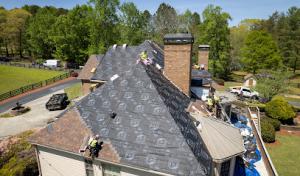
A full roof replacement in Dayton typically requires a building permit through the City of Dayton Building and Zoning Department. That permit is not just a box to check; it anchors the project in code compliance for load, ventilation, flashing, and structural integrity-critical factors when your area endures freeze-thaw cycles and spring hail. The permit process helps ensure that a new roof will perform through Ohio winters and the high-wind events common to late spring storms. The timing of the permit aligns with major milestones such as deck and framing work, underlayment installation, and the final roof finish.
In Dayton, contractors commonly handle permit submission and fee payment on the homeowner's behalf rather than asking owners to file directly. This is practical for most homeowners, as roofing projects typically proceed through a sequence of inspectors and trades that the contractor coordinates. Before work starts, confirm with your contractor exactly which documents will be submitted, who will pay any associated fees, and how proof of permit posting will be displayed on-site. Keeping a clear line of communication helps prevent delays that can stall storm-repair timelines when you're coordinating with insurance and weather windows.
City inspections in Dayton may verify framing, ventilation, and flashing where applicable, with review occurring after major milestones and again at completion. Inspectors focus on the roof deck's structural integrity, header supports, proper nailing patterns, and the presence and placement of ventilation to prevent moisture buildup in attic spaces. Flashing around chimneys, vent pipes, and valleys will be checked to ensure water shedding paths are continuous and sealed. If hail-damaged decking or damaged sheathing is found, the inspection may trigger required repairs or replacements before the final approval. Expect inspectors to verify attic venting meets code standards and that installation details follow the latest codes for high-wind exposure zones.
Before the project begins, arrange a clear access route for materials and debris with the contractor, and confirm where roof sheathing and underlayment will be staged so inspectors can observe proper installation. After framing and underlayment, expect a framing/ventilation milestone inspection, then a mid-project check focusing on flashing integration and valley transitions. After the final surface is installed, an end-of-project inspection will confirm roof coverage, ventilation, and flashing are complete and compliant. Keeping organized records of permits, inspection dates, and any change orders speeds the process and supports a smooth insurance-backed replacement timeline.
In Dayton, the local insurance environment makes hail and wind claims common enough that adjusters often expect detailed photo evidence and a clear storm timeline. The weather pattern here pushes roofs through freeze-thaw cycles and spring hail, which means a claim can hinge on how the damage is documented and when the events occurred. If the roof shows multiple impact points, bent or displaced flashing, or granule loss, be prepared to show where those issues started and how they progressed after each storm. Photos stamped with dates, taken from multiple angles, and a concise sequence of events will help prevent second-guessing later in the process. Rushed or inconsistent pictures can invite disputes about what happened when, which can slow or complicate a settlement.
Coverage decisions in this market are often influenced by roof age, material type, and whether the installed system carries documented warranties. A roof that's near the end of its expected life may not receive the full replacement allowance, even if damage seems extensive at first glance. Different materials respond differently to hail and wind stresses-metal behaves differently than shingles, and ceramic or concrete tiles carry their own risk profiles with impact and wind uplift. Warranties can shift responsibility or accelerate coverage, but only if the claim aligns with the warranty terms and the policyholder's maintenance history. Understanding how these factors interlock before filing can prevent frustration when your claim is reviewed.
Because adjusters and contractors frequently coordinate on storm losses, homeowners should keep inspection reports, dated photos, and repair invoices organized before filing. Gather all relevant wind and hail inspection notes, weather reports for the storm window, and any professional assessments. Have a clear record of when inspections occurred, what was observed, and what repairs were proposed or completed. This organized trail helps accelerate the process and reduces back-and-forth, especially when multiple parties are involved in the claim and potential repair timeline.
Flashing at chimneys, skylights, and roof-wall intersections is a recurring concern in Dayton because freeze-thaw movement and wind-driven rain can expose weak detailing. In a typical local home, widening gaps or loose metal around a chimney can admit water behind the shingles long before a leak shows inside. Inspect after heavy storms or thaw cycles when shingles dry and move; look for dark staining, damp spots on ceiling, or damp trash in gutters. If flashing looks lifted or buckled, address it promptly with a sealant compatible with the roof surface, and consider re-flashing if the base metal has corroded or the counter-flashing is loose. For skylights, check the chronic seam around the flange each season and keep the sealant tidy and intact. In Dayton's climate, periodic resealing is not optional-it's a practical maintenance habit to prevent larger damage from wind-driven rain.
Leaf debris in valleys and gutters is a notable Dayton fall risk because retained moisture can shorten shingle life and contribute to winter edge backup. Valleys clogged with leaves trap water and accelerate wear on asphalt and metal interlocks, especially after a wet summer. During autumn, clear debris from gutters and ensure downspouts drain away from the foundation. In valley areas, use a paddle or glove to remove debris by hand rather than forcing it with a high-pressure sprayer, which can push debris into the attic or under shingles. Install screens or guards where feasible, but verify they're not creating new debris traps. After heavy storms, recheck the valleys and edges for small pools of water that could indicate underlying flashing or shingle lift.
Warm summers in Dayton accelerate UV aging on older asphalt roofs, so granule loss often becomes more visible after a sequence of summer heat and spring storm seasons. If granules are missing in patches or the granulated surface looks dull, that indicates accelerated aging and potential exposure of the asphalt substrate. Inspect the roof surface after extreme heat waves and spring storms; look for bare spots on the shingles and exposed edges along hips and ridges. When granules have worn away, shingles can become brittle and fail earlier than expected, especially under freeze-thaw cycles. Monitor flashing and sealant around the edges where exposed granules can contribute to accelerated wear, and prepare for more frequent inspections on aging roofs.
Find contractors experienced in skylight installation, flashing, and leak repairs to bring natural light into your home.
DryTech Exteriors
(937) 787-5931 www.drytechexteriors.com
3036 Far Hills Ave, Dayton, Ohio
5.0 from 662 reviews
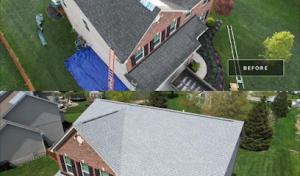
Blue Knight
(937) 901-7721 blueknightroofing.com
7825 N Dixie Dr D, Dayton, Ohio
4.9 from 129 reviews

Quality Exterior & Restoration
2263 W Schantz Ave, Dayton, Ohio
4.9 from 142 reviews
Though the area is known for pitched-roof homes, a meaningful portion of local projects add flat or low-slope sections to porches, sunrooms, and mixed residential-commercial builds. These areas behave differently after winter cycles, spring storms, and hail, and can become leak sources if forgotten during a main roof replacement. You'll see that a fast, all-at-once approach often misses weak points where water can linger and debris can accumulate.
Low-slope sections are especially prone to standing water after freeze-thaw cycles. In Dayton, meltwater and storm debris can pool on these surfaces and push heat into seams, accelerating membrane stress. Pay attention to transitions from steep-slope roofs to low-slope add-ons, where flashing must be continuous and well-sealed. Gutters and downspouts around these areas often clog first, so plan for dedicated debris clearance and more frequent cleaning, not just annual checks.
When a main steep-roof replacement is planned, bring in an inspector to evaluate any attached low-slope areas at the same time. Don't assume the porch or sunroom roof is behaving the same as the primary roof; water can migrate between sections via joints and penetrations. If a contractor suggests delaying work on the low-slope portion, push for parallel evaluation and, if feasible, simultaneous repair or replacement. Document existing membrane types, flashing details, and fastener patterns so the scope covers connection points thoroughly.
Choose membranes and flashing that handle freeze-thaw stress and storm debris well, with strong sealant continuity at curbs and edges. In Dayton's climate, detailing around penetrations-pipes, skylights, and vents-needs extra attention to prevent ice dams and creasing. Ensure proper slope guidance on additions is maintained and that drainage paths remain unobstructed after completion, so standing water isn't allowed to linger.
Find specialists in TPO, EPDM, and built-up flat roofing systems for residential and commercial properties.
Van Martin Roofing
(937) 742-4550 www.vanmartinroofing.com
7051 Corporate Way Suite 2J, Dayton, Ohio
4.9 from 46 reviews
Enterprise Roofing
(937) 298-8664 www.enterpriserfg.com
1021 Irving Ave, Dayton, Ohio
4.7 from 107 reviews
Sherriff Goslin Roofing Dayton
(937) 237-9313 www.sherriffgoslin.com
2115 Valley St, Dayton, Ohio
4.8 from 79 reviews
When a hail hit or a wind event rolls through, the market shifts fast. In this area, you should expect emergency availability and cleanup included as standard parts of a serious bid. Reputable crews keep a dedicated on-call crew, answer within a few hours, and arrive with tarping, nails, and a plan to secure the property before rain moves back in.
Most homes in this market end up needing a full or substantial roof replacement after repeated freeze-thaw cycles and hail damage. Verify whether the contractor's core experience is full replacement or isolated repairs. A focused patch job may be cheaper up front, but it can miss underlying issues that shorten the roof's life in harsh springs and summers.
Long-established, family-owned, and locally owned firms all have a visible presence. The key is not the logo but who handles the work on your project. Look for a firm whose primary business is re-roofing, not just occasional repairs. That orientation affects timelines, material choices, and how disputes are resolved.
Even in familiar neighborhoods, confirm who is managing permits, inspections, and insurance coordination. Some crews assign this to a project manager, others to the homeowner. Clear, written expectations about who handles communication with your insurer and the inspection office can prevent delays and confusion.
Request a written timeline with milestones that cover storm cleanup, material delivery, tear-off, installation, and final inspection. Favor firms that offer bundled storm response, including debris removal and site cleanup, and that outline who oversees daily progress checks and quality control.