Roofing in Indiana
Last updated: Feb 28, 2026
Indiana weather tests a roof every season. From hot, humid summers to snowy, windy winters, our roofs take a real beating—from spring hail to freeze-thaw cycles that can lift shingles and stretch flashing. In Indianapolis, Fort Wayne, and the rural counties alike, you'll notice attic heat, clogged gutters, and sometimes ice dams after a brutal cold snap. That's why practical, durable choices often beat flashy trends: well-chosen materials, solid ventilation, and a plan that fits a Midwest budget. With the right maintenance, you can extend a roof's life, protect insulation, and keep energy bills in check even through once-in-a-while storms. Think of this guide as a neighborly, professional resource—clear, trustworthy, and tuned to Indiana's rhythm.
Here's what this Indiana page covers: how our climate shapes roof decisions; recommended roofing materials for Indiana's weather; popular roof styles and architectural trends you'll see across the state; typical costs you can expect here; what permits and local regulations look like; common roofing problems you'll encounter in Indiana and practical solutions; maintenance and repair tips tailored to Indiana conditions; guidance on when to repair versus when to replace; and advice on when it's best to hire a professional. All advice is tailored to Indiana's conditions and backed by local resources—from suppliers and inspectors to a network of seasoned local roofers. With that in mind, let's start by looking at Indiana's climate and how it shapes roof decisions.
Local Climate & Its Impact on Roofs
Indiana's climate at a glance
Indiana has a humid continental climate with four distinct seasons: cold winters, hot humid summers, and a wet spring. This pattern directly affects roof longevity and performance, so understanding the seasonal rhythm helps you plan maintenance and repairs.
- Winter brings snow and ice; thawing and refreezing at the eaves commonly form ice dams that can back up water under shingles.
- Spring and early summer bring frequent thunderstorms, hail, and gusty winds that can dent, crack, or lift roofing materials.
- Summer sun and heat accelerate aging of coatings, sealants, and shingles, especially on south- and west-facing exposures.
- Fall can feature windy storms and falling leaves that clog gutters and serve as tinder for debris buildup.
Weather patterns that shape roof wear
These patterns translate into practical risks for Indiana homes.
- Ice dams and freeze-thaw cycles: Water that gets under the roofing material can migrate inward, damaging ceilings and insulation.
- Snow load and ice buildup: Prolonged snow on the roof increases load and can stress flashing and joints.
- Hail and wind events: Hail can chip or crack shingles; high winds can peel back edges and lift shingles or metal panels.
- Drainage reliability: Clogged gutters and downspouts from leaves or debris cause water to back up and infiltrate at vulnerable points.
How climate affects common roof components
- Shingles: The aging process speeds up with heat, UV exposure, and temperature swings; asphalt shingles are common in Indiana and may need more frequent inspection in extreme winters.
- Flashing and seals: Cold snaps and thaw cycles stress flashing around chimneys, vents, and skylights; flashing should be checked after severe weather.
- Gutters: Meltwater must be directed away from the foundation; clogged gutters amplify ice dam risk and water intrusion.
- Attic ventilation: Proper intake and exhaust reduce attic moisture, aiding in limiting ice dams and heat buildup.
Maintenance framework for Indiana homeowners (step-by-step)
1. Inspect and clear gutters and downspouts at least twice a year and after major storms.
2. Remove excess snow from eaves with a roof rake after heavy snowfall to reduce ice dam risk (avoid stepping on a wet or icy roof).
3. Check flashing and sealant around chimneys, vents, and skylights; reseal as needed to maintain a watertight barrier.
4. Trim overhanging tree limbs to minimize debris, impact risk, and leaf clogging of drainage systems.
5. Improve attic insulation and ensure balanced ventilation to limit heat buildup and moisture problems.
6. Schedule a professional roof inspection after severe winter storms or significant wind events to catch issues early.
Warnings and official resources
Indiana's weather can be harsh and changeable; stay prepared for sudden outages, wind, hail, and snow.
- National Weather Service (Indiana forecasts and safety guidance):
- NWS Safety information:
- Ready.gov Tornadoes (tornado safety and preparedness):
- FEMA (general disaster readiness and roofing-related considerations):
- Indiana Department of Homeland Security (state emergency preparedness):
Recommended Roofing Materials for Indiana
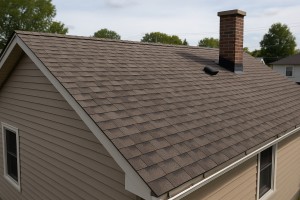
In Indiana, asphalt shingles are the most common and affordable choice for many homes. Modern fiberglass asphalt shingles hold up well to our freeze-thaw cycles, hail, and seasonal temp swings, especially when installed with wind-rated underlayment and proper attic ventilation. Architectural (dimensional) shingles offer better wind resistance and a more durable look than older 3-tab styles.
- Pros:
- Great cost-to-performance balance; easy to find and repair
- Wide range of colors and styles to match homes
- Good wind resistance when installed correctly
- Cons:
- Lifespan typically 20–40 years depending on quality and maintenance
- Performance can vary with attic heat and ventilation
- Best fits: Most Indiana homes, mid-range budgets, standard pitched roofs
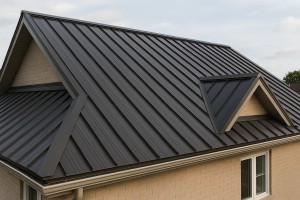
Metal roofs—steel or aluminum—are designed for durability in Indiana's snow and wind. They shed snow more easily, resist hail better than many shingles, and can dramatically extend roof life. They're a good long-term investment, though upfront costs are higher. Some homeowners note louder rainfall unless the attic is properly insulated.
- Pros:
- Very long service life; many 40–80+ years options
- Excellent snow shedding and wind resistance
- Lightweight and energy-efficient when paired with proper insulation
- Cons:
- Higher upfront cost and occasional noise concerns (addressed with insulation)
- Requires a skilled installer to prevent leaks at seams and fasteners
- Best fits: Snow-prone areas, modern or stylistically bold homes, long-term value seekers
Synthetic Slate and Shake: Beauty with Durability
Fiber cement, polymer composite, or engineered slate/shake mimics real slate or cedar without the weight or maintenance. These materials hold up well to Indiana weather, resist cracking from hail better than natural slate, and offer a premium look without the fragility of natural stone.
- Pros:
- Attractive aesthetic with durable performance
- Lightweight relative to real slate; easier on existing structures
- Good fire resistance and low maintenance
- Cons:
- Higher cost than asphalt or basic metal
- Requires professional installation to guarantee water tightness
- Best fits: Homes aiming for a high-end look with long-term durability
Cedar Shingles and Shakes: Natural Look (With Care)
Cedar provides a warm, natural appearance that many Indiana homeowners love. If chosen, select heartwood cedar, proper underlayment, and a maintenance plan. Cedar is more sensitive to moisture and insects, and it needs periodic cleaning and sealing to extend life in moist climates.
- Pros:
- Distinctive, natural curb appeal
- Moderate insulation properties and good performance in dry conditions
- Cons:
- Higher maintenance and shorter lifespan in wet, humid environments
- Fire risk unless treated or combined with fire-resistant barriers
- Best fits: Historic or cottage-style homes, climates with controlled moisture, homeowners who value aesthetics and willing upkeep
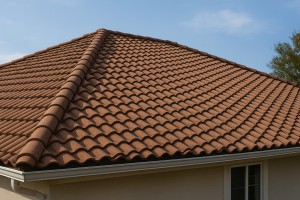
Tile roofs can be stunning, but they're heavy and brittle in cold climates. Indiana's freeze-thaw cycles can stress tiles, and many homes aren't structurally prepared to support the weight without reinforcement. Tiles also require precise underlayment and ventilation to prevent leaks in winter.
- Pros:
- Very long life and excellent chats of curb appeal
- Fire-resistant and relatively cool in sun
- Cons:
- Heavy; may require structural upgrades
- Higher installation cost and risk of cracking in cold snaps
- Best fits: New constructions or remodels with strong structural support and a desire for a distinctive, high-end look
Flat Roof Options: EPDM and TPO
For low-slope sections, flat or low-pitch roofs use materials like EPDM (rubber) or TPO (thermoplastic). Indiana homes with wings, additions, or garages often use these. Proper flashing and insulation are key to long-term performance.
- Pros:
- Good for flat or low-slope designs; easy to repair in sections
- Relatively affordable compared with premium shingles or tile
- Cons:
- Limited lifespan compared to metal or slate; needs regular maintenance
- Susceptible to UV degradation if not well protected
- Best fits: Flat or low-slope sections, additions, or budget-conscious projects
Choosing the right material for Indiana homes
1) Assess climate impact: snow load, hail frequency, and temperature swings.
2) Check roof structure: weight-bearing capacity and pitch dictate options (tile and slate need stronger support).
3) Balance budget with long-term value: upfront cost vs. life expectancy and maintenance.
4) Consider aesthetics and neighborhood norms: color, texture, and curb appeal.
5) Hire a local pro: ensure wind-rated, weather-appropriate installation and local code compliance.
Popular Roof Styles & Architectural Trends in Indiana
Popular Materials seen in Indiana
- Asphalt shingles: by far the most common due to cost, installation ease, and broad color options. Look for architectural (dimensional) shingles for extra durability and curb appeal.
- Standing-seam metal roofs: increasingly popular for new homes and renovations. Excellent in snow, rain, and wind, with long life and good hail resistance when properly installed.
- Cedar shakes/shingles: offer a warm, rustic look that suits farmhouse and craftsman styles. Require regular maintenance and protection against moisture and insects.
- Clay and concrete tiles: high-end option that works on well-supported structures. Heavy, with excellent longevity and fire resistance, but not ideal for every retrofit.
- Slate: premium, long-lasting, and elegant, but very heavy and costly. Best when the structure can handle the weight and budget allows.
- Flat/low-slope coverings (single-ply membranes, built-up, or modified bitumen): common on garages, additions, and some modern or commercial-inspired homes.
Roof Styles You'll See in Indiana Homes
- Gable roofs: simple, affordable, and versatile; easy to shed snow and rain with proper drainage.
- Hip roofs: balanced, stable in high winds, with a slightly higher overall cost but strong performance in Indiana's seasonal weather.
- Craftsman and Bungalow profiles: wide eaves, decorative support brackets, and medium-pitched roofs that pair well with natural materials.
- Farmhouse silhouettes: often paired with metal accents or standing-seam metal roofs to evoke rustic Midwest charm.
- Modern and transitional: clean lines, larger overhangs, and metal or architectural shingle combinations for a contemporary look.
- Traditional colonials: symmetric or centered dormers, with medium-pitched roofs and neutral color palettes.
Architectural Trends in Indiana Neighborhoods
- Farmhouse revival: generous porches, board-and-batten or shaker siding, and darker metal accents.
- Craftsman influences: tapered columns, mixed textures (brick, wood, stone), and exposed rafter tails.
- Prairie and Midwest-inspired lines: low-slope, broad eaves, and neutral tones that blend with landscape.
- Mixed-material exteriors: combinations of brick, stone veneer, and wood or fiber cement siding paired with gray or charcoal roofing.
- Dark metal accents: black or dark gray metal roofs or metal panels as accent elements for contrast with lighter siding.
Practical Considerations for Indiana Winters
- Snow load and ice dam risk: choose materials and roof profiles that promote drainage; consider ice-and-water shield installation in valleys and eaves.
- Ventilation and insulation: ensure adequate attic ventilation to prevent ice dams and heat loss in winter; upgrade insulation where needed.
- Wind and hail tolerance: in exposed areas or near lake-effect winds, select higher-wind-rated shingles or metal with proper fasteners and seaming.
- Weight and structural compatibility: heavier options (slate, concrete tile) require structural assessment, especially on older homes.
- Maintenance window: timber and cedar require finish maintenance; metal roofs benefit from occasional inspection for panel seams and fasteners.
Color and Finish Trends
- Neutral neutrals: cool grays, greige, and taupe continue to dominate.
- Dark exteriors: charcoal and deep blue/green shades paired with lighter trim for bold curb appeal.
- Black metal accents: standing-seam roofs with black, dark gray, or gunmetal tones to highlight architectural lines.
- Light interior-compatible tones: lighter roof hues on homes with white, cream, or beige siding to maintain balance.
Quick Reference: Choosing by Indiana Climate
- For snow-prone areas: consider standing-seam metal or architectural shingles with good snow shedding.
- For visual impact with stability: gable or hip roofs in combination with durable shingles or metal.
- For long-term value: metal roofs or premium architectural shingles offer strong warranties and longevity.
- For budget-conscious updates: standard asphalt shingles with a mid-range warranty and a color that complements the siding.
Average Roofing Costs in Indiana
Cost by material
- Standard asphalt shingles (3-tab): 3.50–5.50 per sq ft installed. For a typical 1,500 sq ft roof (about 15 squares): roughly 5,250–8,250.
- Architectural/dimensional asphalt shingles: 4.50–7.50 per sq ft installed. For the same 1,500 sq ft: about 6,750–11,250.
- Metal roofing: 7.50–12.50 per sq ft installed. For 1,500 sq ft: about 11,250–18,750.
- Wood shingles/shakes: 6.50–9.50 per sq ft installed. For 1,500 sq ft: about 9,750–14,250.
- Clay or concrete tile: 8–15 per sq ft installed. For 1,500 sq ft: about 12,000–22,500.
Notes:
- Prices assume labor, disposal of old roofing, underlayment, and basic flashing are included. If you're not replacing an existing roof, removal costs may add to the total.
- Costs can fluctuate with the time of year, contractor demand, and regional supply.
Typical project ranges by roof size
- Small home (1,000 sq ft / 10 squares): asphalt 3-tab roughly 3,500–5,500; architectural about 4,500–8,000.
- Average Indiana home (1,500–2,000 sq ft / 15–20 squares): asphalt 5,250–11,000; architectural 6,750–14,000; metal 11,250–25,000.
- Larger or more complex roofs (over 2,000 sq ft): costs scale up quickly with extra flashing, penetrations, or unique features.
Factors that affect price
- Roof size and slope (pitch): steeper roofs require more time and safety measures.
- Roof complexity: multiple peaks, dormers, chimneys, skylights, or wrap-around decks add labor and materials.
- Old roof removal and disposal: disposal fees and potential debris hauling can add 10–20% or more.
- Underlayment and ventilation: higher-quality underlayment, synthetic options, and upgraded attic ventilation raise the price slightly but improve performance.
- Ice/water shield and flashing: added protection in Indiana winters increases upfront cost but helps with durability.
- Permits and inspections: local fees vary; some contractors include permits, others bill separately.
- Warranty and contractor quality: longer warranties and well-established local contractors can affect price but improve long-term value.
- Accessibility and proximity to labor pools: urban areas may see higher labor costs than rural parts of the state.
Local Indiana considerations
- Climate and weather patterns: cold winters, thaw cycles, and spring hail influence underlayment choice and roof durability. Synthetic underlayment and ice barriers are common recommendations.
- Hail and wind risk: certain Indiana regions experience higher hail frequency. Impact-resistant shingles and corning metal options can be prudent investments.
- Seasonal demand: spring and early fall are peak seasons; lead times may extend and bids may vary accordingly.
- Regional labor markets: urban centers like Indianapolis may command higher bid ranges than rural towns due to demand and crew availability.
Quick estimation steps (do-it-yourself sanity check)
1. Measure your roof area in squares (1 square = 100 sq ft). If you know the building footprint, multiply length by width, then divide by 100.
2. Choose a material category (3-tab asphalt, architectural asphalt, metal, wood, or tile).
3. Add 10–15% for removal and disposal if replacing an existing roof.
4. Add 5–10% for extras (ice shield, extra flashing, attic ventilation upgrades).
5. Get 3–5 bids from local Indiana roofing pros and verify permits, warranties, and any disposal fees.
Permits & Local Regulations
Is a permit required for roof work in Indiana?
Roof replacement generally requires a building permit in Indiana, but the rule varies by city or county. Some places exempt minor repairs or cosmetic patching. A full tear-off and re-deck, or any work that changes rafters, decking, ventilation, or attic space, will almost always need a permit. Even if your jurisdiction has loose rules, getting a permit helps ensure the work meets code and protects your home value.
Check with your local building department
- Start with your city building department or county plan commission.
- How to contact: call City Hall or visit the city/county website; use the permit or building division page.
- What to tell them: address, scope of work, and whether you plan to tear off decking or replace underlayment.
What you'll typically submit
- Permit application (may be online or on paper).
- Property description and legal address.
- Contractor name, license/registration number (if your locality requires it) and contact info.
- Detailed scope: square footage, number of layers, decking replacement, ventilation/attic details.
- Roofing plan: shingle type, underlayment, ventilation, and ice/water shield requirements.
- Insurance proof: current general liability and workers' comp.
- HOA approval letter if applicable; any historic district approvals.
Inspections to expect
- Rough-in/torn-off phase inspection (verify decking and ventilation before covering).
- Decking/underlayment inspection (if required by your jurisdiction).
- Final inspection showing proper installation, vents, flashing, and drip edge.
- Wind uplift or energy code compliance inspections in some areas.
HOA and historic district rules
- Check HOA covenants for exterior modifications, color, and materials.
- Historic districts may require approvals from a design review committee before the permit is issued.
Contractor licensing and insurance
- Indiana does not have a statewide general contractor license for roofing; local authorities may require a contractor registration or license.
- Always verify the contractor has:
- Active liability insurance (and workers' comp for employees).
- Proper business license or registration if your city/county requires it.
- A current permit under their name (or joint with you, when allowed).
Fees, timelines, and delays
- Permits carry a fee that varies by jurisdiction and project size.
- Typical turnaround: a few days to a few weeks; large or complex jobs can take longer.
- Weather, backlog at the building department, and missing paperwork can cause delays.
Storm damage and permits
- If hail or wind damage triggered the project, keep all damage documentation and work with your insurer; some insurers may require permit approvals to release funds.
- Do not skip the permit or inspector step, even if your insurer suggests a quick patch.
Quick-start plan
1) Contact your local building department to confirm permit requirements.
2) Gather documents: address, scope, contractor details, insurance, HOA approvals.
3) Have your contractor submit the permit and schedule required inspections.
4) Prepare for final inspection and keep permit card and records on-site.
Common Roofing Problems in Indiana & Solutions
Ice Dams & Ventilation in Indiana Winters
In Indiana's cold snaps, attic heat escaping to the roof deck can melt snow near the eaves. When that meltwater refreezes, ice dams form and push water under shingles, potentially causing leaks and interior damage. Signs include icicles, damp ceilings, and stained walls near the ceiling.
- Improve attic insulation and air sealing:
- Check for gaps around attic hatches, recessed lights, and ductwork; seal with caulk or spray foam.
- Increase insulation to meet local code (often aiming for R38 or higher in many Indiana homes).
- Boost ventilation:
- Ensure a balanced system with soffit intake vents and ridge or roof vents.
- Install or adjust attic baffles to maintain airflow above insulation.
- Protect eaves:
- Install an ice and water shield along the eaves (typically 3–6 feet up the roof).
- Consider heat cables along the drip edge if storms repeatedly create dams (have a licensed electrician install).
- Gutter care:
- Keep gutters clear of debris so meltwater can drain away quickly.
- Direct downspouts away from the foundation.
Hail & Wind Damage Common in Indiana
Indiana sees hail and strong winds, especially during severe spring storms. Damaged shingles can bruise, crack, or lose granules, and flashing can be bent or torn.
- After a storm:
- Do a ground-level inspection and document with photos; avoid walking on a damaged roof.
- Check shingle edges and look for missing granules in gutters or on the ground.
- Quick response:
- Contact your insurer to start a claim and request a professional roof inspection.
- Hire a licensed roofer to assess structural integrity, replace damaged shingles, and repair compromised flashing.
- Protect the home:
- If there's active leakage, temporarily tarping the area can reduce interior damage until repairs begin.
Loose, Missing, or Curling Shingles
Age, sun exposure, wind uplift, and improper nailing can cause shingles to curl, lift, or come loose, creating easy entry points for water.
- Diagnose and fix:
- Replace severely damaged shingles in a staggered pattern to match the roof line.
- Check surrounding shingles for proper alignment and nail placement; ensure nails are not overdriven or underdriven.
- Inspect underlayment for damage and replace as needed.
- Prevention:
- Ensure roof ventilation reduces thermal cycling.
- Have a pro re-nail or re-secure panels where wind uplift is evident.
Flashing Failures & Chimney/Vents Leaks
Flashing around chimneys, vents, and joints is a common leak source if it corrodes, separates, or wasn't installed correctly.
- Identify issues:
- Look for rusted or lifted flashing, gaps at joints, or dark streaks on walls near the chimney.
- Repair steps:
- Reseal or replace broken flashing with cloth or metal flashing that matches roof type.
- Seal around vent boots with fresh, compatible sealant.
- Re-flash along edges where step flashing has failed.
- Professional help:
- Complex flashing work is best done by a licensed roofer to ensure proper water shedding.
Gutter Blockages & Downspouts
Clogged gutters and misrouted downspouts back up water to the roof edge, accelerating damage and ice dam formation.
- Clean and maintain:
- Remove leaves and debris from gutters and screens at least twice a year.
- Ensure downspouts extend several feet from the foundation.
- Upgrade as needed:
- Consider gutter guards and splash blocks or extensions to improve drainage.
Moss, Algae & Surface Deterioration
Indiana's humidity can encourage moss and algae growth, which holds moisture against the roof and speeds deterioration.
- Manage and treat:
- Gently brush away moss with a soft-bristle scrub and rinse with water; avoid harsh pressure washing.
- Treat with a roof-safe algaecide or copper/zinc strip treatment to slow regrowth.
- Improve ventilation and drainage to reduce ongoing moisture.
Leaks, Condensation & Attic Humidity
Leaks aren't always obvious; they can stem from poor ventilation, attic condensation, or damaged seals.
- Locate and fix:
- Identify the water source from attic to ceiling and seal cracks and penetrations.
- Increase attic ventilation and ensure vapor barriers are intact.
- If condensation is persistent, consider a dehumidifier or PPE to reduce moisture buildup.
- When to call a pro:
- If you see persistent leaks, warped decking, or mold growth, contact a licensed roofer for a comprehensive repair.
Snow Load & Seasonal Maintenance
Heavy Indiana snow adds stress to older roofs and can trigger hidden leaks.
- Safe maintenance:
- Use a roof rake from the ground to remove excess snow; avoid climbing on the roof.
- For large accumulations or ice blocks, hire a professional to avoid damaging shingles.
- Prep for spring:
- Have structural and underlayment integrity inspected after winter, and address any soft spots or rot promptly.
Maintenance & Repair Tips for Indiana
Seasonal Checklists
- Spring
- Inspect after winter for damaged shingles, blistering, or loose flashing. Look at valleys, ridge lines, and around chimneys.
- Clean gutters and downspouts, removing buildup from leaves, debris, and winter grit. Ensure downspouts drain at least 5–10 feet from the foundation.
- Trim overhanging branches that could rub or trap moisture on the roof during storms.
- Summer
- Check attic ventilation and insulation. Ensure soffit vents and ridge vents are unobstructed and that attic insulation is dry and evenly distributed.
- Inspect roof penetrations (vents, skylights) for sealant deterioration or cracking.
- Watch for heat-related issues: warped decking or soft spots may indicate underlying moisture problems.
- Fall
- Do a thorough gutter cleaning and secure any loose drip edges or flashing. Debris buildup accelerates ice damming in winter.
- Inspect shingles for wind uplift, curling, or granule loss after summer storms.
- Schedule a professional inspection before winter to catch hidden issues.
- Winter
- Monitor for ice dams and snow buildup. Use a roof rake from the ground to remove excess snow from eaves, working carefully from a safe distance.
- Keep heat cables and ice melt at accessible locations if you have recurring damming, following manufacturer guidance.
- Avoid walking on a snow-covered or icy roof; if you must, use a safety harness and sturdy footwear, and have a helper on the ground.
Common Issues in Indiana
- Ice dams and freeze-thaw cycles
- Cause: warm attic air meeting bitter exterior cold, melting and refreezing at eaves.
- Prevention: improve attic insulation (target R38–R60 in the attic where feasible) and balance ventilation, install an ice-and-water shield in vulnerable areas, and seal attic penetrations.
- Repair: gently remove ice dams with a roof rake from the ground; address underlying insulation and ventilation to prevent recurrence.
- Hail damage
- Signs: dented shingles, bruising, or soft spots; granule loss on shingles after a hail event.
- Action: document damage, contact your insurer, and have a professional assess cosmetic vs. structural impact.
- Wind damage
- Signs: missing or lifted shingles, torn flashing, loose vents.
- Action: replace damaged shingles and reseal flashing; check interior for signs of leaks after strong storms.
- Snow load stress
- Signs: sagging eaves or visible roof deflection.
- Action: safely remove heavy snow with a roof rake; if you notice sustained sagging, call a pro to evaluate framing and decking.
DIY Maintenance Essentials
- Gutter care
- Clear debris 2–4 times per year (spring and fall at minimum).
- Ensure a 2% slope toward downspouts; extend downspouts away from the foundation.
- Re-secure loose gutters and repair minor leaks with silicone sealant or gutter repair tape.
- Attic and insulation
- Check for attic moisture, stains, or mold; reseal obvious air leaks around penetrations with caulk or foam.
- Confirm the insulation layer is evenly distributed and not compressed in the attic to maintain efficiency.
- Install or replace vent baffles if soffit intake is blocked.
- Flashing and penetrations
- Inspect chimney, vent pipes, skylights, and wall penetrations for loose or cracked flashing.
- Reseal with a compatible roof sealant; replace damaged step or counter-flashing as needed.
- Tighten loose nails and re-secure boot seals around pipes and vents.
- Moss and algae management
- Avoid power washing; it can lift shingles and void warranties.
- Treat lightly with a zinc or copper-based algicide in spring, following product directions.
- Consider copper flashing strips along the ridge to inhibit growth.
- Roof cleanliness and care
- Remove debris after storms, avoiding pressure or aggressive brushing that could damage shingles.
- Inspect for granule loss; heavy loss can shorten shingle life and indicate aging or damage.
When to Call a Pro
- Visible leaks, sagging decking, or widespread curling or missing shingles.
- After severe hail or tornado-like winds, when damage isn't easily visible from ground level.
- If you encounter persistent ice damming despite insulation and ventilation improvements.
- Any roof work requiring safe access, fall protection, or specialized tools.
- Roof rake, extension ladder stabilizers, and fall protection gear for DIY work.
- Caulk guns, roof sealant, and flashing tape for minor, non-structural repairs.
- A basic chimney or vent flashing kit for small reseals, plus silicone or polyurethane sealants rated for roofing use.
When to Repair vs. Replace
When to consider repair
- Localized leaks or isolated damage around flashing, vents, or a single section of shingles.
- A small number of missing, curling, or cracked shingles (roughly 25% or less of the roof surface).
- Damaged flashing, valleys, or chimney/sink penetration that can be resealed or re-flashed without touching the rest of the roof.
- Minor shingle granule loss, small patches of moss that aren't indicating decking rot, or a single vent boot replacement.
- You're aiming to extend the life of the current roof for a few more years without major disruption or cost.
Pros: lower upfront cost, less disruption, preserves existing roof if deck is solid.
Cons: repair is often temporary; repeated patches can add up and may not stop future leaks.
When replacement makes more sense
- Widespread damage: many shingles showing wear, curling, or granule loss across large areas, or multiple leaks that keep returning.
- Old roof age: asphalt shingles typically reach the end of their effective life around 20–25 years; if your roof is in that range or older, replacement becomes more cost-effective over time.
- Structural concerns: soft or rotten decking, warped rafters, extensive mold or rot in the sheathing, or visible sagging.
- Poor ventilation or ice dam risk: persistent ice dam formation or heat loss issues despite repairs, signaling the need for a comprehensive upgrade (including insulation/ventilation improvements).
- Energy efficiency and warranties: newer roofs can improve insulation, reduce energy bills, and come with updated warranties, which can be more economical long-term.
Indiana-specific considerations
- Weather patterns: Indiana's freeze-thaw cycles and seasonal storms can accelerate shingle wear and create leaks between storms. Hail is a common concern in many parts of the state, which can cause widespread surface damage not always visible from the ground.
- Ice dams and ventilation: cold winters combined with attic heat loss can form ice dams. If you've had repeated ice dam issues, a full roof replacement with proper underlayment and upgraded ventilation often pays off.
- Storm season checks: after severe storms, inspect for missing shingles, dented flashing, or hail impacts. Prompt evaluation can prevent hidden damage from growing.
- Underlayment and code upgrades: new roofs often use modern underlayment and upgraded ventilation, which can reduce moisture and improve comfort in Indiana homes.
- Permits and inspections: most counties require a building permit for roof replacement. Confirm local permit requirements and scheduling with your city or county building department. Ensure your contractor carries liability and workers' comp insurance; verify this before work begins.
Step-by-step decision guide
1. Inspect and document: after a storm, note leaking spots, missing shingles, and decking softness. Take photos for reference.
2. Assess age and condition: estimate remaining life based on shingle type and current wear. If the roof is near or past its expected lifespan, consider replacement.
3. Check the decking: have a pro check for soft or warped decking; damaged decking usually means replacement is needed.
4. Evaluate repair viability: determine if a patch or flashing fix resolves the issue for a reasonable time frame without recurring leaks.
5. Get professional input: obtain at least two inspections/quotes from licensed local roofers who understand Indiana climate and codes.
6. Budget and goals: weigh short-term costs of repairs against long-term benefits of replacement, including warranties, energy savings, and future maintenance.
7. Decide on roof type: if replacement is chosen, discuss material options (asphalt, metal, tile) suited to Indiana weather, budget, and aesthetics.
8. Plan for the season: schedule roofing work for milder weather windows to reduce weather-related delays and ensure proper installation conditions.
Quick checks homeowners can do
- Look for: dark spots on ceilings, damp attic insulation, and peeling interior paint near exterior walls.
- Test ventilation: ensure soffit and ridge vents aren't blocked and attic insulation isn't compacted.
- Inspect after storms: focus on skylights, dormers, chimneys, and transitions where leaks are common.
When to Hire a Professional
Signs you should call a pro as soon as possible
- Visible leaks, ceiling stains, or damp spots after rain
- Missing, curled, or buckled shingles, especially after a storm
- Curling or peeling flashing around chimneys, vents, or valleys
- Sagging roof deck or soft spots that may indicate structural damage
- Ice dams or significant ice buildup in winter months
- Extensive moss or algae growth that's compromising shingles or underlayment
- Your roof is more than 15–20 years old and you're noticing frequent patches or rising energy costs
Indiana-specific triggers to watch for
- Hail and severe thunderstorms are common in many parts of Indiana and can cause unseen shingle granule loss or dented metal flashings
- Freeze–thaw cycles accelerate wear; aging shingles crack and fasteners loosen during temperature swings
- Heavy snow accumulation and rapid melting can stress roof edges and gutters
- Local weather patterns may void warranties if damage isn't properly documented and addressed by a licensed professional
- Many Indiana towns require permits for roof replacement and inspections; check your city or county building department before starting
When to seek emergency help
- Active roof leaks with water pooling indoors during rain
- Visible collapse risk or structural deformation of the roof or eaves
- Storm damage from a fallen tree or large branches that compromised the roof line
- Fire or smoke damage that affected roofing components
How to evaluate a roofing contractor in Indiana
- Local licensing and insurance: Indiana does not issue a single statewide roofing license, so verify any local trade licenses or business licenses required by your city or county. Always demand a current certificate of general liability and workers' compensation insurance.
- References and local work: Ask for at least five references from homeowners in Indiana or nearby towns. Prefer contractors with recent projects in your climate and home style.
- Written estimates and scope: Get 3–4 written bids. Each should include scope of work, material types, underlayment, ventilation, attic insulation considerations, cleanup, and a clear timeline.
- Materials and warranties: Confirm shingle type, warranty terms (manufacturer and workmanship), and anticipated lifespan in Indiana's climate. Ask who handles warranty service and how claims are processed.
- Permits and code compliance: Confirm who will pull permits, who will handle inspections, and how your project will meet local building codes and insurance requirements.
- Contract specifics: A detailed, written contract should cover start/end dates, payment schedule, change orders, lien waivers, debris disposal, and site protection. Avoid large upfront deposits.
- Safety and site readiness: Ensure the contractor provides fall protection plans, ladder safety, and crew training. Ask about weather contingencies to protect interior spaces during poor conditions.
- Cleanup and disposal: Verify post-project cleanup standards and confirm responsibility for roof debris disposal and disposal of old materials.
Steps to vet and hire (Indiana-friendly)
1. Research local reputations: read reviews on Indiana-based sites and check for any local complaint histories.
2. Verify licenses and insurance in your city/county; request copies and call insurers if needed.
3. Schedule in-person assessments for accurate bids and to inspect potential contractors' trucks, crews, and equipment.
4. Compare bids not just on price, but on scope, warranties, materials, and timeline.
5. Check references and visit completed Indiana projects if possible.
6. Confirm permits are issued and inspections scheduled; ensure the contractor coordinates this work.
7. Sign a detailed contract and obtain a written warranty; keep all documents for future service or claims.
Indiana-ready interview checklist
- Do you have experience with roofs similar to mine (same pitch, material, and climate)?
- What venting and underlayment choices do you recommend for Indiana weather?
- Can you provide a written estimate, contract, and warranty details?
- Will you pull permits and coordinate inspections with the local building department?
- Do you provide a lien waiver and a certificate of insurance?
Quick homeowner checks before signing
- Verify the contractor's local presence (address, phone, and local references)
- Confirm material samples and color options match your home and local HOA guidelines if applicable
- Read the warranty terms carefully and understand what is covered and for how long
Putting A Lid On It: Roof Maintenance, Repair, and Replacement in Indiana
Indiana's weather is famously variable: hot, humid summers; cold, icy winters; and seasonal storms that can bring hail and high winds. The freeze-thaw cycles and heavy precipitation put consistent stress on roofing materials year after year. Regular maintenance helps prevent leaks, preserves insulation, and protects interior comfort and budgeting through Indiana's shifting seasons.
Staying on top of inspections and timely repairs pays off: a small investment now can avoid big headaches later, extend the life of asphalt shingles or metal roofing, and keep your home energy-efficient. A thoughtful, proactive approach—covering gutters, flashing, and any damaged areas—helps your roof stand up to whatever Indiana throws at it.
Seasonal Maintenance Quick-Guide
- Spring: after winter, inspect for wind or ice damage (from a distance), clear debris from the roof and gutters, check downspouts, and address any flashing concerns. Consider a professional inspection if you notice any abnormalities.
- Summer: monitor for heat-related expansion and loose fasteners, keep moss or algae under control in humid areas, and trim branches that overhang the roof to minimize impact from storms.
- Fall: perform a pre-winter check, reseal flashing where needed, verify attic ventilation and insulation, and replace damaged shingles or seals before snow arrives. Clean leaves from gutters and valleys.
- Winter: watch for ice dams from ground level with a roof rake if safe to use, avoid climbing on the roof, and call a pro if leaks appear or ice buildup grows.
Watch For These Repair Signals
- Missing, curling, or cracked shingles
- Granules in gutters or at the roofline
- Damaged or corroded flashing around vents and chimneys
- Sagging fascia or staining in the attic
- Persistent ice damming or unexpected leaks after storms
Replacement Considerations
- Typical lifespans: asphalt shingles 20–30 years; metal 40–70 years; tile 50–75 years; cedar/shake 20–40 years.
- When to replace: widespread granule loss, extensive curling, recurrent leaks with multiple failed repairs, or structural damage that compromises the deck.
- What to ask: a clear material recommendation for Indiana climate, proper ventilation and insulation in the attic, and a warranty that covers workmanship and materials.
Choosing a Contractor
- Verify licensing and insurance; ask for local references and recent job photos.
- Get multiple written estimates and check for solid warranties.
- Ensure the proposal includes proper attic ventilation, proper underlayment, and a clean, safe process during installation.
A warm word to wrap up: you're part of a community that looks out for neighbors and homes. With regular, thoughtful maintenance, your roof can hide your family from storms, boost curb appeal, and stand strong for decades. Stay curious, stay proactive, and when in doubt, reach out to a trusted local professional—you'll be amazed at how empowering a well-kept roof feels.
