
Last updated: Apr 19, 2026
Spring hail and strong thunderstorms are a recurring roofing concern in this part of Indiana, and shingles can suffer bruising or granule loss long before a visible leak appears. In this neighborhood, storm timing really matters: a fast-moving hail event can leave minor damage that looks minor but weakens a roof's protection against the next heavy rain. You should treat any suspicious dents, blackened granules on the gutters, or sudden energy bills from attic heat as red flags, not cosmetic quirks. If the weather shifts quickly from clear skies to high winds and hail, your roof needs a closer look within days rather than weeks.
Local homeowners often need to document both storm-created damage and older wear because Midwest insurers serving Indiana commonly ask for pre-existing condition evidence after hail events. Start with a clear before-and-after record: dated photos from multiple angles, measurements of impacted areas, and notes about any pre-existing roof issues your insurer might flag. Keep a simple timeline of dates when hail storms hit, when you noticed shingle bruising, and when a contractor first evaluated the roof. If you have older repairs, gather receipts or prior inspection notes to show the ceiling and attic insulation conditions. This isn't about a single storm; it's about establishing a credible insurance narrative that your claim can stand on.
Replacement demand can spike after regional thunderstorm outbreaks, which affects scheduling in a smaller market like this area where crews may already be balancing nearby work across Huntington County and surrounding northeast Indiana communities. Expect some lag between the initial claim and the start of full replacement work, especially right after a broad hail event. If your insurer approves a project, act quickly to lock in a reputable local contractor who can prioritize your home without sacrificing workmanship. Ask contractors for a transparent, storm-season schedule and a contingency plan for weather delays. Knowing the crew's lead times helps prevent a second round of damage from a prolonged exposure to wind-driven rain.
If hail might have damaged your shingles, arrange a rapid, no-pressure assessment with a trusted local roofer. Insist on a thorough inspection of all roof planes, hips, valleys, and flashing-hidden damage there often drives leaks later. Bring a notebook and have the inspector annotate observed bruising, loose granules, or cracked shingle edges, plus any attic signs of moisture or increased humidity. The goal is a precise, usable report you can present to the insurer, not a vague impression of "possible" problems. In the weeks that follow, maintain open communication with your insurer and contractor to align expectations on both the scope of replacement and the timing, so your home's protection is restored before the next round of storms arrives.
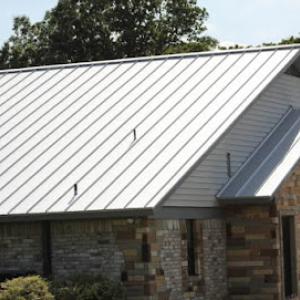
Huntington Roofing Services
Huntington, Indiana
5.0 from 1 review
We take pride in making our roofs look professional. With our expertise, we make sure your roof just doesn't come with the professional experience that you deserve, but the best quality, best price, and overall best service. Roofs can be extremely frustrating to the average homeowner, business, or landlord. Whether it is torn shingles, hole in your roof, leaks, or just plain wear and tear. Like many material things, overtime roofs simply deteriorate. Unfortunately, sometimes there are no preventatives that one can take when it comes to repairing roof complications except to call the professionals. That is where we come into play.
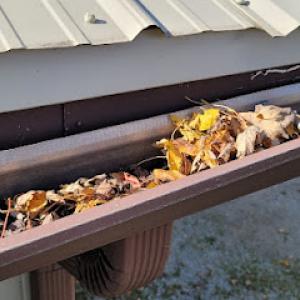
Recon Exteriors
Serving
5.0 from 12 reviews
We clean out your gutters, so you don't have to.
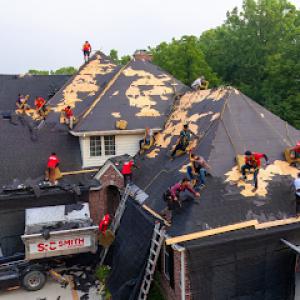
Smith Roofing
(260) 577-8183 www.smithroofingremodeling.com
Serving
4.9 from 336 reviews
Smith Roofing delivers professional roofing, repairs, replacements, and exterior improvements for homeowners and businesses. Our team handles everything from storm damage restoration and leak repairs to full roof installations, gutters, siding, and other exterior upgrades—always with quality materials, clear communication, and dependable service. Serving clients in Columbia City, Huntington, Warsaw, and beyond, we help protect and enhance your property with long-lasting, skilled craftsmanship you can trust. Request a quote today!

Faze Construction
(260) 235-3575 fazeconstruction.com
Serving
5.0 from 219 reviews
Faze Construction in Fort Wayne specializes in professional roof replacements that protect homes from Indiana’s heavy snow, strong winds, and seasonal storms. Our team provides durable roofing solutions that address common local challenges such as storm damage, ice buildup, and aging shingles, ensuring long-lasting protection and improved curb appeal. We work with precision to replace worn or damaged roofs, helping homeowners maintain safe and efficient properties year-round. At Faze Construction, we are experienced roofers committed to delivering quality craftsmanship, dependable service, and the trusted expertise Fort Wayne residents rely on for their roofing needs.
Senter Roofing
(260) 615-2439 senterroofing.com
Serving
5.0 from 117 reviews
Senter Roofing (formerly The Realtor's Roofer) Takes Pride in Providing the Best Roofer Near Me Service to the Fort Wayne IN Area. We Only Work With Quality and Warrantied Products; We Are Timely; and We Are Affordable. Compare Our Free Estimate to Any Other Professional Roofer. Our Specialties Include Roof Installation, Roof Replacement, Re-Roofing, Roof Repair, and Roof Maintenance for Residential and Commercial Roofs. Please Give Us a Call Today for Your Free Estimate.
Perfect Steel Solutions
(260) 254-3314 perfectsteelsolutions.com
Serving
4.6 from 323 reviews
Perfect Steel Solutions in Fort Wayne, IN, is your go-to expert for roofing, windows, and gutters. Now offering asphalt roofing in addition to premium metal roofing, we handle installations and repairs, including vertical seam, pre-formed, and coated panels crafted in-house. We specialize in insurance claims, helping you navigate the process for hassle-free repairs or replacements. Our services also include energy-efficient vinyl and composite windows and custom gutters with guards for superior protection. Serving Fort Wayne and areas within a 2-hour radius, we’re committed to delivering durable, high-quality solutions. Contact us today for your free quote!
Centurion Exteriors
(260) 746-6108 www.centurionexteriors.com
Serving
4.9 from 1154 reviews
Centurion Exteriors is a veteran and family-owned window replacement company committed to excellence. We provide top-quality replacement windows at competitive prices, focusing on delivering an exceptional customer-first experience. Our military background instills the values of respect, dignity, and honor in every project we undertake. We treat each home as if it were our own, ensuring superior craftsmanship and attention to detail. As part of the Centurion Exteriors family, you'll receive personalized service, professional installation, and our commitment to your complete satisfaction. We take pride in our work and stand behind every installation, providing responsive support whenever needed. Experience the difference of working with a co
Premier Roofing
(260) 264-0509 premierroofingfortwayne.com
Serving
4.9 from 125 reviews
Premier Roofing Fort Wayne offers professional roof installations and repairs for homes and businesses in the Fort Wayne, Indiana. The experienced roofers at Premier Roofing Fort Wayne are fully staffed and prepared to tackle any size roof replacement or new roofing project. You can rely on us to provide you with the most reasonably priced, expertly fitted, and stress-free roof replacement or repair. We will always go above and above to make working with Premier Roofing Fort Wayne a positive experience. Don’t overpay for roofing. Call us today!
Peaks & Valleys
(260) 248-4201 www.peaksandvalleysroofing.net
Serving
4.8 from 12 reviews
Peaks & Valleys, Roofing and Remodeling Contractor, We uphold a standard of integrity bound by fairness, honesty and personal responsibility. Our distinction is the quality of service we bring to our customers. Accurate knowledge of our trade combined with ability is what makes us true professionals. Above all, we are watchful of our customers interests and make their concerns the basis of our business. Please give us a call today!
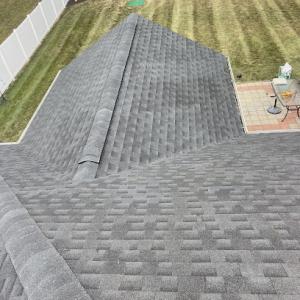
260 Roofing
(260) 800-3031 www.260roofing.com
Serving
5.0 from 127 reviews
260 Roofing is a locally owned and operated Fort Wayne roofing company that specializes in roof replacements for residential homes and commercial properties. We are licensed with the Allen County building department for residential and commercial roofing projects. Our team has over 20 years of experience in the roofing and construction industry. We have the experience and knowledge to install high-quality roofing systems with the right materials and installation methods. We install asphalt shingle roofs, steel shingle roofs, metal panel roofs and flat rubber roofing systems. You will receive the most accurate and fair estimate possible from 260 Roofing. Call us today at 260-800-3031
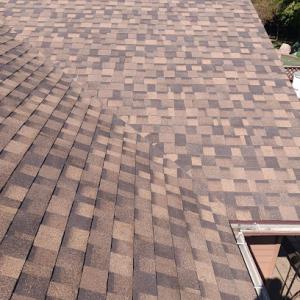
TruChoice Roofing
(260) 321-0608 www.truchoiceroofing.com
Serving
4.8 from 259 reviews
TruChoice Roofing is a trusted local roofing contractor proudly serving Fort Wayne, IN and surrounding Northeast Indiana communities. We specialize in roof replacement, roof repairs, metal roofing, asphalt shingle roofs, storm damage restoration, and seamless gutter installation for residential properties. Our licensed and insured roofing professionals focus on long-lasting materials, skilled workmanship, and clear communication from inspection to completion. Homeowners choose TruChoice Roofing for free roof inspections, honest estimates, flexible financing options, and fast, reliable service. Whether you’re dealing with wind damage, aging shingles, or planning a full roof upgrade, TruChoice Roofing delivers dependable solutions designed to
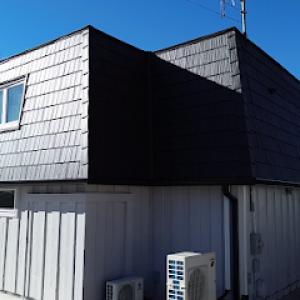
4Ever Metal Roofing
(260) 234-2252 www.4evermetalroofing.com
Serving
4.8 from 285 reviews
4Ever Metal Roofing is a Fort Wayne–based roofing contractor specializing exclusively in premium metal roofing systems. We install standing seam metal roofs, metal shingles (including stone coated metal shingles), and exposed fastener metal roofs for homeowners in Fort Wayne, Columbia City, Warsaw, Angola, Auburn, Decatur, Huntington, Bluffton, Ligonier, Ossian, Kendallville, and Van Wert. Our team delivers precision installation, clean job sites, and long-term performance backed by strong warranties. Our standing seam systems include lifetime workmanship coverage for the original owner and are designed for decades of performance in Midwest weather. We focus solely on metal roofing so homeowners can make a one-time roofing decision with co
Cold winters in this area bring repeated freeze-thaw cycles that can quietly widen small flashing gaps. When snow sits and melts during a warm day, the overnight freeze locks in, pushing against corner joints, vent stoppers, and chimney flashings. That tiny widening may seem inconsequential in early spring, but it sets the stage for slow moisture intrusion that travels along the underlayment and into the roof deck. A homeowner will notice first signs as stubborn ice near edges or along valleys, accompanied by intermittent drips after a thaw. The consequences accumulate when a full roof replacement is scheduled; the contractor will confirm that even minor flashing gaps are easier to seal before new shingles go down than after tear-off when shingles are stripped away. In Huntington, this pattern is amplified by wind funnels along open fields and river corridors, which push blowing snow under roof perimeters and worksheets of ice that can back up under edge detailing.
Ice damming becomes more than a winter nuisance when attic temperatures are uneven. In homes where insulation or soffit-to-ridge ventilation is inconsistent, warm attic air can melt snow on the deck only to refreeze at the eave, forming ice dams that push water back toward the living space. During a full re-roof in this climate, addressing ventilation and insulation details is not cosmetic; it's foundational. A thorough assessment should map attic temperature differentials, identify areas where warm air escapes, and confirm that soffits, baffles, and ridge vents are functioning as intended. If attic heat pockets exist, moisture from winter infiltration and spring rains can trap behind new underlayment, leading to gradual edge rot or staining on interior ceilings. The goal is a balanced, continuous flow of conditioned air that keeps the roof plane closer to the outside temperature, reducing the chances of storm-driven meltwater finding its way under the first line of defense.
Winter moisture intrusion can hide behind aging asphalt shingles, and its true extent often only shows up once tear-off begins. When shingles come off, rot, mold, or even soft spots in the deck may stand out in unexpected places-valleys, along rakes, and under misaligned flashings. If decking damage is found mid-tear-off, the contractor may need to adjust the project scope to replace plywood or OSB sections, which adds time and potential interior moisture exposure. This is particularly relevant in homes that experienced mid-winter freeze-thaw cycles with recurring snowmelt scenarios. A careful cut and inspect approach during removal helps prevent surprises that could compromise the roof's long-term performance. In this market, where replacement work clusters into late spring through early fall, recognizing decking issues early can influence the schedule and staging of materials, ensuring that the roof line remains solid once the new shingles are laid.
Cold Huntington winters demand attention to the small details that ripple into bigger outcomes. When planning a full replacement, look for signs that flashing has shifted or widened gaps, and prioritize a comprehensive attic evaluation to gauge ventilation and insulation effectiveness. If ice dam concerns exist, address them head-on with a strategy that improves airflow and maintains a cold roof plane during the peak melt period. Stay prepared for the possibility that the deck under the old shingles reveals more wear than expected, and choose a crew that can adapt to patching or replacing compromised sections without delaying the overall project. The result should be a sturdier roof that better resists the next winter's freeze-thaw cycle and the spring storms that follow.
The practical replacement window in Huntington generally runs from late spring into early fall because winter snow and ice, spring storms, and wetter autumn conditions can all disrupt tear-off and dry-in timing. That means planning around the late May through early October period gives the most reliable weather alignment for a smooth crew schedule and fewer weather delays. If a harsh spring hail event hits, the window can compress quickly, but the same threats of lingering moisture and cooling nights still push projects toward the earlier part of summer rather than late fall.
Inspection timing can be affected by weather delays, so homeowners planning a full re-roof benefit from building extra time into projects during storm-prone months. When a storm season hits, crews may shift to emergency repairs, and teardown-and-reseal cycles can stall if wind-driven debris or saturated underlayment is encountered. In practice, map out a two- to three-week flexible window for the tear-off and dry-in phases, and keep clear access for trucks and dumpsters. If a late-season hail event occurs, expect a surge in demand that can push timelines forward; having a backup plan for temporary coverings during delays keeps water intrusion risk down.
Summer heat in inland northeast Indiana can speed shingle sealing but also increases crew scheduling pressure after spring hail events. In the hottest weeks, asphalt shingles can mobilize faster, yet high daytime temperatures can complicate drying times for underlayment and flashing set-ups. On metal or tile, heat changes handling needs but tends to keep installations moving. Build a realistic daily plan: early start to beat the peak heat, with a midday pause if conditions become unsafe for workers or sealant curing. Communicate clearly with the contractor about preferred sequencing-tear-off first, then underlayment, then shingles or panels-to minimize exposure of the roof deck and interior during the work.
Open wind patterns near the Wabash and Little River corridors mean gusts can complicate cleanup and material staging. Coordinate deliveries to arrive before the crew arrives and avoid weekend delays when possible. Scheduling around forecasted rain avoids soaked decking and rework. For homes with existing gutters, plan for temporary gutter protection during tear-off to reduce debris wash-off and water tracking into landscape beds. In Huntington, the combination of spring hail risk and the late spring-to-early-fall replacement window means a measured, weather-aware approach with a flexible timeline yields the most reliable outcome.
In Huntington, asphalt shingles remain the dominant practical choice because they fit the local housing stock and are easier to replace quickly after hail or wind damage than heavier specialty systems. The typical homes often use standard 3-tab or architectural profiles that blend well with existing gutters and fascia. For storm seasons, asphalt shingles offer straightforward, field-repair options and faster lead times for replacement after hail events, reducing the window of exposure to interior damage. When selecting asphalt, focus on certified impact-resistant options and ensure the color and profile complement the home's brick, siding, or trim. A solid underlayment and proper attic ventilation help maximize performance during cold snaps and spring thaws. In a neighborhood with open wind patterns, choose a shingle with good wind resistance ratings and verify that the roof deck has uniform support so wind uplift is managed across the roof plane.
Metal roofing is attractive for snow shedding and long-term durability, but installers must detail for condensation control and noise expectations in a climate with cold winters and hot summers. In Huntington, metal can be a smart choice on homes with exposed eave paths or steep pitch where snow load concerns are common. When considering metal, ensure a well-sealed, ventilation-aware installation that incorporates a condensation management layer and an appropriate underlayment system. Note that metal can amplify hail impact sounds during storms, so discuss ceiling and attic acoustics with the contractor, and consider insulated panels or sound-dampening underlayment if bedrooms sit near the roof line. Metal panels should be properly spaced to prevent thermal bridging and protected from thermal expansion effects that can create panel gaps over time. For homeowners evaluating replacement after hail, metal often provides a longer-term option, but the fastening pattern and flashing details must be tailored to the local wind and precipitation patterns.
Clay tile and concrete tile are available options but are less naturally aligned with much of Huntington's typical residential structure because weight and deck support become bigger considerations during retrofit projects. If a retrofit is pursued, a structural assessment is essential to confirm the existing deck can carry the load, and to verify that the attachment points integrate with the wall framing and attic venting system. Tile systems offer distinct architectural character and excellent longevity, but they demand careful detailing around skylights, chimneys, and vent pipes to prevent leaks. In homes with limited attic space or older structural members, tile replacements may require upgrading secondary structures, which can extend timelines and inspection points after a major storm. If clay or concrete tiles are chosen, plan for a slower installation process and higher upfront coordination with trades to ensure proper spacing, headlap, and weatherproofing. In this climate, weight and retrofit feasibility often push Huntington homeowners toward lighter, faster-install options unless the structure is already prepared for heavier coverings.
Provided local cost ranges are Asphalt Shingles 320 to 650 USD per square, Metal Roofing 700 to 1200, Clay Tile 900 to 1600, Concrete Tile 800 to 1400, Wood Shingles/Shakes 600 to 1100, and Synthetic/Composite Shingles 500 to 900. In practice, Huntington homes often see these bands tighten during peak demand, so knowing the ballpark helps you plan the right mix of warranty, performance, and upfront budgeting.
Spring hail in this part of the state can spike regional demand as insurers coordinate replacement work across northeast Indiana. Costs in Huntington can rise after spring hail events when regional demand surges and crews are spread across insurance work, reducing scheduling flexibility. When a storm hits, expect tighter calendars and quicker decision timelines from contractors who juggle multiple projects at once.
Asphalt shingles remain the most cost-effective starting point, and they cope adequately with open wind patterns near the Wabash and Little River corridors. Metal roofs offer longer life and better wind resistance, which can offset higher upfront costs over time. Clay and concrete tiles bring notable longevity but weigh more and may require structural checks. Wood shingles shakes provide a distinct look but require maintenance in moisture cycles. Synthetic/composite shingles balance durability with flexibility in hazardous spring conditions.
Full tear-offs in Huntington may cost more when hidden decking repairs, ventilation corrections, or flashing upgrades are required to satisfy inspection expectations during permit-based re-roof projects. If the old substrate is sound and ventilation is adequate, a layover or partial teardown may be feasible-but many insurers and inspectors push for thorough renewals when hail damage is extensive. Expect potential extra charges for fascia and vent work that surface only after the roof is exposed.
Start with a clearly defined scope: confirm attic ventilation, evidence of decking damage, and flashing integrity before signing. Have a short list of three local crews to compare, focusing on responsiveness after spring storms and willingness to document damaged areas. Remember that the price bands above are guides; in the wake of a hail event, you may see temporary spikes or narrowed scheduling windows, so build a contingency into the plan and keep communication open with your chosen contractor.
In this market, a full re-roof is treated as a formal project, not simple maintenance. Permits are common and expected, with inspections tied to key stages rather than a single finish. The goal is to ensure decking, ventilation, and flashing meet local standards while weather works around the spring hail and late-season schedules.
Before any shingle or metal work begins, you gather project details with the contractor and submit them to the city building office. A permit application is typically filed, a fee posted, and a review completed. The process often requires nut-and-bolt information: roof size, type, underlayment, and a temporary access plan if staging must occur on an open lot. Expect a short turnaround, but plan for weather-related hold times.
The inspection sequence in Huntington centers on decking condition, attic ventilation, and flashing execution. After roof removal, a decking check confirms the sheathing is sound and gaps are properly addressed. Before interior finishes close in, attic ventilation is evaluated to prevent moisture issues in winter and improve energy efficiency. Flashing at valleys, chimneys, and penetrations receives close scrutiny to avoid leaks. Weather delays are common; inspections may slip if a heavy storm interrupts work or if wind exposure complicates access.
Coordinate with the contractor to align removal, installation, and sign-offs. Keep a clear record of permit numbers, inspection dates, and any re-inspections required after weather setbacks. In this market, notice for post-installation inspections is typically short, so plan for open dates and contingency time. Communicate with the building office promptly if access or safety concerns arise at any stage.
When hail season is imminent, verify that the contractor has a clear plan for temporary weather protection and street access for materials. Document any prior roof issues in writing for the permit review, and keep a dedicated contact at the city for expedited questions during post-storm sign-offs. Anyway.
In this Midwest insurance environment, standard roof replacement coverage can still be relied on, but hail claims in your neighborhood near the Wabash and Little River corridors often face closer scrutiny. If a storm hits in spring, carriers are watching for patterns that mix fresh hail damage with older wear, and that can affect how quickly a claim moves.
After a storm, an adjuster may request roof photos, post-claim images, or even an independent evaluation. The goal is to separate a recent strike from existing wear and tear, and that distinction matters for what gets approved. In Huntington, where open wind patterns expose many homes, the written record often decides whether a repair or a full replacement is considered.
Keep dated photos from before and after a hail event, and note any ventilation or flashing issues that could influence damage. If a claim stalls, asking for a second opinion or a certified roofing inspector can help clarify the condition without guessing. A clear timeline helps prevent misunderstandings when adjustment decisions are made.
Wind and hail deductibles or endorsements can materially affect out-of-pocket costs because the most common local claim pattern is tied to spring thunderstorms rather than coastal or wildfire hazards. Understanding whether your policy uses a percentage deductible or a separate wind/hail rider can prevent surprises when a claim is filed.
Document, compare, and communicate. When possible, align replacement decisions with the season-late spring through early fall is peak replacement time. Coordinating multiple homes in a neighborhood can also streamline contractor scheduling and repair quality, so choices feel less rushed during a busy spring window.
When a claim seems clear, avoid fixing anything before adjusters review; it can complicate eligibility. Ground level assumptions about hail damage miss hidden issues like underlayment or ventilation problems that shift replacement decisions.
Ask for a written scope and photos from start to guide the process. In Huntington, a roofer can help interpret hail patterns and exposure so the choice reflects need rather than impressions.
A recurring local problem is underestimating ventilation needs during re-roofing, which matters in this area because inspectors may specifically verify attic ventilation compliance. When decks come off and a new roof goes on, you can trap heat and moisture if soffit, ridge, and attic baffles aren't addressed. Poor ventilation can shorten shingle life, invite mold, and make attic spaces uncomfortably hot in late spring. Before tearing off, confirm a clear plan for venting, including adequate intake and exhaust and a route that won't be blocked by new layers.
Storm-chasing sales pressure can be an issue after regional hail events, when homeowners are pushed toward fast replacements before full documentation and decking review are completed. Pressure can lead to skipping a thorough deck inspection, missing rotten sheathing, or not recording all damage for insurance. Stand your ground: insist on a complete assessment, photos, and an adjustment of any decking or fascia that shows wear. Quick replacements often come back to bite you with edge leaks or high wind failures later.
Projects scheduled too late into autumn in Huntington face a higher chance of weather interruptions from wind and precipitation during tear-off and inspection coordination. Late-season work can mean delays, rushed sealants, and mis-timed inspections that disrupt warranty claims. Aim to align the schedule so that you're not chasing favorable days; a disciplined plan reduces the risk of wind-driven damage and rework. If delays happen, verify that crews pause to secure open penetrations and protect the decking.