
Last updated: Apr 19, 2026
You know the pattern: lake-effect snow bands roll in from Lake Michigan, dumping heavier snow than inland areas. That extra weight sits on your roof and doesn't always shed evenly, especially on older homes with uneven attic insulation or compromised ventilation. When those storms push in, every flat or low-slope section is at risk for ice buildup along eaves and in valleys. The result is not just a winter nuisance-it's a threat to the roof deck, fascia, and interior ceilings when meltwater and ice damming back up into the home. If your roof is already showing signs of sag, soft spots, or granular loss in the shingles, the lake-effect pattern amplifies the danger.
The cold snaps and gradual thaws common here push water into little gaps around flashing, vent pipes, and chimney lead. Those micro-cracks, once iced over, become channels for meltwater to travel under shingles and into the roof line. Ice dams form at the eaves, pushing warmth toward the attic and forcing moisture back into soffits and ceilings. In older homes, uneven insulation and ventilation create hot spots at the roof deck, melting snow unevenly and widening existing gaps. The cycle repeats all winter, with each freeze-thaw event expanding trouble and raising the odds of interior water damage after a heavy storm or rapid warming period.
Snow load here is not a distant risk; it is a current, seasonal responsibility. Heavy accumulations sit on weaker roof sections longer, stressing joints, vent collars, and ridge lines. Wind-driven snow from winter storms can catch under eaves and overhangs, lifting shingles and loosening edge flashing. When a hail event or windstorm hits, the combination of ice dam pressure and blown debris can breach the roof surface, creating points of entry near valleys and transitions. The result is a cascading risk: once a leak starts in one area, the water finds other routes through the attic insulation and into living spaces. Quick detection and prompt action are essential to minimize costly repairs.
If you notice interior stains, persistent dampness after a thaw, or recurring ice build-up at the eaves, treat it as an urgent warning. Delays invite deeper damage to the roof deck and attic structure, increasing the likelihood of costly repairs or even replacement. The lake-effect climate amplifies risk, so a proactive, season-long approach to insulation, ventilation, and flashing integrity is essential for protecting the home from winter's toughest assaults.
When you can't wait, these contractors offer fast response times to stop leaks and prevent further damage.

Rooftech Construction
(574) 217-5712 rooftechconstruction.com
18382 Clairmont Dr, South Bend, Indiana
5.0 from 455 reviews

A&M Home Services
(574) 807-6187 www.roofsandbasements.com
23068 W Ireland Rd, South Bend, Indiana
4.8 from 397 reviews
South Bend Roofing & Siding
(574) 288-4764 www.southbendroofing.com
1138 W Washington St, South Bend, Indiana
5.0 from 34 reviews
Hail and straight-line winds slam through this corner of the state with summer storms that feel sudden and close to home. When you're on the receiving end of a Midwest storm front, shingles can lift, ridge caps can peel, and flashing around chimneys and vent stacks can loosen-opening a clear path for wind-driven rain. This condition isn't theoretical here: warm, humid days followed by a fast-moving front create energy in the atmosphere that translates to real damage on a roof that's already stressed by freeze-thaw cycles during the winter. The result is a storm-claim environment where quick, decisive action can protect your home from interior leaks and long-term deterioration.
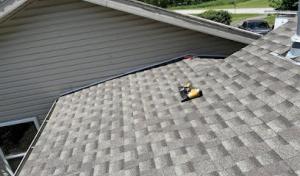
After a storm passes, walk the roof carefully if it's safe, looking for lifted edges, curled tabs, or broken shingles along valleys and under ridge lines. In common South Bend housing stock, these failure points are where leaks begin-especially when wind lifts shingles and shifts the sealant or when flashing around pipes and chimneys has been compromised. If you can't safely inspect the roof, check ceilings and upper walls for new water stains, and inspect gutters for shingle granules washed loose by heavy rain. Photograph anything you see-close-ups of damaged shingles, torn flashing, and areas where granules have spilled onto the yard or driveway. Date-stamped pictures are invaluable for the claims process and for showing the scope of needed work later.
Because this is a periodic storm-claim market, documentation with date-stamped photos, scope notes, and material details is especially important before temporary repairs are made. File a dated log of the storm event: the time it started and ended, wind speeds if you have them, and any immediate impacts you observed inside the attic or along ceilings. Include a simple material inventory-shingle color and type, flashing material, and any visible fasteners or underlayment issues. Before you apply any temporary repair, such as tarping or patching, secure written notes describing what you did and why, plus the date and who performed the work. These records prevent contractors from guessing at costs and help the insurer verify what was present pre- and post-storm.
Reach out to your insurer promptly after a storm and request an adjuster visit within a practical window. If rain threatens to continue, contact a trusted local roofer or emergency repair service to install temporary measures that protect living spaces, but only after documenting the existing condition and keeping receipts. Preserve all receipts and contractor notes, and ensure every temporary repair is documented with clear before-and-after photographs and a written scope of work. In South Bend, the combination of hail, wind, and rapid weather shifts means your roof's first hour after a storm can determine the scope and outcome of a claim.
Find local contractors experienced in assessing and restoring roofs after hail, wind, and severe weather events.
Rooftech Construction
(574) 217-5712 rooftechconstruction.com
18382 Clairmont Dr, South Bend, Indiana
5.0 from 455 reviews
One Way Construction & Roofing
(574) 800-9750 onewayroofing.com
121 E Jennings St, South Bend, Indiana
5.0 from 100 reviews

Asscher Roofing Company
(574) 234-9380 asscherroofing.com
1126 W Western Ave, South Bend, Indiana
4.9 from 114 reviews
Rooftech Construction
(574) 217-5712 rooftechconstruction.com
18382 Clairmont Dr, South Bend, Indiana
5.0 from 455 reviews
#1 Roof Replacement Company specializing in roof replacement, roof repair, chimney repair, siding, and all other exterior renovations. Proudly voted Readers Choice #1 Roofing and Siding Contractor 2020. GAF recognizes Rooftech Construction as a MASTER ELITE Roofer. We are licensed, bonded, and insured GAF Certified Roofing Installers, maintaining an A+ BBB rating. Our installers are trained in recent local codes and manufacturer specifications to ensure your roof replacement exceeds all expectations and reaches its full life. We have dedicated technicians available 24/7 to service your emergency roofing needs. We offer FREE estimates and NO MONEY DOWN on Residential Roof Replacements! Our work is backed by our Lifetime No Leak Guarantee!
One Way Construction & Roofing
(574) 800-9750 onewayroofing.com
121 E Jennings St, South Bend, Indiana
5.0 from 100 reviews
One Way Construction and Roofing is one of South Bend’s most trusted roof companies, providing expert roof replacement, roof repair, and roof installation services designed to protect your home year-round. Our skilled team delivers quality craftsmanship, honest communication, and lasting results built for Indiana’s weather. Whether you need a minor repair or a full roof replacement, we take pride in every detail to ensure your roof is strong, reliable, and built to last. Locally owned and dedicated to customer satisfaction, we’re the roofing partner South Bend homeowners count on.

Asscher Roofing Company
(574) 234-9380 asscherroofing.com
1126 W Western Ave, South Bend, Indiana
4.9 from 114 reviews
We are the Diamond Standard of Roofing Contractors who focus on education, equality and efficiency. Our mission is to provide Northern Indiana with the highest quality roofing services. We do that by putting customers first when it comes with honesty, transparency, and rigorous installation standards. The diamond standard of roofing comes from making sure we treat every roof equally, making sure our customers make an informed decision, and by providing high quality efficiency while making sure our skilled laborers are highly trained. We provide roofing, siding, soffit, fascia, and gutter services the Asscher Roofing way. Call us today for the diamond standard of roofing contractors!

A&M Home Services
(574) 807-6187 www.roofsandbasements.com
23068 W Ireland Rd, South Bend, Indiana
4.8 from 397 reviews
A&M Home Services: Premier Roofing and Basement Solutions in South Bend Based in South Bend, St. Joseph County, A&M Home Services specializes in top-quality roofing and basement services. With a commitment to the local community, we strive for excellence and complete customer satisfaction in every project. Our reputation is built on reliability and the highest standards of workmanship. We offer customized solutions to fit your specific needs, ensuring that every repair or renovation enhances your home. Communication is key to our process—we keep you informed and involved from start to finish. Our skilled professionals leverage the latest industry insights to handle any challenge effectively."
Mr. & Mrs. Handyman/Roofing
1943 Huey St, South Bend, Indiana
4.9 from 90 reviews
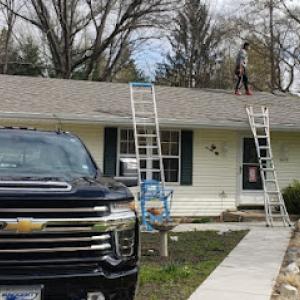
We are a small family business and thrive on giving far more fair prices than our competitors. All work is guaranteed and in writing. We are insured and Bonded in the city of South Bend, Indiana. Helping our community with very fair prices.
South Bend Roofing & Siding
(574) 288-4764 www.southbendroofing.com
1138 W Washington St, South Bend, Indiana
5.0 from 34 reviews
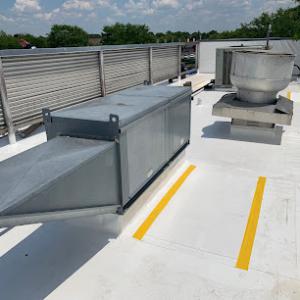
South Bend Roofing is your source for roofing, siding, and exterior services in South Bend and the surrounding Michiana region. From large-scale to single home projects, we are here to serve you.
Reliable Roofing & Construction
(574) 302-7977 www.reliableroofingonline.com
2048 E Ireland Rd Suite A, South Bend, Indiana
4.7 from 116 reviews
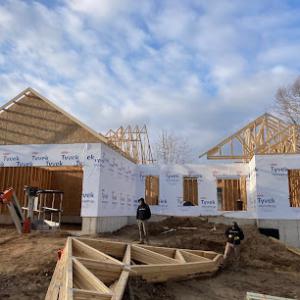
Proudly Serving Michiana for Over a Decade! Based in South Bend, Reliable Roofing & Construction is your home’s one-stop shop for all its needs. From full roof replacements, flat and metal roofing, and siding to kitchen remodels, bathrooms, basements, framing, and more—we do it all with precision and care. We also serve commercial clients with expert roofing, remodeling, and siding solutions. As a minority-owned business deeply rooted in the community, we bring over 10 years of trusted service to every residential and commercial project. Count on our team for quality work, clear communication, and results that last.
Angel Construction & Roofing
(574) 485-6600 angelconstructionandroofing.com
17740 Darden Rd, South Bend, Indiana
4.8 from 43 reviews
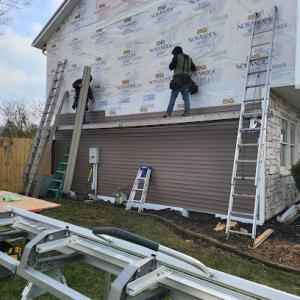
Angel Construction & Roofing is proud to call South Bend home. We are a family owned business. Angel Construction & Roofing has the depth of experience, resources and financial strength to handle residential, commercial and multi-family projects. We’re a Licensed and Certified Roofing and remodeling Contractor that is bonded and insured. Learn more about Angel Construction & roofing and why we’re recommended so highly.
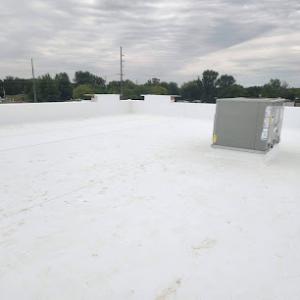
Sterling Roof Systems
(574) 855-2863 www.sterlingroofsystems.com
2322 S Olive St, South Bend, Indiana
5.0 from 10 reviews
Sterling Roof Systems (SRS) stands out as a premier South Bend Roofing Company, founded by the Howell brothers, Michael and Matthew. Since 2011, Michael has pursued a remarkable roofing career, starting with an apprenticeship with a local union shop. He quickly became a key figure in the local roofing scene, especially in commercial roofing. His mastery of various roofing materials and techniques has established SRS as the top roofing experts in South Bend.
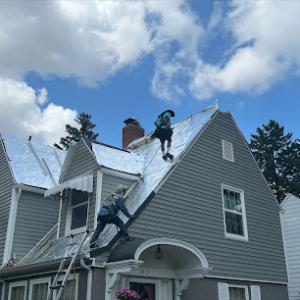
Royal Construction
(574) 300-6094 www.royalconstructionroofs.com
20125 Pulling St, South Bend, Indiana
4.8 from 16 reviews
Roofing Done Right
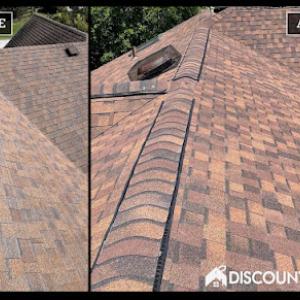
Discount Roof
(574) 821-5525 mydiscountroof.com
2515 N Bendix Dr suite 210, South Bend, Indiana
5.0 from 9 reviews
With 30+ years in the industry, Discount Roof consistently delivers the highest quality exterior home remodeling. From roofing and siding to windows and attic insulation, we’ve got you covered. Our team is trained and experienced to bring the most reliable home remodel and roofing services at the most affordable prices.
BSR Roofmasters
(574) 289-8008 www.bsrroofmasters.com
730 W Indiana Ave, South Bend, Indiana
4.6 from 18 reviews
We are fully licensed, bonded and insured to provide residential and commercial roofing services for our customers in South Bend and the surrounding areas. We are happy to offer free estimates and a five year conditional guarantee on workmanship.
Asphalt shingles remain the practical default in South Bend because they fit the local housing stock and replacement economics in a market with frequent re-roofing demand. You'll find a broad range of profiles that can shed shedding snow without overly complicating attic ventilation, which matters when freeze-thaw cycles cycle through town. When you're evaluating color and granule loss, pay attention to how the shingle bundle's warranty lines up with your expected service life in snow-heavy winters. In most neighborhoods, asphalt shingles offer a balanced combination of installation speed, roof deck compatibility, and ease of field repair after a hail event or a strong wind season. If your roof edges toward a steep pitch or complex geometry, asphalt remains forgiving for timely, daytime repairs rather than long downtime.
Metal roofing has strong local relevance because it sheds snow well and performs well against freeze-thaw stress and wind exposure common in northern Indiana. If your home already has a solid, well-ventilated attic and a deck that can support metal's weight and snow loading, metal can offer a calm winter profile with fewer ice dam risks than many other materials. Look for a standing-seam system or interlocking panels that minimize exposed fasteners near valleys and joints. In areas with lake-effect storms, metal's resilience translates into fewer failed seals after a heavy hail season and improved long-term wind resistance. Consider color and coating longevity because sun exposure and reflected heat from open lots around town can affect durability and temperature dynamics in the attic space.
Tile and wood options exist in the market but are less common and need careful structural and moisture planning in a city with snowy winters and humid summers. Tile systems require a strong, well-supported deck and careful drainage to prevent ice build-up at transitions to soffits and walls. Concrete and clay tiles are durable but add weight and rigidity that must align with existing framing. Wood shingles or shakes bring charm but demand rigorous moisture management and higher maintenance to prevent warping, splitting, and rot when winter moisture meets summer humidity. If choosing these, pair them with enhanced attic ventilation, robust underlayment, and a meticulous inspection plan after heavy snow seasons. In tight re-roof scenarios, ensure the chosen option can tolerate rapid freeze-thaw cycles without compromising structural integrity.
Explore specialists in steel, aluminum, and standing seam metal roofs built to last 50 years or more.
Reliable Roofing & Construction
(574) 302-7977 www.reliableroofingonline.com
2048 E Ireland Rd Suite A, South Bend, Indiana
4.7 from 116 reviews
Sterling Roof Systems
(574) 855-2863 www.sterlingroofsystems.com
2322 S Olive St, South Bend, Indiana
5.0 from 10 reviews

Slatile Roofing & Sheet Metal
(574) 233-7485 slatileroofing.com
1703 S Ironwood Dr, South Bend, Indiana
4.2 from 36 reviews
In this lake-effect climate, pricing can spike after hail or wind events when demand surges for re-roofing and emergency dry-in work across South Bend and nearby communities. Storm-driven work tends to tighten schedules and push material and crew costs upward for a window of days to weeks. If a hail event hits a neighborhood, expect quick price shifts and tight availability, even for standard shingle replacements.
Steeper older residential rooflines, chimney flashing work, and tear-offs on long-standing homes are common in this market and often raise the bottom line. Ice dam prevention needs, particularly on mid- to high-slope roofs, can require additional insulation checks and underlayment upgrades. For houses with multiple penetrations, such as skylights or complex valleys, labor time grows and so does the risk of water damage during replacement, which factors into bids.
Local projects in South Bend fall within the following ranges per square (one square equals 100 square feet). Asphalt shingles generally run from about 350 to 700 USD per square, while metal roofing tends to be 700 to 1,100 USD per square. Clay tiles are commonly 900 to 1,600 USD per square, with concrete tiles at 800 to 1,500 USD per square. Wood shingles/shakes span roughly 500 to 900 USD per square, and synthetic/composite shingles run about 450 to 900 USD per square. These ranges reflect not only material price but the labor intensity of a given roof, especially when ice dams or storm damage necessitate extra repairs or protective measures during the tear-off and dry-in phases.
Scheduling in late spring through early fall is often more efficient locally because winter conditions and summer storm interruptions can slow labor and staging. If possible, aim to lock in timelines after the typical spring storms and before peak summer heat and storms, balancing weather risk with crew availability. Coordinating with a contractor who can pre-order common materials ahead of a busy period can reduce delays and stabilize costs.
Get a clear picture of your project costs upfront - no commitment required.
Rooftech Construction
(574) 217-5712 rooftechconstruction.com
18382 Clairmont Dr, South Bend, Indiana
5.0 from 455 reviews
BSR Roofmasters
(574) 289-8008 www.bsrroofmasters.com
730 W Indiana Ave, South Bend, Indiana
4.6 from 18 reviews
When planning a full re-roof, you should expect that a building permit is typically required rather than just informal contractor notification. The local building department uses the permitting process to verify that the planned roof replacement aligns with fire code, structural considerations, and drainage requirements that matter in lake-effect climates with freeze-thaw cycles. A common first step is to have the contractor submit the permit application with project details, including roof material, layers to be removed or added, underlayment type, venting plan, and disposal method for old roofing debris. This helps ensure the project doesn't run afoul of wind and hail provisions that insurers often monitor here.
Inspections are scheduled after work begins and again at completion. In South Bend, the inspection sequence typically mirrors the construction timeline: an initial inspection checks basic compliance with the submitted plan, including fastener spacing, underlayment installation, and proper roof venting configuration to mitigate ice dam risk. A final inspection verifies that the installation details match the approved plan, that waste disposal complies with local rules, and that any penetrations, flashing, and drip edges are properly installed to withstand winter storms. Coordinating these visits with your contractor helps minimize delays and keeps the project moving, especially during the critical transition from fall to winter when snow load begins to accumulate.
The city may require proof of contractor licensing status and code compliance. Expect to be asked for documentation proving that the contractor holds current licensing and that the crew adheres to applicable building codes, including fastener types, underlayment standards, and ice dam mitigation measures. Inspections can also touch on debris management and waste disposal practices-areas that matter for neighborhoods with tight lots and close-adjoining structures. A responsible contractor will anticipate these checks and provide a copy of the permit, a stamped set of installation drawings, and a concise summary of how the roof will perform under typical South Bend weather, including snow loads and wind-driven rain conditions.
Have the permit packet ready when the crew begins work, including any required notices to adjacent property owners if mandated. Confirm with the contractor that a schedule for inspections is set and that you or a trusted representative will be available for the inspection window. After completion, keep copies of the final inspection report and any compliance documentation in case a future insurance claim or municipal query arises. Proper communication with the building department through a licensed contractor helps ensure the project stays compliant with local expectations for storm-resilient roofing.
In a Midwest claim environment where hail and wind losses are common, insurers often expect a detailed photo set, precise measurements, and a written estimate to accompany every claim. The goal is to map how the damage aligns with a single storm versus wear from aging, especially when lake-effect snow and freeze-thaw cycles have already stressed shingles, flashing, and soffits. The material involved matters because replacement cost discussions hinge on whether the roof is asphalt, metal, tile, or synthetic. A cautious homeowner understands that coverage outcomes can vary based on deductible structure and the specific roof type involved. Prepare to review whether the claim should cover full panel replacement or selective repairs, and be ready to discuss how the roof's current condition interacts with the storm's timing.
Preserve evidence of storm timing, exterior damage, and any interior leak path before cleanup, since adjusters may closely review causation in mixed wind-and-age situations. Take dated photos of missing shingles, lifted edges, dented gutters, and attic staining, then note when the water first appeared inside. If ice damming or rapid thaw events occurred, document how leakage followed those patterns. Keep receipts for temporary tarping or board-up if weather delays a permanent fix. Clear, organized evidence helps prevent disputes about whether damage is wind-driven, hail-driven, or primarily pre-existing. If you can, gather statements from neighbors about similar damage in the same storm window to support a storm-related claim rather than an isolated, age-driven failure.
Replacement discussions matter here because the roof material involved influences how insurers assess value and depreciation. Asphalt, metal, clay or concrete tile, wood shingles, or synthetic shingles each present distinct restoration paths and write-ups. Be prepared to explain how climate stressors-ice dams, heavy snows, and wind-driven debris-affect your chosen material, and understand how deductible structure interacts with typical South Bend weather patterns under your policy. After impact, clarity on causation and material-specific restoration helps ensure a fair outcome.
Connect with contractors who help homeowners navigate the claims process from damage assessment to final approval.
Asscher Roofing Company
(574) 234-9380 asscherroofing.com
1126 W Western Ave, South Bend, Indiana
4.9 from 114 reviews
Reliable Roofing & Construction
(574) 302-7977 www.reliableroofingonline.com
2048 E Ireland Rd Suite A, South Bend, Indiana
4.7 from 116 reviews
Sterling Roof Systems
(574) 855-2863 www.sterlingroofsystems.com
2322 S Olive St, South Bend, Indiana
5.0 from 10 reviews
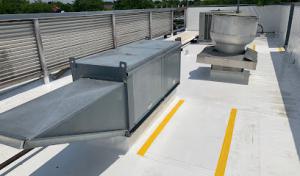
South Bend's mix of residential and commercial roofing means low-slope sections over porches, additions, and multifamily areas are a recurring leak point during snowmelt and spring rain. Start by inspecting perimeters where the low-slope roof meets walls and parapets. Look for shingle or membrane edge debonding, loose flashing, and any gaps at transitions. When spring thaw begins, run a quick test by directing a gentle stream along the valley and edge details from a ladder; note any sudden seepage into the interior or saturated decking. If pooling develops on these areas after a heavy melt, the membrane may be aged or damaged and should be evaluated by a roof pro. Keep drainage paths clear and consider upgrading flashing material at transitions to a more flexible, UV-stable option that handles freeze-thaw cycles better.
Skylights are especially vulnerable here when freeze-thaw movement and wind-driven rain exploit aging curb flashing or seal failures. Inspect skylight curb flashing during dry, mild days, paying attention to the seam where curb meets the curb flashing and to the sealant around the skylight base. Look for hairline cracks, lifted flashing, or dried-out sealant. If you notice condensation between panes or dampness around the flashing, address it promptly. In wind-prone moments, even well-seated skylights can suffer from leaks around fasteners or flashing gaps. Re-seal deteriorated joints with a compatible, flexible sealant and consider re-flashing with a metal curb system if the existing flashing shows repeated separation after harsh spells.
Flat and low-slope drainage problems become more visible after winter because ponding, blocked drains, and membrane stress can show up during spring thaw. Start with a visual walk of the roof after the first melt. Clear any debris from scuppers, gutters, and downspouts; verify that scuppers are free-flowing and not buried in snow piles. Check membrane edges for blisters, wrinkles, or curling, indicators of trapped moisture or sun damage. If ponding persists beyond a short duration after a warm day, call in a roofer to test a few drainage points and to assess whether the membrane shows signs of wear, shrinking, or puncture. Prioritize maintenance on the most exposed low-slope sections to prevent interior damage when more storms move through.
Find specialists in TPO, EPDM, and built-up flat roofing systems for residential and commercial properties.
Reliable Roofing & Construction
(574) 302-7977 www.reliableroofingonline.com
2048 E Ireland Rd Suite A, South Bend, Indiana
4.7 from 116 reviews
Angel Construction & Roofing
(574) 485-6600 angelconstructionandroofing.com
17740 Darden Rd, South Bend, Indiana
4.8 from 43 reviews
BSR Roofmasters
(574) 289-8008 www.bsrroofmasters.com
730 W Indiana Ave, South Bend, Indiana
4.6 from 18 reviews