
Last updated: Apr 19, 2026
Niles sits in southwest Michigan where lake-effect winter weather contributes to repeated snow load, freeze-thaw cycling, and ice-dam risk on residential roofs. That means your roof endures rapid temperature swings, snow piling up against eaves, and pockets of meltwater that refreeze into hard dams. The result is a clear pattern of hidden damage: shingles pressed and curled by wind, flashing pulled loose by ice pressure, and gutters that clog under ice and snow. In this climate, an ordinary attic and roof can become a failure point if you don't treat ice-d dam resistance and storm durability as central design criteria.
The roofing season in this area follows a tight arc. Cold, snowy winters push work to the back end of the calendar, but spring storms arrive with a vengeance - heavy rain, gusty winds, and the lingering risk of freezing night temperatures. That means the main installation window stretches from late spring into early fall. If you wait for perfect conditions or try to squeeze work into shoulder seasons, you're betting against the weather and inviting disruption. You need a plan that anticipates storm cycles, not just a quick fix after a leak appears.
Local reroof inspections are noted to verify wind and ice-dam resistance, showing that winter moisture backup is a central performance concern in this market. In practice, that means your contractor should inspect for more than surface appearance. Look for robust ice dam barriers at the eaves, continuous underlayment to channel meltwater, and securely fastened flashing around chimneys and vents. A true Niles-standard inspection also checks attic insulation and ventilation because heat buildup from the attic directly fuels ice dam formation. If the attic isn't properly insulated, warm roof decks will melt snow, feed faster dam growth, and increase the risk of interior water intrusion during spring thaws and late-season storms.
When planning a roof in this climate, you must think through storm-driven wear as a baseline condition. Strong spring winds can lift shingles and shingles won't seal properly if the roof deck is uneven or undersupported by solid underlayment. Proactively strengthen areas that bear the brunt of storms: ridge and hip lines, protrusions like satellite dishes, skylights, and vent stacks, and transitions from roof to walls. In the weeks after a harsh thaw, inspect for cracks in the sealant around flashing and joints. A single failed seal can turn a spring shower into a costly interior water problem, especially if a lingering ice dam is backing water up against your soffits and fascia.
Your decision-making should start with recognizing the risk window. If you observe a late-winter slush, persistent ice near gutters, or a rapid thaw followed by a cold snap, treat it as a warning signal. Schedule a focused inspection before the warm season fully settles in, not after a storm hits. When choosing materials and detailing, prioritize products and assemblies that deliver sustained ice-dam resistance and wind resilience. That means continuous moisture barriers, properly knit-down edge details, and materials chosen for their ability to shed snow and resist wind uplift under lake-effect pressure.
In practice, you'll want a plan that translates into real, actionable steps: arrange an early-season diagnostic with emphasis on eave protection, ensure a continuous vapor barrier to minimize warm-air leakage into the attic, verify that soffit ventilation is unobstructed, and confirm that roof deck repairs address any history of moisture pooling. If winter moisture backup has shown up before, address it now rather than later, because delaying action compounds risk as spring storms tighten their grip and summer heat begins to test roof performance. For homeowners facing a reroof decision this season, commit to a solution that prioritizes ice-dam resistance and storm durability as non-negotiables, and schedule installations during the late spring to early fall window to align with local weather patterns and the realities of this market.
Material cost ranges you'll commonly see in this area are well-documented. Provided local pricing ranges run from 360 to 750 USD per square for asphalt shingles, 650 to 1100 for metal, 900 to 1600 for clay tile, 700 to 1300 for concrete tile, 550 to 900 for wood shingles or shakes, and 600 to 1100 for synthetic or composite shingles. Those numbers give you a baseline to compare bids, but remember: actual bids can drift based on roof complexity, existing decking condition, and any necessary enhancements for ice-dam resistance. When you're lining up quotes, ask for an apples-to-apples comparison that includes tear-off, disposal, underlayment upgrades, and fastener choices that meet local wind and ice-dam expectations.
Seasonal timing matters a lot in this area. In Niles, costs can rise when spring storm demand surges or winter weather compresses the workable roofing calendar into late spring through early fall. If you're targeting a window between March and May or September through October, expect some premium for faster scheduling and crew availability. Conversely, mid-summer installs can sometimes run smoother if the heat doesn't stress labor teams or the reroof calendar isn't completely booked with storm repairs. The timing factor is amplified when the job needs extended protection against wind-driven rain or heavy lake-effect snow exposure after the fact, so plan for a few weeks of flexibility if an unusual weather pattern hits.
Choosing a material for this lake-adjacent climate carries specific trade-offs. Asphalt shingles stay the most budget-friendly option, but ice dam prevention hinges on solid underlayment, proper attic ventilation, and meticulous sealing near eaves. Metal roofing offers durability against wind and snow slide but comes with higher per-square costs and potential noise considerations in heavy snowfall. Clay and concrete tiles bring long life and strong resistance to impact, yet their weight and installation requirements push up both price and structural prep needs. Wood shingles or shakes deliver a classic look but demand extra maintenance and tighter moisture control to prevent splitting or mildew in humid springs. Synthetic or composite shingles can blend cost and performance, with modern options often designed to resist cold cracking and wind uplift but still subject to the same ice-dam concerns if ventilation isn't addressed.
Labor time increases with cold weather and moisture-sensitive conditions. Cold-weather scheduling delays, moisture-sensitive tear-off conditions, and the need to meet local wind and ice-dam resistance expectations can increase labor time compared with mild-weather installs. If a late-wall storm hits or an early-season freeze lingers, crews may need to pace work with de-icing or temporary sheltering, which nudges up both days on the calendar and the crew's hourly rate. Your budget should reflect the likelihood of longer-than-average install times when temperatures stay near or below freezing, or when snow remnants complicate steps like deck inspection and underlayment application.
Planning steps to keep costs predictable start with a precise measurement and a clear scope for tear-off and disposal. Ask for itemized bids that specify underlayment upgrades, ice-and-water shield placement, attic ventilation improvements, and any required deck repairs. Compare materials not only by price per square but also by lifespan expectations and warranty coverage in the lake-effect climate. Finally, reserve a contingency for weather-driven delays, especially if your project overlaps with the spring storm surge window or late-fall weather transitions.
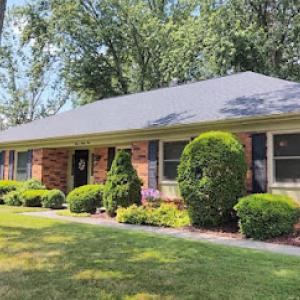
Gean Roofing
(574) 291-7663 geanroofing.com
301 S 11th St Suite #5, Niles, Michigan
4.8 from 33 reviews
Gean Roofing is Niles, MI's top roofing contractor specializing in residential roofing.
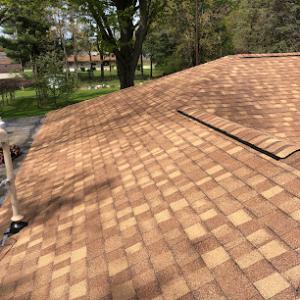
1st Rate Construction
(574) 401-9525 www.1strateconstructionllc.com
1990 S 11th St Suite 17, Niles, Michigan
4.4 from 23 reviews
1st Rate Construction is a locally owned and operated contractor in Niles, MI. We have been completing construction jobs in the greater Michiana area since 2016, and we take pride in being a company you can trust. Whether you need WINDOWS, SIDING, ROOFING, ENTRY DOORS or are looking to REMODEL your KITCHEN and BATHROOM, we’ll make sure your ideas come to life. For a free estimate, call us today!
Rooftech Construction
(574) 217-5712 rooftechconstruction.com
Serving
5.0 from 455 reviews
#1 Roof Replacement Company specializing in roof replacement, roof repair, chimney repair, siding, and all other exterior renovations. Proudly voted Readers Choice #1 Roofing and Siding Contractor 2020. GAF recognizes Rooftech Construction as a MASTER ELITE Roofer. We are licensed, bonded, and insured GAF Certified Roofing Installers, maintaining an A+ BBB rating. Our installers are trained in recent local codes and manufacturer specifications to ensure your roof replacement exceeds all expectations and reaches its full life. We have dedicated technicians available 24/7 to service your emergency roofing needs. We offer FREE estimates and NO MONEY DOWN on Residential Roof Replacements! Our work is backed by our Lifetime No Leak Guarantee!
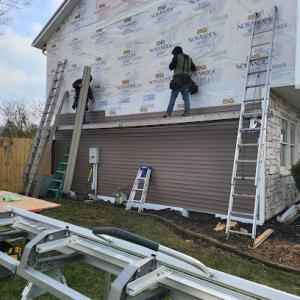
Angel Construction & Roofing
(574) 485-6600 angelconstructionandroofing.com
Serving
4.8 from 43 reviews
Angel Construction & Roofing is proud to call South Bend home. We are a family owned business. Angel Construction & Roofing has the depth of experience, resources and financial strength to handle residential, commercial and multi-family projects. We’re a Licensed and Certified Roofing and remodeling Contractor that is bonded and insured. Learn more about Angel Construction & roofing and why we’re recommended so highly.
Mr. & Mrs. Handyman/Roofing
Serving
4.9 from 90 reviews
We are a small family business and thrive on giving far more fair prices than our competitors. All work is guaranteed and in writing. We are insured and Bonded in the city of South Bend, Indiana. Helping our community with very fair prices.

Asscher Roofing Company
(574) 234-9380 asscherroofing.com
Serving
4.9 from 114 reviews
We are the Diamond Standard of Roofing Contractors who focus on education, equality and efficiency. Our mission is to provide Northern Indiana with the highest quality roofing services. We do that by putting customers first when it comes with honesty, transparency, and rigorous installation standards. The diamond standard of roofing comes from making sure we treat every roof equally, making sure our customers make an informed decision, and by providing high quality efficiency while making sure our skilled laborers are highly trained. We provide roofing, siding, soffit, fascia, and gutter services the Asscher Roofing way. Call us today for the diamond standard of roofing contractors!
South Bend Roofing & Siding
(574) 288-4764 www.southbendroofing.com
Serving
5.0 from 34 reviews
South Bend Roofing is your source for roofing, siding, and exterior services in South Bend and the surrounding Michiana region. From large-scale to single home projects, we are here to serve you.
Erie Home
Serving
4.6 from 245 reviews
Since 1976, Erie Home has manufactured, supplied, and installed the best-performing roofing on the market. By providing ironclad warranties and convenient financing, we ensure that every homeowner we work with receives top quality service and value for their homes and properties. Erie Home professionals are the roofing company of choice in the greater South Bend, IN area. Whether you need roof inspections or roof damage repair services, Erie Home has been the go-to roofing contractor for nearly 50 years because of our attention to detail and dedication to making sure our customers are satisfied with their results. Contact us today for a quote and see why we're the trusted roofing company South Bend counts on.

DMG Exteriors
(574) 367-4600 www.dmgexteriors.com
Serving
5.0 from 8 reviews
Here at DMG Exteriors, with offices located in Valparaiso, Hobart and Granger, IN, we understand the value of providing top-notch exterior finishes for your residence and business. Known for our expertise, superior craftsmanship, and extraordinary results, we provide best-in-class services that you can trust for all your exterior home needs. Whether you need roofing, siding, or complete home exterior remodeling—our team of experts has you covered! Get a free, accurate estimate for your next roofing, siding, or home remodeling project in Indiana.
No Limit Roofing
(574) 360-0525 www.nolimitroofingin.com
Serving
4.9 from 95 reviews
Welcome to No Limit Roofing - the Roofing Specialists that Greater South Bend, Indiana home and business owners have been choosing for over 15 years. We are the premier locally owned and operated, fully licensed with over 300 certifications in the Roofing industry, insured and bonded serving cities such as Mishawaka, Notre Dame, Granger, Elkhart, Plymouth, Goshen and Greater South Bend, IN. Our owner has over 25 years of experience and supervises all jobs. No Limit Roofing specializes in all Residential, Commercial and Industrial Roofing Restoration Projects including roofing inspections, emergency repairs, maintenance, new construction roof installations and reroofing replacements. Call us today!
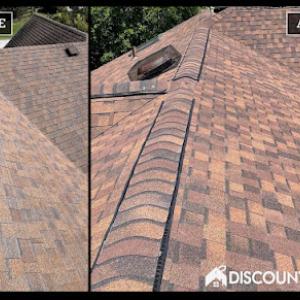
Discount Roof
(574) 821-5525 mydiscountroof.com
Serving
5.0 from 9 reviews
With 30+ years in the industry, Discount Roof consistently delivers the highest quality exterior home remodeling. From roofing and siding to windows and attic insulation, we’ve got you covered. Our team is trained and experienced to bring the most reliable home remodel and roofing services at the most affordable prices.
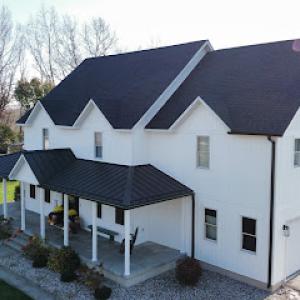
Horner Roofing & Siding
(574) 318-0316 www.hornerroofingandsiding.com
Serving
4.9 from 274 reviews
As a premier roofing company dedicated to providing warm, compassionate and helpful customer service, it is important for us to deliver unparalleled workmanship on every assignment, whether it be a new roof or siding installation or repairs. We offer a wide range of services to meet your project needs and ensure durable and cost effective workmanship. As a public service for the Northern Indiana area, you can trust Horner Roofing and Siding. Contact us right away through our website or call in and we'd be happy to do our best to help!
Asphalt shingles are a dominant local choice because they fit the region's common reroof market, but they are exposed to summer heat, spring storm impacts, and winter sealing challenges. In the lake-effect basin, shingles endure rapid temperature swings that can stress the sealant, especially after a spring storm brings moisture and wind. When you're evaluating asphalt, look for a robust laminated design with higher tear resistance and a reflective or cool-forming surface to reduce heat buildup during those hot Michigan summers. A solid underlayment and an ice and water shield along eaves and valleys help mitigate ice dam risks, which tend to intensify after heavy snows melt and refreeze. Choose color and granule density with an eye toward steady performance in sun exposure and wind-driven rain, since Niles experiences notable seasonal cycles that test roof integrity year after year.
Metal roofing has meaningful local contractor support in this market and is especially relevant where better snow shedding and durability through freeze-thaw cycles are desired. In practice, metal can shed snow more predictably, reducing pileups that create ice dam pressure at the eaves. It also resists impact from spring storms and the resulting debris. The long-term service life is appealing, but installation details matter: proper attic ventilation, an integrated ice barrier at the eaves, and continuous fasteners with appropriate sealant are essential in this climate. Acoustic considerations, glare from sun, and compatibility with existing roof geometry should guide your choice, especially on upper stories or homes with complex rooflines where sealing and flashing become more intricate. If you expect frequent freeze-thaw cycles and want lower maintenance after storm events, metal can be a strong match when installed with attention to drainage and venting.
Tile, wood, and synthetic products are present in the market but need to be evaluated against southwest Michigan snow, moisture, and structural loading conditions rather than appearance alone. Clay and concrete tiles offer excellent longevity and wind resistance in some designs, but their weight requires structural verification, which is a common consideration in older homes or those with limited attic space. Wood shingles and shakes provide distinctive character, yet moisture sensitivity and potential for rot demand careful year-round maintenance and drying capacity in the attic. Synthetic shingles offer corrosion resistance and flexibility, but performance depends on the specific formulation and installation details. In Niles, where moisture pulses with spring storms, any exotic material should be assessed for its ability to resist moisture intrusion, maintain warmth balance, and withstand seasonal snow loads.
The lake-effect weather pattern makes ice-dam resistance and storm recovery central to decisions. A roof system should be evaluated for eave protection, proper slope for drainage, and a continuous secondary barrier that works in concert with effective attic insulation. Weather-driven moisture intrusion from spring events can travel through decking and into ceilings if flashing or underlayment fail; therefore, whatever material is chosen, the installation quality and local weatherproofing strategy are as important as the material itself. Prioritize a comprehensive approach: confirm adequate attic ventilation, ensure an effective ice barrier at all perimeters, and plan for robust flashings around chimneys, skylights, and vents to minimize weather-related damage after severe spring winds.
Reroof projects in this area require a building permit. Before a single shingle is lifted, you need to file plans and scope details with the local building department. The department takes a careful look at how the roof will perform under lake-effect snow, spring storms, and the town's wind patterns. Expect that the permit review will scrutinize materials, ventilation, and storm-resistance details, not just the look of the new roof. Starting work without a permit can trigger fines, delays, and having to pull back partial work to bring it into compliance.
Plans are not a formality here; they guide the contractor's approach to ice-dam resistance and wind load. Be ready to demonstrate how the chosen roofing system handles attic ventilation, insulation, ice-dam mitigation, and chimney or skylight penetrations. The plan should specify fasteners, underlayment, and flashing details that address the specific risks posed by lake-effect snow and fluctuating spring weather. In practice, this means a clear path from roof deck to ridge that minimizes vulnerable seams and ensures water shed is consistent with local code expectations.
Inspections occur both during installation and after the work is complete. During the process, inspectors verify that the installation adheres to the approved plans and current codes, with particular attention to fasteners, underlayment, and flashing around hips, valleys, and transitions. After installation, inspections confirm that the roof achieves required wind and ice-dam resistance, and that there are no premature failures in components or workmanship. Failure to meet inspection standards can halt occupancy or trigger corrective work, so aligning the actual build with the approved plan is essential.
Coordinate closely with the contractor to ensure the permit package includes all requested details: product specifications, installation methods, and a documented wind/ice-dam strategy. Schedule an early pre-construction meeting with the builder and the inspector to walk through critical points, such as underlayment choices and ice-dam mitigation measures, so there are fewer surprises when the first inspection happens. Remember that permits and inspections are not hurdles to delay-they are protections designed to keep roofs performing reliably through Niles's winter storms and spring thaw cycles.
In this market, Michigan insurers commonly evaluate roof age and hail exposure, which matters in Niles because severe spring storms are a recurring local roofing issue. An aging roof is more vulnerable to wind-driven hail and can influence whether a claim is paid in full or adjusted downward. Insurers also factor the roof's exposure-low, mid, or high-based on how the property sits relative to open areas and surrounding structures, which affects claim outcomes after a storm. When a storm event hits, the adjuster will scrutinize both the current condition and how much the roof has already degraded from prior exposures, especially if there were prior hail or wind events in the neighborhood. Knowing this helps you understand why some claims are settled differently from one house to the next.
Homeowners should expect adjusters to request inspections, material specifications, and pre-loss or post-loss roof photos when a claim is filed. Before the spring season or after a major wind-driven hail event, take clear photos of all roof surfaces and any interior signs of moisture near the attic. Keep dated records of prior repairs and the age of the roof as best as you can determine it, because insurers will compare that with the stated roof age. In practice, store a simple, dated photo log that shows, for example, hail impact on shingles, dented metal components, or damaged flashing. When possible, locate product lines or shingle types visible from ground level to help the adjuster verify material specifications without a full roof teardown. If a storm hits and your roof is already showing wear, document that condition so the adjuster sees the baseline you're starting from.
During the claim process, an adjuster will likely request access for a roof inspection and may bring specialists to assess hail exposure and its effects on the decking and underlayment. Be prepared to discuss the roof's age and any prior repairs or coatings. Having organized photos and a written snapshot of prior storm damage can streamline this visit. If there are ice dam concerns from lake-effect snow after a hail event, mention that mitigation history and any prior insulation or ventilation upgrades that affect wind-driven moisture performance. The goal is to align the documented condition with the observed damage so the adjustment reflects actual need rather than perceived novelty of the storm.
Premium impacts are more likely after catastrophic events or on older roofs, so owners benefit from documenting condition before storm season and again after major weather events. Store every receipt, contractor estimate, and communication note related to the claim. If the first adjuster's assessment seems incomplete, you can request a second opinion or an independent appraisal, especially if ongoing windstorms or multiple hail events occur in a single season. Maintaining a concise trail of conditions, dates, and material specs helps ensure the claim reflects current needs and supports any necessary repairs or replacements.
Connect with contractors who help homeowners navigate the claims process from damage assessment to final approval.
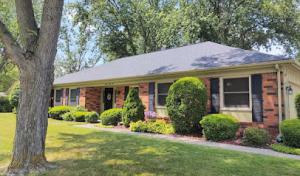
Gean Roofing
(574) 291-7663 geanroofing.com
301 S 11th St Suite #5, Niles, Michigan
4.8 from 33 reviews
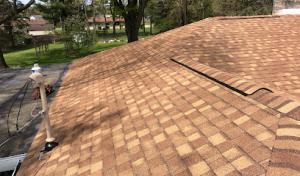
1st Rate Construction
(574) 401-9525 www.1strateconstructionllc.com
1990 S 11th St Suite 17, Niles, Michigan
4.4 from 23 reviews

In this climate, the flat or low-slope sections of the roof face drainage and membrane detailing as a real local service category. Niles endures spring heavy rain paired with winter backup, which makes penetrations and transitions-especially around skylights and vents-more vulnerable to leak callbacks. Ice buildup from lake-effect snow can force moisture into seams, flashing, and fasteners long after the obvious signs appear. A roof that looks dry at the surface may still be carrying moisture in its lower zones, where ponding tends to hide problems until a sharp thaw or wind-driven rain exposes them. Regular inspections after heavy snow events help catch membrane movement before leaks show.
Skylight penetrations are a common pain point when the detail is not thoughtfully matched to a low-slope roof. Poor curb mounting, inconsistent flashing, or aging sealants let water follow the line of least resistance, and that vulnerability is amplified by seasonal temperature swings. When leaks surface, the first check should be the skylight curb, flashing interlocks, and the seal between the curb and the roofing membrane. A well-sealed transition requires precise shimming, proper cladding, and a continuous membrane wrap that stops at the glass and continues onto the field. A robust approach to maintenance includes regular checks after storms and a careful evaluation of curb integrity and flashing overlaps. When replacing, choose compatible low-slope membranes and ensure seam tapes are rated for Michigan freeze-thaw. Also verify skylight flashing after any tightening or flashing repair to prevent new gaps from wind-driven rain. A well-sealed transition requires precise shimming, proper cladding, and a continuous membrane wrap that stops at the glass and continues onto the field.
Fall leaf buildup compounds the issue by choking drainage paths and boosting ponding on lower-slope sections. Clogged scuppers, blocked gutters, and slowed exit routes turn routine rainfall into recurring moisture concerns. Proactive maintenance-clear drainage paths, inspect after storms, and address any observed edge failures-helps reduce the frequency of callbacks and the extent of interior damage when winter storms arrive. Leaf cleanup in fall should extend to nearby trees, ensure roof edge metal is intact, and consider temporary protection during storms.
Find specialists in TPO, EPDM, and built-up flat roofing systems for residential and commercial properties.
Gean Roofing
(574) 291-7663 geanroofing.com
301 S 11th St Suite #5, Niles, Michigan
4.8 from 33 reviews
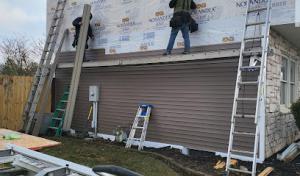
Angel Construction & Roofing
(574) 485-6600 angelconstructionandroofing.com
Serving
4.8 from 43 reviews
In this area, repeated winter and storm exposure can reveal installation defects faster than milder climates. A solid warranty acts as a practical safety net when ice dams form, fasteners loosen, or shingles shift after a heavy snowfall or a spring storm. Look for coverage that extends beyond the first season and that clearly outlines what is covered, what isn't, and how long the coverage lasts. A local focus means you'll see contractors emphasize performance in lake-effect conditions, so use that in your expectations rather than hoping for generic guarantees.
When a contractor talks about warranties, translate their promises into conditions you can verify. Check if workmanship coverage includes labor and materials, whether it transfers if you sell the house, and how to file a claim if ice dams recur after a storm. In Niles, where inspections verify compliance during and after reroofing, align workmanship promises with the fabric of the project: proper nail patterns, underlayment installation, drip edge, and attic ventilation. Understand whether the warranty requires regular maintenance, and if so, what routine checks count toward keeping coverage valid. If a claim involves manufacturer issues, confirm how the material warranty interacts with the installation warranty.
Local inspections are a practical checkpoint. Ensure the contractor's workmanship promises are consistent with what inspectors expect at permit closeout and what manufacturers require for material warranty eligibility. For example, a valid ice-dam resistance approach depends on correct underlayment, proper flashing at valleys and chimneys, and adequate attic insulation. If the contractor commits to a specific installation method, make sure the plan sheet and the written warranty reiterate the same method. After the project, keep copies of the contract, the warranty, and any inspection reports in an accessible place. A homeowner who can reference these documents quickly will be better positioned to address any storm-driven wear or winter performance issues that arise.