
Last updated: Apr 19, 2026
Spring storms hit fast and hard, and the consequences for your roof aren't theoretical. Indiana hail and wind events are a major driver of roofing claim activity in Fort Wayne, and most homeowners discover damage long after the storm has passed-when leaks start or shingles curl and lift. This season is the most time-sensitive window for protecting your home, your attic, and your wallet. When those thunderheads roll in, you need a plan that moves quickly from assessment to action.
After a hailstorm or high-wind event, look for telltale signs: dented gutters, granule buildup in gutters, and curling or darkened shingles that look "bruised" from impact. If you notice leaks, damp ceilings, or interior water staining, treat it as an emergency. In Fort Wayne, storm damage can escalate fast with freeze-thaw cycles, so time matters. Document the damage with clear photos and notes from a dry, daylight moment. A temporary patch may buy you safety and reduce interior damage, but avoid delaying a professional inspection, since even seemingly minor damage can mask more extensive issues beneath the surface.
Insurance carriers in this market commonly ask for prior-condition documentation, roof age, detailed bids, photos, and an on-site adjuster evaluation before approving replacement. Gather what you can: recent roof photos from year-to-year, records of any past repairs, and a log of storm dates that match the claim window. Acknowledge that the adjuster will want an on-site visit to verify the damage and the roof's condition before a replacement is approved. Having a credible, organized file ready speeds the process and reduces back-and-forth that can stall a claim during the narrow spring-to-fall storm season.
When the adjuster arrives, you'll want a contractor with Fort Wayne experience who can clearly translate storm impact into a fair replacement scope. Be prepared to provide the adjuster with the bid package from a reputable local roofer: a detailed scope of work, materials list, and a realistic timeline. The goal is to align the insurer's evaluation with a precise plan that covers the actual damage, not a best-case guess. In practice, this means ensuring the bid reflects all damaged areas, including any flashing, vents, and underlayment that could be compromised by hail and wind. A timely, transparent dialogue between you, the insurer, and the contractor helps prevent delays that are all too common during peak claim periods.
Spring in Fort Wayne brings a concentrated window of opportunity to address claims before the next round of weather, and the fall can echo the same pattern. The urgency is real: untreated damage can lead to interior issues, higher energy costs, and accelerated wear in the peak storm months. Plan to initiate the claim promptly after a storm while the evidence is freshest and before inclement weather makes access harder. If a claim is approved, moving quickly to secure temporary protection and schedule an on-site assessment keeps the project on track in a climate that swings between sun and severe wind with rapid temperature shifts.
Once you trigger the process, expect a cycle of inspections, negotiations, and weather-conscious scheduling. Local roofers who understand Fort Wayne's housing stock-from older two-story homes to newer composite shingled roofs-can adapt bids to the specific assembly of your roof. Communication should be clear and frequent: confirm dates for the adjuster visit, verify that the contractor's scope matches the insurer's expectations, and maintain a contingency plan for any additional damage uncovered during removal and replacement. In a city where storms shape the annual rhythm, having a prepared, action-oriented approach keeps you ahead of the next hail or wind gust-and protects your home from the next wave of interior risk.

Faze Construction
(260) 235-3575 fazeconstruction.com
2749 Freeman St, Fort Wayne, Indiana
5.0 from 219 reviews
Faze Construction in Fort Wayne specializes in professional roof replacements that protect homes from Indiana’s heavy snow, strong winds, and seasonal storms. Our team provides durable roofing solutions that address common local challenges such as storm damage, ice buildup, and aging shingles, ensuring long-lasting protection and improved curb appeal. We work with precision to replace worn or damaged roofs, helping homeowners maintain safe and efficient properties year-round. At Faze Construction, we are experienced roofers committed to delivering quality craftsmanship, dependable service, and the trusted expertise Fort Wayne residents rely on for their roofing needs.
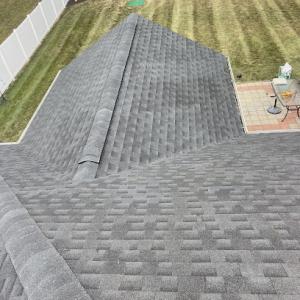
260 Roofing
(260) 800-3031 www.260roofing.com
1020 Lake Ave Unit A, Fort Wayne, Indiana
5.0 from 127 reviews
260 Roofing is a locally owned and operated Fort Wayne roofing company that specializes in roof replacements for residential homes and commercial properties. We are licensed with the Allen County building department for residential and commercial roofing projects. Our team has over 20 years of experience in the roofing and construction industry. We have the experience and knowledge to install high-quality roofing systems with the right materials and installation methods. We install asphalt shingle roofs, steel shingle roofs, metal panel roofs and flat rubber roofing systems. You will receive the most accurate and fair estimate possible from 260 Roofing. Call us today at 260-800-3031
Senter Roofing
(260) 615-2439 senterroofing.com
4310 Illinois Rd Suite 1502, Fort Wayne, Indiana
5.0 from 117 reviews
Senter Roofing (formerly The Realtor's Roofer) Takes Pride in Providing the Best Roofer Near Me Service to the Fort Wayne IN Area. We Only Work With Quality and Warrantied Products; We Are Timely; and We Are Affordable. Compare Our Free Estimate to Any Other Professional Roofer. Our Specialties Include Roof Installation, Roof Replacement, Re-Roofing, Roof Repair, and Roof Maintenance for Residential and Commercial Roofs. Please Give Us a Call Today for Your Free Estimate.
Centurion Exteriors
(260) 746-6108 www.centurionexteriors.com
1943 Lakeview Dr, Fort Wayne, Indiana
4.9 from 1154 reviews
Centurion Exteriors is a veteran and family-owned window replacement company committed to excellence. We provide top-quality replacement windows at competitive prices, focusing on delivering an exceptional customer-first experience. Our military background instills the values of respect, dignity, and honor in every project we undertake. We treat each home as if it were our own, ensuring superior craftsmanship and attention to detail. As part of the Centurion Exteriors family, you'll receive personalized service, professional installation, and our commitment to your complete satisfaction. We take pride in our work and stand behind every installation, providing responsive support whenever needed. Experience the difference of working with a co
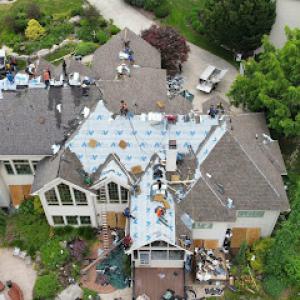
Graber Roofing & Gutters
(260) 755-3623 www.graberroofing.com
909 N Coliseum Blvd, Fort Wayne, Indiana
4.8 from 363 reviews
Graber Roofing & Gutters is a local contractor serving Fort Wayne and Northeast Indiana with roof replacements, repairs, inspections, gutters and gutter guards. Homeowners trust us for straight answers, clean job sites and craftsmanship that lasts. We help you decide repair vs replace, explain materials and keep you updated from start to finish. Whether asphalt shingles, metal accents or storm damage concerns, our goal is simple: do the work right and make it easy on you. Call for an inspection and a clear plan for your roof.
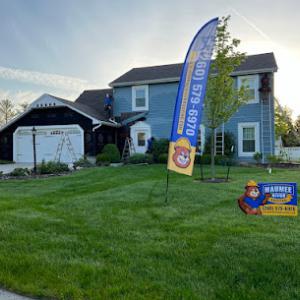
Maumee River Roofing
(260) 579-6970 maumeeriverconstruction.com
6638 St Joe Rd, Fort Wayne, Indiana
4.9 from 286 reviews
Maumee River Roofing is a trusted leader among roofing companies in Ft. Wayne, IN. We deliver expert craftsmanship, honest service, and 5-star results for every project. Our team specializes in roof replacement, repairs, and maintenance built to handle Indiana’s tough weather. As a reliable commercial roofing company, we help protect homes and businesses with durable, high-quality roofing systems. We also offer professional siding installation to enhance curb appeal, energy efficiency, and year-round protection. Locally owned and community-focused, Maumee River Roofing provides dependable service, clear communication, and lasting peace of mind you can count on.
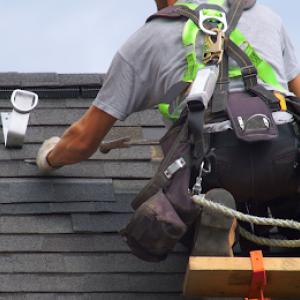
Premier Roofing
(260) 264-0509 premierroofingfortwayne.com
127 W Berry St, Fort Wayne, Indiana
4.9 from 125 reviews
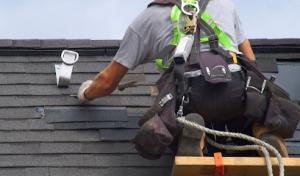
Premier Roofing Fort Wayne offers professional roof installations and repairs for homes and businesses in the Fort Wayne, Indiana. The experienced roofers at Premier Roofing Fort Wayne are fully staffed and prepared to tackle any size roof replacement or new roofing project. You can rely on us to provide you with the most reasonably priced, expertly fitted, and stress-free roof replacement or repair. We will always go above and above to make working with Premier Roofing Fort Wayne a positive experience. Don’t overpay for roofing. Call us today!
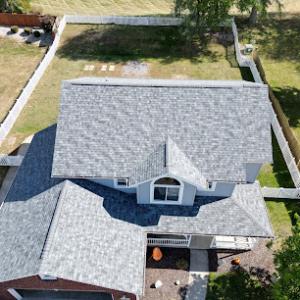
Affordable Roofing
(260) 402-3549 affordableconstructionus.com
226A E Collins Rd Suite 1, Fort Wayne, Indiana
4.9 from 78 reviews
Affordable Roofing is a family owned business that has been providing quality work in Fort Wayne and surrounding areas since 2006. We specialize in Roofing and Gutters. We’ve completed over 1,000 projects since opening and pride ourselves on providing exceptional work at an affordable price. We have an A+ rating with the Better Business Bureau, are a preferred contractor with Owens Corning, require no money down, and provide financing if needed. Please feel free to contact us at anytime. We look forward to hearing from you and hope we can make your next home project a positive and easy experience.
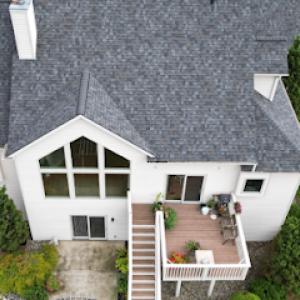
Landmark Roofing Fort Wayne
(260) 610-7006 www.landmarkroofingexperts.com
5130 New Haven Ave, Fort Wayne, Indiana
4.8 from 524 reviews
At Landmark Roofing, we serve the residential and commercial roofing markets. We provide roofing inspections, repairs, installations, and replacements to homeowners and building owners in the Fort Wayne. Whether you’ve noticed a problem with your roof or it’s just been a while since you last had it inspected, rely on us to keep your roof in top-notch shape.
4Ever Metal Roofing
(260) 234-2252 www.4evermetalroofing.com
1911 Production Rd, Fort Wayne, Indiana
4.8 from 285 reviews
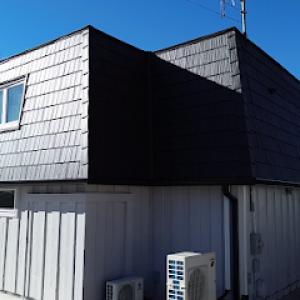
4Ever Metal Roofing is a Fort Wayne–based roofing contractor specializing exclusively in premium metal roofing systems. We install standing seam metal roofs, metal shingles (including stone coated metal shingles), and exposed fastener metal roofs for homeowners in Fort Wayne, Columbia City, Warsaw, Angola, Auburn, Decatur, Huntington, Bluffton, Ligonier, Ossian, Kendallville, and Van Wert. Our team delivers precision installation, clean job sites, and long-term performance backed by strong warranties. Our standing seam systems include lifetime workmanship coverage for the original owner and are designed for decades of performance in Midwest weather. We focus solely on metal roofing so homeowners can make a one-time roofing decision with co
Schmucker Quality Construction
(260) 417-2254 schmuckerqualityconstructionllc.com
4412 Schmucker Dr, Fort Wayne, Indiana
4.9 from 178 reviews
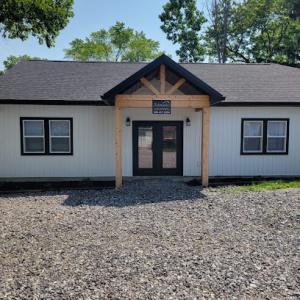
After many years of working at our family construction business we decided to branch off. So in 2013 SchmuckerQualityConstruction was born. We are locally owned and your one stop shop for most of your home improvement projects.
TruChoice Roofing
(260) 321-0608 www.truchoiceroofing.com
1241 N Wells St, Fort Wayne, Indiana
4.8 from 259 reviews
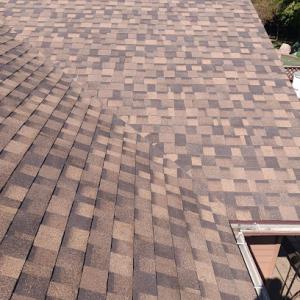
TruChoice Roofing is a trusted local roofing contractor proudly serving Fort Wayne, IN and surrounding Northeast Indiana communities. We specialize in roof replacement, roof repairs, metal roofing, asphalt shingle roofs, storm damage restoration, and seamless gutter installation for residential properties. Our licensed and insured roofing professionals focus on long-lasting materials, skilled workmanship, and clear communication from inspection to completion. Homeowners choose TruChoice Roofing for free roof inspections, honest estimates, flexible financing options, and fast, reliable service. Whether you’re dealing with wind damage, aging shingles, or planning a full roof upgrade, TruChoice Roofing delivers dependable solutions designed to
Cold winters here bring repeated freeze-thaw cycles that can quietly stress shingles, flashing, sealants, and roof penetrations. When water beneath materials freezes, it expands and can loosen joints, create hairline cracks, and finally push against seams as it thaws. Over multiple cycles, those small stresses compound, making edges lift, asphalt granules loosen, and sealants fail sooner than you'd expect. That stress often shows up most on valleys, around chimneys, vent pipes, and transitions to gutters. Recognizing these vulnerable areas helps you prioritize inspection and timely repairs before a small leak becomes a bigger problem.
Forty-spring and fall periods are when roofing work tends to flow best, thanks to moderate temperatures and dryer conditions. If a hail event or wind damage happens in late spring, schedule triage quickly-even if the roof looks "okay," hidden damage behind shingles or in flashing can worsen with another freeze-thaw cycle. In the heart of winter, repairs slow down: crews contend with snow, ice, and daily temperature swings that make rooftop work hazardous. In summer, heavy rain can delay access and create muddy conditions that stall crews and postpone necessary fixes. Plan as soon as practical after a damaging event, but align work windows with the reliable mid-season months to minimize disruptions and maximize safety.
Start with penetrations and transitions. Boots around vent stacks, the chimney base, and skylights are common trouble spots because they shoulder both temperature changes and water movement. Valleys and along the edge of the roof where materials meet gutters are prime candidates for early attention. If a shingle edge is lifting or you notice lifted granules, treat that as a beacon for an inspection. Damaged flashing where two planes meet can leak even if the surface shingles look intact. A careful hand inspection from attic spaces during a sunny day can reveal daylight through cracks, indicating where sealing and flashing work should go first.
Winter access to a roof is not ideal, and frozen substrates can hinder footing and material handling. If a repair demands ladder work or deck traction, consider postponing until the ground is safer and temperatures are steady enough to allow sealants to cure properly. In spring and autumn, watch for late-season rain that can saturate roofing plywood and slow patchwork. A dry, moderate day is the best condition for resealing penetrations and replacing flashing corners without creating new leaks from hurried workmanship.
Document visible damage with photos and notes before weather shifts. If you notice a leak interiorly, place a temporary containment on the ceiling and safely protect nearby belongings while planning a repair window. When scheduling, choose a day with a forecast of dry, mild weather and avoid extremes of heat or cold that hinder sealant performance. For hail and wind damage, request a thorough inspection that focuses not just on the obvious damaged shingles but also on flashing integrity, underlayment condition, and potential deck damage beneath the surface. A proactive approach reduces the risk of fast-spreading leaks during the next thaw and helps ensure the roof remains resilient through the next cycle.
When you can't wait, these contractors offer fast response times to stop leaks and prevent further damage.
Premier Roofing
(260) 264-0509 premierroofingfortwayne.com
127 W Berry St, Fort Wayne, Indiana
4.9 from 125 reviews
33 Carpenters Construction
(260) 234-2133 www.33carpentersconstruction.com
7127 Homestead Rd Ste I, Fort Wayne, Indiana
4.6 from 84 reviews
Above All Roofing
(260) 227-7663 dustinhaiflichh1.wixsite.com
3341 Eastwood Dr, Fort Wayne, Indiana
4.7 from 28 reviews
Asphalt shingles are one of the dominant roofing materials in Fort Wayne and fit the city's large reroofing market. The material thrives under the region's spring hail and seasonal wind shifts, offering a balance of ease of installation, predictable performance, and widely available color and profile options. For homes that see rapid replacement needs after a hail event, asphalt shingles provide the fastest return to a sealed roof with minimal disruption. In areas with freeze-thaw cycles, they also tolerate the temperature swings reasonably well when properly installed and vented. If a reroof is required after a storm, asphalt remains the most straightforward choice for keeping costs predictable and installation quick, which matters when time is of the essence for homeowners navigating insurance-driven timelines.
Metal roofing has a strong specialist presence locally, indicating meaningful homeowner demand beyond niche use. Its resilience against high winds and hail, along with a long service life, makes it a compelling option for storm-prone seasons. Metal panels can shed windborne debris more effectively than some shingle options, and modern finishes resist fading even after repeated hail exposure. For Fort Wayne homes that want a roof capable of withstanding seasonal storms with fewer maintenance cycles, metal offers an option that pairs well with steeper roofs and contemporary architectural styles. The trade-off to consider is installation nuance and longer lead times in peak storm seasons, which can influence scheduling when insurance-driven replacements are involved.
Clay tile and concrete tile have a long-standing appeal in warmer, drier climates, but in Fort Wayne their heavier weight and higher substitution costs can limit adoption, especially on homes not originally built to bear the load. When installed on suitable structures, these tiles deliver strong hail resistance and distinctive curb appeal, yet the possibility of cracking under hail impacts means a careful assessment of structure, underlayment, and installation technique is essential. Wood shakes offer a traditional look and decent wind performance when properly fastened, but they require meticulous maintenance to prevent moisture-related issues in winter. Synthetic or composite shingles mimic the look of natural products with improved impact resistance and often lighter weight, which can translate to easier retrofits on a wider range of homes. In practice, these materials tend to be seen on specialty projects or updates where homeowners want a unique exterior, but asphalt and metal remain the mainstream choices for balancing resilience, cost, and installation speed in a city shaped by spring hail and wind.
Typical material pricing in this market sits in a practical range for a Fort Wayne home: asphalt shingles run about 350 to 700 per square, metal from 600 to 1200 per square, clay tile 900 to 1800 per square, concrete tile 800 to 1300 per square, wood shingles or shakes 700 to 1200 per square, and synthetic or composite shingles 500 to 900 per square. Those numbers reflect the city's mix of older homes with newer overlays, plus the added weight and labor considerations of specific roof styles. When a hail event hits, you'll see some bid swings driven by material availability and short-term demand. It's common to see price nudges depending on the crane, crew overtime, and expedited deliveries that logistics crews try to lock in after a storm.
Storm-driven demand spikes in Fort Wayne can affect scheduling and pricing after hail and wind events. After a severe hail season, crews tend to tighten calendars, and you'll encounter bid windows that close faster than usual. If you have a damaged roof, expect insurers to push for timely decisions, and crews to prioritize homes within the most intense damage clusters. In practice, that means being ready with photos, a clear inspection summary, and a preferred material choice. The cost spread between materials can widen slightly in a tight market, so having a few backup options helps.
Permit review, inspection requirements, and the city's concentration of reroofing work in spring and fall can influence labor availability and project timing. In busy windows, crews may book out weeks or even months, so planning ahead minimizes delays. If you're weighing a repair versus full replacement, the spring and fall rush can tilt the decision toward replacement for better long-term value, especially when hail damage spans multiple roof planes or complicates the underlayment. Being ready with a ready-to-start plan helps keep bids predictable through those peak periods.
Get a clear picture of your project costs upfront - no commitment required.
Senter Roofing
(260) 615-2439 senterroofing.com
4310 Illinois Rd Suite 1502, Fort Wayne, Indiana
5.0 from 117 reviews

Landmark Roofing Fort Wayne
(260) 610-7006 www.landmarkroofingexperts.com
5130 New Haven Ave, Fort Wayne, Indiana
4.8 from 524 reviews
Sherriff Goslin Roofing Fort Wayne
(260) 483-0213 www.sherriffgoslin.com
2510 Julian St, Fort Wayne, Indiana
4.8 from 65 reviews
A permit is typically required for a full reroof in Fort Wayne. Skipping this step can lead to fines, delays, and headaches when neighboring properties are reviewed or when a future sale triggers a permit check. Homeowners who pursue storm-damaged roof replacements often face a narrow window between spring hail and fall storms, but permits still need to be in place before the work begins. Being in compliance from the start helps avoid last-minute scrambling that can push a project into the next weather window or complicate insurance coordination.
The City of Fort Wayne Building Department handles permit applications, and contractors typically submit project scope, roof area, and material details, with plan review sometimes required. This is not a place to "wing it" on a rushed timeline. A clear, complete submittal speeds review and reduces the risk of hold-ups caused by missing information. Contractors often coordinate the submission, but it pays to verify that the exact scope matches the work planned on the roof-especially if hail damage has created additional repairs like vent replacements or flashing upgrades.
Inspections in Fort Wayne may occur during and after installation to verify underlayment, nailing pattern, ventilation, and flashing, and final approval closes the permit. The inspecting city official will check that the roof deck is sound, the underlayment is properly installed, and fasteners align with the chosen roofing system. Ventilation must meet code expectations to prevent moisture issues in the attic, and flashing around chimneys, skylights, and walls needs to be correctly integrated to resist wind-driven rain. Weather can be unpredictable in spring, so scheduling inspections promptly after installation helps keep the project on track and avoids overlapping permit timelines.
When a severe hail event drives a rapid reroof, it's tempting to rush. However, the permit process in this city is designed to ensure safety and long-term performance. Communicate clearly with the contractor about expected inspection dates and any required plan reviews. If an inspector flags a detail, address it promptly to avoid re-inspection fees or delays that shift an entire roof replacement into the next available installation window. Keeping the permit and inspection milestones clear helps protect the investment and aligns with Fort Wayne's permit-driven reroof rhythm.
Fort Wayne homeowners operate in an Indiana insurance environment where periodic hail and wind losses make roof documentation especially important. When a big storm rolls through, carriers are not just looking at what fell yesterday; they want a clear record of the roof's condition before the event and how it evolved afterward. The practical reality is that a claim can hinge on showing the roof's state across multiple seasons, not just a single photo after visible damage appears.
Carriers commonly want evidence of roof condition before the storm, not just photos taken after damage appears. That means keeping historical documentation accessible: prior maintenance notes, recent contractor assessments, and any available inspections from years past. In practice, this translates to building a file that can travel with the claim: dated photos of the entire roof set, notes on shingles lift or granule loss, and a clear map of any existing vulnerabilities. If a storm hits and the roof fails or leaks, that pre-storm baseline can steer the outcome of the approval process.
Detailed contractor bids and on-site adjuster review are common parts of the approval process for replacement in this market. Obtain independent assessments from a local, reputable roofer who understands the typical Fort Wayne roof pitch, venting, and underlayment concerns. Schedule an on-site adjuster visit promptly and be ready to walk through the roof with the adjuster, pointing out prior wear, fastener corrosion, and any hail impact patterns. Keep every dimension, shingle type, and visible defect clearly labeled in the bids. Strong documentation reduces back-and-forth and helps ensure the claim reflects the roof's true condition rather than a best-guess post-storm snapshot.
Create a time-stamped portfolio that includes pre-storm photos, maintenance records, and the contractor's pre-storm condition notes. When a claim is filed, share this dossier with the insurer and coordinate a joint review with the adjuster. In this market, the combination of pre-event evidence and on-site professional evaluation is the most reliable path to a timely, accurate resolution.
Connect with contractors who help homeowners navigate the claims process from damage assessment to final approval.
Faze Construction
(260) 235-3575 fazeconstruction.com
2749 Freeman St, Fort Wayne, Indiana
5.0 from 219 reviews
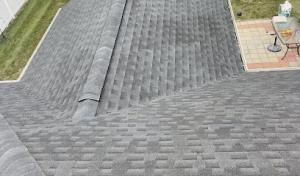
260 Roofing
(260) 800-3031 www.260roofing.com
1020 Lake Ave Unit A, Fort Wayne, Indiana
5.0 from 127 reviews
Senter Roofing
(260) 615-2439 senterroofing.com
4310 Illinois Rd Suite 1502, Fort Wayne, Indiana
5.0 from 117 reviews
Fort Wayne's contractor market shows meaningful local demand for flat or low-slope roof work, even though pitched residential reroofing dominates overall. That means skylight installations and low-slope repairs show up more often than in some neighboring markets, and the typical errors are more avoidable with a careful, proactive inspection. When a home has a flat or near-flat section feeding a skylight, the chance of slow leaks grows if the transition from deck to skylight isn't flashed correctly or if the sealants have started to fail after a tough winter.
Skylight leaks in this area often stem from aging or mismatched flashing, brittle sealant beads, and improper shimming around the curb. Hail and wind in spring can crack or dent the skylight frame, and that damage may not announce itself until a heavy rain. During inspections, look for loose curb mounting, rust or corrosion on metal flashing, and any discoloration or staining around the skylight interior. Pay special attention to the perimeter flashing where it meets the roof surface; even small gaps can channel water under the roofing layers during spring thaws and summer thunderstorms.
Inspection attention to flashing and ventilation in this climate makes penetrations and transitions especially important during reroof projects. Skylight flashing should be continuous and properly integrated with the main roof flashing plan. Check for vent stacks and any other penetrations nearby; improper terminations at these points create multiple leak paths, especially on low-slope segments. If a skylight sits near a vent or a chimney, review the surrounding flashing as a single system rather than as separate pieces. In practice, insist on examining the entire envelope around the skylight during any reroofing, not just the visible curb. This local focus helps prevent recurring leaks after the next hail event or temperature swing.
Find specialists in TPO, EPDM, and built-up flat roofing systems for residential and commercial properties.
260 Roofing
(260) 800-3031 www.260roofing.com
1020 Lake Ave Unit A, Fort Wayne, Indiana
5.0 from 127 reviews
Premier Roofing
(260) 264-0509 premierroofingfortwayne.com
127 W Berry St, Fort Wayne, Indiana
4.9 from 125 reviews
Landmark Roofing Fort Wayne
(260) 610-7006 www.landmarkroofingexperts.com
5130 New Haven Ave, Fort Wayne, Indiana
4.8 from 524 reviews
Fort Wayne homeowners are hiring heavily in a market dominated by reroofing rather than niche new-construction roofing. In practice, this means you should prioritize contractors who can demonstrate rapid response, thorough cleanup, and clear communication about timing. Quick storm response matters because damage can escalate with spring hail and wind, and the project timeline often aligns with the busy installation windows. Look for trucks ready to mobilize, crews on-site promptly, and a cleanup plan that leaves the yard as tidy as before the work started.
In this market, affordability and trust are as important as the material choice. Seek a contractor who offers transparent, itemized written estimates and a documented cleanup protocol. Ask for recent local referrals, ideally from homeowners who faced similar hail events and wind damage. A family-owned or long-standing local firm tends to balance responsiveness with stability, which matters when weather shifts the project schedule. Ensure the roofer has established communication routines-weekly check-ins, photos of progress, and a clear point of contact for weather-related delays.
You want a crew that can handle storm-related issues without dragging out the process. Verify the contractor's ability to tarp exposed areas, stage materials for rapid, clean installation, and complete a thorough debris haul-off. In practice, you'll notice the strongest signals: prompt cleanup at the end of each day, respected driveways and landscaping, and a written plan for any incidental repairs discovered during tear-off. Favor firms that emphasize dependable scheduling and a single, accountable project manager who can coordinate between material delivery, weather contingencies, and inspection milestones.
Begin with a concise call-back window and a firm, written timeline. Request the roofer's field staff credentials, insurance details, and a sample of a storm-damage restoration plan. Confirm that the team can accommodate a fast start if your insurer authorizes a replacement, and ask how they protect a property during rain events. Finally, trust your instincts about reliability: the best Fort Wayne crews blend fast action with careful cleanup and a straightforward, steady pathway from approval to completion.