Roofing in Burlington, IA
Last updated: Feb 28, 2026
Burlington sits along the Mississippi, where winter freezes bite the edges of shingles and hot Iowa summers test every rooftop with sun and humidity. If you've lived here, you know the joke about four seasons in a day—ice dams in the cold, wind-driven shingle lift in storms, and the occasional severe hail that leaves a wake of dents. That local climate means your roof has to behave in a practical, durable way, without overcomplicating repairs or blowing the budget. You'll find advice here that speaks in plain terms you can use, from a local roofer who's weathered Burlington's quirks and learned what actually helps homes endure the seasons.
Here's a quick preview of what this page covers:
- Local Climate considerations for Burlington
- Recommended Roofing Materials for Burlington
- Popular Roof Styles & Architectural Trends in Burlington
- Average Roofing Costs in Burlington
- Permits & Local Regulations
- Common Roofing Problems in Burlington & Solutions
- Maintenance & Repair Tips for Burlington
- When to Repair vs. Replace
- When to hire a professional
Advice you read here is tailored to Burlington's conditions and backed by local resources—city permitting norms, nearby suppliers, and seasoned local contractors who know the neighborhoods along the river and in town. You'll see recommendations grounded in real-world Burlington projects, not generic one-size-fits-all guidance. That means practical cost awareness, material choices that stand up to our winters and thunderstorms, and maintenance plans you can actually fit into a busy homeowner schedule.
Think of this page as a neighborly guide written by someone who does the work and then explains it clearly—no hype, just solid steps you can take. With a clear sense of Burlington's climate, architecture, and local rules, you'll find roads to protect your roof that stay sensible and reliable.
With that in mind, let's start by looking at how Burlington's weather shapes roof choices and maintenance.
Local Climate & Its Impact on Roofs
Winter Snow Load, Ice Dams & Freeze-Thaw
Burlington winters bring snow accumulation, freezing rain, and frequent freeze‑thaw cycles. All of these stress roofing systems differently: heavy snow adds weight, ice dams form at eaves, and repeated freezing and thawing can loosen shingles and flashing. Common signs include:
- Roof edges carrying more ice or shingle lifting near the gutters
- Granules washing away after storms
- Icicles that indicate heat is leaking from the attic
What to do:
- Ensure your attic is well insulated and ventilated to keep roof temperatures closer to outdoor temps.
- Keep gutters and downspouts clear so meltwater can flow away from the roof edge.
- If ice damming is persistent, consult a licensed roofer rather than attempting risky shingle removal yourself.
Official resources:
- National Weather Service Winter Safety:
- Local forecasts and warnings:
Freeze-Thaw Cycles & Material Stress
The frequent thaws and refreezes in our winters can cause asphalt shingles to become brittle, flashing to pull away, and sealants to fail over time. Metal roofs may dent or expand/contract, while clay or concrete tiles can crack under ice loads.
What to do:
- Schedule seasonal inspections focused on flashing around chimneys, skylights, vents, and transitions between roof planes.
- Look for cracked or missing shingles after storms and address promptly to prevent leaks.
- Maintain consistent attic ventilation to minimize ice dam risk.
Summer Heat, Humidity & Material Degradation
Hot, humid summers beat down on roofing materials. UV exposure accelerates granule loss on asphalt shingles, while metal roofs experience expansion and contraction that can loosen fasteners if not properly installed. High humidity can magnify interior moisture issues that show up as attic condensation or attic mold if ventilation is poor.
What to do:
- Choose ventilation that allows air to flow from eave to ridge, helping the roof stay cooler and drier.
- Inspect for exposed fasteners, ridge vent damage, and signs of wear after summer storms.
- Consider reflective or lighter-colored shingles or coatings to reduce heat absorption where appropriate.
Severe Storms, Wind Uplift & Derechos
Burlington sits in a region that can experience strong winds, hail, and derechos. Wind uplift can peel back edges of roofing and damage flashing; hail can dent metal roofs or break shingles. After a severe storm, look for:
- Lifting shingles, damaged flashing, or missing granules
- Dented metal panels or lifted edge seams
- Openings around vents or skylights
What to do:
- Ensure the roof is installed with wind-rated underlayment and properly sealed flashings.
- After a storm, perform a careful exterior inspection from ground level and, if safe, a closer look from a ladder—call a professional for any suspected damage.
- If a large storm hits, have a roofer evaluate structural damage before doing temporary repairs.
Roofing Materials & Design Responses for Burlington
Choosing a roof system that withstands Iowa's extremes helps long-term performance. Consider:
- Asphalt shingles with a solid underlayment and proper attic ventilation for cost-effective, versatile protection.
- Metal roofs for durability and wind resistance in storm seasons (well-sealed seams are crucial).
- Tile or slate in certain elevations or designs where weight and maintenance can be accommodated.
Tips:
- Ask for fastener patterns and flashing details rated for high-wind events.
- Confirm drainage paths direct water away from the eaves and foundation.
Maintenance & Inspection Steps
1) Do a visual walkaround after major storms for loose shingles or damaged flashing.
2) Clean gutters and downspouts to prevent ice dam formation.
3) Check attic insulation and ventilation; aim for a balanced system to minimize heat transfer to the roof.
4) Inspect for granule loss on shingles and sealant deterioration around chimneys, vents, and skylights.
5) Schedule a professional roof inspection at least once per year, with additional checks after severe weather.
Local Warnings & Resources
- Weather alerts and local forecasts:
- Iowa climate and extension resources for homeowners:
- Iowa climate data and analysis hub:
Recommended Roofing Materials for Burlington
- Why they work here: Burlington homes commonly use asphalt shingles for a balance of cost, availability, and performance in Iowa's climate.
- What to expect
- Life span: 20–30 years for standard shingles; 30–50 years for architectural/laminate options.
- Weather performance: good all-around protection with proper underlayment; upgrade to Class 4 impact-resistant shingles if hail risk is a concern.
- Wind resistance: look for shingles rated for high wind and a solid installation with quality nails and synthetic underlayment.
- Pros
- Most affordable upfront cost
- Easy to find, easy to repair, broad color and profile options
- Replacements are straightforward if damage occurs
- Cons
- Shorter lifespan than metal or tile
- Susceptible to hail denting or surface granule loss if not higher-end
- Color may fade with sun exposure over time
- Best practices for Burlington
- Pair with upgraded underlayment and an ice/water shield at eaves and valleys
- Ensure proper attic ventilation to extend life and reduce heat buildup
- Choose architectural shingles for better durability and wind performance
- Why it works here: Excellent longevity and hail resistance; performance is strong in both hot summers and cold winters.
- What to expect
- Life span: 40–70 years with proper care
- Weather performance: highly resistant to wind, hail, and temperature swings; reflective options help reduce cooling loads
- Weight: lightweight relative to concrete/clay tile; can often be installed over existing roof with proper assessment
- Pros
- Long life and low maintenance
- Great for energy efficiency and snow shedding
- Wide range of colors and styles to fit modern or traditional homes
- Cons
- Higher upfront cost
- Potential for denting from hail on softer profiles; noise can be noticeable in heavy rain without proper insulation
- Requires professional installation to ensure correct fasteners and flashing
- Best practices for Burlington
- Use a standing-seam or concealed-fastener profile for better wind resistance
- Confirm deck compatibility and proper insulation/ventilation
- Maintain coating finish and inspect fasteners after severe weather
- Why it works here: Natural curb appeal that suits many Burlington curb appeals, especially on older or craftsman-style homes.
- What to expect
- Life span: 20–40 years with regular maintenance; longer with proper treatment
- Weather performance: good insulating value, but performance depends on grade and maintenance
- Pros
- Distinctive, sought-after look
- Excellent natural insulation and dimensional appeal
- Cons
- Higher upkeep: periodic cleaning, staining/sealing, and moss/mold control
- Rot, insect risk, and potential for higher repair costs
- Fire considerations; may require fire-rated treatment in some districts
- Best practices for Burlington
- Use western red cedar or pressure-treated shakes with protective finishes
- Schedule regular inspections for warping, splitting, and moisture intrusion
- Maintain clear roof drainage to prevent mildew and rot
Synthetic Slate and Shake
- Why it works here: A durable, lighter alternative that mimics real slate or cedar without the same weight or maintenance.
- What to expect
- Life span: 40–75+ years depending on product
- Weather performance: highly impact resistant and wind-tolerant
- Pros
- Realistic appearance with easier installation than real slate
- Lower weight, less maintenance than natural materials
- Good for complex rooflines and vaulted ceilings
- Cons
- Moderate to high upfront cost; varies by brand
- Color and texture options may be more limited than natural materials
- Best practices for Burlington
- Choose products with a strong warranty and local installer experience
- Ensure proper ventilation and attic insulation to maximize performance
Concrete Tile and Clay Tile
- Why it works here (selectively): Long-lasting and durable; less common on smaller Burlington homes but appropriate for specific architectural styles or remodeling projects.
- What to expect
- Life span: 50–100+ years with proper care
- Weight/structure: substantial weight; requires structural assessment and possibly reinforced framing
- Pros
- Exceptional durability and fire resistance
- Distinctive, upscale appearance
- Cons
- Very high cost and heavier load; requires solid structural support
- Slippery when wet; fragile in hail if not engineered
- Best practices for Burlington
- Only install on a roof that can handle the load; consult a structural engineer if upgrading from lighter materials
- Use concrete tiles for cold climates with proper snow guard systems
Flat or Low-Slope Roofing Options (where applicable)
- Common choices: EPDM, TPO, or modified bitumen for flat sections or accessory structures
- Pros
- Good for modern designs and functional spaces
- Easy seam repairs and strong water resistance when installed correctly
- Cons
- More maintenance and inspection for punctures or seam failures
- Not ideal for large traditional Burlington homes without integrated design
- Best practices
- Schedule regular inspections, especially after temperature swings and hail events
- Ensure proper drainage and edge detailing to prevent ponding
- Energy-efficient and cool roof options
- Choose light-colored or reflective shingles/metal to reduce cooling loads
- Consider attic sealing and insulation upgrades to maximize efficiency
- Look for roof systems with high solar reflectance and infrared emissivity ratings
- Choosing guide for Burlington
1) Assess budget and desired lifespan
2) Check roof pitch, structural support, and compatibility with local weather
3) Prioritize materials with strong warranties and local installer familiarity
4) Plan for maintenance and inspection schedules with your contractor
Popular Roof Styles & Architectural Trends in Burlington
Asphalt Shingles
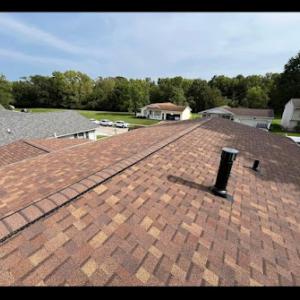
- Most Burlington homes rely on asphalt shingles for affordability and ease of installation. Architectural (laminated) shingles are a smart choice here, offering better wind resistance and a longer life than basic 3-tab options.
- Color direction in Burlington leans toward charcoal, graphite, and warm earth tones that complement brickwork and stone exteriors common in town.
- In our IA climate, pair shingles with a solid underlayment and good attic ventilation to prevent ice dams in winter and heat buildup in summer.
- Maintenance notes: after severe storms, look for curling, missing granules, or lifted corners; replace damaged shingles promptly to protect from leaks.
- Metal is increasingly chosen for contemporary looks, barns, and even some traditional Burlington homes due to durability and hail resistance.
- Longevity is a major plus, with many metal roofs lasting 40–70 years with proper coating and installation. They reflect heat and can reduce cooling costs.
- Considerations: metal roofs can be noisier in rain unless the deck and insulation are upgraded; ensure a high-quality coating suited for Iowa temperature swings.
- Practical tip: select a finish designed for IA sun exposure and ensure snow guards are planned if you have heavy snowfall.
Wood Shakes & Shingles
- Cedar shakes deliver a classic Craftsman or lodge aesthetic that resonates with several Burlington neighborhoods.
- Pros: natural texture, good insulation, and strong curb appeal. Cons: higher maintenance and a greater risk of rot, mildew, and insect damage if not sealed.
- Maintenance plan: stain or seal every 3–5 years, keep vegetation away from the roof edge, and inspect for soft spots after wet seasons.
Clay & Concrete Tile
- Tile is less common here due to weight and cost, but it appears on select homes aiming for a Mediterranean or upscale look.
- Structural impact: requires reinforced rafters or decking; not a DIY-friendly upgrade for most older Burlington homes.
- Climate note: tile performs well in heat but is vulnerable to ice and impact cracks during Iowa winters; plan for professional installation and occasional replacement of broken tiles.
Flat & Low-Slope Roofs
- Some additions and modern designs in Burlington use flat or low-slope roofs with membranes like TPO or EPDM.
- Key challenges: drainage and ponding, especially during melting snow; Iowa freeze-thaw cycles demand careful detailing of flashing and edges.
- Best practice: work with a installer experienced in low-slope systems and in compatible with local weather patterns.
Popular Burlington Rooflines & Home Styles
- Ranch: broad, shallow pitches with wide eaves pair well with architectural shingles or standing-seam metal for a clean, modern look.
- Craftsman/Bungalow: low-to-medium pitches, wide porches, and exposed rafter tails suit multi-dimensional shingles or textured metal.
- Colonial Revival: symmetrical gables and dormers pair nicely with dark, rich architectural shingles to emphasize traditional lines.
- Modern Farmhouse: crisp lines and metal accents; standing-seam metal or dark asphalt blends reinforce the contemporary yet homey feel.
Maintenance & Quick Care
1) Schedule semi-annual inspections and after major storms; 2) Keep gutters clear and inspect for granule loss or panel dents; 3) Check attic ventilation and insulation to prevent moisture buildup; 4) Ensure proper ice-dam protection along eaves in winter; 5) Hire a Burlington-area roofer familiar with Iowa codes and local wind/hail patterns.
Average Roofing Costs in Burlington
What drives Burlington roof prices
- Roof size and shape: The more square footage and the more angles, valleys, dormers, or skylights, the higher the labor and material costs.
- Material choice: Affordable asphalt shingles are cheaper upfront; metal, cedar, or tile raise the price substantially but can offer longer life and different aesthetics.
- Old roof removal: If a full tear-off is needed, expect added labor and disposal fees that can significantly raise the total.
- Underlayment, ventilation, and flashing: Proper ventilation reduces heat and moisture issues, while high-quality flashing and ice/trewise measures add to costs.
- Local labor market: Burlington area crews may have varying availability and travel charges, which can tilt quotes by a few hundred dollars.
- Permits and inspections: Local permit fees and potential inspections add modest, but real, costs to the project.
Typical cost ranges by material (installed) in Burlington, IA
- Asphalt shingles (3-tab): roughly $4.50–$5.50 per sq ft, with most complete tear-off and disposal projects landing in the mid-range when the roof is straightforward.
- Architectural asphalt shingles: about $5.50–$9.00 per sq ft; higher-end profiles and longer warranties push toward the upper end.
- Metal roofing (steel or aluminum): typically $7.00–$12.50 per sq ft; good for longevity and standout style, but heavier upfront.
- Cedar shingles/shakes: around $7.50–$12.00 per sq ft; distinct look and natural durability, but costlier and sometimes require maintenance.
- Clay or concrete tile: $10.00–$20.00+ per sq ft; very durable and heavy, often used on modern or upscale homes, with higher structural requirements.
- Tear-off and disposal: many projects add $1.50–$4.00 per sq ft for removing and disposing of old roofing, depending on material and local dump charges.
- Underlayment and ventilation: an additional $0.50–$2.00 per sq ft for upgraded or specialized underlayments and attic ventilation components.
Local considerations that affect price in Burlington
- Climate realities: Burlington's winter freezes and snow loads require stronger underlayment, ice/water shield at eaves and valleys, and adequate attic ventilation, which can raise material and labor costs.
- Roof pitch and accessibility: Steeper or hard-to-reach roofs demand more safety gear, more labor time, and sometimes additional equipment, increasing bids.
- Neighborhood styles: Historic districts or covenants may prefer specific materials or colors, limiting options and affecting price.
- Architectural variety: Many Burlington homes feature a mix of low- and steep-slope sections, dormers, and multiple ridgelines, which can add complexity and cost.
- Local debris and disposal: Proximity to transfer stations and local waste handling rates can influence the tear-off portion of the job.
- Seasonal scheduling: Winter projects or days with heavy snowfall may limit window of operation, potentially increasing the project length and total cost due to labor availability.
How to estimate your Burlington roof project (5 simple steps)
1. Measure or confirm roof size in squares (one square = 100 sq ft). If you're unsure, ask a local contractor to provide a formal measurement.
2. Choose a material type and style that fits your home's look and local climate needs.
3. Decide on tear-off vs. overlay (overlay can save removal costs but isn't suitable for all roofs).
4. Add in underlayment, flashing, and ventilation needs based on your attic and soffit/ventilation situation.
5. Check local permit costs and any neighborhood covenants that might affect material choices or colors.
Quick, size-based rough snapshots (installed, Burlington):
- 1,000 sq ft roof (10 squares): Asphalt $4,500–$6,500; Architectural asphalt $6,000–$9,000; Metal $7,000–$12,500.
- 1,500 sq ft roof (15 squares): Asphalt $6,750–$9,000; Architectural asphalt $9,000–$13,500; Metal $10,500–$18,000.
- 2,000 sq ft roof (20 squares): Asphalt $9,000–$12,500; Architectural asphalt $12,000–$18,000; Metal $14,000–$25,000.
- Tile options: Expect $12,000–$24,000+ for 1,500–2,000 sq ft, depending on layout and structural needs.
Practical notes for Burlington homeowners
- In many Burlington homes, a well-chosen architectural shingle can approximate the look of higher-end products without the full premium, offering a balance of curb appeal and cost.
- If you're in a historic area or on a tight budget, discuss color and profile flexibility with contractors early to avoid costly changes later.
- Plan for a small contingency (5–15%) to cover unexpected findings once the old roof is opened up or if additional attic work is discovered during installation.
Permits & Local Regulations
Do I need a permit to roof in Burlington?
In Burlington, most roof replacements that involve removing shingles, replacing decking, or making structural changes require a building permit. If you're simply resealing or resurfacing without altering the roof structure or ventilation, a permit may not be required, but rules can vary by project scope and neighborhood. Always verify with the City of Burlington's Building Department before starting any work. Even cosmetic projects can trip permit or inspection expectations if they touch attic access, ventilation, or energy compliance.
Where to apply for permits
- City of Burlington Building Department handles permits for work within city limits.
- For projects near city boundaries or in surrounding Des Moines County areas, verify whether county-level permitting or a combined process applies.
- Check the Burlington official website under the Permits or Building Department section, or call the department directly to confirm the correct jurisdiction and the latest requirements.
What you'll need to apply (documentation)
- Project description: scope of work, square footage, number of layers to be removed, and any structural changes.
- Property information: exact address and parcel ID.
- Contractor details: licensed roofing contractor information, Iowa contractor license number, and proof of insurance.
- Construction plans or sketches: a simple diagram showing roof layout, venting plans, and any changes to decking or attic access.
- Energy/ventilation notes: current and proposed attic ventilation, insulation, and any related modifications.
- If you're a homeowner pulling the permit: an owner-occupant affidavit and any jurisdiction-specific forms the city requires.
The application process, in steps
1. Confirm permit necessity with the Burlington Building Department.
2. Gather all required documents and drawings.
3. Submit the permit application (online or in person, as offered by the city).
4. Pay applicable fees (permit, plan review if required, and any inspection fees).
5. Receive permit approval and posted job notice if required.
6. Start work and schedule required inspections in the approved order.
Inspections you'll encounter
- Rough/framing or structural inspection: if decking, structural supports, or rafter work is involved.
- Underlayment and ventilation inspection: ensures proper installation of underlayment, flashing, and attic ventilation.
- Final inspection: confirms work is complete and matches approved plans, with all systems functioning and up to code.
- Some projects may require additional inspections for energy efficiency or historic district conditions if applicable.
Fees, timelines, and code basics
- Permit fees vary by project scope and city schedule; expect base permit fees plus any plan review or inspection charges.
- Inspection turnaround times depend on the department's schedule and the complexity of the project.
- Roofing work in Burlington is typically reviewed for code compliance under the relevant adopted residential construction code, energy efficiency standards, and local amendments. Expect compliance checks related to structural integrity, ventilation, and weatherproofing.
Special cases to keep in mind
- HOA or historic district considerations: if your home is in a designated historic district or within an HOA, additional approvals or stricter guidelines may apply. Check with the HOA board or historic preservation guidelines before applying for a permit.
- Contractor pulls: many permits require the licensed contractor to pull the permit and schedule inspections. If you're the property owner pulling the permit, ensure you meet any owner-occupied or apprenticeship requirements the city may specify.
- Timely inspections: delays in obtaining inspections can halt or delay project completion. Plan ahead for inspection windows and ensure access for inspectors.
Helpful reminders
- Do not start roof work before you secure the permit; it can lead to fines, stop-work orders, or the need to reopen work for code compliance.
- Keep all permit documents, inspection reports, and final approvals in a central place on site for easy reference.
Common Roofing Problems in Burlington & Solutions
Hail and Wind Damage
- Signs: dented or missing shingles, bruised granules, curling edges; bent flashing; dented gutters.
- Causes: Burlington's spring and summer storms bring hail and strong winds that can puncture or peel protective layers.
- Solutions:
1) Photograph damage after storms for insurance claims and keep records.
2) Have a licensed roofer perform a thorough inspection, focusing on shingles, flashing, and gutters.
3) Patch small leaks, replace damaged shingles, reseal flashing; ensure gutters are secure to prevent further damage.
Ice Dams and Icicles in Winter
- Signs: long icicles along eaves, damp spots on ceilings, stains on interior walls near roofs.
- Causes: warm attic air melts snow at the roof edge while upper sections stay cold, causing refreezing at the eaves.
- Solutions:
1) Improve attic insulation and seal air leaks to keep heat where it belongs.
2) Install or repair an ice-and-water shield along eaves and vulnerable valleys.
3) Ensure proper soffit and ridge venting for consistent airflow; consider heat cables only with a professional plan.
Poor Attic Ventilation & Condensation
- Signs: musty attic smell, condensation on ducts, higher cooling bills.
- Causes: blocked or insufficient vents, inadequate insulation, overly airtight construction.
- Solutions:
1) Add or enlarge soffit and ridge vents to balance intake and exhaust.
2) Seal attic air leaks with appropriate weather-stripping and caulk.
3) Increase insulation to reduce heat transfer into the roof deck.
Moss, Algae & Roof Dirt
- Signs: dark streaks, patches of moss, slowed drainage.
- Causes: shaded, damp conditions and aging shingles foster growth.
- Solutions:
1) Use safe roof-cleaning methods or algaecide designed for roofing.
2) Trim trees or branches to reduce shade and moisture retention.
3) Consider zinc or copper strips; replace severely damaged shingles and apply protective coatings if suitable.
Gutter & Downspout Problems
- Signs: overflowing gutters, fascia rot, soggy soil around the foundation.
- Causes: clogged or misaligned gutters, improper slope, downspouts discharging near the home.
- Solutions:
1) Clean gutters and downspouts at least twice a year; fix sagging sections.
2) Re-slot or add hangers to maintain proper slope.
3) Direct downspouts at least 5–6 feet away from the foundation; install guards to reduce debris buildup.
Flashing Failures at Chimneys, Vents & Valleys
- Signs: leaks near chimneys, ceiling staining, loose shingles around joints.
- Causes: aging, weather exposure, and often poor initial installation.
- Solutions:
1) Have flashing re-sealed or replaced by a professional; ensure proper counter-flashing with the chimney.
2) Replace damaged shingles in the area to protect underlayment.
3) Inspect surrounding valleys and repair any gaps or voids.
Shingle Wear & Aging
- Signs: curling, granule loss, brittle or cracked shingles.
- Causes: UV exposure, hail impact, wind uplift, and natural aging.
- Solutions:
1) Schedule replacement or targeted patching for wear areas.
2) Consider impact-resistant shingles suitable for Burlington's climate.
3) Ensure proper underlayment and adequate attic ventilation to extend roof life.
Maintenance & Repair Tips for Burlington
Seasonal Roof Checklists
Burlington's climate brings cold snaps, wet springs, and hot summers—all of which test a roof. Regular, seasonally timed checks catch small problems before they become big expenses.
- Spring maintenance
- Inspect after winter for damaged or missing shingles, ice-dam-related damage, and loose flashing.
- Clean gutters and downspouts; remove leaves and debris that can trap moisture.
- Check attic insulation and look for signs of moisture or drafts.
- Fall maintenance
- Clear leaves from the roof and valleys; ensure downspouts drain away from the foundation.
- Examine flashing around chimneys, vents, and skylights; reseal if needed.
- Tighten loose fasteners and verify proper shingle alignment to prepare for winter winds.
Common Burlington-Specific Issues and Fixes
Hail, wind, and snow are common in this area. Proactive fixes save headaches later.
- Ice dams and winter moisture
- Maintain adequate attic insulation and remove heat from living spaces that rise into the attic.
- Consider an ice-and-water shield along the eaves if you have a history of ice dams.
- If dams form, carefully remove with a roof rake from the ground or use calcium chloride in a sock-gasket method—never melt ice with a torch.
- Wind-driven damage
- Look for lifted, cracked, or missing shingles after storms; re-nail loose tabs and replace damaged shingles.
- Check and reseal ridge vents and any exposed edge flashing.
- Moss, algae, and roof longevity
- Shade and moisture foster growth on shaded Burlington roofs. Clean with a soft brush and a mild solution; prevent recurrence with zinc or copper strips at the roof ridge or routine cleaning.
- Gutter and drainage issues
- Clogged gutters can back up water onto the roof. Keep gutters clear and ensure proper slope to direct water away from the fascia.
Gutter and Downspout Care
Clean, inspect, and maintain drainage to protect the roof edge and foundation.
- Clean gutters at least twice a year; more after heavy leaf fall.
- Confirm downspouts extend 3–4 feet from the foundation; add extenders if needed.
- Install gutter guards to reduce debris buildup, and check for leaks at seams.
- Look for warped or detached fascia boards where water has pooled.
Ventilation, Insulation, and Roof Breathability
A well-ventilated attic reduces heat buildup and moisture. Poor ventilation accelerates shingle aging and can cause ice dams.
- Check attic vents (soffit, ridge, or gable) for blockages.
- Ensure insulation is sufficient (target a high R-value for your attic; add insulation if you feel drafts or see attic moisture).
- Seal air leaks around duct work, pipes, and electrical penetrations to minimize warm-air leaks into the attic.
Shingle and Flashing Repair Steps
For minor repairs you can handle safely, otherwise call a pro. Here's a practical DIY workflow.
1. Identify damaged area: missing, cracked, or curled shingle; damaged flashing around a vent or the chimney.
2. Remove surrounding shingles: gently lift neighboring tabs with a flat pry bar to expose nails.
3. Remove old nails and carefully lift the damaged shingle out.
4. Install a new shingle: slide it into place, align tabs with neighboring shingles, and fasten with two nails just below the actual tab.
5. Seal and finish: apply roofing cement under the tab and along the nail heads; reseal flashing with appropriate sealant if needed.
6. Clean up: remove debris, test for proper water flow in gutters, and monitor the repaired area after the next rainfall.
When to Hire a Pro in Burlington
Know your limits, especially on steep or multi-story roofs.
- Large or structural damage, extensive flashing replacement, or multiple missing shingles.
- Complex repairs near chimneys, skylights, or high-pitched sections.
- After severe storms with potential structural impact or if you're uncomfortable with height and safety requirements.
Quick Inspection Checklist (5-Minute Homeowner Check)
- Look for curled, missing, or cracked shingles.
- Inspect flashing around chimneys, vents, and skylights for gaps or corrosion.
- Clear gutters and ensure downspouts drain away from the house.
- Check attic for moisture staining, musty odors, or daylight through rafters.
- Examine fascia boards for warping or water damage.
When to Repair vs. Replace
Local climate in Burlington, IA and what it means for decisions
Burlington experiences cold winters, spring hail, and hot, humid summers. Those conditions mean roofs are subjected to freeze-thaw cycles, wind, and occasional hail impacts that can accelerate wear. If you've seen repeated leaks after storms or you're dealing with widespread granule loss after a hail event, it's smart to weigh replacement more seriously—even if the roof isn't at the end of its nominal life. In short: Burlington's weather pushes a cautious eye toward replacement when damage is widespread or the deck is showing its age.
When to repair
- The damage is isolated to a small area: one or two shingles, a narrow flashing seam, or a small leak around a vent boot.
- Flashing, boot seals, or caulking show wear, but the decking is sound.
- You're dealing with minor curling, missing granules, or slight seepage that doesn't worsen with time.
- The roof is relatively young and still has many years left in its life expectancy.
- There are no signs of structural decking rot, sagging, or widespread moisture intrusion.
- You want to buy time until a planned replacement window, or you're aiming to avoid disruption in the near term.
When to replace
- Damage covers a large portion of the roof or multiple areas show leaks with active water intrusion.
- The roof is past the typical life span for its material (asphalt shingles commonly approach 20–25 years; metal, 40–70 years depending on the product; wood shakes often require earlier replacement after significant weather damage).
- There is visible decking damage, sagging, or signs of structural weakness (bouncy or soft spots in the attic floor or ceiling stains that keep returning).
- Repeated repairs are required within a short period, or patches fail to stop leaks.
- Severe hail damage has compromised the shingles, underlayment, and possibly the flashings or deck.
- You're upgrading for energy efficiency, better weather resistance, or to install a longer-warranty system that aligns with your future plans for the home.
Quick decision framework (five steps)
1. Safety check: address active leaks and note any electrical or ceiling risks.
2. Assess extent: map out visible damage and estimate the area affected.
3. Check age: compare current roof age to its expected life span for your material.
4. Get professional opinions: obtain two written assessments focusing on decking condition and roof structure.
5. Compare costs and benefits: weigh patch repair costs against full replacement, including warranties, potential energy savings, and future repair frequency.
Material considerations in Burlington
- Asphalt shingles: most common here; if 20+ years old and showing widespread curling or granule loss, replacement is often more economical than frequent patching.
- Metal roofs: very durable; if multiple panels are damaged or sealants fail, replacement can be more cost-effective long term than chasing leaks.
- Wood shakes/shingles: prone to weather-related wear and rot; extensive damage or widespread splitting usually means replacement, not piecemeal repairs.
- Flat/low-slope roofs: leaks can cascade; if flashing or membrane integrity is compromised across the area, replacement is typically prudent.
Cost and life-cycle considerations
- Small repairs: typically a few hundred dollars up to a thousand, depending on material and access.
- Full replacement: cost varies by material, roof size, and complexity; Burlington projects often reflect regional labor rates and material choices, with the decision driven by long-term reliability and warranty benefits.
- Warranties: replacements often come with longer warranties on labor and materials, which matters when storms are frequent and winters are severe.
Quick signs to call a pro in Burlington
- Persistent leaks after storms, ice dam buildup, or signs of water intrusion on multiple ceilings.
- Soft or sagging decking, widespread curling shingles, or heavy granule loss.
- Visible structural concerns (warped rafters, significant attic moisture, or mold growth).
Decision helper
If more than a third of the visible roof area shows damage or the roof is beyond its expected life for its material, replacement becomes the more economical and reliable option in Burlington's climate.
When to Hire a Professional
Signs you need a pro
- Active leaks or dripping from the ceiling after rain or a storm.
- Shingles that are curling, cracking, missing, or severely granulated after a storm.
- Granules accumulating in gutters, downspouts, or around foundation footing.
- Visible sagging sections, daylight visible from the attic, or signs of structural movement.
- Ice dams or significant ice buildup along eaves during winter.
- Roof age near or beyond typical lifespans for the material (e.g., asphalt shingles around 15–20 years; metal roofs can go longer) with notable wear.
- You're planning a roof replacement but lack the safety gear, equipment, or experience to do it yourself.
- You're seeing a large, ongoing leak that's soaking insulation or drywall.
- There's noticeable structural damage (creaking, cracking, or sagging deck) after a severe windstorm or hailstorm.
- There's potential fire or electrical hazard near the roof area (sparks or arcing sounds; call the utility if you suspect a hazard and evacuate as needed).
Burlington-specific considerations
- Weather patterns in Burlington, IA bring spring hail and gusty winds; if your home was hit by a recent storm, a professional can assess hail damage, which may affect shingles, gutters, and flashing.
- Most reroof projects in Burlington require a building permit from the City of Burlington; your contractor should pull the permit and schedule inspections.
- Winter in Burlington can cause ice damming and freeze–thaw damage; plan roof evaluations for milder periods to avoid delays.
- Be wary of storm-chasing contractors who pop up after big storms; verify a local presence, references, and a fixed address before signing anything.
- An experienced Burlington contractor can help with insurance claims by documenting pre– and post-storm damage, providing a detailed scope, and coordinating with adjusters.
- Choose materials and installation methods suited to Iowa winds and temperature swings (look for wind-rated shingles, proper underlayment, and well-sealed flashing).
How to evaluate a roofing contractor
- Verify credentials and insurance
- Ask for a current certificate of liability and workers' compensation insurance; confirm the policy is active and that the coverage extends to all workers.
- In Iowa, there isn't a universal state license for roofers, but many cities require contractor business registrations; confirm the company is properly registered with the City of Burlington or Des Moines County if applicable.
- Check local reputation
- Request at least three references in Burlington or nearby Des Moines County projects; call or visit to inspect previous work.
- Look up online reviews (Google, BBB, local forums) and note how the contractor responds to past complaints.
- Review credentials and warranties
- Ask about manufacturer certifications (e.g., GAF Master Elite, Owens Corning Preferred) and the exact warranties offered (material vs. workmanship; transferability; duration).
- Ensure a written labor warranty is included, with specifics on what is covered and for how long.
- Get detailed, written bids
- Provide the same scope to all bidders: materials, underlayment, flashing, vents, attic work, cleanup, disposal, and timeline.
- Break out costs for labor, materials, permits, and disposal; beware of vague estimates.
- Confirm permits and inspections
- The contractor should pull the necessary Burlington permits and arrange final inspections; obtain the permit number and inspection schedule in writing.
- Assess project logistics and safety
- Ask about site protection, debris containment, dumpster/haul-away plans, and daily cleanup.
- Confirm how weather delays are handled and how changes to the scope are managed (change orders).
- Review payment terms
- Avoid paying in full upfront; typical deposits range from 10–25%, with milestone payments tied to completed work and inspections.
- Get lien waivers for payments to protect you if the contractor fails to complete the job.
- Final check: documentation
- Ensure the contract includes defined start and end dates, a precise material list (brand, color, model), and a clear process for handling defects or warranty work.
- Request before-and-after photos or a written summary of the work completed for your records.
Quick 4-step decision guide
1) Do you feel comfortable with the contractor's local presence, references, and insurance?
2) Do they provide three detailed, written bids and a transparent warranty plan?
3) Are permits, inspections, and cleanup clearly addressed in the contract?
4) Is the price fair for the scope and materials, with a sensible payment schedule?
Putting A Lid On It: Roof Maintenance, Repair, and Replacement in Burlington
Burlington's climate brings cold winters with freezing and thawing cycles, humid summers, and the occasional hard spring storm. A well-maintained roof is your first line of defense against water intrusion, ice dams, and energy loss. Regular care helps you catch small issues before they become big, costly repairs and keeps your home comfortable and safe.
In this river-town environment, keeping gutters, flashing, and attic ventilation in good shape is especially important. A careful eye on the basics—debris removal, shingle condition, and proper moisture control—pays off year after year. With a proactive approach, you protect your investment, preserve curb appeal, and support the whole Burlington neighborhood by reducing the chance of leaks and damages.
Seasonal maintenance checklist
- Spring: Inspect shingles for damage, lifting, or curling; clear debris from gutters and downspouts; check flashing around chimneys, vents, and skylights; look for moss or algae and address promptly.
- Summer: After storms, inspect for missing granules or damaged edges; trim branches that drape over the roof; keep gutters clean and free-flowing.
- Fall: Clean and secure gutters, verify attic insulation is adequate, ensure proper roof ventilation, and look for signs of animal intrusion or moisture intrusion in the attic.
- Winter: Avoid walking on a slick roof; safely remove heavy snow if necessary; watch for ice dams along eaves and address with proper insulation and ventilation.
Common repair signs to watch for
- Missing, cracked, or curling shingles
- Exposed or damaged flashing around vents, chimneys, or dormers
- Sagging gutters or loose fasteners
- Moss, algae, or persistent staining
- Condensation or moisture in the attic
Replacement considerations
- Age and material: Asphalt shingles often reach 20–25 years; metal and other materials can last longer with proper care.
- Underlayment and protection: Modern roofs benefit from an upgraded underlayment and a robust ice-and-water shield in vulnerable areas.
- Ventilation and insulation: Adequate attic ventilation and insulation reduce heat buildup, ice dams, and energy costs.
- Local conditions: In Burlington, plan for freeze-thaw cycles and occasional severe weather when selecting materials and installation details.
When to call a pro
- You notice active leaks inside the home or large, ongoing water intrusion
- Significant roof sagging, widespread shingle failure, or damaged flashing
- After severe storms or hail, or if you're unsure about the safety of a roof inspection
A well-loved home starts with a roof you can trust. By staying on top of maintenance, making thoughtful replacements when needed, and consulting licensed professionals for bigger jobs, you help Burlington homes stand strong for years to come. Here's to a durable, beautiful roof that continues to shelter our community and keep every family feeling secure and proud.