
Last updated: Apr 19, 2026
In this part of the Quad Cities storm corridor, hail and straight-line wind events are a regular reality that drives repeated roof claim activity. Those forces don't just ding shingles; they stress underlayment, flashing, and attic ventilation in ways that cascade into interior damage if left unchecked. A hail storm can leave behind patterns that are invisible from the ground yet scream for a thorough inspection. Davenport sits in the thick of this pattern, where storms arrive quickly, intensify, and demand fast, informed responses from homeowners and contractors alike. If you're watching the forecast and noticing hail or gusty winds, plan for a rapid assessment window so small issues don't balloon into costly replacements or hidden leaks.
Local insurers and adjusters in this market routinely ask for photo sets, material type, and a roof summary after storms because claim volume is high. That means you should document more than just the surface damage. Take clear photos of shingles, vents, valleys, and any signs of soft decking or sagging areas. Note the roof type you have-asphalt, metal, tile, or composite-and its approximate age. Include a simple attic overview: signs of moisture, dark spots on sheathing, or damp insulation. When you file, provide a concise roof summary that highlights observed hail impact patterns, wind-related lifting, and any pre-existing vulnerabilities. If you've already had temporary repairs, keep the receipts and photos until a permanent solution is in place. You want the adjuster to see a complete, honest picture quickly to avoid back-and-forth delays.
Spring storm seasons in Davenport often create sudden contractor demand spikes that affect inspection timing, temporary repairs, and replacement scheduling. If a storm rolls through and damage is confirmed, there's a strong chance the market will tilt toward near-term rushing of inspections and bids. That can mean you're juggling multiple contractors, long wait times for inspections, and compressed timelines to approve work. The key is to push for a documented timeline from your insurer and to align your contractor's schedule with an approved scope as soon as possible. Don't wait for a perfect, flawless day to start; storms don't wait, and the clock on roof integrity is ticking. Prioritize a professional assessment within days of a major event, and aim for a plan that preserves ventilation integrity, flashing security, and underlayment condition alongside shingle or panel replacement.
First, secure a reliable storm response plan that includes rapid inspection, clear photo documentation, and a defined scope of work that preserves attic ventilation and proper nailing patterns. Second, choose a contractor with backing for Davenport's climate realities: proven experience with hail damage, wind-driven lift, and the local reroof sequence that expects careful attention to underlayment, attic ventilation, and flashing details. Third, prepare a simple "roof health card" you can share with the adjuster and contractor. This card should summarize observed hail impact zones, any creased or cracked shingles, ventilation symptoms, and attic moisture indicators. Finally, maintain open lines of communication with your insurer: confirm receipt of photos, the requested material type, and the roof summary, and push for a realistic inspection schedule that minimizes prolonged exposure and risk to interior spaces.
If multiple storms accumulate damage on a single roof, or if the roof shows persistent leakage, signaling a pattern of compromise through several seasons, a proactive replacement plan becomes essential. Insurers often respond best when the plan demonstrates a controlled, well-documented approach to restore the roof's protective function, uphold ventilation standards, and restore the attic's dry condition. A proactive plan isn't about rush; it's about preventing interior damage, avoiding recurrent claims, and ensuring the new roof installed meets the local standards for nailing, underlayment, and ventilation. In the Quad Cities storm corridor, that disciplined approach can save you time, stress, and long-term risk.
Hugaert Roofing
(563) 210-4351 hugaertroofing.com
1818 Rockingham Rd, Davenport, Iowa
5.0 from 150 reviews
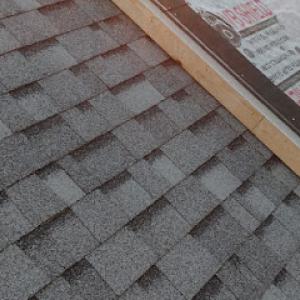
Everything from complete roof replacement to replacing one shingle. If you need anything taken care of on the exterior of your house, siding as well, call us today! If your home was damaged for any reason be sure to call us, we work great with insurance as well. Very professional and knowledgeable. We work hard to make sure the customer is always satisfied. Local and family owned!
Sieren Roofing Services
(563) 549-0279 www.sierenroofing.com
4916 N Pine St, Davenport, Iowa
5.0 from 163 reviews
At Sieren Roofing Services we understand that your roofing system is crucial — it not only adds to the visual appeal of your property but also provides essential protection. Timely roof maintenance can distinguish between a safe, efficient home or one that needs unexpected, expensive repairs. Choosing the right roofing contractor can make the process as stress-free and simple as possible. At Sieren Roofing Services, we have worked hard to become a trusted name in roofing solutions in Davenport, IA./Quad Cities. Providing everything from new roof replacements, repairs, and gutters, we are a leading choice for your roofing system needs.
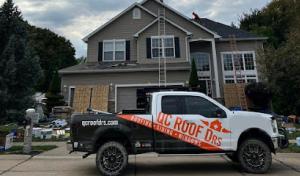
Roof Drs
1313 N Harrison St, Davenport, Iowa
4.9 from 539 reviews
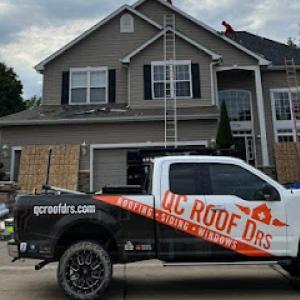
🏠The only doctors still making house calls! Roof Drs, located at 1313 N. Harrison St., Davenport, IA, is your go-to roofing contractor for top-quality roofing services. With nearly 60 years of combined experience, we serve the Quad Cities and surrounding areas, specializing in residential and commercial roofing solutions. As GAF Preferred Contractors and CertainTeed Select Shingle Masters, we offer expert roof repair, roof replacement, roof installation, and storm damage repair. Our team is committed to meticulous craftsmanship, reliability, and providing the best warranties. Contact Roof Drs for dependable roof inspections and a full range of siding, window, and gutter services to enhance your property's integrity.
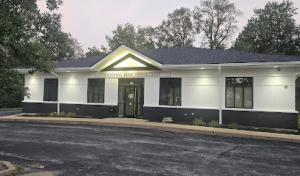
Centennial Home Improvement
(563) 888-5501 www.centennialhic.com
709 E 46th St, Davenport, Iowa
4.9 from 262 reviews
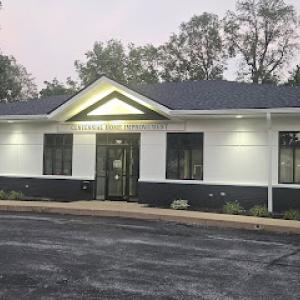
Centennial Home Improvement, LLC, has a single mission, complete customer satisfaction! We strongly believe in giving our customers the most for their money. We work with only the highest quality materials when comes to roofing, siding, windows, doors, and gutters, as well as experienced and professional craftsmen. We have consistently focused on the needs of our customers, providing personalized attention, and a stress-free experience. We would love to offer you a free inspection and estimate for your Roofing, Siding, Window, Gutters and Gutter Protection needs. Call us today! Quad City Area: 563-888-5501, Iowa City Area: 319-202-5805
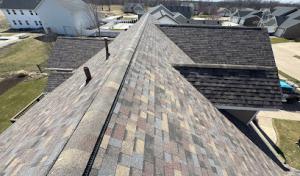
Evenhouse Roofing
(563) 346-0946 evenhouseroofing.com
4711 N Brady St Unit 6s, Davenport, Iowa
5.0 from 126 reviews
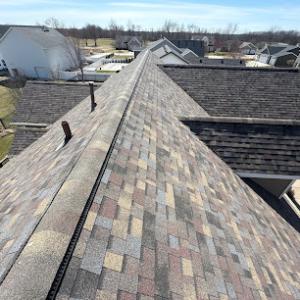
Evenhouse Roofing is a locally owned and operated roofing company in Davenport and the Quad Cities. We take great pride in our work and operate our company with honesty and integrity. Our services include repairs and installation on many types of roofing, siding, fascia, soffit, and gutters. We also provide storm damage roofing repair and replacement. Estimates are free and as thorough as possible to minimize or eliminate any extra cost. We offer both manufacturer's and workmanship warranties on all of our installs. We truly care about our customer's satisfaction and separate ourselves from others in the industry with our process from tear off to clean up. Call Evenhouse Roofing when you need siding or roofing service in Davenport, IA.
Burrage Roofing- Quad Cities
(563) 549-9544 burrageroofing.com
100 E Kimberly Rd Suite 702, Davenport, Iowa
4.9 from 287 reviews
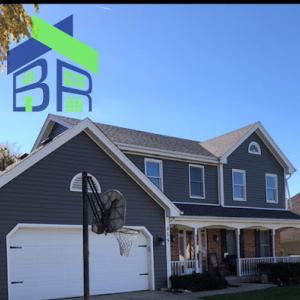
Burrage Roofing is your trusted local roofing company in Davenport, IA, specializing in residential and commercial roofing services. With years of experience, we pride ourselves on delivering exceptional craftsmanship, whether it’s a roof repair, replacement, or new installation. Our team is committed to quality, using premium materials to ensure lasting durability and protection for your property. At Burrage Roofing, customer satisfaction is our priority—expect honest communication, timely service, and results that exceed expectations. Contact us today for reliable roofing solutions tailored to your needs!
Jansen Roofing & Repair
(563) 273-2106 www.jansenroofing.com
21220 N Brady St, Davenport, Iowa
4.9 from 125 reviews
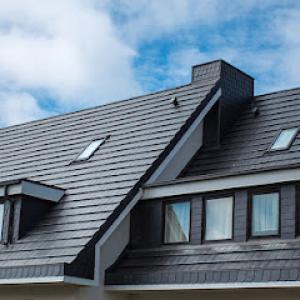
Jansen Roofing provides roofing, siding, and window services to the Quad Cities area.
Veteran's Choice Contracting
(563) 424-1005 www.veteranschoicecontracting.com
2324 Hickory Grove Rd, Davenport, Iowa
4.8 from 126 reviews
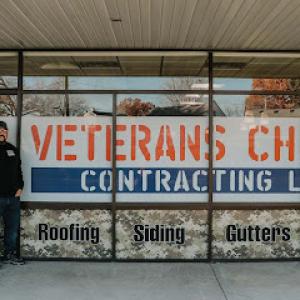
Nestled in the heart of the Quad City region, we take immense pride in offering an expansive range of construction services for the Quad Cities, Dubuque, and Iowa City . Specializing in roofing, siding, decks, gutters and windows. Our veteran-owned enterprise stands on the pillars of trust, quality, and unwavering dedication. Shaine Mier leads our skilled team with a commitment to excellence. Each member of our staff is meticulously trained to deliver top-notch projects that embody our high standards, from the initial concept to the final touch. Choose Veteran's Choice Contracting for your construction needs, and experience the peace of mind that comes from partnering with a company that values quality, trust, and expertise above all else.

AmeriPro Roofing
(563) 214-0280 www.ameriproroofing.com
5233 Grand Ave unit c, Davenport, Iowa
4.7 from 280 reviews
At AmeriPro Roofing, we help you cover what matters most -- your family. As an Owens Corning Platinum Preferred Contractor specializing in storm repair & restoration, we're the experts in your backyard with standards through the roof.
R3 Roofing & Exteriors
112 W 3rd St, Davenport, Iowa
4.7 from 215 reviews
When it comes to your house, don’t mess with the rest, trust the best. We Can Fix It! At R3 Roofing and Exteriors, we believe in the long-term quality and comfort of our client’s homes. That means not cutting corners in the name of making things “easier”. In that sense, you can say that we subscribe to more “traditional values”, and care about detail and care above all else. When you call, we will prepare to serve you as soon as possible. We will also be sure to arrive with everything you need for your unique situation.
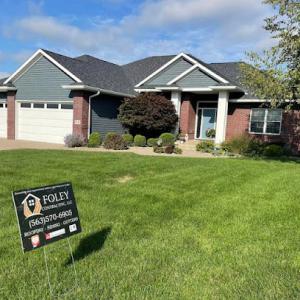
Foley Contracting
(563) 570-6905 www.foleycontracting.com
6730 Double Eagle Dr, Davenport, Iowa
4.6 from 149 reviews
Owens Corning Roofing Platinum Contractor. Been in business for over 20 years doing roofing, siding, gutters, windows and doors.
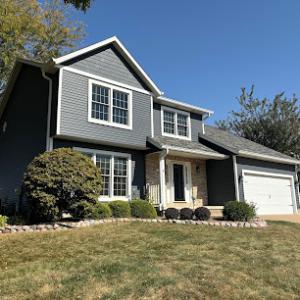
Peterson Roofing & Home Improvement
(563) 386-8613 www.petersonroofing.com
15 Quinn Ct, Davenport, Iowa
4.7 from 47 reviews
Peterson Roofing and Home Improvement has proudly served the Quad City area for over 40 years. As your local experts in roofing and siding, we provide top-notch repair services and free estimates. Trust us to keep your home protected and looking great!
Asphalt shingles are the practical entry point for most homes in this area, given the mix of cold winters and humid summers. The combination of freeze-thaw cycles and high humidity tests shingle edges and seals, but a quality asphalt system with proper underlayment and attic ventilation holds up well in Davenport's fluctuating climate. When evaluating a replacement, consider a mid-range shingle with good granule return and uplift resistance, installed over a solid synthetic underlayment. This setup manages moisture ingress during rapid temperature swings and helps limit wind-driven blow-off along exposed ridges.
Clay tile, concrete tile, and slate bring durability in warm months but can crack or spall when freeze-thaw cycling intensifies in late fall and winter. In older sections with limited attic space or ventilation, these coverings are more prone to stress cracks that widen during cold snaps. If choosing these materials, ensure a meticulous installation that includes proper underlayment, solid substrate, and careful cold-weather setting of fasteners. Pay particular attention to edge detailing around eaves and hips, as well as around any dormers or roof penetrations, where movement is greatest and breakage is more likely after a hard freeze.
Metal roofing serves as a practical upgrade for homeowners prioritizing hail resistance and quicker snow shedding. When installed in Davenport, metal panels perform well under freeze-thaw conditions, but the detailing matters a lot on older homes. Chimneys, valleys, vent pipes, and other penetrations can become leak points if laps and flashings are not properly integrated with the existing roof deck. In homes with multiple roof pitches or complex skylines, choose a seam configuration that minimizes loose fasteners and ensures robust sealant transitions around joints. A quality seal around chimney bases and vent stacks is essential to prevent water penetration during freezing rain events.
In this climate, attic ventilation is a critical factor for all material choices. Poor ventilation traps heat in summer and accelerates ice dam formation in winter, stressing shingles and tiles unevenly. A continuous soffit-to-vent stack strategy helps maintain a stable roof temperature and reduces condensation that can lead to wood rot in the roof deck. For tile roofs, ensure deck rigidity to resist warping under freeze-thaw pressure, and verify the underlayment remains intact beneath the tile in vulnerable eaves and valleys. For metal, confirm that flashing integrates with the deck and any existing guttering to prevent ice buildup along edges. The right ventilation plan keeps materials performing as intended through Davenport's signature seasonal swings.
In Davenport, a full reroof typically triggers a building permit rather than treating the job as maintenance. The switch from maintenance to permit-requiring work hinges on whether the replacement covers the entire roof surface and involves structural or system changes. Because the city closely checks nailing, underlayment, and attic ventilation, getting the permit process right from the start helps prevent delays after the crew is on the roof. The contractor is usually the party responsible for obtaining the permit and coordinating the necessary inspections, so you should expect to sign off on the permit application and be available for any follow-up questions from the city.
First, the contractor submits the permit application with project details, including the scope of work, materials, and a rough timeline. After submission, the city may request plan notes or a brief framing diagram if any structural elements are addressed. Once the permit is issued, the work can begin under the city's inspection schedule. The process can take a few days to a couple of weeks, depending on how busy the building department is and whether any corrections are requested.
Davenport's inspections emphasize specific installation practices that affect performance during severe weather. During the initial inspection, the city checks the roof deck to ensure it is sound and that underlayment installation follows the approved pattern. Proper nailing is a focal point: the inspector looks for nails driven to the correct depth and in the correct locations to ensure fastener pull-out resistance, especially on wind-prone days. If a metal or tile system is installed, the fastener schedule receives close scrutiny to confirm it aligns with manufacturer and local code requirements.
In many projects, there is a mid-project inspection to verify ventilation strategies are in place and functioning as intended. Attic vents, soffit intake, and turbine or ridge vent installations are evaluated for proper placement and spacing to prevent moisture buildup and heat during hot Davenport summers. If underlayment is installed, inspectors confirm it is continuous and properly integrated around roof penetrations and valleys. The final completion inspection occurs after all roofing elements are installed, flashing details are secured, and any penetrations (chimneys, vents, skylights) show proper waterproofing.
You should expect the contractor to coordinate scheduling for each inspection stage and prepare any required documentation or notes for the inspector. Ask for copies of inspection checklists and keep them with the project records. If a correction item is noted, the contractor should address it promptly and request re-inspection for the specific item. Clear communication helps prevent delays in the overall project timeline and ensures that the reroof meets the city's standards for wind and hail performance.
Since permit review and inspection cycles can influence project timing, align your expectations with weather windows and the contractor's schedule. In peak storm seasons, plan for possible expedited inspections if the city offers that option and the project requirements are straightforward. Maintaining a clean, accessible roof and attic space during the permit phase supports smoother inspections and reduces the chance of weather-related setbacks.
Because the Quad Cities is a high-claim hail and wind market, Davenport homeowners should expect closer review of whether damage is storm-related or pre-existing wear. Insurance adjusters often scrutinize the origin of roofing issues when multiple events band together over a season. If a claim hinges on hail impact, the inspector will look for distinct denting, bruising, or granule loss that matches a hail event, rather than generic aging. Document any signs that appear immediately after a storm, and be prepared to explain how prior wear could or could not explain current damage.
Material specifications matter locally during claims because adjusters may distinguish between asphalt, metal, tile, composite, and slate when evaluating repairability and scope. Each roof type responds differently to hail and high winds, and some overlays or repairs are not as straightforward as they seem. Have manufacturer and installation details ready, including shingle or panel type, underlayment, and any recent upgrades. Incorrect assumptions about what's repairable can shift the claim toward a full replacement or a more limited repair, affecting timelines and outcomes.
Prompt photo documentation after a Davenport storm is especially important because repeated regional events can blur the timeline of when damage occurred. Take wide and close-up photos from multiple angles, capturing roof surfaces, gutters, vents, and any interior signs of leakage. Note the date, weather conditions, and the locations of observed damage. Maintain a chronological record of subsequent inspections, repairs, and communications with the insurer. If possible, have a third-party roof professional annotate photos to pinpoint impact points and to distinguish new damage from pre-existing wear.
Avoid delaying inspections or relying on vague descriptions like "weathered" or "old" to explain wear. Be precise about locations, extent, and recent events that could have caused harm. Insurance teams value a clear trail: dated photos, labeled hotspots, and corroborating notes from roofing professionals. In Davenport, where inspections are scrutinized for storm linkage, a tight, well-documented file can shorten disputes and clarify what the claim should cover.
Connect with contractors who help homeowners navigate the claims process from damage assessment to final approval.
Hugaert Roofing
(563) 210-4351 hugaertroofing.com
1818 Rockingham Rd, Davenport, Iowa
5.0 from 150 reviews
Sieren Roofing Services
(563) 549-0279 www.sierenroofing.com
4916 N Pine St, Davenport, Iowa
5.0 from 163 reviews
After a Davenport hail or wind event, local reroof pricing can surge as Quad Cities crews tighten up schedules and material suppliers run low. This means bids received in the week after a big storm may reflect higher labor rates and compressed timelines, even before material costs rise again. When storms dump hail on flat or sloped sections, the number of claims and the urgency to complete work tends to ripple through nearby neighborhoods, nudging the bottom line above what you'd see during calmer seasons. Plan for a few weeks' difference between a routine replacement and a storm-driven project in this market.
Older homes with chimneys, multiple roof planes, and added ventilation upgrades are common in this area and push costs above base material pricing. Each extra plane or vent adds flashing, underlayment seams, and potential attic access considerations that installers must account for in Davenport's climate. Chimneys often require integrated flashing, crown detailing, and careful sealants to prevent wind-driven leaks, which can add to labor time and material usage. Because roofs here face frequent Mississippi River exposure, crews also pay closer attention to ridge cap integrity and attic ventilation balance, which can elevate the overall project price even if the chosen material is mid-range.
Given the typical cost ranges, you'll see asphalt shingles as a common baseline, with higher-cost options like metal, concrete, and slate edging out depending on the roof's shape and the number of penetrations. In Davenport, the presence of wind and hail tends to tilt the decision toward materials with stronger impact resistance and longer wind warranties, which can tilt the cost upward on a per-square basis. Synthetic and composite shingles often offer a middle ground in both durability and price. When comparing bids, expect the per-square price to reflect not only material choices but the installer's assessment of wind uplift zones, valley work, and the number of fasteners required for secure roofing in exposed bluff conditions.
Insurance-driven timelines commonly influence when a replacement starts. If a claim is approved but timelines are tight, a contractor may stagger parts of the job to align with material deliveries and crew availability. In practice, this can mean a staged approach over several days or a short set of mobilizations, especially if storm-damaged sections require careful tear-off sequencing and attic ventilation checks between phases. Budget for potential weekend or after-hours work if crews need to maintain progress while weather windows remain favorable.
Get a clear picture of your project costs upfront - no commitment required.
Centennial Home Improvement
(563) 888-5501 www.centennialhic.com
709 E 46th St, Davenport, Iowa
4.9 from 262 reviews
Evenhouse Roofing
(563) 346-0946 evenhouseroofing.com
4711 N Brady St Unit 6s, Davenport, Iowa
5.0 from 126 reviews
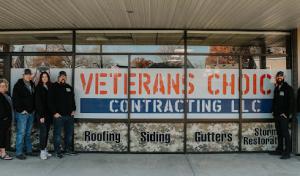
Veteran's Choice Contracting
(563) 424-1005 www.veteranschoicecontracting.com
2324 Hickory Grove Rd, Davenport, Iowa
4.8 from 126 reviews
Winter weather can push tear-offs and replacements toward the back half of the calendar. Snow cover, ice accumulation, and cold-weather sealing challenges limit when crews can safely and effectively work on a roof. In practice, delays show up as longer mornings waiting for the roof to be dry, plus occasional pauses while ice dams are managed or drainage pathways are re-established. Because work windows shrink when temperatures stay near or below freezing, plan for a flexible schedule and clear communication with the contractor about weather contingencies.
Homes perched on exposed bluff fronts above the Mississippi face stronger wind exposure than more sheltered neighborhoods. Those gusts can accelerate shingle loss after winter and spring storms, especially when edges are already stressed by cold sealing cycles. The effect is not only on the surface; wind-driven rain and blowing debris can complicate underlayment and edge detailing during the replacement window. When assessing timing, expect that wind-prone days may squeeze or shift install sequences, particularly for full roof replacements that require precise nailing and ventilation setup.
Fall arrives with freeze-thaw conditions arriving early enough to affect brittle materials and emergency repair options. This creates a practical lead time: choosing a replacement window in late summer to early fall helps avoid peak winter scheduling conflicts while still allowing enough warming days for proper sealing and ventilation work. If emergency repairs are necessary after summer storms, the fall stretch often provides the most stable conditions for wrap-up and final inspections before cold weather returns.
Coordinate with the contractor to map out a target start date that aligns with a dry span in late summer or early fall, reserving a backup slot for a potential weather delay. Prioritize attic ventilation and underlayment checks during planning, since these elements face extra scrutiny in the bluff areas and in Davenport's seasonal transitions. Maintain open lines of communication for weather updates, and have contingency plans for temporary protective measures if a mid-project cold snap or snowfall interrupts progress.
In Davenport, reroof projects often stumble over leak-prone transitions where chimneys meet the roof and where additions tie into an older home. Those joints aren't just cosmetic gaps; they're hidden pathways for wind-driven rain and meltwater, especially after hail damage has compromised surrounding flashing. When a contractor replaces only a single plane, old flashings can be left to fail later, and damage from wind-blown rain can migrate into attic spaces or ceilings. Expect careful inspection of all transition zones, including step and counter-flashing, sealant integrity, and staggered shingle integration, to avoid repeat issues after a storm.
Skylight flashing deserves extra attention here because repeated hail, wind-driven rain, and winter ice can expose weak detailing. Skylights often sit at the juncture of multiple roof planes, where flashing bends and fasteners are stressed. In addition, cold snaps can cause plastic and sealant joints to become brittle or shrink, creating small leaks that only show up after heavy precipitation. A thoughtful approach uses continuous metal flashing, properly m-sealed joints, and adequate nailing around the skylight curb. Don't overlook the curb itself: a rotted or warped curb is a common doorway for moisture, and replacing the flashing without addressing the curb invites future trouble.
Low-slope porch roofs, additions, and mixed-slope sections are common trouble spots in local leak investigations even when the main house roof is steep-slope. These areas collect runoff more slowly, so hail-driven impact can create micro-cracks in membrane or shingle overlays that remain hidden until a heavy rain. Look for membrane transitions where different roof surfaces meet, and ensure that edge details, drip edges, and drainage are coordinated across slopes. If a low-slope area was neglected during a prior replacement, plan a dedicated assessment and targeted flashing upgrades to prevent slow, creeping leaks that can undermine attic ventilation and interior finishes.
Find contractors experienced in skylight installation, flashing, and leak repairs to bring natural light into your home.
Sieren Roofing Services
(563) 549-0279 www.sierenroofing.com
4916 N Pine St, Davenport, Iowa
5.0 from 163 reviews
Evenhouse Roofing
(563) 346-0946 evenhouseroofing.com
4711 N Brady St Unit 6s, Davenport, Iowa
5.0 from 126 reviews