
Last updated: Apr 19, 2026
In Clinton, the Mississippi River corridor shapes storms in a way inland plains don't. You're dealing with weather moving along the river, which means hail, gusty winds, and rapid temperature swings hit in waves rather than as isolated, predictable events. That pattern creates concentrated wind impact on edges of the roof, sudden hail strikes on exposed panels, and repeated freeze-thaw cycles that take a toll year after year. When you observe a storm front rolling through the river bend, plan for immediate inspection windows-the roof doesn't have to be visibly damaged to suffer compromised seals and hidden uplift risk.
Hail is a constant risk on the riverfront spine, where storm velocity can escalate as air masses compress over the water. The strongest impacts land on the high-shoulder edges and near roof penetrations: vents, chimneys, and roof-to-wall transitions. In Clinton, common decisions lean toward steeper slopes and impact-resistant materials because a mid-winter hail event followed by a thaw can push weathered shingles into rapid failure. Wind-driven debris from nearby trees and riverbank structures compounds edge loosening, seam gaps, and flashing misalignment. A single hail event can create microcracks that allow moisture intrusion long after the storm passes. Immediate, thorough post-storm checks are essential: look for lifted shingles, loose granules in gutters, and any sign of lifted flashing along hips and valleys.
Winter here compounds damage from fall storms. Freeze-thaw cycles push moisture into microcracks, then expand with cold, widening gaps and encouraging ice dams where attic ventilation is inadequate. The result is accelerated wear on sealants around joints, degraded underlayment, and potential deck rot if water migrates behind the façade. In this climate, roof systems must tolerate repeated contraction and expansion of materials. Clay tile and slate, while durable, can suffer from microcracking if substructures shift under freeze-thaw stress, especially where wind uplift has previously loosened fasteners. Synthetic and fiber cement options can offer improved resilience, but only if installed with proper nailing patterns and ventilation to reduce trapped moisture.
Because Iowa is a relatively active hail and wind claim state, photo-heavy documentation is not optional after storms. Capture wide-angle roof views and close-ups of any damaged seams, flashing, and vent penetrations. Maintain a dated photo log that shows roof age, installation details, and any pre-storm conditions. If a storm requires a claim, clear, timestamped images paired with a description of affected areas will streamline the process. After a major event, schedule a roof assessment promptly to identify uplift-prone seams, damaged underlayment, and potential ice dam formation signatures. Early detection reduces the risk of interior moisture intrusion and helps keep the roof's structural integrity intact through the river season.
Typical Clinton-area material pricing should be framed around the provided per-square ranges: asphalt shingles 300 to 550, metal 700 to 1100, clay tile 1200 to 1800, synthetic/composite 450 to 700, slate 1400 to 2300, and fiber cement shingles 500 to 800. When estimating a project, use these ranges as a benchmark for a standard tear-off and complete re-roof. For a 30-square roof, that translates to roughly 9,000 to 16,500 for asphalt, 21,000 to 33,000 for metal, 36,000 to 54,000 for clay, 13,500 to 21,000 for synthetic, 42,000 to 69,000 for slate, and 15,000 to 24,000 for fiber cement. Labor and disposal typically fall within these material baselines, but local crews may adjust slightly based on access, steepness, and attic ventilation.
Storm-driven demand spikes matter in Clinton because hail and wind events can compress contractor availability and push replacement scheduling into already short Midwest installation windows. After a damaging hail year, it's common to see more crews booked up weeks out, with fewer slots for early or late-season projects. If a contractor's crew is tied up, you may face longer lead times, temporary patchwork, or a delayed full tear-off. Planning with a preferred roofer ahead of the peak period helps maintain a spot in the calendar before weather windows tighten.
Costs in Clinton can rise when freeze-thaw damage reveals wet decking or structural concerns during tear-off, which can trigger additional review or corrective work before completion. If decking is compromised, expect extra charges for dry-in or replacement of plywood or OSB, plus any needed underlayment adjustments. Hidden damage from moisture can also reveal compromised fascia, soffits, or ventilation components, prompting repairs that were not part of the initial scope. A thorough pre-tear-off inspection with documentation can prevent surprise line items, but be prepared for contingencies if moisture is discovered once old roofing is exposed.
To keep budgets on track, request a line-item proposal that separately lists tear-off, disposal, underlayment, and material costs. Ask for a material color and profile sample to confirm that the chosen option aligns with storm-damaged aesthetics and long-term performance. When hail risk is high, build a small contingency (5-10%) for installation delays or minor deck repairs that may surface during removal. If possible, secure a firm start date and a fixed-price contract for the chosen material to minimize weather-related price shifts and scheduling gaps.
After replacement in a storm-prone area, plan periodic inspections, especially after severe hail events or heavy winds. Regular checks for lifted shingles, damaged granules, or flashing issues can prevent minor problems from becoming costly repairs during the next freeze-thaw cycle. A well-sealed, properly vented roof with an appropriate material choice stands up best to Clinton's mix of hail, wind, and cold weather.

Beckwith Commercial Roofing
(563) 242-6939 www.beckwithcommercialroofing.com
1801 S 21st St, Clinton, Iowa
4.1 from 21 reviews
Beckwith Commercial Roofing, Inc. was founded in 1983 by Jeff Beckwith with a commitment to quality, safety, and customer satisfaction. Our team of highly-trained and skilled roofers have a total of over 100 years of combined experience. With this team of experts, it is no wonder that Beckwith Commercial Roofing has enjoyed taking on and successfully completing challenging projects.
Cramer's Construction
(563) 613-3437 cramersconstructionia.com
Clinton, IA
4.0 from 4 reviews
Cramer's Construction is a premier roofing contractor based in Clinton, IA, and has been serving the surrounding areas since 2015. Specializing in residential and commercial roofing, decks, and siding, we offer a wide range of services including new roofs, roofing repairs, concrete work, new construction, and more! With a reputation for quality craftsmanship and exceptional customer service, Cramer's Construction is your trusted partner for all your roofing and construction needs.
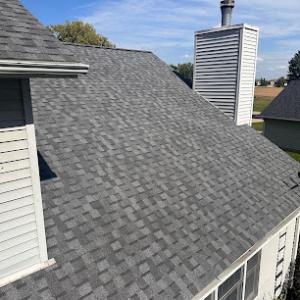
Morrison Roofing
(563) 503-9998 www.morrisonroofingpros.com
Serving
4.7 from 61 reviews
Morrison roofing has been servicing our customers in Clinton Iowa and surrounding areas since 1995. We also serve Fulton Illinois and surrounding areas since 1995. We specialize in tear offs, rubber roofs, new construction. We do both residential and commercial roofing with the best products on the market. We also stand behind our work if there’s an issue we fix it immediately. Fully licensed in Iowa Illinois. Fully bonded insured.

Sedlock Construction
(309) 716-1104 sedlockconstruction.com
Serving
5.0 from 289 reviews
Sedlock Construction, established in 2006, proudly serves Moline with quality roofing, siding, energy-efficient windows, and stylish doors. Their team of experienced and licensed professionals provides transformative home improvement services designed to enhance both aesthetics and functionality. Whether it's expert roofing installations, repairs for weather-proofing, premium siding options for heightened curb appeal, or a wide range of energy-efficient windows and doors to boost insulation and style, Sedlock Construction has got you covered. With a commitment to customer satisfaction and competitive pricing, they are your trusted partner for all your home renovation needs.
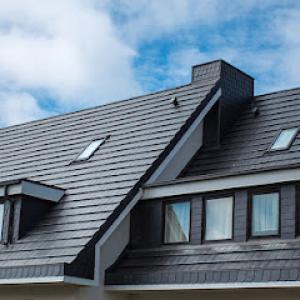
Jansen Roofing & Repair
(563) 273-2106 www.jansenroofing.com
Serving
4.9 from 125 reviews
Jansen Roofing provides roofing, siding, and window services to the Quad Cities area.
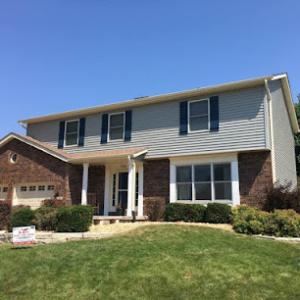
A-1 Roofing
Serving
4.6 from 112 reviews
A-1 Roofing can handle all of your commercial roofing and residential roofing needs. We specialize in shingle repair, shingle replacement, metal roofing, roof repair, roof installation, and flat roofing. We also have experience with siding installation and window installation. If you are looking for a reliable roofer in and around Bettendorf, IA and the Quad Cities, call us today!
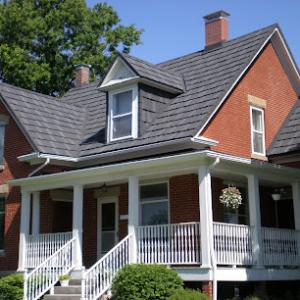
Erie Home
Serving
4.7 from 196 reviews
Since 1976, Erie Home has manufactured, supplied, and installed the best-performing roofing on the market. By providing ironclad warranties and convenient financing, we ensure that every homeowner we work with receives top quality service and value for their homes and properties. Erie Home professionals are the roofing company of choice in the greater Quad Cities, IA area. Whether you need roof inspections or roof damage repair services, Erie Home has been the go-to roofing contractor for nearly 50 years because of our attention to detail and dedication to making sure our customers are satisfied with their results. Contact us today for a quote and see why we're the trusted roofing company Quad Cities counts on.
White Roofing Company
(563) 285-4069 whiteroofing.com
Serving
3.8 from 13 reviews
Award winning roofing with 40+ years of experience

Toubl Contracting Inc. Iowa
(563) 823-8833 www.toublcontractinginc.com
Serving
3.9 from 14 reviews
With over 20 years of experience in the storm damage repair, home restoration and carpentry trade, we provide quality workmanship for the domestic and commercial markets. In need of a new roof, gutter installation, windows or siding or maybe a complete restoration? Look no further! You may be entitled to a new roof from your insurance company. Our team can walk you through the entire insurance claim process and you will be sure to have an experience beyond your expectations.

Old Reliable Roofing Co (Commercial Roofing Iowa)
(563) 355-8038 www.oldreliableroofing.net
Serving
3.5 from 16 reviews
Old Reliable Roofing provides residential and commercial roofing and gutter services to the Quad Cities and surrounding areas.
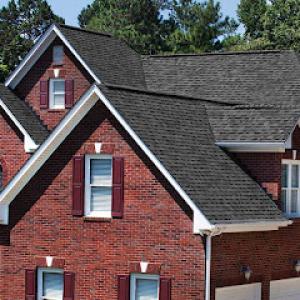
American Roofing & Exteriors
(563) 424-6335 www.americanroofingandexteriors.com
Serving
4.3 from 3 reviews
As a Christian-based, family-run company, we understand the importance of taking care of your home. That’s why we have an Insurance Claims Specialist on our team who can help you through the process of filing a claim and getting the repairs you need. We want to help you protect your investment and keep your family safe. If you’ve been affected by wind, hail, flooding, or whatever else mother nature has to offer, don’t hesitate to give us a call. We’re here to help you get your home back in tip-top shape.
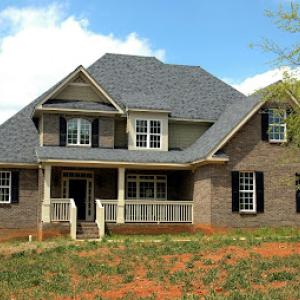
Eldridge Roofing & Repair
(563) 227-8069 powerroofing.xyz
Serving
Welcome to Eldridge Roofing and Repair, your trusted roofing contractor proudly serving Camanche, Iowa, and the surrounding areas. With a dedication to quality workmanship and customer satisfaction, we specialize in a comprehensive range of roofing services for both residential and commercial properties. At Eldridge Roofing and Repair, we understand the importance of a strong and reliable roof for your home or business. Our experienced team offers expert roof repairs, replacements, and installations using top-quality materials and proven techniques.
Asphalt shingles remain the dominant choice for the typical residential roof in this river town along the Mississippi. They fit the common roof shapes found on many homes in this area and are familiar to local crews. But the Midwest's hail-prone springs and summers, plus steady wind events, can bruise the surface, lift edges, and accelerate granule loss after repeated storm exposure. If you're choosing asphalt, consider heavier granules and a higher wind rating, and plan for periodic inspections after hail season to catch damage early before underlayment or deck sheathing shows wear. A practical approach is to schedule an annual walkaround after heavy storms and to keep gutters clear so that granules don't accumulate where they can mask underlying issues.
Metal stands out for homeowners prioritizing hail resistance and snow-shedding performance through cold winters and warm summers. In Clinton, metal roofs can shed rain and ice more predictably, reducing ice dam risks in edge cases and helping with wind resistance when properly installed with concealed-fastening or standing-seam systems. If hail hits are a concern, metal's resilience often translates to fewer punctures and less surface damage over time, though occasional denting in lighter gauge panels can occur. For best results, ensure the roof deck is solid and the fastener pattern is appropriate for local wind speeds and snow loads. A clean, integrated gutter and flashing plan helps prevent wind-driven water from creeping under panels.
Clay tile and slate bring long life and a distinct look, but these heavier materials require extra attention in this market. Full replacements typically involve permit review and any structural considerations may require plan review by the local building department. In practice, this means checking roof framing capacity, potential header spans, and existing attic insulation strategies before committing to a full replacement. If a clay tile or slate installation is pursued, work with a contractor who has experience sizing for the region's freeze-thaw cycles, as water infiltration during thaw can impact fasteners and joints. In this climate, the payoff is a sturdy, enduring roof, but the path there demands careful assessment of weight, structure, and seasonal expansion and contraction.
A full roof replacement in Clinton typically requires a building permit rather than being treated as a no-paperwork job. The city's climate-hail-prone springs, strong winds, and repeated freeze-thaw cycles-means inspections are part of the normal process to verify that a new roof meets current wind and impact standards. For homeowners, treating the project as a permit-required job helps ensure the replacement is documented, approved, and aligned with local building codes and neighborhood expectations. The Building Department is the right place to start, because it sets the pace and scope for what your roofer will need to provide.
The Clinton Building Department handles permit intake and inspection scheduling for roofing work. Before you lift a shingle, contact the department to confirm what forms, notices, and submittals are required for your street and property type. In some neighborhoods with older homes, a permit may trigger additional verifications related to rainwater drainage, roof-to-wall connections, and attic ventilation. If a contractor suggests skipping paperwork, that is a red flag; permit compliance is part of protecting your home against storm-related damage and ensuring the job stands up to future weather events.
Clinton roofing projects may involve inspections during the job and after completion, and structural issues can trigger plan review instead of a simple over-the-counter replacement process. Expect at least one rough-in inspection while the project is underway to confirm nailing patterns, venting, and underlayment, especially in districts with older structures that may have unusual framing. A final inspection verifies that the installation adheres to local codes and that the roof structure remains sound after the winter freezes and seasonal storms. If the inspector notes deficiencies, your contractor should address them promptly to avoid delays in permit closing.
In cases where the roof replacement intersects with structural elements or significant alterations, a plan review may be required rather than a straightforward replacement. For example, if the job involves reinforcing or modifying roof framing, decking, or eave connections to improve wind resistance, the Building Department might request engineering notes or stamped drawings. This extra step helps ensure long-term performance under Mississippi River storms and freeze-thaw cycles. Communicate early with both the contractor and the department to prevent last-minute plan changes that can push back the schedule.
To prevent timing bottlenecks, have all required documentation prepared before demolition starts: permit applications, project scope, and any structural notes if plan review is anticipated. Schedule inspections with the Building Department as soon as the roofer gives a completion estimate and a rough pass on the installation plan. Keep a dedicated contact with steady communication between the contractor and the department, and document every inspection outcome. Knowing the Clinton process helps keep your roof project moving smoothly from permit intake to final sign-off, so the new roof can protect your home from the next hail-driven storm and the brutal winter cycles.
Clinton homeowners operate in Iowa's active hail and wind claim environment, where storm events can cluster and strain schedules for adjusters. Insurers commonly ask for detailed storm photos, contractor estimates, and verification of roof age and material to separate a fresh claim from older wear. In a city shaped by the Mississippi's seasonal storms, the difference between a shallow dent and a deeper, wind-driven edge problem can determine whether a claim is approved or delayed. Being prepared with clear, timestamped images taken soon after a hail event helps protect the homeowner against later disputes. The practical effect is that timing and documentation matter, especially during the busiest post-storm windows.
Coverage availability in Iowa has remained generally more stable than in some higher-risk states, but claim scrutiny still matters in a city like Clinton where storm-related roof losses are common. Insurance adjusters often request multiple angles of the roof surface, fascia, gutters, and attic entries to assess potential interior damage. Keep a current inventory of roof materials and visible wear, so a comparison against storm-induced changes can be made quickly. If a contractor's estimate accompanies the claim, it should reflect realistic, repair-focused pricing rather than speculative replacement arguments. Treating the claim as a collaborative process, with factual support, tends to move more smoothly through the review stage.
In Clinton, the practical insurance issue is often separating true storm damage from older freeze-thaw or wear-related deterioration when adjusters review a claim. Freeze-thaw cycles here can mimic storm effects on shingles, flashing, and gutters, especially after harsh winters and rapid temperature swings. Document pre-storm conditions where possible and note any known material aging. When damage appears gradual, insist on a clear, engineer-informed assessment that distinguishes concurrent issues from a single event. If a claim is denied or curtailed, understand the specific grounds and consider a targeted re-inspection with updated photos and expert input to reframe what is recoverable under current policy language.
In Clinton, freeze-thaw cycling can stress shingles and decking, making late-winter leaks and spring discovery of damage a recurring pattern. Plan for a slightly longer inspection window after the cold snaps ease. If you notice new drips when daytime temps rise above freezing, schedule a check before warmer days bring heavy rainfall.
Spring in this area can bring heavy rainfall and storm delays, which affects tear-off scheduling and increases the importance of dry-in planning. Allow for weather buffers in the timeline, and coordinate with crews to ensure underlayment, flashing, and leak barriers are secured during any unavoidable rain gaps. A proactive dry-in helps prevent wind-driven rain from getting under shingles during mid-tear-off periods.
Hot summer installation conditions matter for adhesive performance and shingle warranties. Avoid the peak heat of July if possible, and choose cooler morning start times when applying asphalt or synthetic shingles. Keep panels and products shaded or protected from sun exposure during the waiting periods, so adhesives cure properly and epin braces don't warp.
Fall wind events can complicate progress as leaves accumulate and debris increases exposure on exposed nails and flashing. Establish a clear finishing window that aims to complete critical layered work before winter returns. Quick, targeted work during mild September days can reduce the risk of weathered edges and blown-off materials when storms arrive.
Maintain open channels with the roofing crew about forecasted storms, especially in late spring and early fall. Concrete reminders to secure decking, protect landscaping, and stage materials in sheltered areas help keep progress steady and reduce the chance of wind-related damage, retries, or rework.
Clinton's aging housing stock means a roof tear-off often reveals more than shingles: the deck can be decked with boards that have warped or softened, flashing may have rusted channels, and ventilation paths can vanish behind layers of neglected felt. When you lift old shingles, expect a closer inspection to be necessary, because any of these components that fail will quietly undermine new work. A careful assessment during tear-off helps prevent quick, costly surprises after installation begins.
Historic-looking options such as slate, clay tile, and fiber cement shingles are particularly relevant here, because they align with the traditional aesthetic seen in established neighborhoods along the river bluffs. Slate and clay tile bring a timeless silhouette, but they demand solid supporting structure and careful detailing for a steep slope. Fiber cement can mimic older materials while offering better impact resistance and a longer span before maintenance. If a contractor suggests a heavier replacement material, weigh the long-term benefit against the added load on rafters and trusses, and plan for full-frame compatibility where needed.
The Mississippi climate means hail and wind can relentlessly test every seam and fastener, and freeze-thaw cycles amplify small defects. On steeper roofs, water drainage and snow shedding become critical, so look for a system that preserves proper underlayment, ensures continuous ventilation, and minimizes panel seam exposure to wind-driven moisture. In Clinton, opting for a material that respects the roof's pitch and the house's historical character can reduce surprises while preserving curb appeal.
In this river-front setting, storms bring hail and strong winds that can strain steep-slope roofs. After each major storm, note the date, wind speeds if available, hail size, and any visible damage from ground level or a quick attic inspection. This is especially useful in Iowa insurance claims, where documentation of multiple storm dates often matters. Keep photographs dated by month and season, and save weather reports when possible.
Know your roof's age and what material sits on top. Different materials react differently to freeze-thaw cycles typical along the Mississippi. Asphalt and synthetic shingles behave differently than metal, clay tile, or slate in terms of wind resistance and hail impact. Record the exact shingle or panel type, installation date, and any major repairs already completed. This helps in choosing a replacement approach that stays durable through Clinton's winters.
When planning a replacement, align timing with inspections and assessments that a Clinton-area window will require, rather than assuming a same-day closeout. A practical plan notes expected inspection points and how the job will coordinate with weather windows common to Upper Mississippi winters. Map out a phased timeline that accommodates potential delays from storms and ensures the project can proceed without interruption.
Confirm who handles permits and required inspections for roof work, and set expectations for any staged approvals. Establish a point of contact for scheduling inspections and for sharing any storm or damage reports that might influence permits or require documentation during the process.
Create a simple file that pairs storm dates with roof condition notes and repair decisions. Include weather events, material type, and any insurance communications. This archive becomes a go-to reference when negotiations arise after a hail or wind event and can streamline future service or replacement steps.