Roofing in Iowa
Last updated: Feb 28, 2026
In Iowa, you learn to read the sky as quickly as you read your weather app. Our winters test roofs with freeze-thaw cycles, heavy snow, and wind-driven ice, while spring hailstorms remind us why good flashing and sturdy membrane matter. Summers can be blistering and humid, which means rooftop materials expand and contract with every season change. For many neighborhoods—whether you're in Des Moines, Cedar Rapids, or a quiet farmstead on the rolling plains—the most affordable, durable choices balance cost with long-term performance. A roof here isn't just a cover; it's a shield against ice dams, wind uplift, and water intrusion during sudden storms. Understanding how Iowa's climate acts on a roof helps you plan smarter, install with confidence, and avoid costlier surprises down the road.
This Iowa-focused guide gives you practical, trustworthy information tailored to our conditions. It previews the key factors that influence every homeowner decision—from Local Climate considerations to Recommended Roofing Materials for Iowa, from Popular Roof Styles & Architectural Trends in Iowa to Average Roofing Costs in Iowa. It also covers Permits & Local Regulations, Common Roofing Problems in Iowa & Solutions, Maintenance & Repair Tips for Iowa, When to Repair vs. Replace, and When to hire a professional. Rather than generic checklists, you'll find context you can apply to your own roof, based on real local conditions and resources.
All advice here is tailored to Iowa's weather, codes, and suppliers, and is backed by local resources—from area roofing suppliers and code offices to neighborhood contractor connections. We aim to help you talk with contractors confidently and choose materials that perform where you live. The goal is clear, durable results you can trust, not quick fixes that fail at the first winter thaw.
Let's start by looking at how Iowa's weather shapes your roof, so you can plan with confidence.
Local Climate & Its Impact on Roofs
Climate Overview
Iowa experiences a humid continental climate with four distinct seasons, wide temperature swings, and variable precipitation. Winters are cold with frequent subzero snaps and thaw cycles; summers can be hot and humid. Average yearly rainfall and snowfall alternate between rain in spring/fall and significant snow in winter. Hailstorms and strong wind events (including derechos and tornadoes) are part of the seasonal risk profile. These conditions affect shingle wear, flashing integrity, and attic ventilation needs.
- Freeze-thaw cycles stress roofing materials and can lead to tiny cracks that admit water.
- Sun exposure and temperature swings accelerate wear on asphalt shingles and exposed components.
- Hail and high winds are common catalysts for cosmetic and structural damage.
For official context, see National Weather Service: Severe Weather in Iowa (and Iowa State University Extension resources on home maintenance (
Seasonal Impacts on Roofs
Winter: Snow buildup and ice dams form where heat escapes from the attic. Ice dams can force water under shingles and flashing, leading to leaks. Keep insulation tight and vents open to reduce meltwater on the roof surface.
Spring: Frequent thunderstorms, hail, and gusty winds can dent or puncture shingles and damage flashing. After storms, inspect for missing granules, exposed roof felt, and damaged vent seals.
Summer: Hot, sunny days plus humidity stress roofing materials and attic ventilation. UV exposure wears shingles, while wind-driven rain and hail can compromise edges and flashings. Proper attic ventilation helps control temperatures and prolongs roof life.
Fall: Prepare for winter by checking flashing, sealing gaps around chimneys and vents, and clearing gutters. Dry conditions are ideal for inspection and minor maintenance before snow returns.
Weather-Driven Roof Risks in Iowa
- Ice dams: caused by warm attic air melting snow that refreezes at the eaves; can trap meltwater and leaks into the attic. Mitigate with insulation, air sealing, and an ice/water shield at the eaves.
- Hail damage: Iowa's spring storms can bruise or dent shingles; check for granule loss, cracks, or punctures after a hail event.
- Wind uplift: Thunderstorms and derecho winds can peel back edges, loosen fasteners, or displace ridge caps.
- Snow load: Heavy snow and ice add weight to the roof structure; ensure soffits, structural members, and fasteners are up to spec.
- Debris and water intrusion: Storm debris can damage vents, flashing, and gutters, creating pathways for leaks.
- Lightning risk: While less direct, a storm with lightning can still impact roof-mounted systems and create secondary damage.
Material & Installation Considerations for Iowa Climate
- Shingles: Opt for high-wind resistant asphalt shingles and consider impact-resistant options (Class 3 or 4) for hail-prone areas.
- Underlayment and flashing: Install a robust ice and water shield along eaves and in valleys; ensure flashing around chimneys and vents is continuous and sealed.
- Ventilation: Adequate attic ventilation reduces snowmelt and ice dam formation; pair soffit vents with ridge or turbine vents as appropriate.
- Snow retention: For steep roofs, snow guards or rails can reduce dangerous avalanches and help protect gutters and vents.
- Gutters: Keep gutters clear and downspouts directing water away from the foundation to prevent ice buildup and water intrusion.
- Deck and fasteners: Use corrosion-resistant fasteners and verify roof deck condition, especially after severe winter storms.
Maintenance Tips by Season
1. Before winter: schedule a professional roof inspection; seal gaps around vent pipes and chimneys; verify insulation value in the attic.
2. After winter: remove safely accumulated snow from the lower roof edge if needed; inspect for ice dam damage and flashing deterioration.
3. After spring storms: look for hail dents, loose shingles, damaged flashing, and gutter damage; fix promptly to avoid leaks.
4. After fall: clean gutters, inspect flashing and vent seals, and ensure attic ventilation is ready for cold months.
Warnings and resources:
- Monitor for ice dam formation and address promptly to prevent attic leaks; consult local guidelines on ice dam prevention.
- For region-specific guidance, refer to National Weather Service Iowa severe weather pages (and IBHS roof safety resources (
Recommended Roofing Materials for Iowa
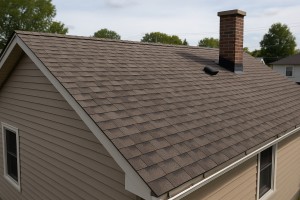
- Best fit for: budget-conscious projects and quick installs.
- What to look for in Iowa: architectural (laminated) shingles with a high wind rating and, if possible, Class 3–4 impact resistance (UL 2218). Aim for 110–130 mph wind resistance where available.
- Pros: affordable upfront cost, easy to repair, wide availability, broad color options.
- Cons: shorter lifespan than metal or slate (typically 20–40 years), performance depends on nail installation and attic ventilation.
- Iowa tips: choose a thicker shingle with good wind uplift ratings, and pair with proper underlayment and ventilation to extend life through cold winters and humid summers.
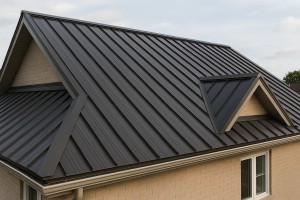
- Best fit for: durability, hail resistance, and lake-effect or rural Midwest exposures.
- What to look for: standing-seam or integral seam metal in steel or aluminum; coatings such as PVDF or Kynar 500; gauges in the 26–29 range for balance of weight and durability.
- Pros: excellent hail resistance, long life (40–70+ years), lightweight, excellent snow shedding, potential energy savings.
- Cons: higher upfront cost, possible denting from hail on softer metals, can be noisier in rain without proper decking and insulation.
- Iowa tips: metal roofs are a standout option in hail-prone areas; ensure proper installation with snow guards in regions with heavy snowfall and verify color warranty against chalking and fading.
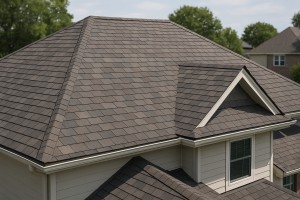
- Best fit for: craving a slate or shake look without the weight or cost.
- What to look for: products designed for freeze–thaw resistance; options that mimic slate or wood with durable impact resistance.
- Pros: good hail resistance, lighter than natural slate or clay, varied styles, often strong warranties.
- Cons: price can vary widely; long-term performance depends on brand reputation.
- Iowa tips: a solid choice for homeowners seeking durability and appearance; verify installation specs for Iowa weather and confirm warranty coverage on impact resistance.
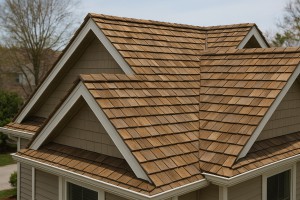
- Best fit for: rustic, natural aesthetics and solid insulation when properly installed.
- What to look for: pressure-treated or naturally rot-resistant cedar; proper underlayment and ventilation.
- Pros: distinctive look, good natural insulation, relatively lightweight.
- Cons: susceptible to moisture, rot, insects, and weathering; hail can cause cracking; higher maintenance.
- Iowa tips: not the first pick in frequent hail zones; if chosen, expect ongoing maintenance (sealing, staining) and ensure roof structure supports any added weight.
Slate and Clay/Concrete Tile
- Best fit for: premium, long-lasting installations and distinctive curb appeal (for select homes).
- What to look for: structural reinforcement to support weight; durable underlayment and competent framing; slope suitability.
- Pros: slate offers exceptional lifespan; concrete tile is durable and fire resistant.
- Cons: very heavy, costly, specialized installation, potential for cracking in hail; require strong roof structure.
- Iowa tips: generally not common on typical Iowa homes due to weight and installation complexity; only pursue with a qualified structural assessment and experienced contractor.
Rubber/Composite Slate (Synthetic Slate)
- Best fit for: realistic slate look with easier installation and better impact resistance.
- What to look for: impact-rated options, warranty coverage for freeze–thaw cycles.
- Pros: good hail resistance, lighter weight, lower maintenance than natural slate; longer life than many asphalt options.
- Cons: market varies by region; ensure exposure and fastening guidelines match Iowa conditions.
- Iowa tips: a practical compromise if you want the aesthetic of slate without the weight and cost.
Quick decision guide for Iowa homeowners
1) Set your budget and desired lifespan.
2) Assess roof structure: heavy tiles or slate require structural evaluation.
3) Evaluate hail exposure in your neighborhood and choose materials with strong impact resistance.
4) Prioritize wind resistance and proper ventilation/underlayment for Iowa winters.
5) Choose a material with a solid local installer, appropriate warranty, and a color/finish that holds up in sun and cold.
Popular Roof Styles & Architectural Trends in Iowa
Common roof styles in Iowa
- Gable roofs: By far the most common on Iowa homes. They're economical, easy to build, and shed snow well when pitched appropriately. Pair with proper attic ventilation to avoid ice dam issues.
- Hip roofs: More wind-resistant and sturdy in Iowa's thunderstorm and windy days. They have a compact silhouette that helps with shedding precipitation, but they can cost a bit more and may limit attic space.
- Dutch gable and cross-gable combinations: Add architectural interest and interior light while maintaining solid wind performance. These are popular in neighborhoods with traditional or updated farmhouse lines.
- Low-slope/modern flat roofs for add-ons: Some newer homes or outbuildings use low-slope designs, which demand careful drainage details, high-quality underlayment, and robust flashing to handle snow and rain.
Materials trending in Iowa roofs
- Asphalt shingles: The workhorse for Iowa homes. Architectural (laminate) shingles are preferred for durability and wind resistance; look for impact-rated options (UL 2218 rating) to better withstand hail common in Iowa.
- Metal roofs: Standing-seam or painted steel roofs are growing in popularity for longevity, wind resistance, and snow-shedding. Excellent for barns, shops, and modern-looking homes, and they can be highly reflective to reduce cooling loads.
- Cedar shakes/shingles: Offer a classic, rustic look that fits many farm-and-country styles. They require more maintenance and are sensitive to moisture and rot; not ideal in damp zones without proper sealing and maintenance.
- Clay/concrete tile and composites: Used in some upscale or stylistic homes, but heavier and more expensive. Weight and roof structure must be evaluated, especially on older Iowa houses.
- Composite/engineered shingles: A durable alternative to wood with lower maintenance, available in many colors and textures to mimic wood or slate.
Architectural trends shaping Iowa homes
- Energy efficiency and cool roofs: Light-colored or reflective shingles, better insulation, and sealed attics help keep homes comfortable during hot summers and reduce cooling costs.
- Solar-ready design: Many Iowa homeowners plan for solar. Roofs with clean layouts, proper rafter spacing, and tar-free penetrations make PV installations smoother and less invasive.
- Modern farmhouse and mixed-material exteriors: Wide eaves, exposed metal accents, stone veneer, and wood-look siding paired with metal or asphalt roofs are particularly popular in rural and small-town settings.
- Durability-focused details: Ice dam prevention, improved underlayment, and wind-rated products are emphasized in new builds to handle Iowa winters, hailstorms, and strong storms.
- Color and finish trends: Neutral, long-lasting tones with subtle contrast between roof and siding are common. Lighter roofs are rising in popularity for heat reflectivity, while some homeowners opt for darker roofs to emphasize architectural features.
- Roof edge and drainage improvements: Integrated gutters, snow guards, and well-sealed penetrations help manage snow and ice buildup, reducing maintenance needs.
Practical considerations for Iowa homeowners
- Climate alignment: Choose a roof system that handles heavy snowfall, freezing cycles, hail, and hot sun. Pitch, underlayment, and ventilation are critical.
- Wind and hail resistance: In hail-prone areas, select UL-rated shingles and secure fasteners. Metal roofs offer excellent wind resistance but require professional installation to maximize performance.
- Maintenance planning: Annual inspections after winter and hail storms help catch issues early. Keep gutters clean and ensure flashings are intact.
- Installation basics: Ensure installers are licensed locally, understand Iowa building codes, and have experience with snow-load design. Ask about warranty specifics for the climate.
Average Roofing Costs in Iowa
What drives Iowa roof prices
- Iowa's climate, severe weather, and hail risk shape material choices and installation needs.
- Roof pitch, complexity (dormers, chimneys, skylights), and attic ventilation directly affect labor time and material waste.
- Old roof tear-off, disposal fees, and permit costs add to the bottom line.
- Local labor rates vary by city and contractor availability, especially around larger markets like Des Moines and Cedar Rapids.
Note: One square equals 100 square feet. Prices shown include typical tear-off and basic disposal.
- Asphalt shingles (3-tab): $3.50–$5.50 per sq ft (~$350–$550 per square)
- Architectural/dimensional asphalt shingles: $5.00–$7.50 per sq ft (~$500–$750 per square)
- Metal roofing (steel, aluminum): $6.00–$12.00 per sq ft (~$600–$1,200 per square)
- Wood shake/shingle: $7.50–$11.50 per sq ft (~$750–$1,150 per square)
- Clay/concrete tile: $12.00–$22.00 per sq ft (~$1,200–$2,200 per square)
Local factors that raise or lower the price
- Hail-prone zones and insurance requirements: Iowa homeowners often consider stronger underlayment and impact-rated options, which can add cost but improve long-term resilience.
- Roof complexity: steep pitches, multiple angles, and numerous penetration points (vents, chimneys) increase labor time.
- Tear-off and disposal: removing an old roof typically adds about $0.50–$1.50 per sq ft to the project.
- Permits and codes: city or county permits can range from roughly $100–$500, depending on jurisdiction and scope.
- Weather and seasonality: Iowa winters can push work into shoulder seasons, sometimes affecting scheduling and pricing.
Typical project sizes and example ranges
- Small home (1,000–1,200 sq ft, ~10–12 squares):
- Asphalt 3-tab: $4,000–$6,000
- Architectural asphalt: $6,000–$9,000
- Metal: $7,000–$12,000
- Medium home (1,500–2,000 sq ft, ~15–20 squares):
- Asphalt 3-tab: $6,000–$9,000
- Architectural asphalt: $9,000–$14,000
- Metal: $9,000–$18,000
- Larger home (2,000–3,000 sq ft, ~20–30 squares):
- Asphalt 3-tab: $8,000–$14,000
- Architectural asphalt: $12,000–$22,000
- Metal: $15,000–$28,000
Quick estimator: 5-step outline
1) Measure your roof area in squares (roughly length × width, accounting for pitch).
2) Pick a material considering Iowa conditions and budget.
3) Factor tear-off and disposal: add about $0.50–$1.50 per sq ft if you're not keeping the old roof.
4) Include underlayment, flashing, vents, and any necessary insulation or ventilation upgrades.
5) Gather at least 3 bids, compare warranties (material and workmanship), and check local references.
Local style and architectural differences that matter
- Bungalows and mid-century houses often have simpler rooflines, keeping costs lower than multi-angled, historic, or modern homes with flat or terraced sections.
- Homes with tall crown moldings, chimneys, or large dormers typically require more flashing, venting, and customization, driving up labor time.
- Rural Iowa properties may have easier access for trucks and materials but can require longer travel times for crews, affecting daily rates.
- Historic or architecturally significant homes may need specialty materials or color-matched shingles, which can raise both material and labor costs.
Permits & Local Regulations
Do I need a permit for a roof replacement in Iowa?
In Iowa, building permits are issued by city or county building departments. Most communities require a permit for roof replacement, especially if the project involves structural work, removal of decking, or changes to drainage, ventilation, or attic access. Some rural areas or small towns may have simplified rules, but don't assume you're exempt—check with your local jurisdiction. Failing to obtain a required permit can lead to fines, delays, or problems when selling the home.
Steps to get a building permit
1) Contact your local building department. Ask whether a roofing permit is needed for your project and what the fee is.
2) Gather basic project details. You'll typically need square footage, roof type, existing and proposed materials, and any penetrations (vents, skylights, chimneys).
3) Complete the permit application. Have the property address, contractor information, and the scope of work ready.
4) Schedule inspections and plan for review time. Plan reviews can take a few days to a couple of weeks depending on the jurisdiction.
Required documents you'll likely need
- Property information and proof of ownership
- Contractor's name, license status (if applicable in your area), contact info, and state: workers' compensation and general liability insurance certificates
- Roof plan or sketch showing scope: number of layers to be removed/installed, new underlayment, flashing details, drip edge, and venting changes
- Structural notes if decking or support members are altered
- HOA approval (if applicable) and any neighborhood covenants that regulate exterior changes
- A materials list (shingles, underlayment, ventilation products, fasteners)
Note: Some towns require a structural engineer's note if the roof carries unusual loads or if there's any retrofit work beyond standard replacement.
What inspections will you encounter?
- Rough-in/phase inspections (if structural work or underlayment changes are extensive)
- Underlayment and flashing inspection
- Ventilation and attic insulation inspection
- Final inspection when the roof is complete and looks weather-tight
Tip: Schedule inspections in line with your contractor's work pace to avoid delays. Some jurisdictions require the permit to be posted visibly on the job site.
Contractor and insurance considerations
- Iowa does not have a statewide roofing license. Licensing requirements are set at the local level. Verify your city or county's rules and ensure your contractor is in good standing.
- Always require current proof of liability insurance and workers' compensation coverage. Ask for a certificate of insurance and keep it on file.
- Get lien waivers or holdbacks in writing as work progresses, especially for storm-damaged roofs where payment timing can be sensitive.
- Check references and confirm the contractor's permit history with the local building department if possible.
HOA and neighborhood rules
- If you live in a subdivision or have an HOA, obtain HOA approval before applying for a permit. Some HOAs have color, material, or style restrictions that go beyond municipal code.
- Make sure the chosen shingle color, edge metal, exhaust vents, and ridge caps comply with any HOA guidelines to prevent conflicts later.
After approval: keeping things organized
- Post the permit card where it's visible on the job site and keep all permit paperwork, inspection notices, and final approvals in a file.
- If plans change during installation, consult the building department to amend the permit and avoid noncompliance.
- Maintain communication with your contractor about inspection windows and any weather-related delays, so you stay on track with permit timelines.
Common Roofing Problems in Iowa & Solutions
Hail Damage & Deterioration
- Symptoms: dented or cracked shingles, granule loss in gutters, bruised vents, soft spots on the roof surface.
- Causes: frequent severe hailstorms common across central Iowa.
- Solutions:
1. Schedule a professional roof inspection after a hail event.
2. Document damage with photos for insurance claims; file promptly.
3. Repair small areas or replace damaged shingles; consider full replacement if the underlayment is compromised.
4. Use impact-resistant shingles and ensure proper underlayment and attic ventilation for future storms.
Ice Dams & Winter Moisture
- Symptoms: icicles at eaves, melted patches along the roof that refreeze, water stains on ceilings.
- Causes: poor attic insulation and ventilation, warm interior air meeting a cold roof edge.
- Solutions:
1. Improve attic insulation and seal air leaks.
2. Ensure balanced soffit and ridge ventilation; clear soffit vents of obstructions.
3. Keep gutters clear of ice and debris; consider heat cables installed by a pro where needed.
4. If leaks exist, have a roofer install or extend an ice/water shield in vulnerable areas during repairs.
Wind Damage & Shingle Lifts
- Symptoms: curled, lifted, or missing shingles after storms; exposed nails.
- Causes: Iowa's gusty gusts and microbursts.
- Solutions:
1. Re-nail loose shingles with proper roofing nails and check deck integrity.
2. Replace damaged shingles and reseal flashing around vents and chimneys.
3. Consider wind-rated shingles and proper drip edge installation for better resistance.
Moss, Algae & Fungal Growth
- Symptoms: dark streaks or green patches; slippery roof surface.
- Causes: shade, humidity, and tree cover during muggy Iowa summers.
- Solutions:
1. Gently remove moss with a plastic scraper; avoid high-pressure washing.
2. Trim trees to improve sun exposure and drying.
3. Install zinc or copper strips near the peak to inhibit regrowth.
4. Apply a roof-safe algaecide as directed by the product label.
Ventilation & Insulation Problems
- Symptoms: hot attic in summer, high cooling costs, occasional winter ice dams.
- Causes: insufficient insulation and blocked or undersized roof vents.
- Solutions:
1. Seal attic leaks with caulk or spray foam.
2. Add or balance soffit and ridge vents for proper airflow.
3. Boost attic insulation to recommended levels for your home and climate.
4. Consider a professional energy audit to tailor improvements.
Flashing, Chimneys & Skylights Leaks
- Symptoms: staining along chimney lines, damp ceilings near vents, loose flashing.
- Causes: aging or poorly installed flashing and sealant around roof penetrations.
- Solutions:
1. Inspect flashing; reseal or replace deteriorated sections.
2. Reflash around chimneys and skylights with compatible materials.
3. Use high-quality sealants and ensure proper flashing integration with the roofing material.
Gutter & Downspout Problems
- Symptoms: water overflowing at edges, ice buildup along gutters, vegetation growth near eaves.
- Causes: clogged gutters, improper slope, undersized or damaged downspouts.
- Solutions:
1. Clean gutters and downspouts at least twice a year; remove debris.
2. Maintain a slight slope for drainage (about 1/16 inch per foot).
3. Install gutter guards and consider seamless gutters for easier maintenance.
4. In snow-prone areas, consider heated gutter options.
Shingle Aging & Granule Loss
- Symptoms: increased granule wash-down in gutters, dark bare patches on the roof, premature curling.
- Causes: UV exposure, weathering, and hail wear over time.
- Solutions:
1. Assess damage when granule loss reaches 20–30% and plan replacement.
2. For older roofs, prioritize replacement with weather-rated shingles.
3. Keep roof surface clear of debris to extend life and monitor for further wear.
Maintenance & Repair Tips for Iowa
Seasonal Maintenance for Iowa Roofs
- Winter (December–February): After heavy snowfalls, use a roof rake from the ground to remove packed snow along the eaves and prevent ice dams. Check attic hatch sealing and keep the attic as airtight as possible to minimize warm air escaping into the attic.
- Spring (March–May): Inspect for hail damage and missing granules after storms. Clean gutters and downspouts, and look at flashing around chimneys, vents, and skylights. Watch for moss or algae starting to grow on shaded sections.
- Summer (June–August): Check for exposed or blistered shingles, especially on roofs that see strong afternoon sun. Ensure attic ventilation is adequate and balanced with insulation. Trim tree branches that overhang the roof to reduce debris and impact risk.
- Fall (September–November): Give gutters a thorough cleaning and verify downspouts carry water away from the foundation. Inspect ridge caps and flashing, reseal penetrations, and schedule a pre-winter roof inspection if you've had a wet spring or hail events.
Inspecting Your Roof: DIY vs. Pros
- Do a visual ground check with binoculars or a ladder. Look for curled, cracked, or missing shingles, lifted flashing, and dented vent boots.
- If you need to climb, follow basic safety: stable ladder on level ground, use a fall-arrest setup if you're working high, and avoid wet or icy days.
- When to call a pro: widespread leaks, sagging deck, structural concerns, or extensive shingle damage beyond 6–8 shingles in a row.
Iowa-Specific Issues to Watch
- Ice dams: common in Iowa winters when warm attic air meets heavy snow. Prevention hinges on insulation and ventilation; leaks usually appear along eaves and overhangs.
- Hail damage: spring hail can bruise asphalt shingles, loosen granules, or nick flashing. Damaged shingles may be less obvious but still risky.
- Wind uplift: strong storms can lift edges of shingles and loosen flashing. Inspect after each significant wind event.
Gutter and Drainage Tips
- Clean gutters at least twice a year; remove leaves, pine needles, and roof grit. Reattach loose sections promptly.
- Ensure 1/4 inch of slope per 10 feet of run so water flows toward downspouts.
- Downspouts should direct water at least 6–8 feet away from the foundation. Consider extending downspouts or adding a splash block or runoff rain garden to improve drainage.
- Use guards or screens if you have heavy leaf fall, but ensure they don't clog with debris.
Ice Dam Prevention and Repair
- Improve attic insulation to achieve an effective R-value (often R-38 or higher in Iowa) and seal gaps where warm air escapes into the attic.
- Provide proper attic ventilation: intake soffit vents paired with exhaust ridge or turbine vents to maintain a cold roof deck.
- For small ice dams: remove snow from the eaves with a roof rake from the ground. Do not hammer or pry at ice with sharp tools.
- If a leak begins, place a bucket under the drip and call a pro for a safe, lasting solution (often involving specialized ice dam removal and flashing repair).
Ventilation & Insulation
- Check attic insulation thickness and distribution; fill gaps around recessed lights, chimneys, and duct penetrations.
- Ensure there is balanced ventilation (intake and exhaust) to keep the roof deck closer to outdoor temperature, reducing condensation and shingle wear.
- Consider upgrading insulation in late fall if you notice high monthly heating costs or ice dams during winter.
After Storms: Inspection and Priority Repairs
- Look for hail dents on metal surfaces, dents in flashing, and loose or missing shingles after a storm.
- Prioritize leaks into living spaces. Temporary patches with roofing cement can buy time, but plan a proper repair or replacement with a licensed roofer.
- If you suspect structural damage (warped decking, sagging areas, or widespread shingle loss), contact a pro promptly to assess safety and scope.
Quick DIY Repairs You Can Do (Safely)
- Replacing a missing shingle tab: slide the tab back into place and nail through the tab (not the shingle above) to secure.
- Re-sealing around vents and chimney: apply roofing sealant or appropriate flashing cement to small gaps.
- Temporary leaks: apply a bead of roofing sealant along the seam from the outside and place a bucket inside to manage any water intrusion until a proper fix can be done.
When to Repair vs. Replace
Quick Iowa mindset
Iowa's climate tests roofs with hail, wind, heavy rains, and stubborn freeze-thaw cycles. The right call—repair or replace—depends on how big the problem is, how old the roof is, and what it will cost to fix long-term protection. When in doubt, treat it as an investment: a replacement can bring better energy efficiency and fewer headaches down the road.
When repairs make sense
- Leaks limited to a single area around flashing, vents, or chimneys.
- A few damaged shingles or localized curling that hasn't spread.
- Damaged flashing, boot seals, or metal flashing that can be resealed or replaced without touching the entire roof.
- No signs of deck rot, sagging, or widespread moisture issues in the attic.
- The roof is relatively young (under about 15–20 years) or still under warranty for material/workmanship.
- Budget constraints prefer a targeted fix that buys time without a full reroof.
When replacement is the better move
- Widespread shingle damage: curling, buckling, granule loss across large areas.
- Multiple leaks or active leaks in several sections that would require extensive patching.
- Structural concerns: sagging decking, soft or rotten boards, visible warping.
- The roof age is near or beyond the typical life span for your material (asphalt shingles near 20–25 years; metal showing fatigue or corrosion).
- Frequent repairs would be needed soon, or last repairs failed to hold.
- Extensive hail damage across a broad area; insurance often recommends replacing to restore integrity.
- Underlayment or decking compromised, requiring removal of multiple layers or full access.
Iowa-specific considerations that affect the call
- Ice damming and ventilation: poor insulation or inadequate attic ventilation increases water intrusion risk. Replacing often pairs well with improved insulation and ventilation upgrades.
- Weather volatility: freeze-thaw cycles can worsen minor issues quickly; what looks like a patch warranting patching may fail after a cold snap.
- Hail-prone seasons: severe hail can damage multiple shingles and the deck; replacement can restore long-term protection and reduce future repairs.
- Warranties and codes: verify manufacturer warranties and local code requirements; some newer products require full reroof to keep warranty intact.
Step-by-step decision guide
1) Inspect from attic to exterior: look for leaks, stains, moisture, and deck integrity.
2) Map the damage: estimate the percentage of shingles affected and check flashing condition.
3) Check roof age and warranty: note remaining years and what the warranty covers.
4) Get professional opinions: obtain at least two roofing assessments focused on decking and ventilation needs.
5) Do the math: compare repair costs over the next 10–20 years against a full replacement.
6) Plan for the future: consider energy efficiency gains, ventilation improvements, and long-term reliability.
Quick homeowner checklist
- Age of roof and current warranty status
- Extent and location of damage
- Signs of deck rot, sagging, or moisture in the attic
- Condition of ventilation and insulation
- Insurance coverage or hail-repair eligibility
- Local climate considerations and long-term plans
When to Hire a Professional
When you notice obvious damage
- Look for missing or curling shingles, exposed underlayment, or displaced flashing.
- Check for granule loss in gutters, on driveways, or in the shingles themselves.
- Noticeable leaks, ceiling stains, or damp attic spaces mean you should have a pro assess the roof's integrity.
- Soft, spongy spots or sagging decking indicate structural concern that requires an expert evaluation.
After a severe Iowa storm or hail
- Iowa experiences frequent spring and early summer storms with hail and strong winds. After a major event, have a professional inspect for hail dents on metal components, lifted shingles, or damaged flashing that isn't obvious from ground level.
- Document damage with photos (before any temporary tarp or repair work) and keep notes for your insurance claim.
- Don't rely on door-to-door offers from storm chasers. Get at least two or three local, reputable estimates and verify their local references.
Before winter or after winter to prevent ice dams
- Iowa winters bring freeze-thaw cycles and potential ice dams. If you see ice buildup along eaves, moisture intrusion, or attic warmth leakage, call a pro to diagnose ventilation, insulation, and roof edge integrity.
- A professional can suggest venting improvements or insulation upgrades to reduce ice dam risk, along with proper roof-edge maintenance.
Permits and code compliance in Iowa
- Many Iowa cities and counties require building permits for roof replacements. A seasoned roofing contractor will know to obtain the necessary permits and ensure work complies with local codes (often anchored in the International Residential Code with local amendments).
- If you live in a historic district or HOA, additional approvals may be needed. Have the contractor confirm required approvals and documentation before work begins.
How to evaluate a roofing contractor (Iowa-specific tips)
- Licenses and registrations: In Iowa, requirements vary by city/county. Ask for proof of any local business licenses or registrations and verify with the jurisdiction. A reputable pro will explain what permits are needed for your project.
- Insurance: Request a current certificate of liability insurance and workers' compensation. Confirm the policy covers the duration of your project and that subcontractors are included.
- Reputation and references: Seek 3–5 references from local Iowa homeowners. Check online reviews (BBB, Google, Angi) and contact past clients about workmanship and timeliness.
- Warranties: Clarify both material warranties (manufacturer) and workmanship warranties (contractor). Understand what's covered, duration, and how claims are handled.
- Detailed written estimate: The estimate should specify materials (shingle type, underlayment, flashing), square footage, scope of work, removal of old materials, disposal method, and a clear start/completion timeline.
- Payment schedule: Avoid paying most or all upfront. A reasonable plan ties payments to milestone completion. Get everything in the contract.
- Insurance claim support (if applicable): If you're filing an insurance claim, choose a contractor who can provide accurate damage assessments, photos, and documentation to support your claim while staying within policy guidelines.
- Red flags to watch for: high-pressure sales tactics, insistence on immediate signing, or unusually low bids. After major Iowa storms, be particularly wary of out-of-area contractors and those unwilling to provide a local address or verifiable references.
Quick 5-step decision process
1) Gather at least three local quotes and check references.
2) Verify licenses/registrations and confirm insurance coverage.
3) Review warranties, materials, and exact scope in writing.
4) Confirm permit handling and local code compliance.
5) Assess communication, timeliness, and willingness to help with your insurance claim.
Putting A Lid On It: Roof Maintenance, Repair, and Replacement in Iowa
Iowa's climate is a mix of blistering summers, freezing winters, spring hail, and gusty winds. That combination tests every roof, especially asphalt shingles and flashing. A solid maintenance habit protects your home from ice dams, wind-driven leaks, and interior damage, while keeping energy bills in check. Regular attention also preserves your roof's value, so you can enjoy a dry, comfortable home through each season.
A proactive approach pays off: two simple, regular check-ins each year, plus timely fixes after storms, can extend the life of your roof and improve its performance. Small efforts—clean gutters, reseal flashing, and address any loose or curling shingles—add up to big savings over time. When in doubt, especially with older roofs or signs of damage, a professional assessment helps ensure you're making the right call.
What Iowa roof care looks like
- Seasonal checks: plan for spring and fall inspections, plus quick post-storm reviews after severe weather.
- Gutter and drainage: keep debris out, ensure downspouts direct water away from the foundation, and watch for leaks at vent connections.
- Ventilation and insulation: verify the attic is well ventilated and insulated to reduce ice dam formation and heat loss.
- Shingle health: look for curling, blistering, missing granules, or lifted edges; these signal wear or damage that needs attention.
- Flashing and penetrations: inspect around chimneys, vents, skylights, and walls for loose or damaged flashing.
- Exterior maintenance: trim overhanging branches, clean moss or algae, and address any foot traffic damage or moss buildup that can trap moisture.
Signs you're at a repair-or-replace decision point
- Localized damage on a relatively new roof: small repairs can be cost-effective.
- Widespread shingle wear, sagging decks, or persistent leaks: replacement may be more economical in the long run.
- Roof age vs. material life: asphalt shingles often last 15–30 years; other materials vary—use the age as a guide alongside current condition.
- Energy concerns and recurring leaks: if you're battling ongoing issues, a pro can help you weigh options.
Safety and professional help
- Don't climb on a wet or icy roof; use proper fall protection and ladder setup.
- When in doubt, call a licensed, insured roofer for an thorough inspection and estimates.
- If you suspect structural or insulation issues, involve a contractor who can assess the whole system.
A confident, well-kept Iowa roof is a quiet celebration of smart maintenance. By staying attentive to weather impacts, addressing problems early, and requesting expert input when needed, you'll safeguard your home and enjoy a roof that remains sturdy and beautiful for years to come. Here's to a warm, dry, and thriving community—one well-cared-for roof at a time.
