
Last updated: Apr 19, 2026
Spring hail and winter freeze-thaw cycles in this region push roofing systems to fail incrementally. Damage often accumulates across seasons rather than erupting from a single event. You may notice granule loss, micro-cracks along shingle edges, and hairline leaks that only show up after a thaw followed by a heavy wind or a late-season hailstorm. In practical terms, that means you should evaluate the roof after every major storm and after the first stretch of warm sunny days that follow a hard freeze. Your goal is to catch water entry or edge deterioration before it intensifies, because by the time visible damage appears, underlying decking and insulation may already be compromised.
The local insurance environment features routine hail and wind claims, so your documentation matters more than ever. When a claim is possible, build a clear, dated narrative of what happened and when. Take high-resolution photos from multiple angles after each storm, log any leaks or staining in your attic, and keep dated contractor invoices and material records organized. If a contractor recommends replacing sections of underlayment or flashing, preserve those notes with time stamps and confirm they reflect observed conditions rather than a single incident. This meticulous record-keeping helps when adjusting claims or negotiating with a carrier during storm season spikes.
Warm summers in eastern Iowa accelerate aging on asphalt and synthetic roofs, especially after the winter stress has already weakened sealants and shingle edges. Granule loss accelerates with sun exposure and heat cycling, which reduces UV protection and speeds darkening and curling of shingles. You can anticipate more rapid deterioration on lower slopes and shaded areas where moisture lingers. If your roof uses lighter granule blends or has older synthetic shingles, expect more pronounced brittleness and edge fraying after a harsh winter and a drying summer. The practical upshot is: evaluate sealant integrity and flashing connections regularly, not just after a storm, and plan proactive repairs before the next winter sets in.
Establish a simple inspection cadence that aligns with Iowa City's dramatic seasonal changes. After each significant storm-whether hail, wind, or ice-do a ground-level scan and then a careful roof walk with a sturdy ladder and a helper. Look for lifted shingles, exposed fasteners, and visible granule loss along ridges and valleys. In the attic, check for fresh staining or a musty odor after the thaw. Collect and file any storm-related receipts, photos, and notes in a weatherproof folder. If you suspect damage, contact a roofing professional promptly and ask for a targeted, season-aware assessment that prioritizes edge and flashing repairs to blunt the next round of freeze-thaw stress.
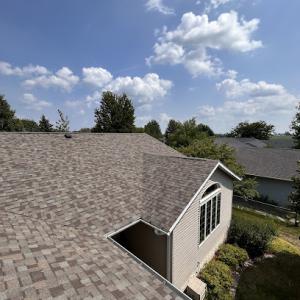
Tomlinson-Cannon Roofing
(319) 519-0315 www.tomlinsoncannonroofing.com
3470 Dolphin Dr SE # D, Iowa City, Iowa
5.0 from 123 reviews
Since 1948, Tomlinson Cannon has been Eastern Iowa’s trusted expert in keeping homes dry. We believe the integrity of your roof depends on the integrity and workmanship of the people installing it. When you choose Tomlinson Cannon for your roofing and siding needs you will receive personalized service, an experienced team, top-quality materials and industry-leading guarantees. We offer a range of roofing services from roof replacement, roof repair, soffit & fascia, snow guards, gutters, gutter guards and more.

Andino Construction
(319) 471-7527 www.andinoconstructionia.com
3546 Dolphin Dr SE # A, Iowa City, Iowa
5.0 from 44 reviews
Local construction company serving the Greater Iowa City Area, specializing in exterior needs including roofing, gutters, and siding. Fully insured and registered with the State of Iowa.
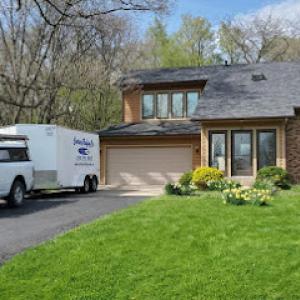
Century Roofing Company
(319) 351-5055 www.centuryroofing-iowa.com
71 Commercial Dr, Iowa City, Iowa
4.8 from 87 reviews
Family owned and operated, asphalt shingle roofing. Been in business since 1991.

Steve's Roofing
(319) 354-3658 stevesroofingia.com
4860 American Legion Rd, Iowa City, Iowa
3.6 from 15 reviews
Locally-owned and operated Your home is your biggest investment. When you’re in the market for a new roof, look no further than Steve’s Roofing. We offer a wide range of services for all types of residential and commercial roofs. Experience the personal service you’ll get from working with a locally-owned and operated business. We’ll treat your home as if it was our own.
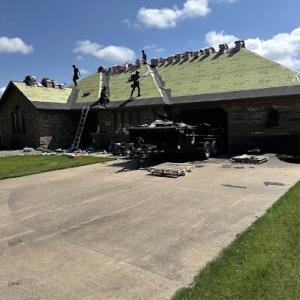
Ferrer Construction
(319) 512-1582 ferrerconstructioniowa.com
Iowa City, Iowa
5.0 from 2 reviews
Ferrer Construction has been repairing roofs in Iowa for over 25 years. Our mission is to resolve your roofing problem promptly.
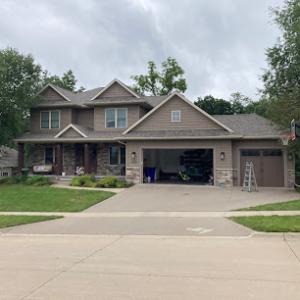
Five Star Home Improvement
(319) 250-4807 fivestarhic.com
Serving
4.7 from 398 reviews
Five Star Home Improvement specializes in roofing servicing. Five Star is a family-owned and operated business, proudly providing Coralville and the surrounding areas with professional roofing solutions. Our services include residential and commercial roof repairs, roof replacements, window and siding installation, and more. When your home or business needs professional solutions, count on Five Star Home Improvement for superior results. Five Stars owner is a third generation roofer. His family has been serving the Iowa and Illinois area for over 60 years. Consistently superior service has made Five Star Home Improvement the most trusted name in roofing.
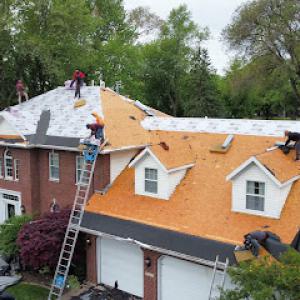
Barahona's Construction
Iowa City, Iowa
5.0 from 1 review
Barahona's Construction is a professional roofing contractor, located in Iowa City, IA. For more information, call us now!
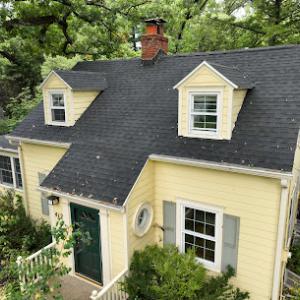
RM Construction Services
(319) 961-0541 rmconstructioniowa.com
Serving
5.0 from 84 reviews
RM Construction Services is a roofing contractor serving North Liberty, Coralville, Iowa City, Tiffin, Cedar Rapids, and surrounding areas. We specialize in roofing, siding, gutters, and concrete work — done right the first time. Our team is known for honesty, showing up when we say we will, and delivering quality craftsmanship on every job. Whether it’s a roof replacement, gutter install, or concrete project, we help homeowners and property managers get jobs done fast, fairly, and professionally.
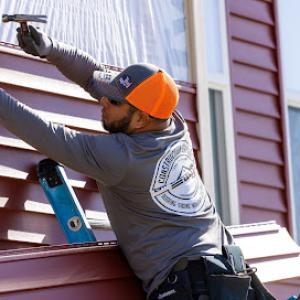
TMJ Construction Services
(319) 569-7782 www.tmjconstructionservices.com
Serving
5.0 from 15 reviews
TMJ Construction Services is a licensed and insured exterior contractor serving the Des Moines metro and Central Iowa. We specialize in residential roofing, siding, windows, gutters, decks, and storm damage restoration. With over 25 years of experience, TMJ is known for quality craftsmanship, transparent estimates, and long-term customer relationships.
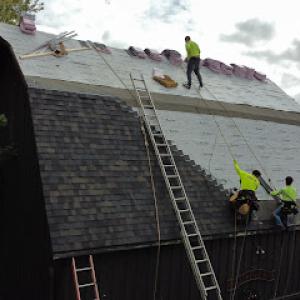
Walter Roofing - Iowa City
(319) 214-0377 www.walterbuilds.com
Serving
5.0 from 18 reviews
Walter Roofing is Eastern Iowa’s top-rated roofing contractor, serving Iowa City, Cedar Rapids, North Liberty, Coralville, Solon, Tiffin, Ely, Swisher, Hills, Kalona, Riverside, Williamsburg, Mount Vernon, Marion, and surrounding areas. Known for our 5-star service on Google and Facebook, we bring a higher standard to every roofing project—residential or commercial. From inspection to final cleanup, we focus on quality, communication, and long-term protection. Trusted by homeowners and businesses alike, Walter Roofing is proud to support the communities we live and work in every day.
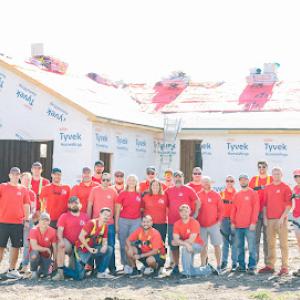
Heartland Roofing, Siding, & Solar
(319) 600-2744 heartlandroofingandsiding.com
Serving
4.8 from 36 reviews
Heartland Roofing, Siding, and Solar is North Liberty’s leading exterior contractor, specializing in roofing, siding, and window replacement. We proudly serve North Liberty, Coralville, Iowa City, and all of Eastern Iowa with high-quality workmanship, fast response, and honest service. Whether you need a full roof replacement, storm damage repair, new siding, or energy-efficient windows, our team delivers lasting results backed by top industry warranties. As an Owens Corning Platinum Preferred Contractor, we’re trusted for both residential and commercial projects. Call today for a free inspection and see the Heartland difference.
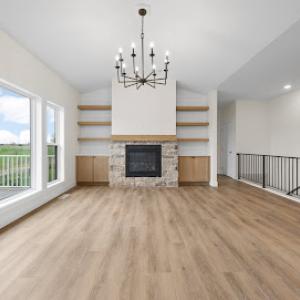
Diamond Ridge Construction
(319) 251-2667 www.diamondridgeiowa.com
Serving
5.0 from 160 reviews
Diamond Ridge Construction is a locally owned company specializing in roofing, siding, framing, and custom homebuilding in the Iowa City/Cedar Rapids area.
Asphalt shingles are the dominant practical choice for many homes in this area, but their performance is closely tied to how often the roof faces freeze-thaw cycles, hail exposure, and summertime heat swings. In winters, repeated freezing and thawing can loosen shingles and expose fasteners, while hail can cause granular loss and localized damage that accelerates aging. In the dog days of summer, heat can soften shingles and stress sealants, especially on roofs with complex slopes or many penetrations. When sizing up a replacement, you'll want to anticipate a cycle where storm events and temperature swings collide, choosing a system that can absorb impact, shed ice, and resist cracking.
Metal roofing stands out as a meaningful local option because it handles repeated weather swings well. It resists hail better than many traditional shingles, and its broad color options can help reflect heat. However, detailing matters on homes with complex rooflines common in established neighborhoods, where transitions around chimneys, skylights, dormers, and varying pitches require careful flashing and seam work. Clay tile, slate, cedar shakes, and synthetic products appear in the market, but heavier or more brittle systems need careful evaluation where older framing or storm exposure may affect long-term performance. Heavier materials demand a stouter roof deck and precise fastener patterns to resist uplift during high-wind events. Synthetic options can offer a balanced mix of weight, resilience, and ease of installation, but it's critical to match the product's impact resistance to your local hail history and the roof's exposure.
Homes with multiple angles, protrusions, or parapets found in older neighborhoods benefit from the durability of materials that tolerate subtle warping and insulation gaps. A well-sealed underlayment is essential to keep water from migrating through fastener runs during freeze-thaw cycles. For metal roofs, proper panel spacing, integrated snow guards where appropriate, and attention to rafter spacing help prevent oil-canning and stage-heavy fluctuations in temperature that can loosen seams over time. For heavier systems like slate or clay, ensure the existing framing can carry the load; otherwise, structural engineering and deck reinforcement may be required before installation. In any choice, a meticulous installation with quality flashing around chimneys, valleys, and skylights will reduce failure points that storms often reveal first.
Because storms and temperature shifts drive the wear pattern here, regular inspections after each severe weather event are smart. Look for lifted fasteners, exposed underlayment, and any granule loss on asphalt shingles after hail seasons. For metal roofs, check seams and fasteners near edge laps after wintering cycles and wind events. With heavy or brittle options like clay tile or slate, monitor for cracked pieces after hail and ensure surrounding roofing components are not transferring stress onto the primary system. A consistent maintenance rhythm-seasonal inspections, prompt replacement of damaged shingles or tiles, and targeted sealing around penetrations-helps these materials perform closer to their expected life under Iowa City's unique mix of freeze-thaw stress, hail exposure, and wind.
When you start budgeting, anchor costs to the region's per-square ranges. Asphalt shingles typically run 350 to 700 USD per square, metal roofing sits from 700 to 1100, clay tile 900 to 1800, synthetic/composite 450 to 900, slate 1200 to 2500, and cedar shakes 500 to 900. These figures reflect typical Iowa City pricing and carry the shadows of the local housing stock and common roof geometries. If you're evaluating options, map your chosen material to that range and compare apples to apples on the same square count.
Storm-driven demand spikes after hail or strong winds can push scheduling and labor pressure higher, especially during the main re-roof season. When a hail event hits, contractors may quickly full-book crews, and material lead times can tighten. In practical terms, expect a gap between deciding on a shingle type and the crew arriving, plus possible weekend or after-hours work if a storm created a backlog. Planning ahead with a preferred contractor and a realistic start window helps avoid premium rush charges that pop up after the weather breaks.
Costs tend to climb on older homes where tear-off reveals decking repairs, flashing replacements, or more intricate roof geometry than on straightforward suburban gable roofs. Decking may need to be replaced or repaired if it's warped, rotten, or has prior improper underlayment. Flashing around chimneys, vents, and intersections can require replacement or re-seaming, especially after freeze-thaw cycles loosened fasteners. If the geometry is irregular-half-hip roofs, dormers, or multiple valleys-labor time goes up and waste disposal costs rise, nudging the total above the baseline for the same square footage.
Select materials with an eye on Iowa winters and the local wind profile. Heavy options like slate or clay tile offer durability but demand a solid roof deck and more meticulous installation, which increases both labor and waste handling. Lighter options such as asphalt or synthetic shingles usually keep install time shorter and may fit tighter budgets, but they still require careful detailing around vents, skylights, and edge details to resist wind-driven uplift. If the home sits on a tight lot, ladder access and material staging can add to labor time and crew setup costs.
In practice, a homeowner should plan for contingencies: a slightly higher quote after a hail event, or a longer-than-expected install window during peak season. Talk through the anticipated sequence with the contractor-arrival times, material blocks, dumpster access, and weather contingency days-so you're not surprised by incremental charges that creep in from delays or extra trips to handle debris or flashing work.
Get a clear picture of your project costs upfront - no commitment required.
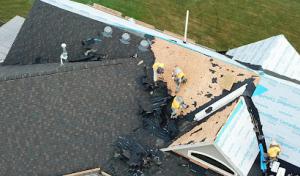

My Cedar Rapids Roofing
(319) 409-6432 www.mycedarrapidsroofingco.business
Serving
5.0 from 11 reviews
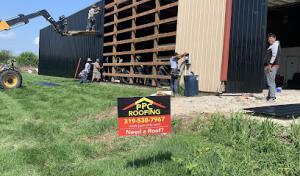
A full re-roof in Iowa City typically requires a building permit through the City of Iowa City Building Department. The permit process helps ensure that a roof replacement meets local structural standards and storm-resilience expectations that your neighborhood relies on after severe hail, wind, or rapid freeze-thaw cycles. Before any shingle delivery or lumber drop-off, align with the Building Department on whether your project qualifies as a full re-roof or a repair that can be handled under a different permit category. Planning ahead can prevent delays that disrupt a busy spring or fall roof cycle.
Contractors generally submit plans and reciprocity information with the permit application in this jurisdiction. In practice, that means your roofer brings or uploads a concise plan set showing roof geometry, underlayment choices, venting, and any temporary protections required during work. The city often looks for confirmation that the chosen materials and attachment methods meet wind and impact standards relevant to Iowa's climate. If your home has unique features-historic elements, a detached outbuilding, or a custom attic layout-expect additional notes or adjustments in the plan packet. Working with a licensed local contractor who understands the Building Department's expectations can streamline review and keep the project aligned with storm-season deadlines.
After installation, the city performs a final inspection to confirm code compliance and workmanship before the project is considered complete. The inspector will verify proper roof deck preparation, flashing around penetrations, chimney and vent terminations, and the integrity of eaves, soffits, and drip edges. They'll also check underlayment and nail patterns in regions subject to freeze-thaw cycles and hail exposure, ensuring the system is poised to resist Iowa's typical seasonal stresses. Having the contractor on-site for the inspection can help address any questions promptly and avoid re-inspection delays.
Coordinate with the contractor to ensure all opening penetrations-vent stacks, exhausts, and any vented skylights-are visible and accessible for examination. Ensure safe access to the roof and a clear path around the home so the inspector can observe edge details and parapet conditions without obstruction. If any adjustments are needed, complete them between the final checks and the inspection appointment to keep the project on schedule. A well-documented set of as-built notes, including any deviations from the original plan, can smooth the final review and provide a clear record for future maintenance.
In this region, hail and wind claims are routine, so adjusters come prepared and ask for standard documentation a homeowner may not keep on file by default. When spring hail or summer storms hit, expect requests for before-and-after photos that show the roof's condition prior to the event and the damage afterward. Material specifications help confirm what was installed and when, which matters if an older roof is mixed with newer sections or if a replacement was done without full disclosure. Contractor invoices become a key piece of the puzzle, illustrating work performed, dates, and the quality of materials used. Having a steady file of this information can shorten the process and reduce disputes about what was damaged and what was repaired.
The timing of a claim matters more here than in some milder climates. Damage documented promptly after a spring hail event or a summer storm is far more likely to be recognized as the original loss rather than judged as seasonal wear. Later documentation can blur the line between storm-related damage and long-term deterioration, potentially leading to disagreements about coverage. If wind-driven debris has piled up on a shaded portion of the roof or attic, take photos that capture both the affected area and the broader roof to provide context. Keep notes on shingle granule loss, lifted metal panels, or displaced flashing; these details help an adjuster decide if replacement is warranted.
Coverage in this market remains solid, but premiums can be influenced by the area's weather-driven claim history. A homeowner who has navigated multiple hail or wind claims may see adjustments in policy terms or discounts, depending on the insurer's view of risk exposure. When storms roll through, coordinating with a reputable contractor who can provide detailed, dated invoices and a clear scope of work can support the claim, especially if the claim involves multiple roof surfaces or a mix of materials. In Iowa City, where older housing stock meets varied roof styles, documenting the condition across the entire roof helps prevent gaps in coverage and supports a smoother replacement decision when the evidence points to storm-related damage rather than deferred maintenance.
Connect with contractors who help homeowners navigate the claims process from damage assessment to final approval.

Andino Construction
(319) 471-7527 www.andinoconstructionia.com
3546 Dolphin Dr SE # A, Iowa City, Iowa
5.0 from 44 reviews
Century Roofing Company
(319) 351-5055 www.centuryroofing-iowa.com
71 Commercial Dr, Iowa City, Iowa
4.8 from 87 reviews
In Iowa City's freeze-thaw climate, skylight curbs, flashing transitions, and sealants are common weak points because repeated expansion and contraction can open pathways for leaks. When evaluating skylight installations or replacements, pay close attention to the curb height and any screw-down flashing. A curb that's too short leaves edge details exposed to ice buildup, while mismatched flashing can trap water against the curb. Sealants should be flexible and rated for low temperatures and wide temperature swings. Inspect skylight seals after major freezes and thaws, and watch for hairline cracks where the curb meets the roof deck. If any movement is noticed, reseal promptly or consider upgrading to a higher-quality curb and flashing kit designed for cyclical movement.
Low-slope sections on additions, porches, and mixed-roof homes require different drainage and flashing attention than the city's more typical steep-slope residential roofs. Ensure proper gravity drainage by evaluating the slope and confirming that deck drains and scuppers are clear and pitched correctly. In mixed-roof configurations, transitions between low-slope and steep-slope areas are prime leak paths; reinforce these transitions with integrated flashing and a continuous waterproofing membrane where practical. Pay special attention to edge terminations and drip edges on low-slope planes, as standing water can accelerate membrane wear and freeze-thaw damage.
These detail areas often become more vulnerable after hail, wind, or winter ice stress even when the main field of roofing appears serviceable. After storms, check skylight flashing, curb joints, and any penetrations for loosening or impact dents. Low-slope pockets around additions and porches should be reviewed for scupper or drain blockages that could back up and backflow under edges. When planning repairs or replacements, prioritize durable sealants and flashing designed for cold climates and install metal flashing with corrosion-resistant fasteners to withstand Iowa winters.
Seasonal checks are practical: after major hail events, after a freeze-thaw cycle, and before the next winter. Keep a simple record of flashing conditions, sealant age, and any observed movement around skylights and low-slope transitions. If a leak is suspected around a skylight or low-slope area, document the exact location, note temperatures at the time of occurrence, and arrange a targeted inspection with a roofer who understands local stress patterns.
Find contractors experienced in skylight installation, flashing, and leak repairs to bring natural light into your home.
Tomlinson-Cannon Roofing
(319) 519-0315 www.tomlinsoncannonroofing.com
3470 Dolphin Dr SE # D, Iowa City, Iowa
5.0 from 123 reviews
Andino Construction
(319) 471-7527 www.andinoconstructionia.com
3546 Dolphin Dr SE # A, Iowa City, Iowa
5.0 from 44 reviews
Century Roofing Company
(319) 351-5055 www.centuryroofing-iowa.com
71 Commercial Dr, Iowa City, Iowa
4.8 from 87 reviews