
Last updated: Apr 19, 2026
You're living in an Iowa storm corridor where hail and wind generate more roof claim activity than markets with gentler weather. After a Cedar Rapids hail event, the roof becomes a fast-moving claim with real consequences. A decision made in the first 24 to 48 hours can save you from a drawn-out dispute or a partial replacement that leaves leaks hidden behind new shingles. This section outlines urgent steps, concrete documentation practices, and how to navigate the surge in demand that follows a storm.
Storms here hit hard and leave telltale signs that insurers expect to see documented in a way that distinguishes fresh hits from older wear. Photo documentation matters because granule loss, sealant aging, and prior repairs can look similar up close, yet affect coverage decisions differently. After a hail pulse or strong gusts, capture wide-angle exterior shots showing impacted valleys, flared ridges, and suspected impact points. Then zoom in on shingles' edges, flashing, and attic signs of moisture. Keep a dated roll of photos organized by roof face and pitch. This isn't vanity photography; it's a record that makes the difference between a non-renewed claim and a full-replacement path when a contractor's assessment matches a photos-on-file history. In practice, a clean timeline that marks exact storm dates and subsequent improvements reduces back-and-forth with adjusters and speeds approvals.
In Cedar Rapids, adjusters are trained to scrutinize condition history. Collect documentation that tells a cohesive story: when the last significant activity occurred, what areas appeared to worsen after each event, and how each repair held up. If prior repairs exist, note who did them, the materials used, and whether those fixes are still sound under current hail and wind patterns. A neighborly tip: have a trusted contractor prepare a concise, neutral appraisal that points out observable hail impact zones, wind-driven uplift on edges, and any interior signs of moisture that align with attic vents or chimney flashings. The goal is to map every claim item to a verifiable condition, reducing the chance of being flagged for pre-existing issues or misclassified damage.
Rapid post-storm demand spikes in Cedar Rapids compress scheduling and push homeowners toward temporary tarping or emergency leak control before full replacement. If a leak appears, secure a temporary barrier to minimize interior damage but document the temporary fix with date-stamped photos and a clear note of its temporary nature. Contact your insurer promptly to initiate the claim, then line up a local, reputable contractor who understands storm-season workflows. Expect back-to-back inspections and tight windows for contractor mobilization; having a pre-vetted crew lined up can prevent weeks of delay. Keep a single point of contact for the insurer and the contractor to ensure consistent messaging about scope, timelines, and material compatibility.
A Cedar Rapids contractor with storm-claim experience will be familiar with the typical sequence: initial assessment, evidence collection, claim documentation, and a guided transition to full reroofing when the scope proves greater than a surface patch. They'll help you distinguish between hail damage and wind uplift, optimize the use of permanent shingle systems already common in local housing stock, and coordinate with adjusters to minimize redundant inspections. The right partner provides a calm, fact-based process that keeps the claim moving rather than stalling on paperwork or disputed assessments. In this market, trusted communication is as valuable as the roof itself.
Find local contractors experienced in assessing and restoring roofs after hail, wind, and severe weather events.
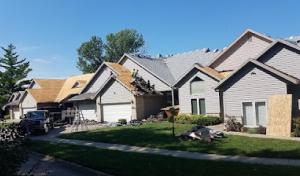
Garcia Roofing & Exteriors
(319) 527-8025 garciaroofingandexteriors.com
1116 Center Point Rd NE, Cedar Rapids, Iowa
4.9 from 148 reviews
Robison Construction
(319) 363-0110 robison-construction.com
701 Center Point Rd NE, Cedar Rapids, Iowa
4.9 from 183 reviews
Stronghouse
(319) 343-6376 stronghousebrands.com
3601 Mt Vernon Rd SE, Cedar Rapids, Iowa
4.9 from 95 reviews
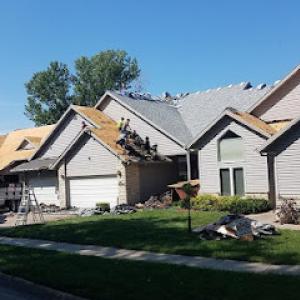
Garcia Roofing & Exteriors
(319) 527-8025 garciaroofingandexteriors.com
1116 Center Point Rd NE, Cedar Rapids, Iowa
4.9 from 148 reviews
Locally owned with over 15 years of experience, rely on Garcia Roofing & Exteriors to keep your home or commercial building protected with quality roofing and siding. We are Malarkey certified and GAF certified to expertly install a variety of roofing and siding systems.
Robison Construction
(319) 363-0110 robison-construction.com
701 Center Point Rd NE, Cedar Rapids, Iowa
4.9 from 183 reviews
With over 15 years of experience, Robison Construction is a trusted Iowa-based contractor specializing in high-quality roofing and energy-efficient homes. As a dedicated local business, they are committed to using top-tier products and providing outstanding customer service, backed by industry-leading warranties. An authorized dealer for Energy Panel Structures (EPS), they offer expert solutions for both residential and commercial projects. From custom building designs that incorporate the latest technology to professional roofing that ensures lasting protection, Robison Construction delivers on its promise of integrity, quality, and complete customer satisfaction.
Stronghouse
(319) 343-6376 stronghousebrands.com
3601 Mt Vernon Rd SE, Cedar Rapids, Iowa
4.9 from 95 reviews
Stronghouse is a national leader in exterior home and commercial remodeling, providing expert roofing, siding, windows, and gutters. We support teams across the country delivering trusted roof replacement, storm restoration, siding installation, energy-efficient windows, and seamless gutter systems. At Stronghouse, we do things the right way - your home deserves it. With honest service, durable materials, and professional installation, we stand behind every project. We build peace of mind, strong homes, and communities that know we have their back.
Five Star Home Improvement
(319) 450-1018 www.fivestarhic.com
4403 1st Ave SE #411-B, Cedar Rapids, Iowa
4.7 from 232 reviews
Five Star Home Improvement is a family-operated and family owned roofing contractor in Cedar Rapids IA. Our owner is a third generation roofer. The Runge family has been serving the Cedar Rapids Iowa area for over 60 years. Consistently superior service has made Five Star Home Improvement the most trusted roofer in the Cedar Rapids area. We proudly provide Cedar Rapids and the surrounding areas like Iowa City, Mt Vernon, and more with professional residential and commercial roofing and exteriors services. Our services include roof repairs, roof replacements, storm damage repairs, and more. When your home or business needs professional roofing or exterior solutions, count on Five Star Home Improvement for lasting results.

Perfect Pitch Roofing | Siding | Gutters
(319) 389-8757 www.perfectpitchroofs.com
251 Crandall Dr NE, Cedar Rapids, Iowa
4.6 from 128 reviews
Local Iowa Roofing, Siding, and Gutter Contractor. 10 + Years in Business. Storm Damage Experts. New Roof & Siding Replacement & Repairs. BBB A+ Rating. Free Inspections. Serving Central and Eastern Iowa. 319-389-8757
Everest Exteriors
(660) 243-3300 everestexteriors.com
221 3rd Ave SE, Cedar Rapids, Iowa
5.0 from 17 reviews
At Everest Exteriors, serving Cedar Rapids and beyond, we specialize in residential and commercial roofing, storm damage restoration, and siding installation. Your roof is our responsibility, and we are committed to delivering expert craftsmanship and long-lasting protection. We offer free inspections, zero down financing, and same-day estimates. As a Certified CertainTeed ShingleMaster, we work with asphalt shingles, metal roofing, flat roofing, and vinyl siding to ensure top-quality results. Contact us today to schedule your free inspection and see why homeowners and businesses trust us for quality roofing solutions.
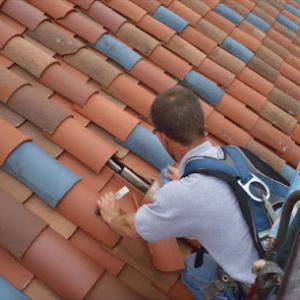
Dryspace
707 66th Ave SW, Cedar Rapids, Iowa
5.0 from 14 reviews
Dryspace, in Cedar Rapids, IA, is the area's leading roofing contractor serving Iowa City, Marion, Hiawatha, Tiffin, Fairfax and surrounding areas since 1989. We specialize in commercial roofing and waterproofing. For more information, contact Dryspace in Cedar Rapids.

Tri-County Enterprises
(319) 364-2220 www.tricounty-iowa.com
5527 Crane Ln NE, Cedar Rapids, Iowa
4.4 from 93 reviews
Exterior remodeling company providing asphalt roofing, metal roofing, siding, gutters, underdecking, decks and replacement windows.

My Cedar Rapids Roofing
(319) 409-6432 www.mycedarrapidsroofingco.business
4600 20th Ave SW, Cedar Rapids, Iowa
5.0 from 11 reviews
In search of a roofing company you can depend on in Cedar Rapids IA? Look no further than My Cedar Rapids Roofing. We specialize in both residential and commercial roofing services. Backed by years of experience, we offer complimentary roof inspections to identify any potential issues. Whether it's a minor repair or a complete roof replacement, our skilled roofers are ready to handle it all with precision and expertise. In the unfortunate event of storm damage, we're your trusted roofing contractor for swift and reliable repairs. We understand the urgency of such situations and strive to provide prompt assistance to restore your home. Trust My Cedar Rapids Roofing to protect your property.
Affordable Pro Exteriors
(319) 205-0800 www.sunstoneexteriors.com
3939 Bowling St SW, Cedar Rapids, Iowa
4.3 from 83 reviews
With years of experience in roofing, Affordable Pro Exteriors has got you covered. We have skilled roofing contractors in Cedar Rapids, IA for all your roofing needs. Our team is responsible, reliable and prompt. When you call us, you can expect prompt and dependable services. We work with quality materials to give you the best craftsmanship. Locally owned and operated, our company strives to provide the best service at affordable prices for our community. We also help straighten insurance claims. We offer residential roofing services, light commercial roofing, siding installation and repair, and gutter services such as installations, repairs and replacements. We also provide storm, hail and wind damage repair
Pa's Construction
(319) 432-7944 www.pasroofingandconstruction.com
1125 Hubbard Ave NE, Cedar Rapids, Iowa
4.3 from 89 reviews
Pa's Construction provides roofing, siding, gutters, home remodeling, windows, decks and patios to customers in Cedar Rapids, IA.
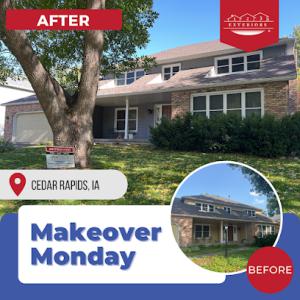
123 Exteriors Cedar Rapids
(319) 250-0925 www.123exteriors.com
4211 Glass Rd NE a, Cedar Rapids, Iowa
4.4 from 33 reviews
123 Exteriors provides you with detailed information regarding the damage to your house, necessary repairs, and costs thereof, and replace exterior materials that have been damaged by weather events. High winds, ice, hail, and other weather events can damage your home’s exterior and our restoration experts are trained to identify these specific types of damage. Our local experts specialize in roofing, siding, gutters, window replacement, insurance claims, and storm restoration
In Cedar Rapids, late spring through early fall is typically the best reroofing window because temperatures are more moderate and conditions are generally drier than winter and shoulder-season periods. This is when asphalt shingles seal properly, and fasteners set without the risk of cold-induced brittleness. If you're addressing storm damage from a hail event, a clear, dry stretch in late spring or early summer can help crews complete the job with fewer weather delays and less stray moisture intrusion.
Winter freeze-thaw cycles in Cedar Rapids can accelerate deterioration at shingles, flashing, and roof penetrations, especially where water repeatedly refreezes at vulnerable details. Ice buildup along eaves and gutters can push against soffit vents and cause micro-leaks that mask themselves as minor leaks until a larger failure reveals itself. If a hail event hits in late fall or early spring, those same joints may already be stressed from cold snaps, making a timely evaluation critical. In winter, crews contend with shorter daylight hours and slippery access, which slows progress and can complicate material handling on steep sections.
Fall and early winter projects in Cedar Rapids can face slower production because shorter daylight and weather interruptions reduce installation time. Wind shifts, late-season storms, and occasional early snows can push crews off the roof and onto indoor tasks sooner than anticipated. If a storm has already damaged the roof, aim to secure a plan with the contractor before the worst weather hits, so the project can ramp up quickly when temperatures stabilize and the ground is firm enough for material deliveries and crane or ladder access.
Start with a clear assessment after a major hail or wind event, focusing on vulnerable details: ridges, hips, valleys, skylights, vents, and the chimney flashing. Map out a preferred window within late spring to early fall, but build in a contingency for an early fall snag-like a wet spell or an early frost that can halt work. Contact your contractor to reserve an install slot during the anticipated best weather, and discuss temporary protective measures to mitigate further exposure while waiting for better conditions. If insurance-driven replacement is in play, align storm-damage documentation to match the anticipated window so adjusters can review photos quickly and authorize a start date.
Prepare for a clean teardown and debris containment so moisture intrusion is minimized during the transition between old layers and new. Ensure attic access is clear for material staging and that exterior pathways remain safe during wet or icy days. If a mid-project weather lull occurs, have a plan for tarp protection and temporary weatherproofing to maintain interior dryness and protect newly installed components from frost or hail exposure. In this market, timing hinges on predictable spring and summer conditions, with a readiness to adapt when a late-season storm intersects the schedule.
Asphalt shingles dominate the local roof market because they align with the storm-repair economy and the broad range of residential reroofing budgets found in the area. For homeowners facing repeated hail and wind events, these shingles offer straightforward replacement, easy field repairs, and a widespread network of installers who understand insurance documentation and claim timelines. When selecting asphalt, look for higher impact resistance ratings and warranties that cover wind uplift, since Cedar Rapids experiences both severe weather and freeze-thaw cycles that test fasteners and sealants. A practical approach is to pair a durable shingle profile with underlayment rated for moisture migration and a roof deck that's solidly prepared for quick hail-repair work. If there is an emphasis on rapid restoration after a storm, asphalt shingles provide the fastest recovery path without sacrificing long-term performance, provided the installation is done to manufacturer standards and with attention to ventilation and attic insulation. For homes with complex rooflines or a history of wind-driven debris, choosing a heavier-weight architectural or dimensional shingle can improve resilience without complicating installation.
Metal roofing represents a meaningful upgrade path for homeowners focused on hail resilience, snow shedding, and long-term performance through hot summers and cold winters. In this market, metal panels or shingles offer excellent resistance to hail damage, reduced maintenance over time, and improved wind performance when installed with proper fastening patterns and proper sealing at ridges and joints. Metal's reflective surface helps mitigate heat buildup on attic spaces, which is particularly beneficial for homes with less-than-ideal ventilation or older insulation. For Cedar Rapids-area weather, a metal roof can shed snow more efficiently, reducing the risk of ice dam formation and gutter ice buildup. Installation quality matters, especially around penetrations and transitions to existing structures. A well-executed metal roof can maintain curb appeal while delivering noticeable gains in resilience during harsh spring storms and late-season temperature swings. Look for colors and profiles that blend with the neighborhood while providing the intended wind and hail performance.
Clay and concrete tile are available in this market but require careful structural and installation planning because Cedar Rapids homes are more commonly reroofed with lighter systems after storm loss. Tile roofs can deliver a distinctive look, strong durability, and excellent resistance to weathering, but they demand a solid substrate, careful attic-to-eave detailing, and professional handling of underlayment and fasteners to prevent moisture pathways. For areas with freezing cycles, proper insulation, ventilation, and an integrated ice barrier at eaves help minimize the risk of cracks from freeze-thaw action. Weight considerations are critical: many homes in the region were not originally designed for heavy tile, so structural assessment and, if needed, reinforced framing or a roof deck upgrade must precede installation. If the plan is to pursue a tile option, partner with a contractor who can evaluate the existing structure, confirm compatibility with local storm-repair sequences, and ensure a layout that accommodates snow shedding without creating new load paths that could stress walls or fascia. When chosen and executed with careful planning, tile can offer a long service life and an enduring aesthetic appeal that suits neighborhoods with traditional architectural cues.
Typical pricing for common roof materials here follows a clear pattern. Asphalt shingles run about $350 to $650 per square, which is a meaningful baseline when the hail and wind hammer neighborhoods after a storm. Metal roofs command $700 to $1,200 per square, reflecting both material durability and the demand spike after major hail events. For clay tile, expect $1,000 to $1,800 per square, while concrete tile comes in at roughly $1,000 to $1,600 per square. Wood shingles or shakes fall around $600 to $1,100 per square, and synthetic or composite shingles sit in the $500 to $900 range. Those numbers aren't bells and whistles-they're what crews quote when a storm starts showing up on the forecast and homeowners need a plan that holds up to freeze-thaw cycles and the Manitowoc-like wind gusts that can slam exposed edges.
Storm-driven surges in this area can nudge reroofing costs upward even if the material and square footage stay the same. Tight labor availability after a major hail or straight-line wind event means longer wait times and a slower pace to get permits, inspections, and crews on site. That delay translates into temporary housing considerations for some homeowners and longer project timelines overall. If a crew is juggling multiple storm sites, you may see staggered start dates or shorter daily progress windows, which can influence material handling and scheduling costs. In practical terms, prepare for a few weeks of lead time beyond the base project window after a storm, and plan for potential price fluctuations if the supplier's stock gets tight.
When you're budgeting, build in a cushion for the inevitable weather-induced delays and the possibility of elevated labor rates after a hail event. Start with your material choice's per-square price as the anchor, then add a realistic projection for labor and any ancillary work like underlayment upgrades or flashing repairs. If a storm has recently hit, speak with a local contractor who tracks storm-demand trends and can provide a phased schedule that aligns with insurance claims and the best-fit installation window. Even in a busy season, a well-coordinated reroof can minimize disruption by targeting a tight sequence of material delivery, roof teardown, and new roof installation, all timed to weather forecasts and crew availability.
Don't let upfront costs delay a critical repair - these contractors offer payment plans to fit your budget.
Everest Exteriors
(660) 243-3300 everestexteriors.com
221 3rd Ave SE, Cedar Rapids, Iowa
5.0 from 17 reviews
PPC Roofing
2130 Mt Vernon Rd SE, Cedar Rapids, Iowa
4.0 from 31 reviews
In this market, most full reroofs require a building permit rather than a no-paperwork project. The emphasis is on documenting that the new system meets local wind and fire codes, has proper ventilation, and leaves no gaps around eaves and vents. Typically, the roofing contractor pulls the permit on your behalf, and the related fees are due when the permit is issued. If a contractor offers a simple, door-to-door replacement without paperwork, treat that as a red flag. The city's permit process creates a record that can be crucial for insurance claims and future resale, so it is not something to skip or rush.
After the roof is installed, a post-installation inspection is the milestone that confirms compliance before the project is officially closed. Inspectors scrutinize flashing around chimneys, valleys, roof-to-wall intersections, and penetrations, as well as attic ventilation and overall airflow design. A proper inspection helps ensure the roof will perform during freeze-thaw cycles and resilient hail events typical to this area. If the system fails an inspection, a quick correction pass is usually possible, but delays can extend the project timeline and complicate insurance documentation.
Coordinate with the contractor to ensure the permit application is submitted promptly and that the permit is issued before finalizing any work. Ask for copies of the permit and inspection notices as the project progresses, and keep these documents in a safe place for future reference. Confirm with the contractor which venting details and flashing upgrades will be installed, so you can verify alignment with code expectations during the inspection. On the day of inspection, prepare access to the attic and roof lines, and ensure any deviations noted during work are corrected before the inspector arrives. Missing or delayed inspections can complicate warranty coverage and insurance documentation later on.
In this city, hail and straight-line winds collide with freeze-thaw cycles, creating a frequent rhythm of roof damage and insurance interactions. Storm events are not rare here, and that reality shapes every adjuster's expectations and timelines. Insurers in this market often approach Cedar Rapids claims with a heightened sense of scrutiny, looking for clear, well-documented evidence of damage and aging to justify a scope that matches the actual loss. Decisions can hinge as much on the narrative you present as on the visible damage itself.
Before filing a claim, and after a major weather event, you should start building a precise record. Detailed photos that capture the overall roof, close-ups of hail impact points, and any signs of granule loss or curling shingles help an adjuster gauge severity. Measurements of affected areas, especially around upstairs roofing, dormers, and valleys, add credibility to the claim. Notes about prior roof condition, material aging, and any pre-existing issues provide context that can prevent a downturn in coverage or a scope shrink. In this market, a well-documented file reduces back-and-forth and speeds up the review process.
Because storm claims are common, insurers expect homeowners to distinguish between new damage and pre-existing wear. Document the roof as it stood before the event, if that information is available (through prior photos or a recent inspection). After the storm, repeat the documentation with a clear time stamp. This approach helps adjusters assess whether all observed damage is storm-related or if some issues were already present. It also supports a smoother conversation about repair versus replacement, which can become a focal point in Cedar Rapids claims.
Create a simple damage map for the roof layout-mark valleys, vents, and transitions where damage tends to accumulate. Keep a concise maintenance log noting any leaks, shingle lift, or unusual sounds during wind events. If possible, coordinate an on-site inspection with the adjuster and a trusted roofer so measurements and observations align. Clear, factual communication reduces negotiation friction and helps ensure the scope reflects actual needs rather than assumptions.
In this climate, repeated freeze-thaw exposure shows up first at flashing transitions and sealant-dependent details rather than only in field shingles. Metal-to-roof junctures, vent collars, chimneys, and chimney aprons are particularly vulnerable when ice dams form and push water under the skin of the roof. Over time, old or improperly applied sealants crack, allowing moisture to wick into decking and the underlayment. Regular inspections should focus on these transitions after winter and before the heavy spring rains, looking for hairline cracks, dried sealant beads, and any movement where flashing meets siding or vents.
Spring hail and wind in this area can create mixed damage patterns that include bruised shingles, lifted tabs, and compromised ridge or edge components on the same roof. A single storm can leave some areas visually intact while nearby sections show soft impacts or dented edges. Pay attention to granule loss in one zone alongside lifted tabs elsewhere, which indicates differential impact and potential moisture pathways. When documenting damage for insurance, photograph both the bruised field shingles and the edges or ridges that show deflection or settlement, since patching one area without addressing related edge weaknesses can lead to accelerated failure.
Summer heat and UV exposure can weaken shingle seal strips and age exposed sealants, especially on roofs already stressed by winter cycling. In circuits of high sun exposure, asphalt shingles may begin to curl or lose adherence along the eaves and ridge lines where sun and heat concentrate. This aging accelerates around worn or blistered flashings and near attic-vent pathways. Proactive maintenance that re-seals exposed joints and re-fastens loosened components can slow deterioration, but when the sealant layer fails, moisture penetrates at the membrane level, long before visible shingle damage appears. Regular summer evaluations help catch these issues before interior signs emerge.
Skylights in this climate must endure repeated freeze-thaw cycles and storm-driven rain, so flashing work around roof openings needs extra attention. When inspecting or replacing a skylight, verify that the curb is level and that flashing boots seal cleanly against both the curb and the roof deck. Look for hairline cracks where the flashing meets the shingles, and plan for corrosion-resistant fasteners that won't loosen with temperature swings. In Cedar Rapids, consider adding a secondary seal at the skylight perimeter during the first reroofing cycle to reduce the chance of moisture intrusion after a hail event. If you notice any staining or softening around the skylight, prioritize flashing upgrades and ensure the drip edge directs water away from the curb.
Low-slope and flat sections exist on some homes and mixed-use buildings, requiring different drainage and membrane considerations than the typical pitched roof. Start by confirming that drains are accessible and free of debris before a storm season. For these areas, install a robust membrane layer with a proper slope to handle heavy rainfall, plus wind-pressed rain on hail days. Inspect transitions where the flat roof meets vertical walls or parapets; these are common leak points if membrane laps are compromised. Consider edge sealants rated for freeze-thaw cycles and ensure termination bars are properly fastened to prevent wind uplift. Regularly re-seal any penetrations, such as vents or roof-top equipment, since Cedar Rapids weather can stress seals unevenly.
Solar-integrated roofing remains a smaller niche in this market compared with storm restoration work, but it still appears in select homes. When evaluating solar elements, ensure that mounting systems won't trap water at flashing points or create creases in the underlayment. In roofs with mixed materials, coordinate flashing and seam transitions to prevent differential movement between metal, shingles, and membranes during freeze-thaw cycles. If a solar retrofit coincides with a reroof, align module racking with existing hip and valley lines to minimize potential leak paths and simplify future inspections.
Find contractors experienced in skylight installation, flashing, and leak repairs to bring natural light into your home.
Robison Construction
(319) 363-0110 robison-construction.com
701 Center Point Rd NE, Cedar Rapids, Iowa
4.9 from 183 reviews
Stronghouse
(319) 343-6376 stronghousebrands.com
3601 Mt Vernon Rd SE, Cedar Rapids, Iowa
4.9 from 95 reviews
Affordable Pro Exteriors
(319) 205-0800 www.sunstoneexteriors.com
3939 Bowling St SW, Cedar Rapids, Iowa
4.3 from 83 reviews