
Last updated: Apr 19, 2026
Spring storm activity in central Illinois can slam through the region with sudden hail, strong winds, and rapid temperature swings. For a home with asphalt shingles or lightweight metal, that means hail dents, granule loss, and possible wind uplift that creep up from a storm's edge. In this market, damage isn't always obvious from ground level; a quick walk-scan after a storm is essential, but don't delay a professional inspection if any dented flashing, loose shingles, or granule washout shows up. Delays can turn minor issues into widespread leaks or structural concerns after the next freeze-thaw cycle.
Your first move is to minimize exposure and document. Tarp exposed valleys or compromised areas to prevent water intrusion while you arrange an inspection. Take clear photos from multiple angles before any temporary repairs, and keep track of the date and weather conditions for each shot. Even if your roof looks "okay" from the ground, a licensed roofer can spot hidden damage around skylights, vents, and the roof edge. In Pekin, adjuster inspections frequently come in waves after a hail event, so your documentation should be complete and dated to support a claim decision.
Spring storms can jam schedules. Inspectors and adjusters may have backlogs, and weather can push you toward quick judgments about tarp duration, emergency repairs, and replacement timing. To avoid being rushed into a suboptimal decision, request a written scope and timeline from your roofer before any temporary work begins. Ask if the contractor will coordinate with your insurer to align on inspection times, damage scope, and proposed steps. If an adjuster requires a preliminary visit, have your photos organized by category-shingles, flashing, gutters, and interior signs of water intrusion-to speed up the review.
In many Pekin roofs, hail damage accumulates over multiple events before a full replacement is triggered, especially on older homes with multiple layers of material. A durable plan should incorporate assessing ventilation, underlayment condition, and the roof deck stability. When replacement is advised, insist on a transparent, line-by-line estimate that itemizes materials, labor, and disposal. If the insurer approves a partial repair, verify that the scope doesn't leave underlying issues exposed or create future claim friction. Ask about the long-term performance of the chosen material against hail and wind, and ensure your contractor offers a detailed project timeline with weather contingencies.
Keep all communication in writing with your insurer and contractor. Photos, contractor estimates, and a documented claim history act as your most persuasive tools in a fast-moving claim environment. Share your file with trusted family or a local roofing advisor who understands Pekin's typical housing stock and weather patterns. When you have a clear, itemized plan and solid documentation, you lessen the risk of miscommunication and delays. Your goal is a dependable solution that stands up to the next round of hail and the region's freeze-thaw cycles, not a rushed patch job that invites new damage.
Find local contractors experienced in assessing and restoring roofs after hail, wind, and severe weather events.
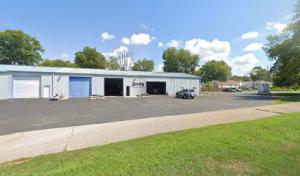
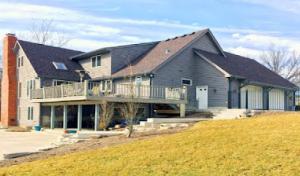
RockyTop Roofing & Construction
(309) 201-9242 www.rockytopinc.com
14929 IL-29, Pekin, Illinois
4.5 from 62 reviews

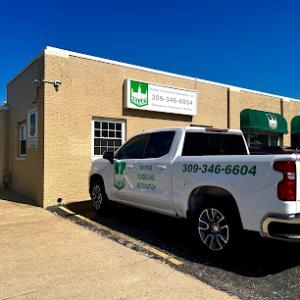
Kelley Construction Contractors
(309) 346-6604 kelleyconstructioninc.com
201 N 8th St, Pekin, Illinois
4.4 from 224 reviews
Welcome to Kelley Construction Contractors. Kelley Construction is a residential & commercial contractor operating in the United States. Our Remodeling, Roofing, and Repair experts provide assistance with everything from roof inspections and minor repairs to comprehensive rebuilds and just about everything in between. Our mission is to protect, restore, and build properties, strengthen families and support our communities. We are committed to serve you locally! Contact us for a free inspection
RockyTop Roofing & Construction
(309) 201-9242 www.rockytopinc.com
14929 IL-29, Pekin, Illinois
4.5 from 62 reviews
The idea of going through with a roofing job can be a scary thought. There are lots of pieces to a project the size of a new roof. It can definitely leave you wondering where to start. RockyTop will guide you through the project, just give us a call to discuss your options. We're proud to be accredited by the Better Business Bureau, and our business is properly bonded and insured to handle your emergencies. Why Choose RockyTop? We take care of all the insurance claims steps to prevent hassles and unwanted surprises We offer different types of high-quality roofing materials to meet the needs of our customers We don’t just work on roofs, we install siding, installation, fencing, and more We are a family and veteran-owned business that stands

Koch Konstruction
(309) 360-9740 kochkonstruction.com
Serving
4.8 from 119 reviews
Koch Konstruction offers residential and commercial roofing and construction services. Our services include complete roof tear-off and replacement, along with siding, soffit, roofing repairs, flashing, gutters, deck construction, fence construction, and insurance work. Our experienced Central Illinois roofers are able to complete any roofing project. We install and repair many types of roofs including slate, tile, metal, and composite shingles. We also install, repair and replace flat rubber roofing on commercial properties.
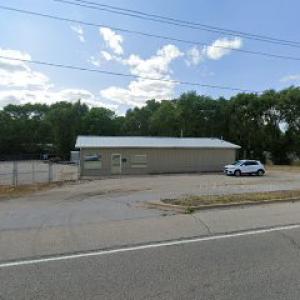
Bayview Exteriors
(309) 346-4444 www.bayviewexteriors.net
Serving
4.6 from 9 reviews
With Bayview Exteriors, there's no need to choose between affordability & quality craftsmanship. Whether you're looking to replace your siding, install a new door or window, fix your roof our goal is to make your remodel affordable & stress-free.
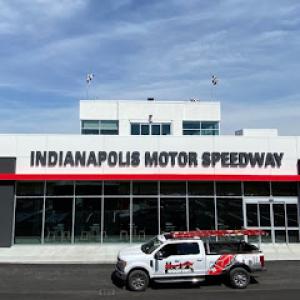
River City Roofing
(309) 697-9999 www.rivercityroofs.com
Serving
4.7 from 316 reviews
River City Roofing provides professional residential and commercial roofing services across Central Illinois. With decades of industry experience, the team delivers reliable roof repairs, full roof replacements, and storm damage restoration designed to protect homes and businesses long-term. Services include roof inspections, insurance claim assistance, shingle and metal roofing, siding, and gutter installation. River City Roofing prioritizes quality workmanship, responsive service, and clear communication, delivering dependable solutions for homeowners and property managers throughout the Peoria area.

Kahuna Roofing & Construction
Serving
5.0 from 20 reviews
Family owned and operated Roofing and Construction company

Durango Roofing & Construction
(309) 922-7515 www.durangoroofingcompany.com
Serving
5.0 from 8 reviews
Durango Roofing is a family-owned roofing company, proudly serving the community since 2021. With over 13 years of experience in the industry, we are dedicated to providing top-notch roofing solutions tailored to your needs. We offer free estimates and work tirelessly to ensure our customers are satisfied with our services, which include roof replacement, repairs, and the installation of soffits, fascia, and gutters. Trust us to protect your home with quality craftsmanship and a commitment to excellence. BBB accredited.

Roof Tiger
(309) 505-7627 therooftiger.com
Serving
4.9 from 408 reviews
Roof Tiger is one of the most respected Roofing Companies in Peoria Heights, IL, proudly serving homeowners across Central Illinois. Our expert team specializes in Roof Repair, Roof Replacement, and Roof Installation designed to withstand the Midwest’s demanding weather conditions. Whether you’re dealing with storm damage, aging shingles, or building a new home, Roof Tiger provides dependable solutions built on quality, honesty, and craftsmanship. We take pride in offering transparent communication, durable materials, and 5-star service that homeowners can trust. Each project is handled with precision and care, ensuring long-lasting protection and curb appeal for every property. At Roof Tiger, we treat your home like our own.
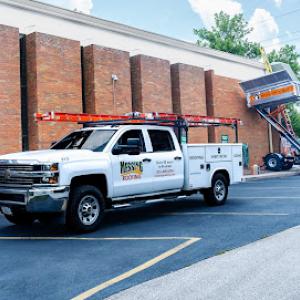
Messing Roofing & Construction - Peoria Metro
Serving
4.7 from 161 reviews
Looking for reliable roofing services in the Peoria Metro area? Messing Roofing & Construction is a second-generation, family-owned company with over 40 years of experience. As Central Illinois' most trusted roofing contractor, we specialize in residential roofing, commercial roofing, and architectural sheet metal. From asphalt shingles for homes and businesses to metal roofing by McElroy Metal, we’ve got your roofing needs covered. We also offer flat roofing solutions such as EPDM rubber roofing, TPO thermoplastic roofing, and more from top brands like CertainTeed, Carlisle, and Firestone. Our services extend to seamless gutter installation, vinyl siding, and metal soffit and fascia. Contact us today!
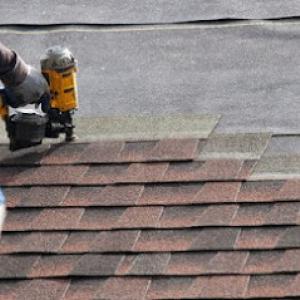
JG Roofing & Company
(309) 316-3652 www.jgroofingco.com
Serving
4.9 from 41 reviews
JG Roofing and Company is a family-owned roofing contractor serving Peoria, IL, and surrounding areas. We are licensed, insured, and bonded, with an A+ rating from the BBB. Our skilled team provides reliable roof replacement Peoria services, along with roof repairs and storm damage inspections. We focus on delivering high-quality craftsmanship and honest service to every customer. Whether you need a roof replacement or have damage that requires attention, we're here to assist. Discover why homeowners in Peoria trust JG Roofing and Company for all their roofing needs. Visit our website for more details!
SNS Roofing
Serving
4.9 from 45 reviews
Building Roofs, Strengthening Communities At SNS Roofing, we’re here to take the stress out of your roofing, siding, and gutter projects. Whether you need a new roof, a quick repair, or a fresh look for your home or business, our friendly and skilled team has you covered. We’re all about delivering top-quality work while making the process as smooth and hassle-free as possible. From protecting your property to boosting its curb appeal, we’ll work with you every step of the way to make sure you’re thrilled with the results. As part of the community, we’re proud to help keep your home or business safe, secure, and looking great. Reach out today for a free estimate—we’d love to chat about how we can help!
Sunrise Roofing
(309) 267-5115 www.sunriseroofing.us
Serving
5.0 from 131 reviews
Residential and Commercial Roofing Service.
Pekin typically sees the best replacement window from spring through early fall, when freezing conditions are less likely to interfere with installation. If you want the project to move smoothly, aim to start after the last hard freeze and before late fall rains set in. That stretch gives crews a clearer schedule and fewer weather-driven delays. Plan with a realistic timeline for material delivery, chalking out a two- to four-week window for a standard shingle job in good weather. Early summer can work well, provided a dry spell is present long enough to dry in the roof deck before any heat-driven expansion creates buckling concerns.
Winter freeze-thaw cycles in this part of Illinois can worsen decking and shingle problems before homeowners are ready to replace the roof. If there are obvious signs of coatings lifting, granule loss, or soft spots from ice damage, a fall or spring replacement becomes a careful balancing act: you'll want to address moisture intrusion quickly, but you also need temperatures that stay above freezing during installation and sealing. Planning ahead helps avoid a scenario where you discover more deck damage once a crew is on the roof. Have a trusted inspector confirm decking condition prior to ordering materials so you're not surprised by hidden rot or warped boards once removal begins.
Fall rains and spring storm interruptions can affect crew availability and dry-in timing for Pekin re-roof projects. Build a schedule that blocks out weather-risk weeks, and consider coordinating with neighbors who have similar timelines to share access points and staging space. If heavy storms are forecast, have a contingency plan for securing areas around the home and protecting landscaping. While crews are efficient, they still rely on predictable days for tarping, insulation, and shingle adhesion. A flexible start date within the spring-to-fall window reduces the chance of a rushed dry-in or re-tracking on a day when wind shifts or sudden showers arrive.
On a practical level, choose a start date that aligns with a predicted stretch of dry weather and moderate temperatures. Ensure the attic is adequately vented and insulated before the roof comes off; this helps manage condensation during the dry-in phase and reduces the risk of rapid heat buildup on hot days. Coordinate with your contractor to stage materials in shaded areas or under tarps to minimize sun exposure that can degrade certain roofing components on hot afternoons. In older homes with mixed roof lines or multiple penetrations, request a pre-dry-in walkthrough so crews can mark utilities, vents, and chimneys, preventing interruptions once the crew begins panel removal.
In a typical Pekin project, removal and decking checks happen in the first few days of an optimal window. If decking shows no major defects, installation of underlayment and new shingles proceeds with daily progress markers. Expect a few weather hold days in the spring or fall, but with a clear plan, most crews compress the timeline enough to finish before the next significant cold snap. End-of-project inspections verify that ventilation is balanced and peak roof lines are weather-tight, reducing the chance of early moisture intrusion during the upcoming season.
Asphalt shingles are the dominant choice for the local re-roofing market and are widely used on residential homes across central Illinois. They pair well with existing roof decks, are familiar to local roofing crews, and offer a straightforward path to storm-resilient performance when paired with proper underlayment and attic ventilation. In stormy seasons, asphalt shingles with Sequoia- or architectural-style profiles can shed hail impact better than older 3-tab designs, provided the installation uses high-quality underlayment and a solid nail pattern. For homes with moderate attic height and ample ventilation, asphalt can deliver reliable wind resistance and quick, repair-friendly maintenance. When choosing this option, consider higher-impact-rated shingles in areas prone to hail, and plan for a roof deck that remains dry during rapid freeze-thaw cycles.
Metal roofing holds a meaningful local specialty presence, making it a realistic upgrade option for prioritizing hail resistance and longevity. Steel or aluminum panels with a standing-seam system perform well against hail impacts and can shed wind-driven debris more effectively than many shingle options. Metal often carries a longer service life, which aligns with the demands of a climate featuring freeze-thaw stress along the river corridor. Installation considerations matter: proper panel fastening, accurate seam sealing, and adequate insulation and ventilation beneath the metal are essential to prevent condensation and heat buildup. If the existing roof structure can bear the weight and the attic space allows for good venting, metal can be a prudent, long-term upgrade that reduces replacement frequency after major hail events.
Clay tile and concrete tile are available in Pekin and can deliver distinctive curb appeal and strong performance in dry, heated spells. However, their weight is substantial, and roof framing must be evaluated to ensure structural support for a tile system in a storm-prone climate. In homes with limited attic space or marginal framing, tile may require extensive reinforcement, adding to installation complexity. Wood shakes offer a traditional look and solid insulation potential, but they demand regular maintenance to resist moisture, rot, and insect activity, especially if the climate experiences rapid temperature swings that encourage cracking. Synthetic shingles provide flexible design options and can emulate several other materials while offering improved impact resistance and easier installation. The suitability of any non-shingle option hinges on the home's deck, attic ventilation, and the ability to tolerate heavier roofing systems during a hail-heavy season. For homes with older structures, verify that the roof is engineered to handle additional weight and that ventilation paths still allow for moisture control after a weather event.
In this market, the choice balances local storm patterns, roof age, and the existing structure. Ventilation remains a critical factor to prevent hot air buildup and moisture issues after a hailstorm or wind event. A well-ventilated attic helps prolong roof life and improves comfort downstream. The local housing stock often features either modestly pitched roofs or mid-sized decks; select a material that aligns with roof geometry and the ability to seal seams and fastenings against wind gusts. When planning a replacement in a high-claim market, ensure the chosen material can be installed with a robust, weather-resistant underlayment and that the installation crew follows weather-rated practices to minimize future damage. This city's climate rewards clarity, solid engineering, and materials that perform consistently through freeze-thaw cycles and hail-heavy seasons.
In Pekin, a hail storm can tighten the labor market fast, and prices can jump as demand spikes across central Illinois communities. After a heavy hail event, you'll see bidding wars and shorter contractor windows, which pushes the bottom line higher for everyone who needs a roof replacement. This isn't just about the material; it's about the scheduling, haul-away, and the need to coordinate multiple trades in a tight window. If you're assessing quotes, ask each roofer how they handle surge pricing and whether a temporary crew can cover the peak without sacrificing quality. In practice, expect costs to drift upward in the weeks following a significant hail event, especially for older homes that require more careful teardown and interior protection.
Costs in Pekin are influenced by the dominant re-roofing market, where tear-off, disposal, and replacement on existing homes are more common than brand-new roof installs. Most homes here aren't getting a blank slate; they're getting the old layers removed and replaced. That means you're paying for removing debris, hauling it away, and laying down new underlayment and venting alongside the shingles or panels. Asphalt shingles remain the most common, but the work footprint-depth of tear-off, the condition of existing decking, and the need for extra ventilation-can add days to a project and, with them, extra labor and disposal charges. When you compare bids, make sure the quote itemizes tear-off, disposal, and replacement so you're not surprised later.
Material choice matters sharply in Pekin, with asphalt shingles at the lower end of the market and metal or tile systems carrying much higher per-square costs. For reference, asphalt shingles typically run in the low-to-mid range, while metal roofing tends to demand a higher upfront investment per square. Tile options-whether clay, concrete, or synthetic-sit at the top end, reflecting both the material price and the specialized installation required. If you're balancing storm resilience with budget, you'll see the biggest per-square jumps when stepping from asphalt to metal or tile. For a practical plan, match your choice to the expected lifespan and local weather cycle: hail resistance and wind performance can be strong reasons to opt for higher-end systems in this area, but it's essential to weigh those benefits against the higher installed cost per square.
Get a clear picture of your project costs upfront - no commitment required.
RockyTop Roofing & Construction
(309) 201-9242 www.rockytopinc.com
14929 IL-29, Pekin, Illinois
4.5 from 62 reviews

Durango Roofing & Construction
(309) 922-7515 www.durangoroofingcompany.com
Serving
5.0 from 8 reviews
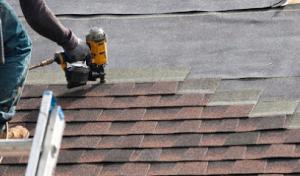
In Pekin, roof replacements are treated as a building project that usually needs a permit, not just informal maintenance. The process is designed to keep storms and freeze-thaw cycles from wrecking a repair job and to protect your home's ventilation, attic structure, and overall safety. When a hail event or significant wind damage happens, the city expects a clear plan that shows how the roof will be rebuilt to current standards, not just patched to get by.
Permit requirements and when to apply
The permit application is generally submitted by the contractor or homeowner with the project details before work begins. That means you should have a written scope of work, material selections, updated attic ventilation details, and a rough timetable ready for review. In Pekin, the review step isn't a luxury; it's a gatekeeper that helps ensure the roof system will hold up through the next round of storms and temperature swings. If a contractor tries to start without a permit, you could face delays, penalties, and the risk that insurance coverage won't align with the actual repair work.
What the permit covers
A typical permit covers the materials to be installed, the scope of work, and the method of installation. It also ties the project to local code requirements, including flashing, nailing patterns, underlayment, and roof ventilation. Because Illinois winters impose extra load on roof structures, the permit review often highlights attic ventilation and how it ties into overall roof performance. Expect a checklist that touches on roof deck integrity, chimney and skylight details, and any changes that affect egress or eave ventilation.
Inspection timeline and what inspectors look for
Inspections in Pekin occur during and after the project to verify code compliance. Early inspections confirm that the roof deck is sound and that the chosen underlayment and ventilation plan meet code expectations. Final inspections verify that siding, penetrations, and vent arrays are properly flashed and sealed. Ventilation-related requirements are a common focus, ensuring soffit, ridge, and attic vents provide adequate airflow to avoid moisture buildup and ice dam risk.
Consequences of skipping permits
Skipping a permit can lead to fines, required removal or rework, and potential trouble with insurance claims if damage occurs later. In worst cases, a non-permitted roof may fail code during the next inspection cycle, complicating future home sales or rehab projects. A permit-backed process, while more upfront work, reduces the chance of hidden issues surfacing after storm damage and helps ensure the roof remains resilient through Pekin's hail and freeze-thaw cycles.
In a regular-claim roofing market, insurance considerations often tilt the balance between repairing isolated damage and pursuing a full replacement. That means the question isn't only what failed today, but how the claim history, carrier philosophies, and storm-driven appetite for risk influence what gets approved and when. A neighbor with a single damaged shingle could find a different path than a home with multiple simultaneous issues after a hail event. Understanding how your roof's condition fits into a broader claim strategy helps set expectations for repair scope and timelines.
Carriers serving this region may require adjuster review before approving work, which can delay scheduling after major storm events. After a big hail or wind storm, you might face a waiting period for an adjuster to inspect and document damage, then another window for contractor scheduling. This isn't a sign of poor coverage-it's how many companies manage risk and verify scope. Plan for potential gaps between damage discovery and work starting, and keep notes of what's accessible on the roof to aid the adjuster when they arrive.
Because coverage availability varies by carrier in this area, homeowners need to confirm whether depreciation, matching, and storm exclusions affect their roof decision. Depreciation can influence how much is released toward replacement versus repair, while matching provisions affect the likelihood of re-roofing with the same material and color if only portioned sections are damaged. Storm exclusions, deductible structures, and the specifics of your policy determine what work is financed and what remains out-of-pocket. Before committing to a plan, double-check how these elements interact with your current policy and what outcomes they steer you toward after a severe hail event.
In Pekin, the contractor market leans heavily toward re-roofing, reflecting the city's sizable stock of existing homes rather than new construction projects. Hail, midwinter freezing, and the Illinois River corridor's storm paths mean many roofs endure repeated damage and weather cycles. When planning a re-roof, expect shingles and underlayment choices to be evaluated not only for cosmetic restoration but for resilience against the region's typical storm sequence and moisture patterns.
On older houses, replacement planning often involves checking decking condition after winter moisture exposure and repeated storm wear. Start with a careful attic and deck evaluation before shingle removal begins: look for softened or cupped boards, evidence of past leaks, and any signs of dry rot. Ventilation compliance matters more during a re-roof because inspections may flag issues that were tolerated on older roof assemblies. Verify that attic vents, soffit intake, and ridge or turbine vents are positioned to promote consistent airflow, reducing heat buildup that accelerates shingle aging and moisture concerns. If decking needs repair, coordinate it early in the project to minimize extension of the re-roof timeline and to preserve the integrity of the new layers.
Because the Pekin climate tests roofs with both hail and freeze-thaw cycles, careful sequencing matters. Plan for a thorough inspection of venting strategy, ensuring soffit-to-ridge airflow exists without creating dead spaces where moisture can linger. Consider upgrade options that improve ventilation, such as adding balanced venting or upgrading to a continuous ridge vent with properly spaced intake to handle sudden temperature shifts after storms. For older properties, you may encounter hidden fasteners or retrofit challenges-anticipate minor structural tweaks, and align them with a durable underlayment and wind-resistant shingle choice to sustain performance through Pekin's storm season.
Skylight installations and repairs show up frequently in Pekin's contractor market, so leak diagnosis often pivots on whether the issue is field shingle damage or a penetration failure. When inspecting a roof after a storm, start with the skylight frame, flashing, and curb. Look for corrosion around metal flashings, loose or flashing-backed sealant, and any microblisters or splits in the skylight glazing. If a leak traces to the skylight, plan for flashing resecurement or replacement of the skylight unit itself, rather than only patching surrounding shingles. In mixed roof lines, be prepared for intermittent leaks that travel along the skylight shim space, showing up far from the original intrusion point. Document any prior skylight work, because a history of resealing or flashing updates often signals ongoing movement in the roof deck or curb, which changes the replacement plan.
Flat and low-slope roofing is a smaller but active specialty locally, relevant for additions, porches, and some mixed residential-commercial structures. For these areas, prioritize a careful surface evaluation: membrane integrity, edge terminations, and drain connections. In Pekin, seasonal freeze-thaw cycles can stress transitions between a low-slope deck and vertical walls, so pay extra attention to terminations at parapets and around any skylights. When replacing, verify the continuity of the vapor barrier and ensure the flashing collar around penetrations remains integrated with the membrane system. If a low-slope transition meets a steeper roof, check for step-edge leaks where water can gather and find the weakest link in the flashing stack. Address any splice joints with compatible sealants and ensure drain outlets are clear and properly pitched to move water efficiently.
Leak investigations should differentiate field shingle damage from failures at penetrations or low-slope transitions after storms. Start by tracing moisture paths to the most likely entry points: edge shingles near skylights, flashing seams around vents, and seams where low-slope sections meet higher pitched surfaces. Use a moisture meter to verify suspected areas behind interior ceilings, then test with gentle, controlled rain or a dye trace if necessary. Prioritize repairs that restore a continuous, weather-tight barrier at penetrations and transitions, while planning a longer-term approach for any structural deck rot revealed during diagnosis.
Find contractors experienced in skylight installation, flashing, and leak repairs to bring natural light into your home.
Liberty Grace Roofing & Remodeling
(309) 678-5101 libertygraceroofing.com
Serving
5.0 from 60 reviews
Messing Roofing & Construction - Peoria Metro
Serving
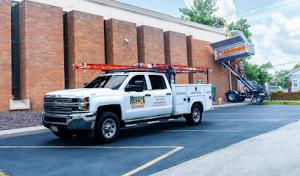
4.7 from 161 reviews