
Last updated: Apr 19, 2026
Spring in the Cedar Rapids metro area brings hail and high-wind events that push roof work from the back burner to the front line. In Marion, the calendar turns on weather, not just on age. A roof that has survived a long winter can suddenly show mismatched shingles, bruised granules, or lifted edges after a brutal storm, and those telltale signs often line up with insurer activity rather than a homeowner's remodel plan. If you've got a roof that's seen multiple storms in a single season, or you notice a pattern of minor damage turning into noticeable leaks, you're likely riding one of these local cycles where weather dictates replacement timing.
Most reroof projects in this market start after a severe weather event and an insurance claim, not from a preplanned upgrade. Contractors here often win jobs by aligning with the claim process: the gap between a claim approval and a tear-off can be the window where labor और materials align with storm-driven demand. If your roof has visible hail impact, cracked shingles, or granule loss after a spring event, expect crews to appear with paper trails and appraisal notes rather than a simple home improvement pitch. The urgency you feel isn't just about a cosmetic upgrade; it's about getting ahead of water intrusion before a colder, wetter stretch locks you into more costly repairs or interior damage.
You'll notice a steady drumbeat of activity when the weather pattern favors large hail or damaging gusts. After a storm, walk your roof edge to edge with a critical eye: missing tabs, punched-through shingles, or a pattern of granule frosting along gutters. If the attic reveals new damp spots or if you see daylight through the decking, that's a sign a replacement window may be closing quickly. In this climate, small cracks can become active leaks in a single freeze-thaw cycle, so don't wait for water to show up inside-look for the early cracks that storms leave behind and treat them as a direct warning.
Act quickly after a storm, but don't rush the inspection. Document every damaged area with dated photos, especially around hail impact zones and wind-stripped edges. If you're working with an insurance claim, keep all correspondence organized: claim numbers, adjuster notes, and a clear timeline of repairs. When you speak with a contractor, push for a transparent assessment that differentiates between superficial cosmetic issues and functional failures that compromise the roof's protective function. If a contractor can't point to specific storm-related damage or can't align with your insurer's scope, press for a second opinion before signing.
In this market, a planned remodel isn't the default path. Expect cycles to follow weather windows and insurance timelines. If your roof has endured several seasons of repeated hail events or persistent wind uplift in the eaves, that steady strain should prompt a proactive evaluation rather than a delayed response. Work with a local contractor who understands how Cedar Rapids metro weather patterns converge with the age and style of typical Marion homes: a composition shingle roof may behave very differently under the same storm load than a metal or synthetic option, and the choice you make now will influence performance through another volatile spring.
Henry's Roofing
(319) 440-4748 www.henrysroofing.com
1890 7th Ave, Marion, Iowa
5.0 from 90 reviews
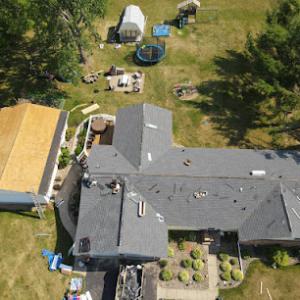
HENRY'S ROOFING IS IOWA'S GOLD STANDARD IN ROOFING AND CONSTRUCTION SERVICES. Our industry-leading quality of service is the result of expert craftsmanship, old-school work ethic, and superior knowledge of the roofing and insurance process.Henry’s Roofing is the Gold Standard in roofing and construction services because we treat your property like it’s our own! Licensed & Insured in the State of Iowa. License C140153

TAP Exteriors
(319) 382-2932 tapexteriors.com
292 7th Ave, Marion, Iowa
5.0 from 88 reviews
If you need exceptional local residential or commercial roofing, siding, gutters, soffit & fascia, doors, windows, and more; we are the name you can trust. Currently servicing Linn County and surrounding areas. Working with your best interests in mind. We offer free inspections and estimates.
Meeks Construction
(319) 343-1436 www.meeksinc.com
5475 Dyer Ave, Marion, Iowa
4.9 from 169 reviews
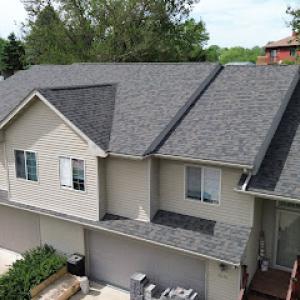
Meeks Construction in Marion, IA provides professional roof replacement services designed to protect local homes from Iowa’s severe weather. With years of experience, our team helps homeowners replace storm-damaged, leaking, or aging roofs while addressing challenges unique to Eastern Iowa, such as heavy snow, high winds, and seasonal hail. We focus on delivering durable solutions with careful installation that ensures long-term protection and energy efficiency. From consultation through completion, our process is efficient and customer-focused. Meeks Construction is trusted by Marion homeowners as experienced roofing contractors committed to quality, safety, and reliable service.
Gish's Gutters
(319) 208-3841 www.gishsgutters.com
613 51st St, Marion, Iowa
4.7 from 98 reviews
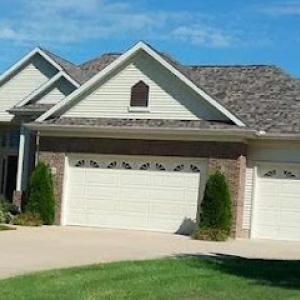
Gish's Gutters offers gutter installation, gutter protection installation, and gutter maintenance and repair services the Marion, IA, area.

Pristine Restoration
(319) 432-8038 pristinerestoration.net
Marion, Iowa
4.7 from 23 reviews
Protect your largest investment with our reliable roofing services. We are a locally owned and operated roofing company currently serving Cedar Rapids, IA and surrounding communities. If you want to make your roof last as long as possible, it is vital that you never put off a roof repair. Small issues with roofing become big issues in a hurry. No matter how major or minor the repair you need, we are here to help. We offer roof installation, roof repair, and roof replacement.

Toubl Contracting
(319) 450-7796 toublcontractinginc.com
2694 5th Ave Suite A, Marion, Iowa
4.3 from 32 reviews
Toubl Contracting provides commercial and residential roofing services as well as siding, window and gutter services to the Cedar Rapids, IA area.

Marroquin Construction
(563) 605-1139 marrroquinconstruction.com
4995 8th Ave Suite A, Marion, Iowa
4.9 from 7 reviews
Marroquin Construction, located in Marion, Iowa, provides expert roofing, siding, window installation, and gutter installation for homeowners throughout the Cedar Rapids and Iowa City areas. We offer fair pricing, free estimates, and dependable workmanship, delivering long-lasting exterior protection and enhanced curb appeal. Whether you need a professional roof replacement or repair, durable siding installation, energy-efficient window installation, or seamless gutter systems, Marroquin Construction delivers reliable results and exceptional value for homes across Eastern Iowa.
C.S. Home Remodeling
(319) 804-5646 www.cshomeremodeling.com
1120 11th St, Marion, Iowa
4.1 from 34 reviews
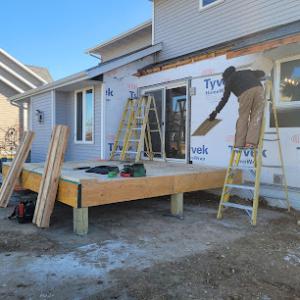
A complete Home Remodeling company Interior to exterior. We want to bring your ideas to life. Call me personally. Free estimates.

Iowa Storm Restoration
(319) 493-2740 iowastormrestoration.com
1040 E Post Rd #2, Marion, Iowa
4.5 from 8 reviews
Offering Roofing, Siding, Gutters, Mold Remediation and more
Luck's Construction
(319) 899-1613 lucksconstruction.com
Marion, Iowa
3.6 from 8 reviews
Luck's Construction provides roofing and siding services to the Cedar Rapids, IA and surrounding areas!
Five Star Home Improvement
(319) 450-1018 www.fivestarhic.com
Serving
4.7 from 232 reviews
Five Star Home Improvement is a family-operated and family owned roofing contractor in Cedar Rapids IA. Our owner is a third generation roofer. The Runge family has been serving the Cedar Rapids Iowa area for over 60 years. Consistently superior service has made Five Star Home Improvement the most trusted roofer in the Cedar Rapids area. We proudly provide Cedar Rapids and the surrounding areas like Iowa City, Mt Vernon, and more with professional residential and commercial roofing and exteriors services. Our services include roof repairs, roof replacements, storm damage repairs, and more. When your home or business needs professional roofing or exterior solutions, count on Five Star Home Improvement for lasting results.

Perfect Pitch Roofing | Siding | Gutters
(319) 389-8757 www.perfectpitchroofs.com
Serving
4.6 from 128 reviews
Local Iowa Roofing, Siding, and Gutter Contractor. 10 + Years in Business. Storm Damage Experts. New Roof & Siding Replacement & Repairs. BBB A+ Rating. Free Inspections. Serving Central and Eastern Iowa. 319-389-8757
When a storm rolls through Cedar Rapids' eastern suburbs, the first days matter for your roof. Iowa is a high-claim hail and wind state, so insurers will expect thorough photo sets and itemized damage documentation after events. In Marion, claim timing matters because spring hail can strike before or after a scheduled reroof, affecting whether damage is treated as a new loss or part of an existing project scope. If a hailstorm hits during late winter or early spring, the roof may already be on a planned replacement calendar; if wind and hail occur mid-project, the insurer could view damage as continuing scope or a separate loss. Keep a calm, methodical approach: look for dings on shingles, granule loss, lifted edges, metal flashing issues, vent flashing, and chimney cap damage, then set expectations with a contractor and insurer.
Documentation is the backbone of a solid claim. Take clear photos from multiple angles, including a wide shot of the entire roof and close-ups of damaged areas. Photograph skylights, gutters, vents, and any interior signs of water intrusion if present. Create an itemized list of affected components-shingles, underlayment, flashing, decking, and attic insulation if it's compromised. Note date, time, and weather conditions for each image. Save screenshots or copies of any correspondence with the insurer and the contractor. If you've had prior repairs, document that history so the adjuster can see whether current damage is isolated or part of ongoing wear. In Marion, insurers expect this level of detail to support whether damage is treated as a new loss or part of an existing project.
File promptly after the storm, but don't rush decisions about who to hire. Early notification helps lock in appointment windows with adjusters before schedules fill, especially during peak hail years. If you're within a few weeks of a scheduled reroof, flag that timing to the insurer so they understand whether the claim could alter scope, project duration, or payment milestones. Delays can complicate the evaluation, but moving too quickly without solid documentation can leave gaps in the claim.
An insurer adjuster will review the photos, notes, and the visible damage to determine if it's a new loss or a continuation of a prior project. Be present for the inspection if possible, and provide access to the attic and decking if needed. A typical Marion project benefits from a local contractor who can bridge communication between the insurer and the field crew. If the adjuster misses areas on the roof, request a revisit with additional photos. The goal is a clear, itemized scope that reflects actual damage without duplicating work already accounted for in a prior schedule.
In years with heavy claim frequency, underwriting scrutiny can rise and premiums may respond to elevated claim activity, even without a broad insurer pullback. Prepare for potential review of multiple recent claims by maintaining consistent documentation practices and contractor collaboration. If damage spans multiple daylight hours of exposure or seasonal moisture intrusion, ensure the scope accounts for underlayment replacement and decking evaluation. Avoid piecemeal replacements that leave hidden damage exposed, and insist on a durable, matched repair plan that aligns with the home's overall roof system and future storm resilience.
Connect with contractors who help homeowners navigate the claims process from damage assessment to final approval.

KD Roofing Solutions
(808) 779-3675 www.rooferiniowa.com
2810 25th Ave, Marion, Iowa
5.0 from 30 reviews
In Marion, asphalt shingles remain the dominant practical choice because they fit the area's common residential reroofing market and broad insurance-repair workflow. You'll see a wide range of homes with this material, driven by availability, ease of installation, and familiarity among local crews. For most homeowners facing hail and wind, asphalt offers dependable performance when paired with a solid underlayment and quality attic ventilation. When choosing, look for impact-resistant options and a good warranty that aligns with the local storm cycle. Remember that the roof deck and attic health influence how well any shingle system holds up through freeze-thaw events and spring storms, so a thorough inspection of decking, soffits, and ventilation is a smart prelude to installation.
Metal roofing has a meaningful niche locally and is often considered by homeowners trying to improve performance against hail, snow shedding, and long summer heat exposure. In Marion, metal can shed large hail better and resist wind uplift, which matters after severe spring storms. It also reflects sun, which can help reduce heat gain in attic spaces during hot months. If you're weighing metal, pay attention to the panel profile, fastener layout, and the coating system, since these factors influence longevity and a smooth, quiet roof. A metal roof can be a strong choice on steeper pitches or on homes where a reroof needs to be completed quickly due to storm damage, but ensure the structure and fastening plan suit the local freeze-thaw cycles. Noise, roof penetrations, and compatibility with existing skylights or HVAC units are also worth confirming before committing.
Clay tile, slate, cedar shakes, and synthetic/composite products are available in Marion, but freeze-thaw cycling and storm exposure make installation quality and structural suitability especially important. Clay tile and slate bring a distinctive look and exceptional durability under the right conditions, but they demand a stronger roof deck, careful attic framing, and precise installation to cope with our freeze-thaw weather. Cedar shakes offer natural beauty and good insulation values, yet they can be more vulnerable to hail and require diligent maintenance to prevent fiber saturation and rot over time. Synthetic or composite products strive to mimic the appearance of the above with sometimes improved impact resistance and easier installation, though performance can hinge on the quality of the resin system and coating. If you're considering these options, prioritize a contractor with proven experience handling local climate challenges, including hail impacts and the seasonality of our springs. Insist on a detailed installation plan that addresses cold-weather handling, fastener compatibility, and long-term warranty coverage. In all cases, the orientation of the roof, the surrounding landscape, and the home's existing structure influence how well these materials perform through Marion's mix of wind-driven storms and winter cycles.
Typical pricing follows the ranges you'd expect for a Cedar Rapids-Marion suburb: asphalt shingles 350 to 700 USD per square, metal 600 to 1100, clay tile 900 to 1800, synthetic/composite 450 to 850, slate 1200 to 2500, and cedar shakes 500 to 1000. The numbers reflect the local mix of aging homes and newer builds with varied attic layouts and roof lines. If you've got a steeper pitch or complex geometry, expect the upper end of each band. If you're replacing only sections of a larger roof, cost precision matters, because partial replacements can create mismatches or require careful blending at transitions.
Storm-driven demand spikes in the Cedar Rapids-Marion market can push scheduling pressure and labor pricing higher after major hail events. If a hail season hits, many homes come off the list within days or weeks, and crews shift toward storm-affected neighborhoods. That squeeze can show up as longer lead times, higher staged material costs, and tighter appointment windows for inspections and estimates. Plan for a faster decision cycle after a big hail event, especially if your roof shows easy-to-see denting, granule loss, or curling shingles.
Costs in Marion can also move based on tear-off complexity and the pitch and shape common to suburban detached homes. A steep or multi-angle roof with several dormers or chimneys adds trimming and waste, raising waste disposal and labor time. Ventilation corrections flagged at final inspection add another layer of expense if existing soffit or attic ventilation needs upgrades to meet aging-structure demands or new roofing requirements. In short, a straightforward, low-slope ranch will land near the bottom of the range; a complex, multi-facet roof with a high pitch or unusual geometry will sit higher, even before factoring storm-driven scheduling pressures.
Don't let upfront costs delay a critical repair - these contractors offer payment plans to fit your budget.
Marion typically requires a building permit for a full roof replacement through the City of Marion building department. Before you hire, confirm your address is in the permitable scope and ask your contractor to submit the project plans, including the roofing material type and venting details. The city's staff will review for code compliance and drainage compatibility with existing gutters and skylights.
Local inspections include a final inspection that verifies installation and ventilation. That means your reroof project isn't truly finished until the inspector signs off on both the roof and the attic airflow. If the attic is drafty or if soffit, ridge, or gable vents don't meet current ventilation standards, you may need to address those issues as part of the scope. Expect the final to check fasteners, underlayment, and the alignment of any vents or chimneys with the new roof.
Processing times vary with department workload, and some roofs can trigger additional review rather than moving through as a simple same-day administrative step. If a panel or reviewer flags drainage or venting concerns, you could see a brief delay. In spring and early summer, when housing stock turns over quickly, plan for a longer window between permit submission and final approval.
Submit all required documentation up front, including a clear venting plan and a manufacturer's installation guide. Have your contractor annotate changes if you request more attic air exchange than the standard setup. Schedule the project so the final inspection can occur during daylight hours, which helps inspectors verify attic ventilation in real conditions. If a delay arises, ask the permitting clerk for guidance on what specific item the reviewer needs-this helps avoid back-and-forth that drags the timeline.
Weather windows matter in Marion, given freeze-thaw cycles and spring storms. Ensure that the permit is active during the actual roof work and keep the inspector informed of any unforeseen changes to materials or roof layout. A well-documented, ventilation-forward plan often smooths the final steps and reduces the chance of a revisit.
In Marion, winters bring freeze-thaw cycling that can widen minor flashing gaps and accelerate deterioration around penetrations and roof edges. Small gaps that seem inconsequential in fall can become paths for water once ice forms and expands. If a roof shows any loose or aging sealant around vents, roof-to-wall intersections, or valley flashing, expect those weak points to worsen after repeated freezes. The result is not just a few drips, but a pattern of dampness that tracks along soffits and into attic boards if not addressed promptly.
Snow load and ice conditions can stress older roofs and make full replacement more difficult to schedule safely in winter. Heavier snow accumulation sits longer on pitched surfaces, and ice dams can form where heat loss and insulation gaps create warm channels. This adds pressure on edge rows, gutters, and drip edges, potentially bending fascia or loosening shingles. Even if a roof looks intact after a thaw, hidden moisture pockets can remain, quietly compounding wear until spring.
Leaks that appear in Marion winters often trace back to storm damage or installation weaknesses that were manageable in warmer months but fail once repeated freezing begins. A wind-blown shingle next to a vent pipe or a missealed valley can act as a conduit for water once ice forms at the seam. If a leak surfaces during a cold spell, the culprit is often damage that predates the cold season, just amplified by the freeze-thaw cycle.
You're better off prioritizing inspections after late-season storms and before heavy snow accumulates, focusing on penetrations, edges, and any mismatched flashings. Keep paths clear of ice and snow to curb slipping hazards during inspections, and document any new moisture signs for spring follow-up when temperatures stabilize.
During hot Marion summers, shingle handling and crew productivity can take a hit when the sun climbs and temperatures spike. Start times early in the day matter, with work wrapping by mid-afternoon to protect materials and workers. If a crew is forced to push into the hottest hours, shingles can blister and nails can bend, slowing progress and risking imperfect seams. Plan for shade breaks and a steady pace rather than a marathon push. A calm, daylight-driven schedule helps keep the project moving without sacrificing quality or safety.
Spring hail storms can clog calendars quickly, leaving contractors with a backlog that spills into summer. Homeowners who wait for the lull often end up contending with compressed timelines and crowded crews. If possible, secure a precise start window in late spring or early summer and keep it. Early planning helps avoid the scramble and reduces the chance of rushed work. In Marion, concrete coordination with material delivery and inspection steps pays off when crews can dedicate full days to a single project, minimizing interruptions and rework.
Autumn in eastern Iowa brings stronger winds and more frequent precipitation, which can delay punch-lists and final scheduling if projects are pushed too late. As days shorten and weather odds rise, a late-stage snag can stretch completion into questionable conditions. A conservative pacing approach-finishing critical finish work before late fall-helps ensure final touches, flashing, and closeout tasks aren't caught by a fast-moving cold front. This keeps the project on a predictable timetable even as weather flips from summer to season's edge.
Water finds its way through aging sealants and compromised flashing, and the risk is real in this climate. Marion's freeze-thaw pattern makes skylight flashing and curb details more vulnerable once sealants age or storm damage opens pathways for water. If a hail hit pinged a corner or a seam, the damage may not drip right away, but melted snow and warm afternoons can reveal the seepage. Inspect skylight housings and the curb after heavy storms, and look for parallel staining in the attic or along interior walls. Small imperfections here often become bigger problems over a long dry spell followed by a sudden thaw.
Low-slope sections on additions, porches, and transitions can become weak points during snow retention and spring rain if drainage details are poor. In these areas, standing water and ice dam development are more likely when drainage paths are misaligned or blocked by debris. The combination of lingering snow and rapid melts increases the chance of water finding micro-cracks around penetrations or flashing islets. Pay particular attention to joints where new sections tie into your existing roof, and verify that every transition has a clear slope and proper overflow routes.
These details often matter more in Marion after hail events, when field shingles may look repairable but penetrations and transitions have hidden damage. Look beyond the surface: check around vents, skylights, and edge details for hairline openings. If damage is found, treat the flashing, curb, and adjacent shingle laps as a system, since a compromised piece can route water toward the more vulnerable underlying layers during the next heavy rain or freeze cycle.
Find contractors experienced in skylight installation, flashing, and leak repairs to bring natural light into your home.

Marroquin Construction
(563) 605-1139 marrroquinconstruction.com
4995 8th Ave Suite A, Marion, Iowa
4.9 from 7 reviews
In Marion, the quickest way to gauge a contractor's reliability is to look for re-roofing projects that are active and underway, a prompt response to questions, and a commitment to thorough cleanup after each day. These signals show that homeowners in this market prioritize efficient storm-era project handling over niche luxury specialization. When a crew can mobilize fast after a hail event and leave no lingering debris, it's a telling sign of how they manage the inevitable aftershocks of severe weather.
Residential work is far more common than commercial in this area, so you should seek crews with clear, demonstrable experience on occupied homes. Check that references include recent jobs on homes with typical Marion-branch layouts and skyline clutter. If a contractor talks in broad terms about "roofing projects," press for specifics: timelines on occupied homes, how they protect landscaping and interiors, and how they schedule work to minimize disruption for families living in the house during the project.
A smaller but meaningful share of local contractors emphasizes long-established operations and manufacturer certifications. Those factors can matter for warranty-backed installations later on. Look for a contractor that can point to a steady team, a track record in the neighborhood, and discernible certifications from shingle, metal, or tile manufacturers. Confirm they use approved installation methods and provide documentation that supports any warranty claims that may arise years down the line.
Ask who will be on site daily and how project management is handled from start to finish. A reliable Marion contractor should offer a defined point of contact, a realistic schedule, and a clear plan for protecting your belongings during storms. Ensure they include a final walkthrough, a written punch-list, and a guaranteed cleanup standard before they consider the job complete. If the crew cannot commit to a tidy finish and transparent communication, keep looking.