
Last updated: Apr 19, 2026
Quincy sits in west-central Illinois along the Mississippi River, where spring thunderstorms and hail are a recurring roofing concern rather than an occasional event. The blufftop exposure means gusts ride off the river and slam across roofs with more force than you might expect from a mild weather forecast. During spring, a single storm can deliver hail that loosens shingles, dents metal, and pushes flashing out of place. These vulnerabilities don't always show up as a single loud crash; they accumulate, especially on older homes with aging underlayment and compromised ventilation. If a roof looks "okay" after a storm, that first glance can mask hidden damage that invites leaks as warm weather arrives. In this environment, the risk profile is real, and waiting for a noticeable drip is the wrong gauge.
The local insurance environment is shaped by frequent hail and wind claim activity in central Illinois, so adjuster scheduling and documentation often control project timing. That means the clock on your roof project starts not when you call a contractor, but when the insurer schedules an inspection and approves a claim. To keep momentum, you should prepare a thorough set of evidence up front. A complete photo set that covers all elevations, close-ups of dented vents, granule loss on shingles, lifted flashing, and any patchy or deteriorated underlayment is essential. Keep a dated log of storm dates, hail sizes if known, and a concise damage narrative for each area of the roof. Insurers in this market commonly request detailed roof damage documentation, so the more precise you are, the quicker the file moves. If you have attic access, capture signs of moisture, staining, or darkened rafters that may indicate hidden leaks. Retain contractor estimates with a line-by-line scope, and arrange for professional notes on each observed condition to accompany your claim package.
Spring hail and wind damage often triggers a multi-step process, and the scheduling rhythm can dictate when work starts. Expect a push-pull between the weather window, claim approval, and contractor availability. When an adjuster finally arrives, be ready with a staged damage list and a room-by-room or deck-by-deck plan for how the roof integrates with attic ventilation, soffit intake, and ridge vent performance. The goal is to demonstrate not just the visible shingles but how the system has been compromised-underlayment ripples, nail holes beyond the warranty, and potential deterioration of fascia and drip edge. Because Quincy homes frequently rely on older stock with mixed materials, the adjuster will value a material-specific evidence set. Have your contractor present a concise, itemized scope that shows how repair choices address both immediate leaks and long-term performance against freeze-thaw cycles.
Get a homeowner's damage notebook ready: dated photos from multiple angles, a simple sketch of roof sections, and a damage narrative aligned to each roof plane. If a storm rolled through, document the timing of that storm and any wind or hail reports from local weather apps; this helps connect the damage to a single event for the adjuster. When scheduling the claim, request a clear appointment window and confirm whether a digital inspection is acceptable. On the ground, ensure safe access to the roof for photos, and consider a short video walkaround to capture gutter and fascia conditions that often accompany hail impact. Remember: the most persuasive claim portfolios are precise, complete, and immediately actionable for the adjuster, so preparedness can dramatically shorten the path from assessment to restoration.
You know the blufftop landscape well: the Mississippi River corridor winds hard across the bluff and pushes gusts up onto the roofs where many homes sit. That wind-driven weather brings more than just a breeze during spring storms-it compounds edge lifting, shingle curl, and ridge wear. In this setting, a roof isn't just insulating; it's a shield against salt-tainted air, grit, and the pressure of gusts sweeping from the river. When you're planning a replacement or a major repair, expect wind-driven impact from the river to be a daily consideration, not a once-a-year nuisance.
Quincy's seasonal rhythm shapes how soon you get work started and finished after damage is detected. Winter snow and ice complicate tear-offs and, more importantly, delay roof work when crews must remove and re-secure materials in freezing temperatures. Spring storms can interrupt already compressed schedules, so coordination with a contractor should anticipate occasional weather hold days. If you notice hail or wind damage after a late-season freeze thaw, don't assume the window will stay open indefinitely; plan with a cushion for those inevitable spring break points.
The repeated freeze-thaw cycles in this climate punish flashing details, sealants, and shingle edges most acutely. Water that sneaks under edges, penetrates minor gaps around penetrations, or finds its way into vent flashings will freeze, expand, and widen those vulnerabilities. The result is accelerated deterioration at transitional points: where a roof meets walls, around chimneys, and at the roof-to-soffit interface. If a replacement is on the horizon, emphasize products and installation methods that seal well against wind-driven rain and that stay durable through multiple freeze-thaw cycles.
In practical terms, you'll want a plan that treats flashing as a primary concern, not an afterthought. Metal step and head flashing should be installed with careful interlock and corrosion-resistant fasteners chosen for windy exposure. Sealants must be compatible with the chosen roofing material and rated for expansion and contraction across a wide temperature range. Edge protection-eaves, rake edges, and hip-and-valley intersections-benefits from continuous, properly fastened underlayment and ridge caps that resist wind uplift. A trusted installer should verify vent boot integrity and ensure sealants don't trap moisture behind a dry-stacked detail.
Given the exposure and cycling, your material choice matters more than average. Asphalt shingles with good wind rating can perform well, but the edge and flashing details carry the longest-term implications in this climate. Metal roofing tends to fare well under wind and temperature swings, but the installation must account for precise panel laps and sealant choices to prevent leaks at overlaps during rapid temperature shifts. If clay tile or slate is on the table, be prepared for stricter attachment requirements and a stronger emphasis on underlayment and wind zones around perimeters. Regardless of material, appointment slots with the crew should include a focused inspection of vulnerable edges, penetrations, and transitions after the roof is secured.
Emergency planning starts with a proactive inspection after major storms. A quick early-season check helps identify wind uplift on shingles, loose flashing, or edge damage from the previous winter. From there, you can address small issues before spring storms compress schedules or weather delays push a project back. In a blufftop setting, the goal is not only a solid install but a resilient one that holds up to river winds, seasonal freeze-thaw cycles, and the rhythm of Quincy's spring and early summer weather.
Quincy has a large stock of older homes, which often means steeper rooflines, more dormers, chimneys, valleys, and wall intersections than newer subdivision housing. Those features look charming, but they amplify the chances of slow leaks after spring hail and windy events. Water finds every edge where two planes meet-around dormer bases, along chimney transitions, and at the intersections where two roof planes join. A neglected drip edge or a misaligned valley shingle can become a steady seep in a heavy spring.
These older roof geometries increase leak risk at transitions and raise labor complexity during reroofing compared with simple gable layouts. Valley flashing must be carefully integrated with the surrounding roof planes, and each intersection-where siding meets roofline or where a chimney throat intrudes-needs precise flashing and sealing. During replacement, crews must negotiate tighter access and more intricate tie-ins, which means more potential weak points if the installation isn't meticulous. The result is a higher chance of lingering leaks after the crew has left and the weather starts its seasonal flirtations with the attic.
Heavier materials such as clay tile or slate are more likely to intersect with structural questions on older homes than on newer lightweight-roof construction. Before choosing a heavy option, you should verify attic spacing, roof sheathing integrity, and the existing support beneath the deck. In practice, this means more than a surface fit: you may encounter sag at ridge lines, require additional framing, or need reinforcement to prevent long-term deck deflection. If a roof change involves substantial mass, the underlying structure must be scrutinized to avoid future problems that mimic hail-driven failures in the upper layers.
Older roofs, especially with steep pitches, often rely on long spans of soffit and ridge ventilation that can degrade over time. Inadequate ventilation traps humidity and heat, accelerating the wear on underlayment and fasteners. When planning a replacement, you should inspect vent continuity and insulation compatibility across all roof zones. A well-ventilated design helps you weather spring hail cycles more reliably and reduces the risk of interior condensation that masquerades as exterior leaks.
If your home features multiple ridgelines, dormers, or chimneys, approach reroofing as an integrated fix rather than a single-panel upgrade. Focus on comprehensive flashing at every transition, verify that valleys are sealed correctly, and confirm attic access remains functional after the new roof is installed. Remember: the goal is a long-lasting shield that respects the unique geometry of older housing stock, not a quick, minimal-cover job that leaves vulnerable seams exposed to the next spring storm.
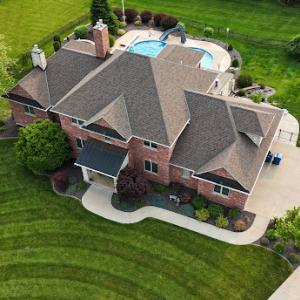
Surge Exteriors Roofing Specialist
(217) 919-5530 surgeexteriors.com
802 Maine St, Quincy, Illinois
5.0 from 204 reviews
Surge Exteriors, located in the heart of Quincy, Illinois, is the go-to roofing service serving both residential and commercial properties throughout the Quincy area. With a team of experienced and certified professionals, they specialize in top-notch installations, repairs, and maintenance to protect and enhance the beauty and functionality of your roof.

Be Dry Roofing
(217) 224-8072 bedryroofing.com
709 Maine St, Quincy, Illinois
5.0 from 188 reviews
We can help with your home building project. If you're building your dream home in the Quincy, IL area, Be Dry Roofing has the crew and resources needed to install your roof. We'll work around your schedule to make sure your project is completed on time, without disrupting your routine. Our team installs shingle, metal and flat roofs. Contact a local roofer today to start planning your new construction project.
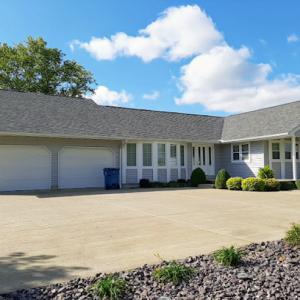
Full Service Roofing & Remodeling
(217) 224-7663 www.fullserviceroofing.com
822 Hampshire St, Quincy, Illinois
5.0 from 95 reviews
We are your local roofing experts! If you are looking to replace your current roof, our expert team of roofers will make sure the job is done right the first time. We also specialize in insurance restoration claims and work with you and your insurance provider to insure you receive a proper settlement. Full Service Roofing & Remodeling is a fully insured, licensed, and bonded roofing company. We are experts in installing; stone coated steel roofing, standing seam metal roofing, corrugated metal roofing & asphalt shingle roofing. We also install TPO & EPDM flat roofing systems, in Tri-State area. Also, we install siding, soffit, fascia, gutters & leaf protection. Whatever you need we’re your roofing & exterior experts. Est. 2008
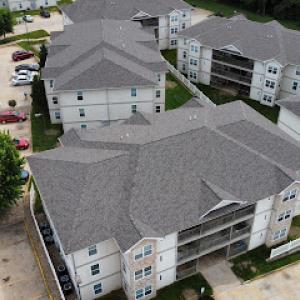
Tri State Roofing
3411 Melodie Ln, Quincy, Illinois
4.7 from 147 reviews
Tri State Roofing, located in Quincy, is your premier roofing company dedicated to excellence in communication and customer service. Specializing in residential and commercial roofing, our services encompass repairs, replacements, and applications. We are excited to expand our reach and collaborate with consumers in Adams, Des Moines, Marion, Palmyra, and beyond as we continue to serve the tri-state area. At Tri State Roofing, your satisfaction is our priority. Contact us today for a complimentary estimate and experience the difference in quality and commitment that sets us apart. We are here to protect and enhance your property with top-notch roofing solutions.
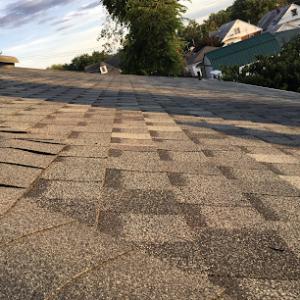
Milo's Roofing & Concrete
(217) 695-8247 sites.google.com
118 Radio Rd, Quincy, Illinois
4.3 from 4 reviews
Milo's Roofing and concrete serves Quincy Illinois and surrounding areas for all of your Roofing and Concrete needs call for a free quote today.
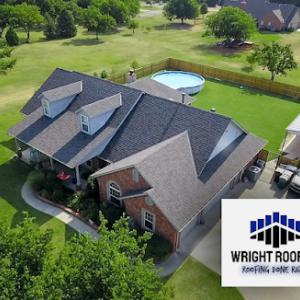
Wright Roofing
1327 Broadway St, Quincy, Illinois
3.7 from 3 reviews
Wright Roofing is a residential and commercial roofing contractor. We specialize in storm damage, from the free roof and exterior inspections all the way to the final build and completed project. We provide free services like free bids and free estimates, as well as temporary roof repairs to stop leaks and cover your open decking until the roof replacement or other exterior construction project can be done. We have experts in the field and top industry products and materials like GAF Timberline HDZ and Certainteed Landmark Pro Shingles. Our builders and crews are experienced. Sales representatives and project manager are quality trained to complete insurance restoration with fast turnaround. Best warranties, relationships and model.
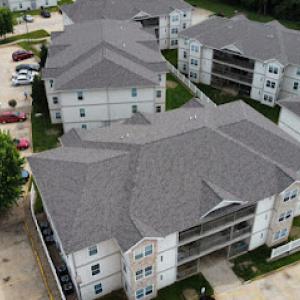
Tri State Roofing & Renovations
(217) 316-3598 tristaterandr.com
723 S 8th St, Quincy, Illinois
5.0 from 1 review
Tri State Roofing and Renovations is located in Quincy, is your premier roofing company dedicated to excellence in communication and customer service. Specializing in residential and commercial roofing, our services encompass repairs, replacements, and applications. At Tri State Roofing and Renovations your satisfaction is our priority. Contact us today for a complimentary estimate and experience the difference in quality and commitment that sets us apart. We are here to protect and enhance your property with top-notch roofing solutions.

DeLonjay Roofing & Construction
228 Ohio St, Quincy, Illinois
DeLonjay Roofing & Construction is the Tri States Premier Roofing Contractor. We treat every home as if it’s our own using only the highest quality materials and the best Roofing technicians in the industry . We have over 35 years combined exsperience so you can count on us for all of your Home Construction Needs. We offer roofing,siding,windows,concrete,storm damage ,insurance work ,facia, soffit ,New Construction , We offer competitive rates and the upmost quality materials and the Best Carpenters / Roof Technicians in the Tri State Area call today for a free no obligation quote 217-2425119
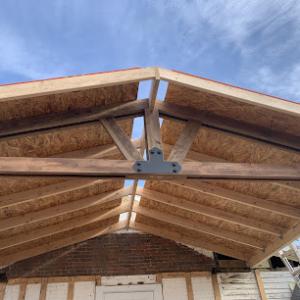
StormShield Roofing
Serving
Repair and installation of roofing due to storm damage, age, or new construction. We also install vinyl siding and build decks. Gutter cleaning and gutter guard installs.
Asphalt shingles remain a practical fit in Quincy because they align with the local reroof market, but hail exposure and freeze-thaw cycling make impact resistance and installation quality especially important. When you're evaluating a replacement, look for impact-resisting options and a stout underlayment. A mineral-surfaced shingle with a reinforced fiberglass or polyester mat tends to hold up better under the spring hail shower cycles. Pay attention to the fastener pattern and wind uplift ratings, since a high-wriction blufftop wind can stress edges and corners. In this market, choose a shingle with a proven track record in our winters and insist on proper attic ventilation to reduce condensation that can mimic hail damage on the roof deck.
Metal roofing is relevant in Quincy because it handles snow shedding and long-term weather exposure well, but fastening and trim details matter in a city with strong storm winds. If you lean metal, consider standing-seam panels for a cleaner seal and fewer penetrations that can trap wind-driven rain. Check the installation crew's approach to ridge cap, valley detailing, and edge trim-these areas are critical during gusty springs. The fasteners should be corrosion-resistant and properly sealed to prevent leaks at the fastener points, especially where the roof meets siding or chimneys. Metal performs well under freeze-thaw cycles, but improper alignment around chimneys and vents can create vulnerable gaps.
Clay tile and slate are locally relevant but more complicated in Quincy because the city commonly reviews complex reroofs more closely and may require added plan or engineering information. Both materials demand a solid deck and careful retrofits to accommodate weight and seismic or wind loading. For clay tile, ensure roof framing is rated for the weight and that underlayment and break-resistant fasteners are used in exposed locations. Slate offers durability but can crack with freeze-thaw and hail impacts if not properly supported and installed. If you're considering these materials, anticipate a more involved engineering review and a more precise installation plan to pass inspection and perform reliably through storm-driven cycles.
Start with assessing the bluffline exposure and recent storm history to gauge impact risk. Match the material to your existing roof geometry and the city's typical wind patterns, then verify that the chosen system is installed with attention to ventilation, fastening, and edge details. For any option, insist on a qualified installation team that understands our seasonal shifts and how to seal corners, penetrations, and transitions to walls and chimneys.
Provided local cost ranges are $350-$550 per square for asphalt shingles, $600-$1100 per square for metal, $1000-$1800 per square for clay tile, $400-$750 per square for synthetic/composite shingles, $1100-$1900 per square for slate, and $4-$9 per square foot for EPDM rubber roofing. Costs in Quincy can rise after spring hail and thunderstorm periods because regional claim volume tightens contractor schedules and material availability. Older Quincy homes with steep pitches, multiple penetrations, chimneys, and complex rooflines typically cost more to reroof than simpler layouts common in newer housing.
Asphalt shingles remain the most common choice in the blufftop neighborhoods, and practical budgeting sits in the $350-$550 per square range when the roof is straightforward. In higher-difficulty installs-steep pitches, multiple dormers, or valleys-expect toward the upper end of that band or beyond. Metal roofing offers durability with a mid-to-high upfront, commonly $600-$1100 per square, but can save on long-term maintenance in wind-prone zones. Clay tile, while striking, lands in the $1000-$1800 per square band and adds weight and structural considerations that Quincy crews routinely verify on older homes. Synthetic/composite shingles blend resilience and cost at $400-$750 per square, often a balanced choice in storm-focused seasons. Slate sits at the premium end ($1100-$1900 per square) due to weight and install complexity. EPDM rubber roofing, typically used for flat or low-slope sections, runs $4-$9 per square foot, though a roof with mixed slopes may drive overall costs.
In spring, anticipate tighter scheduling and limited material availability. Plan to secure a reputable local contractor early in the season, especially for complex structures. For older homes, confirm that the structure and deck are prepared for a reroof-steep pitches and chimneys can elevate labor and time. If venting and attic insulation are part of the project, coordinate these upgrades with the roof replacement to maximize performance and reduce future hail-related claims.
If the roof is simpler and asphalt is chosen, target the lower end of the asphalt band, but reserve a cushion for weather delays. For steep or intricate layouts, add contingency for flashing, penetrations, and potential underlayment upgrades. Inanjut cases with wind-damaged edges or hail-dented metal, expect to lean toward the higher ends of the metal or synthetic ranges. For slate or clay tile, prepare for longer installation timelines and increased labor costs.
A roofing permit is commonly required in Quincy for full reroofs and is issued by the City of Quincy Building Department. Before any shingle tear-off or replacement begins, verify you or your contractor has the correct permit in hand. Permits help ensure the work follows local codes for ventilation, attic access, and load considerations, especially on blufftop homes exposed to higher wind and hail pressure. The permitting process also creates a record for future maintenance and potential insurance adjustments after severe spring storms.
Quincy inspections typically include an in-progress review and a final inspection after installation, with attention to ventilation, underlayment, and fastening. During the in-progress stage, the inspector may check attic ventilation balance, drip edge installation, and proper nailing patterns to withstand spring winds. The final inspection confirms that the roof is weather-tight, that fasteners meet local requirements, and that penetrations and flashing are properly executed. Scheduling delays can occur around heavy storm seasons, so plan with your contractor to accommodate inspection timing.
Complex roofing materials such as clay tile or slate may trigger additional plan review or engineering notes in Quincy. If those materials are chosen, expect possible submittals for roof slope calculations, wind uplift considerations, and fastening details that differ from standard asphalt shingles. Have your contractor coordinate any required engineering letters or stamped diagrams with the Building Department before ordering material or proceeding with installation.
Winter ice and snow in Quincy can delay tear-offs and make installation conditions inconsistent. If your roof is nearing the end of its life, plan for potential winter weather gaps by building a flexible window in late winter and early spring. When a cold snap ends, inspect shingles for lifting or cracking and avoid rushing into heavy work after a thaw. Consider prioritizing critical repairs before snow returns, then reschedule full replacements to a dry stretch when crews can safely use roof jacks and fall protection.
Spring hail and thunderstorms create the biggest scheduling disruptions in Quincy because they both damage roofs and flood the local contractor calendar. Start coordinating early, and expect weather-driven delays. Have a backup target week or two after peak storm activity, and keep a buffer if contractors are tied up with insurance-approved hail work. On the lead-up, confirm contractor readiness for rapid mobilization after a hail event and keep debris removal and temporary protection top of mind.
Summer heat affects material handling and installation timing, while concrete or metal fasteners can expand in high temperatures. Schedule major roof work for mornings when heat is more manageable and materials can be set without prolonged exposure to sun. If a roof needs rapid completion due to heat-sensitive work on underlayment or sealants, plan for longer days with shading strategies and regular hydration breaks to keep crew pace steady without compromising quality.
Autumn wind events can add debris wear and late-season scheduling pressure. Align replacement windows with calm stretches after major wind storms, and anticipate cleanup needs from fallen branches or loose debris. Use this period to finalize underlayment and venting adjustments before winter, while avoiding peak wind days that complicate sheet handling and anchor points.
EPDM rubber roofing is part of the Quincy market, making low-slope roof guidance relevant for homeowners with additions, porches, and some multifamily or mixed-use structures. In these spaces, a flat or nearly flat deck can look economical until a hail event or steady spring wind reveals how quickly water finds its way to seams or penetrations. The blufftop setting above the Mississippi amplifies exposure to runoff, misaligned pitches, and aging flashings, so plan for a system that breathes, drains well, and stays watertight for years.
Freeze-thaw cycles in this climate stress even the best EPDM joints. Drainage performance becomes a frontline concern on low-slope roofs: gather and fix any standing water, ensure correct slope, and verify that drains and scuppers stay clear after storms. Seams and edge details are where leaks often start after a cold snap. Inspect quickly for loose lap seams, damaged adhesives, or boot penetrations that show hairline cracking. If a roof deck isn't sloped just right, water can pool and freeze, forcing more frequent repairs and complicating long-term performance.
Inspection emphasis on underlayment and installation quality in Quincy means low-slope reroofs should be documented carefully before final approval. Request a stamped installation checklist that notes underlayment type, seam tape, edge termination, and fastener pattern. Photograph transitions where EPDM meets parapets, skylights, and vents, and keep a formal record for future maintenance. A diligent installer will cleanly integrate flashings with the roof deck and waterproofing layer, preventing users from chasing leaks after each heavy thaw.
Because additions and porches extend the roof surface, treat these areas with the same scrutiny as primary slopes. Schedule periodic edge inspections after major storms, and keep debris and organic matter off the surface to protect the membrane. When you detect dampness near seams or flashings, address it promptly rather than waiting through another season of freeze-thaw cycles. A careful, documented installation now reduces surprise failures later.
In a high-claim hail and wind region, every detail matters. Start a storm log the moment severe weather hits: date-stamped photos of roof elevations, soft-metal dents, and any interior leaks that appear after a storm. Collect contractor notes on visible damage from multiple angles, and keep the date you first noticed each issue. Insurance adjusters in this market expect evidence that ties damage to a specific event, so organize materials by event date and type of damage. Store digital copies in cloud storage, labeled by street, house number, and storm name if available.
Because Quincy sits in a higher-claim hail and wind region of Illinois, insurance timelines can directly delay material ordering and contractor start dates. Be prepared for a lag between filing and approval, then another pause before delivery of specialty products. Communicate with your insurer and the contractor about expected milestones, and confirm interim protection for the roof to prevent further leaks during the wait. If there is a long weather gap, ask about temporary coverings that won't trap moisture or void coverage.
Material choice after a claim can be influenced by what carriers will approve in a hail-prone central Illinois market, especially when upgrading from basic shingles to more premium systems. Some insurers push toward options that balance wind resistance and hail durability while staying within what they'll endorse. It helps to have independent, locally experienced guidance on a preferred lineup, so you don't get boxed into a product that delays approvals or complicates future claims. When in doubt, document your conversations about what the carrier will cover and keep a copy of every approval note. This becomes a practical roadmap if adjusters revisit the claim after the first replacement, which can happen in spring storms and the months that follow.