
Last updated: Apr 19, 2026
Bettendorf sits in the Iowa side of the Quad Cities, where hail and wind events generate notable roof claim activity across the metro. The rhythm of storms here means your roof endures bursts of damage that can pile up quickly if not addressed. The bluff corridor and nearby Mississippi influence wind gust patterns, and exposure to wide-open skies means hail sizes and wind speeds can vary dramatically from one spring to the next. This local pattern makes storm timing crucial, not just for when roofs are fixed, but for when insurers review and approve claims. A roof that is neglected after a heavy hit can suffer accelerated wear, interior problems, and preventable leaks.
Spring hail storms in this area arrive with little warning and can blanket a neighborhood in minutes. The result is a scramble that can stretch repair schedules and material availability thin, especially when multiple projects collide in the same week. Shingle and metal products can disappear from stock quickly as supply chains react to the metro's surge of claims. You need to treat the first signs of damage as a signal to start the documentation process and secure a temporary protective cover if safe to do so. Delays compound risk-riddled with wind-driven blow-offs, exposed decking, and accelerated wear on flashing and vents. In a neighborhood with older homes and varied roofing geometries, even small punctures can widen if rain follows hail before a full fix is complete.
Winter ice damming is a persistent challenge. Freeze-thaw conditions can turn minor storm damage into interior leaks long before the formal replacement season begins. Icicles, pooled meltwater, and shingle lifting from prior hits create pathways for water to migrate under the roof deck. That means a quick inspection after a freeze event is essential, not just for visible damage but for hidden concerns under the eaves and around chimneys or vent stacks. When temperatures swing, attic heat loss and insulation gaps become more consequential, increasing the risk that cold spells amplify existing damage. In Bettendorf, treating the roof as a living system-especially after a snow-loaded winter-reduces the chance of late-season surprises.
Disaster timelines here hinge on how promptly a homeowner can capture evidence after a storm. Take clear photos of hail impact patterns, dented gutters, damaged flashing, and any roof decking abnormalities. Keep track of dates, wind directions, and the storm's approximate size and hailstone estimates if possible. Insurance adjusters review recent events against repair history and weather records; delays can complicate approvals or hamper the scope of work. Aligning your documentation with the most intense weeks of the season helps ensure a smoother claim review and reduces back-and-forth later in the process. If a leak develops, prioritize interim waterproofing to limit interior damage while awaiting approvals and material delivery.
As the calendar cycles from late winter through spring, plan for a staged approach: immediate triage to prevent interior damage, rapid assessment after the first major storm, and a coordinated repair window once a contractor and materials can align with the seasonal peak. Coordination with emergency tarping, insurance communication, and a realistic project timeline helps you navigate Bettendorf's volatile weather with less disruption to your home and daily life.
A+ Roofing & Siding
(563) 349-4420 www.aplusroofingandsidingco.com
710 14th St, Bettendorf, Iowa
4.9 from 524 reviews
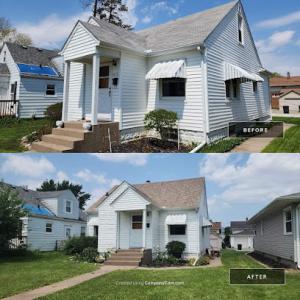
At A+ Roofing and Siding Company we are a local business that has been serving the Quad Cities and surrounding areas for 24 years with an A+ BBB rating . We offer 100% financing and lifetime warranties on all projects. We offer free estimates with no high pressure sales tactics. We also specialize in insurance restoration claims and can help you through the process start to finish. We are the only company in the Quad Cities that has a showroom where every shingle color can be viewed on the outside of the office for customers to come by at their convenience and not have to be pressured by sales people in any way. Call today for your free estimate or stop by the showroom office.
Erie Home
4374 State St STE 2, Bettendorf, Iowa
4.7 from 196 reviews
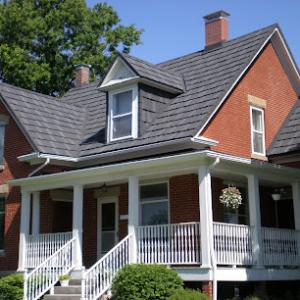
Since 1976, Erie Home has manufactured, supplied, and installed the best-performing roofing on the market. By providing ironclad warranties and convenient financing, we ensure that every homeowner we work with receives top quality service and value for their homes and properties. Erie Home professionals are the roofing company of choice in the greater Quad Cities, IA area. Whether you need roof inspections or roof damage repair services, Erie Home has been the go-to roofing contractor for nearly 50 years because of our attention to detail and dedication to making sure our customers are satisfied with their results. Contact us today for a quote and see why we're the trusted roofing company Quad Cities counts on.
A-1 Roofing
5542 N Ridge Cir, Bettendorf, Iowa
4.6 from 112 reviews
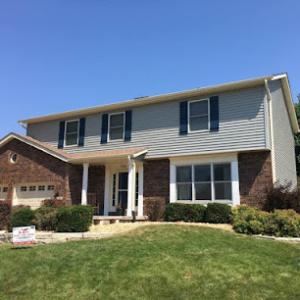
A-1 Roofing can handle all of your commercial roofing and residential roofing needs. We specialize in shingle repair, shingle replacement, metal roofing, roof repair, roof installation, and flat roofing. We also have experience with siding installation and window installation. If you are looking for a reliable roofer in and around Bettendorf, IA and the Quad Cities, call us today!
Green Valley Roofing Siding Windows
(563) 322-2044 www.greenvalleyroofing.com
3412 State St, Bettendorf, Iowa
4.7 from 78 reviews
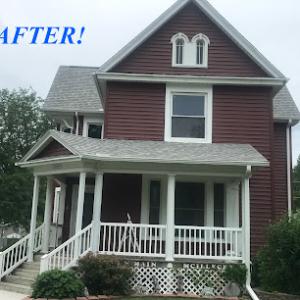
We think it's important for you to be able to call us and talk to someone who can give you answers. We welcome calls and invite you to ask about any of the services we offer. If it's on your home's exterior, we can usually help, from virtually any type of Roofing imaginable to Siding, Windows, Doors, Gutters, and Gutter Guards. We also install skylights! We offer financing. We have lots of experience and will work with your insurance company. Today, we serve the entire Mississippi Valley region around the Quad Cities, with satisfied customers in Bettendorf, Davenport, Moline, Rock Island, and nearly every nearby town, from Aledo to Muscatine, Milan to Clinton, and beyond. Call TODAY for a Free Estimate.
Toubl Contracting Inc. Iowa
(563) 823-8833 www.toublcontractinginc.com
2415 18th St STE 107, Bettendorf, Iowa
3.9 from 14 reviews
With over 20 years of experience in the storm damage repair, home restoration and carpentry trade, we provide quality workmanship for the domestic and commercial markets. In need of a new roof, gutter installation, windows or siding or maybe a complete restoration? Look no further! You may be entitled to a new roof from your insurance company. Our team can walk you through the entire insurance claim process and you will be sure to have an experience beyond your expectations.
123 Exteriors Davenport
(563) 363-6900 www.123exteriors.com
985 Lincoln Rd Suite 220, Bettendorf, Iowa
5.0 from 3 reviews
123 Exteriors provides you with detailed information regarding the damage to your house, necessary repairs, and costs thereof, and replace exterior materials that have been damaged by weather events. High winds, ice, hail, and other weather events can damage your home’s exterior and our restoration experts are trained to identify these specific types of damage. Our local experts specialize in roofing, siding, gutters, window replacement, insurance claims, and storm restoration

Better Home Improvements
1022 Jones St, Bettendorf, Iowa
3.7 from 3 reviews
When it comes to siding in the Quad City area, there's only one name you need to know - Better Home Improvements. We use the latest products and techniques to ensure you always get the best service and results possible. We are certified installers of CertainTeed and IKO products. Whether you need repairs or a completely new installation, we're here to help.

Quality Construction Advantage Group
(309) 790-3021 qualityconstructionqc.com
Serving
5.0 from 43 reviews
Quality Construction Advantage Group is a roofing contractor in Moline serving Rock Island, East Moline, Silvis, and nearby areas. Our roofing company offers residential roofing, roof repair, asphalt shingle, metal roofing, and more. We also specialize in siding, gutter, window, and door services. Customers love us because of our comprehensive roof warranties and affordable roof financing options. We also have industry affiliations and certifications such as IKO Code Plus Certified. If you want to experience how your most trusted Moline roofing company embraces our motto “The Trusted Quad Cities Roofing Contractor", call us now for a free estimate! 24 Hour EMERGENCY REPAIR SERVICES AVAILABLE!
242 Roof Systems
(563) 293-0325 www.242roofsystems.com
Serving
5.0 from 16 reviews
We offer residential and commercial roofing services throughout Davenport, IA and the Quad Cities. You can turn to us for metal roof installations, full roof replacements and prompt repairs.
Midwest Complete Construction
Serving
4.3 from 94 reviews
Call Midwest Complete Construction for residential & commercial roof installation, repair, or replacements in the Quad Cities. We offer gutter, siding, & window services.
Five Star Home Improvement - Quad Cities
(563) 459-9424 www.fivestarhic.com
Serving
4.8 from 26 reviews
Five Star Home Improvement is your hometown roofing company. We are family-owned and operated business, providing our communities with top notch service. Our services include roofing and exterior solutions for both residential and commercial properties, ensuring our communities throughout Quad Cities have access to professional roofing solutions when they need them the most. We are proud to offer professional home improvement services, including roof repairs, roof replacements, Window and siding installations, and more. Five Stars owner is a third generation roofer. His family has been serving the Iowa and Illinois area for over 60 years. Consistently superior service has made Five Star Home Improvement the most trusted name in roofing.
Storm Recovery Roofing & Siding
(309) 524-3109 stormrecovery.com
Serving
5.0 from 26 reviews
Storm Recovery Roofing & Siding is a qualified roofing and siding company in Illinois & Iowa. Our project managers deliver outstanding service and support. All of our work is guaranteed and complies with the highest industry standards. If you need to repair your damaged roof or replace your outdated siding, we can help. We specialize in restoring homes and commercial buildings. If your gutters are broken and causing water damage to your property, we can replace them too! You can count on us to help you with the insurance claim process and restore your home exterior back to new.
Iowa weather patterns in the Quad Cities create a higher-claim roofing environment, with hail and wind striking the bluff-edge corridors and then freezing cycles testing sealants and fasteners. After a severe storm year, insurers may tighten underwriting or adjust coverage in markets like Bettendorf, making it essential to have a clear, organized plan before work starts. Seasonal swings mean damage can be incremental-shingles raised by hail, granule loss, or wind uplift that isn't obvious from the ground-so documentation must account for both the immediate and delayed effects of each event.
Start a damage record as soon as it's safe to do so. Take exterior-wide shots that show the roof in context-slope, elevations, hips, valleys, dormers, and any attached accessories such as vents or skylights. Then capture close-ups of bruised or lifted shingles, hail impacts, dented flashing, loose or missing granules, and areas where sealant sits in stagnant or stressed conditions. For roofs with multiple elevations or accessory features, document each affected zone separately, using the same framing and distance to ensure consistency across photos. Photograph interior signs of leakage near ceilings, attics, or drywall around penetrations, and collect weather data from nearby stations for the storm dates to corroborate timing.
Adjusters in this market may request a thorough bill of materials and a detailed scope, especially when multiple elevations or accessories are involved. Prepare a written inventory that maps each damaged element to its replacement or repair, including fasteners, flashing, underlayment, vent stacks, and any decking portions affected by wind or hail. If a portion of the roof is unaffected, note that clearly to help prevent disputes about scope creep. Keep receipts or manufacturer cut sheets for any products that differ from the existing roof to demonstrate compatibility and performance in this climate's freeze-thaw cycle. A tidy, itemized scope helps ensure the restoration timeline aligns with the insurer's expectations and reduces back-and-forth requests.
Storm restoration timing around Bettendorf's seasonal swings requires careful planning. After major events, work may pause for weather windows favorable to installation or for extended shipments of specialty materials. Track the insurer's required documentation deadlines and set milestones that align with your local weather patterns. When possible, schedule work in windows that minimize exposure to late-season freeze-thaw stress on newly installed components. Communicate clearly with adjusters about anticipated milestones, and document any deviations or delays with updated photos and notes. This disciplined approach makes the claim progress smoother, even amid the area's characteristic wind-driven and hail-prone conditions.
Connect with contractors who help homeowners navigate the claims process from damage assessment to final approval.
A+ Roofing & Siding
(563) 349-4420 www.aplusroofingandsidingco.com
710 14th St, Bettendorf, Iowa
4.9 from 524 reviews
Green Valley Roofing Siding Windows
(563) 322-2044 www.greenvalleyroofing.com
3412 State St, Bettendorf, Iowa
4.7 from 78 reviews
Asphalt shingles remain a dominant choice in this area, where the combination of Quad Cities hail and wind exposure meet frequent freeze-thaw cycles. You will notice that granule loss becomes more apparent after a heavy storm, and seal-strip failures can emerge as temperatures swing from warm afternoons to icy mornings. In the short term, a hail event can push you into storm restoration mode, but the long-term performance hinges on how well the roof handles repeated freezing and thawing. When planning replacement or repair, recognize that asphalt systems tend to age noticeably with each cycle, so you'll want to plan for regular inspections after severe weather and during season transitions. A properly matched installation-ensuring the roof deck is sound and the underlayment is appropriate for winter moisture-helps minimize leaks that often start as minor gaps around fasteners and then widen with temperature swings.
In Bettendorf, the transition from late fall into winter can stress asphalt shingles more than most regions. Granules that loosen in the wind and hail can shorten the useful life of shingles and may reveal the felt beneath sooner than anticipated. Seal-strips, designed to keep water out at the overlap, may fail to seal reliably after a hard freeze, especially where storm impact has already compromised the surface. For ongoing durability, focus on a quality installation that emphasizes proper nailing patterns and adequate attic ventilation to reduce the risk of ice dam-related leaks. In regions prone to freeze-thaw cycles, inspectors often check for curled edges, lifted tabs, and fascia irrigation paths that could channel water into the roof line during a thaw, when snow briefly melts and refreezes at the eaves. Regular maintenance-cleaning debris, addressing shingle damage promptly, and resealing around penetrations-helps extend the roof's resilience through repeated cycles.
Metal roofing is used locally because it handles snow shedding and weather swings well, but detailing matters in a climate with cold winters and warm summers. For Bettendorf conditions, the advantage lies in rapid snow release and a lower tendency for rapid granule loss. However, metal surfaces can experience thermal expansion and contraction that stress fasteners and edge detailing. Pay particular attention to flashing at valleys, chimney penetrations, and transitions to other roof types, since improper detailing there can become focal points for ice buildup during thaws. A well-sealed valley and properly installed drip edge reduce the risk of meltwater penetrating under panels and refreezing into ice dams. In winter, keep gutters clear to prevent backed-up meltwater from wicking under panels and creating hidden leaks that only appear after a thaw cycle.
Tile, wood, and synthetic roofs exist in the Bettendorf market, but their repair complexity and material sourcing can affect scheduling more than standard asphalt systems after regional storm demand spikes. Clay and concrete tiles resist impact differently than asphalt, yet their weight demands a solid structural assessment before installation. In winter, tile edges can be more vulnerable to cracking from fluctuating temperatures, and the grout or bedding materials around clay or concrete units can stiffen and lose flexibility, increasing the chance of micro-cracks that invite water intrusion during freeze-thaw cycles. Wood shingles and shakes offer attractive curb appeal but are particularly sensitive to moisture and insect activity; cold, damp conditions can accelerate decay if moisture penetrates the underlayment. Synthetic shingles provide a more uniform profile and often better wind resistance, but installation details and the potential for accelerated wear around heat-affected joints matter in this climate. For any of these materials, ensure that repairs or replacements consider the seasonal schedule, ensuring crews can complete work during windows that avoid mid-winter shutdowns and spring storm surges.
Late spring through early fall is generally the preferred roof replacement window in Bettendorf because cold-weather installation and winter leak risk complicate scheduling. The combination of hail exposure in spring, summer heat, and lingering fall storms means planning around the Quad Cities weather is essential. If a storm chase or insurance project drives the schedule, aim to lock in dates before the peak heat and before late-fall storms narrow options.
Hot summer conditions can affect adhesive-backed underlayment handling and crew productivity even during the main roofing season. Expect longer days, and plan for hydration breaks and temporary shade or tarping to keep underlayment adhesives from curing too quickly. In Quad Cities heat, asphalt shingle products can behave differently, so confirm the crew follows manufacturer guidance for installation in high humidity and sun exposure. Autumn rains and storms in the Quad Cities can interrupt tear-off schedules and put more pressure on temporary dry-in planning before winter returns. Build in a margin for weather delays and have a backup date window to minimize downtime if a back-to-back storm system moves through.
A reliable dry-in plan matters more here than in milder climates. Ensure a competent crew uses a solid temporary cover and channels for water runoff to prevent interior leaks during short dry spells between storms. For architectural or heavier products, confirm deck reinforcement and ventilation align with the local wind exposure along the Mississippi bluff corridor. In Bettendorf, a staged tear-off with staggered removal of damaged sections often reduces the chance of two blowing rain events compromising the interior between shingles and underlayment.
Storm damage, hail claims, and timing around seasonal swings demand clear communication with the insurer and your contractor. Establish a written sequence: initial assessment, approval window, preferred installation block, and contingency dates for late-season weather. If a replacement must align with an insurance-adjuster visit, keep the crew informed of expected inspection days and be ready to adjust access and material delivery times to avoid peak heat or forecasted storms.
Prepare a documented record of pre-existing damage and repairs, with photos dated to capture the condition before work begins. In Bettendorf, the emphasis on timely documentation helps support claims and minimizes gaps in coverage when weather pushes a project earlier or later in the season. Keep copies of all correspondence, permits if applicable, and a clear list of temporary fixes used during the dry-in period to reference during claim reconciliation.
Don't let upfront costs delay a critical repair - these contractors offer payment plans to fit your budget.
A+ Roofing & Siding
(563) 349-4420 www.aplusroofingandsidingco.com
710 14th St, Bettendorf, Iowa
4.9 from 524 reviews
Green Valley Roofing Siding Windows
(563) 322-2044 www.greenvalleyroofing.com
3412 State St, Bettendorf, Iowa
4.7 from 78 reviews
In Bettendorf, the ballpark for replacing a roof varies by material. Asphalt shingles run about $350 to $700 per square, a solid baseline for mid-range homes in the Quad Cities exposure. Metal roofing tends to land in the $750 to $1,200 per square range, reflecting its durability against hail and higher wind demands. If clay or concrete tiles are on the house, anticipate roughly $1,000 to $2,300 per square for clay and $900 to $1,700 per square for concrete, driven by weight and installation complexity on local roof lines. Wood shingles or shakes come in around $450 to $900 per square, while synthetic or composite shingles hit roughly $550 to $1,100 per square. These ranges are shaped by local labor availability, material lead times, and the mix of roof pitch and attic spaces common to Quad Cities homes.
Storm seasons in this area create short-term demand surges that ripple through labor pools and material supply across the Quad Cities market. When hail events occur, crews can book up quickly, and manufacturers may face temporary backlogs on high-demand products. That means a project planned in late spring or early fall can encounter longer wait times for certain materials or for skilled installers, even if the overall project scope remains the same. If hail damage is suspected after a storm, start conversations with a contractor promptly to lock in preferred crews and avoid last-minute price spikes caused by expedited timelines.
The knock-on effect of Bettendorf's freeze-thaw cycles is twofold: first, it emphasizes the value of a roof with wind and impact resistance appropriate to Quad Cities weather; second, it can influence pacing for mid-roof and final inspections if coordination with local oversight or timing gaps arises. When selecting materials, consider how each option holds up under repeated freeze-thaw cycles and how long installation will realistically take given current crew availability. In practice, a well-structured replacement plan tends to prefer shingle systems that balance cost with performance, while heavier tile options demand careful structural checks and longer installation windows to accommodate seasonal weather shifts.
For a full roof replacement, a building permit is generally required. This is not just a formality; it helps ensure that installation standards meet local codes, especially given Bettendorf's exposure to Quad Cities hail, wind, and winter freeze-thaw cycles. Before any tearing begins, verify that the permit path is open with the property's owner and contractor, and have clear access to recent project plans for quick reference if inspectors ask.
The City of Bettendorf Building Division oversees roofing permits. Plans are typically reviewed and processed once everything is in place, with a handling window of about 1-2 weeks depending on workload. To keep the timeline smooth, have your contractor submit complete diagrams, material specifications, and installation details. If weather or scheduling shifts push the project, notify the Building Division promptly to avoid unnecessary delays at critical milestones.
Roofing inspections in Bettendorf follow a practical sequence: a mid-roof inspection to verify nailing patterns, underlayment, and flashing installation, followed by a final inspection to confirm overall workmanship and code compliance. Mid-roof checks are particularly important when hail season has stressed structural components, while the final inspection is your last step before the permit can be closed. Coordinate inspection dates with your contractor so materials and workmanship align with inspector expectations.
Before each inspection window, ensure the roof is accessible and free of obstructions that would hinder the inspector's view of critical components. Have the permit on site, along with a clear elevation plan and a brief summary of any weather-related contingencies that influenced installation. If any deviations from the approved plans occur, document them and obtain written approval from the Building Division to keep the permit status from stalling.
If an inspection reveals noncompliance or deficiencies, address them promptly and reschedule the inspection. In Bettendorf, timely follow-through reduces delays and helps maintain the project's alignment with seasonal weather windows that are common in the area. Once all inspections are satisfied, final sign-off will close the permit and complete the process.
The Bettendorf market shows a strong prevalence of storm-damage, insurance-claims, and emergency-repair specialization rather than niche luxury roofing concentration. Homeowners expect rapid site assessment, tarping, and debris removal after a hail event or high-wind day. If a contractor hesitates to schedule a same- or next-day visit, that hesitation can cascade into longer water intrusion and higher secondary damage. Look for crews that clearly outline a plan for temporary cover, debris containment, and a firm timeline for the inspection to keep your interior from bearing the brunt of a sudden storm.
Storm-driven reroofing in the Quad Cities hinges on good documentation and consistent communication with the adjuster. Reputable Bettendorf-area roofers help you photograph damage, log dates and weather conditions, and provide a written scope that aligns with an insurance appraisal. Beware contractors who promise "universal write-ups" or skip the on-site assessment; the inspection is your leverage when negotiating the claim and prioritizing repair versus replacement. Keep receipts for temporary repairs and track all correspondence, because timing and detail can influence claim settlement and restoration sequencing.
The local contractor landscape favors reroofing, reflecting an older installed roof base facing repeated weather events. Expect teams that can coordinate with interior repairs, attic ventilation checks, and moisture mitigation, rather than bespoke new-construction buildouts. A practical approach often centers on restoring weatherproofing quickly, then addressing underlying decking or sheathing if damage is found. When scheduling, align your preferred material cycle with a robust setup for staging material deliveries, scaffold safety, and wind-safe removal practices to minimize repeat storm exposure during the project.
Ask for recent storm-claim experience, a published scope, and a clearly defined cleanup plan, including daily progress updates and weather contingency steps. Confirm the crew's aftercare: debris removal, nail-hole sealing, and temporary protection for the reopened roof line. In a market where speed matters, ensure the contractor's pace does not bypass essential quality checks, such as decking integrity, underlayment condition, and proper shingle alignment. A measured, ticketed approach often saves more headaches than a rushed finish after a hail event.