Last updated: Apr 19, 2026
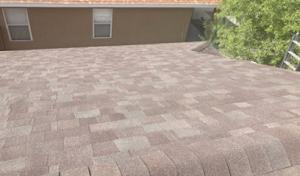
The hot, dry summers bring intense UV exposure that accelerates surface aging on asphalt and many synthetic products. You'll notice faster granule loss, color fading, and a chalky feel on shingles after several peak-season seasons. The sun also warms the underlayment and flashings, which can shorten the life of other roof components if they're already nearing the end of their expected service. In homes with adobe-influenced low-slope roofs, the flat and gently sloped sections absorb heat differently, making edge details and transitions more vulnerable. If you've got reflective or lighter-colored roofing options, expect them to hold up longer in the face of that relentless blaze, but don't assume it buys you decades-UV fatigue adds up.
The mid-year monsoon pattern can expose roofs that seemed fine through the dry season. Thunderstorms bring sudden downpours, high winds, and sometimes hail, which stresses flashings, penetrations, and low-slope transitions. Flashing joints that were barely sealed after the last installation can start leaking as capillary action pulls moisture under the edge of shingles or metal. Windows and doors near roof edges may show signs of moisture intrusion after a monsoon storm that would have seemed inconsequential in a dry spell. Because the monsoon concentrates wind and rain into short bursts, small, chronic failures can become noticeable in a single event. If a roof looks solid in July but shows moisture on a ceiling by August, investigate the flashings, fasteners, and the sealant choices for those critical junctions.
Milder winters reduce concerns about heavy snow loads, but winter nights and occasional freezes still matter. Tile roofs-whether clay, concrete, or composite-can experience movement with temperature swings, leading to cracked tiles or micro-fractures in the surface glaze. In Las Cruces, where nights can dip below freezing, that movement can create microleaks that only reveal themselves during spring rains. Installation timing matters here: allow adequate curing and anchoring for tiles so that the first hard freeze after installation doesn't exploit weak points. For low-slope or stepped transitions, winter-time sealants and joints require extra attention, since the combination of cooler air and moisture can affect adhesion and sealing compounds.
Desert life means choosing materials that tolerate heat, UV, and intermittent powerful rain rather than chasing the longest possible lifespan in a milder climate. Asphalt shingles perform well in heat but age quickly under heavy UV; premium asphalt or architectural shingles can give better wind and heat resistance, but expect faster chalking and color changes in the sun. Metal roofs respond well to heat and monsoons if installed with proper underlayment and valley details, yet improper fastener placement or poor edge flashing can lead to leaks during sudden downpours. Clay and concrete tiles handle heat well and resist UV degradation, but they demand solid roof framing and careful installation to cope with temperature-driven movement. Synthetic or composite shingles can offer good UV resistance and flexibility, but some products may become brittle in extreme heat or lose protective coatings if left unmaintained.
When planning a replacement, map out the roof in sections to identify vulnerable zones: edge details, penetrations, and low-slope transitions. Strengthen flashings around chimneys, vents, and skylights with compatible sealants and metal flashings designed for high-UV exposure; ensure sealants remain pliable through temperature cycles. If choosing clay, concrete, or metal, verify that the underlayment is rated for both desert heat and monsoon moisture, with a durable capable of handling the wind loads typical of late-summer storms. For low-slope areas, consider transition membranes and reinforced edge protection to reduce wind-driven uplift risk. Schedule installation to avoid the hottest weeks if possible, giving crew time to install underlayment and flashings while temperatures are more forgiving, and plan for roof deck checks shortly after the monsoon season to catch any latent moisture before it can spread.
Adopt a two-part year-round rhythm: a spring inspection after the monsoon season and a late-summer check in the heat lull. In spring, focus on flashings, penetrations, and sealants that have experienced monsoon exposure; in late summer, reassess edge detail durability after sustained UV exposure and any wind events. Maintain gutters and downspouts to prevent water from backing onto low-slope sections, where heat-softened edges can become prone to leakage. Remember that mild winters don't excuse neglect-check tile movement during cool nights and verify that installation gaps have not widened with temperature swings. In the end, the roof life in this desert climate hinges on selecting the right system for heat and wind, then reinforcing the most vulnerable joints before they let moisture in. Las Cruces homes deserve a roof strategy tuned to the sun's intensity and the storm's sudden demands.
Desert neighborhoods with Southwestern and adobe-inspired designs often feature flat or very low-slope roofs. In this climate, drainage details and ponding control are not optional extras but core components of longevity. The long dry spells can hide subtle drainage defects, and the moment monsoon season arrives, those small issues become large leaks. Parapet walls, scuppers, and roof-to-wall transitions on these systems demand extra attention because their failure points multiply under the combination of intense sun, high UV exposure, and sudden downpours.
Monsoon downpours expose weak spots fast. Scuppers can clog, water cannot exit as designed, and standing water finds its way to the most vulnerable transitions. Check parapet walls for moisture intrusion where the edge flashings meet the wall, and inspect roof-to-wall transitions where flashings should be continuous and well-sealed. Look for minor cracking around fasteners or penetrations that can grow under afternoon heat and whipping winds. Remember, a single poorly drained corner can send water into interior spaces through the most inconvenient routes.
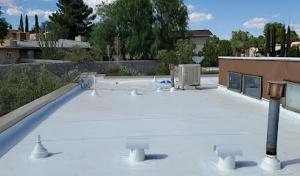
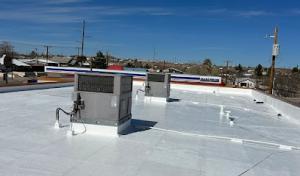
A practical approach centers on drainage first. Ensure roof planes slope slightly toward primary and secondary scuppers or edge drains, with clearly defined channels that guide water away from parapets and wall penetrations. For flat and low-slope systems, consider early intervention where ponding is detected-eliminate low spots and restore positive drainage before monsoon storms arrive. Coatings play a pivotal role here, acting as a restoring layer that seals small defects and extends the life of the roof surface between larger interventions. In this market, coatings are not a cosmetic add-on; they are a critical maintenance cycle that keeps reflection high, surface temperatures steadier, and leaks less likely during and after storms. When choosing a coating, prioritize products with proven energy efficiency and UV resistance tailored to low-slope desert roofs. Recoat cycles should be scheduled based on sun exposure, weather patterns, and actual performance rather than a calendar date.
Pay particular attention to perimeter details, where the edge possesses more exposure to wind-driven rain and debris. Inspect joints around vent pipes, HVAC curbs, and skylight flashings for degradation or lifting after monsoon events. Inspect gutters and downspouts for debris that can block drainage pathways, especially after wind-driven dust holds sediment that worsens ponding. Upgrading sealants at critical seams and ensuring flashing materials are compatible with the chosen coating can prevent early failures. In low-slope desert architecture, once a failure forms, it tends to spread along flashings and transitions, so early detection is essential.
After a storm, walk the roof edge and exposed transitions first, then move inward to parapets and scuppers to confirm water exits as designed. Document any new staining or damp spots, and schedule a targeted assessment if signs appear near flashings or joints. Addressing drainage and coating repairs promptly preserves the roof's integrity through the next monsoon cycle and beyond.
Find specialists in TPO, EPDM, and built-up flat roofing systems for residential and commercial properties.
A Mountain Roofing
(575) 640-0794 amountainroofingnm.com
3901 Sonoma Springs Ave APT 514, Las Cruces, New Mexico
5.0 from 42 reviews
Quality Roofing Restoration
(575) 405-1053 qualityroofingrestorationsllc.com
2480 ste b Efrain Ln, Las Cruces, New Mexico
4.9 from 99 reviews
Anthony Sosa Roofing & Construction
(575) 288-5615 anthonysosaroofing.com
2025 Chilton Dr, Las Cruces, New Mexico
4.9 from 54 reviews
Specialized Roofing Systems & Construction
(575) 339-5124 www.specializedroofingsystems.net
2252 Calais Ave, Las Cruces, New Mexico
5.0 from 80 reviews
Specialized Roofing Systems & Construction, Inc. is a locally owned, fully licensed roofing and exterior construction company serving Las Cruces, NM, El Paso, TX, and surrounding areas. We specialize in emergency leak repairs, re-roofing, storm damage restoration, stucco, and exterior painting. Our team is committed to clean job sites, clear communication, and delivering long-lasting results. We’re available 7 days a week for urgent roofing needs, and we work with all insurance carriers to make repairs stress-free.
A Mountain Roofing
(575) 640-0794 amountainroofingnm.com
3901 Sonoma Springs Ave APT 514, Las Cruces, New Mexico
5.0 from 42 reviews
At A Mountain Roofing, we are dedicated to delivering top-quality roofing solutions with a commitment to craftsmanship and customer satisfaction. Serving Las Cruces and surrounding areas specializing in flat, metal, shingle residential roof repairs, installations, and replacements. Our team of experienced professionals ensures every project is completed to the highest standards, using premium materials and proven techniques. Whether you're facing a roofing emergency or planning an upgrade, trust A Mountain Roofing for reliable service and peace of mind.

Quality Roofing Restoration
(575) 405-1053 qualityroofingrestorationsllc.com
2480 ste b Efrain Ln, Las Cruces, New Mexico
4.9 from 99 reviews
Local Roofing Contractor That Specializes on Roof Replacements ,Roof Repair, Residential Roofing and Commercial Roofing. All Work Proformed Is To Industry Standards. Service area Las Cruces Nm , El Paso Tx Alamogordo Nm & Surrounding areas.
Anthony Sosa Roofing & Construction
(575) 288-5615 anthonysosaroofing.com
2025 Chilton Dr, Las Cruces, New Mexico
4.9 from 54 reviews
Roof Problems Hanging Over Your Head? Get help from a skilled roofing contractor in Las Cruces, Santa Teresa, NM, Alamogordo & Chaparral, NM If the roof above your Las Cruces & Alamogordo, NM area home or place of business is cracked, sagging or leaking, it's time for a roof installation or repair from Anthony Sosa Roofing & Construction. Protect what matters most by keeping your roof in good shape. We also offer metal roofing, TPO roofing, shingled roofs, and roof coatings.
Mission Roofing & Construction
(575) 650-9280 www.missionroofingnm.com
7820 Kissiah Dr, Las Cruces, New Mexico
5.0 from 27 reviews
Commercial and Residential Roofing Contractor serving the entire state of New Mexico. We are certified TPO Installers. We are specialists in flat roofing including Roof Coatings, and Torchdown. We also specialize in Shingles, tile and metal.
ARC Roofing
1990 E Lohman Ave, Las Cruces, New Mexico
4.7 from 97 reviews
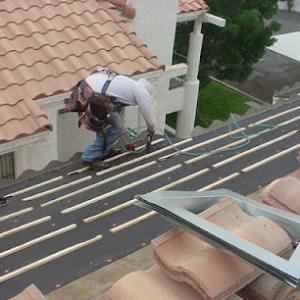
ARC Roofing, LLC, now operating as ARC Restoration & SolarX, brings 25+ years of expertise in commercial and residential waterproofing and roof insurance claim inspections, serving clients like NASA, White Sands, Tri-State Electric, and Walmart. We specialize in hail restoration, solar, metal, foam, silicone, and Rhino roof systems across Las Cruces, El Paso and nationwide. ARC acts solely as a consultant and paymaster in New Mexico—not a contractor—with all work done by licensed, bonded contractors like United General Construction (GB98-367450). ARC is not subject to Section 60-13-3 of CILA.

LC Roofing
1100 N Miranda St, Las Cruces, New Mexico
4.9 from 21 reviews
We are expert roofers in Las Cruces, NM. We offer residential roofing repair and replacement, commercial roofing repair and replacement, roof inspections, stucco work, gutter and drainage system installation and repair, and roof coating. We are well versed in working with a variety of materials and roofing styles. A roof is the boat important part of the building because it is what keeps everything inside safe and structurally sound. Our roofers in Las cruces pride themselves on quality customer service. We put our best foot forward with every interaction so that you will feel taken care of and so that you will be able to make the best decision for your roofing project. If you’re in need of Expert Roofers in Las Cruces Call Us!
MTZ Roofing & Construction
(480) 335-2594 mtzroofingandconstruction.com
5661 Melody Ln, Las Cruces, New Mexico
5.0 from 13 reviews
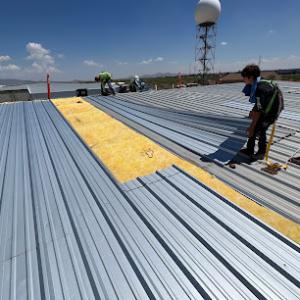
For over a decade, MTZ Roofing and Construction has been an industry leader through southern New Mexico. MTZ Roofing and Construction has been providing quality services to residential, commercial and government infrastructure meeting client needs to build quality relationships though quality services.
Suniga's Roofing & Construction
Las Cruces, New Mexico
5.0 from 3 reviews
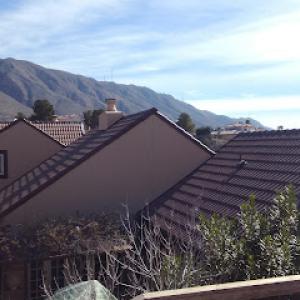
Suniga' s roofing company has served the Texas/New Mexico areas since 1992. We know pitched and flat roof styles. References upon request.
Optimal Roofing & Construction
(575) 805-5900 www.meetlascruces.com
6775 Hawk Rd, Las Cruces, New Mexico
4.3 from 6 reviews
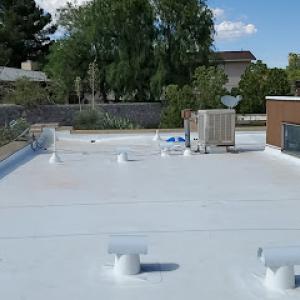
We are a full-service, professional roofing installation, roof replacement and roof repair contractor. We specialize in new roofs, re-roofs, pitched roofs, flat roofs, shingle roofs, tile roofs, metal roofs, elastomeric roof coatings, thermoplastic polyolefin (TPO) roofs, emergency roof repair, roof maintenance, deck repair, stucco repair, and insurance claims. Call today to schedule your free estimate!

RoofCARE
(575) 288-2068 www.roofcare.us
406 Roundtree Pl STE 300, Las Cruces, New Mexico
3.8 from 13 reviews
RoofCARE is a full-service commercial and residential roofing contractor that specializes in extending the life of existing roofing systems as a cost-efficient and sustainable alternative to premature roof replacement. Our services include Roof Inspections / Diagnostics, Leak Repairs, Preventative Maintenance, Corrective Repairs, Service Contracts, Roof Renovation, Roof Replacement and Wall Renovation.
Work Monster
Las Cruces, New Mexico
5.0 from 2 reviews
Do you need roofing help? Get in touch with Work Monster today. Our roofer in Las Cruces, NM offers a variety of commercial and residential roofing services. Need assistance with roof repairs? We’ll take care of them for you. You can hire us to install a whole new roof for your home, too. There is no roof too big or too small for us to handle.
Clay and concrete tile fit the regional architecture and perform well in sun, but their weight and breakage risk make underlayment condition especially important in Las Cruces re-roofs. The desert sun and monsoon patterns can push underlayment to the breaking point if it isn't properly installed and protected from UV degradation. If you're choosing tile, plan for a robust structural assessment to handle the weight, and insist on a lath and membrane system that accommodates expansion and contraction with temperature swings. A high-quality underlayment plus fasteners rated for hot climates will help prevent cracks and leaks after the first monsoon blow-through.
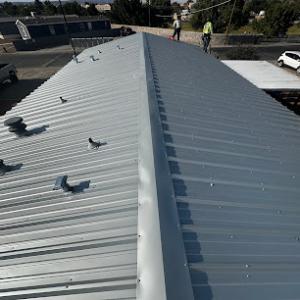
Metal roofing is a strong local option because it handles intense sun well and is actively offered by many contractors in this market. Reflective coatings and coatings with cool pigments can dramatically reduce heat transfer into attic spaces, which helps trim cooling loads and preserves interior comfort. Look for standing-seam or bio-based coating options that resist UV damage over time. Given how wind-driven monsoon events can scour fasteners, insist on a metal system with a well-sealed seam design and an integrated snow/wind clip strategy to reduce panel movement. If you anticipate potential hail or debris impacts, choose thicker panels and verify warranty coverage against gouges and denting common in summer storms.
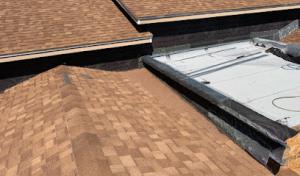
Asphalt shingles remain common because of lower upfront cost, but Las Cruces heat and UV exposure can shorten appearance life compared with milder climates. If choosing asphalt, select a high-performance, UV-resistant shingle with a longer wind warranty and a reflective granule layer to resist heat buildup. Proper attic ventilation becomes crucial to prevent heat from accelerating asphalt aging. Consider a supplemental ridge vent or whirlybird solution to balance the high heat with monsoon humidity, since moisture can affect shingle adhesion and deck integrity if the roof breathes poorly.
Across all material choices, the underlayment's condition and compatibility with the climate matters more here than in milder climates. A breathable, contractor-grade underlayment that supports a timely dry-in during monsoon transitions can save long-term headaches. In a landscape where sudden downpours follow long dry spells, a continuous, well-sealed moisture barrier reduces the risk of leaks around fasteners and penetrations. For tile or metal, emphasize flashing details at valleys, roof-to-wall interfaces, and penetrations to keep out wind-driven water.
A roof in this desert city benefits from proactive maintenance that aligns with the monsoon calendar. Annual inspections after peak storm season-and after any severe wind event-help catch loose fasteners, cracked tiles, or degraded seals before they turn into leaks. When choosing a roof type, balance weight, UV resilience, and wind resistance with how well the system can integrate with reliable attic ventilation and a robust underlayment. The right combination supports longer service life under the city's sun-drenched days and sudden stormy events.
In this desert climate, the sun and monsoon pattern shorten roof life and push you toward replacement strategies that handle heat, UV exposure, and sudden wind-driven leaks. The typical cost ranges you'll see start with asphalt shingles from 350 to 700 USD per square, and rise to metal 700 to 1300, clay tile 1000 to 1800, concrete tile 900 to 1600, wood shingles or shakes 600 to 1000, and synthetic or composite shingles 450 to 900 per square. Those are the numbers you'll compare when a bid comes in after a storm or during routine planing.
Tile-heavy homes and low-slope sections drive overall project complexity in this market. Costs in Las Cruces often rise on homes with tile systems, low-slope sections, parapets, and mixed rooflines common in Southwestern architecture because tear-off, flashing, and underlayment work are more involved. If your home mixes flat, shed, and pitched areas, expect crews to spend extra time on detailing around parapets and transitions, which can push costs toward the upper end of the ranges. Factor in longer material handling and more scaffold or protection setup on larger or multi-level roofs.
Replacement strategy should acknowledge heat and storm cycles. For asphalt, you'll want a system that offers strong reflective properties and a durable underlayment to ride out long dry spells followed by sudden rain. Metal often performs well here, particularly in mixed roofline homes, but flashing and sealants around parapets and valleys must be meticulous-that's where leaks tend to hide after monsoon downpours. Clay and concrete tile provide longevity but require careful installation to manage weight, underlayment needs, and proper flashing details at penetrations. Synthetic shingles can be a practical middle ground, balancing cost and performance in sun-drenched, storm-prone conditions.
Finally, timing matters. Monsoon-season scheduling pressure and heat-related work pacing can affect labor availability and timing, especially when many homeowners seek repairs after summer storms. Plan ahead, allow for contingency in the schedule, and confirm that the chosen roof system includes high-quality underlayment and reinforced flashing to withstand the region's pattern.
Get a clear picture of your project costs upfront - no commitment required.
A Mountain Roofing
(575) 640-0794 amountainroofingnm.com
3901 Sonoma Springs Ave APT 514, Las Cruces, New Mexico
5.0 from 42 reviews
Optimal Roofing & Construction
(575) 805-5900 www.meetlascruces.com
6775 Hawk Rd, Las Cruces, New Mexico
4.3 from 6 reviews
A full roof replacement in Las Cruces typically requires a permit through the local Building Department rather than being treated as informal maintenance. This distinction matters because missing a permit can trigger delays, fines, or complications when you go to sell the home. The process is designed to ensure that a replacement accounts for desert climate realities-adequate ventilation, moisture barriers, and proper flashing-so a re-roof actually lasts through the next monsoon season and the next spell of high sun. If a contractor asks you to proceed without paperwork, pause and verify that a permit has been issued in your name or the project's.
The city generally uses a quick plan review process and schedules inspections at key milestones including tear-off, underlayment or installation stages, and final approval. Understanding this rhythm helps you avoid surprises: plan around the tear-off window when old materials are removed, ensure the underlayment installation aligns with the first stage checks, and anticipate a final inspection that confirms all components meet current code. If a delay pops up, it's often tied to missing documentation or minor plan adjustments to address climate-specific features, like ventilation balance or moisture-control measures.
Inspectors are expected to check current-code items such as ventilation, flashing, and moisture barriers, which matters when older desert homes are being re-roofed. In homes with adobe-influenced low-slope lines or historically tight attic spaces, inadequate ventilation can trap heat and moisture, accelerating shingle or sheathing deterioration. Flashing around parapets, skylights, and transitions to heavier tile systems must be sealed and integrated with the existing roof deck. Moisture barriers should be continuous and compatible with high-UV exposure, so a renewal that overlooks these details invites leaks after the first monsoon blow-through.
Coordinate with your contractor to confirm permit numbers and inspector appointment windows ahead of work. Keep copies of plan approvals, permit cards, and inspection notices where they're easy to access. Before tear-off, photograph attic ventilation paths and flashing conditions to establish a baseline. After installation, request a final walkthrough focusing on code-required elements, including attic vent adequacy, flashing turnover, and moisture-barrier integrity. If an inspector flags a deficiency, address it promptly rather than letting it linger through the next heat spike or storm event.
Avoid assuming a permit is a mere formality or that inspections can be skipped for speed. Inattention to ventilation and moisture barriers now can mean costly repairs later, especially when a new roof meets an older structure. Ensure the selected contractor treats the permit process as an integral part of the job, not an afterthought. A careful, code-aware approach now reduces the risk of leaks, wind damage, and the kind of rework that disrupts a home during the peak of summer.
New Mexico insurers commonly scrutinize roof-related hail and wind claims with photo documentation and condition reporting, which is especially relevant after Las Cruces monsoon events. Gather clear images showing the roof's condition before and after any damage, and keep an easy-to-read log of dates, weather events, and visible issues. This isn't optional-it speeds response and reduces back-and-forth with adjusters after a storm.
Adjusters may request pre- and post-installation records and may tie claim scope to code-compliant upgrades when roof work is triggered. If a storm hits, having contractor notes, warranty documents, and material specs ready helps the adjuster see whether a claim should cover replacement or repair. Consider organizing a simple binder now, with dates, product names, and installer certifications clearly labeled.
Because Las Cruces roofs often endure long UV exposure before a storm hits, homeowners need documentation that separates older wear from sudden monsoon or hail damage. UV bleaching, granule loss, and flashing wear can mimic storm damage. Capture close-ups of exposed fasteners, edge metal, and valleys, and note any prior repairs. Clear, dated evidence prevents misinterpretation when the claim lands.
Monsoon strikes can turn a dry season into rapid, high-stress damage events. If you suspect hail impact, wind uplift, or sudden leaks, document promptly and contact both your insurer and a trusted local roofer. Timely notes and photos reduce disputes, shorten claim cycles, and help ensure the replacement strategy aligns with the harsh, desert-cycle conditions that laser-focus life expectancy on sun-heavy roofs.
Keep a current set of roof-related documents: photos from multiple angles, a damage timeline, prior repair receipts, and material specifications. For newer roofs, include post-installation inspection reports. For older roofs, supplement with a UV-aging assessment and a storm-damage checklist. Being prepared reduces friction when the next monsoon storm arrives.
Connect with contractors who help homeowners navigate the claims process from damage assessment to final approval.
Specialized Roofing Systems & Construction
(575) 339-5124 www.specializedroofingsystems.net
2252 Calais Ave, Las Cruces, New Mexico
5.0 from 80 reviews
A Mountain Roofing
(575) 640-0794 amountainroofingnm.com
3901 Sonoma Springs Ave APT 514, Las Cruces, New Mexico
5.0 from 42 reviews
Quality Roofing Restoration
(575) 405-1053 qualityroofingrestorationsllc.com
2480 ste b Efrain Ln, Las Cruces, New Mexico
4.9 from 99 reviews
Skylights and roof penetrations on homes in this desert climate face a unique cycle: prolonged heat cycling dries and stresses surrounding sealants before the monsoon rains arrive. That cycle ages flashing, curb joints, and sealants faster than in milder areas. The outcome is more frequent slow leaks around edges or sudden leaks after a heavy downpour. Understanding how heat, sun exposure, and seasonal storms interact helps you pick strategies that extend roof life rather than chase leaks after they start.
Low-slope sections are common in the local architecture, and penetrations there behave differently when water moves slowly around curbs and flashing during heavy summer rain. In these areas, you want extra attention to the transition from the roof deck to the curb, vent bases, and skylight flanges. Heat-induced expansion and contraction can open micro-gaps that moisture can exploit during a monsoon. If a penetration sits near a previously patched seam, inspect for corrosion, lifted flashing, and compromised sealant beads that may have dried too hard or vitrified with sun exposure.
Homes adding rooftop solar in the high-sun market require careful flashing integration so new penetrations do not create future leak paths. Aligning rafters, flashing, and mounting rails without creating stacked sealant layers reduces complex failure points. Ensure that the roof deck around each penetration remains solid and that flashing steps mimic the sun's daily movement so water shed is predictable even when a strong shower hits. When possible, route conduit and cables away from vulnerable curb corners to minimize repetitive stress on sealants.
Perform a heat-season inspection focusing on skylight seals, flashing around vents, and curb integrity after the first heavy rain or wind event. Look for softened or cracked sealant beads, lifted flashing, and any discoloration indicating moisture intrusion. After monsoon storms, recheck penetrations that show minor signs of wear, as rapid changes in humidity and temperature can magnify small flaws into leaks. Consider scheduling a flashing and sealant check before the peak heat of summer to catch aging components while sun exposure is at its height but before monsoon reliability shifts stress onto the details.
Find contractors experienced in skylight installation, flashing, and leak repairs to bring natural light into your home.
A Mountain Roofing
(575) 640-0794 amountainroofingnm.com
3901 Sonoma Springs Ave APT 514, Las Cruces, New Mexico
5.0 from 42 reviews
Quality Roofing Restoration
(575) 405-1053 qualityroofingrestorationsllc.com
2480 ste b Efrain Ln, Las Cruces, New Mexico
4.9 from 99 reviews