
Last updated: Apr 19, 2026
Prolonged high-elevation desert sun bakes shingles, sealants, and exposed roofing accessories until they harden, crack, or delaminate. That relentless heat speeds wear from the moment mid-spring hits, turning vulnerable edges to brittle edges and drying out flashing seals. When spring winds ramp up, lifted shingles and displaced tiles become common, especially on roofs with aging or mismatched components. You'll see wind-driven debris and minor flashing movement that may not look dramatic at first glance but weakens the system's ability to shed water when the monsoon arrives. As monsoon season rolls in, those heat-cracked joints and wind-loosened areas turn into active leaks far faster than you expect, particularly where underlayment has already taken a dry, baked hit. The cycle isn't a single event; it's a rolling wake-up call you feel from spring through late summer if you don't stay ahead of it.
You should treat any sudden wind event or hail streak as a canary in the coal mine. Look for lifted shingle tabs, loose or curled edges, or granules missing from asphalt shingles. Tiles that sit high or show gaps between them and the underlayment signal flashing movement or support strain. Flashings around chimneys, vents, and eaves should sit firmly without visible gaps; any waviness or displacement can be a prelude to leaks once the monsoon starts. After the monsoon's first bursts, dry-season vulnerabilities become active leaks where underlayment has absorbed heat and aged past its protective threshold. Schedule a targeted roof walk and careful inspection after every notable wind or hail event, and again after the first heavy rain.
Prioritize securing and resealing vulnerable edges and flashing now, before the monsoon arrives. If you notice lifted shingles, curling edges, or loose flashing, address them promptly with proper sealing, re-fastening, or replacement of the affected components. Pay close attention to underlayment patches in sun-exposed areas; heat-softened sections that PCR-test indicates have baked over time should be weighed for replacement or overlay to prevent sudden leaks once moisture arrives. If any roof surface shows heat-stressed or cracked sealants around vents, chimneys, or flashing penetrations, treat those areas as high-priority repairs. Consider upgrading select components to more heat-resistant materials where you're due for a mid-cycle refresh-this reduces the risk of rapid failure when summer rain hits. The goal is to reduce the number of "small" issues that become "big" problems the moment stormwater starts pouring.
If moisture appears, start by tracing the path to identify the highest point of penetration. Leaks often travel along roof planes or along flashing seams, not just where the water initially enters. Tarp and temporary sealing can buy time, but a targeted repair is essential to stop ongoing damage. Replace any cracked or heat-weakened underlayment, reseal or replace compromised flashing, and re-secure any loose tiles or shingles. Then re-check the surrounding area for additional heat-damaged spots that might fail under the next dry-wet cycle. This is not a one-and-done task-field checks after each storm keep you ahead of the next event and extend the life of the roof system during the harsh cycle.
Clay and concrete tile are especially relevant in this market because Southwestern and Spanish-style architecture is common across the city and surrounding desert neighborhoods. When you consider tile for a roof that lasts in the sun and withstands sudden monsoon downpours, choose shapes with proven drought and wind performance. Clay tiles tend to stay cooler under relentless sun and resist fading that plagues lighter colors in arid environments. Concrete tiles offer heavier durability and can be more forgiving if your roof lines are complex or if you're replacing an old tile system. In practice, work with a roofer who can assess substrate condition and flashing transitions for tile, since improper setup allows water to creep under edges during heavy downpours. For installation, prioritize matched underlayment, sealed penetrations, and secure fasteners that resist wind uplift. Aesthetic correctness matters, but so does ensuring the tile profile and color choice reflect heat-reflective options that keep attic temperatures in check once the sun drops.
Metal roofing is locally attractive because reflective systems can better handle intense sunshine and large day-to-night temperature swings common in the area. When selecting metal, look for reflective coatings and a color with high albedo to minimize heat gain inside the attic. Standing-seam panels tend to perform well on a wide range of roof lines, including those with dormers or parapets common in contemporary Spanish-influenced homes. Consider seam height and fastener sealants designed for desert humidity and monsoon cycles; you want a system that resists pooling water after sudden storms and remains watertight for decades. For homes with a tile or shake aesthetic, metal can be used as a secondary roof on porches, carports, or flat transitions to reduce heat load on primary roofing while preserving visual style. Remember that roof ventilation remains critical; metal roofs can trap heat if the attic spaces aren't properly vented, so pair reflective panels with an effective soffit-and-vent strategy.
Asphalt shingles remain a lower-cost option, but in arid heat they are more vulnerable to granule loss, brittleness, and shortened service life than in milder climates. If you choose asphalt, select a high-heat or technical-laminate product designed to resist UV degradation and wind uplift. Pay attention to the attic's insulation value and ensure code-compliant attic ventilation to slow thermal cycling that accelerates shingle aging. In newer homes, you may see asphalt shingles paired with a secondary water seal at critical intersections, like valleys and transitions to parapets. To maximize life, invest in reflective underlayment and consider a sealant or protective cap at rake edges to guard against wind-driven debris during the spring wind and summer storms. If you live in a high-waulting roof area, plan for periodic cleaning to remove sand and dust that can abrade granules and affect water shedding.
Regardless of material choice, the surrounding yard and climate influence shed efficiency, roof color, and glare. Light-colored tiles or reflective metal can noticeably reduce heat transfer into the living spaces, which translates into cooler interiors and longer-lasting roof components. In neighborhoods with dense desert plantings and limited shade, the roof's exposure to sun throughout most of the day should guide color and material decisions. Aesthetics matter, but compatibility with flashing details, vents, and chimney transitions matters just as much to weather resilience. Choose a material that aligns with your home's architectural voice and the local weather rhythm, then pair it with robust underlayment and precise flashing to protect against the season's fiercest elements.
Flat and low-slope roof systems are a meaningful part of the local market, especially on commercial buildings and some Southwestern-style residential structures. These roofs face unique pressures: constant sun loading, occasional high winds, and sudden monsoon downpours that can overwhelm drainage. Understanding how coatings and exposed membranes behave in this climate helps you pick smarter, longer-lasting solutions rather than chasing quick fixes.
In this intense UV environment, coatings deteriorate faster than on steeper roofs. A flat or low-slope membrane may look fine from ground level, but the sun's relentless glare and heat can crack, chalk, or delaminate the surface over time. When selecting a coating, look for high reflectivity, strong UV resistance, and compatibility with the underlying membrane. A refreshed reflective coating not only reduces surface temperatures but also slows degradation of the asphalt, modified bitumen, or single-pply membranes beneath. Plan for recoat intervals more frequently than you would for milder climates, and keep an eye on edge details where sun exposure is greatest.
Monsoon downpours stress the drainage system in ways dry-season inspection doesn't reveal. On low-slope roofs, ponding and insufficient slope near drains or scuppers can reveal weaknesses quickly once rain comes. Before the storm season, proactively test drainage paths: confirm that scuppers and internal drains are clear, verify that parapet flashings seal well, and check for any settlement or movement that could create new low spots. After a heavy rain, inspect for sudden new puddles or watermarks that indicate a compromised path. If a drainage upgrade is needed, prioritize membrane compatibility and ensure penetrations are properly flashed so water cannot back up into the system.
Clay and concrete tiles are less common on true flat roofs but exist on some Southwestern-style homes with a low-slope underlayment. If you're considering a coating over an exposed membrane on a flat or low-slope setup, select a product designed for your substrate (EPDM, TPO, bituminous membranes, or metal) and for sustained sun exposure. For metal or built-up systems, reinforced membranes with proper seam reinforcement offer the best resistance to wind-driven storm cycles. When wind gusts sweep in from the desert, ensure edge details, parapets, and HVAC curb penetrations are sealed and mechanically fastened to reduce uplift risk.
Establish a seasonal inspection routine that aligns with the dry season's end and the monsoon's arrival. Visual checks after the first heavy rains are essential, focusing on seams, edge flashing, and any brushed or scraped coating areas that show bare substrate. Keep a simple maintenance log: note surface condition, any visible wear, and upcoming recoat or repair needs. Early intervention on minor imperfections can prevent larger failures when the next storm hits.
Find specialists in TPO, EPDM, and built-up flat roofing systems for residential and commercial properties.

Star City Roofing
(915) 740-5961 starcityroofing.com
11115 Dyer St, El Paso, Texas
5.0 from 167 reviews
A&M Roofing El Paso
(915) 342-2000 www.amroofingelpaso.com
5909 Via Loma Dr, El Paso, Texas
4.9 from 71 reviews

Star City Roofing
(915) 740-5961 starcityroofing.com
11115 Dyer St, El Paso, Texas
5.0 from 167 reviews
Elevate your roofing experience with Star City Roofing – your trusted choice for quality roofing services in the borderland. Our expert team specializes in roof repairs, installations, leak detection, and replacements. We combine skilled craftsmanship with top-grade materials to ensure your home gets the protection it deserves. Contact us for a free consultation and let Star City Roofing be your go-to partner for reliable and efficient roofing solutions. Your satisfaction is our priority!
Foam & Roofing Solutions
(915) 270-7542 foamandroofing.com
El Paso, Texas
5.0 from 76 reviews
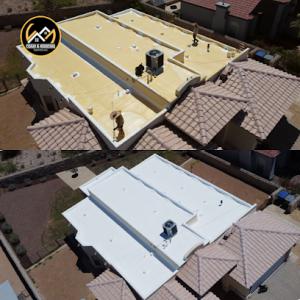
We are an El Paso, Texas Roofing Company with more than 14 years of experience in professional roofing processes. We use spray foam on all types of buildings, from residential to commercial. We are available to work in and out of the city. We have been around for 14+ years because we value quality and we value our customers. We always work hard to ensure our customers are happy and their homes are safe. Whether you need a Roofing Company in El Paso or a Spray Foam Insulation Company in El Paso, we are here to provide for you and your families.
CM General Contracting
(915) 526-5699 cmgeneralcontractingllc.com
955 Resler Dr STE 104-292, El Paso, Texas
5.0 from 71 reviews
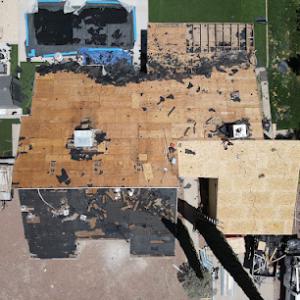
"CM General Contracting Company, LLC has been a pioneer of General Contracting Construction in both Commercial and Residential housing. We are not only Licensed, Bonded, and insured but we also have more than 26 years of experience in General Contracting Construction which gives us an edge over our competitors. We provide extraordinary services such as roofing, construction, landscaping, remodeling, interior, exterior painting and much more."
ARC Restoration & SolarX
7362 Remcon Cir, El Paso, Texas
5.0 from 70 reviews
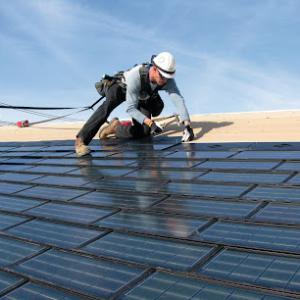
Established in 1999, ARC Roofing and Restoration is an experienced team of roofing contractors. We are currently serving El Paso, TX and all of the surrounding cities with a variety of services, including roofing and solar panel installation. We work with metal, tile, commercial, flat, and residential roofs. We handle large and small roofing projects- nothing is too difficult! Call today!
A&M Roofing El Paso
(915) 342-2000 www.amroofingelpaso.com
5909 Via Loma Dr, El Paso, Texas
4.9 from 71 reviews
A&M Roofing El Paso is a family owned and operated roof repair and installation company serving residential and commercial customers in the greater El Paso area.

Lorenzo's Contractor Roofing & Remodeling
(915) 755-9333 www.lorenzoscontractors.com
2518 Montana Ave Suite 5, El Paso, Texas
4.9 from 58 reviews
For over two decades, Lorenzo's Contractor Roofing & Remodeling has offered homeowners a wide range of exterior and interior services, from roofing and remodeling to repairs and renovations. With a team of experts passionate about quality and craftsmanship, they transform living spaces with durable roofs, stunning kitchen cabinets, stylish bathrooms, and flooring that enhances the charm of any home. With an experienced approach in exterior painting, stucco, siding, drywall, granite countertops, concrete, cement, and more, Lorenzo's is dedicated to delivering exceptional results that last.
Pioneer Roofing & Construction
(915) 926-6099 pioneerroofingep.com
204 N Eucalyptus St Ste-C, El Paso, Texas
5.0 from 36 reviews
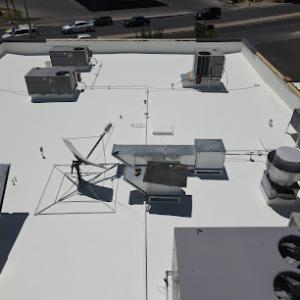
At Pioneer Roofing and Construction, we take pride in offering more than just skilled craftsmen and industry-leading warranties. Our professional management team is equipped with the knowledge and expertise to expertly navigate the complexities of insurance claims. Whether you're dealing with wind, fire, water, mold, hail, or any other disaster, our team is ready to assist you. We also specialize in commercial and government contracts, ensuring that every project, large or small, meets the highest standards. We bring three key qualities to every project: expertise, clear communication, and unwavering follow-through. Experience the Pioneer difference—where your satisfaction is our priority.
Gold Ladder Roofing & Construction
(915) 491-4609 goldladderroofing.com
11013 Paducah Ave, El Paso, Texas
4.9 from 54 reviews
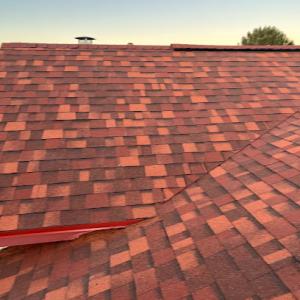
Gold Ladder Roofing offers residential and commercial roofing services to El Paso and all surrounding areas. Our trained professionals will guide you through the entire roof placement process and work alongside you in any insurance claim process. We offer a wide variety of roof systems and services. Every single project completion comes with a customer satisfaction guarantee.

Smith & Ramirez Roofing
(915) 221-2853 www.smithandramirezroofing.com
1719 Wyoming Ave, El Paso, Texas
4.8 from 198 reviews
For any work on your roof, you want to ensure that your roofing contractor is a licensed professional who understands the in's & out's of the industry. We have highly trained and experienced roofers and utilize only top-grade materials known for their durability & excellent standards.

Rhino Roofing & Construction
(915) 922-0660 rhinoroofingep.com
4100 Rio Bravo St # 206, El Paso, Texas
4.8 from 127 reviews
When it comes to something as important as your roof, you'll want to make sure it's in the right hands. With over 10 years of experience, our team can handle every roofing issue. We've worked on all types of roofs and take pride in our exceptional services.
iRGO Roofing
(915) 777-1443 www.irgoroofing.com
11601 Pellicano Dr B9, El Paso, Texas
4.8 from 118 reviews
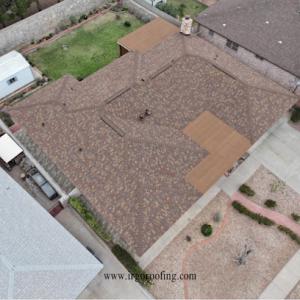
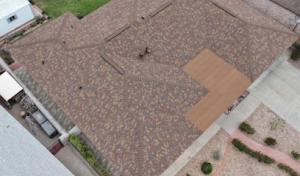
Welcome to iRGO Roofing, Built to Last roofing solutions in El Paso, Texas, and New Mexico. Serving areas in El Paso County, TX to Las Cruces, NM, we cater to both residential and commercial clients, ensuring top-tier expertise and service. Roof problems can be overwhelming, and dealing with repairs only adds stress. Let us take that burden off your shoulders. Our no-pressure, education-first approach ensures you’re informed every step of the way. We focus on maximizing your roof’s lifespan and delivering a roof replacement that provides years of peace of mind. Trust iRGO Roofing, and never worry about your roof again.

UTX Roofing & Construction
(915) 701-3685 www.utxroofing.com
8032 N Mesa St, El Paso, Texas
4.8 from 66 reviews
UTX Roofing & Construction is a Local El Paso Roofing & Construction business looking to help out the community fix and upgrade their homes. UTX Roofing & Construction is a general construction company based out of the beautiful Sun City of El Paso, TX. UTX Roofing & Construction is a full Commercial Roofer, residential roofer as well as roof repairs, and a lot more. We work with several specialties like interior remodeling, home extensions, structural framing, and carpentry. UTX Roofing & Constructions has combined experience of more than 25 years and has seen it all when it comes to Construction. We are not scared of any size or type of project.
In this market, asphalt shingles remain the most common starter choice, but the heat and wind can shorten their lifespan if installation isn't meticulous. The typical replacement cost runs from about 350 to 650 per square. If you're re-roofing after a spring wind or hail event, expect prices to tick up a bit because local crews move quickly to meet demand, and material stock can run tight. Look for bundled warranties that cover heat-related curling and wind blow-off, since the arid sun and monsoon blasts test fasteners and nail patterns more than milder climates do.
Metal systems handle the desert sun and monsoon downpours with fewer panel failures, but installation quality matters a lot in this area. The range is roughly 600 to 1,200 per square. Scheduling can affect costs due to rush demand after storms and during late spring heat waves when crews are busiest. If you're replacing shingles with metal, plan for a longer tear-off and a more precise metal-to-wood interface, which can raise labor time but pays off in long-term durability against wind-driven debris.
Clay tile roofs are common but carry higher replacement complexity here. Heavy materials and breakage-sensitive profiles require more careful tear-off and reset work than basic shingle jobs. Expect prices from about 1,100 to 2,100 per square. The cost spike after major wind events isn't unusual, because tiles fracture readily and require careful staging to avoid additional breakage during removal. Factor in labor time for re-fastening battens and flashing to handle heavy tile weights and the arid heat that can stress soak-time for underlayment.
Concrete tiles balance durability and labor time, often delivering good long-term value in this climate. Replacement costs typically run 1,000 to 1,800 per square. Like clay tile, scheduling after spring storms can push prices higher due to increased demand and the need for careful handling of heavy, brittle pieces. Expect a bit more time to reset flashing around chimneys and vents, since the profile shapes influence where water can trap and leak.
Wood responds to sun and rain with a need for precise installation to avoid cupping and splitting in the heat. The typical range is 520 to 900 per square. After a hail event, the labor pool tightens, and shake removal becomes more delicate, which can add to the price. If your roof includes mixed detailing or Southwestern trim, plan for extra hours to ensure the shakes seat properly against flashings and valley intersections.
Slate is less common but offers excellent longevity. Expect higher costs, roughly 1,500 to 2,800 per square, with substantial labor time for removal and careful reset. In homes with ornate parapets or complex ridges, the cost can trend higher as each piece must be handled with care to avoid cracking. Monsoon season can amplify the need for precise flashing and valley work to keep water from penetrating under fragile slate profiles.
Don't let upfront costs delay a critical repair - these contractors offer payment plans to fit your budget.
iRGO Roofing
(915) 777-1443 www.irgoroofing.com
11601 Pellicano Dr B9, El Paso, Texas
4.8 from 118 reviews
Wolfstone Contractors
(915) 777-5774 smjimproves.com
645 Wallenberg Dr #4, El Paso, Texas
5.0 from 28 reviews
All Star Roofing & Construction
(915) 503-5543 allstar-roofing.com
10935 Ben Crenshaw Dr #210, El Paso, Texas
4.6 from 204 reviews
In this market, a total reroof project requires a building permit through the City of El Paso Development Services Department before any shingle press or nail gun starts. This isn't a mere formality; it protects you from missteps that could bite you later when the monsoon season hits or a wind-driven event reveals flashing failures. Before any contract is signed, confirm that the permit application is in motion and that the plan clearly outlines the scope, materials, and installation method you expect to see on the roof. If a contractor promises "just a reroof" without permit awareness, treat that as a red flag.
The typical flow in El Paso is for the contractor to submit the plan and scope to the city, with inspectors reviewing several critical details as the project progresses. Expect a review of underlayment quality and installation, nailing patterns and spacing, roof ventilation, flashing around vents and stack penetrations, and the condition of the roof deck. The city's eye on these items is not arbitrary; it centers on how well the roof will stand up to extreme sun, seasonal winds, and the rapid wear from monsoon downpours. Transparency with your contractor about what the city will be checking helps prevent delays and surprises at the frame stage or during the first heavy rainfall after work begins.
Final inspection approval is required after completion, so the job will remain in an active state until city sign-off is granted. This means you should plan for possible scheduling adjustments and ensure the site remains accessible for inspectors. Delays can occur if work isn't staged to meet inspection windows or if the submitted plans don't align with what was actually installed. Keep communication tight between you, the contractor, and the city, and don't assume that a passing look from a supervisor on a job early will guarantee final approval without addressing every listed item. The extra attention to permit status and city checks is the difference between a roof that handles El Paso weather well and one that invites preventable failures when the next monsoon arrives.
Hail, wind, and heat-related wear are your typical claim fingerprints here. Insurance adjusters often split the decision between sudden storm damage and age-related deterioration, and they look closely at whether a failure happened in a single event or gradually from relentless sun and monsoon cycles. If shingles or tiles show sharp impacts alongside exposed underlayment or flashing that failed in a recent event, a claim may be treated as storm damage. But if the roof shows widespread aging signs-curling, granule loss, or moss in shaded corners-without a clear storm day, the insurer may view it differently. This is where El Paso's climate traits push the line between repair and replacement, so the assessment hinges on precise cause and timing.
Local claim handling relies on photo documentation, roofer inspection reports, and concrete notes about when spring storms or monsoon bursts caused visible issues. Immediate, dated photos of hail impacts, dented metal, or lifted shingles paired with a professional inspection can help establish a storm-related timeline. Keep a simple log of when you noticed changes after each storm-especially late-spring and mid-summer events. If the roof shows heat-related deterioration, note the sun exposure patterns on the rooftop (ridge lines, southern exposures) and any rapid changes after a monsoon. The more you can align photos and reports with specific storm dates, the clearer the claim path will be.
Updated underlayment or impact-resistant materials can matter more in conversations with carriers because mitigation steps after severe weather periods may influence settlements. If a contractor installs a newer underlayment or uses impact-rated components where practical, insurers may view these choices as proactive damage control. Document any upgrades with manufacturer specs and installation notes. A proactive approach-especially following a harsh monsoon-can shift the discussion toward sustained protection rather than just replacing damaged pieces.
Connect with contractors who help homeowners navigate the claims process from damage assessment to final approval.
Star City Roofing
(915) 740-5961 starcityroofing.com
11115 Dyer St, El Paso, Texas
5.0 from 167 reviews
CM General Contracting
(915) 526-5699 cmgeneralcontractingllc.com
955 Resler Dr STE 104-292, El Paso, Texas
5.0 from 71 reviews
Tile roofs in this desert climate can hide underlayment failure long before the surface covering looks worn, making leak diagnosis different from standard shingle roofs. The glare and heat can mask soft spots where water is already intruding, so careful probing and a proactive inspection routine are essential after each monsoon cycle. When you see a discolored ceiling or damp spot near a vent, don't assume the tile itself is the only culprit-lift a corner of the tile and check the underlayment for signs of wrinkling, curling, or moisture penetration, especially around penetrations.
Rapid temperature swings between intense daytime sun and cooler desert nights can stress sealants and metal flashings around penetrations. The expansion and contraction of metal collars, step flashing, and counterflashing can cause small gaps to widen over months, even if the surface looks solid. Pay particular attention to the edges of valleys, the transition where your roof meets chimneys or vents, and any sealant around vent pipes. Re-sealing or re-fastening, done with products compatible with the local climate, is more about timing than cosmetic fixes-watch for cracking, peeling, or dry, brittle caulking that can fail during a sudden storm.
Skylight and roof-penetration details are especially vulnerable during monsoon rains when short, intense storms test every curb, flashing edge, and seal. Around skylights, windows, and dormers, even small edge gaps can become channels for water. Inspect the flashing pans, curb seams, and the interface where the skylight sits on the roof deck after each heavy rain. If you notice condensation under the skylight glass, pooling near the curb, or any rust on metal flashings, address it promptly before a larger leak takes hold.
Find contractors experienced in skylight installation, flashing, and leak repairs to bring natural light into your home.

Lorenzo's Contractor Roofing & Remodeling
(915) 755-9333 www.lorenzoscontractors.com
2518 Montana Ave Suite 5, El Paso, Texas
4.9 from 58 reviews

Smith & Ramirez Roofing
(915) 221-2853 www.smithandramirezroofing.com
1719 Wyoming Ave, El Paso, Texas
4.8 from 198 reviews
iRGO Roofing
(915) 777-1443 www.irgoroofing.com
11601 Pellicano Dr B9, El Paso, Texas
4.8 from 118 reviews
Spring and fall are the sweet spots for reroofing in this area. Moderate daytime temperatures reduce the risk of rapid heat build-up under underlayment and tile, helping crews install faster and with fewer heat-related delays. By planning work in these shoulder seasons, you're less likely to stall on scorching days that push crews to shorten tear-downs or skip comfort breaks.
Heavy rainfall during the monsoon can interrupt tear-off and dry-in schedules even though the area is dry most of the year. If storms roll through, expect brief shutdowns or weather-related holdouts that push work into dryer windows. Build contingency days into the schedule and coordinate with your contractor on potential rain-related pauses so the project doesn't drift without notice.
Spring hail and wind events can trigger a wave of calls to local crews. Homeowners who wait to schedule after a big event may face slower availability since storm-response demand spikes locally. If you can, plan ahead for the next window after a significant hail or wind episode, rather than waiting for the immediate post-event rush to clear.
Set your start date with a firm month window in mind (preferably spring or fall) and confirm that the crew has a clear plan for monsoon-season contingencies. Discuss temporary protective measures for the roof and any interior risks during weather delays. Keep flexibility built into the schedule, and verify that weather forecasts align with the chosen start date to minimize prolonged downtime.