
Last updated: Apr 19, 2026
Spring in this area brings a relentless pattern of hail and severe thunderstorms that trigger inspection triggers and replacement decisions for many homes. The moment a storm rolls through, your roof moves from quiet to critical: a quick damage check, a call to the insurer, and then the long process of documentation, adjuster visits, and contractor scheduling. Local claim activity runs hot enough that every step hinges on precise documentation and timing. Heavy spring rains can reveal active leaks but also stall tear-off or dry-in scheduling, creating a narrow window between the next storm and the repair crew finally getting on your roof. This is not a one-and-done event; it's an ongoing cycle that tends to repeat across multiple seasons if the roof has sustained damage.
In this market, insulation of the claim file is as important as the shingles themselves. Insurance documentation, adjuster scheduling, and contractor photo evidence are central parts of the roofing process. When a hail hit lands, you'll typically start with a claim filed soon after the storm, followed by a photo-driven damage assessment and a written estimate you'll use to compare bids. An adjuster's written findings shape what gets approved for tear-off, what type of underlayment remains compliant, and how many layers need removal. You'll want a precise set of photos from multiple angles, close-ups of dented edges, and videos that show leaks during rain. The goal is to move this from "storm aftermath" to "repair underway" as quickly as possible, because delays pile up in the cycle and can extend the time you're living with a compromised roof.
Local weather patterns make scheduling tight. Spring rains can postpone tear-off or dry-in, which means crews may have only a brief window to get moisture out and the new roof secured before another round of weather hits. Expect adjuster visits to run on a timetable dictated by weather and the insurer's workflow, not just your calendar. If an inspection reveals active leaks, you'll want to coordinate a fast response for temporary fixes that prevent interior water intrusion while you await the full replacement. It's common for roofs to be torn off and dried in within a narrow burst after an approval, then left waiting for the next dry spell to finalize the fastening and flashing. This is why your project needs a disciplined plan with milestones and clear communication to avoid stalls caused by rain or supply delays.
The neighborhood housing stock features a mix of asphalt shingles and metal among other materials. In this cycle, the type of roof you have affects the documentation you'll supply and the timing of the replacement. Metal roofs tend to show storm-related denting more readily and can accelerate an insurance decision in some cases, while asphalt can carry a wider range of hail impact patterns. Whatever you own, expect the insurer to scrutinize edge and ridge lines, penetrations around plumbing stacks, vent boots, and chimney flashings. Be prepared to provide recent maintenance records, prior repairs, and any signs of pre-existing wear that could influence your claim's path.
First, document proactively: photos of the entire roof from ground level and from the ladder, close-ups of visible damage, and a rain-tested interior check for leaks. Second, establish a single point of contact among your insurer, your adjuster, and your contractor to reduce back-and-forth. Third, secure a temporary protection plan-tarps or quick tar sealant-so you're not amplifying interior damage during rain spells. Fourth, loop in a trusted local contractor who understands the Bentonville timeline and can provide timely photo evidence packages for the claim, ensuring you stay ahead in the cycle. Fifth, keep a storm-log: dates, hail size if known, and weather delays. This helps you defend your claim if the cycle stretches due to back-to-back storms.
Expect a back-and-forth during the initial days after an approved claim. You'll review an estimator's scope, verify tear-off requirements, and confirm vent, underlayment, and fastening standards that line up with local expectations. When the plan clears, you'll see crew mobilization, then the dry-in phase followed by final waterproofing and flashing. If heavy spring rains reappear, anticipate brief pauses and a push to re-sequence work so you don't lose progress. In this cycle, staying organized and communicating promptly with your insurer and contractor is the single best defense against delays and a protracted timeline.
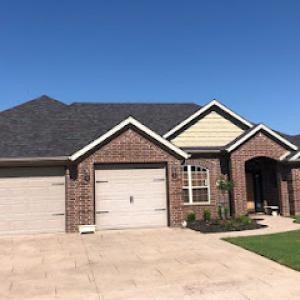
Brown Boys Roofing
(479) 248-9100 www.brownboysroofing.com
12087 Key West Salvage Rd, Bentonville, Arkansas
4.9 from 901 reviews
Roofing Repair Roofing Replacement Gutter Installation
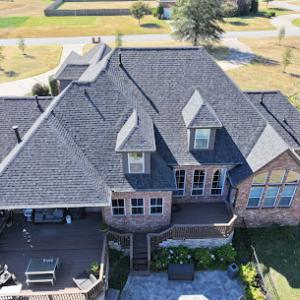
Toro Construction Roofing & Restoration
(479) 877-7121 toroconstructionco.com
3604 NW Frontage Rd Suite 6, Bentonville, Arkansas
4.9 from 110 reviews
Since 2002, Toro Construction has been the trusted choice for residential and commercial exterior renovations in Northwest Arkansas. They offer a comprehensive range of services, including roofing, siding, gutters, and even interior remodels, to ensure both the beauty and functionality of your property.
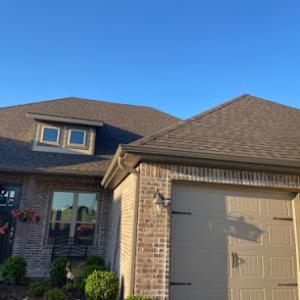
ETA Roofing
(479) 787-3388 www.etaroofing.co
609 SW 8th St Suite 619, Bentonville, Arkansas
5.0 from 47 reviews
Help is on the way, get started with a professional roof inspection. ETA Roofing provides professional and affordable roof and gutter services in Bentonville, Arkansas. Trust our team of experienced roofers to ensure that your roof is expertly installed and reliable for years to come. We have over 10 years of experience helping residential homeowners in Northwest Arkansas.
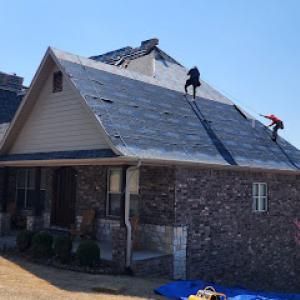
Nortons Roofing
(479) 715-7019 nortonsroofing.com
2700 SE Otis Corley Dr #2, Bentonville, Arkansas
4.8 from 214 reviews
"We are a local Veteran family owned small business with over 15 years in the Roofing Industry; We live here, our kids go to school here, our families have been here our entire lives. Our reputation is paramount. We build strong customer relationships by being responsive to their needs, listening to concerns, and following through on our commitments. By keeping up with the industry trends, staying up to date with latest roofing techniques and technologies we stay competitive and offer our customers the best possible service."
Mighty Dog Roofing
(479) 348-4701 www.mightydogroofing.com
1202 NE McClain Rd Bldg. 7, Bentonville, Arkansas
4.9 from 56 reviews
When it comes to your home’s exterior, Mighty Dog Roofing delivers top-of-the-line services matched with the neighborly customer care our clients have come to love. Our team of skilled experts will conduct a free, detailed inspection of your home, treating it as our own. Whether your home needs a simple repair or a full roof replacement, expect to receive the transparent guidance you deserve. Whatever the case, our team will work to meet your safety and budget needs. We take pride in operating with quality materials, hiring skilled roofers, and providing our customers with a high-quality experience. See for yourself; our reviews say it all. Schedule your free, home inspection today!
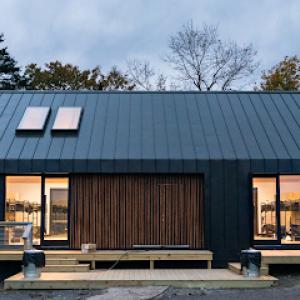
Shewmaker Roofing
(479) 372-3622 www.shewmakerroofing.com
701 NW McNelly Rd Suite 17, Bentonville, Arkansas
4.9 from 39 reviews
Shewmaker Roofing is proud to serve Bentonville, Fayetteville, Centerton and the surrounding Northwest Arkansas cities. We strive to offer trustworthy and reliable roofing repair, replacement and installation services to each of our clients. Find out why so many people choose Shewmaker Roofing and what sets us apart from other contractors in the area. A few of the services we offer include roof repair and installation, wood shake services, TPO membrane work, metal roofing and more. If you have any questions about what our repair and installation process looks like, or the services we offer then give us a call today!
Natural Construction
(479) 273-0123 www.naturalconstructiongroup.com
501 SW B St, Bentonville, Arkansas
5.0 from 25 reviews
#1 roofing company in Arkansas, Missouri, & Oklahoma. Over 30+ years of construction excellence. Schedule your free roof inspection today.
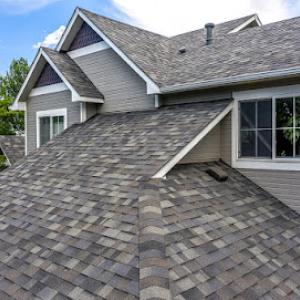
Town & Country Roofing & Restoration
(479) 397-3483 tcroofingandrestoration.com
3604 NW Frontage Rd suite 12, Bentonville, Arkansas
4.8 from 53 reviews
At Town & Country Roofing and Restoration, we are a dedicated team of professionals with over 20 years of experience in the roofing and restoration industry. Serving Northwest Arkansas and the surrounding areas, we have built our reputation by providing top-notch services to residential and commercial clients. Our commitment to excellence and customer satisfaction is the cornerstone of our business. We also offer comprehensive assistance with insurance claims, ensuring you get the coverage you deserve and making us a reliable and trustworthy partner for all your roofing and restoration needs.
Standard Exteriors & Roofing | NW Arkansas
(844) 766-3918 standardpropertyservices.com
900 SE 5th St suite 22 #70, Bentonville, Arkansas
5.0 from 13 reviews
At Standard Roofing & Contracting, we’re proud to serve our Northwest Arkansas neighbors with quality roofing repair and installation. Beyond roofing, we’re here to take care of your home’s exterior with reliable gutter services, siding, windows, and painting — all backed by friendly service you can trust.
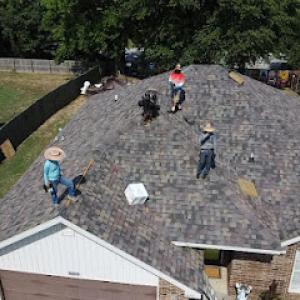
Rj's Construction Group
13872 Spring Rd, Bentonville, Arkansas
5.0 from 6 reviews
We offer all types of roofing options! Our main line is Owens Corning shingles. We are a preffered contractor with them so we offer a 50 year non prorated warranty to all our residential customers. We are licensed contractors and roofing contractors that are bonded and insured!!
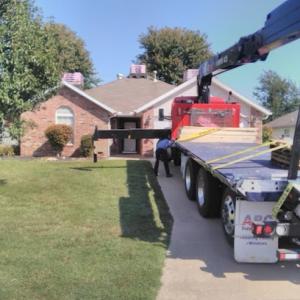
Oz Home Services
(479) 358-7238 ozhomeservices.com
2401 SE C St, Bentonville, Arkansas
4.3 from 11 reviews
Info@OzHomeServices.com Specializing in storm damage repair, we offer comprehensive roof replacement services for homeowners affected by severe weather. Using only the highest quality materials and the latest industry techniques, we restore your roof to its optimal condition, ensuring your home is well-protected against future storms. We are a team of seasoned local experts dedicated to providing the best roofing experience in the Northwest Arkansas area. Our commitment to excellence ensures that we go above and beyond to meet and exceed your expectations. With years of hands-on experience and a deep understanding of the local climate and building standards, we deliver top-quality roofing solutions tailored to your needs.
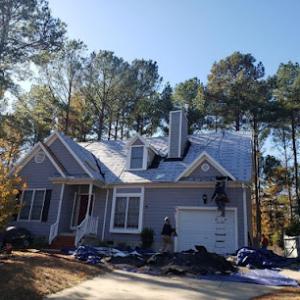
Coastal Construction Design
(479) 301-6592 coastalconstruction.pro
1202 McClain Rd Bldg 7, Bentonville, Arkansas
3.9 from 7 reviews
We know how important it is that you have confidence in the roof over your head. This approach has made Coastal Construction one of the most trusted and referred roofing contractors in the Fayetteville Arkansas area. Coastal Construction is a team and proud of it. We love and trust all the people we work with. All of our estimators, installers and office staff are our most valuable players and each staff member’s role revolves around making sure you’re happy with our customer service, workmanship and the products we install on your home or business!
In Bentonville, spring and fall are typically the best replacement seasons because moderate temperatures are easier on crews and common roofing materials than peak summer heat. That comfortable weather helps shingles seal properly, underlayment mats lay down cleanly, and ventilation systems stay in a steady rhythm from dawn to late afternoon. If a storm dings the roof in early spring, this shoulder-season window often aligns neatly with insurance timelines and material deliveries, reducing the chance of weather delays. Plan your project to start as soon as the ground thaws and the forecast shows a solid week or two of dry days ahead.
Spring brings the risk of late-season hail events and frequent wind gusts, which can trigger urgent roof work but also create crowded schedules at the peak of the season. On exposed roofs, long-lasting sun and warmth can cause material handling challenges mid-day, so crews commonly pace installations to cooler periods of the day. If you're navigating an insurance claim after a hail event, you'll want to coordinate timing with adjuster appointments and scheduling windows to avoid overlap with heavy rain or high winds. Expect occasional pauses for wet conditions, especially during the transition from frequent showers to more stable, dry periods. Keeping access clear and staging materials on protected decks or sheds helps minimize delays when spring storms roll through.
Fall offers another favorable window: milder days and cooler nights reduce heat-related stress on fasteners and sealants. Temperatures that hover in the comfortable range also improve crew efficiency, allowing steady progress before the first frost. The timing flexibility of fall can mesh well with post-storm inspections and insurance reviews that often occur after summer's heat and spring's hail. In this season, scheduling around the longer, clearer stretches of dry weather matters more than ever, so you're less likely to encounter rain delays that push work into winter.
Summer heat in the region can strain both materials and crews, especially on roofs with full exposure to the sun. Long heat stretches slow paced work, raise nuisance risk for overheating crews, and sometimes complicate asphalt shingle handling or sealant performance. If a summer roof replacement is unavoidable due to urgent damage or insurance timing, plan for early start times, frequent hydration breaks, and protective staging to keep shingles from handling fatigue. If the home sits in a shaded alcove or near a tree line, you still face heat-related scheduling nuances, but partial shade can help keep temperatures manageable.
Winter freezes slow installation and inspection timing. Cold temps affect adhesive performance and tarps, and occasional ice can stall access to vents and ridge lines. If a replacement must occur in winter, coordinate with crews on cold-weather procedures, including safe ladder work and the use of cold-weather fasteners. Expect shorter daylight working windows and potential delays from frozen surfaces or occasional sleet, which can complicate material staging and delivery.
When planning, align your reroof project with historically dry, moderate periods and allow a buffer for unexpected weather swings. If an insurance project timeline is in play, map the claim milestones to the forecasted shoulder seasons and confirm crew availability for a continuous sequence from tear-off to final inspection. Keep access routes clear, document any hail damage promptly, and work with a contractor who can adapt scheduling to weather patterns without sacrificing quality.
Sending a reroof project through the city's Building and Inspection department is not optional in this market. A permit sets the framework for how the work is planned, scheduled, and verified, and failing to obtain one can mean rework, penalties, or delays when you're trying to close out the project. In Bentonville, the permit review focuses on how the tear-off is managed, how ventilation is sized, what underlayment is installed, and how fasteners are chosen and applied. This means the permit process rewards a well-drawn plan that lines up with the actual materials and methods you intend to use. Expect a documented sequence: tear-off, deck inspection if required, then the installation phase, followed by the final clearance.
The city performs inspections in two distinct moments: after the roof is torn off and again after the new roof is in place but before final clearance is issued. This two-stage approach isn't cosmetic-it's designed to verify critical components that influence long-term performance and resilience, especially after spring hail and wind events that are common here. The initial inspection checks for a solid tear-off, proper deck condition, and how the roof system will be ventilated and sealed. The second inspection concentrates on the finished installation, but it's not a given walkthrough of aesthetics alone; inspectors will review venting, underlayment, and fastening to ensure the system will perform under the local climate and wind loads. Expect questions about how the attic is ventilated, whether the underlayment is the correct type and installed with the right overlap, and whether fasteners meet the required pattern and length for your roof geometry and chosen materials.
Ventilation is more than a box to check on the permit. An inadequate or mis-sized venting plan can lead to condensation, mold risk, and shortened shingle life, especially during rapid spring temperature swings. Underlayment isn't just a moisture barrier; it's the first line of defense against wind-driven rain and hail impacts. The fastener schedule matters, particularly at eaves, rakes, and hips where wind uplift is higher. In Bentonville's climate, inspectors also confirm that roof edges and flashing are integrated with proper flashing materials and layering to resist wind-driven water. Deck integrity, staple and nail patterns, and the compatibility of fasteners with your chosen roofing material all come under scrutiny.
Coordinate closely with the contractor to align the tear-off plan with the permit filing. Schedule the tear-off and the first inspection on a dry window; a soggy start can push you into a weather-driven delay. Before the second inspection, ensure attic ventilation is visible and accessible for review, and that samples or documentation for underlayment type and fastener specifications are on site. Keep all receipts, product data sheets, and installation guidelines organized so inspectors can verify material standards quickly. If a revision is requested after either inspection, respond promptly to avoid hold-ups. A smooth two-stage process minimizes the risk of rework and helps you stay on track for a reliable, code-compliant roof system when hail and wind storms hit.
When you're planning a reroof after spring storms, knowing typical local material ranges helps you set expectations. Asphalt shingles usually run about $350 to $550 per square, a solid baseline for most older neighborhoods with standard bungalows and midcentury homes. If you're upgrading to metal, plan for roughly $600 to $1100 per square, which pays off in wind resistance and a cleaner look in newer builds. Clay tile tends to be on the higher side, from $900 to $1500 per square, common in more upscale homes or later additions with higher ceilings and Mediterranean-inspired accents. Concrete tile sits around $800 to $1300 per square, offering robust protection and a distinctive silhouette on contemporary revamps. Synthetic or composite shingles are typically $450 to $800 per square, a practical upgrade when you want decent longevity without the cost of heavier material. For those who prefer slate, expect $1200 to $1900 per square, which matches the long lifespan and premium curb appeal in select neighborhoods.
Spring hail and wind events in this market don't just test roofs-they tighten contractor calendars. After a major hail stint, crews, suppliers, and even gutters and flashing specialists can be booked for weeks. That means if you're scheduling a full tear-off and re-shingle, you may encounter longer lead times for materials, inspections, and weather windows. A good rule of thumb is to expect a tight window between the storm's end and the project's start, with potential delays if your roof needs substantial underlayment or specialized fasteners to meet the local wind-resistance expectations.
Talk through the project timeline early, especially if you're coordinating with an insurance claim. Storm repairs often require a staged approach: temporary protections, tear-off, inspection checks, underlayment, and final fastening sequences that align with local expectations. The project can be sensitive to weather gaps, so building in a buffer of 1 to 2 weeks for scheduling variances is prudent. After the work begins, you'll want clear communications about progress milestones, especially if parts delivery or specialty materials arrive later than anticipated. Keeping the process organized helps prevent rain delays from turning into multi-week holdups.
Get a clear picture of your project costs upfront - no commitment required.

Mighty Dog Roofing
(479) 348-4701 www.mightydogroofing.com
1202 NE McClain Rd Bldg. 7, Bentonville, Arkansas
4.9 from 56 reviews

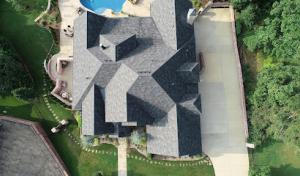
Asphalt shingles dominate many projects in this area because they fit the mainstream residential housing stock and align with common homeowner expectations. They strike a balance between installed familiarity and regional weather resilience, handling the spring hail and wind cycles that frequently test roofing systems. In practical terms, look for high-performing, impact-resistant granules and an appropriate shingle weight for your roof pitch. Local crews often prioritize a reliable seal and sound underlayment compatibility to keep tear-off work efficient during storm-driven replacement windows.
Metal roofing has a meaningful specialist presence in this market, and it's often part of the conversation due to storm exposure and long-term durability goals. Metal delivers excellent wind resistance and hail performance when installed with proper underlayment and fastening patterns. In Bentonville, contractors emphasize panels that minimize edge vulnerability and flashing that withstands multiple seasonal cycles. If you're weighing metal, expect conversations around roof breathability, snow and debris shedding, and the certainty of a durable paint or coating system designed to resist hail scuffs and UV wear.
Tile options-clay, concrete, and the more premium slate or synthetic versions-are accessible in this market, but the contractor base remains more concentrated on storm restoration and standard reroofing than on heavy premium systems. Clay and concrete tiles bring a distinctive look and strong wind resistance when properly installed, yet they depend on a solid roof deck and precise fastening to perform in hail-prone springs. Slate and high-end synthetics deliver elegance and longevity, but installation support often hinges on specialized crews and specific deck reactions to substrate movement, which can influence scheduling and teardown plans after hail events.
In practice, the strongest strategy is to align material choice with the typical Bentonville home-simpler roof geometries, common attic ventilation practices, and standard underlayment expectations-while accounting for hail exposure and wind risk. Asphalt remains the most practical baseline for most neighborhoods, with metal offering a durable alternative where storm history and long-term resilience drive decision-making. Premium tile and slate still have a place for certain elevations or architectural preferences, but require a local contractor with a track record in storm-driven reroofs and compatible deck readiness.
Because Bentonville is a frequent hail and wind claim market, insurers commonly ask for roof photos, policy details, and contractor estimates before approving scope or payment. The process can feel slow or uncertain, especially if the initial assessment misses a hidden angle like shredded underlayment or shingle spinouts from a storm-driven wind event. Understanding that adjusters rely on documented evidence helps you anticipate the steps and avoid surprises when a claim moves from inquiry to payout.
Keep records from first damage discovery onward to avoid gaps that slow payment or create disputes about scope. Take clear exterior damage photos from multiple angles, include gutters and vents, and note any interior signs of leakage adjacent to the attic or ceilings. Preserve the date you first noticed damage and any temporary mitigation actions, such as tarping or boarding, to demonstrate responsible management of the roof until a replacement decision is reached. Have your policy number and insurer contact information ready, and request the names of the adjuster and contractor they expect to involve. If a contractor's estimate is part of the submission, ensure it reflects a complete tear-off and a proper installation sequence with fastener patterns, ventilation, and underlayment details that align with the local roof type.
Storm-related replacements often move faster when homeowners document date of loss, interior leak evidence, exterior damage photos, and temporary mitigation steps. Keep all communications in writing when possible, and reconcile any discrepancies between the contractor's assessment and the insurer's findings promptly. If an adjuster identifies a deficiency in the evidence, provide additional photos or notes that confirm the damaged areas and the resulting scope. Timely, organized records reduce back-and-forth and help a swift, accurate determination of replacement needs.
Connect with contractors who help homeowners navigate the claims process from damage assessment to final approval.
Brown Boys Roofing
(479) 248-9100 www.brownboysroofing.com
12087 Key West Salvage Rd, Bentonville, Arkansas
4.9 from 901 reviews
ETA Roofing
(479) 787-3388 www.etaroofing.co
609 SW 8th St Suite 619, Bentonville, Arkansas
5.0 from 47 reviews
Nortons Roofing
(479) 715-7019 nortonsroofing.com
2700 SE Otis Corley Dr #2, Bentonville, Arkansas
4.8 from 214 reviews
In this market, a leak often materializes after a windy, rain-driven day rather than from a visible nail hole or hail dent. That means water can travel under shingles and into the attic through hidden channels, especially around roof edges, vents, and attic kneewalls. If a ceiling shows a brown stain or you hear dripping during a storm, act fast: move furniture away, place a bucket, and call for a quick roof inspection before the next front arrives. Look for emerald-green algae or dark streaks along flashing and valleys-these are red flags that water is finding a route. A prompt tarping or temporary seal can buy critical time, but the goal is a precise diagnosis and a plan to restore proper underlayment, ventilation, and sealing.
Skylights and low-slope sections repeatedly show up in Bentonville's climate as trouble spots. Wind-driven rain can force water laterally across membrane seams, flashings, and curb penetrations. If you notice chronic condensation, pooled water near skylights after storms, or damp patches along the base of a skywell, schedule a targeted roof check focusing on the skylight flashing, sealant longevity, and the surrounding decking. In low-slope zones, check the transition from high to low surfaces, where ice dams are less visible but leaks are just as real during rapid spring thaws. A reliable fix often requires reinforcing or replacing underlayment, revising or replacing flashing, and ensuring proper slope angles and drainage paths.
Emergency tarping is a real part of the roofing cycle, because active leaks can develop while inspections are pending, adjusters are delayed, or weather windows slip. When damage is suspected, set up a temporary tarp over the most vulnerable area, securing it to structural members and ensuring it covers vents or skylights if needed. Document every storm event with photos and dates, so the urgency is clear to contractors and insurers. If multiple storms pressurize the roof in a short period, don't wait for a perfect day-coordinate a rapid assessment and a concrete repair plan to prevent further interior damage.
Find contractors experienced in skylight installation, flashing, and leak repairs to bring natural light into your home.
Mighty Dog Roofing
(479) 348-4701 www.mightydogroofing.com
1202 NE McClain Rd Bldg. 7, Bentonville, Arkansas
4.9 from 56 reviews
Shewmaker Roofing
(479) 372-3622 www.shewmakerroofing.com
701 NW McNelly Rd Suite 17, Bentonville, Arkansas
4.9 from 39 reviews
Town & Country Roofing & Restoration
(479) 397-3483 tcroofingandrestoration.com
3604 NW Frontage Rd suite 12, Bentonville, Arkansas
4.8 from 53 reviews
The Bentonville market rewards contractors who can show up fast after a hail or wind storm, secure the site, and carry through with a complete reroofing job. Look for teams that document a clear plan for mobilization, tarp and debris control, and a structured sequence from tear-off to final cleanup. A quick response isn't just about arriving on day one; it's about staying on schedule, coordinating with insurance adjusters, and returning for any after-claim touch-ups without delay. When a contractor arrives, you should be able to see a written scope of work, a realistic timeline, and a system for protecting landscaping and driveways from flying debris.
Established, family-owned, and locally owned companies have a visible footprint in Bentonville, and that presence matters when after-storm follow-up is needed. Ask for references from families in nearby neighborhoods who had similar roof types and two-story layouts. Local crews understand common attic configurations, ventilation needs, and the way water flows across tile- or shingle-covered roofs after heavy spring rain. A contractor with a long-standing Bentonville presence will also be easier to contact for inspections, warranty work, or minor corrections after the crew departs.
Residential reroofing drives the Bentonville market, while commercial and new-construction projects exist but aren't the main focus for most homeowners. Seek a crew that specializes in residential systems, has a clear method for coordinating with homeowners on color selection, underlayment choices, and shingle or panel types that suit local wind and hail patterns. Expect a thorough diagnostic on roof geometry, attic ventilation, and existing underlayment. A contractor who offers transparent progress updates, a cleanup promise, and a straightforward warranty plan is especially valuable in a city where prevention and post-storm service are common concerns.