Last updated: Apr 19, 2026
Northwest Arkansas sees frequent hail and wind events, and Fayetteville homeowners know that storm-related roof damage can show up in ways that aren't obvious at first glance. A quick glance at the neighborhood can miss curled shingles, granule loss, or hairline leaks that only show up after a late afternoon thunderstorm. Hail-driven damage often happens in patches, so the roof line, vent flashings, soffits, and even chimneys deserve a careful once-over. When a spring thunderstorm rolls through, the risk is not limited to a single shingle failure; wind can peel back edges and push moisture into attic spaces that never fully dry out. The result is accelerated wear that may become evident only after several hot and humid Arkansas days.
Local demand spikes after spring thunderstorms, which can compress scheduling and push homeowners into temporary repairs before full replacement. In practice, that means cleanup crews may be on site quickly, but the insurance-adjuster timeline can stretch as storm season tightens. The key is to document thoroughly before any debris removal or temporary tarping. Photograph every angle of the roof from ground level using a wide frame, then get closer shots of shingles, flashing, and vent collars. Note unusual bulges, peeling edges, or granule scatter in gutters. Keep dated records of any hail or wind damage you observe, because insurers in Arkansas often rely on a detailed claim history and photo trail during the storm season to validate coverage.
Because insurers in Arkansas often require detailed photo records and claim history during storm seasons, Fayetteville homeowners need documentation before cleanup and before adjuster visits. A clear, organized set of images makes the inspection more efficient and reduces back-and-forth requests. Include weather notes in your file: the date of the storm, the estimated intensity, and any immediate leaks you experienced. If leaks exist below the attic, capture attic angles and insulation staining. A written summary of observed damage helps the adjuster connect the dots between exterior signs and interior moisture.
Storm-season demand can compress scheduling, so responsiveness matters. When selecting a contractor, you want someone who can start with a temporary fix that stabilizes the roof and prevents further interior damage, while you await the full replacement plan. Look for crews familiar with the typical Fayetteville housing stock-roofs with multiple planes, vented attics, and varying eave configurations. Clear communication about timing, debris removal, and sequencing helps minimize exposure to further weather while the claim is processed. If a storm creates high activity in your neighborhood, establish a written timeline with your contractor and document every step so you can share a consistent narrative with the insurer.
If a leak worsens or a sudden gust drives moisture into the attic, take swift, targeted action. Place a temporary tarp over the most exposed area, but avoid walking on damaged sections that may be weakened. Secure the tarp and cord it off so children and pets don't disturb it. Keep the area dry and ventilated to prevent mold growth, and preserve any soaked insulation or damaged decking for the adjuster's assessment. By acting decisively and documenting diligently, you improve the odds of a smoother claim process and a roof replacement that matches the true scope of the damage.
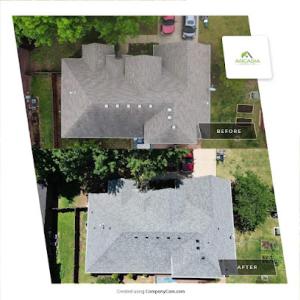
Arcadia Roofing & Siding
(479) 319-3507 www.arcadiaroofinginc.com
4257 Gabel Dr #1A, Fayetteville, Arkansas
5.0 from 57 reviews
Arcadia Roofing and Siding - Expert Roofing Contractors Discover top-quality roofing, siding, and gutter services at Arcadia Roofing and Siding, your local specialists committed to excellence. Serving homeowners with expert roofing solutions, durable siding installations, and seamless gutter systems, we ensure your home is both visually appealing and structurally sound. Our professional team is equipped with the skills and materials needed for the best roofing repairs, siding upgrades, and gutter replacements in the area. With a focus on customer satisfaction and high-quality workmanship, Arcadia Roofing and Siding is your go-to contractor for ensuring your home’s exterior is in prime condition. Get a free quote today!
Myles Smith Construction
(501) 681-2691 mylessmithconstructioninc.com
17914 Harmon Rd, Fayetteville, Arkansas
5.0 from 50 reviews
When you have a roof leak or storm related roof damage you need a local roofing contractor you can trust. Myles Smith Construction has been a trusted Fayetteville AR roofer for nearly 20-years. With services like roof repair, new residential roof replacement, commercial roofing, leaky skylight repair and replacement, Myles Smith Construction wants to be your go-to Fayetteville AR roofing company. At Myles Smith Construction our #1 goal is customer experience. Myles Smith Construction always puts customers first. Call CertainTeed Select Shingle Master roofing contractor, Myles Smith Construction, today if you have a roof leak or need a new roof on your home anywhere in greater Fayetteville AR.
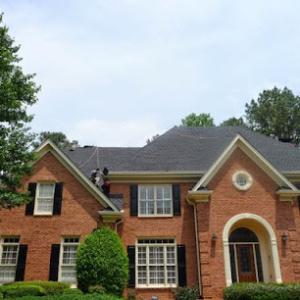
TF Thompson Co Roofing & Waterproofing
(479) 271-8187 www.tfthompson.com
Fayetteville, AR
4.9 from 36 reviews
We are a Service Disabled Veteran Owned small business as certified by the SBA, A+ rated BBB, Commercially Licensed(more than a basic roofing company) with higher than average insurance limits. We are recognized by multiple manufacturers as an advanced installers which enables us to furnish our customers with exclusive manufactures warranties. This means the manufacturer trusts us to install your roof correctly and as such will offer you a better warranty than they might with another company. As a company our culture focuses on VALUE and it is our goal to provide value in our personal and professional lives. We also offer a high quality American flag for free with every roof. We belive our love for our community is contagious.
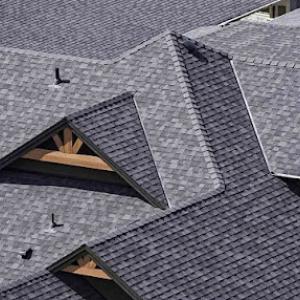
Red Hog Roofing
(479) 304-8450 redhogroofing.com
28 S College Ave, Fayetteville, Arkansas
5.0 from 20 reviews
Complete Residential Roofing Services including asphalt shingles, metal, TPO, & slate.
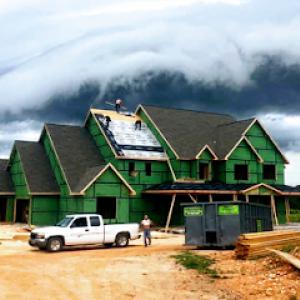
Affordable Roofs
1189 Highbush Ave, Fayetteville, Arkansas
4.9 from 29 reviews
We are licensed and insured. Family owned and operated since 2008 serving northwest Arkansas. We cover all your roofing need.we also specialize in roofing repairs we have Over 27 years of experience in the roofing industry we live here and my kids go to school here. We are an Arkansas native company. We strive to make homeowners happy and Bring value to their homes as well always keeping them in formed step-by-step during their process. Thanks for choosing affordable roofs
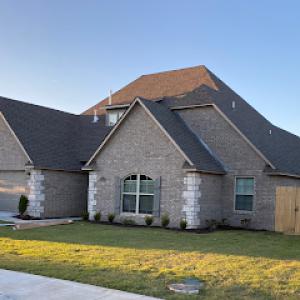
Landmark Roofing
(479) 225-0844 www.landmarkroofingrestoration.com
556 W M.L.K. Jr Blvd, Fayetteville, Arkansas
4.7 from 70 reviews
Roofing & Restoration
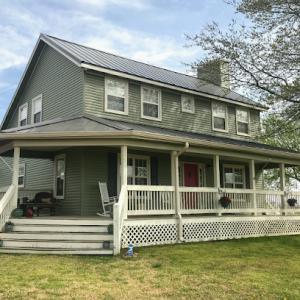
Mel Harris Roofing Company
(479) 649-2600 www.melharriscompany.com
2907 E Joyce Blvd Ste 5, Fayetteville, Arkansas
4.7 from 57 reviews
Mel Harris, and his wife, Sue, established our company in Fort Smith, AR in 1962. Since then, we have been providing first-rate home improvement to customers in NWA, the River Valley, Eastern Oklahoma. Because of our founders' commitment to customer satisfaction, we were able to earn the trust of many homeowners in the River Valley, Eastern Oklahoma, and Northwest Arkansas. Today, Mel Harris Roofing Company is known as a professional and honest home improvement business. We have completed various projects for more than 40,000 clients, delivering on our promise of 100% satisfaction every time.
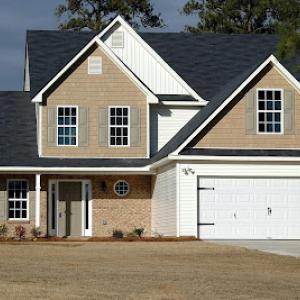
Grasshopper Roofing
(479) 595-5453 grasshopperroofing.com
1590 E Joyce Blvd, Fayetteville, Arkansas
4.6 from 28 reviews
With nearly two decades of experience, Grasshopper Roofing has been a trusted name for top-tier roofing solutions across Northwest Arkansas and beyond since 2006. Based in Fayetteville, this licensed and insured contractor is dedicated to delivering quality craftsmanship on every project. Their skilled team specializes in durable roof installations and guttering, in addition to crafting custom decks and expertly installing siding. Grasshopper Roofing is committed to serving the local community, ensuring every customer feels confident in the work from start to finish.
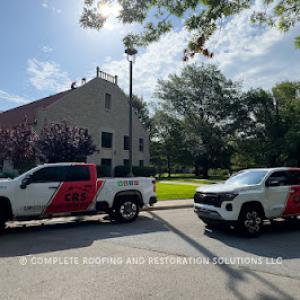
Complete Roofing & Restoration Solutions of NWA
(479) 391-3163 www.crsofnwa.com
4012 N Old Wire Rd, Fayetteville, Arkansas
5.0 from 10 reviews
CRS is your trusted partner for all Residential and Commercial Roofing, Water Damage Mitigation & Restoration, and General Contractor services. With over 20 years of experience in water damage and restoration, our team is IICRC Certified, ensuring industry-standard expertise and service quality. Serving Northwest Arkansas, Eastern Oklahoma, and Southwest Missouri, CRS is a full-service provider committed to meeting all your construction and roofing needs. Contact CRS today to experience exceptional service you can rely on.
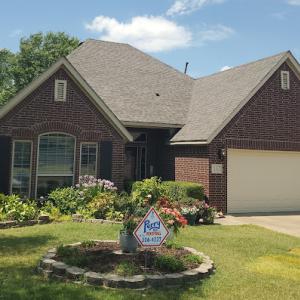
Perry Roofing
(479) 306-4327 perryroofingnwa.com
649 E Huntsville Rd, Fayetteville, Arkansas
4.4 from 49 reviews
Perry Roofing NWA Roof Installation & Repair for Lasting Protection Perry Roofing has gone hand-in-hand with roofing installation and repair in Northwest Arkansas for years. We offer outstanding value to property owners, property management companies, builders, real estate companies, and commercial property owners. Experience the evolution of excellence with Perry Roofing. Our years of development ensure professional installation and service for lasting protection, providing you peace of mind. We have served thousands of satisfied property owners, and you can count on our reliable and quality workmanship.

Ozark Green Roofs
(479) 301-8606 www.ozarkgreenroofs.com
620 N College Ave Ste 202, Fayetteville, Arkansas
5.0 from 4 reviews
Project specific design, installation and management of green roofs.
Roofing & Gutter Experts
(479) 435-3837 www.roofingwiththeexperts.com
Serving
5.0 from 105 reviews
Residential Roofing, Commercial Roofing , TPO Roofing Systems Whether you need a new roof, roof repair work, annual maintenance, or a roof inspection our team is ready to tackle your project and deliver an impressive final product.
Spring in this area is a practical sweet spot for roof work. Once freezing nights have passed and before the heavy humidity climbs, crews can work at a steadier pace. The window between late March and early May typically offers milder temperatures that help sealants cure properly and shingles lay down without the risk of rapid drying or warping. If hail or wind storms occur in spring, a quick inspection after the front passes is wise, because early damage can cascade into leaks once heavy rains resume. Planning spring work with weather forecasts helps avoid a rushed tear-off during sudden downpours, which reduces the chance of moisture infiltration while the roof is exposed.
Fall has its own practical advantages. Cooler days lessen heat stress on crews and reduce the risk of fast-drying sealants that can trap moisture or cause brittle shingles during installation. The shoulder season also aligns well with drying-in and venting steps that must stay dry, since fall rainfall can interrupt schedules. In this window, you can often complete a tear-off, ensure proper attic ventilation, and finish with a dry-in before any early winter cold snaps. For homes with shaded sections or mature trees, afternoon work can help avoid sun glare that makes temporary protection more challenging, and it gives crews a reliable rhythm to follow.
Summer heat and humidity in this area can stress sealants, adhesives, and crews' endurance. High humidity affects moisture content in underlayment and can slow adhesive bonding, so schedules tend to compress into earlier mornings or cooler days when possible. Metal flashing and fasteners benefit from cooler conditions to prevent warping and distortion. If you must install in summer, plan around predicted heat waves and afternoon storms, and allow for additional drying time after vapor barriers are installed. Staying flexible with start times helps keep installation moving without sacrificing seal and wind resilience.
Occasional winter freezing temperatures can affect access to the roof, especially on steep pitches or shaded areas where meltwater freezes into slippery patches. Underlayment handling needs attention when temperatures hover near or below freezing, since some products become stiffer and less forgiving to roll out or cut. Sealing of shingles may take longer in cold snaps, so a winter project benefits from dry, clear days with a modest freeze-thaw risk. If a shaded roof is involved, anticipate slower adhesive set and more careful staging of materials to prevent cold-weather curling or lifting.
When planning, align work with several stable weather days rather than a single dry window. Aim for mid-mlat between the last spring storm risk and the first heavy fall rains, and build in buffer time for potential summer thunderstorm interruptions. Coordinate with crews to ensure ventilation considerations are addressed early in the project, so attic space remains properly pressurized and dry-in is achieved before any late-season rains. For roofs with mixed exposure-sun-facing slopes, shaded sections, and tree-covered areas-prioritize a phased approach thatatoon targets the most sensitive areas first, reducing the risk of moisture intrusion as work progresses.
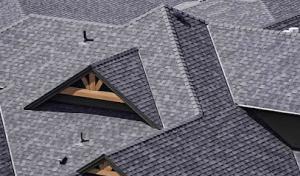
Asphalt shingles remain the dominant choice in Fayetteville because they fit the local reroof market and are widely used after hail-driven replacements. In the Ozark climate, their quick installation, broad availability, and repair-friendly nature matter when spring storms rattle the area. Look for shingles with good impact resistance and a strong warranty, and plan for regular inspections after heavy hail events or strong wind, since the annual freeze-thaw cycle can reveal weak spots sooner than expected. When choosing color and granule hardness, consider how long the material sits in sun and heat each summer, since heat drives expansion and potential early granule loss. A well-vented attic helps prevent heat buildup under asphalt, slowing deterioration and reducing the chance of premature aging after hail impacts.
Metal roofing is a meaningful local specialty in Fayetteville and is often considered by homeowners looking for better performance against repeated storm exposure and summer heat. If hail becomes a frequent issue, metal panels with proper seam design and quality underlayment can offer standout resistance and wind performance. Metal also reflects a portion of the sun, which helps keep attic temperatures lower during long Arkansas summers. However, the installation details matter: a tight, well-sealed edge and appropriate attic ventilation prevent condensation and ice damming in winter. Aesthetics vary, so pairing a metal roof with gutters and overhangs that shed rain away from walls reduces moisture intrusion around transitions. For existing houses with complex eaves or multiple roof planes, a thoughtfully chosen metal profile can reduce maintenance cycles while preserving curb appeal.
Tile, wood, and composite options exist in Fayetteville, but their suitability depends heavily on structure, slope, and how they handle the city's mix of humidity, storms, and freeze-thaw periods. Clay and concrete tiles offer excellent long-term durability in dry periods and strong hail resistance when properly installed, yet they demand a solid roof deck and precise underlayment to manage weight and thermal movement. Wood shingles or shakes bring a distinctive look but require meticulous maintenance to withstand humidity and moss growth; expect more frequent inspections in rainy seasons and around shaded decks where moisture lingers. Composite or synthetic shingles provide versatility and often better impact resistance than some traditional materials, while maintaining a lighter weight profile. When considering any tile or shake option, verify the roof's slope and structural support, because steeper pitches improve drainage and help materials shed hail and rain more effectively. In mixed climates, pairing these materials with a robust ventilation strategy reduces humidity-driven swelling and prolongs performance.
When you're planning a reroof after a spring hail or thunderstorm, know the local pricing bands you'll likely face. Typical Fayetteville pricing runs about $350 to $650 per square for asphalt shingles, $700 to $1100 for metal, $1100 to $1800 for clay tile, $900 to $1500 for concrete tile, $550 to $1000 for wood shingles or shakes, and $450 to $900 for synthetic or composite shingles. Those figures reflect the Ozark climate: hot, humid summers with sudden moisture, and occasional hail that can drive material and disposal costs upward. A straightforward asphalt job in the spring usually lands in the lower end of the range if no surprises pop up, while premium options like slate-tinged synthetics or metal can push toward the higher end, especially if large areas need replacement or intricate detailing is involved.
Spring hail and thunderstorm activity can drain local crews quickly. After a heavy hail event, crews converge fast, and you'll notice longer waits for square-foot pricing to stabilize. Reroof demand tends to surge in Fayetteville, which means a few extra weeks of lead time for scheduling, material delivery, and coordinated debris removal. If a storm has clipped multiple roofs across nearby neighborhoods, expect the contractor calendar to look crowded for a while. Plan with a buffer: the initial inspection, choosing a roof system, and then lining up crew availability may stretch beyond a single good-weather window. If you're coordinating an insurance-driven repair, factor in the time it takes for adjusters to visit and for the chosen crew to lock in dates during busy weeks.
First, verify which roofing option best fits your house's structure and your longer-term goals. Asphalt shingles are cost-conscious and quick to install, making them a common choice after hail. If your aim is durability against future hail and you have the budget, metal or concrete tile options can offer longer lifespans and resilience, though they come with higher per-square costs. For visually authentic alternatives, synthetic or composite shingles can strike a balance between price and performance, landing in the mid-to-upper range. Expect the total project timeline to stretch when weather windows compress or when storm-induced demand tightens crew availability. Communicate clearly with your chosen contractor about preferred start dates, expected lead times, and any material substitutions that may arise from regional supply fluctuations.
Get a clear picture of your project costs upfront - no commitment required.
Arcadia Roofing & Siding
(479) 319-3507 www.arcadiaroofinginc.com
4257 Gabel Dr #1A, Fayetteville, Arkansas
5.0 from 57 reviews
Perry Roofing
(479) 306-4327 perryroofingnwa.com
649 E Huntsville Rd, Fayetteville, Arkansas
4.4 from 49 reviews
In Fayetteville, most roof replacements require a permit issued by the City of Fayetteville Building Division. That means plans, measurements, and a formal submission trail, not just a quick shingle swap on the weekend. The permit process helps ensure materials meet local code and that the roof is safe for the weather extremes of the Ozarks. If a contractor skips this step, you risk delays, added fees, or a stop-work order that can derail spring and fall weather windows. Before any shingle removal begins, confirm your contractor has pulled the required permit and will post the permit on site for the duration of the project. Missing or misfiled permits create headaches you don't want when hail season is nipping at your heels.
Fayetteville inspections are tied to project completion and include verification of roofing work and ventilation rather than being treated as a purely paperwork-only reroof process. The inspector will walk the roof and attic, check nailing patterns, underlayment, and ventilation routes, and verify that the new system integrates with existing soffit and ridge vents. That means your roof replacement isn't just about insulation or aesthetic appeal; it's about ensuring the whole assembly breathes properly. If anything is off, a rework notice can extend timelines, especially when spring storms are forecast. Plan for the possibility that the inspection may prompt follow-up corrections rather than a simple sign-off.
Because ventilation is part of the local inspection focus, Fayetteville homeowners should expect attic airflow corrections to come up during replacement planning. Attic temperature swings, humidity, and condensation can affect roof longevity, energy use, and indoor comfort. Expect the plan to address intake and exhaust venting, baffles for insulation, and proper clearance around attic fans or turbines. If your attic is cramped or has older insulation, a ventilation upgrade may need to occur alongside decking or underlayment work. Your contractor should discuss how attic airflow will be balanced with the new roof's performance, not just how the surface looks from the ground.
Engage early with the roofing crew about the inspection timeline, and request a written step-by-step schedule that includes permit submission, roof removal, decking repairs (if needed), ventilation adjustments, underlayment, and the final inspection. Weather windows matter here; spring thunderstorm activity and fall forecasts can compress timelines. A well-coordinated plan reduces the chance of delays and helps ensure that ventilation improvements are integrated rather than tacked on at the end. Remember, a compliant, well-ventilated roof is a foundation for long-term durability in this area.
Spring in this part of the Ozarks brings hail and strong winds that can turn a routine roof inspection into a high-stakes claim conversation quickly. Insurance companies tighten their guidance when storms are active, which means approval timelines may stretch and the repair-versus-replace decision can hinge on each adjuster's read of the damage. When hail rattles the soffits and shingle edges, expect a process that moves on a more cautious tempo than quiet months.
During active storm windows, delays are common, and decisions are driven by documented evidence and insurer preferences. Material choice can be influenced by what the adjuster views as necessary and what the carrier deems inside coverage. This is not the time to assume a quick fix will satisfy the claim; the timing and scope may shift as new information arrives and the storm file grows. Staying patient but purposeful with documentation helps keep the claim on track.
Before the adjuster steps onto the roof, assemble date-stamped photos showing both widespread and focal damage, including hail impact patterns and wind-related lifting. Interior leak evidence, such as stained ceilings or insulation dampness, should be clearly dated. Gather prior repair records to illustrate preexisting conditions and any emergency tarping actions taken to protect the home. This base of evidence supports a clear narrative when the adjuster reviews the claim and helps justify recommended work.
In Fayetteville, the balance between repair and full replacement often hinges on the age of the roof and the extent of storm damage. Be prepared to discuss how sustained hail strikes, wind uplift, and ventilation impacts influence overall roof performance. A cautious, evidence-based presentation of the condition can steer the discussion toward a durable, long-term solution rather than short-term fixes.
In Fayetteville, low-slope sections are a common sight on many homes, and storm-driven rainfall can push even small drainage issues into leak trouble. The first thing to check is where the roof meets walls or vent pipes-the transitions are often the weak link. Look for loose or eroded sealant, backing material that has deteriorated, and any evidence of ponding water near parapets or along low sloped runs. If water sits longer than a home's typical wet spell, the membrane underneath can start to fail, especially where hail and heavy rain drive water toward penetrations. Prioritize resealing transitions and reapplying compatible sealant with the right elasticity for Arkansas humidity.
A notable share of local properties relies on efficient drainage to reduce standing water on low-slope surfaces. Check for clogged or undersized scuppers, drip edges, and edge metal that has bent or pulled away from the edge. Ensure the roof deck drains toward the interior gutters or scuppers rather than pooling in low corners. Valleys should be free of debris and held tight with properly applied metal or membrane that is compatible with the main roof assembly. In heavy rain events, storm-driven water can find small gaps around flashing or along the edge, so pay attention to how water exits the roof line during a fast runoff.
Skylight failures are a recurring local specialty, with flashing and curb details taking the brunt of repeated wind-driven rain. Inspect the skylight curb for any movement, cracks, or caulking that has split away from the curb. Flashing should be continuous and embedded into the surrounding roof material without gaps. Look for water staining on the interior ceiling near skylights, which often signals an ice- or wind-driven leak path around the frame. After heavy rain, run a careful external check around the skylight perimeter for dampness or soft spots in the surrounding deck.
Repeated severe weather makes penetrations-pipes, vents, and conduit entries-and edge details more important than cosmetic surface wear. Confirm boot and flashing integrity around vent pipes, making sure seams are sealed and the base is firmly attached to the deck. Edge details, including drip edges and metal flashing, should be continuous and not lifted by wind or hail debris. If any flashing shows small gaps or lifted corners, address them before they worsen into interior leaks.
Whenever a storm passes, perform a focused inspection of low-slope sections and skylights. Look for new staining on ceilings indoors, listen for dripping sounds during rain, and check attic ventilation to ensure moisture isn't concentrating near the roof's perimeter. A quick outdoor walk around the house after a storm helps confirm that drainage paths remain clear and that flashing remains intact. Prompt attention to these points reduces the chance of a small issue turning into a bigger, spring-driven leak problem.
Find specialists in TPO, EPDM, and built-up flat roofing systems for residential and commercial properties.
Red Hog Roofing
(479) 304-8450 redhogroofing.com
28 S College Ave, Fayetteville, Arkansas
5.0 from 20 reviews