
Last updated: Apr 19, 2026
Spring hail and storm events can trigger sudden roof damage that isn't always visible from the ground. In your neighborhood, shingles may show bruising, granule loss, or dented metal after a storm, and attic leaks can appear only after a heavy rain. Standing up to threats quickly is essential because delayed assessment lets issues seep into attic spaces, plywood, and insulation. If you notice hail on vehicles or dented gutters, treat the roof as compromised and schedule an inspection without delay. The risk isn't just cosmetic-hidden damage can weaken the roof structure and compromise airflow, ventilation, and overall energy efficiency during the hotter months that follow.
Heavy spring rainfall and wind in this area don't just test shingles; they slow tear-off or replacement scheduling when crews contend with wet conditions and saturated yards. Storm-season cycles mean you may face a compressed window to complete repairs before the next round of weather knocks things further out of whack. Expect some crews to stagger outdoor work until drier spells appear, and be prepared for temporary weather-driven delays. Planning with this in mind helps you avoid temporary patches that don't hold up to the next storm, and it keeps your interior dry while the job progresses.
The market shows a strong concentration of storm-damage and insurance-related roofing work, reflecting how often recovery projects are needed after spring events. That concentration can be a double-edged sword: it often means faster response in peak season, but it can also bring stretched scheduling and variable communication. When you call in, expect questions about recent hail events, documentation from the insurer, and a need for clear access to the roof and interior spaces for assessments. Have your storm report and any claim numbers ready to streamline the process, and choose a contractor who demonstrates transparency, dependable scheduling, and a plan for working through rain delays without compromising safety.
Start with a no-delay exterior inspection from a safe vantage point, and document anything unusual-new dark stains, curling edges, or visible granules in gutters. If water intrusion is suspected, place temporary containment to protect ceilings and floors and contact a roofer with storm-repair experience. Communicate openly about access needs, equipment setup, and any preferred working hours that align with upcoming weather windows. Request a written assessment that itemizes damaged areas and prioritizes critical failures first, even if a full tear-off must wait for dry conditions. If insurers are involved, confirm what scope they expect to be completed by a given date and coordinate with the contractor to protect interior spaces during the transition from assessment to repair. This is a moment where decisive planning reduces risk and keeps a recovery on track despite the spring weather carousel.
After the hail is addressed, develop a staged plan: durable, weather-appropriate materials chosen for Ozarks exposure, a realistic schedule that respects rain days, and a communication cadence with the roofing team. Prioritize roof areas most vulnerable to wind uplift and impact, and confirm moisture checks on attic insulation to avoid condensation issues during the cooling season. A coordinated approach-inspection, mitigation, and methodical replacement when conditions allow-helps restore roof integrity and reduces the chance of recurring problems when spring storms arrive again.
Roof Tech Roofing & Construction
(417) 386-3529 www.rooftechroofingandconstruction.com
Rogers, Arkansas
5.0 from 459 reviews
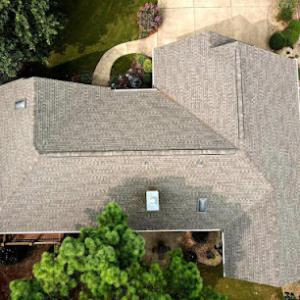
Are you in search of top-tier residential roofing services? Look no further than Roof Tech Roofing and Construction. With over 15 years of unwavering commitment to excellence, we are your go-to roofing experts. From roof replacement and repair to seamless installations and emergency services, we offer a comprehensive range of solutions tailored to your needs. Additionally, we're here to simplify the often complex process of filing insurance claims for your roofing projects.
Basey's Roofing
(479) 631-9797 baseysroofing.com
2711 W Walnut St #5, Rogers, Arkansas
4.8 from 132 reviews
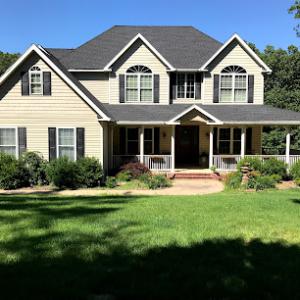
We are a family roofing business that was established in 1978. Serving Northwest Arkansas and Southern Missouri. We specialize in steep slope roof replacement and repairs. Our philosophy is to improve every roof in NWA with better materials and installation methods. No job too big or small - give Basey's a call.
Bravo Roofing
(479) 426-6020 bravoroofingar.com
105 W Elm St Suite 213, Rogers, Arkansas
5.0 from 36 reviews
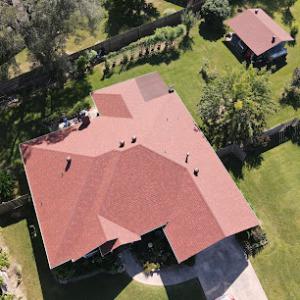
Locally-Owned and Operated Workmanship Guaranteed Free consultation Manage insurance claims Professional service
Leak Solutions & Roofing
(479) 800-8585 leaksolutionsandroofing.com
2608 N 2nd St STE 121, Rogers, Arkansas
5.0 from 36 reviews
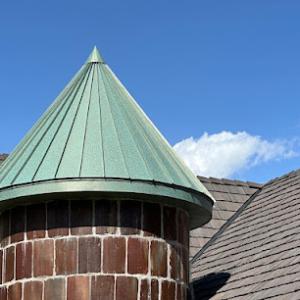
At Leak Solutions and Roofing, we are committed to protecting what matters most: your home, your business, and your peace of mind. Founded with a mission to deliver long-lasting, high-quality roofing solutions, our team brings years of experience and craftsmanship to every project we take on. We proudly serve Rogers, Arkansas, and the entire Northwest Arkansas (NWA) region, offering comprehensive services in roofing, siding, windows, gutters, and leak repairs. What sets us apart is our dedication to doing the job right — the first time. We believe in clear communication, honest pricing, and results that speak for themselves. From emergency leak repairs to full roof replacements, we guide our customers every step of the way with transparency
Ridgecap GC
5001 Founders Dr Suite 100, Rogers, Arkansas
4.9 from 50 reviews
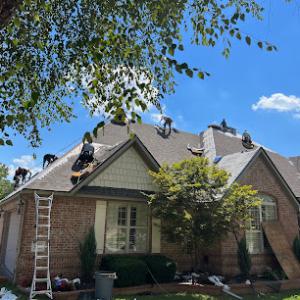
At Ridgecap GC, we provide roof services in Northwest Arkansas, specializing in residential roofing, gutters, siding, and storm damage restoration. Since 2009, we’ve helped homeowners get insurance approvals where others couldn’t. We offer upgrades to durable roofing materials for better protection and potential savings on insurance. As Malarkey Emerald Pro certified contractors, we provide free drone inspections, warranties, and flexible financing options, including zero down and low payments. With our 5-star service, Ridgecap GC is committed to making your roofing experience smooth and stress-free.

Roof America
(479) 244-2490 roofamerica.com
2225 S Bellview Rd Suite 204, Rogers, Arkansas
4.9 from 35 reviews
Providing free roof inspections and estimates, roof repairs, and roof replacement services.
NWA Roofing
(479) 381-2581 www.nwa-roofing.com
6 N Halsted Cir Ste 22, Rogers, Arkansas
4.7 from 41 reviews
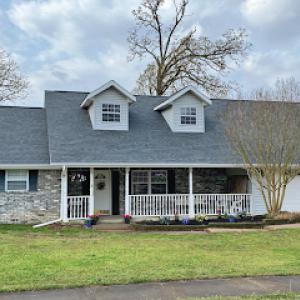
Since 2009 NWA Roofing is your locally owned and operated roofing company, proudly serving Northwest Arkansas with over 45 years of experience. We specialize in providing exceptional roofing services, including repairs, installations, and replacements. Our team is dedicated to delivering top-notch craftsmanship and exceptional customer service, ensuring your complete satisfaction!
Precision Roofing & Home Exteriors
(479) 426-4626 theprecisionroofing.com
1005 W Geneva St, Rogers, Arkansas
5.0 from 8 reviews
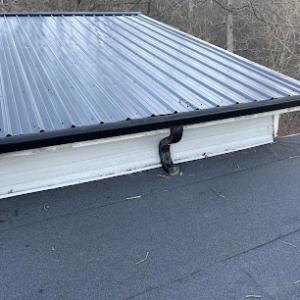
Precision Roofing & Home Exteriors proudly serves Rogers and Northwest Arkansas with professional roofing, siding, window, and decking services designed to protect and enhance your home. From quick roof repairs and emergency tarping to complete roof replacements and expert help with insurance claims, our local roofing contractors deliver reliable craftsmanship and free roof inspections you can trust. As a trusted Rogers roofing company, we specialize in storm damage restoration and quality exterior solutions. When storms hit, count on our experienced team to protect what matters most — your home and family.
Jmar Roofing
(501) 361-4255 jmarroofing.net
Rogers, Arkansas
5.0 from 6 reviews
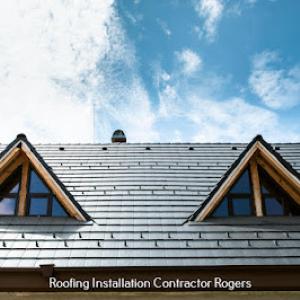
Jmar Roofing in Rogers, AR provides expert roof installation, roof repair, and maintenance that keep area homes and businesses covered year-round. Our local roofers understand Northwest Arkansas’ hot summers, sudden hailstorms, and winter ice that can stress shingles and decking. Whether you need a full roof replacement after storm damage or energy-efficient updates, our licensed and insured roofing contractors deliver quality workmanship with honest communication and clear timelines. From asphalt and metal systems to leak detection and ventilation improvements, we tailor every project to the Ozarks’ unique climate. Choose Jmar Roofing for experienced roofers you can trust
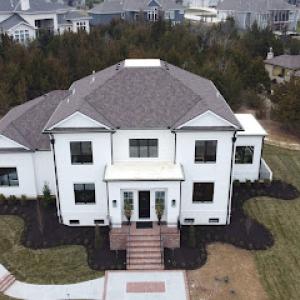
Aspen Contracting
(479) 435-7327 www.roofsbyaspen.com
201 S 20th St unit 10 & 11, Rogers, Arkansas
4.6 from 10 reviews
Aspen is a nationally recognized exterior contractor, trusted to restore residential and commercial roofs, siding and gutters. We are committed to our mission to do the right thing, through higher standards and integrity. We carry out this mission each day by providing high quality service and following through on our commitments. We hold this dedication for our customers, insurance companies and strategic partners in manufacturing, distribution and technology. With this formula, Aspen has grown into one of the largest roofing contractors in the United States.

Buffalo Roofing & Construction
(479) 841-0747 buffaloroofingar.com
610 S 13th St, Rogers, Arkansas
4.8 from 4 reviews
Your Northwest Arkansas residential roofing company. We are committed to the homeowners of rogers, Bentonville, Springdale, Fayetteville, and surrounding areas. Our specialty is residential roof repair and replacement and our priority is taking care of you.
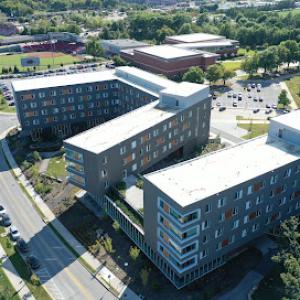
Schefers Roofing
(479) 372-4051 www.schefersroofing.com
2917 S 1st St # 2A, Rogers, Arkansas
4.7 from 6 reviews
Schefers Roofing Company is an expert, full-service commercial roofing contractor specializing in roof replacement, leak repair and preventative maintenance programs.
After a storm, your first move is to capture thorough photo documentation while the roof is still visible from ground level and from attic or interior views if possible. In this area, insurers commonly expect photo documentation and an adjuster report before approving scope. Take wide shots of the entire roof and close-ups of damaged shingles, granule loss, hail impact marks, and any sagging or lifted edges. Note the date, time, and severity of the storm, and keep a log of any other signs of interior damage such as ceiling stains or cracked drywall. If you have radios and ladders safely accessible, photograph the vent pipes, flashing, and any penetrations that might be affected. Preserve roofing materials you remove and any debris left after a temporary repair, as pictures of the debris field can help verify the extent of damage.
Claim frequency is notable in this part of Northwest Arkansas, so local adjuster inspections are a routine part of many roof replacements. When the adjuster arrives, expect questions about wind direction, hail size, and how rapidly the storm moved through your neighborhood. They will compare your photos to the visible condition on the day of inspection and may request additional interior checks for signs of water intrusion. Have your storm log ready, including the date of the event and any temporary repairs you performed to stop leaks. If you had prior roof work, bring records of previous replacements or patches. The adjuster may note whether the slope areas show mixed damage, which can influence whether the scope includes full-roof replacement or targeted repair.
Policy terms can affect whether a homeowner replaces the full roof or only storm-damaged slopes, making documentation timing important after an event. Some policies are more forgiving about hail damage across multiple sections, while others require visible, repeat damage on specific slopes to authorize a full-roof scope. Communicate clearly with the insurer about exposures that tend to be more vulnerable in your neighborhood, such as higher elevations, shaded sections, and roofs with mixed materials. If an adjuster questions the extent of damage, reference your photos from multiple angles and the attic or interior views that corroborate moisture concerns. Ready explanations about wind-driven uplift versus hail impact can help the adjuster determine the appropriate scope.
If the first adjuster visit doesn't align with your own photos, request a re-inspection or a second opinion from a roofer who has worked in Rogers. Local contractors know how storm season patterns influence roof wear and can help frame a more accurate scope. Keep all communications in writing when possible, and confirm the agreed-upon scope in a written supplement after any reinspection. Timely submission of supplementary documentation, including updated photos after any temporary repairs, can prevent delays in approval. Remember that the subsequent steps hinge on whether the insurer approves a full replacement or a slopes-only approach, so precise, timely documentation matters.
Connect with contractors who help homeowners navigate the claims process from damage assessment to final approval.
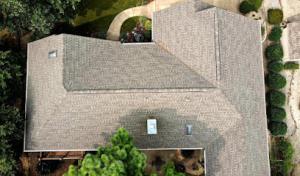
Roof Tech Roofing & Construction
(417) 386-3529 www.rooftechroofingandconstruction.com
Rogers, Arkansas
5.0 from 459 reviews
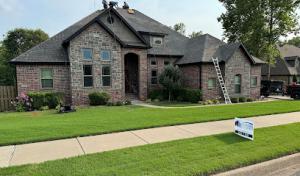
Numark Roofing
(479) 631-1100 www.numarkroofingpros.com
8 N Halsted Cir #2, Rogers, Arkansas
5.0 from 48 reviews
Basey's Roofing
(479) 631-9797 baseysroofing.com
2711 W Walnut St #5, Rogers, Arkansas
4.8 from 132 reviews
Spring in this area comes with the risk of hail and rapid weather swings. The season also brings moisture and variable temperatures that can affect both the install process and the long-term performance of the new roof. A practical approach is to align the replacement window with stable conditions, reducing the chance of adhesive failure, shingle curling, or premature edge wear.
Cooler, drier periods are generally the more favorable replacement window. Early spring after the initial thaw often provides a stretch of dry days before the heat of summer and before spring storms push crews back into action. A dry, moderate-temperature spell helps sealants and asphalt shingles to cure properly and minimizes glare-driven heat stress on crews. If a storm has damaged the roof, look for a period with several days of dry weather to complete the job in a single pass rather than in two or more reopenings.
Rogers summers are hot enough to accelerate aging in some roofing materials, especially older asphalt systems already weakened by storm exposure. If a replacement must occur in summer, plan for morning installs to avoid peak heat, use crew rotations to limit sun exposure on shingle tabs, and ensure generous water access to avoid heat-related equipment downtime. Roofing crews should inspect attic ventilation during the project to prevent heat buildup from driving rapid underlayment deterioration or spa-like interior temperatures that stress decking.
Winter freezes and occasional ice in this area can stress flashing and vent seals even when the roof covering itself appears intact. If replacement is necessary in colder months, prioritize dry, non-freezing days and implement proactive ice-and-water shield strategies at eaves and penetrations. Be mindful that freezing temperatures slow curing of roofing adhesives and can complicate shingle alignment, so communication with the crew about sequencing and weather contingency is essential.
After a spring hail event, perform an objective assessment before calling in a contractor. Note visible granule loss, dented metal, and soft spots on decking. Schedule temporary protections if a leak risk exists, then align with the crew to select a window that minimizes exposure to peak heat and heavy spring rain. If multiple storms are forecast, block out a single, continuous replacement window to limit repeated disruptions and ensure a consistent warranty performance on the new roof.
Asphalt shingles dominate residential roofs in this area, and that remains true when spring hail and hot afternoons test the roof line. In this climate, impact resistance and heat performance matter more than in milder markets. Look for shingles with a high impact resistance rating and laminated layers to better absorb hail strikes and resist cracking. Local homes commonly feature medium to higher asphalt bundles, which balance wind uplift and ease of repair after storms. If a repair is needed after a hail event, asphalt generally offers a straightforward, cost-conscious path to restoration without sacrificing the home's curb appeal. When choosing colors, consider lighter tones that reflect sun exposure to reduce attic heat, especially on south-facing slopes that take the brunt of Ozarks sunshine.
Metal roofing has a meaningful specialist presence here, reflecting homeowner interest in durability during heavy rain and hail-prone cycles. Metal performs exceptionally well under repeated hail impact, and its slick surface can shed rain quickly, reducing water intrusion risk during severe storms. The key is to match panel profiles and fastener layouts to the roof's slope and local wind patterns. A standing-seam system often yields the best weather-tight performance and a clean, modern look that still blends with traditional Northwest Arkansas aesthetics. However, metal can be noisier in heavy rain if attic insulation isn't adequate, and some rooflines with complex geometry or limited attic access may require more intricate detailing. For homes with steep pitches or upper-story exposure, metal's long-term resilience is a clear advantage.
Clay tile, slate, wood shake, and synthetic options exist in the Rogers market, but suitability hinges on structure, slope, and storm resilience expectations. Clay and slate deliver striking curb appeal and long service life but demand a solid substrate and careful installation to endure hail impact and thermal movement. Wood shakes bring a rustic profile and good aesthetics but can struggle in high-humidity zones unless properly treated and maintained. Synthetic products aim to combine resilience with lighter weight and easier installation, yet performance varies by formulation and local conditions. In practice, a roof that balances slope, wind resilience, and hail exposure tends to favor materials with proven performance under Northwest Arkansas weather patterns, while still aligning with the house's design and the owner's long-term maintenance plan.
In Rogers, cost expectations span from about 350 to 550 USD per square for asphalt shingles up to about 1200 to 2500 USD per square for slate. The wide range reflects the local mix of aging homes, insulation quality, and roof geometry. After spring hail or strong winds, crews may face tighter schedules, which can push pricing a bit higher temporarily. Storm-driven surges in roofing demand can translate into faster but more pressured timelines, so plan for a potential upcharge if inspections or material deliveries lag.
Material choice matters more here because homeowners balance upfront cost against hail resilience, heat exposure, and insurance claim outcomes. Asphalt keeps initial costs reasonable but may require more frequent replacements after severe hail events. Metal offers a longer service life and better impact resistance, yet cost rises quickly per square. Clay tile and slate deliver outstanding durability in sun and hail, but both demand a sturdier deck and higher installation costs. Synthetic and composite shingles provide a middle ground with decent hail performance and lighter weight. In this market, matching the roof profile and climate with the right material can save money down the line by reducing claim disputes and subsequent repairs.
Spring hail storms shape real-world decisions. If you confront a major event, expect a backlog of projects and supplier delays. That can push both scheduling and material availability, occasionally widening the total project window. When you're assessing bids, factor in potential weather-driven delays and verify each contractor's plan for emergency crew deployment that minimizes exposure to further weather risks.
Start with a cost-conscious material option, then layer on hail resistance features that fit your neighborhood risk. Request a few detailed bids that break out labor, waste disposal, underlayment, and any additional protective systems. Ask for a written warranty from the installer and a material warranty from the manufacturer. Compare how each bid handles roof slope, attic ventilation improvements, and ice/water shielding in valleys, all of which influence hail performance and heat exposure. Finally, weigh the insurance implications: some carriers favor higher-resilience products during claims, which can shift the financial balance in favor of more durable materials despite higher upfront costs.
Don't let upfront costs delay a critical repair - these contractors offer payment plans to fit your budget.
Ridgecap GC
5001 Founders Dr Suite 100, Rogers, Arkansas
4.9 from 50 reviews
A full roof replacement in this area is rarely treated as simple maintenance. Permits are typically required to move forward, and skipping them can bite you later when a city inspection uncovers work that isn't up to code or approved plans. The city process is designed to catch oversights after spring hail and storm cycles, when roofs are most vulnerable and the temptation to push quick fixes is high. Understanding that this isn't a mere formality helps you plan for smoother recovery after damaging events.
Expect a plan review by the building department, followed by inspections at key stages. Rough inspection checks that framing, sheathing, and anchor points align with the approved plan, while final inspection confirms that the completed roof matches what was authorized and meets current code. The inspections serve as a safeguard against hidden issues that can emerge after a hailstorm, such as attic moisture or ventilation shortcomings that could affect long-term performance.
In this jurisdiction, contractors are expected to pull the permit and provide final inspection documentation. Relying on a contractor to handle filings reduces the risk of miscommunication, but you should still verify that the permit is active, the correct scope is captured, and the final paperwork is filed promptly after completion. Keeping copies of the permit and inspection reports in your records can save headaches if future insurance questions arise or if HOA review is triggered.
Some neighborhoods governed by homeowners associations may require separate approval beyond the city permit. If your property sits in a HOA area, check their rules early in the process to avoid project holds or parallel review delays. The combination of city and HOA requirements can add time and coordination, especially after storm events when contractors are busy.
Given the Ozarks weather pattern, plan for a window that aligns with permit timelines and inspection scheduling. Communicate timelines clearly with your contractor, and confirm that the final inspection is scheduled promptly after completion to avoid delays in utility shutoffs, warranty claims, or insurance workflows.
In Rogers, flashing and vent penetrations are vulnerable after freeze-thaw periods and occasional ice events in winter. When ice dams form or gutters clog, water can back up and creep under edges that look solid. Over time, repeated cycles push sealants and metal joints past their lifespans, leading to slow leaks that sneak into attic spaces and degrade sheathing. The consequence is not just a drip; it can rot decking and invite mold. Inspect these critical points after winter thaws and early spring storms, and don't assume stubborn stains mean only cosmetic trouble.
Wind-driven rain during Northwest Arkansas spring storms can expose weaknesses around roof transitions, sealants, and previously repaired areas. Ridge caps, valleys, and step-flashings bear the brunt when wind tears at exposed edges. Aging sealants crack and pull away, allowing moisture to reach underlying boards. Older roofs with previous patchwork can magnify this risk, turning small leaks into larger interior damage after a strong gust or hail swipe. If you notice peeling sealant, loose flashing, or damp attic spots after a windy day, treat them as warning signs, not cosmetic issues.
Hot Rogers summers can speed granule loss and aging on older asphalt roofs that have already taken hail impact. Granules protect the asphalt and UV-stable layers; once they thin, shingles absorb heat faster, curling and curling further while reducing UV resistance. The result is accelerated wear, increased brittleness, and more rapid formation of crack patterns. Monitor for bare spots and accelerated granule shedding, especially after hail events, and plan timely resealing or replacement to avoid sudden breakdown in peak heat.
Find contractors experienced in skylight installation, flashing, and leak repairs to bring natural light into your home.
Roof Tech Roofing & Construction
(417) 386-3529 www.rooftechroofingandconstruction.com
Rogers, Arkansas
5.0 from 459 reviews
Bravo Roofing
(479) 426-6020 bravoroofingar.com
105 W Elm St Suite 213, Rogers, Arkansas
5.0 from 36 reviews
NWA Roofing
(479) 381-2581 www.nwa-roofing.com
6 N Halsted Cir Ste 22, Rogers, Arkansas
4.7 from 41 reviews
After hail and wind events, Rogers homeowners prioritize a roofer who can show up fast, assess leaks quickly, and tarp to stop further damage. Your first call should elicit a scheduled on-site visit within 24 to 48 hours if leaks are active. During the visit, the roofer should identify compromised underlayment, wind-damaged shingles, and hail bruising on flashing. Ask for a written plan that includes tarping, temporary protection, and a phased repair outline that aligns with the upcoming weather window. A contractor who can commit to rapid mobilization and clear communication helps minimize interior damage and stress during storm season.
Look for a local company with a track record of managing storm damage, not just a flashy sales pitch. Verify that the crew can perform roof evaluations from both ground and attic vantage points, since hail damage can be spotty and under shingles. Ask for references from Rogers neighbors who had hail repair last spring and contact specifics about cleanup and debris handling. Insist on a detailed, itemized scope that covers temporary tarps, plywood or board-up if needed, and a practical sequence for inspecting and replacing damaged sections. The best choice balances technical know-how with practical, on-site responsiveness.
Long-established, family-run roofers remain a persistent thread in the local market. Those firms often emphasize continuity-long-term mechanics, steady crews, and predictable scheduling-that helps residents compare storm-chasing sales approaches against local reliability. When interviewing, ask how the company prioritizes repeat customers and how crews are assigned to prevent gaps in service after the storm. A familiar, community-rooted contractor can offer steadier communication, more predictable cleanup, and a clearer warranty posture, which matters when insurance processes are involved after a damaging event.
Cleanup is a major local hiring priority, matching the strong prevalence of contractors advertising debris removal and jobsite cleanup. Confirm that the contract includes daily cleanup, disposal of waste and damaged material, and a defined end-of-project cleanup checklist. On-site, verify that nails and debris are contained and that tarps are secured to prevent further weather-related mess. A reputable crew treats cleanup as a core part of the project, not an afterthought, helping preserve your yard, landscaping, and driveway from stray debris during repair.