
Last updated: Apr 19, 2026
Fort Smith homeowners face frequent spring hailstorms and heavy rainfall that often trigger roof inspections and replacement decisions. The Arkansas River corridor and the higher-speed gusts from spring storms mean roofs are tested more often than in milder markets. When a storm rolls through, the clock starts ticking on damage detection, documentation, and rapid protection steps. This season's risk isn't just about what lands on the shingles; it's about how fast the damage can snowball into interior leaks, attic rot, and compromised ventilation. The window to respond is tight, and timing can determine whether the claim goes smoothly or drags for weeks.
In a high roof-claim environment for hail and wind, photo documentation and expert estimates are practically currency. After a storm, you need clear, timestamped photos of every slope, edge, chimney, vent, and dormer, plus close-ups of granule loss, dented metal, or lifted shingles. Take wide shots that show where the roof meets the topography of the ground, and include the gutters and downspouts to illustrate drainage impacts. A simple rule: if it isn't photographed, it didn't happen in the adjuster's eyes. Pair those images with a dated video walk-through that narrates visible issues and potential pathways for water intrusion. Obvious damage such as curling shingles, lifted tabs, or missing granules should be called out in the notes and highlighted in the homeowner's diary for the claim file. For Fort Smith homeowners, the adjuster wants to see how a storm's energy translated to your roof, and the most credible proof comes from your own documentation, not hope or memory.
Arkansas is a high roof-claim environment for hail and wind, so Fort Smith owners often need contractor estimates, adjuster coordination after storms, and a plan for temporary protection. When selecting a roofer, choose someone with experience handling storm claims, a track record of working with insurers, and the ability to provide itemized, scope-specific estimates. The goal is to have a dependable narrative: what was damaged, what needs replacement, and how the roof's unique features (such as vents, skylights, or a clay tile segment, if applicable) will affect the repair plan. Obtain at least two independent estimates that align with the observed damage, then ensure all estimates reference the same scope of work so the insurer isn't forced to reconcile conflicting numbers later. A credible adjuster will request that your contractor be available for a joint inspection; having that arranged early reduces back-and-forth that slows a claim.
Demand surges after regional storm events can delay scheduling in Fort Smith, making rapid inspection and temporary protection more important than in calmer markets. Immediately after a hail or wind event, perform a basic perimeter check for loose shingles and lifted edges, then implement temporary protection. This means tarping exposed sections, addressing any sagging gutters, and securing loose materials that could become projectiles or further water entry points during another round of storms. The goal is to minimize interior exposure while you coordinate with your roofing contractor and insurer. Quick, decisive protection prevents secondary damage that often complicates claims and adds to the rebuild timeline.
Coordinate with the adjuster promptly, but stay organized. Prepare a simple damage log that pinpoints what was observed, when, and by whom. Keep all appointment notes, invoices, and correspondence in one place. If your roof's condition is borderline between repair and replacement, be prepared to present your evidence clearly to justify a full replacement versus a smaller repair. In the Fort Smith area, storm season amplifies the importance of consistent communication: every new development-the arrival of an adjuster, a revised scope, a delayed shipment of materials-needs to be captured and relayed back to the claim file. The faster you align documentation, estimates, and protection steps, the less time your roof has to endure another round of damage from the next spring system. Stay vigilant, stay documented, and stay proactive through the claim lifecycle.
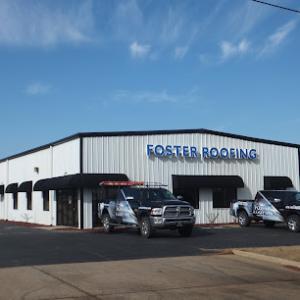
Foster Roofing
(479) 308-0413 roofwithfoster.com
5600 S 66th St, Fort Smith, Arkansas
4.9 from 336 reviews
Foster Roofing is a full service roofing company serving Fort Smith Arkansas and the surrounding area. We specialize in providing top-quality residential and commercial roofing solutions, backed by our commitment to excellence, expertise, and exceptional customer service. At Foster Roofing, we understand that severe weather and other factors can cause major damage to your home or commercial building. That's why we offer comprehensive roof repair services to restore the integrity of your roof. Our experienced team works closely with your insurance adjuster, ensuring a smooth process from start to finish. Contact us today at (479) 308-0413 to schedule a consultation or request a FREE ESTIMATE.
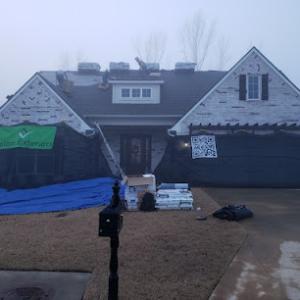
Vision Exteriors
(479) 397-4770 visionexteriors.com
4301 Regions Park Dr Suite 7, Fort Smith, Arkansas
5.0 from 127 reviews
Shingle Roof Installation, Metal Roof Installation, Window Installation, Gutter Installation, Siding Installation
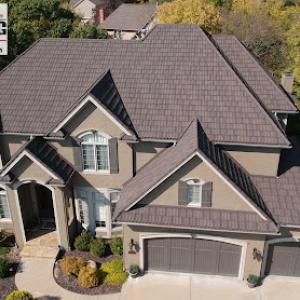
Roofing Force
(479) 437-0171 roofingforce.com
4916 Towson Ave, Fort Smith, Arkansas
5.0 from 84 reviews
Roofing Force will handle all of your roofing needs. From low cost, composition asphalt and composite roofing, to premium lifetime metal and polymer roofing solutions. We also cover all storm damage restoration including roofing, windows, siding, and gutters.
Top Notch Roofing & Construction
(479) 434-5066 topnotchroofingllcfs.com
1631, 1633 Midland Blvd, Fort Smith, Arkansas
4.9 from 82 reviews
Protect your largest investment with the reliable roofing services of Top Notch Roofing We are a locally owned and operated roofing company currently serving Fort Smith, AR and surrounding communities. If you want to make your roof last as long as possible, it is vital that you never put off a roof repair. Small issues with roofing become big issues in a hurry. No matter how major or minor the repair you need, we are here to help. Our services include commercial roofing, emergency roof repair, and home remodeling.
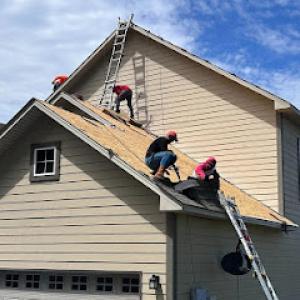
HomePro Roofing
(877) 558-4377 homeproroof.com
1924 Rogers Ave, Fort Smith, Arkansas
4.8 from 68 reviews
HomePro Roofing and Restoration is your top choice for roofing, gutter, and restoration services in Fort Smith, AR, and beyond. Whether residential or commercial, our expert team delivers quality solutions designed to protect your home or business from the toughest weather. From roofing and seamless gutters to water mitigation and solar energy, we handle it all with unmatched professionalism. We're committed to efficient, top-tier service that leaves you with lasting peace of mind. Contact us today for a free inspection and see why HomePro is the name you can trust!

PG Roofing & Construction
(479) 221-1211 pgroofingandconstruction.com
2100 N O St, Fort Smith, Arkansas
4.7 from 112 reviews
PG Roofing & Construction has been providing a comprehensive range of construction services in Fort Smith, AR, since 2007. Residential & Commerical applications. Their expertise covers roofing systems, electrical work, window installation, siding, and gutter systems.

Outfitter Roofing & Construction
100 Towson Ave, Fort Smith, Arkansas
4.7 from 80 reviews
We are a locally owned and operated general contractor in our downtown that specialize in external remodel applications including but not limited to, roofing, siding and guttering. We are all certified in insurance claim adjusting and take pride in our time tested expertise in claims settling. We are licensed and bonded to do both residential and commercial contracting in both Arkansas and Oklahoma. We are a community company and solely fund and co-organize the downtown Fort Smith Arts Walk each year as well as annually provide Christmas gifts to the fortunate kids at randomly selected local middle schools via our program, The Giving Tree. It's our goal to both serve our great community and provide quality workmanship to our customers.
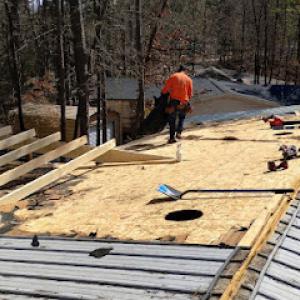
Horizon Roofing, Solar & Exteriors
(479) 653-1600 choosehorizon.com
5311 S 28th St STE E, Fort Smith, Arkansas
4.8 from 46 reviews
Horizon offers a variety of construction solutions for residential and commercial clients. Our main services include roofing, solar, and exteriors. Exterior services include gutters, siding, windows, decks, and much more.
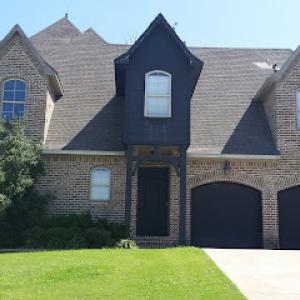
Mer-2 Roofing & Construction
(479) 883-9171 mer2construction.com
12109 Ivory Pl, Fort Smith, Arkansas
4.7 from 29 reviews
We are a small family-run business that offers a complete line of roofing and remodeling services. We do concrete, framing, electrical, plumbing, flooring, siding, windows, insulation, sheetrock work, cabinets, countertops of any kind, texturing, painting, roofing, and custom showers. We also offer handicap accessible. We have an extensive list of references available upon request. We pride ourselves in fine details. We appreciate your business.
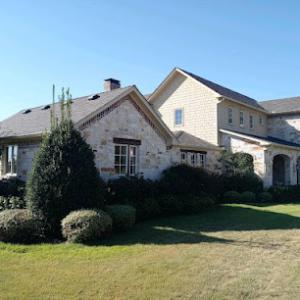
Halls Roofing & Construction
(479) 414-5753 hallsroofingandconstruction.com
Trenton Dr, Fort Smith, Arkansas
4.8 from 21 reviews
Let us help you with your roofing and construction needs! We are locally owned and operated by a licensed contractor since 2015. We take pride in our customer service. We are accredited the Better Business Bureau with an A+ rating. We offer free estimates and work with all insurance companies.
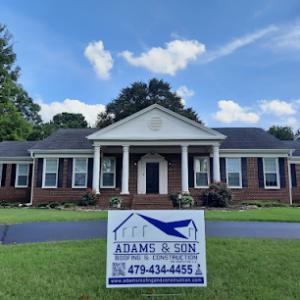
Adams & Son Roofing & Construction
(479) 434-4455 adamsroofingandconstruction.com
811 I St S, Fort Smith, Arkansas
4.6 from 39 reviews
Adams and Son Roofing and Construction has proudly served the community for over 20 years, providing trusted roofing and construction services. We specialize in residential and commercial roofing, including shingles, metal, and TPO systems. Our team also offers gutters, siding, and window installation to protect and improve your property. With decades of experience and a commitment to quality, we’re here to keep your home or business safe, durable, and looking its best.
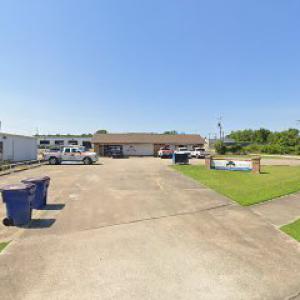
Shamrock Roofing & Construction Fort Smith
(479) 319-5100 www.shamrockroofer.com
5600 S 14th St Ste B, Fort Smith, Arkansas
4.7 from 24 reviews
Shamrock Roofing & Construction in Fort Smith, AR provides residential and commercial roofing services including roof repairs, full replacements, storm damage restoration, and emergency tarping for properties affected by severe weather or aging roofs. We use durable roofing systems built for River Valley heat, heavy rain, and powerful winds, and we deliver detailed inspections, clear storm reports, strong warranties, and a well-organized process that keeps your project efficient and stress-free from inspection to completion—Veterans & Military Discount available, plus get your Free Storm Report & Inspection—schedule today and protect your property with confidence.
Fort Smith's hot, humid subtropical climate can nudge shingle adhesive sealing and crew productivity during peak summer heat. On days when the heat index climbs, asphalt shingles and some synthetic products take longer to set and cure, which can affect long-term performance if a roof is rushed through during the hottest stretch. The spring season brings hail and rain delays that can stall fits, fastenings, and waterproofing steps, while autumn's steady wind and wide temperature swings test newly installed systems as they settle in. Choosing the right window for reroofing means weighing heat stress, potential weather interruptions, and the typical homeowner schedule in this area.
In this market, the sweet spot often sits in the shoulder seasons when temperatures are moderate and rain events are less frequent than in spring, yet not so cool that adhesive seals cure unpredictably. A practical approach is to target late spring or early fall windows that avoid peak heat and the early autumn wet fronts. If a spring hail event interrupts scheduling, plan for the immediate lull after the storm when crews are available, but still aim for a period without back-to-back rain days to minimize postponements. When autumn arrives, watch the forecast for days with gentle warmth at peak sun and cooler nights, which tends to reduce thermal expansion stresses while still keeping drying times favorable.
Spring weather in this area is the main driver for delays. Hail storms can create urgent but unpredictable work orders, and a sudden cold rain can push projects back by days. The practical policy is to secure an accepted start date that allows a short weather cushion-enough to catch a window of dry days-but not so far ahead that crews are idle. In late summer, despite the rush to complete before harvest, the heat can degrade shingle adhesives if installation lags into the hottest hours, so schedule crews for morning start times and longer days only if the heat is manageable. Autumn planning benefits from cooler days that support consistent installation and fewer heat-related interruptions, but beware of rapid temperature swings that could expose the roof deck during sheathing and underlayment work.
Spring hail and wind damage claims require timely action, so communicate clearly with the contractor about preferred start dates and the anticipated sequence of work. If a claim is approved mid-spring, aim to begin as soon as a calm weather window appears, but avoid stacking several rainy days into the initial phase of replacing underlayment and shingles. In practice, this means selecting a window with a few consecutive dry days, predictable temperatures, and minimal risk of sudden storms. If an autumn wind surge is forecast, prepare for a slightly compressed schedule to complete the roof before gusts intensify, ensuring fastenings and sealants are installed under relatively stable conditions.
Ask the contractor for a proposed start date that aligns with a compact, dry weather sequence. Prioritize mid-morning or early afternoon work when shade and airflow help crews manage heat, but avoid days with forecasted extreme heat or high winds that can challenge material handling and ladder safety. Confirm that weather-sensitive steps-underlayment, flashing, and sealant application-are timed for optimal curing conditions. Finally, plan for a brief buffer after completion to verify seal integrity and flashing performance before exposing the roof to the next seasonal cycle.
Fort Smith cost ranges run about $320 to $520 per square for asphalt shingles. In the heat and humidity you see here, asphalt remains the most common starting point for many homeowners, especially when spring hail storms demand quick re-roofs. Budget-conscious projects can land near the lower end, but if you've had wind-driven damage or a mid-season hail event, expect the schedule to tighten as crews prioritize urgent leaks and insurance-backed repairs. A typical asphalt job at the higher end still stays within reach for a solid, proven choice that handles our seasonal swings, and it's usually the fastest option to restore a weather-tight roof after a claim is approved.
If you're weighing long-term durability, metal ranges from $700 to $1100 per square. Metal stands up well to hail and heavy rain, and in Fort Smith's sun it can cut cooling loads over the life of the roof. However, spring storm spikes can push labor demand and extend lead times, particularly for full re-roofs where crews are juggling multiple hail-damaged homes. Metal's upfront cost is higher, but the potential for reduced maintenance and a faster re-roof schedule after a claim matters if you're aiming for a weather-resilient system that lasts through Arkansas summers.
Clay tile runs from $900 to $1700 per square, a noticeable premium choice. The weight is substantial, and in this climate tile helps with heat management and longevity, but local crews and supply chains can slow during storm seasons. After hail and wind events, you may see longer calendar gaps before installation begins, especially for full roofs and complex layouts. If your home already suits a tile look, the premium can be worth it for durability and a longer life under our heavy spring humidity.
Wood shingles or shakes run about $520 to $900 per square. In hot, humid springs, wood can add a distinctive appearance and strong insulating value, but it also requires careful maintenance and protection from moisture. Storm-driven demand spikes can push installation windows out as crews triage damaged roofs across the area, so plan for a potentially tighter schedule if a hail event hits your neighborhood.
Synthetic or composite shingles cost roughly $500 to $900 per square. They're designed to mimic wood or slate with better hail resistance and lower maintenance in this climate. In Fort Smith, premium synthetic options can offer a good balance of low weight, strength, and faster installation when storms drive the need for rapid coverage after a claim. Expect some variability in availability after major hail events if crews are busy across town.
Slate ranges from $1100 to $2100 per square. If your home fits a traditional or high-end profile, slate delivers exceptional durability and a long service life, which matters in a climate with hot summers and heavy spring precipitation. The premium upfront cost pairs with longer lead times after hail or wind events as specialty crews and materials are in high demand. A slate roof can be a strong choice for value retention, but it comes with careful installation and maintenance considerations that local crews are accustomed to handling in this market.
Storm-driven demand spikes in Fort Smith can raise labor pressure and extend lead times after hail and wind events, especially for full re-roofs. If a hail event is known to be likely, scheduling a plan that aligns material delivery and crew availability can save weeks of delay. Material choice matters locally because Fort Smith's mix of heat, humidity, heavy rain, and hail can make premium impact-resistant or longer-life systems more attractive despite higher upfront cost. For a homeowner facing a claim, balancing upfront cost with expected storm resilience and installation lead times is a practical step toward a timely, lasting roof replacement.
When replacing a full roof, a building permit is required. This city's climate-hot, humid summers with spring hail and wind gusts-often leads to quick storm-driven work windows. Having a valid permit helps ensure the work meets local codes and weather-related contingencies, which matters for long-term durability and insurance documentation after a hail event. Expect the permit to cover structural aspects, underlayment, and ventilation as part of the project scope.
The permit application is handled through the City of Fort Smith Building Department. You have the option to have the contractor submit the application on your behalf, or you can submit it yourself as the homeowner. If the contractor takes the lead, confirm the permit is issued in the exact name of the property owner to prevent any paperwork delays. Keep handy project details such as the planned roofing system type, replacement scope (full roof), and anticipated start and end dates. When submitting, you may need to provide drawings or a concise description of the roofing system and any penetrations (vents, skylights) that will be updated during replacement.
Inspections are a regular part of the process and are required during and after the roofing work. Plan for at least one mid-project inspection to verify framing and underlayment installations conform to code, and a sequence of inspections aligned with major milestones such as tear-off completion, installation of underlayment, and final surface installation. A working relationship with the contractor can help ensure inspections are requested promptly and potential issues are addressed before they escalate. Because Fort Smith weather can be unpredictable, coordinate inspection timing with the Building Department to avoid weather-driven delays.
A final inspection is required before the job is closed out. Ensure all required documentation, including inspection approvals and any contractor affidavits, is collected and organized. If the final inspection flag notes a deficiency, address it quickly to prevent extension of the project timeline or a hold on permit closure. Preserve copies of the permit, inspection records, and any corrective work orders for future home maintenance or insurance claims. For hail-season safety, maintain open lines of communication with the contractor about inspection timing and potential weather-related scheduling changes so the permit remains active and compliant through the project lifecycle.
Asphalt shingles and metal roofing are the dominant practical choices in this area, while clay tile, wood, synthetic products, and slate appear more selectively. The choice often comes down to balancing wind and hail resilience with speed of installation and weather readiness after a storm. You'll find asphalt shingles easy to match with most existing roofs and budgets, while metal roofs offer strong impact resistance and longer-term durability in the hot, humid climate.
Fort Smith's spring hail exposure makes impact performance a major consideration when comparing asphalt shingles with metal roofing. Asphalt shingles can be upgraded with higher impact resistance ratings, but metal typically handles hail better and resists denting under storm debris. If hail damage is a frequent concern, a metal roof can reduce the chance of recurrent damage and may streamline post-storm insurance discussions thanks to its uniform resilience. The trade-off is weight, attic ventilation implications, and potential noise during heavy rain, which should be addressed with proper underlayment and insulation choices.
Clay tile, wood shingles or shakes, synthetic or composite shingles, and slate appear more selectively. Clay tile brings distinctive aesthetics and excellent longevity when installed on a well-supported roof deck, but its weight and susceptibility to cracking under hail or tree impact require careful assessment of structure and fasteners. Wood shingles or shakes offer traditional charm but can suffer from humidity-related issues and fire concerns unless properly treated and maintained. Synthetic or composite shingles can mimic natural looks with better impact resistance, yet performance varies by product line. Slate is durable and stylish, but weight and cost limit its practicality for many Fort Smith homes unless a structure is built to handle the load.
The city's heat and humidity can shorten the effective life of some materials if attic ventilation, fastening, and moisture management are not handled well. Ensure attic spaces have adequate venting to manage heat buildup and moisture migration, which protects decking and roof penetrations. Fastening patterns should match local wind conditions to resist gusts without loosening. Proper moisture barriers and ridge/soffit ventilation help maintain roof integrity across the long, hot summers and humid springs typical of this area.
Explore specialists in steel, aluminum, and standing seam metal roofs built to last 50 years or more.
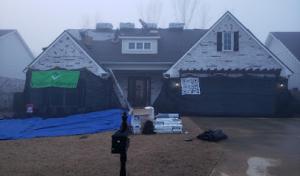
Vision Exteriors
(479) 397-4770 visionexteriors.com
4301 Regions Park Dr Suite 7, Fort Smith, Arkansas
5.0 from 127 reviews
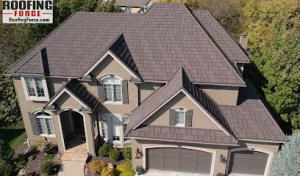
Roofing Force
(479) 437-0171 roofingforce.com
4916 Towson Ave, Fort Smith, Arkansas
5.0 from 84 reviews

PG Roofing & Construction
(479) 221-1211 pgroofingandconstruction.com
2100 N O St, Fort Smith, Arkansas
4.7 from 112 reviews
In Fort Smith, hail bruising, wind-lifted shingles, and leak paths opened by spring storms are among the most important residential failure patterns. A quick inspection after a storm should focus on dented metal flashings, scalloped edges on asphalt shingles, and any shingles that show edges peeled or curled from wind. Hidden damage under adhesive seals can lurk even when the surface looks okay, so you want to check from ground level and, if safe, a careful roofer's eye view from a ladder. Left untreated, bruising and lift invite accelerated granule loss, brittle spots, and vulnerable gaps that let water travel unseen along the roof deck.
Heavy rainfall in this area can turn minor flashing or shingle damage into active leaks quickly, especially when repairs are delayed after a storm. The most common path is around penetrations-vent stacks, pipes, and chimney transitions-where compromised flashing shortcuts the rain's path into attic spaces. You may notice sudden damp spots on ceilings or discolored patches along walls that follow an attic-truss line. After a big rain, that itching sense of moisture intrusion should prompt a careful exterior and interior check, because once water begins to strand along deck joints, it spreads faster than you expect and can compromise insulation and wood.
Heat and humidity in this region can accelerate granule loss, sealant fatigue, and moisture-related roof system problems over time. Shingle edges can curl as asphalt loses its elasticity, while sealants in vents and ridges sag or crack. Moisture lingering in attic spaces can promote mold growth and wood deck rot if vents aren't balanced and attic air runs too hot. The consequence is a slower, creeping deterioration that reduces efficiency and shortens the roof's life if not addressed with timely resealing, proper venting, and targeted repairs.
When you can't wait, these contractors offer fast response times to stop leaks and prevent further damage.
Top Notch Roofing & Construction
(479) 434-5066 topnotchroofingllcfs.com
1631, 1633 Midland Blvd, Fort Smith, Arkansas
4.9 from 82 reviews
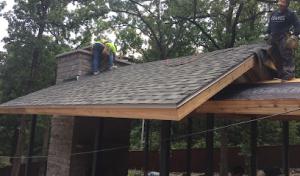
Brother's Roofing & Restoration
(479) 353-3877 rooffortsmith.com
2409 S 56th St, Fort Smith, Arkansas
5.0 from 29 reviews

Outfitter Roofing & Construction
100 Towson Ave, Fort Smith, Arkansas
4.7 from 80 reviews
Because Arkansas sees frequent hail and wind losses, keep organized documentation ready for adjuster visits. After a storm, take exterior photos from multiple elevations to show roof slopes and any missing shingles or dented metal. Note attic or ceiling evidence of leaks right away, including stained drywall, warped boards, or mold. Collect contractor estimates as soon as a reputable local roofer evaluates damage, and label each file with the date and address. This material helps prevent delays when adjusters review the claim.
Insurers commonly request photos, damage notes, and contractor estimates, so Fort Smith owners benefit from documenting elevations, slopes, and interior leak evidence immediately after storms. Create a simple damage log that matches each photo with a short description and the approximate location on the roof. If possible, photograph interior attic leaks at their worst light and with a ruler or tape measure to show scale. Keep scans or copies of all receipts for any temporary repairs; these can speed up the claim process and prevent secondary damage.
Claim timing in Fort Smith is often tied to both storm volume and adjuster availability, which can affect when repairs or full replacement are approved. Plan for potential scheduling gaps after major events. If damage is clear but the adjuster hasn't scheduled a visit yet, arrange a temporary fix to control water intrusion and document the temporary method. Maintain a steady stream of updates to the insurer and your contractor so everyone stays aligned on the sequence of inspections and repairs.
Connect with contractors who help homeowners navigate the claims process from damage assessment to final approval.
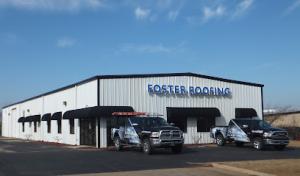
Foster Roofing
(479) 308-0413 roofwithfoster.com
5600 S 66th St, Fort Smith, Arkansas
4.9 from 336 reviews
Vision Exteriors
(479) 397-4770 visionexteriors.com
4301 Regions Park Dr Suite 7, Fort Smith, Arkansas
5.0 from 127 reviews
Roofing Force
(479) 437-0171 roofingforce.com
4916 Towson Ave, Fort Smith, Arkansas
5.0 from 84 reviews
Fort Smith homeowners are hiring heavily for storm damage, insurance support, emergency repair, and re-roofing rather than niche luxury specialties. That mix means you should expect crews that are comfortable juggling insurance paperwork, rapid storm timelines, and on-your-feet adjustments after a big event. The goal is a solid roof that survives the next round of hail and wind, not a flashy finish that stalls when the next storm hits.
Cleanup and quick response stand out strongly in the local market, reflecting homeowner concern about nails, debris, and fast leak control after storms. Ask prospective roofers how they handle hazardous debris removal, nail sweeps in yards, and tarping protocols to minimize interior moisture. A responsible crew will show up with a plan for wind-driven shingle debris and a clear timetable for temporary fixes if water intrusion occurs before full repairs can begin.
The local contractor mix includes many crews serving both residential and commercial properties, so homeowners should confirm who regularly handles occupied homes and city inspection closeout. In practice, look for a team with a track record of working safely around families, pets, and daily routines, plus a designated supervisor who can coordinate with inspectors and insurers. Ask for references from recent projects on occupied residences and verify that the crew understands how to keep noise, parking, and access as non-disruptive as possible.
Beware of outfits that position themselves solely as "storm specialists" without ongoing service infrastructure for re-roofing and follow-up. A dependable Fort Smith roofer will blend storm response with long-term maintenance and warranty support. Clarify who will be on-site for critical milestones, who handles weather-related scheduling changes, and who will respond to post-storm concerns during the life of the roof. The right choice minimizes the risk of miscommunications when urgency runs high.
Get a clear picture of your project costs upfront - no commitment required.
Foster Roofing
(479) 308-0413 roofwithfoster.com
5600 S 66th St, Fort Smith, Arkansas
4.9 from 336 reviews
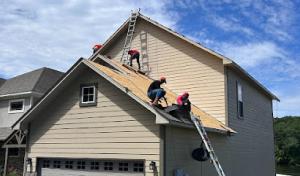
HomePro Roofing
(877) 558-4377 homeproroof.com
1924 Rogers Ave, Fort Smith, Arkansas
4.8 from 68 reviews
PG Roofing & Construction
(479) 221-1211 pgroofingandconstruction.com
2100 N O St, Fort Smith, Arkansas
4.7 from 112 reviews