Ultimate Guide to Roof Near End of Lifespan
Last updated: Feb 28, 2026
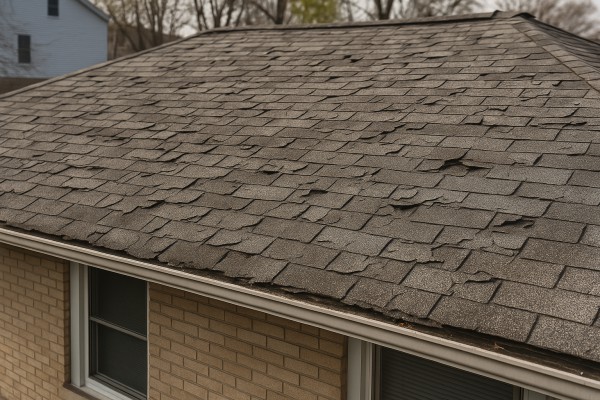
Introduction: The Roof Nears the End of Its Lifespan
A roof doesn't last forever, even with good maintenance. When aging signs start to pop up, it's a sign that the system is doing its job by protecting your home and revealing where it's worn down. Understanding what to look for and how serious it is can help you plan with confidence.
How aging affects your roof
- Shingles curl, cup, or lift at the edges, reducing protection and catching wind.
- Granules wash away or accumulate in gutters, signaling a thinning surface.
- Leaks appear after rain or snow, often first in corners, around chimneys, or near vents.
- Sections of the roof deck feel soft, spongy, or visibly sagging.
- Flashing around seams, vents, or chimneys rusts or pulls away.
- Moss, algae, or mold grows, trapping moisture and accelerating deterioration.
Is this urgent or common?
- Common: Most roofs eventually reach the end of their useful life. It's normal to see some of the signs above as years go by.
- Urgent: Certain conditions demand quick action. If you notice active leaks, sagging sections, mold growth on the interior, or daylight visible from the attic, address them promptly to prevent structural damage and costly repairs.
Life expectancy by material (high-level)
- Asphalt shingles: typically 20–30 years, depending on climate and maintenance.
- Metal roofs: often 40–70 years with proper care.
- Tile roofs (concrete or clay): 50+ years but can be heavy and require a sturdy structure.
- Wood shingles/shakes: about 20–40 years, depending on exposure and sealants.
- Flat, built-up, or single-pply membranes: 15–30 years, influenced by traffic, ponding water, and UV exposure.
High-level next steps
- Assess and document: Quick checks at home to gather evidence before a pro visit.
- Get a professional evaluation: A roof inspector or contractor can confirm age, condition, and repair vs. replacement needs.
- Consider repair vs. replacement: Small, localized issues may be fixable; widespread wear often points to replacement.
- Plan and budget: Understand costs, timelines, and any permit or structural considerations.
- Explore options: Evaluate warranties, insurance coverage, and material choices for a future roof.
Quick signs to check now
- Visible leaks or staining on ceilings after rain.
- Dark spots or missing granules in gutters or on the driveway.
- Curling, cracking, or missing shingles.
- Daylight showing through the attic hatch or rafters.
- Sagging or soft spots in the roof deck when you access the attic.
- Persistent moss or algae that's not just cosmetic.
How to approach the next phase (high level)
1. Identify the most affected areas: which sections are aged or failing most noticeably.
2. Photograph problem spots: clear images help a contractor assess scope.
3. Schedule a professional inspection: objective input on life remaining and risk.
4. Discuss options: repair, partial replacement, or full roof replacement, plus any underlayment or ventilation needs.
5. Create a plan: a timeline that fits your budget, weather patterns, and home priorities.
Is a Roof Near the End of Its Lifespan an Emergency?
- Call a roofer immediately if
- Active leaks during rain or snow are entering your home. Water everywhere, dripping from ceilings, or pooled areas in the attic demand urgent attention.
- The roof deck or structure appears sagging, buckling, or soft. Any feel of instability underfoot or noticeable dips means the load isn't supported safely.
- A large section of shingles has blown off or deteriorated, exposing underlayment or interior components to the weather.
- Flashing around chimneys, vents, or skylights is loose, cracked, or missing. Water intrusion behind flashing can lead to rapid interior damage.
- You can see daylight from the attic or roof line, or you notice gaps in the roof boards. This is a clear sign water and air can move into the home.
- Monitor if
- Shingle granules are washing into gutters or downspouts. Aging shingles shed granules, but this alone doesn't mean an immediate emergency.
- There's minor curling or cupping of shingles with no leaks. Small, cosmetic wear is common in older roofs.
- A few shingles are missing but the attic stays dry and there's no interior staining after rain.
- You've had a rain event and the attic shows only dampness or minor condensation, not active intrusion.
- Can wait if
- There is no active leak, no sagging, and no visible signs of rapid deterioration.
- The roof looks aged but remains structurally sound with a dry attic and no interior water staining.
- Weather or scheduling constraints mean a major repair or replacement can be planned for the next dry season.
- The home otherwise feels stable, and local weather is calm enough to delay a response without risk of imminent damage.
- What “emergency” really means in practical terms
- An emergency is when water intrusion is actively happening or structural failure is presenting an immediate safety risk.
- If you're unsure whether a sign is urgent, assume the more conservative stance and err on the side of caution by contacting a roofer for a quick assessment.
- Quick safety and actions you can take now (when safe to do so)
- If leaks are present, protect the interior: place buckets under leaks, lay down towels, and move valuables out of reach.
- Limit access to the affected area to avoid slips or falls; avoid stepping on wet or spongy roof sections.
- Document the damage: take clear photos from inside and outside, note dates of observed leaks, and keep a simple log.
- Check the attic from the access hatch or a safe point to see if light or moisture is entering; note anything unusual.
- Contact a licensed roofer promptly to schedule an inspection, especially if weather could worsen conditions. If needed, discuss temporary emergency measures or tarping options with the contractor before work begins.
- When to consider temporary protections
- If a storm is approaching and you can safely place a tarp, it may help prevent further interior damage. Only attempt this if you have proper safety gear and training; otherwise, wait for the pros.
Common Causes of Roofs Near the End of Their Lifespans
Age and material fatigue
Roofs don't last forever. As they age, the protective layers break down, and the underlying deck can become weakened. Materials that once laid flat may start to curl, buckle, or lift at the edges. The underlayment can deteriorate, reducing its ability to shed water. Flashing around chimneys, vents, and skylights can corrode or lift, allowing moisture to sneak in.
- Signs to look for: curling or missing shingles, granule loss in gutters, granules accumulating in vents or downspouts, rusted or loose flashing.
- What it means: once multiple aging indicators appear, the roof is typically closer to the end of its functional life.
Weather exposure and storms
A roof endures sun, rain, wind, hail, and temperature swings year after year. UV rays dry and brittle shingles; hail can cause pitting and cracks; wind can peel shingles and lift edges; freeze-thaw cycles cause further cracking.
- Common effects: divots or bruising on shingles, granule wash-off in gutters, exposed roof deck patches after shingle loss.
- Practical takeaway: even a visually sound roof could be nearing the end if it has a long history of severe weather damage.
Installation quality and material choices
A roof is only as strong as its installation. Inadequate nailing patterns, missing or mismatched underlayment, improper flashing, or using low-grade materials for the climate can shorten lifespan.
- Typical symptoms: shingles that fail ahead of their expected life, numerous nail pops, flashing gaps or rust, inconsistent shingle alignment.
- Why it matters: poor installation accelerates wear and makes leaks more likely, often signaling end-of-life sooner than expected.
Maintenance neglect
Leaves, branches, and dirt collect on the roof and in gutters. When debris blocks vents, valleys, and outlets, water can back up or pond, accelerating rot and staining.
- Maintenance cues: clogged gutters, standing water on flat or low-slope roofs, algae or moss growth that traps moisture.
- Routine impact: regular debris removal and gutter cleaning extend the roof's effective life and reduce premature deterioration.
Moisture, ventilation, and attic conditions
Moisture inside the attic or poor ventilation leads to condensation, mold, and wood rot. When the attic breathes poorly, roof decking can swell, warp, or rot, compromising the whole system.
- Key indicators: damp ceiling spots far from obvious roof leaks, lingering attic moisture, warm, humid attic air in hot weather.
- Consequence: unchecked moisture undermines structural integrity and accelerates end-of-life signaling.
Drainage problems and ponding
Flat or low-slope roofs are especially prone to standing water. Even slight ponding can lead to accelerated membrane wear, edge deterioration, and leaks.
- What to check: ponding areas after rain, edge blooming, membrane bubbles or blisters.
- Outcome: persistent drainage problems are a red flag for approaching end of life.
Structural issues and deck decay
When roof decking or structural components deteriorate—due to water intrusion, insects, or prior damage—the roof loses its ability to shed water properly.
- Warning signs: sagging roof lines, creaking or unusual noises, visible rot on the deck from interior access points or attic spaces.
- Result: compromised structure means repairs may be impractical or uneconomical.
Local factors and climate-specific wear
Coastlines, extreme cold, or intense heat can accelerate aging differently. Salt air, wildfire ash, or heavy snowfall each alter material longevity.
- Quick check: consult a local roofer about climate-adjusted life expectancy for your roof style and materials.
Quick assessment steps (three simple checks)
1. Inspect shingles for curling, cracking, or loss of granules around gutters.
2. Peek into the attic for signs of moisture, condensation, or mold near the decking.
3. Look at flashing and vents: see if there are gaps, rust, or loose sealant.
If these checks flag multiple concerns across categories, your roof is likely nearing the end of its lifespan and may require evaluation for replacement or targeted repairs by a pro.
How Roof Materials Affect a Roof's End of Lifespan
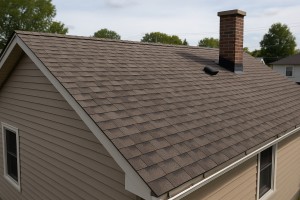
Asphalt remains the most common residential roof material, but it also shows end-of-life signals first. When they're nearing the end, you'll notice more leaks after heavy rain, curled or cupped edges, and a lot more granules in gutters and downspouts. The surface can feel brittle, and patches rarely hold long-term.
- What Roof Near End of Lifespan means for asphalt:
- UV light and weathering speed up the loss of flexibility, making shingles more prone to cracking.
- Granule loss exposes the underlayment and decking to moisture, accelerating rot if leaks aren't contained.
- Minor repairs become less cost-effective as the number of affected shingles grows.
- What to do:
1. Inspect the attic for widespread moisture or staining after storms.
2. Look for curling, missing, or cracked shingles on the roof line.
3. Request multiple replacement quotes when you see significant wear.
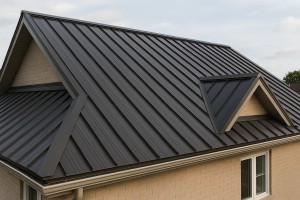
Metal roofs can outlast many other types, but they still have an end of life. Signs include rust on panels, faded or peeling coatings, loose seams, and denting from hail. Over time, fasteners can loosen and water can find its way through seam gaps.
- What Roof Near End of Lifespan means for metal:
- Coatings degrade, reducing corrosion resistance and heat reflection.
- Seams and fasteners become vulnerable to leaks if not maintained.
- A full panel or coating replacement may be more cost-effective than piecemeal fixes.
- What to do:
1. Inspect seams, fasteners, and painted surfaces for corrosion.
2. Check for unusual heat in attic spaces on hot days (possible radiant barrier loss).
3. Compare replacement vs. major repair costs with a professional.
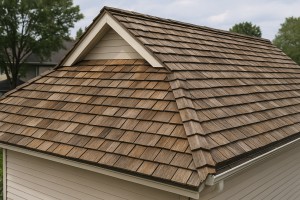
Wood roofs age distinctly. Near the end, you'll see cupping or curling, cracked or split boards, and moss or rot at the edges. Insects and fire risk can escalate with age in some climates.
- What Roof Near End of Lifespan means for wood:
- Weathering and moisture infiltration accelerate rot and structural weakness.
- Repair options are often limited; missing boards or soft spots weaken the deck quickly.
- Maintenance becomes more frequent and costly if the roof isn't replaced.
- What to do:
1. Look for soft, mushy boards when you press gently on surface shingles.
2. Check for insect damage or hollow sounds when tapping shingles.
3. Plan for replacement if multiple sections show deterioration or moss buildup.
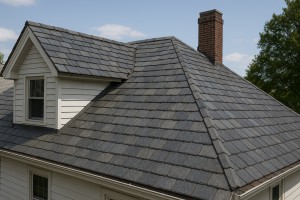
Slate is famously long-lasting, but even slate has an end of life. End-of-life indicators include broken or delaminated slates, loose fasteners, and damaged underlayment beneath the tiles.
- What Roof Near End of Lifespan means for slate:
- Individual tile failure is common, but widespread failure often signals a near-complete roof replacement.
- Weight considerations demand professional assessment of the deck structure.
- Repairs are specialized and can be costly; many homeowners opt for full replacement to preserve performance.
- What to do:
1. Have a pro evaluate the number of broken or slipping slates.
2. Verify the condition of underlayment and where tiles rest on the roof structure.
3. Get an long-range plan for either targeted repair or a full slate replacement.
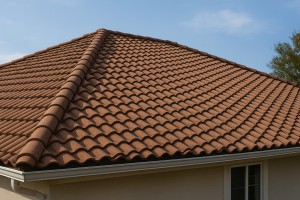
Clay and concrete tiles offer durability but are heavy. End-of-life signs include cracked or shattered tiles, permeable underlayment, and uneven roof lines from sagging or shifting.
- What Roof Near End of Lifespan means for tile:
- Individual broken tiles can cause leaks quickly; repeated cracking invites deck damage.
- Heavy tiles require solid roof framing—age can reveal structural weaknesses.
- Repairs can be expensive; some projects are more cost-effective as full re-tiling.
- What to do:
1. Inspect for cracked or missing tiles from ground level and via attic access.
2. Check for sagging areas that indicate framing issues.
3. Consult a tile specialist to decide between replacement tiles or full re-tiling.
Composite/Synthetic
Composite and synthetic shingles and shakes mimic natural materials and age differently by product. Near end-of-life signs include color fading, surface wear, and distortion or delamination.
- What Roof Near End of Lifespan means for composite:
- Material degradation accelerates with sun exposure and temperature swings depending on the resin and core.
- Patching becomes less reliable as the material loses structural integrity.
- Replacement often provides better long-term value than continued repairs.
- What to do:
1. Note any significant color or texture changes on the surface.
2. Look for curling or warping across large areas.
3. Ask for product-specific guidance on remaining life and replacement options.
Rubber (EPDM) and Other Low-Slope Options
Rubber membranes and similar low-slope systems age differently. End-of-life indicators include seam separation, surface cracking, and punctures that propagate leaks.
- What Roof Near End of Lifespan means for these materials:
- Seams and edges become vulnerable to leaks even with small punctures.
- Temperature cycles can cause shrinkage or expansion, widening gaps.
- Patching is typically temporary; full replacement is often the smarter long-term move.
- What to do:
1. Inspect seams and edges for signs of separation.
2. Check for soft or split areas along high-traffic roof zones.
3. Obtain professional assessments for patch vs. replacement strategy.
Here are grammatically correct section heading options. Choose based on whether you're discussing one roof or multiple:
- The Risks of Ignoring a Roof Near the End of Its Lifespan. (singular)
- The Risks of Ignoring Roofs Near the End of Their Lifespans. (plural)
If you want a punchier option that's still clear, you could also use:
- Why You Shouldn't Ignore a Roof Near the End of Its Lifespan.
Structural Risks and Safety
Ignoring a roof that's near the end of its life weakens the very structure above your head. As components fail, the risk of sudden, costly failures increases.
- Deteriorating roof deck and framing can sag or fail under normal loads.
- Wind uplift can peel back brittle shingles, exposing exposed sheathing.
- Loose or damaged flashing around chimneys, vents, and valleys invites leaks.
- Short-term safety hazards for occupants and anyone walking the roof or attic access points.
Water Intrusion and Interior Damage
Leaks aren't just a stain; they're a pathway for bigger problems inside your home.
- Water can travel along rafters and down walls, soaking insulation and drywall.
- Ceiling stains, warped walls, and peeling paint are early warning signs.
- Hidden moisture in the attic invites mold growth that can irritate lungs and trigger allergic reactions.
- Prolonged moisture can ruin ceilings, floors, and personal belongings.
Mold, Mildew, and Health Concerns
Mold loves damp, dark spaces created by a compromised roof.
- Attic mold can spread to living spaces via soffits, vents, or recessed lighting.
- Invisible mold exposure may cause coughing, headaches, or sinus issues.
- HVAC systems can circulate mold spores if dampness isn't addressed.
Energy Costs and Comfort
A tired roof undermines home energy efficiency.
- Missing or damaged shingles and underlayment create air leaks.
- Attic insulation can become wet or compressed, reducing R-value.
- HVAC runs longer to maintain temperatures, driving up bills.
Escalating Repair Bills and Financial Risk
What starts as a simple patch job rarely stays small.
- Small repairs tend to multiply as moisture and rot spread.
- Replacement becomes more likely the longer you delay, often at a higher total cost.
- Insurance and warranties may have stipulations that complicate or limit coverage if a roof is deemed near the end of its lifespan.
- The cumulative cost of delayed action can exceed the price of a proper replacement.
Cascading Damage to Attic, Ceilings, and Personal Property
A compromised roof can trigger a domino effect inside your home.
- Attic ventilation and insulation damage reduces effectiveness of your entire climate-control system.
- Stored belongings, insulation, and electrical wiring may suffer water damage.
- Electrical components near leaks risk short circuits or fire when water enters panels or outlets.
Safety Hazards and Liability
A deteriorating roof creates obvious safety concerns.
- Debris and loose shingles can fall, posing a risk to people and pets below.
- Wet surfaces increase slip hazards on floors under leaks.
- Damaged roof lines can affect roof-to-wall connections, creating hidden structural weaknesses.
What to Look For (Signs You Can't Ignore)
- Persistent or growing stains on ceilings or walls
- Light peeking through attic boards from outside
- Sagging roof edges or creaking sounds in wind
- Noticeable odor from damp or moldy areas
What to Do Next (Numbered Steps)
1) Schedule a professional roof assessment to quantify remaining life, needed repairs, and safety concerns.
2) Get separate estimates for repair versus replacement, including material options and warranty terms.
3) Document damage with photos and notes for any insurance or warranty review.
4) Prioritize safety: avoid walking on a suspect roof; arrange temporary protections if leaks threaten interiors.
5) Plan for the best long-term option (repair of critical areas vs full replacement) and consider upgrades (durable underlayment, vented insulation, impact-resistant shingles) to extend future performance.
How a Roof Nearing the End of Its Lifespan Is Diagnosed
Visual cues from the outside
- Shingles that are curling, cupping, cracking, or losing significant granules in the gutters.
- Patches of visible wear where the roof deck is showing through.
- Flashing around chimneys, vents, and valleys that is loose, cracked, or rusted.
- Moss, algae, or mold growth that extends beyond a small area, indicating chronic moisture.
- Sagging sections or uneven ridges along the eaves and ridges.
Clues from the attic and interior
- Signs of moisture: staining on the sheathing, rafters, or underside of the roof deck.
- Wet or dried-out insulation which has lost its loft or becomes compressed.
- Increased attic heat or daylight peeking through roof boards when viewing from the attic access.
- Persistent condensation on HVAC ductwork or metal surfaces, suggesting poor ventilation and potential decking damage.
The professional diagnostic process (step-by-step)
1) Visual exterior inspection from ground and ladder-safe viewpoints.
- Note shingle condition, flashing integrity, and drainage patterns in the gutters.
2) Attic inspection with a flashlight and moisture meter.
- Check for water stains, soft or mushy decking, and insulation condition.
3) Roofing system evaluation.
- Assess shingles, underlayment, flashing, valleys, vents, and chimney details for wear and failure points.
4) Decking and framing check.
- Look for rot, mold, or insect damage in accessible areas; probe soft spots gently.
5) Ventilation and insulation assessment.
- Ensure the roof isn't fighting moisture with inadequate intake or exhaust; evaluate HVAC and attic insulation levels.
6) Diagnostic tools if needed.
- Infrared inspection to spot hidden moisture; moisture meters to quantify dampness; thermography to map heat loss through the attic.
7) Documentation and prognosis.
- Record findings with photos, note probable remaining life by area, and estimate replacement window (range).
How the findings translate into remaining life
- Material type and condition determine a rough remaining lifespan (e.g., asphalt shingles vs. metal vs. wood).
- Local climate, sun exposure, and roof pitch influence deterioration rate.
- The extent of decking damage, flashing failure, and ventilation issues often shortens the practical life span more than age alone.
- A professional will usually provide a written assessment with observed issues, an estimated remaining life by section, and recommended actions (repair, partial replacement, or full roof replacement).
Practical indicators homeowners can rely on during diagnosis
- Frequency and severity of leaks in previous years.
- Number of shingles needing replacement in a single season.
- Visible granule loss accelerating after a mild winter or heavy summer sun.
- Consistent ice dam formation in winter despite proper insulation—often signaling ventilation or deck problems.
Material-specific expectations to keep in mind
- Asphalt shingles: common life 20–30 years; near end often shows widespread curling and granule loss.
- Wood shingles/shakes: life 25–40 years; check for split or rotted sections and insect damage.
- Metal roofs: life 40–70 years; evaluate corrosion, seam integrity, and fastener wear.
- Slate or tile: life can exceed 50–100 years; look for cracked or displaced pieces and underlayment health.
When a roof is diagnosed as near end of life
- Expect a detailed plan outlining immediate repairs versus replacement.
- A prognosis often includes estimated remaining life per section, priority areas, and a rough budget range.
- The assessment provides a clear pathway for maintenance, partial repair, or full roof replacement, aligned with home value and climate considerations.
Repair Options for a Roof Near the End of Its Lifespan
Temporary fixes
Temporary fixes buy you time while you plan a proper repair or replacement. They aren't long-term solutions, but they help prevent water damage and further deterioration.
- Cover active leaks with a sturdy tarp or roofing membrane. Secure edges with ballast or nails, and avoid penetrating the roof deck with the tarp.
- Apply a temporary sealant to small leaks. Use a weatherproof asphalt sealant or roofing silicone; recheck after rain and plan a permanent fix.
- Protect the interior. Move valuables, place buckets to catch drips, and lay down plastic or towels to minimize water damage on ceilings.
- Limit exposure and safety risk. Avoid unnecessary foot traffic on the roof, and use fall protection if you must go up.
- Schedule a professional assessment. Temporary fixes should lead to a longer-term plan, not serve as a permanent cure.
Minor repairs
If the deck is still solid, a few targeted fixes can extend life and reduce small leak points.
- Replace a handful of damaged or missing shingles. Aim for a close color and profile match.
- Re-secure loose shingles and edge rows with proper roofing nails; seal with compatible sealant.
- Repair or replace flashing around vents, chimneys, and dormers. Clean, reseal, or replace rusted or torn pieces.
- Seal small leaks at seams, drip edges, and valley areas with high-quality asphalt cement or butyl tape where appropriate.
- Clear debris from gutters and valleys to restore proper drainage.
- If you discover underlying rot or soft decking, pause and call a pro. Do not attempt decking replacement if you're not trained.
Partial replacement
Partial replacement targets sections that are failing while the rest of the roof remains viable. It can save money but requires careful planning to avoid mismatches.
- When to consider it: widespread shingle wear or localized damage in an otherwise sound roof.
- Step 1: Have a licensed roofer evaluate the entire roof to confirm deck condition and identify the scope.
- Step 2: Choose compatible materials. Match color, profile, and warranty to the existing roof where possible.
- Step 3: Prepare the area. Protect landscaping, remove and replace only the targeted area, and inspect the decking for moisture or rot.
- Step 4: Install with proper flashing and ventilation. Ensure the new section integrates with the old roof via matching flashing and underlayment.
- Step 5: Inspect after installation. Check for gaps, confirm nail patterns, and test for leaks during a rain event.
- Pros and cons: Partial replacement can extend life and preserve curb appeal, but a seam may be visible and future patchwork could be necessary.
Full roof replacement
A full replacement is often the clearest long-term solution when most of the roof is at or near the end of its lifespan.
- Step 1: Assess overall condition. Have a roofer review attic ventilation, insulation, and the expected life of remaining shingles.
- Step 2: Select materials. Asphalt, metal, clay, or slate each have different lifespans, costs, and weights. Consider climate and energy considerations.
- Step 3: Plan the project. Identify a favorable weather window, confirm permits, and arrange temporary access if needed.
- Step 4: Prepare the site. Protect landscaping, cover valuables, and clear driveways for equipment movement.
- Step 5: Installation and inspection. Remove the old roof, install new underlayment, proper flashing, and venting. Schedule a final inspection to verify workmanship and warranty coverage.
- Step 6: Maintenance after install. Schedule regular inspections, keep gutters clean, and address issues early to maximize the new roof's life.
Typical Cost to Fix a Roof Near the End of Its Lifespan
Minor repair: description and cost
Small, localized issues are often addressed with a quick patch and reseal on an aging roof. These repairs focus on stopping a small leak and preventing further short-term damage without a full replacement.
- What's included
- Inspect the leak area and seal cracks or gaps with roof cement or sealant
- Replace 1–5 loose or damaged shingles; re-nail securely
- Tighten or reseal flashing around a vent, chimney, or edge
- Clear debris and ensure proper water shedding
- Minor surface touch-ups to curb further intrusion
- Typical cost
- $150–$500, depending on access, material used, and how stubborn the leak is
- Quick notes
- Accessibility, roof pitch, and existing wear can push the price toward the higher end
- Minor repairs are common first steps to slow deterioration without a bigger commitment
Moderate repair: description and cost
Moderate repairs cover broader damage, such as multiple damaged shingles or several flashing weaknesses, and may involve some underlayment work. They prevent more serious leaks and point to areas that could fail during the next storm.
- What's included
- Replace 6–20 damaged shingles with matching material
- Repair or replace flashing around vents, chimneys, and along valleys
- Address underlayment or ice-and-water shield in affected zones
- Inspect attic or crawl space for moisture; address light mold or rot if found
- Patch small sections of decking if there are soft spots (not full deck replacement)
- Typical cost
- $500–$2,000, influenced by roof height, pitch, and the number of penetrations
- Quick notes
- Steep or complex rooflines, and the need to match existing materials, raise costs
- If damage is widespread or decking shows more wear, costs trend toward the higher end
Major repair: description and cost
Major repairs are triggered by widespread wear, significant deck damage, or many compromised penetrations. In many cases, this signals that a larger project or partial replacement may be the more durable long-term choice.
- What's included
- Replace damaged roofing decking or sheathing; treat rot and secure the structure
- Repair or replace extensive flashing around valleys, chimneys, and skylights
- Replace substantial sections of underlayment and reseal edges
- Partial roof replacement or a full roof area rerun, depending on scope
- Inspect attic structure for sagging or water damage and address as needed
- Typical cost
- $3,000–$15,000+, with higher costs for large roofs, premium materials, or extensive deck work
- In very large homes or roofs with specialty materials (tile, slate, metal panels), costs can exceed the typical range
- Quick notes
- If decking is compromised across a large area, a full replacement may be more cost-effective in the long run
- Premium materials or complex geometry (multi-level roofs, intricate valleys) drive up both material and labor costs
What factors affect cost
- Roof size
- Larger roofs require more materials and longer labor time; costs scale with square footage
- Access
- Steep pitches, high peaks, or tight attic access add safety measures and time
- Material type
- Asphalt shingles are typically cheaper to repair; metal, tile, and slate demand specialized labor and parts
- Extent of damage
- Localized leaks are cheaper to fix than widespread moisture, decking rot, or structural concerns
- Local labor rates
- Regional wage differences, permit requirements, and travel charges influence the final price
How Long Can You Wait Before Replacing a Roof Near the End of Its Lifespan?
Factors that influence how long you can wait
- Climate and weather exposure, especially heavy rain, hail, and heat.
- Roof material and current condition (shingles that are curling, curling edges, or granules in gutters).
- Attic ventilation and insulation; poor ventilation accelerates moisture and heat problems.
- Decking condition and signs of rot or mold behind the shingles.
- Slope and drainage; flat or low-slope roofs hold water longer and age faster when drainage is poor.
- Local codes, permits, and insurance requirements that can affect timing and costs.
- Maintenance history and prior repairs; a roof that's already had multiple fixes is closer to its end.
Practical watch-and-wait steps
1. Do a monthly visual check from the ground with binoculars or a sturdy ladder. Look for missing, curling, or blistered shingles and flashing gaps around chimneys, vents, and skylights.
2. Inspect gutters and downspouts for an uptick in shingle granules or dark, staining streaks on interiors near the ceiling. These can signal accelerated wear.
3. Check the attic after rain for damp spots, dark stains, or a musty odor. Look for daylight peeking through decking or rafters, and feel for unusually warm spots that hint at poor insulation.
4. Schedule a professional roof inspection at least once a year once a roof is near the end of its lifespan. A pro can spot sub-surface rot, fastener issues, and flashing deterioration that aren't obvious from the ground.
5. Budget and plan ahead. Have rough cost estimates for replacement and possible repairs, and keep a contingency fund for unexpected issues.
What happens if you wait to address the problem in several timeframes
Immediate (0–3 months)
- Active leaks during rain become common, leading to water staining on ceilings and walls.
- Moisture in the attic can promote mold growth and wood rot in sheathing or rafters.
- Flashing and sealant failures may cause localized dampness around vents, chimneys, or skylights.
- Small, rapid fixes may be possible, but the underlying age-related decline continues.
Short term (3–12 months)
- Leaks expand, requiring more extensive repairs or more frequent patching.
- Interior damage increases: stained ceilings, warped drywall, and damaged insulation reduce energy efficiency.
- Shingle granule loss accelerates; missing granules expose asphalt and shorten remaining life.
- Ice damming risk in winter rises if insulation or ventilation isn't addressing heat loss.
Medium term (1–2 years)
- Decking and underlayment begin showing signs of rot or moisture intrusion, compromising structural integrity.
- More noticeable energy inefficiency as attic conditions worsen, driving higher heating and cooling bills.
- Flashing and seams become a larger source of leaks; flashing metals may corrode or shift.
- Availability of skilled roofers tightens, and repair costs trend higher as the roof ages.
Long term (3–5+ years)
- Catastrophic failure becomes possible in a severe storm: extensive water intrusion, ceiling collapse in worst cases.
- Widespread interior damage: mold, warped studs, electrical risks, and HVAC compromises.
- Replacement costs rise with inflation and material volatility; some components may be discontinued or harder to source.
- Insurance considerations may shift, and a delayed replacement can complicate claims after severe weather events.
How This Problem Varies by Location & Climate
Why location and climate shape aging and failure signs
- Sun and UV exposure age materials faster in sunny regions, causing shingles to curl, fade, and lose granules sooner.
- Freeze-thaw cycles crack or lift roofing materials in cold climates, accelerating leaks and structural damage.
- Humidity and heavy rainfall promote moss, algae, and rot in damp regions, especially on shaded roofs.
- Snow and ice damming create prolonged water intrusion, gutter backups, and flashing failures in northern and mountain areas.
- Wind and hail damage are more common in exposed coastal and high-desert zones, stressing fasteners, coping, and flashings.
- Seawater spray and salty air near coasts can corrode metal accents and shorten the life of fasteners and coatings.
How This Problem Varies by Region & Climate within the United States
- Northeast (New England, mid-Atlantic, Great Lakes)
- Signs to expect: frequent ice dams, shingle curls and granule loss, flashing leaks around chimneys and vents.
- Maintenance emphasis: remove ice buildup, ensure attic ventilation, watch for mineral stains on ceilings after big thaws.
- Quick actions: keep gutters clean, inspect fascia boards for water staining after freeze-thaw cycles.
- Southeast (Florida, Carolinas, Gulf states)
- Signs to expect: heat aging of shingles, fasteners loosening, moss or algae on shaded areas, wind-driven damage from storms.
- Maintenance emphasis: trim overhanging branches, check vent openings and attic insulation for heat transfer, seal around penetrations after tropical systems.
- Quick actions: schedule more frequent inspections after heavy seasonal rains.
- Midwest (Midwest Belt)
- Signs to expect: wide temperature swings, ice dam risks in winter, occasional hail damage in exposed regions.
- Maintenance emphasis: ensure roof deck is dry after snow, monitor for dried-out granules and nail pops.
- Quick actions: inspect gutters for granules and perform a mid-season roof check after snowmelt.
- Southwest (Arizona, New Mexico, parts of California and Nevada)
- Signs to expect: rapid UV aging, color fading, seam or flashing wear from heat, tile or shingle brittleness.
- Maintenance emphasis: protect darker shingles from sun exposure with reflective coatings where appropriate, inspect flashing after monsoon winds.
- Quick actions: flush out debris from valleys and gutters to prevent water backing up in heat-dried climates.
- Pacific Northwest (Washington, Oregon)
- Signs to expect: persistent dampness, moss and algae growth, wood rot or rot-prone underlayment in shaded areas.
- Maintenance emphasis: improve attic moisture control, treat moss surfaces, check for hidden leaks behind siding or fascia.
- Quick actions: schedule annual moss control and gutter cleaning, verify flashing seals around skylights.
- Mountain States (Colorado, Utah, Idaho, parts of Montana)
- Signs to expect: sun damage at high elevations, severe hail impact in many areas, occasional wind-driven shingle loss.
- Maintenance emphasis: reinforce fasteners in wind corridors, inspect hail-dented panels or tiles, ensure attic venting remains effective.
- Quick actions: plan a more frequent inspection cycle after severe hail storms.
- Alaska
- Signs to expect: extreme cold effects on sealants, freeze-thaw cycles, heavy snow load on edges and hips.
- Maintenance emphasis: use materials rated for low temperatures, check gutters for ice buildup, inspect flashings for cracks in cold months.
- Quick actions: have a pro assess underlayment and deck condition after winter.
- Hawaii and tropical coasts
- Signs to expect: strong sun and salt air aging coatings, wind uplift, and occasional tropical-storm-related leaks.
- Maintenance emphasis: corrosion inspections on metal components, keep drainage paths clear, verify flashing in coastal zones.
- Quick actions: anticipate more frequent inspections after storm season and monitor for corrosion around fasteners.
Regional maintenance priorities at a glance
- By region, prioritize attic ventilation and moisture control where humidity is high.
- In cold regions, focus on preventing ice dams and ensuring proper insulation.
- In hot, sunny regions, target UV aging and sun-damaged coatings.
- In storm-prone coasts and mountains, reinforce flashings and inspect after severe weather.
Signs to watch for that cross regions
- Curling, cupping, or cracking shingles.
- Sudden, uneven stains on ceilings after rain.
- Loose or missing fasteners and flashing seals.
- Unusual granule loss in gutters and downspouts.
How to plan maintenance and replacement timing by climate
1) Identify your climate zone and typical seasonal stresses.
2) Schedule inspections more often in high-stress regions (storm-prone, freeze-thaw, or extreme sun zones).
3) Track material condition (shingle granules, metal corrosion, tile cracking) year over year.
4) Budget for more frequent replacement cycles in harsher climates and longer cycles where conditions are milder.
