
Last updated: Apr 19, 2026
In this corner of northeastern South Dakota, hailstorms and strong winds aren't rare visitors-they're routine. The Prairie Coteau's open landscape means homes sit with little terrain shielding, so wind gusts slam ridges and edges with less buffering than you'd expect. A roof here endures longer exposure to hail strikes and to wind-lift just as much as to daily wear. The most urgent message is that storm impact can push a roof from cosmetic marks to real, functional damage overnight. If a severe storm rattles your shingles, you're not necessarily in the clear just because anything looks superficial from the ground.
After a hail event, you'll notice a mix of pockmarks, granule loss, and bent edge lines. In Watertown, that can look like nothing more than a quick-onset cosmetic issue, but you're far better off assuming the worst for seal strips, flashing, and roof penetrations. The true red flags are lifted shingles along ridge lines, ripped granules revealing tougher underlayers, and any displacement around vent pipes or exhausts. With the wind-prone exposure, even a shallow impression along a rake edge or at the shingle tab joints can indicate the seal is compromised. Treat any irregularity as a potential pathway for moisture, especially around dormers, valleys, and step flashing where wind can peel at joints.
The exposed layout around Watertown makes ridges and rakes particularly vulnerable. High winds can pry at the uppermost edges, pushing shingles upward and creating micro-seams where water can saddle in if left unchecked. If you notice lifting at the ridge cap or sudden creases along the edge shingles after a storm, that's not just a cosmetic concern-it's a warning sign that sealants and fasteners may be compromised. In response, you should plan a proactive inspection after every significant wind event, focusing specifically on ridge cap security, edge fasteners, and any worn-out asphalt tabs or metal drip flashing that could be catching gusts.
Watertown's housing stock often features steep-slope configurations susceptible to both hail and wind. Asphalt shingles, metal roofs, and fiber cement shingles are common, and each carries its own vulnerability profile under the Prairie winds. Hail can crater softer asphalt layers or dent metal without breaking it, while seam exposure on fiber cement and clay or slate alternatives can reveal micro-fractures that propagate in freeze-thaw cycles. The practical takeaway: after a hail event, photograph the roof from multiple angles, then commission a targeted inspection that validates seal strip integrity, flashing continuity, and penetrations-especially at chimneys and vent stacks, where fasteners and sealants are most exposed to wind-driven moisture.
The moment the skies clear, perform a cautious visual walk around the roof line from ground level with binoculars, noting any lifted edges, chipped tabs, or missing granules along the eaves and ridges. If you can safely access the roof, take a close look at the sealant lines around flashing, around vent pipes, and at the lower edges of shingles where water would first accumulate. Track any discoloration or dark staining that could indicate moisture intrusion. If you discover anything beyond superficial marks-loose edges, peeling flashing, or exposed fasteners-schedule an assessment with a local contractor who understands Watertown's wind patterns and hail history. The sooner you confirm functional damage, the more options you'll have to preserve the roof's integrity before another storm arrives.
Watertown's long cold season means roofs regularly face snow cover followed by thaw-refreeze cycles that stress shingles, flashing joints, and exposed fasteners. Those cycles can creep under edge caps and around vent pipes, widening existing gaps and inviting small leaks that quietly worsen over multiple winters. The practical consequence is that a roof that held up fine after last year's storm may show wear this year in places you don't immediately notice, especially along rakes, hips, and chimney transitions. Keeping an eye on the most exposed areas after every thaw helps you catch trouble before it escalates.
Ice dams don't appear from nowhere; they're the result of winter heat loss meeting cold eaves. In this climate, the attic needs to work as a true buffer. If insulation underperforms or attic ventilation is sluggish, warm roof sections melt snow, while the eaves stay cold and refreeze, forming ice dams that push meltwater back under shingles. The consequence can be stained ceilings, water staining around soffits, and, over time, interior rot at eave lines. The most practical defense is a layered approach: adequate insulation to keep attic temperatures even, and an air intake and exhaust path that moves moist air out of the attic rather than into the roof deck. Eave details, including proper drip edges, under-eave ventilation, and continuous soffit intake, become your first line of defense.
Cold-weather installation is more limited here because low temperatures can affect shingle sealing and make brittle materials more vulnerable during handling. When crews work in freezing conditions, sealant adhesion may be unreliable, flashing metals can crack if bent abruptly, and shingles may not seat properly if they're still stiff from the cold. This means timing matters: late fall and early spring can present better conditions for certain tasks, while mid-winter work carries higher risk of mis-seating or thermal shock to materials. For homeowners, this translates into prioritizing critical tasks-like securing loose flashing, stabilizing vent boots, and protecting attic access points-during milder stretches, and planning installations or major repairs to avoid the most brutal cold whenever possible. In the eyes of a neighbor with experience here, durability hinges on weather-smart scheduling just as much as on material choice.
Spring through fall is the preferred replacement window because moderate temperatures help asphalt shingles seal and underlayment and flashing work proceed more reliably. In this city's climate, that means aiming for when days are consistently above freezing and nights aren't dipping into hard freezes. The goal is to have enough warm days for shingles to lay down properly and for roof penetrations to seal without fighting brutal cold. If a project starts in late spring, plan for a final seal and inspection before the first hard freeze of late fall.
Spring hail season can interrupt active projects or create last-minute scope changes if new storm damage appears before completion. If you're replacing after a winter with a heavy snowpack, expect some damp days that slow tear-off and staging. Have a contingency plan for tarp-ready containment and fast material turnover so rain events don't cascade into prolonged delays. A careful inspection of flashing and vent penetrations after the winter edge can catch wind-driven damage early, reducing rework once crews are on site. When a storm hits mid-project, coordinating with the crew to secure waivers or adjust sequencing helps keep the job moving.
Autumn in Watertown can bring rapid weather swings and wind that complicate tear-off scheduling, material staging, and site cleanup. Shorter daylight and powerful gusts can push crews to wrap up early each day, which increases the chance of missed details if the schedule is rushed. Plan for a two-day buffer around weather-impacted windows to finish delicate tasks like flashing integration and attic ventilation checks. Ensure tarps and edge protection are in place for windy days, and confirm that staging areas stay secure as leaves and debris accumulate. If a tear-off runs into late fall, prioritize water-tightness tests and interior dry-out measures before snow arrives.
Start with a realistic weather-aware calendar that parks the bulk of the tear-off in mid-spring or early fall when wind is manageable and temperatures cooperate. Clear a dry, level staging zone for materials and waste, and confirm that access points and ladder anchors won't be blocked by seasonal yard work. Communicate with neighbors about anticipated noise and daylight restrictions, and arrange daily cleanup to minimize wind-carried debris. On days with gusty winds or hail risk forecasts, consider postponing roof work unless crew safety and material integrity can be guaranteed. A structured daily plan helps keep the project aligned with typical Watertown spring through fall conditions while reducing the chance of weather-driven rework.
Coordinate a pre-tear-off inspection to identify hail-damaged components and wind-related wear. Ensure proper ventilation and attic sealing are addressed during installation to prevent ice dam risks on rapid freeze-thaw cycles. Verify flashing around chimneys, vents, and skylights is robust and compatible with the chosen roof system. Keep a close eye on material delivery timing to avoid stockpiles in wind-prone areas. Finally, schedule a thorough final inspection to confirm seams, penetrations, and edge details are solid before wrapping up.
Asphalt shingles and metal roofing fit Watertown's dominant steep-slope housing stock, but each performs differently under hail, snow shedding, and winter temperature swings. Asphalt shingles handle hail impact reasonably well when selected with higher wind-driven nail patterns and impact-resistant ratings, and they remain a practical, economical option for many homes. Metal roofing shines when snow needs to shed efficiently, reducing ice dam risk and reducing snow weight over time, but trim detailing and proper snow-shedding strategies are essential in a climate with prolonged winter accumulation. In short, your choice should align with how your roof handles wind-driven spray, hail strikes, and freeze-thaw cycles through the season.
Metal roofing often gets recommended here because it minimizes snow buildup and helps keep gutters clearer during long winter months. However, snow slide management requires careful planning: consider ridge venting, snow guards, and a deliberate slope and panel profile to direct slides away from entrances and fragile surroundings. Trim detailing matters as much as the panels themselves, since exposed edges and fasteners become vulnerable to cold-induced expansion and contraction. If the house sits under a patchy drift zone or near wind corridors, a standing-seam or interlocking panel system can offer more reliable performance than exposed-fastener layouts.
Heavier materials such as clay tile and slate are less common practical choices in this region because storm exposure, structural considerations, and replacement logistics can be more challenging than with asphalt or metal. Clay tile may prove brittle under hail and full ice loads, while slate requires precise support and careful handling during maintenance or replacement. For most Watertown homes, staying with asphalt shingles or transitioning to metal delivers the best balance of resilience, service life, and ease of repair after hail events or freeze-thaw cycles.
When selecting asphalt, opt for higher impact resistance and a wind-resilient installation that uses corrosion-resistant fasteners and proper nailing patterns to withstand the Prairie Coteau's gusts. For metal roofs, choose a robust coating system and confirm that the underlayment, flashing, and eave detailing are rated for prolonged freeze-thaw exposure. Regardless of your choice, a well-sealed ridge line and meticulous edge-work help maintain performance across winter months and reduce the likelihood of accelerated wear from repeated freeze-thaw cycles.
Typical Watertown material ranges are about $350 to $550 per square for asphalt shingles, $600 to $1100 for metal, $900 to $1700 for clay tile, $400 to $900 for wood shingles or shakes, $1000 to $2000 for slate, and $500 to $850 for fiber cement shingles. Those numbers line up with local crews balancing storm resilience with long-term cold-weather performance. For asphalt shingles, that translates to a solid, cost-conscious choice that still handles our spring hail and winter wind. If you're leaning toward metal, expect better hail resistance and a longer life, but be mindful of roof edge detailing where flashing and trims can push costs up. Clay tile and slate bring premium durability in severe hail events, yet their heavier weight and longer install time can lift the total quickly. Fiber cement shingles deliver a middle-ground option-durable, less brittle in cold snaps, and generally easier to install in the Watertown climate.
Costs in Watertown can rise after hail events when regional demand spikes across northeastern South Dakota and contractor schedules tighten. A big hail year often pushes material and labor prices up for several months as crews chase backlogged requests. If your roof shows hail damage, you may see faster scheduling and higher rates for a rerun or repair, particularly for steeper slopes where wind-driven hail can cause sporadic damage patterns. In practice, plan for potential premium periods in late spring into early summer after a hail event, and be prepared for a quick comparison of reputable local crews to lock in a window before schedules fill.
Cold-season limitations in Watertown can compress reroofing into spring-through-fall months, which can affect labor availability, scheduling, and pricing. Frozen days limit deck and underlayment work, and icy conditions slow shingle installation on steep slopes. If you're evaluating a replacement, listen for contractor windows that prioritize dry, wind-free days. Water-resistive barriers and underlayment need proper heat and curing time, so shifting a start date to late March or early April can reduce delays. When you're pricing options, factor in not just the material cost but the extended calendar you may face for finishing a complete roof before the first hard freeze returns.
For a balance of cost, resilience, and ease of installation in this climate, fiber cement and metal present solid options to resist hail and wind without excessive weight or upkeep. Asphalt remains the go-to if budget is tight and you're prioritizing quick turnover. Clay tile and slate, while impressive in longevity, demand careful site evaluation for roof slope and structure, plus a tolerance for higher installation costs and longer timelines. Wood shingles or shakes can provide a traditional look but may require more maintenance in freeze-thaw cycles and should be paired with a robust underlayment system.
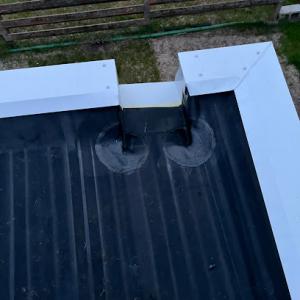
Gustafson Roofing
52 4th Ave NW, Watertown, South Dakota
4.6 from 9 reviews
Family owned and operated We specialize in roofing. New roofs, Tear offs and Storm damage Architectural shingles, rubber
Pro-Tec Roofing
(605) 882-4060 www.protecroofingsd.com
520 11th Ave SE, Watertown, South Dakota
4.4 from 11 reviews
At Pro-Tec we are roofing specialists. With over 60 years of experience constructing and repairing commercial roofing there is nothing we haven't seen. We use the most advanced concepts and systems in the industry. These systems allow us to get the j

Intis Roofing
(605) 592-1700 www.intisroofing.com
405 13th St NE, Watertown, South Dakota
5.0 from 4 reviews
Inti’s Roofing is a licensed and insured roofing contractor serving South Dakota and North Dakota. We specialize in residential and commercial roofing, offering expert installation and repair of shingle roofs, metal roofs, and flat roofing systems (TPO & EPDM). Our services also include gutters, siding, ventilation, insulation, and storm damage repairs. We are proud to be BBB accredited and GAF certified, ensuring professional workmanship backed by warranties. Whether you need a small repair, a complete roof replacement, or insurance claim assistance, Inti’s Roofing delivers quality, safety, and long-lasting results. Contact us today for your free estimate and let our experienced team protect your home or business with reliable roofing sol

LoveOurRoof, an Xcel Company
(605) 599-7663 loveourroof.com
1314 13th Ave SE, Watertown, South Dakota
3.8 from 6 reviews
Since 1990 LoveOurRoof has provided customers in Midwest communities with quality products and services for their residential and commercial properties. This has included replacement and repair of roofing, siding, windows, and gutters. But beyond the products and services that LoveOurRoof has to offer, there’s a love of helping people and a strong sense of community partnership that truly defines the company’s identity. Our team is passionate about the cities and towns that we become a part of each day. We develop relationships. There’s a very personal element involved in our work. It's what drives us to participate in improving our community. LoveOurRoof is now helping communities in eight different states and growing rapidly.
A full reroof project typically requires a building permit, and the City of Watertown Building Department handles the review and issuance. Before any tear-off begins, you or your contractor should confirm that your address is within the permit-issuing jurisdiction and understand the required paperwork. The department's review focuses on structural readiness, underlayment choices for prairie winds, proper flashing around chimneys and vents, and venting paths for attic spaces. Securing the permit early helps keep storms and wind-driven delays from pushing your project into peak scheduling pressure.
Contractors generally submit project information and pay the permit fee before work begins. In practice, this means your roofer should present material specs, roof layout, and framing details to the Building Department and wait for approval before scheduling the first day of work. In Watertown, storm-season demand can compress calendars, so coordinating the submittal and approval steps with your contractor's timeline is essential. If trouble arises, a quick call to confirm what is missing in the application can prevent hold-ups that cascade into weather-related delays.
Inspections are typically performed at interval points during and after the project to verify that underlayment, flashing, and venting meet code expectations. Expect an inspection after the deck and underlayment are installed but before shingles go on, another mid-project check if a complex flashing detail is involved, and a final walkthrough to verify ridge venting and attic ventilation are properly implemented. In Watertown's climate, inspectors may pay close attention to how the underlayment handles freeze-thaw cycles, wind uplift provisions, and any penetrations around ventilation stacks or skylights.
Weather in the Prairie Coteau can swing quickly from clear to hail-driven storms, so align your permit timeline with your roofer's production schedule but also buffer for potential inspections that could require rework if a storm interrupts the sequence. Keep an open line of communication with the Building Department and the contractor about any required resubmissions or recheck visits. A well-documented submittal package, including product data and flashing details tailored to Watertown's wind and freeze-thaw realities, helps inspections proceed smoothly and minimizes revisits.
Watertown homeowners are in a South Dakota insurance environment where hail and wind claims are common enough to shape roofing choices and replacement timing. The local climate's pattern means storms with hail can strike suddenly, and the decision to replace or repair often hinges on how the claim is handled, not just the visible damage.
Claim outcomes can depend heavily on documentation quality, including date-stamped photos of shingles, metal accessories, gutters, vents, and interior leaks taken soon after a storm. Quick, thorough evidence helps separate storm-related damage from gradual wear, and helps avoid disputes about what prompted the repair plan.
Because adjuster practices and carrier requirements vary, Watertown homeowners often need clear records showing whether the roof was repaired, code-compliant, and storm-damaged rather than simply worn. Consistency in reporting, labeling materials, and noting storm dates can influence the trajectory of a claim more than the visible condition alone.
When a storm hits, organize a simple triage: document the area most exposed to hail, capture wind-driven debris, and check attic spaces for interior leaks. If shingles show bruising or granule loss, photograph not only the surface but also secondary elements like gutters and vents. Clear, dated records support longer-term decisions about replacement versus repair.
Understand that conversations with adjusters may involve technical questions about manufacturer warranties, installation specifics, and storm-related versus age-related failure. Keeping a steady file of photos, receipts, and notes helps you navigate the process with less friction and reduces the risk of unresolved damage after the claim closes.
In Watertown, common failure points include wind-loosened shingles, especially along the upper edges and ridges of steep-slope roofs after a season of strong gusts. Inspect after storms with visible wind events, looking for lifted shingles at hips, rakes, and around penetrations. If you find loose tabs, re-nail or replace those sections promptly, paying close attention to shingle alignment and sealant joints. After high winds, walk the roof carefully and press down gently on suspect areas to confirm lift. A practical rule is to dock down any shingles that move under light hand pressure, then reseal or replace as needed before the next freeze.
Flashings can separate after freeze-thaw movement, and this is a frequent failure point around chimneys, vents, and transitions to walls. In Watertown, winter cycling stresses metal flashings and sealant joints, so check for gaps, cracked caulk, or displaced step flashing along valleys and plans where two roof planes meet. If flashing appears loose or gaps are present, reseal with a compatible sealant and re-secure with proper fasteners. Pay particular attention to apron and base flashings at roof-to-wall interfaces, since those spots endure repeated expansion and contraction and are easy to overlook when snow hides the problem.
Leaks around roof penetrations stressed by winter cycling are a frequent complaint. Inspect around vent pipes, plumbing stacks, and skylights for cracked seals or degraded boots. Condensation can form when warm interior air meets a cold deck, so ensure seals around penetrations are airtight and that venting is adequate. If you notice damp spots in the attic after cold snaps, trace to the deck and reseal or add flashing as needed, then improve attic ventilation to balance moisture levels.
Older roofs can show granule loss and seal-strip failure after repeated hail exposure, even when damage is not obvious from the ground. Inspect remaining granules in gutters and at gutter outlets, and check seal strips along shingle bottoms for brittleness. If granule loss is evident or sealant around edges looks compromised, plan targeted repairs rather than a full install, focusing on the areas most exposed to hail impact.