
Last updated: Apr 19, 2026
Spring hail and thunderstorms are a primary local trigger for roof inspections, emergency tarping, and replacement demand spikes. When those weather events roll through-often with sudden, high-velocity hail-the window for action closes quickly. You should plan for immediate roof checks the day after a storm, especially if dark granules litter the yard or dents appear on metal flashing. Acknowledge that the first 72 hours matter: untreated damage can escalate into leaks that warp plywood and shorten the roof's life. In this cycle, prompt recognition translates to fewer downstream headaches and a smoother claim path.
South Dakota insurers commonly require photo documentation, adjuster review, and a detailed scope after hail and wind events, which directly affects how homeowners should document roof damage. Take clear exterior photos from multiple angles, capturing shingles, vents, chimneys, and edge detailing. Inside, photograph attic conditions-stains, daylight through roof gaps, and any signs of condensation. Create a simple damage log: date, time, weather, observations, and who you spoke with. When possible, arrange a concise pre-inspection record with a dated burst of images before any temporary tarps are installed, so the claim has a verifiable timeline. After the adjuster visits, obtain a written scope that specifies needed replacements, not just repairs, to avoid back-and-forth delays.
Insurers frequently pair a field adjuster with your contractor to review the roof's condition after a storm. This is where a precise, contractor-aligned scope matters most. If the adjuster sees a broader issue-such as underlying decking damage or multiple roof zones affected-that scope should reflect a full replacement or staged upgrades aligned with the policy. Be prepared to present the photos side by side with the pre-storm condition and the storm-driven damage. You want a clear, mutually agreed-upon scope that minimizes back-and-forth, because delays in finalizing scope can stall replacement and extend exposure to weather during the transition.
Because Sioux Falls also sees warm, storm-prone summers after severe spring weather, contractor schedules can tighten quickly following regional storm events. The surge in demand means you should book assessments promptly, but with verified, documented damage. If your roof is actively leaking or tarps are in place, know that urgent triage takes precedence. However, do not rush a scope without documentation-quality decisions require complete imaging and a line-by-line checklist of damaged components. Coordination between you, your insurer, and a chosen local roofer is the key to keeping the project moving once the claim is approved.
Begin with a storm-day intake: contact your insurer and a local roofer within 24 hours, or as soon as safely possible. Establish a temporary tarping plan to protect the interior while awaiting a formal assessment. Collect and store all storm photos in a dated folder, and keep a weather diary if additional hail events threaten the same area. When the adjuster visits, walk them through every visible issue and attach your scope questions in writing-this minimizes confusion and accelerates approval. Finally, anticipate a phased timeline: after approval, confirm scheduled replacement windows and secure the necessary materials early to prevent misalignment with peak season demands. This approach keeps you ready, protected, and on track through Sioux Falls' characteristic claim cycle.
Find local contractors experienced in assessing and restoring roofs after hail, wind, and severe weather events.
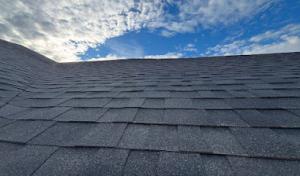
Top Notch Roofing
(605) 941-0260 topnotchroofingsd.com
604 N Kiwanis Ave, Sioux Falls, South Dakota
5.0 from 181 reviews
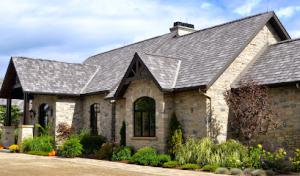
Paramount Exteriors
(605) 900-6818 www.paramountext.com
3702 S Westport Ave, Sioux Falls, South Dakota
5.0 from 136 reviews
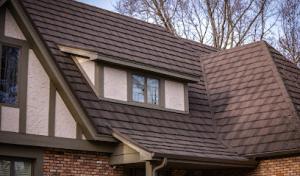
Woods Roofing
2103 N 4th Ave Suite B, Sioux Falls, South Dakota
5.0 from 77 reviews
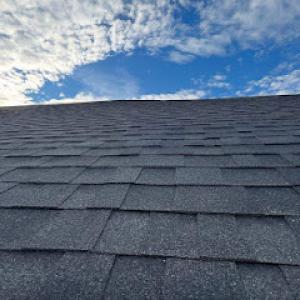
Top Notch Roofing
(605) 941-0260 topnotchroofingsd.com
604 N Kiwanis Ave, Sioux Falls, South Dakota
5.0 from 181 reviews
We are a roofing company founded in Sioux Falls, South Dakota, with a team of professionals committed to delivering high-quality solutions. We strive to meet all our clients’ needs with experience, trust, and excellence in every project. Founded in Sioux Falls, South Dakota, our roofing company is built on a foundation of experience, respect, open communication, and excellence. Our team of dedicated professionals is committed to delivering high-quality roofing solutions tailored to meet the unique needs of homes and businesses. We offer roofing, siding, gutters, and windows. We also specialize in storm damage claims.
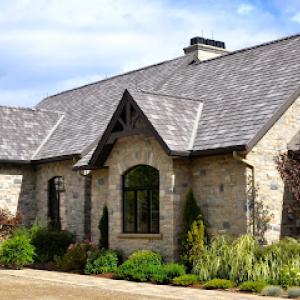
Paramount Exteriors
(605) 900-6818 www.paramountext.com
3702 S Westport Ave, Sioux Falls, South Dakota
5.0 from 136 reviews
Paramount Exteriors, locally owned and operated, specializing in storm damaged exterior home and business restoration. Call us at 605-900-6818 for a free, no-obligation inspection.
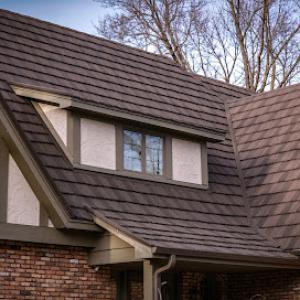
Woods Roofing
2103 N 4th Ave Suite B, Sioux Falls, South Dakota
5.0 from 77 reviews
Woods Roofing is construction company focused on residential exterior remodeling including roofing, siding, windows, insulation, gutters, seamless gutters and downspouts.

T2 Roofing
400 S Sycamore Ave Suite 103-2, Sioux Falls, South Dakota
5.0 from 44 reviews
Get Professional Roofing Services You Can Count On! Your roof is your home’s first line of defense against the elements. Ensuring you have a strong and durable roof goes a long way to keeping your loved ones safe. This is why you should always have a professional contractor to handle your roofing project. At T2 Roofing, we offer top-quality residential roofing in Sioux Falls to ensure you and your loved ones are well-protected. Whether you need a roof installation, roof repair, or roof inspection, we’ve got you covered— no job is too big or too small for us!
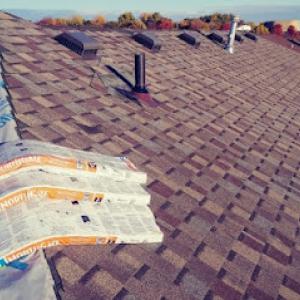
Clark Roofing & Construction
(605) 201-2327 roofingsiouxfalls.com
1700 N Paddington Trail, Sioux Falls, South Dakota
5.0 from 40 reviews
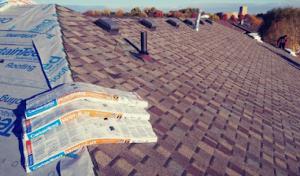
Clark Roofing & Construction, established in 2015 and nestled in Sioux Falls, South Dakota, provides trusted comprehensive home improvement services you can count on. With skilled roofing contractors, home inspectors, siding contractors, general contractors, roofing supply stores, and impeccable gutter cleaning services, their commitment to quality shines through. Their friendly team aims to make every project, big or small, a seamless experience. Visit Clark Roofing & Construction and let their expertise guide your next home improvement journey.

Sioux Falls Roofing Company
(605) 205-7947 www.roofinginsiouxfalls.com
Sioux Falls, South Dakota
4.9 from 65 reviews
Sioux Falls Roofing Company was created with the goal of providing South Dakota residents with the best roofing services possible. We specialize in all areas of roof installation and roof repair, working with a wide variety of materials to suit your needs. Whether you are needing a traditional asphalt shingle roof for your business or home, or an upgraded metal roof that will last for decades, we are your roofer of choice for Sioux Falls and the surrounding area. Our prices are fair and our customer service is second to none. Give us the opportunity to show you why we are the #1 roofing contractor in the area!
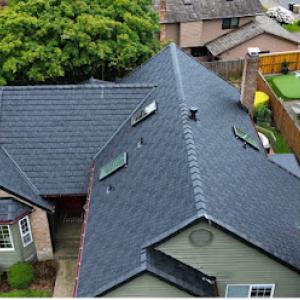
River City Roofing
(605) 863-2142 roofrivercity.com
1800 S Alpine Ave, Sioux Falls, South Dakota
4.7 from 62 reviews
River City Roofing is your trusted roofing contractor in Sioux Falls, South Dakota, offering top-notch residential and commercial roofing services. With years of experience, we specialize in roof repairs, replacements, and installations, ensuring durability and peace of mind for your home or business. Our skilled team is committed to delivering high-quality workmanship and exceptional customer service. Whether you need a new roof, routine maintenance, or emergency repairs, River City Roofing is here to protect your property with reliable and affordable solutions. Trust us for all your roofing needs in Sioux Falls and the surrounding areas.
Lightning Exteriors
(605) 305-5464 lightning-exteriors.com
1809 East 57th St N Suite 110, Sioux Falls, South Dakota
4.6 from 65 reviews
Lightning Exteriors is here to serve Southeastern South Dakota. We fix storm damage on your home or business' exterior, restoring it so you don't have to worry. We work with all insurance companies to make sure you are taken care of. Leave the roofing, siding and gutters to us, you won't be disappointed. Serving Tea, Sioux Falls, Vermillion.
E & C Roofing & Siding
(605) 679-6711 roofingcompanysiouxfallssd.com
Sioux Falls, South Dakota
5.0 from 14 reviews
E & C Roofing And Siding proudly provides expert roofing services in Sioux Falls, SD, delivering quality craftsmanship and dependable results since 2011. Our experienced team specializes in roof installation and roof repair, using top-grade materials and proven techniques to ensure long-lasting protection and curb appeal. Whether you need a new roof or repairs to restore your home’s integrity, we are committed to exceeding expectations on every project. Trust E & C Roofing And Siding for reliable service and lasting value.

Black Hills Exteriors
(605) 716-7663 www.bhexteriors.com
2223 W 12th St, Sioux Falls, South Dakota
5.0 from 9 reviews
Black Hills Exteriors is more than just a roofing company. We specialize in General Contracting Hail Claims and Maintenance-Free Exterior Remodels. We have in-house construction crews that also specialize in Siding, Seamless Gutters, Windows & Doors, Versetta Stone, Solar, Soffit & Fascia and more!
Providence Roofing & Restoration
(605) 766-3464 www.roofingbyprovidence.com
4020 W Tickman St #133, Sioux Falls, South Dakota
5.0 from 8 reviews
Dedicated to restoring trust in the process. Unlike most roofing companies that compete primarily on speed or price, Providence Roofing has built its reputation on precision, transparency, and ensuring long-term value. Their skilled team is located in Sioux Falls, South Dakota, and is committed to providing unparalleled service, ensuring your roof not only withstands the elements but also becomes a source of confidence and tranquility for you and your family.

McCoy Roofing Sioux Falls
(605) 705-6757 mccoyroofing.com
101 S Reid St Suite 307, Sioux Falls, South Dakota
4.5 from 27 reviews
McCoy Roofing, professional roofing contractors in Sioux Falls, SD sets the ultimate standard for roof replacement, or brand new construction. Our roofing company brings decades of experience as residential and commercial roofers. That means you get peace of mind knowing your project is in knowledgeable and capable hands. We’re here to fulfill all of your roofing needs.
Winter in this part of the Upper Midwest drives a relentless freeze-thaw cycle that becomes a core roof-life issue rather than a seasonal quirk. Each thaw followed by a hard freeze pushes moisture deeper into shingles, underlayment, and edges where it can expand into small splits and gap openings. That cycle accelerates wear on sealants and fasteners and can reveal hidden vulnerabilities in gutters, drip edges, and flashing. Plan for performance over appearance when the weather stays cold and volatile for months on end.
Shoulder-season freeze-thaw conditions can shorten underlayment life and expose weak flashing or ventilation details before a full replacement is expected. If a roof has aged underlayment or marginal flashing, the transition periods between winter and spring or fall and winter are when soft spots become obvious. Have a trusted roofer inspect for lifted granules at the hips and valleys, compromised ice barriers, and any signs that ventilation is failing to keep attic temperatures close to exterior conditions. Addressing these issues before a peak winter stretch helps prevent rapid deterioration once that first heavy snowfall arrives.
Snow, ice, and winter access limitations reduce safe work windows and can push non-emergency replacements into later seasons. In practice, that means scheduling flexibility matters more than in milder climates. If a storm washes out a planned replacement, the next available window may be several weeks away, which increases exposure to subsequent freeze-thaw cycles. When weather allows, plan for temporary protective measures such as snow guards, ice dams prevention steps, and secure temporary coverings over critical seams. Maintain clear pathways and roof access routes to minimize the risk of slips and falls for crews and occupants.
Start with a visual walkaround after a thaw, focusing on loose shingles, obvious gaps at flashing, and any staining or staining patterns inside the attic that indicate unseen leaks. Check attic insulation and ensure vents are not blocked by frost buildup or snow damming. If the roof shows signs of repeated ice dam development, it's a signal that you may need a more robust ice and water shield strategy and improved ventilation. When hail or wind damage is suspected, document with photos and timely notes to streamline any insurance discussions later, and keep a simple log of freeze-thaw events and observed attic temperatures to discuss with your contractor.
In this market, asphalt shingles dominate replacements after hail events because they fit the local re-roofing market and are widely used after hail-related insurance claims. The combination of fast availability, proven performance with ice and freeze cycles, and practical repairability makes them a practical default for many homes. Metal roofing is relevant for homeowners prioritizing wind resistance and long-term performance through snow, ice, and summer storms, though it comes at a higher local cost range and requires careful handling of roof contours and fastener details. Clay tile, concrete tile, slate, and copper are available in the Sioux Falls market but are less typical choices and require attention to structural load, specialized installation, and replacement logistics in a city where storm-driven asphalt re-roofing is far more common. These alternatives can offer distinctive aesthetics or longevity, but they demand early planning for weight, underlayment, and multi-trade coordination.
Hail likelihood and high-wind events shape the durability profile you should prioritize. Asphalt shingles have evolved to resist hail impact better than older generations, especially laminated varieties with heavier granule loads and stronger nailing patterns. When a storm record is recent, insurers often look for a roof that can demonstrate a robust warranty and proven impact resistance, which tends to favor asphalt in the long run. Metal roofs excel in wind-prone seasons with blowing debris and shifting temperatures, and they can shed snow more predictably in cold snaps. If a cape-style or two-story home demands a more substantial curb appeal, a standing-seam metal option can deliver both resilience and performance through Sioux Falls winters. However, consider the possible need for supplementary insulation and attic ventilation to mitigate ice dams, which can form along eave lines in cold stretches.
Structural load is a practical gatekeeper for less common materials. Clay tile and concrete tile bring significant weight that can necessitate structural reinforcement, hanger systems, and sometimes reroofing into the attic or walls. Slate and copper, while durable and distinctive, impose similar or greater load considerations and demand specialized crews with experience in local installations and replacement sequencing. In a market where hail-driven asphalt re-roofing is the norm, the logistics of sourcing tiles or copper, coordinating multi-trade workflows, and accommodating longer install timelines should be planned well in advance of replacement. Proper underlayment, wind-rated fasteners, and attic ventilation become essential components of a long-lived roof in this climate.
You should align material choice with performance goals tied to Sioux Falls' weather patterns. If speed, repairability, and cost-effectiveness are primary concerns, asphalt shingles provide a reliable baseline with strong insurance compatibility after hail events. If wind resistance and peak longevity are prioritized, metal offers compelling benefits, provided the installation accounts for snow and ice management. For homeowners drawn to premium aesthetics or specialized applications, clay, concrete, slate, or copper can be viable with a clear plan for load, access, and replacement logistics. In all cases, discuss with a local roofer who understands how to balance hail history, wind speeds, freeze-thaw cycles, and insurance interactions to land on a roof that repairs decisively after the next storm.
The most popular roofing material in the US. Find pros who install, repair, and replace asphalt shingles.
Clark Roofing & Construction
(605) 201-2327 roofingsiouxfalls.com
1700 N Paddington Trail, Sioux Falls, South Dakota
5.0 from 40 reviews
Roofing in Sioux Falls
(605) 864-4224 www.roofingsiouxfallssd.com
5000 S Minnesota Ave, Sioux Falls, South Dakota
5.0 from 39 reviews

Sioux Falls Roofing Company
(605) 205-7947 www.roofinginsiouxfalls.com
Sioux Falls, South Dakota
4.9 from 65 reviews
For a typical Sioux Falls roof, asphalt shingles run roughly from 350 to 550 USD per square, while metal roofs span about 450 to 900 USD per square. If choosing clay or concrete tile, expect roughly 700 to 1100 USD or 550 to 1000 USD per square, respectively. If durability and longevity matter most, slate can land around 850 to 1500 USD per square, and copper roofing pushes significantly higher, from 1700 to 3000 USD per square. These ranges reflect standard single-story and mid-sized homes common in the area, with the same weather stresses that regularly show up here.
Local pricing can rise after hail events when Sioux Falls sees storm-driven demand for crews, materials, and scheduling. When the calendar tightens after a hail hit, crews move quickly, and material suppliers juggle limited lots, which can push numbers upward for a few weeks to a couple of months. If a project snakes through bad weather windows, unexpectedly long staging times or overtime crews can nudge totals higher. In drought-free springs, prices tend to settle back toward baseline, but crowded periods after hail still leave the region with tighter options.
The final cost isn't just what's on the shingle line. Roof complexity, such as multiple roof angles, dormers, skylights, or complicated edge work, adds labor and waste considerations that lift the price per square. If existing flashing or ventilation issues surface during inspection or from damage probing, correcting those items can add to the total. In Sioux Falls, a job that looks straightforward on paper can become more involved once snow, ice, or freeze-thaw cycles reveal hidden vulnerabilities.
When budgeting, use the per-square ranges above as anchors, then add a cushion for potential complexity or weather-driven scheduling. Hail-season timing matters; plan for a window where crews and materials are more widely available, and be prepared for possible price shifts if the storm calendar is busy.
Get a clear picture of your project costs upfront - no commitment required.
T2 Roofing
400 S Sycamore Ave Suite 103-2, Sioux Falls, South Dakota
5.0 from 44 reviews

For a full roof replacement, a building permit is typically required in this city. If you skip this step or delay it, you risk fines, rework, and potential trouble when you file insurance claims later. The process happens through the City's digital portal, not an informal over-the-counter system. Plan to submit your project details online, then follow the portal's instructions for any attachments the inspector or permit staff request. Missing information can stall your project, especially during peak storm recovery periods when staffing is tight.
Using the digital portal means scheduling inspections in advance and receiving clear notes from the city about what to prepare for each milestone. Because the portal centralizes communication, you'll want to keep screenshots or confirmations of each appointment and any corrections requested by the inspector. Delays often arise from missing documentation or unclear scope changes, so confirm scope accuracy before each inspection day to avoid re-inspection fees or missed windows.
Local inspections typically occur at key milestones throughout the replacement. A mid-project check may verify ventilation and attic access, while a final inspection focuses on underlayment, ventilation, flashing, and overall installation compliance. Understanding these checkpoints helps you coordinate with your contractor and insurer, reducing the risk of having to redo work after a claim is filed. If your neighborhood has a homeowners association, be prepared for potential minor plan notes or a separate HOA review in addition to city requirements.
If plans or site conditions change-for example, attic venting adjustments after the first inspection-update the permit records promptly through the digital portal. Failing to do so can lead to noncompliance findings or the need for corrective work that disrupts timelines. Communicate openly with the contractor about inspection expectations and keep a dedicated folder of permit receipts, inspection confirmations, and any correspondence from the city. This preparation not only smooths the rebuild but also strengthens your documentation for insurance purposes after a hail or wind event.
In this climate, hail and wind events in the region can trigger insurance timelines that push decisions toward repair or replacement quickly after a storm. The timing of when the adjuster visits and the pace of claim processing can influence whether a homeowner proceeds with a quick patch or commits to a full replacement. Planning for the aftermath means anticipating a narrow window to document condition changes, gather receipts, and align with contractor schedules so that the claim stays on track rather than drifting into a delayed process.
Adjuster visits are common after a big storm, and having a clear before-and-after photo trail makes a meaningful difference. Start with dated photos of the roof edge, vents, and any visible hail marks or wind damage, plus close-ups of gutters and flashing. After the visit, add updated shots showing progress or newly discovered issues. Keep notes on the date of every correspondence with the insurer, including claims numbers and adjuster contact details. Insurers often want evidence of storm-related change, so a structured gallery of images can prevent back-and-forth delays.
Detailed project scopes matter in this market because claim processing can vary significantly by carrier even when the event is widespread. A scope that itemizes roofing, flashing, underlayment, vents, and any interior water intrusion provides a clear blueprint for what the claim should cover. This reduces the chance of partial approvals or unexpected gaps in coverage. Work with the contractor to translate field observations into measured line items, so the insurer can review a precise, auditable plan.
Different carriers may interpret the same storm differently, influencing whether you repair, patch, or replace. In practice, this means you should avoid assuming a single path will fit all scenarios. Prepare two practical options with similar timelines: a repair-centered approach for minor damage and a full-coverage replacement plan for widespread impact. Having these choices ready helps conversations with the adjuster stay productive and move toward a resolution that aligns with the actual condition and the home's long-term resilience.
Spring in Sioux Falls brings both high damage discovery and schedule disruption because hail and thunderstorms can interrupt active roofing work. Weather windows are short, and crews often have to pause for late-day storms, which pushes permit-ready timing and material deliveries. Start planning a few weeks earlier than the typical spring rush, and arrange a priority window with the chosen crew to minimize weather-induced delays. Have a clear plan for on-site material staging so a sudden downpour doesn't force a crawl-back delay. A reliable crew will schedule daily start times around the day's forecast and rotate tasks between inspection, sheathing, and shingle or panel installation to keep progress moving when wind or hail relief is uncertain.
Summer heat and wind in Sioux Falls affect installation pace and material handling, especially on larger tear-offs and steeper residential roofs. Heat can soften asphalt and glue-down underlayment, while gusts complicate lifting and securing large panels. For larger jobs, expect staged work, with higher crews for peak heat hours and lighter duty during the hottest part of the day. On steeper sections, traction aids and fall protection must stay in place, which means longer setup and teardown times. Communicate concrete milestones with the crew, but stay flexible enough to adjust daily aims if afternoon wind shifts or calms the schedule.
Winter conditions in Sioux Falls sharply limit replacement windows, so homeowners often need to decide quickly after fall inspections if they want work completed before snow and ice set in. Early fall inspection reports should be matched to a firm installation plan, with contingency dates in late fall for temporary weather holds. If a late-season window opens, lock in the contractor's crew and prioritize roof sections most vulnerable to leakage. When temps hover near freezing, discuss asphalt or metal options that cure or seal more reliably in cooler air, and confirm quick-dry sealants and fastened-down edge details to guard against early snowfall.
Repeated hail exposure can leave shingles curled, dented, or blown off, and the damage often hides under granules until a storm next season. In practice, impact can crack the protective coating on asphalt shingles, misalign or loosen flashing, and progressively widen small gaps around roof penetrations. Those weak spots may not scream for attention until a heavy rain reveals interior staining or dampness. The prudent homeowner checks for soft spots when walking the roof edge, and pays particular attention to edges of shingles, exposed fasteners, and any granule buildup in gutters. If hail has recently struck, plan for a thorough inspection of flashing around chimneys, vents, and valley areas, not just the shingles themselves.
That long freeze-thaw cycle is relentless on transitions and underlayment laps. You may notice small, intermittent leaks before they become obvious interior drips, especially where two roof planes meet or where the underlayment laps terminate at a valley or rake. The trouble often starts at the flashing transitions of vent stacks, skylights, and step flashing along sidewalls. In cold snaps, water can creep under marginal sealant and refreeze, widening gaps and undermining bonding. A careful homeowner looks for hairline cracks in sealant and any lift at flashing seams after freeze events, planning maintenance before spring rains.
Final inspections emphasize ventilation and flashing, turning performance details into compliance checkpoints. In practice, that means verifying attic venting balance, intact soffit intake, and properly sealed eave edges. When a roof is replaced, ensure the inspection focuses on a continuous ice and water shield in vulnerable areas, well-seated flashing at all penetrations, and clear, unobstructed ventilation pathways. Poor ventilation not only undermines comfort and durability but can trigger accelerated wear and hidden moisture issues that surface as interior leaks. Maintain a proactive mindset: treat flashing integrity and ventilation as ongoing, not incidental, priorities.
Find contractors experienced in skylight installation, flashing, and leak repairs to bring natural light into your home.
Top Notch Roofing
(605) 941-0260 topnotchroofingsd.com
604 N Kiwanis Ave, Sioux Falls, South Dakota
5.0 from 181 reviews
Roofing in Sioux Falls
(605) 864-4224 www.roofingsiouxfallssd.com
5000 S Minnesota Ave, Sioux Falls, South Dakota
5.0 from 39 reviews
The market signals urgency after hail and high winds, plus long freeze-thaw winters, so you want a crew that can respond quickly, handle re-roofing efficiently, and manage cleanup thoroughly. Ask for a specific response window after a storm and a concrete plan for debris removal, tarp placement if needed, and handling of attic moisture or fallen insulation. Verify that the crew has a local supply chain for underlayment, flashing, and fasteners so work can proceed without delays.
A notable share of contractors market storm-damage and insurance-claim help, so compare how each documents damage and communicates with adjusters. Request a written, itemized damage report with photos, timelines, and a clear scope of work. See who acts as the liaison for the claim, how changes are documented, and how add-ons are handled if hidden damage is found during tear-off. Favor teams that provide a dedicated point of contact who can relay notes to your adjuster without you acting as the middleman.
Because both residential and commercial roofing are active and many firms are long-established, homeowners can choose between broad-service companies and more storm-focused re-roofing crews. A broad-service firm may offer maintenance, gutters, and inspections year-round, while a storm-focused crew may move faster on large hail damage and grading for insurance timelines. For either path, confirm crew stability, a clear warranty, and a written schedule from tear-off to final clean-up that aligns with typical Sioux Falls weather cycles.
Expect a thorough on-site inspection that covers shingles, underlayment, fascia, and venting, plus an assessment of wind-driven debris and hail impact on interior ceilings. Request a communication plan that keeps you informed at key milestones, including post-install inspection and moisture testing. Ensure the contractor's team follows a consistent, documented process to prevent surprises during the claim and re-roofing sequence.
Cold winters pair with repeated freeze-thaw cycles and storm-prone warm seasons, creating a rhythm that compresses roof planning into narrow weather windows. In this climate, shingles and underlayment endure more cycles of expansion and contraction, which accelerates substrate wear and micro-cracking. The result is a roof that may appear serviceable in fair weather but carries hidden vulnerability to moisture intrusion after a hail event or a windy stretch.
The roofing conversation in this city is uniquely shaped by storm damage documentation and insurance timing. Hail and wind claims often trigger a sequence that dictates not only when a roof is replaced but how the roof is evaluated for damage at each stage. Homeowners should anticipate inspection milestones tied to claim progress, ensuring that underlayment and flashing are upgraded to maintain performance through future storms rather than just replacing visible shingles.
Materials age differently under freeze-thaw stress and hail impact. Asphalt shingles may resist initial impact but lose granule adhesion faster when repeatedly chilled and warmed. Metal roofs handle hail differently but can experience panel distortion or fastener corrosion if not properly sealed. Tile and slate offer longevity but require precise attic ventilation and seismic considerations in this region's wind cycles. The choice should factor in how well the roof system as a whole tolerates impact, moisture migration, and cold-season contraction.
Storm-resilience is not a one-off upgrade here; it's a continuous plan that aligns with insurance processes and seasonal weather. A roof that anticipates future hail events, wind loads, and deep freeze cycles tends to maintain performance longer and reduce the chance of cascading failures that would otherwise trigger repeated claims. This makes prudent detailing-especially around penetrations, valley work, and edge metal-an essential part of any replacement strategy.