
Last updated: Apr 19, 2026
Crossville sits on the Cumberland Plateau, giving it a cooler and often wetter roofing environment than many lower-elevation Tennessee markets. That combination means the roof endures more pronounced thermal cycling and more frequent moisture exposures. The weather pattern pushes most replacement work toward spring and fall, when temperatures are milder and precipitation is less likely to arrive as a surprise mid-project. Plan your install during these shoulder seasons to minimize heat stress on crews and to reduce the risk of weather delays. Early planning matters because a tight weather window can vanish quickly if a late freeze or heavy rain sweeps through.
Hot summers in this area speed up asphalt shingle aging when the system is already stressed by humidity and storms. Metal roofs respond differently, but temperature swings still affect sealants and underlayment compatibility. Cold winters bring freeze-thaw cycles that stress fasteners and cause minor movement in a roof deck. In practical terms, bench your replacement for a period when average daily temperatures stay within a comfortable range for both workers and materials, and when nighttime freezes are less probable. Moisture control becomes a daily concern-excess rain or high humidity can prolong drying times for sealants and coatings, and can complicate roof ventilation during and after the installation.
Before a tear-off begins, verify that the anticipated weather pattern in the coming days offers a stable window. If a storm front is forecast, delaying the start by 24 to 48 hours can save material from wind uplift and moisture ingress on the deck. For Roofs with older underlayment, allow extra drying time between cumulative rain events so adhesive-based products can seal properly. If a tear-off is necessary in late fall or early spring, consider a temporary weatherproof barrier to protect the interior while the crew completes the upper sections. The goal is to avoid a scenario where a single wet spell stalls the project and leaves the roof open to overnight freezing.
Warning signs that timing is critical include widespread cupping, curling, or granule loss on shingles that are already near the end of life. In these cases, aligning the schedule with a long, dry stretch becomes especially important. If the roof is showing early signs of failure, delaying a replacement through a rainy period can lead to more interior risk from leaks and more extensive deck damage once temperatures swing back. Conversely, a recent, clean tear-off with an expected short curing period benefits from a lean window: complete the job before the first heavy rain with enough margin for a final inspection and ventilation checks.
Ventilation plays a central role in how well a new system performs once installed. In a plateau environment, proper attic ventilation helps temper heat buildup in summer and reduce condensation in shoulder seasons. Ensure soffit and ridge vents are clear and functional before the replacement begins. Improper venting becomes a hidden cost in Crossville, where moisture and humidity can linger in the attic after a new roof goes down. A practical approach is to schedule an on-site ventilation check as part of the project timeline, so that adjustments can be made without delaying the rest of the installation.
Weather patterns in this region can shift quickly between late spring and early summer. Build a contingency into the schedule for an extra day or two to accommodate possible rain or residual heat that impedes drying or sealant setting. When the forecast shows a reliable stretch of dry days, commit to a firm start date and set milestones for deck protection, installation of underlayment, and shingle laydown. Keeping milestones visible helps avoid drift in the plan as seasonal precipitation shifts.
After a major weather event, Crossville homeowners quickly learn how tight the insurance process can become. Adjuster availability tends to shrink when storms roll through the Cumberland Plateau, leaving delays that can push roof decisions into the next season. In practice, a rapid start on documenting damage and initiating a claim buys precious time and prevents rushed repairs that fail to address underlying issues caused by wind, hail, and freeze-thaw cycles.
Insurers in this market expect thorough, date-stamped evidence. Gather before-and-after photos, timestamped weather reports, and a complete log of any leaks, missing shingles, or wind-driven debris. Detailed damage notes should include locations, measurements, and a clear narrative of when wear or impacts occurred. Packaged together, this documentation smooths the inspection process and reduces back-and-forth that can slow a claim.
Tightened hail-related policy terms exist in parts of Tennessee, and Crossville roofs can be especially vulnerable to wind-driven hail events that compromise shingles, underlayment, and vents. A claim can hinge on whether hail damage is deemed repairable or requires full replacement, which in turn affects speed and outcome. If a storm strikes, expect insurers to scrutinize granule loss, punctures, and potential deck damage more closely than in milder environments.
Act quickly to protect the roof from further damage. Cover holes with a tarp, document the quick fixes with time-stamped photos, and contact the insurer with clear indications of water intrusion or structural concerns. When calling in the claim, reference the storm date, the extent of wind or hail exposure, and any temporary repairs already completed. Prompt, transparent communication helps prevent disputes later in the evaluation process.
Engage a trusted local roofer early to assess damage and provide an objective second opinion. Request a detailed scope of damage and recommended mitigation steps that distinguish between repairs and replacements, particularly in cases involving hail or repeated freeze-thaw cycles. Maintain a steady record of all communications, appointments, and estimates. If terms appear ambiguous, seek guidance on what constitutes repair versus replacement to avoid unexpected delays.
Asphalt shingles are common in Crossville, and their familiar look makes upgrading feel straightforward for many plateau homes. The local heat, humidity, wind-driven rain, and winter temperature swings can accelerate granule loss, sealing problems, and flashing-related leaks. When you're evaluating asphalt, pay close attention to the granule adhesion after a few seasonal cycles and inspect the edges where high winds tend to peel shingles first. In practice, a well-sealed, properly vented attic helps keep moisture from migrating into the deck, which is especially important here where cool nights and warm days create more seasonal humidity shifts. If your roof faces strong afternoon sun, you'll want to confirm the shingles use a higher-quality asphalt core with a robust weather-resistant laminate-it pays off in this climate.
Metal roofing is especially relevant in Crossville because it handles heavy rain well and sheds leaf debris, a common challenge during fall leaf cycles. The metal's durability meets the plateau's wind exposure, yet the installation detail matters as much as the material itself. Exposed fasteners can become leakage paths if not sealed and flashed correctly, and panel movement from temperature swings requires careful fastening and, ideally, a well-designed clip system. Condensation control also matters in this climate; consider a breathable underlayment and, where appropriate, a condensation-vapor barrier to reduce interior moisture issues on cool nights. For homes with overhanging trees, the ability of metal to shed debris can reduce maintenance cycles, but you still need a plan to manage any debris that settles along ridge lines or valley gutters.
Clay tile, concrete tile, synthetic/composite shingles, and fiber cement options appear in the local material mix, but their weight, brittleness in freeze conditions, and installation complexity can be bigger concerns on plateau homes. Tile and fiber cement are heavier than asphalt, which means structural assessment is essential before choosing them. Freeze-thaw cycles can cause cracking or spalling if moisture penetrates the underlayment or joints, so the waterproofing detail and proper sealing of fasteners become critical. Synthetic or composite shingles offer some resilience with lighter weight and easier handling, yet you still need to evaluate their performance in the Plateau's humidity and temperature swings, especially along eaves and in shaded or wind-exposed sections. For any of these alternatives, ensure that the roof's substructure and attic ventilation are matched to the chosen system to minimize expansion stresses and moisture buildup.
Across all materials, the Plateaus' blend of elevation-driven weather and diverse home styles calls for a balanced approach: select a system with proven wind resistance, compatible underlayment, and detailed flashing around chimneys, joints, and vent stacks. Ventilation and moisture control aren't optional extras here; they are essential to extending any roof's life in this climate. If a roof has existing damage from freeze-thaw cycles, address structural and deck integrity first before re-roofing, so the new system isn't fighting ongoing moisture problems. In short, the best choice depends on weight tolerance, local weather exposure, and how you plan to manage debris and condensation year after year.

Jeff Woods Construction & Roofing
(931) 787-7715 jeffwoodsconstruction.com
123 Interchange Dr, Crossville, Tennessee
4.9 from 345 reviews
Established in 1997, Jeff Woods Construction has over 20+ years of general construction experience serving the Upper Cumberland area. We specialize in a variety of construction services including roofing, decking, screened in patios, and new construction. Over almost 30 years of business, and Jeff Woods Construction is still offering the same high-quality work to the community. With three generations in house, you are sure to get the family feel when you walk into the doors. Our goal is to love every single potential client, current customer, or past customer with the love Christ has shown us. Our team of experts go the extra mile to make sure your project is completed correctly. We hold all state and local licenses, and general liability.
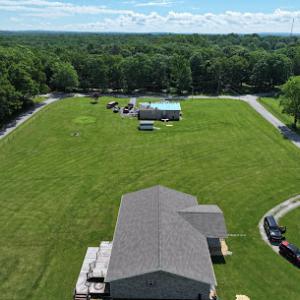
Three Brothers Roofing
(931) 287-1145 www.threebrothersroofingllc.com
104 East St, Crossville, Tennessee
5.0 from 34 reviews
Three Brothers Roofing, LLC has over 10 years experience and will provide you with high quality roofing material and professional installation. We are a GAF Certified Weather Stopper Roofing Contractor. We are licensed and insured. BBB Accredited Business. Financing Available. Claim specialist.
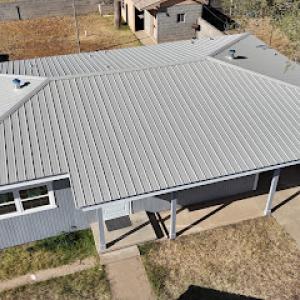
Excellent Exteriors
(931) 202-5802 excellentexteriorstn.com
Crossville, Tennessee
5.0 from 9 reviews
Excellent Exteriors, LLC can make any building stand out and provide a sturdy, weather-resistant roof. Serving Crossville, Tennessee and the surrounding counties since 2019, they specialize in residential and commercial metal roofing, prioritizing excellent service and unbeatable prices. Their professional team boasts more than two decades of experience, and they are dedicated to delivering top-notch workmanship. Contact them today for a free estimate - they guarantee you'll be glad you chose Excellent Exteriors!
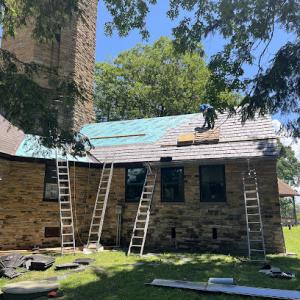
Turner Roofing
28 Kittyann Dr, Crossville, Tennessee
4.5 from 28 reviews
Providing top quality roofing and sheet metal services across east Tennessee since 1961.
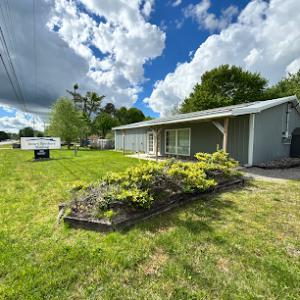
Henry Brothers Roofing & Siding
(931) 854-1027 www.henrybrothersroofing.com
19 Dillon St, Crossville, Tennessee
5.0 from 6 reviews
We are proud to announce our new location here in Crossville, TN as we've been serving the wonderful community of Cookeville for more than 20 years. We started as a family business and have bloomed into a company that's 35-people strong and growing. We are dedicated to providing you with the most professional roofing solutions for your needs. Upper Cumberland's #1 Roofing Company.
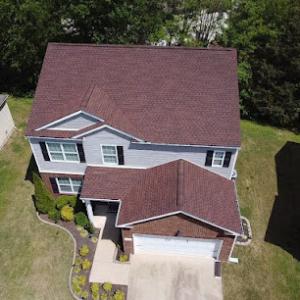
High Steep Roofing
(615) 450-6800 www.highsteeproofing.com
Serving
5.0 from 36 reviews
High Steep Roofing provides top-quality residential and commercial roofing solutions. Our team ensures excellence, integrity, and customer satisfaction in every project.
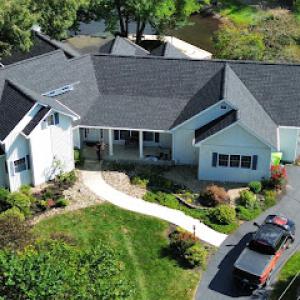
Graber Roofing & Gutters - Tennessee
www.graberroofingtennessee.com
Serving
5.0 from 119 reviews
We are a locally owned and operated company that you can trust with all of your needs. When a customer chooses us, they can be assured that they will receive fair pricing and timely service provided by an honest, dedicated and reliable crew, because our reputation depends on it. Our services include siding contracting, siding installation, and custom siding.
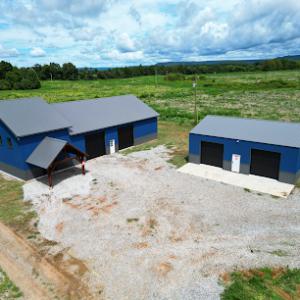
Bruck Contractors
(615) 378-8828 bruckcontractors.com
Serving
5.0 from 16 reviews
Bruck Contractors - Middle Tennessee's trusted team for high-end metal roofing, specializing in Standing Seam and Metal Shingles installed by our in-house crew. We also build pole barns, shops, and complete turnkey builds. TN GC#82768

Rocky Point Properties
Serving
5.0 from 1 review
Family owned and operated with 20 years of experience, based out of White County, TN, Sparta area. Licensed, insured and bonded. Serving the following counties: White, DeKalb, Van Buren, Putnam and Cumberland. Our team strives to provide excellent work, great customer service and to leave the clients home clean and tidy.
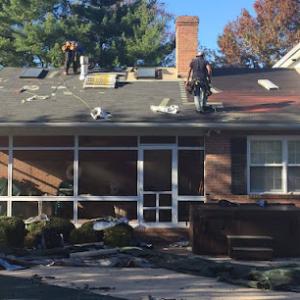
Tiger Roofing
(931) 316-4378 tiger-roofing.com
Serving
4.0 from 1 review
Providing quality roofing & siding in Tennessee for over 20 years, we use top-quality products and provide warranties on both products & workmanship. We have experience in all facets of home construction to be your one-stop shop for all your renovation needs. Contact us today.
A full re-roof in this area typically requires a permit through the county building department. The process ensures proper ventilation, underlayment, and flashing, which are crucial for handling the Cumberland Plateau's rain, wind, and freeze-thaw cycles. The permit application may be submitted by either the contractor or the homeowner, which affects who is responsible for scheduling and paperwork follow-through. If the contractor handles it, confirm exactly who will file, track, and post the permit on site. If you submit it, keep a copy available for inspector requests and for your records.
Before launching, have the project scope clearly defined: roof size, material type, attic ventilation plan, and any updates to underlayment or flashing. Gather standard items the county may request: proof of contractor licensing, a site address, and project timelines. In practice, this means coordinating with the chosen roofing crew so the permit mirrors the actual installation sequence. If your home has a vented attic or mixed roofing materials, be ready to show how vents, soffits, and ridge lines will be addressed in the plan.
If the contractor handles the permit, you should still confirm a written timeline for permit submission, expected approval, and any required corrections. If you act as the applicant, expect to complete forms, provide contact information for the crew, and respond promptly to any county requests. In Crossville, delays can occur during busy construction seasons, so build in a little extra lead time for approval before materials arrive on site.
A post-completion inspection is typically used to verify proper installation and ventilation. The inspector will check fastener pattern, underlayment, flashing at penetrations, and the ventilation system as installed. Be prepared for possible minor corrections requested on-site. Processing can take longer during peak construction periods, so plan the inspection window accordingly and coordinate with the contractor to ensure the site remains accessible for the inspector.
When budgeting a new roof, you'll notice Crossville keeps a tight range on material pricing that reflects the Cumberland Plateau climate. For asphalt shingles, expect about $350 to $700 per square. If metal is the choice, pricing sits roughly between $600 and $1200 per square. Clay tile commonly lands from $1000 to $2500 per square, while concrete tile tends to run $900 to $1800 per square. Synthetic or composite shingles typically fall in the $500 to $900 per square band, and fiber cement shingles sit around $650 to $1100 per square. Those bands are your starting point, and they hold steady enough to help you compare bids without chasing phantom "dealer discounts" that don't apply to your roof's actual size and pitch.
Crossville's weather pattern currently shapes every bid you'll receive. Costs in Crossville can rise during storm-driven demand spikes when Tennessee claims activity pulls crews and adjusters into the area. In other words, a hail event or sudden heavy rain cycle can pull labor away from typical jobs and push lead times up, with bids nudging higher to cover travel, insurance, and expedited scheduling. If your project lands during a front-loaded storm window, aim to lock costs with a contractor early, and expect a tighter calendar as crews juggle multiple urgent repairs.
Scheduling in Crossville's preferred spring and fall windows can affect pricing and lead times because those seasons align with the city's most workable installation conditions. Spring brings milder temperatures and workable humidity, while fall dodges the peak heat and the wettest days of late autumn. Securing a start date in either window typically yields better crew availability and steadier material supply, helping you avoid rushed decisions when storm damage appears late in the season. If you have flexibility, align your plan with these stable periods to minimize overspend on expedited shipping or overtime labor.
Begin with a realistic attic and rafters assessment so you know your roof's true square count and pitch. Get two or three written bids that itemize material type, underlayment, flashing, drip edge, and disposal. Do not overlook ventilation, as plateau weather makes proper airflow a long-term saver. If a bid includes upgrades for wind resistance or impact-rated shingles, weigh the long-term savings against the upfront cost, especially given Crossville's exposure to gusty days and freeze-thaw cycles. Keep expectations grounded in the local price bands and consider scheduling preference as a lever to keep the project within a predictable budget.
Seasonal winds in fall can throw unexpected challenges onto a Crossville roof. Leaf debris rushes into valleys, rakes along the fascia, and collects in gutters, making post-project cleanup more labor-intensive than you might expect. If debris sits in a valley or blocks a scupper, water can back up during a heavy rain, risking algae growth and moisture retention under shingles or metal panels. Plan for a thorough cleanup after any major job, and target a few extra debris-removal passes in October and November when gusts pick up.
Leaf litter isn't just unsightly; it can trap moisture on roof surfaces for longer than you'd think. In cooler months, moisture lingering in the valleys can freeze and thaw, accelerating wear at flashing joints and near eaves. After a storm, inspect for pine needles, maple leaves, and other locally common fall greenery that tends to accumulate around hips and ridges. A clogged drain or blocked gutter can turn a routine inspection into a chase for hidden moisture problems, so prioritize clear, direct drainage paths before winter.
Crossville experiences rain spread across cooler seasons, which amplifies the importance of solid drainage details. Debris can mask subtle sagging or micro-cracks along valleys, making early signs of trouble easy to miss during inspections after storms. During routine checks, look for wet spots or dark staining where moisture lingers after rain, especially near joints and around roof-to-wall transitions. Implement a proactive debris-removal habit: keep gutters clear, trim nearby overhanging branches, and schedule targeted cleanouts after peak leaf-fall periods to preserve drainage performance and extend roof life.