
Last updated: Apr 19, 2026
In this neck of the north Georgia ridge-and-valley, spring storms arrive with little warning and bring hail that can hammer roofs in a single afternoon. The moment hail pummels a roof, you can see the shape of risk shift-from cosmetic bruising to compromised shingles and fast-tracking leaks. The humidity that follows pins moisture in decking and attic spaces, so what looks like a minor bruise can bloom into a leak within days. This is not a slow burn; in Dalton, a storm can push a roof from borderline to urgent repair status almost overnight.
The local climate is hot, muggy, and relentlessly humid in peak season. Warm-season humidity keeps wood and synthetic underlayers damp, which weakens sealant bonds and increases the likelihood of blistering, underlayment rot, or attic condensation that drips where you least expect it. A single warm-downpour after a hail event can saturate decking that already carries micro-damage, making leaks appear faster and more widespread than the visible surface damage would imply. When you see damp attic insulation or musty smells after a sunny lull following a storm, treat it as a warning sign that moisture has gained access and is spreading behind the scenes.
Scheduling in this area is commonly disrupted twice after a damaging storm. First comes the storm event itself, which can trap homeowners, crews, and materials under volatile weather windows. Then comes a second wave of delays tied to lingering weather conditions-residents juggling high heat, pop-up showers, and a backlog of roofers trying to secure materials and inspection slots. In practice, any re-roof project in Dalton can stall from the initial hail hit to the final inspection, as weather keeps crews from safely working and delivery trucks from arriving on reliable timelines. Treat the timeline as two distinct gates: the immediate storm response, and the subsequent window for repairs once calm conditions resume.
When you experience hail or a strong storm, your first move is a rapid damage assessment inside the limits of safety. Look for shingles that are cracked, missing, or displaced, and check for lifted edges along eaves and ridges. Inside, inspect ceilings and upper walls near exterior walls for fresh signs of water intrusion-dark spots, bubbling paint, or damp insulation in the attic. Time is of the essence: moisture that sits in decking and attic spaces begins to compromise structural integrity faster in warmer months, so an urgent professional evaluation is warranted even if the surface damage seems minor. If you do notice leaks, document the evidence with dated photos and notes while the area is still dry, because quick documentation helps guide a fast response once crews can access the roof.
Coordinate a no-delay inspection with a reputable local roofer who understands the Dalton climate and the typical storm path. Ask for a same-day or next-day assessment after the storm, especially if you've seen leaks or active dripping. Request a tactile check of the attic space, not just surface shingles, since hidden moisture accelerates damage in humidity-heavy conditions. If a contractor identifies compromised decking or underlayment, anticipate a phased approach: temporary water mitigation to protect interiors, followed by a scheduled re-roof when weather windows reopen. Communicate clearly about your preferred priorities-safety, minimizing interior damage, and expediting material readiness-so the crew can align their logistics with your home's exposure. Finally, keep a running log of each storm event, including dates, hail size if known, and visible roof changes, since this record becomes a practical guide during the urgent weeks that follow.
Each spring, treat hail advisories as a trigger to pre-schedule a roof health check, even before visible damage appears. Those checks should include a careful attic inspection, a close look at flashings around chimneys and vents, and an assessment of ventilation to prevent moisture buildup in the decking. In Dalton, storms tend to arrive with short windows that test both your roof's resilience and your response speed. Stay ready to act quickly, because the window between initial damage and noticeable leaks is narrower here than in drier locales.
In the local market, hail and wind are the claim drivers insurers focus on most when evaluating roof losses. The climate's humid summers combined with frequent spring and early summer storms mean damage can arrive in waves, with wind-blown granules and hail impact marking the roof surface long before it's visibly obvious from the ground. Understanding that pattern helps you position the claim so the adjuster sees the full scope, not just what shows up after a quick walkaround.
Carriers commonly ask Dalton-area homeowners for roof age, prior repair history, and photo documentation before approving full replacement versus spot repair. This means your documentation should tell a clear story: when the roof was installed, what repairs have happened in the past, and how the roof looked before the latest storm sequence. Gather age records from the original contractor or HOA files if available, and keep receipts for any past patchwork, even if it seems minor. Photo documentation should cover the roof from multiple angles and include close-ups of damaged shingles, granule loss, and any visible flashing or vent issues. Keep these images organized by date so they align with storm events.
Storm-driven damage can evolve, so the timing of the claim matters. After a significant hail or high-wind event, the first inspection should occur within days if possible. Early documentation helps establish a baseline and captures wind-driven effects, lifted shingles, and granule fallout before staining or debris cleanup masks the evidence. If a storm sequence stretches across several days, document each phase separately and note the date, time, and weather conditions. The goal is to present a continuous, dated record that mirrors the sequence of events insurers expect when evaluating whether a full replacement or an intermittent repair is warranted.
Adjusters in this region often compare their findings against contractor photo sets and estimates. That means the work product from a trusted local contractor can influence the claim outcome. To avoid mismatches, ensure that contractor photos show representative areas: shingles at all slopes, edge flashings, valleys, chimney and vent boots, and any signs of prior repairs. When possible, align the contractor's written notes and timestamps with the insurer's inspection report. Date-stamped storm documentation from the first inspection onward supports the narrative the adjuster is building about the roof's condition over time.
Keep a storm-specific folder for every storm event: the date, a brief description of the weather, and a quick before-and-after snapshot set. If multiple storms occur in a short window, separate the documentation by event but link them with a running timeline. When communicating with the insurer, reference the age, prior repairs, and the storm timeline in a concise, factual manner, and attach the contractor's photo set that corresponds to the dates of inspection. If disagreements arise, request a second opinion or a joint inspection with a trusted contractor to ensure the documentation aligns with the visible damage and the roof's service life. In this market, clear, date-stamped documentation from the first inspection onward helps decisions move smoothly toward the appropriate restoration path.
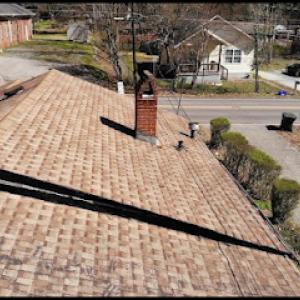
Roof Defender
(706) 934-4111 www.roofdefenderllc.com
1000 Arizona Dr, Dalton, Georgia
5.0 from 51 reviews
At Roof Defender, we understand that your home or business is more than just a building-it's a vital part of your life. That's why we're committed to providing top-quality roofing services across North Georgia, including Calhoun, Ooltewah, Rossville, Ringgold, Dalton, Ellijay, Ft. Oglethorpe, and Chatsworth. Our services include residential roofing, roof installations, roof repairs, gutters and storm damage repair.
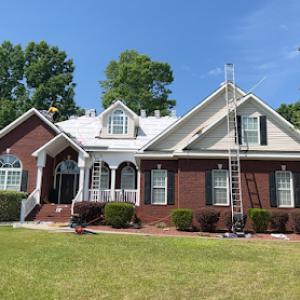
Aultman Roofing
(706) 529-8136 www.aultmanroofing.com
205 E Emery St, Dalton, Georgia
4.8 from 91 reviews
With nearly four decades of expertise, Aultman Roofing is the trusted choice for roofing and exterior restoration in Dalton and Northwest Georgia. We specialize in comprehensive services including insurance-covered roof replacements, storm damage evaluations, siding installations, and proactive roof maintenance programs. As a GAF Master Elite-certified contractor, we provide exceptional craftsmanship and offer premium roofing systems with industry-leading warranties. We pride ourselves on quick, clear communication and assisting homeowners through every step of the insurance claims process, from the initial inspection to a flawless project completion.
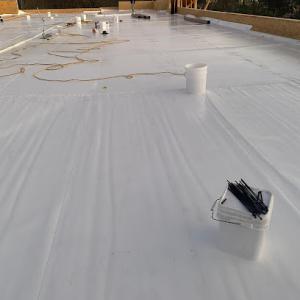
Ob&C Roofing
195 Tracy Way, Dalton, Georgia
5.0 from 33 reviews
We are a roofing service specialized on flat roofing, for example; TPO roofing, EPDM, Sheetmetal, Modified, Repair, Replace & Clean Gutters, Shingles, Soffit Metal, Leaks, Siding and more services.
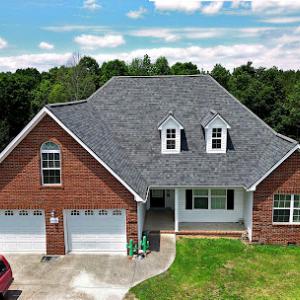
Celta Roofing & Restoration
(706) 980-2235 celtaroofingrestoration.com
504 N Glenwood Ave, Dalton, Georgia
5.0 from 32 reviews
Protect your largest investment with our reliable roofing services. We are a locally owned and operated roofing company currently serving Dalton, GA and surrounding communities. If you want to make your roof last as long as possible, it is vital that you never put off a roof repair. Small issues with roofing become big issues in a hurry. No matter how major or minor the repair you need, we are here to help. We offer roofing contracting, roofing inspection, and metal roofing.
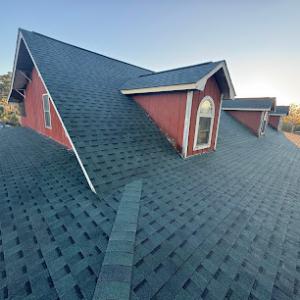
Perez Roofing Restoration
(706) 217-8963 perezroofingrestorationllc.com
400 Fields Ave, Dalton, Georgia
5.0 from 20 reviews
Looking for a reliable roofing repair company in Dalton GA? Perez Roofing Restoration is your go-to specialist for all your roofing needs. From framing and siding to metal and asphalt roof repairs we have the expertise to handle both commercial and reside

Keith Burnette Enterprises
978 Good Hope Rd NE, Dalton, Georgia
5.0 from 1 review
Quality roofing services for all of your needs. We specialize in TPO and low slope roofs.

Almazan Roofing & Exterior Solutions
Serving
4.8 from 13 reviews
Almazan Roofing & Exterior Solutions provides residential and commercial roofing, masonry, decks, siding, pole barns, and gutters to the Dalton, GA area.

The Best Roofing Company Georgia
(706) 508-8134 thebestroofingco.com
Serving
5.0 from 23 reviews
The Best Roofing Company Georgia is your trusted roofing contractor serving Chatsworth, GA and surrounding areas. We specialize in roof installation, roof replacement, and roof repairs for both residential and commercial properties. Whether you're dealing with storm damage or upgrading an aging roof, our experienced team delivers reliable, high-quality solutions that last. From detailed inspections to expert craftsmanship, we take pride in protecting your home or business with strong, dependable roofing. As a locally owned and operated company, customer satisfaction and safety are always our top priorities. Choose The Best Roofing Company Georgia for roofing done right the first time.

Scenic City Skylights & Exteriors
(423) 424-9160 www.sceniccityskylights.com
Serving
4.9 from 30 reviews
Scenic City Skylights & Exteriors provides professional skylight installations, window and door installations to the greater Chattanooga area.
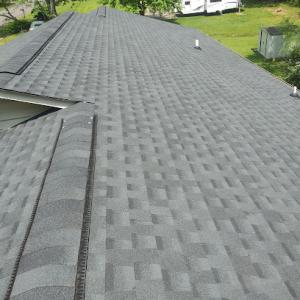
R&Z Roofing Installations
(423) 400-5372 rzroofinstallationsllc.com
Serving
5.0 from 11 reviews
We serve the NW Georgia and Chattanooga area, free inspections and free estimates, best prices in the area.
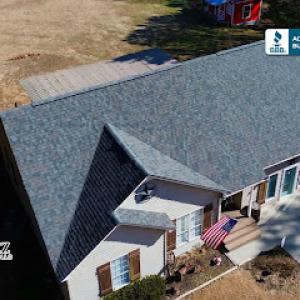
Rodriguez Roofing Solutions
(404) 317-5501 rodriguezroofingsolutionsllc.com
Serving
5.0 from 88 reviews
Rodriguez Roofing Solutions, with 15 years of experience, proudly serves North GA. We specialize in a range of roofing services from asphalt shingles to metal roofs. At Rodriguez Roofing Solutions, we go above and beyond to deliver top-quality expertise to our customers. Contact us today to schedule a free, no-obligation roof inspection or estimate. Call now for exceptional roofing services in North GA!
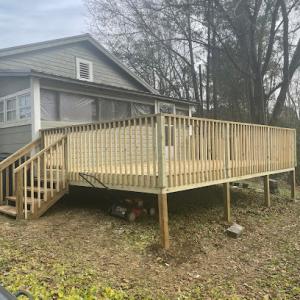
All Roofing & Remodeling
(423) 413-0438 www.allroofingchattanooga.com
Serving
4.7 from 16 reviews
Established in 2003, All Roofing & Remodeling offers a comprehensive approach to Chattanooga's roofing and remodeling needs. Our experienced staff tackles projects from roof repair to deck construction, ensuring quality craftsmanship throughout.
Asphalt shingles dominate replacements in this area because they fit the common residential roof forms you'll see across the neighborhood and they offer the lowest entry cost in a market where storm replacements are frequent. In practical terms, that means you'll get a reliable, familiar look that blends with most standard rooflines-from low-slope garages to steep, gable-front homes. When hail or a fast-moving storm rolls through, these shingles are typically easier to repair or replace without triggering structural concerns or dramatic weight increases. If your aim is to balance a reasonable initial investment with robust, everyday performance, asphalt shingles remain the go-to in Dalton. The key is selecting a shingle with good wind resistance ratings and a warranty that covers storm-related wear, so a hitter from a thunderstorm doesn't translate into repeated service calls.
Metal roofing is a strong option for shedding the heavy thunderstorm rain you see in this climate. The metal surface itself tends to shed water quickly and can resist impacts better than standard three-tab shingles when installed correctly. The practical advantage is a roof that dries faster after a storm, which helps reduce interior moisture risks during long Georgia wet spells. The critical factor is installation quality-particularly around flashing, seam treatment, and fasteners. Wind-driven rain can lurk behind flashing gaps or poorly sealed penetrations, so ensuring a thorough, weather-aware installation matters as much as the material choice itself. When done right, metal can offer a long service life with dependable performance against seasonal storms common to this part of the state.
Clay and concrete tile appear less often in this area, partly because north Georgia storm impacts and structural load considerations make them a more specialized choice. These tiles deliver a distinct look and excellent durability in certain roof geometries, but they come with heavier weight and specific substructure requirements. If a local contractor recommends tile, expect discussions about roof framing capacity, underlayment compatibility, and potential retrofit needs to handle wind uplift and hail exposure. In many Dalton homes, the practical path remains asphalt or metal, unless the structure and aesthetics align with tile's advantages. For homes with unique rooflines or a desire for a Mediterranean or Mission-inspired profile, tile can still be a compelling option when paired with a design that accommodates its weight and fastening needs.
In the humid north Georgia climate, choosing a roof type isn't just about the material itself. Consider how each option handles wind-driven rain, hail, and rapid temperature swings after storms. Look for roofing systems with robust wind warranties specific to your street and neighborhood, and verify compatibility with your attic ventilation and overall drainage strategy. In cases where a roof already has a history of leaks or storm-related damage, rethinking the underlayment and sealant approach-alongside the chosen material-can make a meaningful difference in resilience during Dalton's storm seasons.
The hot, humid summers in this area push asphalt shingles to work harder than in milder climates. You'll notice granule loss accelerating after a few long summers, and seal-strips can start to show stress earlier too. That aging shows up faster on roofs installed or repaired during the peak heat window, and it can leave the surface looking dull or patched long before a true failure. If you're evaluating a roof in the middle of July or August, expect to see more pronounced wear in sun-exposed sections, especially on roofs with southern or western exposure. In practice, this means timing roof work to avoid the harshest heat, and choosing shingle profiles and granule blends with better UV resilience can pay off in the years that follow.
High summer heat can affect shingle adhesive behavior during installation, making timing and crew handling more important than in milder spring and fall windows. In Dalton's heat, shingles may have reduced adhesive tack at the edge times you'd typically rely on for a quick, tidy seal. If a crew is rushing through a mid-summer install, or if components are left exposed during a long afternoon, you risk laps or lifts that won't hold up under summer storm gusts. Workable days for installation become a balance: you want enough daylight and cooler hours to let adhesives set, but you also need to account for humidity that can compound adhesion challenges. A careful, measured approach-avoiding peak heat for critical laps and ensuring proper nail placement and shingle alignment-helps prevent long-term adhesive failures that mimic wind damage after the first big storm.
Humidity in Dalton raises the stakes on attic ventilation because inspectors commonly verify ventilation details during re-roof work. If ventilation is undersized or poorly configured, you invite higher attic temperatures and increased moisture buildup under the deck, which can accelerate deck rot and affect roof performance from the inside out. Expect to see more meticulous checks of intake and exhaust balance, soffit clearance, and ridge venting during re-roof projects. A well-ventilated attic not only moderates heat transfer to shingles but also reduces the risk of moisture-driven issues that might otherwise masquerade as surface wear in a quick inspection.
Plan around the hottest stretches of summer for any shingle work, and coordinate with a crew that understands Dalton's heat profile and its impact on installation timing. If a roof is already aged, schedule urgent maintenance for cooler morning hours when possible to minimize adhesive-related re-sealing needs. For attic spaces, ensure your contractor confirms that ventilation calculations meet common-sense comfort and moisture control benchmarks, because a properly vented attic is a quiet defender against the harsher climates that peak here.
A full re-roof in Dalton typically requires a building permit handled through either the City of Dalton or Whitfield County Building Department depending on where the home is located. Because a Dalton mailing address can sit in either jurisdiction, the contractor usually pulls the permit. This matters in practice because the permit office you deal with depends on property location, not the mailing label on the mailbox. Start by confirming the exact address on the permit application so the correct agency is engaged from day one.
Before work begins, verify whether the residence falls within city limits or county boundaries. The zoning map or a quick call to the building department can settle the question. If the home straddles a line or sits in a rural gap, expect a county process for the re-roof. The contractor will typically handle this step, but you should ask for the permit number and the issuing department to keep your project traceable.
Expect the standard stack: a completed permit application, proof of contractor licensing, and proof of insurance. In some cases, the city or county will also want structural details for the new roof system, including confirmatory notes on underlayment, ventilation, and fasteners. With Dalton's humid climate and mixed roofing stock, inspectors frequently want a clear plan showing wind-resistance compliance and roof-ventilation strategy. Have manufacturer installation guides on hand for the chosen material to demonstrate adherence to both local wind provisions and product-specific requirements.
Inspectors commonly check underlayment, flashing, ventilation, and wind-resistance compliance. If weather or material delays interrupt the job, a re-inspection is common, so be prepared for at least one follow-up visit. Your contractor should coordinate inspection windows so that weather windows don't trigger unnecessary re-inspection fees or delays. Track the inspection dates and keep access clear for the inspector, especially when decks, attics, or crawl spaces must be opened for evaluation.
Asphalt shingles sit in the mid-range, with typical Dalton pricing running about 350 to 650 USD per square. Metal roofing moves higher, generally 700 to 1100 per square. Clay tile stretches from 900 to 1500 per square, while concrete tile runs 600 to 1100. Wood shingles or shakes usually fall between 700 and 1200 per square, and synthetic or composite shingles occupy roughly 450 to 900 per square. These ranges reflect the comfort zone for most north Georgia homes with standard slope and traditional layouts.
During spring storm clusters, Dalton costs can rise as crews book out and material deliveries tighten across the region. When those clusters hit, you'll see longer lead times and higher labor availability pressure, which can push the bottom line upward. If a replacement is triggered by wind-driven or hail damage, expect a ripple effect: a tighter scheduling window, potential overtime, and a tighter window for material orders. Planning ahead after a severe storm helps keep the project on track and minimizes price swings.
Inspection callbacks after weather delays are not unusual in this area, especially on steeper roofs common to many traditional north Georgia homes. Those callbacks, plus the steeper roof sections themselves, can edge totals upward beyond the base material price. If older decking or underlayment needs replacement, that adds another layer of cost. In summary, the base material price is a solid starting point, but weather-driven scheduling and roof geometry commonly tilt final numbers upward in this market.
Dryer, milder spring and fall periods are usually the best installation windows, offering better working conditions than peak summer heat. These seasons bring fewer heat-related delays and reduce the risk of fast-drying sealants or shingles that can be damaged by intense sun. If you can target a stretch when daytime highs hover in the comfortable range and nights stay cool, you'll typically experience smoother scheduling and fewer weather-induced surprises. In practice, aim for mid-spring or early fall when rain showers are less frequent and crews can keep a steady pace without lingering storms.
Summer in this area can slow crews and complicate shingle handling because of heat and humidity, even when rain is not the main issue. Asphalt and synthetic shingles become bulkier to manage in the heat, and roof decks can feel dangerously hot underfoot. If a summer replacement is unavoidable, plan for early-start days, shaded staging areas, and hydration breaks, and prepare for occasional mid-day pauses. Extended heat can also shift material delivery times and may require more frequent dust and debris control, so building in buffer time is wise.
Autumn rain, wind, and shorter daylight can compress schedules in this region, so homeowners planning elective replacement should not wait for late-season contractor backlogs. Windy fronts can push debris and complicate teardown, while reduced daylight curtails work hours, especially for crews finishing up after a long heatwave season. If autumn installation is on the calendar, consider prioritizing early-to-mid autumn dates when the weather tends to be steadier and daylight is still ample for a quality, thorough job.
Storm-driven damage responses often align with weather pockets rather than strict calendar dates. After a damaging event, aiming for the next available dry window rather than waiting for perfect conditions can minimize exposure to further deterioration. If choosing between a tight autumn schedule and a spacious spring window, the latter usually yields steadier progress and fewer weather-induced hiccups. Plan around typical local patterns, and coordinate with your chosen contractor to secure a solid block of favorable days.
After spring storm activity, wind-driven shingle lifting and hail bruising are recurring failure patterns you'll see in the local roofs. The humid north Georgia climate loads up the attic with moisture and heat, then storms slam through with gusts that can peel edges or pop tabs from asphalt shingles and leave small bruise marks visible only from up close. When hail comes through, the damage can look minor at first but undermine the shingle granules and underlayment soon after, accelerating leakage paths during the next heavy rain. The best defense is a careful post-storm inspection that targets edge lift, exposed nails, and any granular loss along the eaves, vents, and corners where wind tends to hit hardest.
Flashing details are a high-risk area because local inspections emphasize them and north Georgia thunderstorms can drive water into weak transitions quickly. Areas around chimneys, vents, skylights, and along transitions between roof planes are where caulk and metal flashing can fail under repeated moisture cycling. If flashing has rust, loose fasteners, or gaps, wind pressure can force water under the membrane, especially where shingles meet vertical surfaces. Pay particular attention to step and counter-flashing at walls and penetrations after storms, and replace compromised pieces before a leak becomes visible on ceilings and walls.
Paused jobs awaiting weather clearance or deliveries can create exposure points in Dalton if underlayment and dry-in work are not handled correctly before the next storm cycle. If the roof is not fully dried in, or the underlayment is left exposed to rain, the next system can push moisture into the attic quickly, compromising insulation and increasing the risk of rot and mold. Ensure that any temporary coverings are secure and that drip edges and flashing are protected during weather delays to avoid back-to-back damage when the skies finally clear.
Dalton experiences hot, humid summers with frequent thunderstorms rolling through from spring into early autumn. Roofs take repeated wind gusts and hail during peak storm windows, so the timing of damage matters for claims and repairs. Because rapid weather changes can stress underlayment and vent seals, the best strategy is proactive inspection after each major thunderstorm and before the next round arrives.
Ventilation matters more in this climate than in some regions, since high humidity and heat accelerate moisture buildup in attic spaces. A well-ventilated roof helps dry quickly after storms, reducing the risk of mold and wood rot that can be worsened by fast humidity swings after hail strikes or wind-driven rain. Check ridge vents, soffit intake, and attic fans, ensuring they work without creating gaps that invite wind-driven leaks.
Material decisions are shaped by how a roof handles repeated thunderstorm seasons rather than rare winter events. Asphalt shingles or metal respond well to wind-driven rain if installed with secure fastenings and proper edge details. Clay or concrete tiles offer durability but require careful attic ventilation and a solid deck to resist hail shatter. Wood shakes need maintenance to prevent splitting from rapid sun exposure and hail impact. Synthetic shingles balance impact resistance with lighter weight for older structures.
In a storm-heavy year, fast documentation helps preserve claim options. Take photos of hail damage, shingle bruising, and any lifted edges as soon as it's safe. Keep a repair log and note the dates of storms and any issues found during routine inspections. Quick communication with the insurer after a major event can smooth the path to repairs and replacement. This approach saves time, avoids leaks, and reduces disruption.