
Last updated: Apr 19, 2026
Spring hailstorms and heavy rainfall in this foothill corridor can deliver sudden shingle bruising, lifted tabs, and flashing leaks that march from one block to the next. A roof that looks fine from the ground can be hiding a cascade of micro-damages that worsen after a few rainy days. In the Smokies-adjacent climate, rapid weather shifts-wet cold mornings followed by hot, sunlit afternoons-drive hidden wear and accelerated deterioration. If you hear ice or hail battering the attic room, or if attic condensation spikes after a storm, treat it as an urgent warning: a compromised roof leaks quietly until a heavy rain proves otherwise.
The city sits in Blount County's foothill corridor, where fast-changing mountain-influenced weather creates localized roof damage that varies block by block. Two nearby neighbors can experience very different roof conditions after the same storm. Inspect with a flashlight along every edge, valley, and vent boot; pay special attention to brittle shingles, lifted tabs, and weathered flashing. If a single shingle shows bruising or curling, document it with photos from multiple angles and timestamps. Collect evidence not only of visible damage but also of any granule loss in gutters or downspouts. This granular approach matters because insurers often correlate damage to specific storm events and timing, not generic wear.
In this Tennessee insurance environment, carriers often want dated photos, recent storm timelines, prior claim history, and roofer documentation before approving weather-related replacement. Gather a clear sequence: first, a dated, professional assessment noting the current condition; second, contemporaneous photos showing hail impact patterns, lifted tabs, and flashing issues; third, a short timeline of when storms occurred and when damage was first noticed. If possible, obtain a written note from a licensed roofer stating that damage is consistent with a recent storm and may merit replacement consideration. Keep a record of conversations with the insurer, including the adjuster's name, contact method, and the date of any inspections. This documentation reduces back-and-forth and speeds a responsive claim decision.
Act fast to prevent further interior damage. Clear debris from gutters to prevent water backflow, but avoid disturbing suspected roof damage during a storm's immediate aftermath. Schedule a professional roof inspection within 48 to 72 hours of clear skies if safe access is possible. Insist the contractor provides a storm-dated report, local weather references for the claim timeline, and a clear statement about whether replacement or repair is indicated. When submitting to the insurer, attach the dated report, the storm timeline, the prior claim history (if any), and the contractor's documentation. Prepare for possible scheduling backlogs by aligning a repair plan that prioritizes obvious leaks and a temporary leak mitigation strategy, such as tarping or temporary flashing where feasible, to prevent interior damage while awaiting formal approval.
Find local contractors experienced in assessing and restoring roofs after hail, wind, and severe weather events.
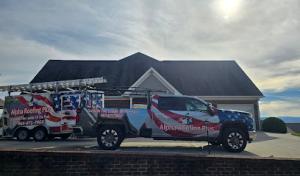
Alpha Roofing Plus
(865) 344-4452 alpharoofingtennessee.com
2844 6 Mile Rd, Maryville, Tennessee
5.0 from 97 reviews
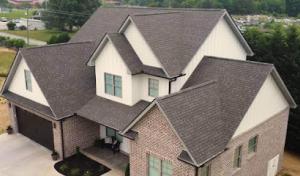
K & L Roofing
(865) 724-4477 www.klroofing.org
2710 Mayflower Dr Suite 1, Maryville, Tennessee
5.0 from 133 reviews
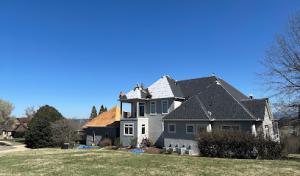
McClain Roofing & Construction
(865) 414-3613 www.mcclainroofs.com
Maryville, Tennessee
5.0 from 37 reviews
Alpha Roofing Plus
(865) 344-4452 alpharoofingtennessee.com
2844 6 Mile Rd, Maryville, Tennessee
5.0 from 97 reviews
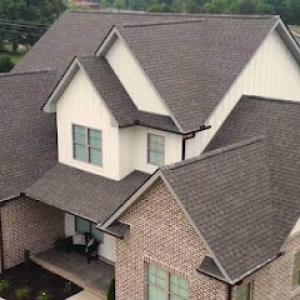
Experience high-quality, affordable roofing services Maryville, TN. At Alpha Roofing, our team is dedicated to providing dependable roofing solutions tailored to your home’s specific needs. In addition to expert roof repairs and installations, we offer thorough roof cleaning, professional leaf guard installation, and deck repair services to help protect and enhance your property. If you're looking for trusted roofing contractors in Maryville, TN or a reliable home improvement company nearby, Alpha Roofing delivers exceptional craftsmanship and service you can count on. Our experienced roofing contractors handle everything from new roof installations and storm damage repairs to complete gutter cleaning and installation near you.
K & L Roofing
(865) 724-4477 www.klroofing.org
2710 Mayflower Dr Suite 1, Maryville, Tennessee
5.0 from 133 reviews
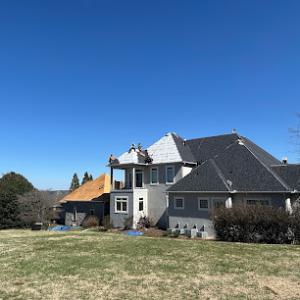
K&L Roofing has been serving our neighbors throughout the East Tennessee area for more than 16 years. We specialize in all phases of the roofing process. We pride ourselves in being a “one-stop contractor” in the roofing industry.
McClain Roofing & Construction
(865) 414-3613 www.mcclainroofs.com
Maryville, Tennessee
5.0 from 37 reviews
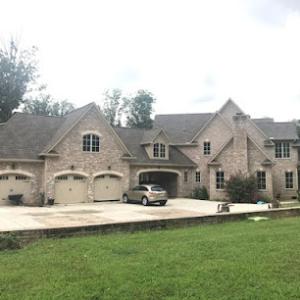
McClain Roofing & Construction is dedicated to providing top-notch roofing services that not only protects your investment but also ensures the safety of your loved ones. With our expertise and commitment to excellence, we aim to give you peace of mind that your home is in good hands. Call us for a free estimate!
Valley Vista Construction
(865) 963-7003 www.valleyvistaconstruction.com
2109 Montvale Rd, Maryville, Tennessee
4.9 from 28 reviews
Valley Vista Construction, Inc., is a local, family owned and operated company that services the Blount, Sevier, Loudon, Knox and Monroe areas. We can handle your roofing, siding and gutter/gutter guard needs at affordable prices for residential and small commercial projects. We offer all types of roofing, including asphalt shingle, metal, and single ply. We are proud to have received GAF's highest accreditation as a Master Elite™ Contractor. Because of GAF’s stringent standards, only the top 2% of all roofing contractors have qualified as Master Elite™ Contractor.

RC Roofing
(865) 336-2374 www.rcroofingllc.com
1121 E Broadway Ave, Maryville, Tennessee
4.8 from 33 reviews
RC Roofing, LLC has the top residential and commercial roofing contractors in Knoxville, TN and the surrounding areas. We provide a wide range of roofing services including asphalt and traditional steep-sloped roofing services, custom metal roofing services, ceramic tile, and more. Our experienced team services nearly everyone in Tennessee, so you can feel confident knowing you have quality roofers to help you wherever you are. Work with a company that puts your happiness and craftsmanship first by working with our professional team.
All Dry Roofing
(865) 233-5888 alldryroofinginc.com
2544 E Broadway Ave, Maryville, Tennessee
4.6 from 57 reviews
All Dry Roofing is a roofing contractor in Maryville, Tennessee, that has been serving the community since 2003. They specialize in both commercial and residential roofing, and offer a wide range of roofing materials to choose from, including PVC, shingles, metal, modified, and TPO. They also provide services in repairing and replacing gutters, siding, soffit, insulation, and windows. All Dry Roofing is committed to providing their customers with high-quality roofing services at an affordable price.
Heartland Roofing
(865) 323-5933 www.weheartroofing.com
118 S Maple St, Maryville, Tennessee
4.6 from 48 reviews
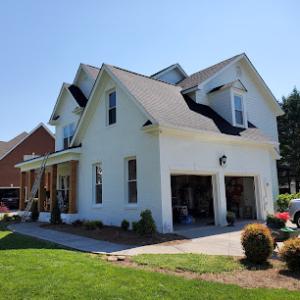
Roofing, siding, and gutter. Repairs or complete replacement. Excellent at finding and repairing roof leaks. No job too big or small. We take pride in customer satisfaction!
Rylex Roofing
(865) 964-8379 rylexroofing.com
Maryville, Tennessee
5.0 from 3 reviews
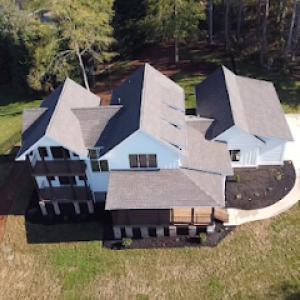
As specialists in residential roofing services, we are dedicated to providing customer service that is second to none. With over 25 years of experience, trust us with your new roof.
Jim White Builders
(865) 388-8252 www.jimwhiteroofing.com
3761 Mary Frances Dr, Maryville, Tennessee
5.0 from 3 reviews
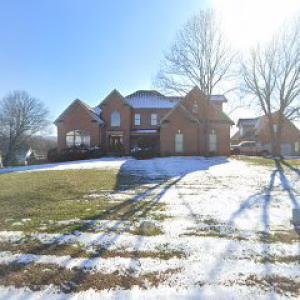
Jim White Builders provides residential asphalt and metal roof installation, repair, and gutter installation services to Blount and Knox counties in Tennessee.
TN Commercial Roofing
Legends Way, Maryville, Tennessee
5.0 from 1 review
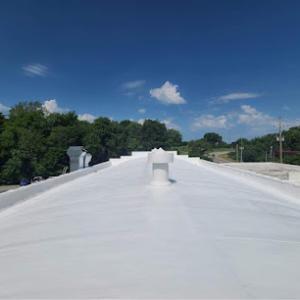
TN Commercial Roofing, specializing in Roof Restoration. Metal Roof Restoration, Spray Polyurethane Foam, Single-Ply Restoration. 90% of all leaks occur at seams around penetrations. TN Commercial Roofing provides a completely seamless membrane that eliminates leaks. If your roof has ponding water, out-dated or failing seams…call us!

HRC Herring Roofing & Construction - Quality & Affordable Roof Construction Service
Maryville, Tennessee
5.0 from 1 review
HRC Herring Roofing and Construction provides reliable roofing services in Maryville, TN and the surrounding areas. Don't hesitate to contact us now!
Roof Maxx of West Knoxville
(865) 418-7663 www.theroofrejuvenators.com
Serving
5.0 from 40 reviews
The Roof Rejuvenators are a locally owned Roof Maxx dealership in West Knoxville. Homeowners now have options when it comes to their roofs. We offer roof rejuvenation and roof cleaning to help homeowners extend the life of their roof and get it looking great! We love helping our customers get the most life out of the roof they currently have and saving them money in the process! We now offer full roof replacements as well as roof rejuvenation! Whatever your roof needs we are here to help!!
In this part of Blount County, typical local pricing ranges run about $350-$700 per square for asphalt shingles, $700-$1200 for metal, $900-$1800 for clay tile, $900-$1700 for concrete tile, $400-$850 for synthetic/composite, and $1200-$3500 for slate. Those figures are a practical baseline when you're budgeting after a storm or planning a replacement. Because Maryville sits near the foothills and faces spring hail, those numbers can drift up quickly if a large regional storm event hits and demand spikes across the Knoxville area as well as Blount County. Expect a tighter window on scheduling and a few premium charges for faster turnaround or storm-damage contingencies.
Storms in spring and the ensuing heavy rains can push reroof demand higher for a few weeks or months. When a neighborhood feels the same weather pulse, contractors don't have the luxury of sticking to the dry-season price sheet. In practical terms, that means the quote you get after a hail event may be noticeably higher than the baseline ranges. If your chosen contractor is juggling multiple storm-damaged jobs, you may also see short-term pricing adjustments tied to material shortages or overtime labor. Plan for a modest bump in costs and a longer lead time if you're selecting premium materials or adding features that weren't in the original plan.
East Tennessee neighborhoods tend to feature steeper residential rooflines, and that simple geometry translates into more labor time per square and increased equipment needs. If a roofer flags ventilation corrections or an underlayment upgrade during inspection, those items can materially change final pricing. Ventilation improvements help with moisture control in hot, humid springs and can reduce ice-dam risk in winter. Underlayment upgrades-especially on steeper pitches or older homes-improve wind resistance and help with long-term waterproofing. Expect these enhancements to show up as line-item add-ons on the invoice, not as optional extras, especially after a storm-damaged roof is opened up for assessment.
asphalt shingles stay the most cost-conscious option, but even here, regional storm demand can push the price toward the higher end of that $350-$700 range. Metal roofing, though pricier upfront at $700-$1200 per square, often pays back with longer service life in harsh spring weather and better wind resistance. Clay and concrete tiles bring curb appeal and durability, but their weight and installation complexity raise both labor and structural considerations; plan for the $900-$1800 and $900-$1700 ranges, respectively. Synthetic/composite offers a middle path with $400-$850 per square, while slate sits at the high end ($1200-$3500) and tends to be selected for long-term performance and aging beauty rather than budget projects.
Begin with a clear scope: confirm shingle type, underlayment, ventilation improvements, and any repair work beyond the damaged surface. Gather at least three written estimates and ask each contractor to itemize labor, materials, and any surge fees tied to high-demand periods. If a storm hit, ask for a temporary protective measure plan and a phased follow-up for full replacement, so you're not paying a premium for expedited service that isn't truly needed. Finally, document storm damage with photographs and a dated log, so your insurance conversation and contractor estimates align when time to file claims.
Get a clear picture of your project costs upfront - no commitment required.
McClain Roofing & Construction
(865) 414-3613 www.mcclainroofs.com
Maryville, Tennessee
5.0 from 37 reviews

Asphalt shingles dominate the local rooftops because they fit the mainstream residential stock found across the foothills surrounding the Great Smoky Mountains. The lower entry cost and familiar installation methods make storm-prone replacement cycles more predictable for homeowners facing spring hail and heavy rain. In Maryville's humid valley climate, asphalt blends well with typical attic ventilation setups and common roof pitches. When selecting asphalt, focus on a shingle with good tear resistance and algae resistance, as humid conditions can encourage staining on lighter colors. A standard overhang and proper ventilation help extend life through hot summers and freeze-thaw cycles, reducing the risk of early aging after wet springs.
Metal roofing holds strong local relevance because it handles heavy rain runoff efficiently, a frequent feature of spring weather and quick storm bursts. For homeowners seeking a longer service life under East Tennessee humidity, metal offers resistance to wind uplift and hail better than many traditional options. In Maryville, metal sheets or shingles that use protective coatings-such as aluminum or steel with dimensional coatings-perform well under repeated freeze-thaw cycles. The reflective properties of lighter metal colors can reduce attic heat gain, which helps regulate indoor moisture levels and reduces the risk of condensation-related issues in the attic. If choosing metal, verify panel seams and fastener seals are designed to resist moisture intrusion and that the system is compatible with the home's existing venting plan.
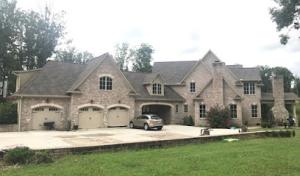
Tile and slate are available locally, offering distinctive curb appeal that suits older or higher-end homes in the valley. They require careful attention to structural load, since both materials are heavy and can stress roof framing if the structure wasn't designed for them. In Maryville's winter pattern, freeze-thaw exposure becomes a concern: water that wicks into cracks can expand and cause spalling or cracking, especially with softer clay tiles. Installer skill matters greatly here; choose contractors with proven experience in handling tile or slate on moderately pitched roofs and with knowledge of proper underlayment and ice-dam strategies. For homes with adequate framing and a design that accommodates heavier roofing, tile or slate can deliver excellent longevity and a distinctive finish, but the installation must account for potential weight and seasonal stress.
Synthetic or composite shingles bring versatility, offering a lighter footprint than natural tile or slate while delivering solid performance in humid, storm-prone climates. They can mimic the appearance of more premium materials while improving impact resistance and installation speed. In Maryville's spring thundershowers, synthetic options often provide favorable wind uplift ratings and good hail resistance, making them a sensible mid-range choice for homeowners who want dependable performance without the heavier load. When evaluating synthetics, check warranty terms for UV stability and hail impact, as well as compatibility with existing ventilation and underlayment systems to maintain moisture control during rainy seasons.
Across all materials, proper attic ventilation remains a critical component of performance in this foothill area. Adequate intake and exhaust venting helps manage humidity and reduces the risk of condensation and mold growth in the attic, especially after heavy rains. Also, ensure flashing around chimneys, vents, and skylights is robust enough to stand up to freeze-thaw cycles and the high precipitation typical of spring. For any material selected, insisting on experienced local installers who understand Maryville's climate nuances will help protect the roof through many seasons.
Explore specialists in steel, aluminum, and standing seam metal roofs built to last 50 years or more.
Alpha Roofing Plus
(865) 344-4452 alpharoofingtennessee.com
2844 6 Mile Rd, Maryville, Tennessee
5.0 from 97 reviews
McClain Roofing & Construction
(865) 414-3613 www.mcclainroofs.com
Maryville, Tennessee
5.0 from 37 reviews
Valley Vista Construction
(865) 963-7003 www.valleyvistaconstruction.com
2109 Montvale Rd, Maryville, Tennessee
4.9 from 28 reviews
In this area, a full roof replacement generally requires a permit through the City of Maryville Building Department, while properties outside city jurisdiction typically go through Blount County. The distinction matters because it determines which office handles review, required forms, and inspection scheduling. If the project sits right near the city-county line, confirm jurisdiction early to avoid delays or misfiled paperwork. The difference is not just administrative; it can affect inspection windows and the pace of progress on a storm-damaged roof.
Roofing crews typically submit review materials to the respective authority and then coordinate a sequence of inspections. Expect the process to verify ventilation adequacy, underlayment type and placement, and installation quality, both during the build and after the job is complete. Crews use the inspections to confirm that the attic and roof deck are properly ventilated to handle the humid valley heat and freeze-thaw cycles common in this area. The review package should clearly show attic vents, soffit intake, ridge ventilation, and drip edge details, along with fastener patterns and shingle or panel alignment. Timely submittals and complete documentation help prevent re-inspection delays.
Turnaround can vary with department workload, so expect some fluctuation in response times. The timing is driven by when the permit is issued, when the contractor schedules inspections, and how quickly any corrections are addressed. If a storm-related backlog exists after heavy spring rains, plan for possible rescheduling and keep lines of communication open with both the office and the roofing crew. A practical approach is to have the crew request the inspection slots as soon as the crew reaches a major milestone-ventilation installation, underlayment installation, and final roof sheathing or shingle application. This helps align weather windows with the inspection calendar and minimizes downtime.
For homes near the line, confirm jurisdiction in writing before starting material ordering or tear-off work. If a project straddles boundaries, request a determination letter from the appropriate department and keep it handy during the job. Document all storm-related damage and keep dated records and photos to supply with permit filings and insurance conversations. Ask the permit reviewer if temporary protections (tarps, secure edges) are acceptable while awaiting inspections, especially after spring storms that can bring sudden weather changes.
Humidity and heat in the foothills press through attic spaces and along rooflines. When the summer is hot and humid, granule loss on asphalt shingles can speed up, leaving the mat underneath exposed to the sun and weather. Attic heat buildup becomes more than a nuisance: it accelerates aging of any sheathing, underlayment, or sealants that aren't well-ventilated. In Maryville, this means roofs with limited intake and exhaust vents can deteriorate faster, especially on southern slopes or roofs with tight soffits. The result is a higher likelihood of moisture migration into attic spaces and rafters, which can quietly undermine the roof's long-term integrity.
Winters here bring regular freeze-thaw cycles that stress materials beyond their normal wear. In a foothill climate, the drama comes from small cracks in sealants, exposed fasteners, and aging shingles that become brittle as temperatures swing. When water penetrates microcracks and then freezes, it expands, widening gaps and loosening fasteners. Over a season, this can create subtle leaks and wind-driven shingle movement that compounds in spring storms or sudden cold snaps. The result is a roof system that looks fine from the ground but has hidden vulnerabilities that can fail when storms roll through or when quick temperature changes occur.
Spring and fall are often the most practical windows for replacement work, avoiding the brutal heat of summer and the harsh disruption of winter weather. In Maryville's climate, choosing these milder seasons helps projects stay on schedule and reduces the risk of workmanship setbacks due to heat, rain, or freezing nights. If a roof shows signs of accelerated aging from humidity, heat buildup, or freeze-thaw stress, planning ahead during a calmer shoulder season gives you better control over materials, ventilation adjustments, and resealing strategies.
Ensure attic ventilation is balanced: enough intake and exhaust to move hot air out without creating a vented hot attic that feeds moisture into the roof lines. Inspect sealants and exposed fasteners for cracking or lift, especially on areas that take direct sun or endure heavy rain. After hail or heavy spring rain, do a careful roof and attic check for signs of moisture intrusion, such as dark stains, musty smells, or damp insulation. These targeted checks help catch early trouble before it becomes a leak or structural issue when the next storm hits.
Wind-driven rain in seasonal storms often exposes weaknesses first at flashing transitions, pipe boots, valleys, and chimney intersections on older roofs. In homes with aging sealants or corroded metal, a fast spring or a hard wind can push water right into the seal around joints. You may notice damp spots widening along a ceiling line after a heavy storm, or you could see stray granules washing down gutters where shingles meet a valley. The key is to treat any moisture intrusion as a warning flag rather than a one-off inconvenience. Check flashing after storms and look for lifted edges, missing caulk, or rusted metal that can act like a straw in a leaky tire.
Autumn wind events can lift recently loosened shingles and reveal fastening or decking issues that were hidden during calmer months. If edges curl, nails sit proud of the surface, or you hear a distinct flapping when the wind shifts, those are not just cosmetic problems. They point to boards vibrating loose under load, fasteners that have lost bite, or decking that has started to sag. These failures don't just leak; they accelerate wear on underlayment and create a path for moisture to travel, especially where satellite dishes, vent stacks, or skylights intersect the roof plane.
Older roofs can face insurance pressure in a weather-claim environment, so small recurring leaks often become replacement decisions sooner than homeowners expect. A couple of slow drips or damp rafters year after year can weaken attic insulation and promote mold growth, even if the surface looks superficially intact. On older structures, accumulative damage from hail, freeze-thaw cycles, and sustained humidity can stack the deck against a long-term fix. Stay vigilant after spring storms and keep a focused eye on any new or widening leaks, particularly around penetrations and transitions.
Find contractors experienced in skylight installation, flashing, and leak repairs to bring natural light into your home.
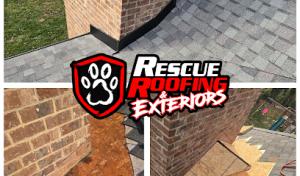
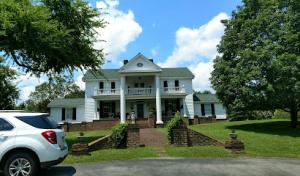

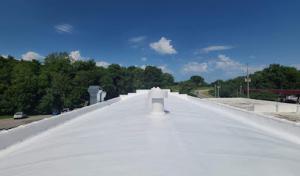
While most homes use pitched roofing, low-slope sections commonly appear on additions, porches, and some mixed-use or commercial properties. In this climate, those lower-pitch areas are more exposed to the heavier spring downpours and the freeze-thaw cycles that roll through the Valley. The combination of a humid summer and sudden storm bursts can stress drainage and any existing membrane or flashing around these tie-ins.
Heavy spring rain makes drainage details and membrane condition especially important on these lower-pitch sections in East Tennessee. Check that the gutter lines and downspouts along the addition discharge away from the wall and into a safe drain path. Look for signs of standing water after a shower, which signals either slope issues or clogged drainage. Inspect the membrane at the roof edge where it meets the wall for signs of edge lifting, punctures, or seam separation that could let moisture creep into the substrate.
Homeowners replacing only the main pitched roof can miss leak sources where low-slope tie-ins meet walls or steeper roof planes. Pay special attention to flashing along the wall line where the low-slope section meets the main roof. Ensure the transition is sealed with a continuous, properly bonded membrane and that any fasteners are sealed and corrosion-resistant. If a low-slope section sits under a porch or deck, inspect the deck-to-roof interface for potential water pathways that bypass primary drainage.
Establish a seasonal inspection plan that targets the low-slope portions after heavy rains and after any hail events. Look for edge degradation, blistering, or soft spots in the membrane. Replace any worn flashing early and keep an eye on fastener clips around the perimeter. Regular maintenance helps prevent moisture intrusion where the lower pitch meets steeper roof planes.
Find specialists in TPO, EPDM, and built-up flat roofing systems for residential and commercial properties.
Valley Vista Construction
(865) 963-7003 www.valleyvistaconstruction.com
2109 Montvale Rd, Maryville, Tennessee
4.9 from 28 reviews
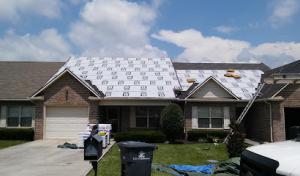
Tennessee insurers commonly scrutinize older roofs after severe weather, and homeowners in this area may be asked for certifications or recent condition documentation. When spring hail or heavy rain hits, that documentation becomes part of the claim conversation, and the insurer may want to see how age and prior wear factor into the damage. A quick, targeted report can keep the process from stalling.
Coverage decisions and premiums can shift after hail or wind events, especially when the roof already had age-related wear before the storm. In practice, a roof that shows fresh impact marks alongside long-standing curling shingles or soft spots tends to invite closer scrutiny. That means what looks like storm damage to one eye may actually be treated as preexisting wear in another, unless clearly documented.
A licensed roofer's inspection photos and written findings are especially useful locally when separating storm damage from long-term deterioration. Make sure photos are dated, show close-ups of hail impact, and include attic or vent footage if moisture is evident. A concise written summary that ties observed damage to a storm event-versus random aging-often matters in the claim review.
If a storm passes through with hail or heavy wind, arrange a prompt, professional assessment before filing. Keep all receipts for temporary protective measures and note any changes in attic warmth or condensation after rain. Clear, organized records that pair pictures with the roofer's notes help support a fair evaluation when insurance looks back on the roof's history and the recent weather.