
Last updated: Apr 19, 2026
Spring in Rutherford County brings a sharp uptick in hail and gusty winds that slam across neighborhoods and leave perceived and unseen damage in their wake. Murfreesboro homeowners often discover shingles cracked, granules littering gutters, and in severe cases, entire sections of the roof compromised. The few minutes a storm spends on your roof can turn into days of leakage, interior damage, and rushed decisions if not addressed quickly. The most persistent risk is sudden roof failure during a storm surge or when repeated hail pummels the surface, pushing anxious homeowners toward rapid replacements or emergency repairs. That risk compounds when several homes on the block are damaged, creating a crowded market where speed and accuracy matter more than ever.
The local contractor market clusters tightly around storm damage, insurance claims, and emergency repair. This means that after a big hail or wind event, response times can make or break the financial and structural outcome of a repair. A fast, organized approach minimizes further interior damage and helps preserve roof lifespan. When a storm is fresh, the priority is to secure the home against rain intrusion and further debris intrusion, then to begin the claims process with clarity. Quick stabilization-covering downed chimneys, loose fascia, or torn shingles with temporary tarps or boards-buys critical time before full replacement decisions are made. In Murfreesboro, where homes range from traditional asphalt or metal to older clay or concrete tile, the urgency to address compromised underlayment and flashing cannot be overstated. The goal is a coordinated sequence: protect the interior, document damage, initiate a claim, and mobilize a trusted local crew to assess and execute.
Insurance documentation matters here because carriers commonly want before-and-after photos, roof specifications, and adjuster review in this storm-active Middle Tennessee market. Prepare a precise photo log that shows the roof forehead, gutters, and interior evidence of leakage. Take wide-angle street shots to anchor your property in context, then close-ups of damaged shingles, flashing, and any dented vents. Record the date and time of the storm, the path of damage you observe, and any interior air or water intrusion. Include roof dimensions where possible and note any previous repairs or odd decking conditions, since adjusters frequently factor in existing wear. Have a trusted, local contractor accompany you on the claim walk-through when the adjuster arrives; their expertise helps ensure that red flags-like damaged underlayment or compromised ventilation-are properly documented and valued in the settlement. In a tight Murfreesboro market, clear, organized submissions speed up approvals and reduce back-and-forth with the insurer.
Locally, storm-damage specialists understand the material realities of Murfreesboro homes: asphalt, metal, tile, and composite options common to the area, as well as the seasonal vulnerability of underlayment and ventilation systems. When engaging a contractor, verify they are experienced with fast-response repairs and storm documentation. Ask for a written scope that prioritizes immediate shingle or panel stabilization, water protection, and then a full assessment for replacement only when the claim is ready to fund a complete fix. Communication should be concrete: established timelines, a clear sequence of steps, and a contingency plan for interim protection if rain returns. A reputable local team will coordinate directly with the insurer, supply the necessary before-and-after photos, and ensure that the final installation respects the home's venting and underlayment needs, which are frequently the focal point of a mid-Season replacement in this climate.
Post-storm inspections in Murfreesboro pay close attention to underlayment integrity, flashing continuity, and roof ventilation. Hail can crush underlayers that aren't visible from ground level, and wind can force moisture behind cracked flashing, accelerating hidden damage. The inspection should verify that underlayment still provides a watertight barrier, flashing correctly seals penetrations around chimneys and vent pipes, and ventilation is adequate to prevent attic heat buildup and condensation. If a full replacement is triggered, ensure the replacement strategy aligns with the surrounding roof type and the home's overall ventilation plan, as mismatches here are common sources of long-term problems. The immediate takeaway is decisive action: document aggressively, secure the property, and move quickly through the claim and repair process so the roof delivers reliable protection for the next spring storm cycle.
Roof Repair Expert
(615) 265-1413 roofrepairsexpert.com
925 S Church St STE B200-3, Murfreesboro, Tennessee
5.0 from 337 reviews
We are a locally owned and operated roofing company serving the Middle Tennessee area providing roof repair services in the Murfreesboro, Nashville, Smyrna, Lavergne, Woodbury, Shelbyville, and Christiana. We specialize in roof repair, roofing, shingle repair, metal roof repair, flat roof repairs, leaky roof repairs, storm damage repair, hail damage repair, wind damage repair, tree damage repair, ceiling damage repair, patching roofs and more! Missing shingles, storm or wind damage we can get your roof repaired in these emergency roof situations. If your roof requires more extensive work like replacement we can get you to the right roofing company for the job.
Stones River Roofing
(615) 200-7753 stonesriverroofing.com
2615 Medical Center Pkwy Suite 1560 #230, Murfreesboro, Tennessee
5.0 from 248 reviews
Stones River Roofing is a Roofing Contractor that specializes storm damage restoration and re-roofing. We also do gutters, siding, and exteriors. Servicing all of Middle Tennessee, Stones River Roofing is here to stay and stand behind their work, long after the storm chasers are gone. Stones River Roofing strives for the highest quality roofing while educating the homeowner on roofing systems and the insurance process.
TriStar Roofing & Exteriors
(615) 410-9888 tristarroofingtn.com
1120 W College St, Murfreesboro, Tennessee
5.0 from 156 reviews
TriStar is your one stop shop for roof replacement, repair, and storm damage consultation. We provide free evaluations and estimates while coordinating with all insurance carriers. Here, our roofing experts have extensive experience and a proven track record for handling all roofing projects. TriStar Roofing & Exteriors is fully licensed, bonded, and insured to tackle any size project. Please give us a call for your free, no obligation inspection and estimate today!
Quality Exteriors
(615) 551-0799 qualityexteriors.com
9068 Franklin Rd, Murfreesboro, Tennessee
4.9 from 469 reviews
Quality Exteriors in Murfreesboro, TN provides dependable roof replacement and roofing services tailored to local needs. Homeowners in Middle Tennessee often face storm damage, heat-related wear, and aging shingles, and our team delivers reliable replacements designed for long-term protection. We handle full roof installs, inspections, and repairs with attention to local weather challenges. As trusted roofing contractors, our experienced and professional roofers ensure every project is completed with care and expertise.
USA Roofing Contractors Murfreesboro
(615) 556-6598 usaroofingmurfreesboro.com
105 4th Ave #304, Murfreesboro, Tennessee
5.0 from 134 reviews
USA Roofing is a trusted American owned roofing contractor serving Murfreesboro Smyrna and all of Rutherford County specializing in roof replacement roof repair leak detection and storm damage inspections. We provide free roof replacement quotes and clear estimates with quality shingle installation clean workmanship and fast turnaround. Homeowners count on us for honest pricing dependable service and long lasting results across Rutherford County Tennessee.
Grace Roofing Group
(615) 927-0703 www.graceroofinggroup.com
5507 Shelton Blvd, Murfreesboro, Tennessee
5.0 from 79 reviews
Grace Roofing Group stands out as an exceptional roofing company renowned for its commitment to excellence in replacing and repairing residential roofs. With meticulous attention to detail and a dedication to quality craftsmanship, we take pride in ensuring each project is completed to the highest standards. Our reputation for reliability and professionalism makes them a top choice for homeowners seeking trustworthy roofing services.
SOCO Roofing & Restoration
(615) 410-9299 southernroofexperts.com
316 W Lytle St #201, Murfreesboro, Tennessee
5.0 from 106 reviews
SoCo Roofing & Restoration is a licensed and insured roofing company providing high-quality shingle, metal and standing seam metal roof installations, roof repairs, and emergency storm damage tarping and repairs to Middle Tennessee homes & businesses. We employ a proactive approach to diagnose and address roofing issues before they escalate. Our emergency responce team is prepared to act quickly following storm damage, offering immediate tarping services to protect your property from further harm and performing thorough assessments to plan effective repairs or replacements.
Dowell Roofing
(615) 584-3265 dowellroofingtn.com
107 W Lytle St, Murfreesboro, Tennessee
5.0 from 80 reviews
The decision to replace or repair your roof is a large investment. No matter if you manage a large apartment complex or own a small home in Murfreesboro or Middle Tennessee, you want to partner with the best roofer in the roofing business who will treat your decision and investment respectfully and honestly. For over 20 years, Dowell Roofing has provided Murfreesboro and Middle Tennessee homeowners, businesses, and property managers with top quality craftsmanship, an honest approach to business, and admirable customer service. As a family-owned and operated roofing contractor, we treat our local clients like family by providing only the best roofing services, prices, and integrity in the industry.

Nashville Catastrophe Services
(615) 904-9800 www.nashville-cat.com
10-B N Public Square, Murfreesboro, Tennessee
5.0 from 51 reviews
Storm Damage Restoration Specialists - professionally restoring hail and wind damaged homes in Middle Tennessee since 2012. Nashville Catastrophe Services, Inc., is a leading storm damage restoration company located in Murfreesboro, TN. We service the great state of Tennessee, including Nashville and all of Rutherford, Wilson, Davidson, Sumner, and Williamson counties. We pride ourselves on our ethics, humility, and service. Nashville Catastrophe Services, Inc. takes an active role in your insurance claim, ensuring that valid claims are fulfilled and that clients are safe and secure in their homes. If you've had trouble receiving compensation for a storm damaged property, Nashville Catastrophe Services, Inc. will be your advocate.

Neighbors Roofing
(615) 219-9080 neighborsroofingtn.com
231 Veterans Pkwy Suite A2, Murfreesboro, Tennessee
5.0 from 48 reviews
Your roof serves as your home's primary defense against the elements and is one of your most significant investments. Over time, age and environmental factors can take a toll on the quality of your roof. We provide complimentary inspections to assess your roof's condition and determine the best solutions tailored to your needs. Once you're confident in your decision, we'll manage every aspect of the repair, maintenance, or new roof installation with precision and care from start to finish.
BullDog Roofing
(615) 796-3368 bulldogroofing.com
3230 Foothills Ct, Murfreesboro, Tennessee
4.9 from 117 reviews
Bulldog Home Improvement is a roofing company in Murfreesboro, TN. We specialize in residential roofing and commercial roofing projects in the Murfreesboro, TN area.
Roofing Renovations
(615) 281-6373 roofingrenovationstn.com
1500 Medical Center Pkwy suite k, Murfreesboro, Tennessee
4.8 from 85 reviews
Roofing Renovations is an experienced roofing company in Murfreesboro Tn that offers various services, including roofing insurance claims, repairs, roof replacements, gutters, siding, window replacements, gutter repair, and so much more. We are committed to ensuring that all our customers are completely satisfied with their experience with us from start to finish. Our goal is to provide you with professional service at fair prices. We are committed to providing each customer with an honest appraisal of the situation so that they know exactly what they're getting into before they sign any contracts or make any payments. Our team will treat your home as if it were their own and leave your property cleaner than when we arrived.
Murfreesboro's hot, humid summers accelerate shingle aging and make attic ventilation performance more important than in cooler climates. Heat drives moisture up from living spaces and can trap it under the deck and in the attic. When attic air isn't moving well, frost or condensation can form on decking in shoulder seasons, complicating repairs and accelerating wear on underlayment. In practical terms, the roof system benefits from continuous, well-designed airflow that keeps attic temperatures closer to outside air on hot days. The goal is to reduce heat buildup near critical components-underlayment, flashing, and the ridge/soffit balance-so shingles last longer and fasteners don't back out or deteriorate prematurely.
The city inspection process focuses on ventilation during full roof replacements, making airflow design a practical code and longevity issue rather than just a comfort upgrade. When replacing a roof in this climate, expect the project to address soffit intakes, ridge or powered exhaust options, and how the attic space will be vented after the job. A well-ventilated attic keeps rafters and sheathing drier, which reduces the risk of blistering shingles and sealant failure around flashing. If a contractor mentions just slapping on new shingles without upgrading vents or addressing attic balance, consider a second opinion. The most durable outcomes come from a coordinated plan that treats ventilation as part of the roofing system, not as an afterthought.
Replacement timing is commonly best in spring or fall in Murfreesboro to avoid peak summer heat and winter weather that can affect crews, sealants, and scheduling. Spring offers cooler days for sealant curing and easier handling of underlayment, while fall provides milder temps for adhesive products and more predictable scheduling before winter storms. If damage from spring storms accelerates the need for a full replacement, plan for a window that allows attic work to be done when temperatures won't push interior humidity to uncomfortable or perilous levels. Coordination with an experienced crew that can stage ventilation installation early in the project makes the most of the mild months.
After a hail or wind event, start with a thorough roof and attic assessment. Look for lifted shingles, bruising, or granule loss on the exposed surface, and check for punctures on the underlayment visible from the attic. In the attic, inspect insulation for compressed areas and ensure soffit vents show no blockage from debris or insulation. If signs of moisture appear, prioritize ventilation repairs or upgrades that compliment the new roof. Hire a contractor who can perform the full replacement inspection with attention to underlayment, flashing, and ventilation as a single, cohesive system.
Assess soffit vent openness and ensure eave lines are clear of insulation or debris. Confirm at least a balanced intake and exhaust path, with ridge vents or alternative exhaust matched to the attic size. Verify that soffit and ridge lines remain unobstructed after the new roof install, and confirm that any attic fans are properly wired and controlled. Ask for a venting plan that accounts for the highest daytime attic temperatures in summer and confirms how the new system maintains airflow when the house is closed up for a heat wave.
For storm response, prioritize securing the roof against further water intrusion and preserving ventilation effectiveness. Document damage with photos for insurance documentation, focusing on flashing, underlayment edges, and any compromised attic air pathways. A contractor familiar with spring storm patterns will stage temporary protections if needed and schedule the replacement window to minimize exposure to peak heat and precipitation. The aim is a rapid, organized repair that preserves ventilation function and supports long-term roof performance.
In this market, asphalt shingles and metal roofing are the most locally relevant choices. They match the strongest specialty demand among contractors who work in this area, and they align with how homes are typically built and maintained around town. Asphalt shingles are familiar to many homeowners for their straightforward installation, reliable seal, and broad color options that suit a wide range of home styles. Metal roofing, on the other hand, stands up well to the region's spring wind and hail patterns, offering excellent impact resistance and a longer service life when properly installed with a solid vented underlayment and appropriate flashing. For most Murfreesboro homes facing a re-roof, these two materials balance durability, repairability, and long-term performance in a way that's practical for local upkeep and storm-driven maintenance cycles.
Clay tile, concrete tile, wood shakes, and synthetic shingles can be found in the market, yet they tend to be less central than asphalt and metal for typical residential re-roofing here. Clay and concrete tiles bring distinctive aesthetics and strong durability in certain climates, but their weight, installation requirements, and vulnerability to rapid thermal expansion during hot summers can complicate repairs after hail or wind events. Wood shakes deliver a traditional look and robust fire performance in some neighborhoods, but they demand meticulous maintenance and are more susceptible to weather-induced degradation in high-humidity pockets. Synthetic shingles offer versatility and sometimes faster replacement, but their long-term performance can hinge on the exact composition and local application details. For most homeowners, these options are good to know about, but they typically take a back seat to asphalt and metal in terms of overall practicality and market availability.
The local climate shapes material performance in meaningful ways. Summers bring intense heat, which can accelerate aging of certain shingle configurations and affect underlayment and ventilation needs. Spring hail and wind events are common, and the ability of a roof to shed water quickly after a storm-while maintaining flashing integrity and venting-matters in the long run. When choosing between asphalt and metal, consider how each material handles temperature swings, hail exposure, and the ease of post-storm inspections. In high-activity storm seasons, you'll want a system that can be inspected, repaired, and re-sealed efficiently to minimize interior exposure and expedite insurance documentation.
Material choice should be guided by roof slope, existing structural capacity, and the home's overall aesthetic. Asphalt shingles pair well with most conventional sheathing and are easier to retrofit on mid-century footprints. If the roof is flat or low-slope, or if existing framing supports heavy loads, metal can provide superior wind uplift resistance and a tighter overall envelope. Consider factory warranties, local contractor familiarity, and the availability of replacement components after severe weather. A well-separated plan for underlayment, flashing, and ventilation-especially when a full replacement is pursued-helps align with the strong inspection focus seen during permit reviews and supports confident, fast post-storm repairs.
Spring storm damage often requires documentation for insurance and rapid repairs to prevent further interior damage. Choose a material that a trusted local contractor can inspect quickly, provide accurate hail assessment, and execute repairs or replacements with attention to flashing integrity and ventilation. Asphalt and metal both lend themselves to swift assessment and timely reinstallation, with options to upgrade underlayment or improve venting as part of the replacement. In practice, coordinating with a nearby, responsive roofing team that understands how hail zones and wind patterns typically move through neighborhoods will help ensure faster, smoother post-storm recovery and a clearer path through documentation and claims.
Typical local pricing runs about $400 to $700 per square for asphalt shingles. In Murfreesboro, asphalt remains the most common and the most economical option for replacing a roof on mid-market homes. If hail or wind damage triggers emergency work, expect prices to firm up quickly as crews reallocate resources. For a basic re-shingle, budget toward the mid-range and plan for minor flashing and underlayment upgrades if the roof deck shows moisture.
Metal roofing averages about $600 to $1100 per square locally. The higher end reflects impact-resistant panels and faster installation, which can pay off after spring storms when quick return-to-service is essential. In homes with tall eaves or difficult access, expect additional costs for scaffolding or temporary access solutions. Metal can be a strong long-term choice in this area due to durability and wind resistance.
Clay tile typically runs from $1200 to $2600 per square. In Murfreesboro, clay tile adds substantial curb appeal but requires precise underlayment and ventilation strategies during replacement. The spring surge in demand can extend lead times, so plan ahead if you're aiming for a seasonal window. Tile work often needs specialized crews and may influence attic ventilation considerations for a proper seal.
Concrete tile is usually priced around $800 to $1500 per square. It's a sturdy, long-lasting option that holds up reasonably well to hail, but installation tends to be heavier, sometimes impacting structural considerations and attic venting needs. Spring storm periods can tighten scheduling, so expect potential delays if multiple roofs compete for the same trades.
Wood shingles or shakes run roughly $700 to $1300 per square. In this market, wood provides distinctive character but requires meticulous underlayment and venting to prevent rot. After a hail event, moisture checks and potential repairs to decking can push overall costs higher. Availability of skilled carpenters can influence timing during busy spring and fall windows.
Synthetic or composite shingles cost about $450 to $900 per square. They offer good hail resistance and often lighter installation than tile options. In spring, synthetic options can be a cost-effective route when fast-tracking a replacement is important due to storm demand. Expect similar scheduling fluctuations as other materials when the local contractor base is busy.
Costs in Murfreesboro can rise after spring storm events when demand surges for re-roofing and emergency work across the local contractor base. Scheduling in spring and fall is often preferred locally, but fall rains and winds and winter freezes can still affect labor timing, staging, and installation efficiency. When planning, keep in mind that full replacement inspections are common after a complete roof change, and ensuring solid underlayment, flashing, and ventilation can influence both the timeline and final cost. Keep a buffer for materials and crew availability, especially if a storm has recently hit your area.
Don't let upfront costs delay a critical repair - these contractors offer payment plans to fit your budget.
USA Roofing Contractors Murfreesboro
(615) 556-6598 usaroofingmurfreesboro.com
105 4th Ave #304, Murfreesboro, Tennessee
5.0 from 134 reviews
The Metal Roofers Murfreesboro
(615) 621-5413 www.themetalroofers.com
925 S Church St, Murfreesboro, Tennessee
5.0 from 2 reviews
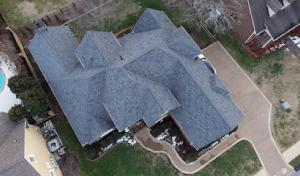
Mighty Dog Roofing of Murfreesboro
(615) 903-5268 www.mightydogroofing.com
Serving
4.9 from 191 reviews
A full roof replacement in this city triggers a building permit. The permit process is not something to breeze through on the jobsite; it is a formal step that protects your home and your peace of mind. If a project proceeds without the required permit, the risk of a stop-work order or later complications with your insurer and the city is real. This is especially true after spring storms when rapid repairs become common but a proper permit file keeps the work compliant and traceable.
Applications are handled through the City of Murfreesboro permit portal, not through informal arrangements at the jobsite. This means you'll likely be coordinating with your contractor to upload documents, drawings, and proof of compliance in a central online system. Rely on your contractor to guide you through the portal steps, but stay engaged so you understand what is being submitted and what remains outstanding. Delays often stem from missing plan details or incorrect information, which can hold up a start date after a storm-damaged roof.
Inspections typically occur after tear-off and again after installation to verify underlayment, flashing, and ventilation. This two-stage check is designed to catch issues that could lead to leaks or ventilation problems down the road. The full process-from application to final inspection-often takes about 1 to 2 weeks when weather cooperates. Spring hail storms can compress timelines, so it's wise to plan around potential weather delays and keep clear lines of communication with both the city and your contractor. The outcome hinges on thorough tear-off, correct underlayment placement, properly sealed flashing, and adequate ventilation. If an inspection identifies a deficiency, a correction notice will outline exactly what needs to be addressed before the final approval. Delays at this stage are a common source of extended timelines, so attention to the permit requirements and a proactive approach with the contractor pays off.
Keep copies of all permit-related documents and inspection notices, and confirm appointment times in advance. If your project coincides with other large renovations, coordinate the sequence so inspections aren't bottlenecked by competing trades. A well-documented, orderly permit file reduces the risk of surprises after heavy spring winds and hail, when a fast, compliant repair becomes a homeowner's best protection.
Murfreesboro sits in a roof-claim environment where storm, hail, and wind activity creates a measurable rate of insurance involvement. That means every aging roof carries a higher likelihood of being looked at after a severe spring event. The way an adjuster sees a roof is shaped by its history: how often it's been repaired, what materials were used, and how well the underlayment, flashing, and ventilation have fared over time. Acknowledging that context helps you navigate decisions more calmly when a storm hits.
Coverage decisions in this market can be influenced by roof age and material type, which makes documentation and maintenance history more important before a loss occurs. Start keeping date-stamped photos that show the roof's condition before a storm, not just after. Save installation details that spell out what was put on the rafters and how it was sealed around penetrations. Collect repair records, big or small, that document how issues were addressed and when. When an adjuster arrives, you want a clear trail that demonstrates you've maintained the roof in a consistent, diligent way. A well-organized file can shorten the process and reduce second-guessing about prior conditions.
Homeowners in Murfreesboro should keep date-stamped photos, installation details, and repair records ready because adjusters commonly review roof condition closely after storms. If you suspect damage, document evidence from the ground and attic spaces, noting any compromised underlayment or flashing, and keep receipts for any temporary protective steps you've taken. When you contact your insurer, share the history in a straightforward timeline, not a pile of scattered notes. Honest, organized records help ensure that coverage decisions reflect the roof's actual condition rather than assumptions tied to its age or material.
Because local inspections emphasize flashing and underlayment, these are the two critical failure points to watch after storm events. In Murfreesboro, a fast-moving spring storm can lift shingles just enough to expose underlayment seams, or nick flashing at valleys, chimneys, and vent penetrations. Even small gaps around vent stacks or the edge metal can channel leaks that appear days later. After a storm, conduct a careful, attic-to-roof check: look for damp insulation, water staining near penetrations, and any soft spots along rakes and eaves. If you see dark stains or damp spots, treat them as a priority-do not wait for a visible drip to act.
Quick-response and cleanup-included signals are especially common in this market, reflecting homeowner concern about active leaks, interior protection, and debris after storms. If you notice water intrusion, set up tarps over affected interior areas and protect belongings from further damage while a professional assesses severity. Do not seal or cover suspected leaks with tape or makeshift patches for more than a temporary cover; these can trap moisture and create larger problems once temperatures rise. Document interior damage with photos and note when rain occurred to help guide the repair timeline and communication with your insurer and contractor.
Skylight-related repair capability appears in the Murfreesboro market, making skylight perimeters a relevant leak checkpoint on homes that have them. Inspect around skylights for loose flashing, dried or cracked sealant, and any staining that runs down the ceiling after a wind event. If a leak traces to the skylight perimeter, prioritize resealing or flashing replacement to restore a solid moisture barrier. Address any gap between skylight framing and roofing material promptly to prevent ongoing interior damage.
Find contractors experienced in skylight installation, flashing, and leak repairs to bring natural light into your home.
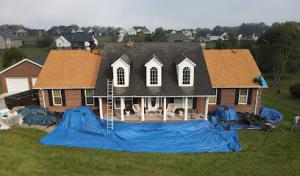
Southern Reeds Roofing & Exteriors
(865) 313-1906 southernreedsroofing.com
Serving
5.0 from 32 reviews
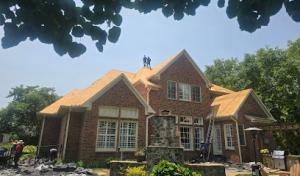
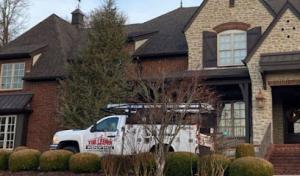
The Murfreesboro market leans toward re-roofing after storms rather than niche restoration work. When you compare crews, focus on how they plan the storm workflow, how thoroughly they cover cleanup, and how quickly they can mobilize after hail or wind events. Expect a mix of long-established, locally owned, family-owned, and manufacturer-certified firms alongside operators that emphasize affordability.
After a hail or strong wind event, you want a roofer who can promise rapid on-site assessment, transparent communication, and a clear schedule for tarp, debris removal, and shingle replacement. Look for teams that arrive with a planned sequence: temporary protection, roof deck inspection, underlayment and flashing checks, then coordinated material delivery and installation. In a fast-moving spring season, responsiveness is a real differentiator.
Murphy's law of storm damage applies here: the fastest crew isn't always the best, but the best is the crew that stays with you through the claim process. Ask about who handles the project management, daily cleanup, and site safety, plus how they document progress for claims. Local firms with solid relationships in the community often offer steadier communication during setbacks.
Ensure the roofer can work with you using portal-based permitting and claim-driven photo documentation, and that they coordinate inspection timing with your insurer. Confirm they keep you posted with progress photos and summarized daily reports. This coordination smooths the claim process and reduces out-of-pocket delays.