Last updated: Apr 19, 2026
Brentwood sits in the Nashville-area severe storm corridor, where spring weather often arrives with bright sun, sudden gusts, and hail that can punch through shingles and dent flashing. This isn't a hypothetical concern; after each severe wind or hail event, roofs in upscale, steep-slope neighborhoods can suffer subtle damage that looks insignificant from the ground but leads to accelerated wear, leaks, or wind-driven moisture. The pattern here is clear: many homes experience storm-driven damage rather than just aging out of a roof. Standing on a ladder to evaluate with a critical eye becomes as routine as trimming hedges, because the weather can rewrite the roof's story in a single afternoon.
The contractor market in this area is heavily centered on storm damage, insurance claims, and emergency repairs. That means you will often encounter crews who arrive primarily to secure the site, temporarily tarp, or stage rapid repairs to minimize further water intrusion. It also means that insurance-adjuster scheduling and claim pathways drive the pace of work more than the calendar of a roof's life cycle. In practice, this translates to a sprint in the days after a storm, with decisions that can set the course for the next several years of your home's protection. Knowing this helps you separate urgency from impulse and prevents rushed, inappropriate replacements or skipped inspections.
Tennessee insurers have adjusted rates around storm activity, so documenting the storm impact becomes a real asset to a successful claim. After hail or high wind, you need date-stamped photos that capture the roof from multiple angles, including the highest slope where damage often hides. Shingle test squares-small, visible sections of the roof chosen by you and inspected by the adjuster-give you a concrete, trackable record of condition. Those squares should be placed on areas that experience the most sun exposure and the most striking patterns of wear, then photographed with a clear timestamp. Do not rely on "it looked fine yesterday" impressions; daylight photos with visible texture, granular loss, and any cracked or displaced shingles are essential.
Prominent in this market is prompt adjuster coordination. When hail or wind events strike, the clock starts for many insurers. You should contact your insurer and your chosen contractor within 24 to 48 hours to initiate an estimated scope and arrange a storm-specific inspection. Be ready to provide the claim number, short description of observed damage, and the storm date. If the adjuster asks questions about preexisting conditions, present your documentation: dated photos, test squares, and notes from any prior repairs. The goal is a transparent, staged conversation that moves from assessment to approved repairs without long delays, especially if the roof is older and more prone to accelerated degradation after a storm.
If the inspection reveals storm-driven damage that extends beyond cosmetic wear, expect a replacement path to open quickly. In this neighborhood, decisions are driven by evidence of direct damage, functional failures, and the ability to restore the roof to a weather-tight state with durable materials. Your contractor should walk you through material options that balance performance with the realities of our climate, focusing on ventilation, proper installation, and a solid warranty. Because the storm market can push faster timelines, insist on a written, itemized plan that includes sequence, temporary repairs, and a clear path to permanent restoration, with every step anchored by photos and adjuster approvals.
Centennial Roofing
(615) 278-6600 www.betterroof.com
5042 Thoroughbred Ln # 200, Brentwood, Tennessee
5.0 from 752 reviews
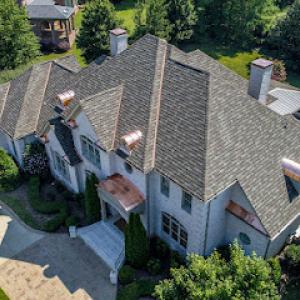
Centennial Construction is a premier construction service provider, dedicated to offering top-quality services for residential and commercial projects. Our team of experienced professionals ensures that each project is completed with precision and attention to detail. We specialize in a wide range of construction services, including new builds, renovations, and restorations. As a locally owned and operated business, we pride ourselves on delivering reliable and efficient service to our community. Contact us today to discuss your construction needs and experience our expert craftsmanship.
SeekOne Roofing Company
(615) 619-7335 seekoneroof.com
500 Wilson Pike Cir #340, Brentwood, Tennessee
4.9 from 522 reviews
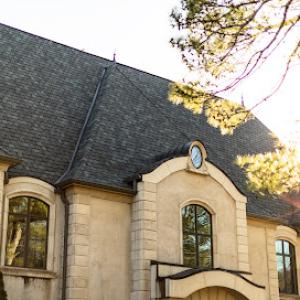
SeekOne Roofing Company knows exactly how to exceed our clients expectations. Founded in Franklin, TN, our owners, project managers and installers are career-dedicated professionals in the home restoration industry. As one of Nashvilles top roofing contractors, you can be sure the job will be completed quickly and correctly. We are backed by GAF and Certainteed, the worlds largest shingle manufacturers, placing us in the top 3% of all roofing contractors in the nation. We offer several different roofing solutions tailored specifically to your home and liking. Contact us today for a free roof inspection.
Underdog Roofing
(615) 208-2454 www.underdogroofing.com
116 Wilson Pike Cir # 100, Brentwood, Tennessee
4.9 from 252 reviews
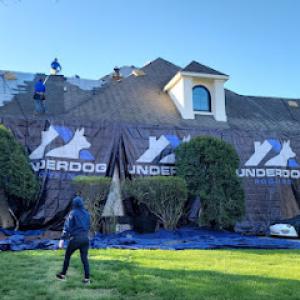
Underdog Roofing Specializes In Residential & Commercial Roofing Services Including Roof Repairs, Roof Replacements & Gutters. Underdog Roofing is constantly analyzing the market for the best products and installation methods. Our main priority is to educate the customer so that you can be a part of the process and truly understand every aspect of the roofing system.
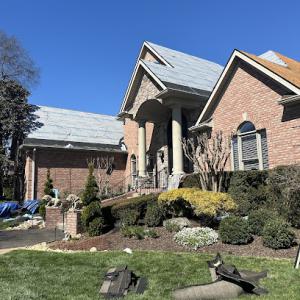
Brentwood Roofing & Home Improvement / Brentwood , Franklin
(615) 593-1191 brentwoodroof.com
9005 Overlook Blvd suite 525, Brentwood, Tennessee
5.0 from 153 reviews
Leonard brought together the best in the business to create his dream. Though he takes pride in all aspects of roofing, working and living in Williamson county has lead to a passion for quick, efficient, and transparent repairs to storm-damaged homes. We work all middle Tennessee. Nashville , nolensville , Brentwood , Franklin , mount juliet , Lebanon , Springfield , Thompson station , Goodlettsville , Ashland city , Hendersonville , Gallatin , hermitage , Murfreesboro , Smyrna , Lavergne , triune , Lebanon , mt Juliet , Dickson , burns , Clarksville White House , Cookeville and most southern Kentucky
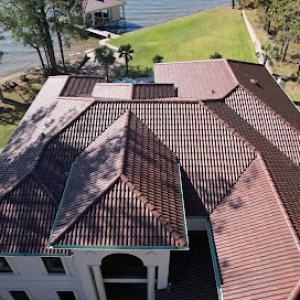
Ridgeline Roofing & Restoration
(615) 953-0089 ridgeline-roofing.com
9005 Overlook Blvd Suite 104, Brentwood, Tennessee
5.0 from 104 reviews
At Ridgeline, we're your trusted neighbors for all things roofing. Our local experts are familiar with the specific roofing needs Middle Tennessee experiences, and understand the importance of maintaining that signature charm. We offer a comprehensive range of services, from repairs and preventative maintenance to complete roof replacements. We prioritize using top-tier materials and proven techniques to ensure your roof can withstand Tennessee's diverse weather patterns. Whether you're facing a small leak or envisioning a complete roof upgrade, Ridgeline is here to provide peace of mind and exceptional service.
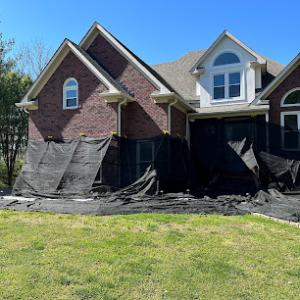
Trinity Restoration & Roofing
(615) 628-7418 trinityrestorationtenn.com
7105 Bakers Bridge Ave STE 200A, Brentwood, Tennessee
4.9 from 132 reviews
Trinity Restoration & Roofing provides high-quality roofing services to residents of Nashville, TN and surrounding areas. We are a full-service roof repair and roof installation company. We have worked hard to create a professional roofing company with a foundation in trust, integrity, and best business practice. Our focus is on protecting your greatest asset - your home - and we strive to provide our homeowners with the most satisfying experience possible, which is why we offer a 10-Year Workmanship Warranty on all full roof replacements. Reach out to us today for a no-cost roof inspection.
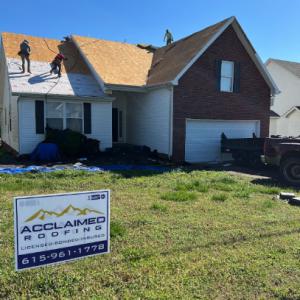
Acclaimed Roofing
(615) 961-1778 acclaimedroofingtn.com
8115 Isabella Ln STE 9, Brentwood, Tennessee
5.0 from 64 reviews
Acclaimed Roofing is a full-service Nashville roofing company offering new roofs and repairs. Our company covers the entire greater Nashville area into Murfreesboro and Franklin.
Universal Roofing & Construction - Nashville
(615) 247-6264 www.urcroof.com
336 Cook's Ct, Brentwood, Tennessee
5.0 from 50 reviews
At Universal Roofing, we are experts in residential and commercial roofing projects, both large and small. We believe in going above and beyond for our customers, which is why we use the highest quality materials, offer a 10-year warranty, and specialize in insurance claims, making your life easier. Our fully insured roofing professionals are available to provide a step-by-step explanation of the repair process and answer all of your roofing questions.
Undersun Roofing
(615) 719-2322 undersunroofing.com
7110 Town Center Way #202, Brentwood, Tennessee
4.9 from 72 reviews
We are a local Nashville roofing company. Our two founders, Adam Sanderson and Jaime Kemp are both Nashville natives with a passion for serving their local community with quality roofing construction. A key differentiator for our business is how closely connected we are with our roofers. We have a strategic partnership with our roofers that gives them ownership in the projects they serve. As a result, our work is characterized by extreme attention to detail. Contact your reliable Nashville roofing contractor today for a free estimate!
Delta Blue Roofing Company
(615) 474-0090 deltablueroofing.com
6688 Nolensville Rd suite 10832, Brentwood, Tennessee
5.0 from 19 reviews
Delta Blue Roofing delivers trusted residential and commercial roofing solutions in Brentwood, TN. Our skilled team specializes in roof inspections, leak repairs, roof replacement, maintenance, new roof installations, and gutter guard services. With a focus on quality craftsmanship, dependable service, and customer satisfaction, we ensure your home or business stays protected year-round. As a proud GAF Certified Contractor, we back your roof with industry-leading warranties. Active military, veterans, and retirees can also take advantage of exclusive discounts through GAF’s Roofs for Troops program. Call us today and protect your property with the experts.
Tridom Roofing Nashville
(615) 973-3979 www.tridomroofing.com
246 Wilson Pike Cir Ste A, Brentwood, Tennessee
5.0 from 17 reviews
At Tridom Roofing, we take care of roofs across Nashville and the surrounding areas—whether it's helping local businesses stay ahead with preventative maintenance or handling everyday repairs for homeowners who just want peace of mind.
Roof Repair Expert
(629) 272-3320 roofrepairsexpert.com
5111 Maryland Way Ste 200, Brentwood, Tennessee
4.7 from 27 reviews
We are a locally owned and operated roofing company serving the Middle Tennessee area providing roof repair services in the Murfreesboro, Nashville, Smyrna, Lavergne, Woodbury, Shelbyville, and Christiana. We specialize in roof repair, roofing, shingle repair, metal roof repair, flat roof repairs, leaky roof repairs, storm damage repair, hail damage repair, wind damage repair, tree damage repair, ceiling damage repair, patching roofs and more! Missing shingles, storm or wind damage we can get your roof repaired in these emergency roof situations. If your roof requires more extensive work like replacement we can get you to the right roofing company for the job.
Seasonality drives how long a roof project takes, how well the materials perform, and how smoothly inspections and storm documentation flow after a replacement. In this style of neighborhood, the steady pace of weather and the timing of severe weather events shape practical scheduling. The goal is to minimize heat exposure on crews, keep adhesive and underlayment handling predictable, and align with the town's typical storm patterns so that notes and warranty items line up when the weather finally cooperates.
Spring brings milder temperatures and longer days, which helps crews work at a steady pace without the stress of peak heat. Start planning as soon as the last freeze thaws in earnest, so a crew can move through attic ventilation checks and hail-damage documentation before summer storms roll in. This period also tends to reduce the risk of weather-driven delays while you handle insurance documentation and any necessary inspections in a calmer window. If you've endured a late-winter hail event, use early spring to collect comprehensive damage photos and notes while the roof is still accessible for a thorough walkaround.
Fall is typically the most predictable window for replacement work in this climate. Temperatures are comfortable, and the heat of late summer has receded, which helps with shingle sealant and complete installation cycles. This is the time to secure a start date that avoids the first hard freezes and reduces the likelihood of weather-stalled weeks. Fall also aligns well with post-storm documentation workflows, giving you time to compile any additional evidence or adjusters' notes before winter sets in.
Summer installation in Brentwood can stress crews and affect adhesive curing and underlayment handling during hot, humid stretches common in Middle Tennessee. If planning for summer, build in extra time for heat-related pauses and select manufacturers' recommended methods for heat aging and ventilation checks. Schedule morning sessions when temperatures are lower and anticipate potential afternoon delays from pop-up storms. Keep a contingency plan for attic ventilation and roof decking exposure during the hottest periods so the project doesn't drift into uncomfortable long days.
Winter freezes in the area can limit installation conditions for shingles and make scheduling less predictable even when snow is not the main issue. Cold mornings slow adhesive curing and can complicate nail-seaming or sealant work. If winter is the chosen window, anticipate shorter daily work windows and tighter schedules for securing flashings and valleys. Have a clear plan for weather gaps and protection of interior spaces when wind-driven precipitation visits.
Coordinate with a contractor to align the project with the chosen season, and set expectations for weather delays, storm documentation, and inspection readiness. Prioritize staging that preserves attic ventilation checks and ensures a complete once-over of the roof and surrounding systems before and after installation. Build in room for documentation work tied to insurance timelines, so the recovery process remains orderly and verifiable.
Get a clear picture of your project costs upfront - no commitment required.
Underdog Roofing
(615) 208-2454 www.underdogroofing.com
116 Wilson Pike Cir # 100, Brentwood, Tennessee
4.9 from 252 reviews
Undersun Roofing
(615) 719-2322 undersunroofing.com
7110 Town Center Way #202, Brentwood, Tennessee
4.9 from 72 reviews
The Roof Guy
101 Creekside Crossing Ste 1700-197, Brentwood, Tennessee
4.5 from 28 reviews
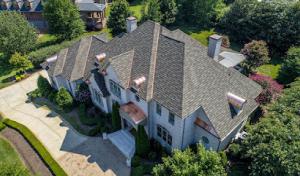
Brentwood's upscale, larger-lot homes have made asphalt shingles the enduring backbone of the roofscape. Modern aging and wind-resistance standards have pushed many residents to higher-quality asphalt products with longer warranties and better performance under hail. When you're choosing asphalt, focus on 110+ mph wind resistance and a granule-lost warranty that covers storm exposure. A well-ventilated attic and solid flashing details help asphalt hold up during Middle Tennessee hail events, especially on steep slopes where sun and wind stress can accelerate wear.
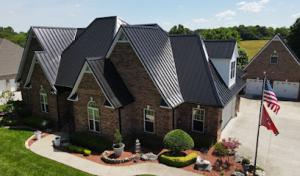
Metal stands out on custom homes with clean lines and tall ridges. In this climate, metal's hail resistance and lightweight nature make it a compelling option, particularly on larger or more modern roof lines. Look for standing-seam systems with color-matched fasteners, and confirm that the installation includes proper underlayment, drip edge, and valley protection. Metal profiles can mimic traditional looks-from cedar-shingle textures to flatter, contemporary panels-while delivering long service life and improved wind performance over time.
Clay tile and concrete tile are prominent in Brentwood's higher-end neighborhoods, where their weight and curb appeal align with permanent, long-lived aesthetics. These materials excel with heavy air movement and hail resistance, but they demand precise structural support, robust underlayment, and meticulous flashing details at penetrations and transitions. Tile roofs benefit from proper fastener patterns and careful spacing to avoid cracking on steep pitches or in freeze-thaw cycles. Replacements should consider shingle-backups or underlayment upgrades to maintain a weather-tight roof over the life of the system.
Wood shakes deliver the coveted cedar appearance that complements many Brentwood designs, but real wood requires more maintenance in this climate. If choosing wood, select treated or naturally durable species and ensure manufacturer guidance on ventilation and moisture control is followed. Synthetic and composite shingles offer a compelling alternative: they reproduce cedar or slate aesthetics with improved impact resistance and lower maintenance. When selecting synthetics, verify impact ratings, color stability, and warranty terms relevant to wind-driven events and UV exposure.
Many Brentwood homes blend materials to achieve a custom look while meeting performance needs. In mixed roofs, ensure consistent flashing around transitions, keep venting balanced to prevent ice damming and moisture buildup, and plan for future repairs with matching or compatible materials to preserve the roof's integrity and appearance. A careful replacement strategy emphasizes consistent underlayment, accurate ventilation details, and a documented approach to hail damage assessment to support reliable settlements and long-term durability.
In this market, asphalt shingles run about $350 to $650 per square, reflecting typical Brentwood home bathrooms of steep pitches and complex rooflines that demand careful tear-off and detailing. Metal roofs push higher, generally $700 to $1,200 per square, with labor focused on precise flashing, wind-rated seams, and the extra overhead of coordinating a full replacement on larger, multi-section homes.
Clay tile sits in the $900 to $1,700 per square range, while concrete tile ranges from $1,000 to $1,800 per square. Both tile options bring substantial weight and require reinforced framing and careful ventilation planning, especially on older, high-ceilinged houses. Wood shingles or shakes typically run $500 to $900 per square, though actual installation time can lengthen because of steep slopes and detailed ridge work. Synthetic or composite shingles are commonly $600 to $1,100 per square, offering a longer lifespan with good hail resistance, which matters in this climate.
Brentwood's larger homes and more complex rooflines often increase tear-off, flashing, valley, and ventilation labor compared with simpler suburban roof layouts. Expect higher costs to remove multiple layers, address damaged underlayment, and re-trim valleys or skylight openings. The more faces, gables, dormers, or steep pitches a roof has, the more hours crews log, and the more material waste must be managed. This is not just about the square-foot price; labor intensity drives a meaningful portion of the bill.
Storm-driven demand spikes in the Nashville and Williamson County market can tighten scheduling and labor availability after hail events, pushing Brentwood replacement pricing upward during surge periods. If a hail event hits and multiple homes seek replacement simultaneously, you may see longer lead times and potential week-to-week price shifts. Planning ahead, coordinating with adjustable delivery windows, and confirming a firm start date helps limit price creep caused by last-minute scheduling.
For typical asphalt, budget the low end toward $350 and the high end toward $650 per square, knowing that larger, more intricate jobs skew higher. Tile and metal options may double or triple the asphalt cost, depending on roof complexity and structural needs. If a roof has multiple valleys or heavy ventilation requirements, expect a higher labor share even after choosing a material. Finally, anticipate tighter availability and potential price adjustments in the wake of a major hail event.
Don't let upfront costs delay a critical repair - these contractors offer payment plans to fit your budget.
The Metal Roofers Brentwood
(615) 656-0056 www.themetalroofers.com
1802 Williamson Ct Suite 100, Brentwood, Tennessee
5.0 from 8 reviews
In this market, a building permit is typically required for a full roof replacement rather than being treated as a no-permit maintenance item. The decision to pull a permit hinges on protecting your home's value and ensuring the work stands up to Middle Tennessee weather. If a contractor sidesteps the permit, you may face delays or trouble when you sell, and the city's records can raise questions about weather-related damage and subsequent insurance claims.
Permits are handled through the Williamson County or Brentwood Building Department, making local administrative coordination part of the project timeline. That means you'll be navigating a few extra steps to align schedules, inspections, and documentation with city requirements. Your contractor should provide a clear path for submitting plans, confirming code compliance, and coordinating inspections, but you still own the responsibility to track status and respond promptly to any requests for information.
Inspection is typically scheduled after completion to verify installation quality, ventilation, and code compliance, so homeowners should confirm who is responsible for closing out the permit. In practice, the final inspection serves as the approval that everything from attic ventilation to shingle alignment and flashing details meets Brentwood's standards. If the inspector has questions about attic access, ventilation intakes, or a retrofit sealing that was part of the project, expect a quick, documented back-and-forth to avoid delays in permit closure.
Maintain a folder with the permit number, stamped drawings, inspection approvals, and any weather-related damage assessments conducted before replacing the roof. A competent contractor will provide the final pull-list showing the items tied to the permit-ventilation verification, nail spacing, and shingle alignment-so you can cross-check against what was installed. If disputes arise about final approvals, you'll want ready access to those records to keep the process moving without compromising the project's timeline.
In Tennessee's current insurance environment, older roofs may face more limited coverage terms or closer scrutiny after hail claims, which directly affects replacement timing in Brentwood. That means the moment hail events raise questions about worthiness of replacement, the adjuster's decision can hinge on how quickly and clearly the claim is framed. If the roof is near or past its expected life, insurers may push for a longer recovery timeline or demand stronger proof that the damage is storm-related rather than wear. Preparation matters: understanding the insurer's evaluation checklist helps avoid surprise delays.
Because Brentwood sees recurring wind and hail activity, insurers may require clearer proof that damage is storm-related rather than wear, granule loss, or age. Effective documentation becomes the backbone of a smooth claim. Collect contemporaneous evidence from the moment the storm passes: dated photos of dented gutters, granule loss along valleys, and any interior signs of water intrusion. If visible damage is subtle, consider a licensed roof inspection with a written report that highlights hail impact patterns, assisted by a meteorological note linking the timing to a storm event. This concrete linkage between weather and damage strengthens the claim.
Homeowners in Brentwood should keep inspection reports, prior repair invoices, and before-and-after photos because adjuster verification is a practical part of many local storm claims. Maintain a file that traces repairs as they occur, including contractor notes and warranty details. When an adjuster schedules a visit, having clear, organized records helps demonstrate whether issues stem from recent hail exposure or long-term aging. The goal is to establish a credible, easily verifiable narrative that aligns with the local storm history and your roof's maintenance timeline.
Connect with contractors who help homeowners navigate the claims process from damage assessment to final approval.
Centennial Roofing
(615) 278-6600 www.betterroof.com
5042 Thoroughbred Ln # 200, Brentwood, Tennessee
5.0 from 752 reviews
SeekOne Roofing Company
(615) 619-7335 seekoneroof.com
500 Wilson Pike Cir #340, Brentwood, Tennessee
4.9 from 522 reviews
Underdog Roofing
(615) 208-2454 www.underdogroofing.com
116 Wilson Pike Cir # 100, Brentwood, Tennessee
4.9 from 252 reviews
Brentwood's hot summers push attic temperatures well above living spaces, and dark asphalt roofs common across the city absorb a lot of sun. This heat buildup accelerates shingle aging and can drive moisture problems if ventilation isn't designed to pull hot air out at the peak. A well-ventilated attic helps keep the roof system cooler, protects insulation, and reduces the risk of ice damming when winter weather returns.
Attic airflow works best with a balanced design: intake air enters near the soffits and exhaust air exits at the ridge or high vents. In practice, a home with long, connected roof runs needs enough continuous intake to match the exhaust capacity at the peak. For steeper slopes and complex transitions, baffles maintain space for intake under the sheathing, preventing insulation from blocking airflow. The goal is a steady, unobstructed flow that replaces hot air with cooler outdoor air, especially during peak sun.
Large two-story homes in Brentwood often feature sprawling attic zones and roof transitions that complicate venting. Condensed attic footprints can create hot pockets if intake vents are uneven or partially blocked by shelving, chases, or HVAC ducts. The choice of roof vent type matters: ridge lines should not be overcrowded by turbine or powered vents if passive vents can do the job. A balanced plan spreads intake along eaves and exhaust along multiple ridge runs to avoid short-circuiting air movement.
During a roof replacement, prioritize preserving or improving attic ventilation. Ensure soffit vents are clear and continuous, install appropriately spaced ridge vents, and consider interior baffles to maintain airflow above insulation. If a powered attic vent is used, pair it with a thermostat-cutoff and avoid creating negative pressure that pulls conditioned air from living spaces. Avoid sealing vent paths or compressing ducts in a way that chokes airflow, and verify that all attic vents remain accessible for future inspections.
Final inspections focus on ventilation as part of the overall roof system. Expect inspectors to verify that intake and exhaust are balanced, that no vents are blocked, and that airflow moves freely from eave to ridge. Clear, well-planned attic ventilation is not just comfort-it's a core criterion for passing the replacement process and preserving long-term roof integrity.
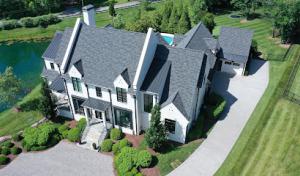
Brentwood's custom residential architecture often includes multiple valleys, dormers, chimneys, and skylights, creating more flashing-sensitive leak points than basic gable roofs. When evaluating a roof, focus on how perimeter flashing ties into penetrations, and trace expected water paths around each dormer and chimney. A small misfit at a valley or skylight pan can route rain sideways under shingles in a hurry.
The local contractor market shows meaningful skylight and chimney-related service activity, which aligns with the detailing needs of higher-complexity homes. Inspect skylight step flashing and curb connections for any lift or micro-gap. Chimney flashing should be checked where the metal flashing meets brick or siding, especially where counter-flashing transitions occur. Remember that failed seals around these features often masquerade as shingle failures.
Wind-driven rain during Middle Tennessee storms can expose weak flashing details at roof penetrations even when the field shingles still look serviceable. Check for wind-lifted shingle edges near peaks or along the sides of dormers, then test the integrity of seals around vents and flanges with a careful hand-run along the joints. A fast-moving storm can push water into a seam you barely notice during a casual walk-around.
When you inspect after a storm, work from the outside in: start at flashings around chimneys and skylights, then move to valleys and rakes, and finally verify attic ventilation pathways. Document any damp or staining near penetrations and compare it to the visible shingle condition. Small flashing flaws often precede larger interior issues in these multi-penetration roofs.
Find contractors experienced in skylight installation, flashing, and leak repairs to bring natural light into your home.
The Roof Guy
101 Creekside Crossing Ste 1700-197, Brentwood, Tennessee
4.5 from 28 reviews