Last updated: Apr 19, 2026
Spring in this area brings sudden wind-driven damage from storms and hail that can crack shingles, dent metal, and punch through weaker spots. In Knoxville, a roof that looks fine after the hail can still be taking on moisture that hides behind flashing, under shingles, or in attic spaces. The combination of acute wind-driven damage and humid air can create interior moisture problems within hours to days if those entry points aren't addressed promptly. Homeowners should recognize that a fast assessment after each storm is not optional but an urgent step to prevent hidden rot, mold growth, and accelerated material deterioration.
When a storm hits, the first priority is to stabilize the roof while avoiding further interior damage. If you see active leaks or daylight through the attic, set up a temporary tarp with durable plastic sheeting or a purpose-built roof tarp over the most vulnerable areas. Secure tarps with ballast, furring strips, or screws and weights, ensuring edges are weighted down and seams are overlapped to shed water rather than trap it. If shingle edges are lifted or flashing seems loose, avoid stepping on loose areas that could fail catastrophically; instead, move to a dry, accessible area and call a local emergency roofing crew with storm damage experience. In practice, storms in Knoxville often leave a narrow window where quick tarping can prevent overwhelming interior moisture, so speed matters.
Once a tarp is in place, the next step is to address ongoing leaks that threaten ceilings and walls. Moisture intrusion in humid conditions tends to travel along eaves, soffits, and vent penetrations, then seep through ceiling penetrations or attic insulation. A practical approach is to locate the highest point of active dripping and temporarily seal with roof-safe sealant or flashing tape in the leak direction, then place a bucket or tray to capture any water that continues to trickle. It's important to monitor attic ventilation during this phase because poor ventilation can trap moisture, amplifying staining and wood rot. If interior damage is visible, protect valuables and schedule a rapid, professional assessment to determine whether structural components or insulation have been compromised.
In the aftermath of a damaging event, a fast response from a contractor with storm-damage and insurance expertise is essential. Knoxville homeowners commonly need emergency repair, storm-damage work, and insurance-related roofing services, and the market reflects that urgency with rapid on-site evaluations and prioritized scheduling. Document everything-photos of damaged shingles, flashing, gutters, and attic conditions, plus notes on date and time of the storm. Ask the contractor to provide a written assessment of visible damage, suspected hidden damage, and a proposed stabilization plan with a clear timeline. If an insurer visit is anticipated, ensure the contractor's assessment aligns with the insurer's expectations and keeps the process moving without unnecessary delays.
After stabilization, focus shifts to mitigating future risk during the interim period. Schedule a thorough inspection to identify vulnerable seams, valley linings, and vent connections that could fail in the next round of storms. Consider temporary rain barriers around transitions between roof planes, and plan for a targeted repair window that minimizes exposure to humid conditions that intensify moisture problems. In this market, aligning emergency repairs with a solid restoration plan reduces the chance of repeat leaks and helps protect interior spaces during the spring shoulder seasons.
FLOW Roofing
(865) 910-5530 flowroofing.com
6233 Strawberry Plains Pike, Knoxville, Tennessee
5.0 from 406 reviews
FLOW Roofing is a veteran‑owned and operated roofing contractor in Knoxville, TN, specializing in metal and shingle roof installation, roof replacement, storm damage repair, and emergency roofing services. Our licensed, insured team provides free inspections, fast quotes, insurance claim assistance, and quality workmanship for homes and businesses across Knoxville and surrounding East Tennessee communities.
Barnett Roofing
(865) 323-2402 barnettroofingknoxville.com
402 N Cedar Bluff Rd, Knoxville, Tennessee
5.0 from 2317 reviews
Barnett Roofing, established in 1998 by David Barnett, is a trusted roofing contractor serving the Knoxville, Tennessee area. With over 20 years of experience, the company has earned the prestigious GAF Master Elite® Certification, a distinction held by only 3% of roofers nationwide. This certification reflects their commitment to quality craftsmanship and ongoing training in the latest roofing technologies. Specializing in residential roofing services, Barnett Roofing offers comprehensive solutions including roof replacement, repair, and installation of various roofing materials such as shingle, metal, slate, tile, and flat roofs. They service Knoxville, Maryville, Oak Ridge, Sevierville.
Rescue Roofing & Exteriors
(865) 424-7670 www.rescueroofexteriors.com
Knoxville, Tennessee
5.0 from 208 reviews
We are Knoxville’s FIRST “Purpose-Driven” roofing company! The foundation for our company is based on giving back to our community. Our motto: “saving a k-9, one roof at a time” means that every we job we complete will directly aid in providing assistance to our local animal shelters in need. Monthly donations of food, supplies, vaccinations, and adoption help are just a few of the ways in which we give back to life’s most loyal companions. We strive to provide an excellent service to our Knoxville neighbors and do a bit of good within our community in the process. We would love the opportunity to earn your business!
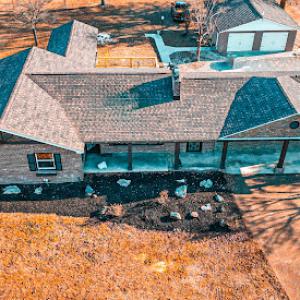
RoofScapes
3925 Fountain Valley Dr, Knoxville, Tennessee
5.0 from 125 reviews
We are a licenced and insured roofing and decking company that will make your home stand out from the rest. We take pride in all of our work and ensure that your home will stand no matter what comes your way. RoofScapes has you covered!
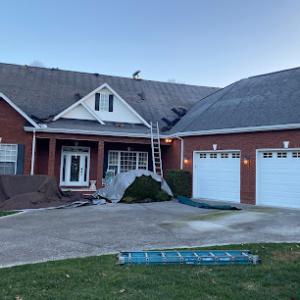
Knox City Roofs
(865) 213-3636 www.knoxcityroofs.com
Barton St, Knoxville, Tennessee
5.0 from 171 reviews
Knox City Roofs is a locally owned and operated roofing company that serves the Knoxville area, along with the surrounding counties. We do everything from roof repairs, roof replacements and gutter installations. You will receive outstanding customer service from the first conversation till the job is complete and you are fully satisfied. We are licensed and insured so you and your home will be protected before we even step foot on your property!
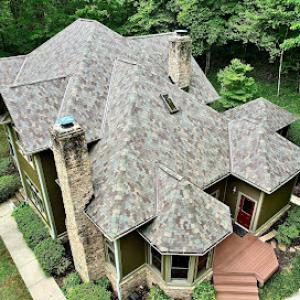
Mountain View Exteriors
(865) 465-8056 mountainviewexteriors.com
7753 W Ogg Rd, Knoxville, Tennessee
5.0 from 159 reviews
Mountain View Exteriors is locally owned and proudly serves the greater East Tennessee area for all your roofing needs. We specialize in both Asphalt and Metal roofing as well as gutters and gutter protection. We have been nationally recognized for winning CertainTeed's Governor's Award which is reserved for the top ranked roofing company for the State of Tennessee! Our attention to detail, professionalism, and always doing what we promise is what makes us unique in this day and age. Please give us a call for a quick hassle free quote and let us earn your business!

Smith Roofing & Exteriors
(865) 507-0033 smithroofingservice.com
1544 Schaeffer Rd B, Knoxville, Tennessee
4.9 from 722 reviews
Smith Roofing & Exteriors is a certified roofer and Owens Corning Platinum Preferred Contractor, awarded to the top 1% nationwide. We have been family-owned and trusted since 2016 by homeowners in Knoxville, Maryville, Oak Ridge, and East Tennessee. As a full-service company, we offer roof replacements, inspections, and repairs, alongside siding repair, deck building, and gutter installation. All work is completed to code using strong materials backed by the industry's best warranties. || Free estimates • Licensed & Insured • Insurance Support • Storm Damage • Emergency Service. || Call today for a thorough inspection and our signature "Good-Better-Best" quote options.
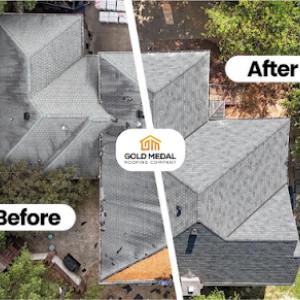
Gold Medal Roofing of Eastern Tennessee
(423) 607-7061 www.goldmedalroofing.com
118 E Hendron Chapel Rd, Knoxville, Tennessee
4.9 from 161 reviews
Gold Medal Roofing Company assists thousands of homeowners in getting roof repairs, or a completely new roof, through the insurance claims process. Let our team of licensed roofing contractors walk you through the process and help save you thousands of dollars! Book a FREE inspection today!
Innovative Roofing & Siding
(865) 688-2888 www.knoxvilleroofingandsiding.com
11002 Kingston Pike Suite 204A, Knoxville, Tennessee
4.9 from 194 reviews
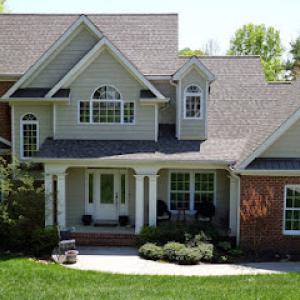
Innovative Roofing & Siding, Inc is a GAF Master Elite contractor serving Knoxville, TN and the surrounding cities. As a roofer, have been in business for over 30 years and are equipped to provide residential and commercial services for roofing. We assist with roof replacements, new roofs, roof leak repairs, and more. Trust us to be your roofing company today!

Roofing By JMJ
(865) 389-4258 www.roofingbyjmj.com
200 Prosperity Dr, Knoxville, Tennessee
5.0 from 74 reviews
Roofing by JMJ is one of Knoxville Tennessee's best Residential and Commercial Roofing Contractors. Owner and operator Scott Potter has served the Knoxville area since 1986, giving him the expertise and experience necessary to work on any improvement for your home or business. Roofing by JMJ is family owned, A+ rated with the BBB and Tennessee Licensed, Insured and Bonded.
Bellator Roofing & restoration
(615) 934-1421 bellatorroofingandrestoration.com
1016 Russwood Dr SW, Knoxville, Tennessee
4.9 from 140 reviews
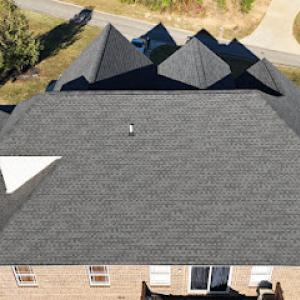
"At Bellator Roofing & Restoration we strive for excellence and 100% customer satisfaction. We offer full roof replacement and repairs . We service all types of shingle and metal Roofing products. Our specialty here is guiding the homeowner through the insurance process from initial inspection to meeting with adjuster and finally doing the work to the full manufacturer and local codes specifications. "
Primetime Roofing
(865) 235-1710 primetimeroofs.com
6134 Industrial Heights Dr NW Suite 108, Knoxville, Tennessee
5.0 from 70 reviews
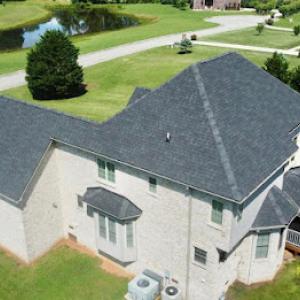
𝐏𝐫𝐢𝐦𝐞t𝐢𝐦𝐞 𝐑𝐨𝐨𝐟𝐢𝐧𝐠, based in 𝐊𝐧𝐨𝐱𝐯𝐢𝐥𝐥𝐞, 𝐓𝐍, is your trusted 𝐫𝐨𝐨𝐟𝐢𝐧𝐠 𝐜𝐨𝐧𝐭𝐫𝐚𝐜𝐭𝐨𝐫 for expert 𝐫𝐞𝐬𝐢𝐝𝐞𝐧𝐭𝐢𝐚𝐥 𝐫𝐨𝐨𝐟𝐢𝐧𝐠 and 𝐜𝐨𝐦𝐦𝐞𝐫𝐜𝐢𝐚𝐥 𝐫𝐨𝐨𝐟𝐢𝐧𝐠. As a certified Owens Corning 𝐫𝐨𝐨𝐟𝐢𝐧𝐠 𝐜𝐨𝐦𝐩𝐚𝐧𝐲, we specialize in 𝐫𝐨𝐨𝐟 𝐢𝐧𝐬𝐭𝐚𝐥𝐥𝐚𝐭𝐢𝐨𝐧, 𝐫𝐨𝐨𝐟 𝐫𝐞𝐩𝐥𝐚𝐜𝐞𝐦𝐞𝐧𝐭, and 𝐞𝐦𝐞𝐫𝐠𝐞𝐧𝐜𝐲 𝐫𝐨𝐨𝐟 𝐫𝐞𝐩𝐚𝐢𝐫 with trusted warranties. From 𝐚𝐬𝐩𝐡𝐚𝐥𝐭 𝐬𝐡𝐢𝐧𝐠𝐥𝐞 to 𝐦𝐞𝐭𝐚𝐥 𝐫𝐨𝐨𝐟𝐢𝐧𝐠, we ensure integrity and satisfaction. Serving 𝐎𝐚𝐤 𝐑𝐢𝐝𝐠𝐞, 𝐌𝐚𝐫𝐲𝐯𝐢𝐥𝐥𝐞, and 𝐅𝐚𝐫𝐫𝐚𝐠𝐮𝐭, 𝐓𝐍, we’re one of the most 𝐫𝐞𝐩𝐮𝐭𝐚𝐛𝐥𝐞 𝐥𝐨𝐜𝐚𝐥 𝐫𝐨𝐨𝐟𝐢𝐧𝐠 𝐜𝐨𝐦𝐩𝐚𝐧𝐢𝐞𝐬 you can trust.
Typical Knoxville pricing ranges from $350 to $650 per square for asphalt shingles, $900 to $1800 for clay tile, $700 to $1400 for concrete tile, $500 to $900 for wood shingles or shakes, $450 to $800 for synthetic or composite shingles, and $1000 to $2800 for slate. These figures reflect the local market you'll encounter when a storm pushes crews into town and homeowners are suddenly repairing or re-covering multiple roofs. In practice, a typical re-roof project with asphalt shingles lands toward the middle of that range, while premium materials like clay, concrete, or slate push costs higher, especially if the pitch is steep or the roof has complex geometry. Emphasis on value matters here: clay and concrete tiles bring long life and weather resistance, but the install time and waste disposal can increase labor costs in this market.
Costs in Knoxville can rise after spring storm events when demand for re-roofing and repair crews spikes across the city. When a widespread hail day hits the Valley, crews are booked up, lead times stretch, and material prices can climb due to quick turnarounds and material shipping. If your roof requires extensive debris cleanup-twigs, shingle granules, and tree litter from the season's storms-you'll see additional labor hours factored into the quote. Expect subcontractor scheduling to influence the timeline and the final price if multiple homes in the neighborhood are competing for the same crew. In practice, plan for a modest premium to cover urgent scheduling and any expedited disposal needs.
Steeper residential rooflines common on many Knoxville homes and added cleanup from tree debris can affect labor time and disposal costs. A steeper pitch demands more safety measures, longer setup, and slower progress, which translates into higher per-square pricing on the same material and size. Tree-heavy streets may also require more attention to debris haul-off, especially if your roof has long eaves or overhanging limbs. These local quirks matter when comparing bids: two identical shingles can end up with different total costs if one contractor handles more cleanup or uses different disposal routes for waste. If your home has complex dormers or skylights, expect adjustments for framing, flashing details, and potential permit-noted considerations that affect material waste and labor planning.
When you're weighing options, start with asphalt shingles for a cost-effective, reliable choice that handles Knoxville summers and spring moisture well. If you're aiming for longevity and a distinctive look, clay or concrete tile offer excellent durability and wind resistance, but verify local weight load and roof structure compatibility before committing. Synthetic or composite shingles provide a middle ground in both price and performance, often delivering enhanced impact resistance without the premium price tag of tile or slate. Slate delivers unmatched beauty and durability but remains the priciest option and requires structural assessment. For any material, request a detailed, itemized estimate that separates materials, labor, debris disposal, and any specialty flashing or underlayment needs to prevent surprises as the calendar turns from storm season to leaf season.
Don't let upfront costs delay a critical repair - these contractors offer payment plans to fit your budget.
Falcon Roofing
(865) 455-8322 www.falconroofingtn.com
531 Berkford Rd, Knoxville, Tennessee
4.9 from 183 reviews
Litespeed Construction
(865) 297-3286 litespeedconstruction.com
1532 Washington Ave, Knoxville, Tennessee
4.9 from 328 reviews

Daniel Hood Roofing
(865) 855-4501 danielhoodroofingsystems.com
1924 Laurans Ave, Knoxville, Tennessee
4.8 from 412 reviews
Hot, humid summers in this valley can accelerate roof aging and make installation days harder on crews, which can affect scheduling and productivity. Humidity paired with high daytime heat pushes materials to expand and contractors to work longer days with more breaks. Spring storms and hail exposure bring sudden damage and can force reschedules, especially when crews need to tarp areas or address leaks before a full replacement. These patterns mean timing isn't just about a calendar-it's about anticipating heat stress, moisture risk, and the likelihood of rain delays.
Shoulder seasons are typically the best time for planned roof replacement in this area because they reduce heat stress and weather-related delays. In practical terms, aim for late spring after the last heavy rain window and early fall before the first hard freeze. Temperatures during these periods stay comfortable enough for workers to handle asphalt shingles and synthetic options without extreme heat or cold compromising installation quality. The extra planning window also helps coordinate debris removal and ventilation checks without the urgency created by a sudden storm.
Winter in this region is usually moderate, but freezes and occasional ice events can still affect shingle performance and safe roof access. Cold mornings can slow adhesive curing on some shingle types and make walking on the roof hazardous. If a winter project is considered, allow for additional crew time and confirm that daylight hours align with stable temperatures for the chosen material. Clear, dry days are preferred, and snow-free surfaces reduce the risk of slips during material handling and inspection steps.
Spring severe weather brings a realistic risk of incidental leaks and urgent repairs that can interrupt planned replacements. When severe weather is in the forecast, consider a contingency plan that includes temporary leak mitigation and a firm reschedule window. If damage is confirmed, prioritize emergency tarping and water intrusion control to protect interior spaces while coordination with the roofing crew proceeds. Insurance documentation and damage assessment will rely on timely photos, notes, and a clear sequence of repairs, so align the project timeline with anticipated weather windows to minimize rework and back-and-forth delays.
Develop a realistic three- to four-week window for a typical replacement, with a built-in buffer for heat days and rain-heavy forecasts. Schedule inspections and material deliveries to hit moderate weather days, favoring early mornings when the heat is lower and the work pace stays steady. Keep a close eye on local storm forecasts and set a preferred target date range that avoids peak heat and high rain risk. Acknowledge that mature tree debris can add cleanup time in fall, so coordinate debris management into daily planning.
A building permit is typically required for a full re-roof within Knoxville. The permit ensures that the work meets local building standards and that the roof structure, ventilation, and underlayment are installed to current code. Before starting, you'll want to confirm the exact scope with your contractor and pull the permit through the City of Knoxville Building and Codes Department. This department handles the application, issuance, and tracking of roofing permits, so keeping communication open with them helps prevent delays if inspections are needed.
The City of Knoxville Building and Codes Department issues roofing permits and conducts inspections for qualifying work. This includes initial inspection of the roof deck and flashing, mid-build checks if required by the project, and a final inspection to verify proper installation and code compliance. When a contractor submits the permit, you'll receive a schedule for the inspections. Expect the inspector to verify fasteners, nailing patterns, underlayment, waterproofing details around chimneys and vents, and proper attic ventilation. Cooperation with the inspector on site can help identify small issues before they become costly corrections.
A final inspection is used to verify proper installation and code compliance. This is your opportunity to confirm that every detail-from drip edges to chimney flashing and ridge venting-meets Knoxville's construction standards. More complex roof configurations or structural changes may trigger additional review or structural calculations. If the project includes new loads, skylights, or modified rooflines, be prepared for supplemental reviews or engineering verifications. Scheduling and preparing for these steps ahead of time reduces the chance of delays at the end of the project.
Coordinate permit timing with storm recovery efforts if spring severe weather has impacted the roof. Document all communications with the insurance carrier and keep copies of permits, inspection reports, and any engineering letters. If a permit is pulled retroactively due to post-storm repairs, ensure that the scope aligns with what the inspector will approve, and be ready to adjust details like attic ventilation or roof-to-wall connections as required. Remember that the permit process is not just a formality-it's a structured path to a durable, code-compliant roof that resists Knoxville's hot summers, spring storms, and heavy leaf debris from mature trees.
Asphalt shingles are the dominant roofing material in Knoxville, making them the baseline option for most homeowners comparing replacement costs and lifespan. The typical Knoxville home uses asphalt for a straightforward, compatible fit with existing roof lines and attic space. When evaluating a replacement, you'll notice asphalt tends to align well with the way local storms and spring debris interact with typical rafter layouts and overhangs. The practical choice is often the one that preserves the roof's ability to shed heavy spring rain and leaves without overburdening the structure.
Clay tile, concrete tile, and slate are active material categories in Knoxville, but their higher weight and cost make roof structure and installation quality more consequential here. If you're considering a switch or a new build, expect that thicker materials require a reinforced deck and precise underlayment to resist wind uplift and freeze-thaw cycles. Clay and slate, in particular, demand careful matching to ridge lines, flashing transitions, and vent placement so that the roof remains watertight through our humid summers and the occasional winter freeze. A well-structured roof with these materials tends to emphasize craftsmanship in valleys, chimneys, and dormers.
Knoxville's humid summers and occasional winter freeze conditions matter differently by material, so material choice should be tied to local weather exposure and the home's existing roof design. Asphalt handles rapid drying after summer storms and broad leaf-laden fall debris with relative ease, while tile and slate resist surface wear but impose greater weight and potential for localized failure if the framing isn't up to par. The design of the roof-slope, drainage, and overhangs-plays a decisive role in how well any material performs under Knoxville's seasonal stressors.
In spring storm seasons, the alignment of the roof with gutters, flashing, and vent stacks becomes crucial for all materials. Asphalt's seam layout is generally more forgiving during quick rain bursts, but proper maintenance of shingles and seals remains essential. Tile and slate demand meticulous attention to flashing around chimneys and dormers to prevent leaks as debris accumulates on the roof surface. Across material choices, ensuring the roofline harmonizes with the home's silhouette helps preserve both performance and curb appeal through Knoxville's variable weather.
The most popular roofing material in the US. Find pros who install, repair, and replace asphalt shingles.
FLOW Roofing
(865) 910-5530 flowroofing.com
6233 Strawberry Plains Pike, Knoxville, Tennessee
5.0 from 406 reviews
Barnett Roofing
(865) 323-2402 barnettroofingknoxville.com
402 N Cedar Bluff Rd, Knoxville, Tennessee
5.0 from 2317 reviews
Rescue Roofing & Exteriors
(865) 424-7670 www.rescueroofexteriors.com
Knoxville, Tennessee
5.0 from 208 reviews
In Knoxville, heavy fall leaf drop is a recurring roofing issue that can affect drainage paths, flashing performance, and attic ventilation. When leaves and needles pile up in valleys, around vents, and along eaves, water can back up or be forced into vulnerable seams. Clogged gutters and downspouts magnify the problem, pushing water toward the fastened edges and into attic openings. The result is slower drying after storms, higher moisture during wet seasons, and a greater chance of small leaks turning into bigger issues if left unattended. Regular seasonal cleanouts and a quick check after major storms are essential to keep drainage working as designed.
Leaves gathering near flashing create an overhang that traps moisture, accelerating wear on metal or boot flashing. Over time, pooled moisture and freeze-thaw cycles can loosen sealants and joints, especially where shingles meet vents, chimneys, or roof-to-wall transitions. In heavy leaf years, a marginal flashing job can fail earlier than expected, allowing wind-driven rain to seep beneath shingles. Keep an eye on any dark staining or damp patches near roof edges after storms, and consider a proactive inspection if a lot of debris accumulates around vertical penetrations.
Poor ventilation is more punishing in Knoxville's humid summer conditions because trapped heat and moisture can shorten roof life. When soffit and ridge vents get obstructed by debris or insulation gaps, attic temperatures climb, causing shingles to age faster and ventilated spaces to retain moisture. Check for adequate intake and exhaust airflow, listen for whistling sounds near vents on windy days, and watch for condensation on rafters or sudden attic heat. A well-ventilated attic helps the roof deck dry faster after storms and keeps underlayment from buckling.
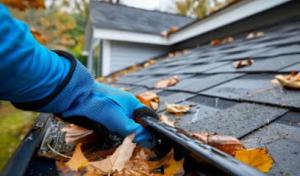
Develop a seasonal debris plan: clear gutters, valleys, and around flashing at least twice a year, and after major storms. Inspect flashing from the ground or with a safe ladder, looking for loose seals or peeling caulk. Monitor attic ventilation: ensure soffit vents are unobstructed, ridge vents are clear, and insulation isn't blocking airflow. If you notice persistent condensation, damp spots, or unexpected leaks after rain, schedule a targeted inspection focusing on flashing seams and roof penetrations. A measured, proactive approach now can prevent a small problem from becoming a costly repair later.
Find contractors experienced in skylight installation, flashing, and leak repairs to bring natural light into your home.
FLOW Roofing
(865) 910-5530 flowroofing.com
6233 Strawberry Plains Pike, Knoxville, Tennessee
5.0 from 406 reviews
Rescue Roofing & Exteriors
(865) 424-7670 www.rescueroofexteriors.com
Knoxville, Tennessee
5.0 from 208 reviews

Smith Roofing & Exteriors
(865) 507-0033 smithroofingservice.com
1544 Schaeffer Rd B, Knoxville, Tennessee
4.9 from 722 reviews
Spring storms bring sudden wind gusts and hail that can damage shingles, flashing, and vents. Insurers in this market expect clear documentation. Start with a wide shot of the roof from ground level, then close-ups of damaged shingles, granule loss, dented vents, and any sagging or lifted sections. Note the date and time of the storm, and keep a simple log of when each photo was taken. If nearby trees shed branches or if gutters are bent, capture that as well-debris and wet conditions can influence claim decisions. Since time matters, avoid delaying documentation after the first rain or temperature swing, which can obscure or worsen evidence.
Photographs alone may not be enough. Gather a simple inventory: rough square footage of affected areas, visible leaks on ceilings or walls, and attic signs such as damp insulation or dark streaks. Write down any temporary leaks you've sealed to prevent further interior damage, plus notes about any prior roof work that could affect coverage. If you can, include a basic diagram of roof angles and vent locations to help an adjuster visualize the scope. In this market, signed statements or confirmations of recent storms can help corroborate timing.
After the event, contact your insurer promptly to initiate the claim, then follow their guidance for submitting photos and notes. Insurers commonly arrange an adjuster review after severe weather to validate damage and quantify a repair plan. Be present during the inspection if possible, and point out issues that may not be visible from the ground. Keep copies of every communication, including emails and claims numbers, and maintain a running file of repair receipts and temporary fixes.
If the adjuster recommends repairs, ask for a written scope and an estimated timeline. If you disagree with findings, you can request a second opinion or provide additional documentation, such as contractor assessments or weather reports from the storm date. Temporary repairs should be documented with receipts and photos, especially if weather changes threaten further damage.
Mature trees and frequent spring debris can complicate post-storm assessments. After a storm, remove loose debris from the roof only if safe to do so and avoid making new openings that could be misinterpreted as preexisting damage. Maintain a steady record of all communications and repairs to streamline the process if another round of weather hits.
In this market, most roofing crews are oriented to re-roofing overhauls, residential projects, and rapid repair when a storm hits. A Knoxville-based contractor tends to have crews that show up with materials, ladders, and tarps ready to handle a typical suburban home with a tree-lined yard. The goal is to minimize exposure to interior water while keeping the project on a predictable schedule, even when spring weather shifts from hot sun to sudden downpours.
Cleanup is a major local hiring priority. Debris management matters on properties with tall oaks and maples, on driveways, and around planted beds. Ask for a cleanup plan that includes ladder safety, dumpster placement, and post-installation debris pickup. A responsible crew will sweep hard surfaces, bag or recycle shingle remnants, and leave the yard tidy enough to walk through without tracking dust or grit into the house.
When comparing bids after storms, homeowners favor long-established, locally rooted contractors who can provide references from nearby neighborhoods. Look for a business with a steady crew, clear communication channels, and a written schedule. Check if the bid identifies how tarping and temporary protection will be used during delays, and who will coordinate with you on access to the driveway and gutters.
After the contract is signed, expect a staged plan that respects leaf season and potential fall debris. A reliable crew will explain how ventilation, attic sealing, and shingle alignment affect performance in humid summers. Confirm that the crew will protect landscaping, respect property lines, and address any unexpected repairs promptly to prevent small leaks from becoming bigger problems.
Communication is the backbone of a smooth project. Expect timely updates after each storm event, and a single point of contact for questions, photos, and access needs. Keep a log of communications for insurance and warranty purposes.
Flat and low-slope roofing is present in Knoxville's contractor market but is clearly less dominant than steep-slope residential re-roofing. You'll see low-slope sections on covered porches, sunrooms, additions, and garages, often tied into a main roof with a mixed-pitch layout. That mix means you want a contractor who moves comfortably between traditional shingle work and the specifics of a low-slope system. Expect some jobs to require careful detailing where the low-slope section meets a higher-pitched roof to keep water from migrating under flashing.
Knoxville's humid conditions and storm-driven rain make drainage reliability especially important on low-slope sections. Look for a system that prioritizes positive drainage away from any interior seams, with properly pitched transitions and tested seams. In practice, that means verified slope calculations, quality underlayment with continuous protection, and robust termination details at parapets, edging, and penetrations. After a heavy shower, you want to know the water is moving off the surface promptly rather than pooling and seeping into the structure.
Homeowners with porches, additions, or mixed-pitch rooflines in Knoxville often need contractors comfortable with both main roof replacements and smaller low-slope tie-ins. Precision matters where a low-slope deck meets a steeper main roof or where flashing transitions between materials. The right contractor will synchronize ventilation, insulation, and moisture control across the entire roof assembly, so a seamless transition is achieved without sacrifices in performance or aesthetics.
In this market, the choice of surface and membrane for low-slope work should align with expected hail exposure and seasonal temperature swings. Consider membranes and coatings with proven durability under Knoxville's spring storm cycles, especially around edges and penetrations. A thoughtful installation plan addresses both the visible edge details and the hidden substrate to minimize future maintenance.
Find specialists in TPO, EPDM, and built-up flat roofing systems for residential and commercial properties.
Barnett Roofing
(865) 323-2402 barnettroofingknoxville.com
402 N Cedar Bluff Rd, Knoxville, Tennessee
5.0 from 2317 reviews
Falcon Roofing
(865) 455-8322 www.falconroofingtn.com
531 Berkford Rd, Knoxville, Tennessee
4.9 from 183 reviews