
Last updated: Apr 19, 2026
Middle Tennessee spring hail and thunderstorms are a primary trigger for roof inspections and replacement timing in Lebanon. When a storm rolls through, you need to act quickly because insurers and contractors tend to shift into high gear almost overnight. Damage can hide under granules or dented metal, and leaks may not appear until weeks later after a stubborn rain. You should photograph any hail or wind-related evidence as soon as it's safe, document dates, and keep a simple log of driveway or yard debris that looks out of the ordinary. Prompt, organized records help your claim move faster and reduce back-and-forth with adjusters.
Lebanon homeowners often move from damage discovery to insurer documentation quickly because local contractors commonly market storm-damage and insurance-claim help. The pressure to secure a timely settlement is real, especially after a regional event when the market tightens and scheduling becomes a bottleneck. If a contractor offers to front-detect and "no out-of-pocket" deals, verify the fine print and get everything in writing. You want clear timelines for inspection, claim submission, and the anticipated windows for material delivery and installation. Delays in any step can cascade into a longer exposure to weather and further interior damage.
Weather-driven demand spikes after regional storm events can compress scheduling and delay both installation and inspection windows in Lebanon. When a storm hits, demand surges and contractors book out weeks or even months. If your roof is marginal or already aging, that compression increases risk: a late start can collide with a spring hail peak, forcing you into a rushed decision and potentially higher risk of rework. Plan for contingencies: temporary patches, moisture barriers, and a clear decision path with your claims adjuster to avoid a stalled timeline.
You should arrange a professional inspection promptly after any significant hail or high-wind event, even if you don't see obvious damage from ground level. Inspections focused on signs like lifted shingles, fiber-cement gaps, and dented flashings catch issues insurers want documented. A credible roofer's report helps you avoid delays from back-and-forth questions about whether a roof "needs replacement" versus "repair." In many Lebanon neighborhoods, the decision to replace is driven by the combined evidence of hail bruising, shingle wear patterns, and the roof's underlying structure responding to repeated moisture exposure.
Because storm seasons dictate timing, set a firm, short decision window with your insurer and contractor. If an adjuster visits, request a copy of the appraisal notes within 24 hours and ask for a written scope of work that includes the proposed sequence: inspection, claim approval, material procurement, and installation. Keep everyone aligned on anticipated weather pauses so you're not caught in a lull between approvals and crews. The goal is to move from claim acceptance to installation with minimal weather-caused disruption, while ensuring the roof system chosen will withstand the next round of Middle Tennessee storms.
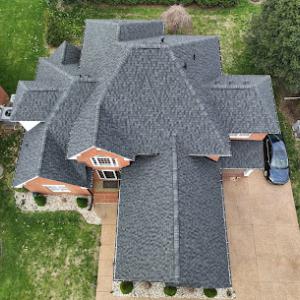
Perimeter Roofing
(629) 400-6922 perimeterroofing.com
163 Business Park Dr Suite 10, Lebanon, Tennessee
4.9 from 239 reviews
At Perimeter Roofing, we pride ourselves on being Nashville's go-to roofing company for all residential and commercial roofing needs. With a focus on quality craftsmanship, exceptional customer service, and timely project completion, we offer a full range of services, including inspections, repairs, installations, and maintenance, using only the highest quality materials and industry-leading techniques. Our team is equipped to handle everything from routine inspections to large-scale installations, making us the best roofing company for both residential and commercial clients in Nashville.
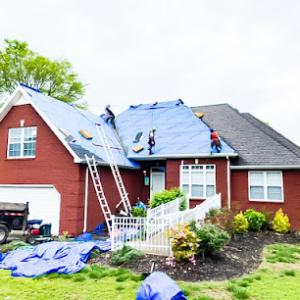
Cootes Farms Roofing
(615) 506-6318 cfroofingllc.com
4725 Cainsville Rd, Lebanon, Tennessee
4.9 from 88 reviews
Cootes Farms Roofing, a Lebanon, Tennessee based roofing contractor, offers expert residential and commercial services. Our team tackles roof repairs, replacements, inspections (HAAG Certified), and gutter needs, ensuring a seamless roofing experience. As a GAF-certified contractor, Cootes Farms Roofing provides clients with the trusted guarantees and warranties offered by North America's largest roofing manufacturer.
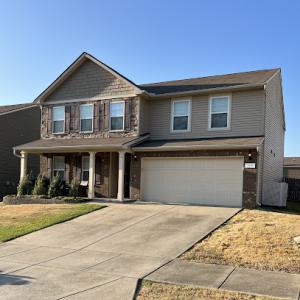
Mobley Brothers Roofing & Renovation
(615) 455-3131 www.mobleybros.com
112 Tirzah St, Lebanon, Tennessee
4.9 from 74 reviews
When it comes to protecting your home, don't settle for less than the best. Our Lebanon roofing company offers premier services, from leak detection and repair to new roof installation. With a commitment to excellence and customer satisfaction, our experienced professionals use only the best materials to guarantee your roof's longevity and performance. Our desire to put you first is reflected in our reviews across all platforms. For expert roofing help in Lebanon and the surrounding areas, get in contact with Mobley Brothers Roofing and Renovation today.
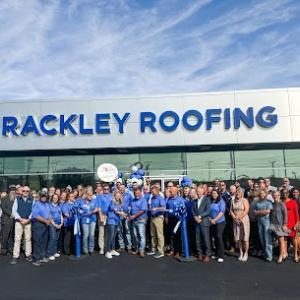
Rackley Roofing
(615) 492-8489 www.rackleyroofing.com
1673 W Main St, Lebanon, Tennessee
4.7 from 175 reviews
Since 1974, Rackley Roofing has been a leader in the commercial roofing industry in Tennessee. Our skilled roofing contractors exceed customer expectations, and our roofing services include: Roof inspections Installations Maintenance & Repairs
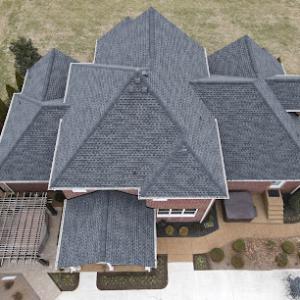
Advantage Roofing Contractors
(615) 486-9183 www.yourroofingadvantage.com
102 E Main St Suite 2, Lebanon, Tennessee
5.0 from 19 reviews
We've Got You Covered Perfect Installs Your roof is your home's main defense against the elements. Let us walk you through the best options to fit your needs and once you feel comfortable with your choice, we'll handle the complete installation. Reliable Upgrades If you're looking to update or upgrade your roofing and gutters, we've got you covered. Book a free consultation to discuss our different types of roofing composition and environmentally friendly options! Upkeep & Repair Age and environmental factors can wreak havoc on your roof. Ignoring problems for too long can cause headaches down the road. Start with a free inspection today!
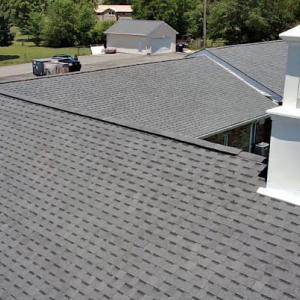
Eagle View Roofing
(615) 426-4369 www.eagleviewroofingmiddletn.com
1221 S Hartmann Dr Ste F Suite F, Lebanon, Tennessee
5.0 from 14 reviews
Veteran Owned & Operated
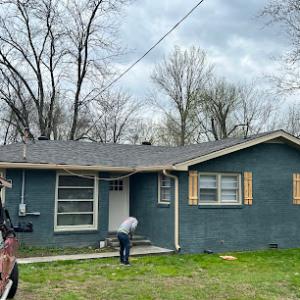
AAI Home Improvement
515 Castle Heights Ave, Lebanon, Tennessee
5.0 from 12 reviews
Here at AAI we get the job done correctly the first time in a timely manner! The name of the company says it all... AAI All About Integrity!
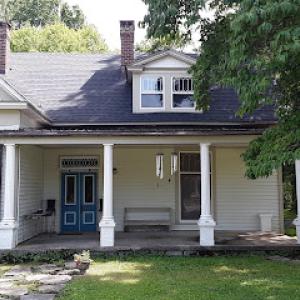
Summers Roofing & Repair
(615) 683-4164 summersroofingandrepair.com
Lebanon, TN
4.7 from 12 reviews
Summers Roofing & Repair provides roof installation, roof repairs, specialized roofing services and specialty roof repairs to the Brush Creek, TN area.
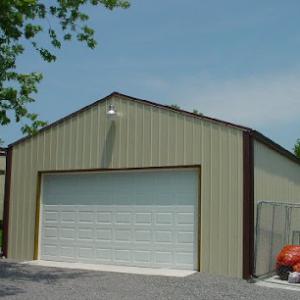
Heartland Roofing Siding Windows
(615) 443-2252 www.heartlandroofing.com
438 Park Ave, Lebanon, Tennessee
4.4 from 18 reviews
Exterior Home Improvement .

Ryan Roofing
(615) 948-0311 ryanroofingcontractors.com
1633 W Main St Suite 1001, Lebanon, Tennessee
4.5 from 15 reviews
Ryan Roofing provides roofing installation, roofing repairs, storm-damage roofing repairs, and 24-hour emergency services for clients in Lebanon and Mount Juliet, TN.

Hi-Tech Roofing & Gutters
(615) 708-0872 hitechroofingtn.com
Lebanon, Tennessee
5.0 from 4 reviews
Hi-Tech Roofing and Gutters is proud to serve Lebanon, TN and all of Wilson County with expert roofing and gutter services you can trust. Whether you need a full roof replacement, a quick leak repair, or a professional inspection, our team is ready to deliver quality craftsmanship and reliable solutions. We specialize in residential and commercial roofing, including asphalt shingles, metal roofs, and emergency repairs. Our gutter services ensure proper drainage and protection for your home year-round. With decades of experience and a commitment to excellence, we treat every project like it’s our own. Call us today to schedule your free roof inspection and get peace of mind!
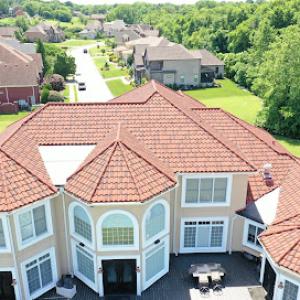
Pinnacle Construction
(615) 617-5303 www.buildwithpinnacle.com
Serving
5.0 from 153 reviews
A local Veteran owned general contractor with a focus on roofing and exterior renovation. Located in Mt. Juliet, we also service Lebanon, Murfreesboro, Spring Hill, Nashville, Franklin, Old Hickory, and most of Middle Tennessee. Along with roofing, we also offer gutter installation, siding installation, and most exterior construction services.
Lebanon's mix of hot Middle Tennessee summers and spring storm activity makes material choice a practical, purpose-driven decision. Asphalt shingles dominate the market here, not by chance but because they balance performance and repairability for a homes stock that often faces hail and wind. A metal roof shows up as a clear alternative for homeowners who want stronger storm resistance and long-term durability, especially if fast reroofing is a priority after a storm surge. Premium niche systems such as clay tile, concrete tile, or wood shakes exist, but local contractor signaling shows a clear specialization in asphalt, metal, and storm-focused reroofing rather than high-end specialty options. With storms regularly testing the roof edge, the right material also means predictable repair cycles and easier insurance-driven reroof timing.
Asphalt shingles are the workhorse for most Lebanon homes. They handle the heat moderately well, resist incidental wind uplift if installed correctly, and are forgiving to homeowners who expect straightforward repair procedures after hail events. The typical service life in this climate tends to run shorter than in milder regions due to summer heat and recurring storms, so it's common for shingles to reach the middle-to-late portion of their life expectancy after a few aggressive spring seasons. For this market, pay attention to shingle granule loss and edge sealing around eaves, which often take a beating from hail or wind-driven debris. When considering asphalt, a standard installation with upgraded underlayment and careful edge detailing pays dividends in the long run, especially if hail is a frequent spring guest in your neighborhood.
Metal roofs have a meaningful local presence and are often considered by owners who want better performance against repeated storm exposure. In Lebanon's climate, metal performs well against hail and high winds, and it can offer faster reroof timelines after a storm, which matters when insurers and inspectors are coordinating repairs. The tradeoff to weigh is installation cost and weight concerns for certain existing structures, plus a more pronounced thermal expansion behavior in extreme heat. If choosing metal, look for panels with solid finishes and proper sealant details around penetrations and transitions. A seasoned installer should emphasize thorough attic ventilation and correct flashing to maximize storm resilience and minimize maintenance headaches.
Tile products (clay and concrete) bring long service life and a different aesthetic, but Lebanon's contractor signals show far stronger specialization in asphalt, metal, and storm-related reroofing than in premium niche systems. Wood shakes and synthetic options exist, yet they often face higher maintenance needs in our climate-wood can warp with heat and moisture cycles, and some synthetics must be matched to local sun exposure for best color and durability. If considering these materials, factor in accessibility to skilled crews who can address wind uplift, hail impact, and the specific flashing details that keep a roof weather-tight through frequent spring storms.
Regardless of material, the Lebanon weather pattern rewards a roof with robust attic ventilation, solid underlayment, and careful flashing around chimneys, vents, and skylights. Given spring hail and wind exposure, budget for regular inspections after major storms and after seasonal transitions. A well-timed inspection helps catch minor issues before they become expensive reroofing jobs, and it aligns with the local tendency toward insurance-driven roof replacements when damage is found. The material choice should support efficient repairs, predictable maintenance, and a reasonable pace of replacement when the storm calendar repeats.
Spring in this area brings hail, thunderstorms, and moisture risk, making it both a common damage season and a period when schedules can shift suddenly. Post-storm checks are essential: look for missing shingles, dented metal, or granule tea-stains in gutters. If damage is suspected, photograph from a safe vantage point and note dates of storms. Because weather can redirect crews mid-week, it helps to plan a flexible window with your contractor, identifying two or three days that can function as a rain-safe tear-off and dry-in sequence. Expect more short-notice postponements as warm fronts roll through and neighboring homes also require attention. When you file an insurance claim, have recent photos and the storm dates ready; adjusters in spring commonly work tight timelines, so coordinate assessment and scheduling promptly to avoid delays. Debris from hail can complicate deck cleanliness, so arrange for a clear, debris-free staging area and discuss how the crew will protect nearby landscaping and outdoor furniture during a quick, thorough tear-off.
Summer heat in Middle Tennessee shortens safe work windows, and frequent afternoon storms can interrupt tear-off and dry-in sequencing. Plan work for the morning hours when temperatures are cooler, and pin down a clear sequence for stripping, decking checks, underlayment, and shingle installation. Thunderstorms can roll in with little warning; establish contingency days with your contractor and a plan to secure materials if a storm is imminent. Leaf buildup from summer winds adds to the challenge of keeping the decking clean and inspection-ready, so ensure the crew dedicates time to remove debris before laying new material. If insulation or attic ventilation were affected by heat or moisture in spring, confirm that attic access remains clear and that fans or vents continue to function during the dry-in phase. A well-timed summer schedule minimizes risk of buckling or improper seal at eaves and valleys, which can become problematic once cool weather arrives.
Fall is often preferred for planned reroofing in this area, but wind events and leaf buildup can affect deck cleanliness, staging, and inspection readiness before winter cold snaps. Use dry, moderate days to complete deck cleanup and handle roof edging, valleys, and flashing with careful sequencing. Fall crews should prioritize a thorough debris sweep and crystal-clear access to attic penetrations for the final inspection. Leaf fall near the deck and gutter line can obscure critical joints; coordinate a mid-project check to confirm seals, boot flashing, and vent connections remain sound as trees shed. If spring and early summer storms have already stressed components, fall provides a longer window to ensure everything is properly sealed before winter moisture returns.
The local market moves quickly after spring hail and wind events, when claim-driven demand spikes and crews become scarce. In this weather pattern, prices for labor and install-time logistics can shift week to week, and lead times stretch as contractors juggle inspection schedules and material deliveries. Expect higher quote variability than in calmer seasons, with prices often reflecting not just materials but the speed at which a full-coverage replacement can be scheduled and completed.
Typical shingle options carry distinct value propositions in this market. Asphalt shingles remain the most common, with a broad cost spread per square that reflects installation complexity and the contractor's scheduling window. Metal roofing tends to command a premium that pays off over longer lifespans and better wind resistance, but it can tighten project timing if crews are in high demand. Clay and concrete tiles offer durable options with strong hail resistance, though they require careful structural assessment and longer installation times. Wood shingles or shakes bring a classic look but can add to maintenance costs in a storm-prone climate. Synthetic or composite shingles try to balance price and performance, often appealing when a fast, reliable reroof is the goal.
Approximate cost ranges (per square) you can expect in this area:
In Lebanon, soft costs tend to track project value and material choice. Higher-end materials and larger roofing scopes push up disposal, staging, and financing-related fees even when labor itself is the same. A project value-driven pricing approach means a larger roof or premium materials can push soft costs higher, influencing the overall out-of-pocket expense beyond the sticker price of shingles. That dynamic is particularly evident after a regional storm, when crews may quote premium for expedited scheduling or for weather-related contingency planning.
Spring hail season brings the best chance of claim-driven work, but it also creates peaks in competition for skilled crews. If a full replacement is the most likely path, plan for a window that accommodates permit coordination, material delivery, and crew availability. Even with full replacement in mind, a phased approach might be discussed in tight markets; however, in a reroof-focused market, many crews lean toward completing the job in a single, efficient pass to reduce exposure to weather and repetitive teardown.
A full roof replacement in this area commonly requires a permit through the local building department. Before any shingle or panel comes off, verify that the project is properly registered with the permit office, and that the plans reflect the intended scope of work for a complete replacement. The permit is not just a paperwork hurdle; it is the official record that your roof meets current codes and safety standards for the neighborhood. If a contractor tells you a permit isn't needed, double-check with the department or a trusted local roofer-permit compliance can impact future resale, insurance, and even permit-rollback issues after a storm.
Lebanon reroof projects typically involve rough-in and final inspections. The rough-in inspection is your early signal that the project is progressing under the approved plan: it confirms matters like underlayment, ventilation, and any structural work align with code requirements. The final inspection confirms completion, proper flashing, venting, and alignment with the permit scope. Contractors are expected to submit licensing and project details with the permit application, so expect to provide or verify proof of licensed contractor status, their license number, and the project address. If your contractor cannot supply these documents promptly, pause and request a written plan showing how the job will comply with local codes.
Inspection timing in this area can be affected by weather delays, which matters during storm-heavy periods when many roofs are being replaced at once. Spring hail events, in particular, can tighten timelines as crews race to meet permit deadlines and coordinate inspections between weather windows. If a storm pops up during the middle of a project, understand that inspectors may need to reschedule, and a backlog of other roofs can push inspections out by a day or two. Plan for flexibility in the schedule, and keep a reliable point of contact with both the contractor and the building department so updates arrive quickly when weather shifts.
When the rough-in inspection is underway, have documentation ready: a copy of the permit, license numbers, and a project scope summary that mirrors the approved plan. For the final inspection, ensure all components-from underlayment to venting, flashing, and roofing materials-are installed as specified by the permit. If any deviations occur, communicate immediately with the permit office and the contractor to secure a corrective action plan before the inspector arrives. Having a transparent line of communication helps keep the project moving smoothly, even when spring weather introduces unexpected delays.
Lebanon sits in an active wind-and-hail claim environment where insurers commonly ask for roof age records, photos, and contractor estimates. When a spring hail event or a windy afternoon hits, that documentation becomes the difference between a smooth claim and a drawn-out process. In this market, a well-documented roof is less about dollars and more about keeping the project moving and avoiding gaps in coverage.
Keep a current file with recent photos taken from multiple angles and distances, including close-ups of shingles, flashing, and any visible damage. Age documentation should be clear: the installation date or the roof's approximate age, verified if possible by prior invoices or manufacturer records. Obtain a detailed contractor estimate that breaks down materials, labor, and any storm-specific work. If a claim is opened, you should have these items ready to share promptly with the insurer and the adjuster.
Adjuster-contractor coordination is a normal part of many roof replacements because storm-related scopes and pricing are frequently negotiated from field findings. Expect field measurements, on-site assessments, and possible scope adjustments after the initial review. A trained local contractor can translate adjuster notes into a practical plan, but there is no substitute for timely, accurate photos and a coherent estimate tied to actual on-site findings.
Recent underwriting tightening and endorsement changes in Tennessee make documentation more important for older roofs. If your roof has seen several seasons of weather, prepare to justify wear versus storm-induced damage with precise records. The more your paperwork tells a consistent story, the smoother the path from assessment to a completed replacement.
In this area, repeated storm exposure makes impact damage, lifted shingles, and moisture intrusion more relevant than purely age-based wear alone. A hail impact might not leave a crater you can see from ground level, but it weakens the protective granules and creates tiny pathways for water. Wind can peel edges up in a way that seems minor at first glance but rapidly escalates after the next rainfall. You may notice small dark patches on ceilings or areas around penetrations where water has followed the path of least resistance. The key warning is moisture traveling under the shingle layer, which can lead to rot and accelerated deterioration of the underlayment. If you see lifted tabs or a ripple along the deck line after a storm, treat it as a warning sign rather than a cosmetic issue. Immediate assessment by a competent roofer can save you from more extensive damage later.
Hot Middle Tennessee summers accelerate granule loss and aging on asphalt systems, especially on roofs with prolonged sun exposure. The surface can appear granular and rough, and exposed asphalt can start to chalk or darken unevenly. When granules shed, the roof loses its UV protection, which speeds up aging and makes the shingles more brittle. You may notice this after a stretch of record heat or during an unseasonably hot period in spring. The consequence isn't just aesthetics-granule loss reduces reflectivity and can shorten the roof's lifespan, increasing susceptibility to future heat-related damage and ice damming in the winter. If you climb up and feel the surface unusually soft or brittle, or you see bare patches, plan a professional evaluation rather than waiting for a leak to reveal the true extent.
Emergency leak response is a meaningful part of the local market, indicating that sudden storm-created openings and active water entry are common homeowner concerns in Lebanon. A fast response matters because standing water or actively dripping ceilings can lead to mold and structure damage in a matter of hours. If a storm creates a sudden entry point near a roof penetration, flashing, or edge, you should arrange temporary containment and an urgent repair plan. Delays in addressing an active leak amplify damage through insulation saturation and interior staining. Keep a roster of trusted emergency responders and have a simple plan for tarp protection until a full repair can be scheduled.
Find contractors experienced in skylight installation, flashing, and leak repairs to bring natural light into your home.
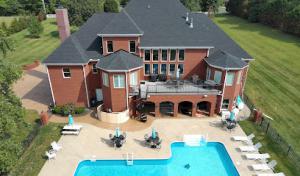
Specialized Roofing & Exteriors
(615) 506-4286 www.specializedroofingext.com
Serving
5.0 from 47 reviews
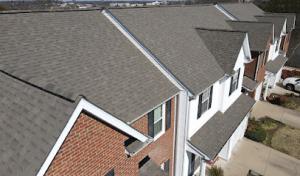
Because Lebanon has a claim-heavy reroof market, homeowners need to distinguish manufacturer material coverage from contractor workmanship promises after storm replacements. Material warranties come from the shingle or metal producer and often specify conditions tied to installation and maintenance. workmanship promises, if offered, come from the contractor and can be looser or more conditional. The result is that two bids can look similar on paper but hinge on very different protections if hail or wind damage recurs. Make sure your understanding of both layers is explicit before signing.
Only a smaller share of local contractors signal warranty offerings or manufacturer certification, so warranty terms may vary widely across bids in Lebanon. Some bidders may push for a quick job with minimal written coverage, while others align with recognized certifications or extended workmanship assurances. If a contractor lacks a documented warranty track record, or if their written terms read as generic at best, treat it as a red flag. Warranty depth-length, what it covers, and what voids coverage-should be an easy item to verify in writing.
In a market where quick-response reroofing is common, warranty clarity matters when comparing fast-turn storm proposals. A rushed schedule often sacrifices detail, and that can leave you exposed after a new storm event. Insist on explicit language about what happens if the roof fails prematurely, who handles hail or wind claim disputes, and how claims are adjudicated. For storm-damaged projects, ensure the contract ties warranty validity to proper installation, proper venting, and correct matching of materials to the existing roof system.
Ask to see the specific warranty document, including exclusions, transferability, maintenance requirements, and what triggers coverage. Confirm whether the contractor supports third-party inspections for workmanship, and whether the manufacturer's certification (if applicable) requires ongoing installation training or verification. A clear, written gap plan for potential disputes reduces surprises when spring hail season returns.