
Last updated: Apr 19, 2026
Spring thunderstorms in this part of Tennessee bring hail that can bite right through shingles and dent metal. In practice, a quick hail strike can create dozens of tiny breaches across a roof plane, often hidden under edge shingles, in valleys, or along the chimney flashing. That means moisture can infiltrate faster than you expect, especially when a warm, humid afternoon follows a damaging storm. The result is attic condensation, accelerated decking rot, and a hidden path for critters. If you notice granule loss on asphalt shingles, dented metal, or shingles that lift with the wind, treat it as an active leak risk. Do not delay quick temporary protection and a professional roof inspection after the skies clear.
Cleveland, TN regularly deals with spring thunderstorms and hail risk, making sudden shingle loss and impact damage a leading local roofing concern. After a regional weather event, demand spikes as homeowners scramble for repairs, and contractors who can mobilize fast become scarce. That scheduling pressure matters: a two- to three-day turnaround can feel like a sprint. If you're coordinating with an insurer or a contractor, establish a clear start date for temporary fixes, a plan for rapid tarping if rain returns, and a written timeline for a full repair. In practice, the window for preventing further damage often closes quickly once a dry spell ends and humidity climbs.
The city's humid subtropical pattern means storm damage is often followed by warm, wet conditions that can quickly turn a small roof breach into decking or attic moisture problems. Wet weather can seep into underlayment, create trapped moisture in sheathing, and encourage mold growth in attics. Even if the visible damage seems minor, the combination of direct sun, heat, and humidity after a storm can push roofing failures from cosmetic to structural in a matter of days. Watch for sudden changes in attic temperature or a musty odor-both signs that moisture has found a path through the roof system.
Shingles showing unusual curling, loss of granules in patches, or dark stains along rafters and ceiling joists are red flags. If attic insulation feels damp, or you notice powdery residue on plywood, treat these as urgent indicators. A single compromised area can act like a doorway for wind-driven rain, especially during a thunderstorm with high gusts. Don't wait for a visible drip; plan for a professional inspection as soon as weather allows.
In the wake of a storm, capture clear photos from multiple angles of all damaged surfaces-shingle edges, flashing, valleys, and ridges. Document any hail impact patterns that resemble pockmarks or denting on metal edges. Keep a dated record of the weather and any temporary measures you implement, such as tarps or boards, to shield vulnerable areas. When talking with insurers and local roofers, provide the documentation with a concise timeline: when the storm occurred, when damage was first noticed, and when temporary protection was installed. Quick, detailed records help prevent disputes and speed up repairs in a market that often sees rapid post-storm demand.
If you detect significant damage or signs of interior moisture, arrange a temporary cover-tarps secured with weight or fasteners to withstand wind-over the most exposed sections. Clear gutters of shingle grit and debris to reduce overflow that can back up under ridge lines. Schedule a prompt roof inspection by a qualified local contractor familiar with this area's spring weather cycles, and prioritize a plan that addresses both the visible damage and any potential decking or attic moisture issues before the next round of storms. In Cleveland, rapid response isn't optional-it's essential to keep roof lines intact and living spaces dry after the season's next front rolls through.
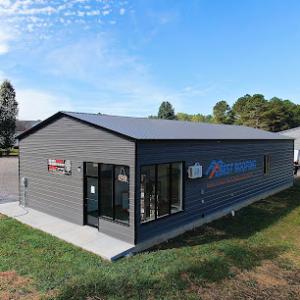
Best Roofing, Cleveland, TN
(423) 464-5697 bestroofing.biz
100 Lyles Rd SE, Cleveland, Tennessee
5.0 from 114 reviews
Best Roofing is your local one-stop place for all your roofing needs. As your Local Certified Roofing Contractor, we are dedicated to provide you with the best Roofing Service in Cleveland and Chattanooga, TN. We've been installing shingle roofs for over 20 years with TAMKO, OC, GAF and other for residential and commercial properties. Best Roofing is a company that stands behind its name. What makes us the best roofing contractor is simple: our people, our materials and our warranty that beats all others. We help homeowners to keep their investment under their Best Roof. We are here not just to do your roof installation but to understand your situation and resolve any roofing issues. We are local roofers that you can trust!
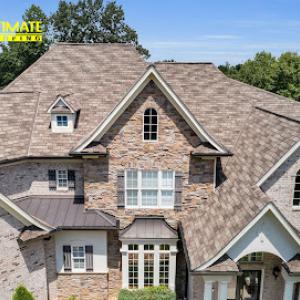
All-timate Roofing
(423) 476-6387 www.alltimateroofing.com
5575 N Lee Hwy, Cleveland, Tennessee
4.8 from 335 reviews
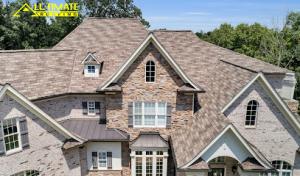
We believe in doing what is right. We realize that while many believe that to get ahead they must cut corners here and there, doing what is right is the reason for our success and accelerating growth. By understanding that both our quality as well as our character will reflect in our future success, we are able to serve our clients better. There are a number of clear signs that you may need to repair or replace your roof. The most obvious is water damage or water leakage that appears in the ceilings of rooms. Rain can be forced or driven by wind under the shingles and through damaged underlayment. Shingles that are damaged or missing can allow this water penetration. Damaged flashing around vents, chimneys, eaves, and skylights can also ...
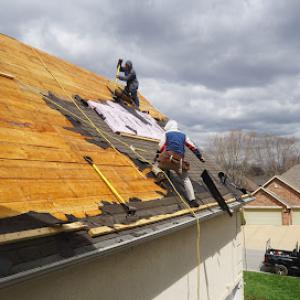
Premiere Roofing Services
(423) 457-3239 premiereroofingservices.com
410 8th St NE, Cleveland, Tennessee
4.8 from 134 reviews
We here at Premiere Roofing provide full service restoration and replacement of most all roof types. We will repair or replace a roof after storm damage, or even put a roof on a brand new construction! A roof keeps everything from the attic down to the foundation clean, safe, and dry. Throughout the years, a roof encounters and withstands heavy rainfall, dangerous storms with damaging wind, snow storms, and so much more. We also provide full service installation and restoration on gutters and siding on homes. Our team is fully equipped with experience to restore and repair your home's guttering system after storm damage or on a new construction.

Above All Roofing
250 Million Rd, Cleveland, Tennessee
5.0 from 18 reviews
We specialize in shingle roof replacement. Many houses but also churches, college dorms, apartments, and commercial buildings. We also install metal roofs (“tin” roof).
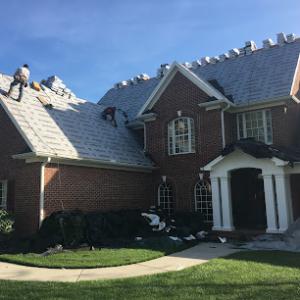
Roofing & Exteriors
(423) 800-3133 www.roofingandexteriortn.com
Mailbox 9, 445 Church St SE Suite 140, Cleveland, Tennessee
5.0 from 14 reviews
Best roofer you can get. Locally owned and operated. 20 years in this industry. We stand behind our work. Roofing replacements and repairs you can trust. Premium quality roofing at a reasonable price. No nonsense sales and pricing. Don't waste time with all the sales gimmicks. Let us make the project easy, contact us today for a free estimate.
RivCo
3520 Eveningside Dr NW, Cleveland, Tennessee
4.5 from 36 reviews
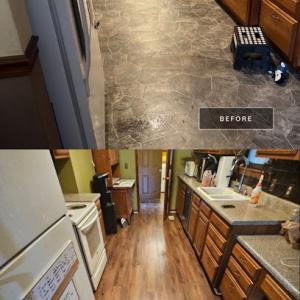
RivCo is your go-to source for top-notch construction and renovation services in Chattanooga, TN. We offer a wide range of services, from remodeling and additions to new construction and repairs. With over a decade of experience, our team has earned a reputation as the premier general contractor. Simplify your project with our design-build approach, streamlining the construction process from concept to completion.
Absolute Roofing & Restoration
1706 Bridget Ln NW, Cleveland, Tennessee
4.2 from 10 reviews
Founded in 2008, we are a small regional roofing company that has done more than 1,000 residential, commercial and industrial jobs. We work in East Tennessee, North Georgia and North Carolina. Focusing on re-roofs and storm restoration, our philosophy is to use the best possible product/technique and to do the job correctly the first time.
4 Seasons Roofing & Gutters
(423) 704-1015 4seasonsroofingandgutters.com
Serving
5.0 from 35 reviews
4 Seasons Roofing and Gutters is a locally owned and operated roofing contractor in Cleveland, TN, specializing in roof repairs, full roof replacements, and storm damage restoration for residential and commercial properties. We have experience working directly with insurance claims, including meeting adjusters and guiding homeowners through the process from inspection to completion. Our team is committed to quality craftsmanship, durable materials, and honest service in every season. We proudly serve Cleveland, Bradley County, and surrounding areas with reliable roofing solutions you can trust. Free roof inspections and estimates available.
Roof Maxx of Cleveland, TN
Serving
4.8 from 19 reviews
Roof Maxx® is a scientifically formulated and 100% safe, plant-based roof rejuvenating spray treatment that was developed by renowned scientists from the world’s largest private research and development company.

Scenic City Skylights & Exteriors
(423) 424-9160 www.sceniccityskylights.com
Serving
4.9 from 30 reviews
Scenic City Skylights & Exteriors provides professional skylight installations, window and door installations to the greater Chattanooga area.
Southern Guardian Roofing
(423) 508-4907 www.southernguardianllc.com
Serving
5.0 from 231 reviews
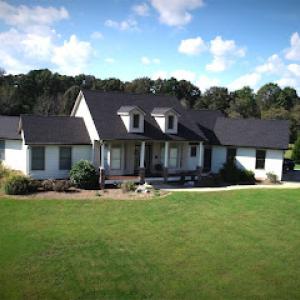
Southern Guardian Roofing is your premier roofer in Chattanooga, TN, providing expert roof replacement and repair services. With a commitment to quality and customer satisfaction, we also specialize in gutter replacement to ensure your home is fully protected. What sets us apart? We offer a lifetime workmanship guarantee and meticulously document every step of the process for transparency and peace of mind. Our trustworthy, friendly, and personal approach ensures that your roofing needs are met with the utmost care and professionalism. Contact Southern Guardian Roofing today for reliable service and lasting results.
Baxter Williams Roofing
Serving
5.0 from 14 reviews
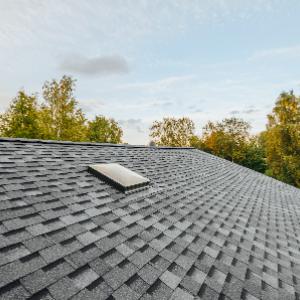
Whether you're renovating your home or investing in your business property, the pros at Baxter Williams Roofing are ready to work with you every step of the way during your construction or remodeling project. Our commitment to excellence starts with our very first conversation and doesn’t skip a beat until the final walkthrough. Whether you're considering new roofing, improved gutters, or replacing your siding, a dedicated project manager will ensure the best workmanship using only the highest quality materials. No matter the scope of the project, Baxter Williams Roofing strives to give you and your project the attention and diligence it deserves — from thought to finish.
When a storm rolls through the Tennessee Valley and you're a homeowner on a slate of steep roofs or asphalt shingles common in this area, the claim process starts with timely documentation that the adjuster can rely on. In Tennessee, roof claims commonly require adjuster review before payout, so dated photos, shingle samples when possible, and written contractor findings soon after a storm become essential anchors in the file. Take exterior photos from ground level and from the driveway, capturing overall roof shape, any lifted or missing shingles, and sprinkler-like granule loss near gutters. If possible, grab a few shingles from areas that show visible damage and save samples in a labeled bag. A quick, clear set of notes documenting the date and time of the storm, wind directions, and tangible impacts on the roof finishes helps the file read consistently when the adjuster arrives.
Cleveland homes face a mix of wind-driven and hail-driven damage due to the spring thunderstorm pattern. Local claim outcomes can be affected by whether damage is documented as wind or hail related, which matters in a market where spring storm events are a routine trigger for roof replacement conversations. To improve the odds of an accurate assessment, organize a simple damage timeline: when the storm hit, what signs were present immediately after, and any temporary patches that were applied to keep water out. Written contractor findings should be prepared soon after a storm, focusing on observed issues such as lifted tabs, cracked shingle edges, damaged flashing, and potential water intrusion around valleys and chimneys. If a contractor can provide a separate note on suspected wind-stripped granules or hail pitting, attach that to the claim packet to reinforce the claimed cause.
Insurers in this region may scrutinize ventilation and code-compliant installation, so Cleveland homeowners should keep records of prior roof work, permit history, and any flashing or attic ventilation upgrades. A claim can hinge on whether the current ventilation system and flashing properly support the roof under typical Tennessee humidity and storm loads. Photograph attic ventilation components, soffit and ridge vents, and any changes in attic insulation around the vented space. If the roof has had recent upgrades or repair, note the dates, contractor names, and a brief description of the work. Documentation showing a well-ventilated attic and properly sealed flashing can influence the adjuster's view of replacement necessity, especially when a storm exposes vulnerabilities in older installations.
When the adjuster visits, present the organized set of dated photos, shingle samples, and contractor notes in a single packet. Be ready to point to specific shingles or flashing areas that show damage versus wear. If there is any discrepancy between the observed damage and the estimated repair scope, request a re-inspection or bring in the contractor for a joint review. Clear, close-up photos of damaged edges, granule loss, and any water intrusion patterns help the reviewer interpret the severity and causation. After the inspection, keep a written log of conversations with the insurer, including dates of calls and the names of representatives, so the claim path remains transparent through the decision-making process.
If a settlement is offered, compare it against the documented findings and notes from the contractor. When adjustments are needed, provide a concise reference to the photos, samples, and attic observations that support the requested changes. A well-documented file that captures wind versus hail indicators, ventilation status, and prior roof work then stands a better chance of aligning with the loss assessment and enabling a smoother, faster resolution for a replacement discussion that fits the spring storm cycle in this area.
Connect with contractors who help homeowners navigate the claims process from damage assessment to final approval.
Best Roofing, Cleveland, TN
(423) 464-5697 bestroofing.biz
100 Lyles Rd SE, Cleveland, Tennessee
5.0 from 114 reviews
All-timate Roofing
(423) 476-6387 www.alltimateroofing.com
5575 N Lee Hwy, Cleveland, Tennessee
4.8 from 335 reviews
Premiere Roofing Services
(423) 457-3239 premiereroofingservices.com
410 8th St NE, Cleveland, Tennessee
4.8 from 134 reviews
In Cleveland, the spring storm season tests roofs in ways that few other climates face, and the hot, humid summers compound stresses when attic ventilation is weak. The choice of roof type should balance storm resilience, thermal performance, and how well the home's structure handles weight and moisture. This section focuses on what works best for the local conditions and what to watch for after a storm, when insurance documentation and fast response matter.
Asphalt shingles remain a dominant choice in this market. They are familiar, cost-effective, and relatively quick to repair after a storm. In Cleveland, the combination of humid heat and periodic downpours can accelerate granule wear and thermal aging, especially if attic ventilation is not up to the task. When storms drop hail or high winds, shingle granules can loosen and the underlayment may be exposed sooner than expected. A well-ventilated attic helps moderate roof temps, which reduces the risk of shingle curling and premature failure. If you already have asphalt, prioritize inspecting the attic after every major storm and addressing any ventilation gaps, damaged decking, or sagging edges promptly. When damage occurs, filing clear, contemporaneous documentation for your insurer speeds up claims and reduces back-and-forth time.
Metal roofing suits the Cleveland climate particularly well because it shrugs off repeated storm exposure and resists impact better than many other materials. It also cools faster under summer sun, which helps limit attic heat buildup when ventilation is suboptimal. For homeowners tired of replacing storm-affected shingles, metal offers a longer-term path with fewer frequent repairs. In areas with heavy spring storms, metal panels with proper fasteners and flashing details perform reliably, but it's essential to ensure the system is designed to handle local wind loads and any roof penetration points (vents, chimneys, skylights) are sealed correctly. After a storm, metal roofs typically show fewer early signs of leakage, though any hail can leave dents that affect aesthetics or, in some systems, accelerate corrosion if coatings are damaged. Insurance documentation for metal roofs should reflect the condition of flashings and edge treatments, since those are common focus points during claim reviews.
Clay tile and concrete tile bring distinctive curb appeal and longevity, but their fit depends on structural load and moisture exposure. In humid conditions, tiles can be susceptible to cracking from wind-driven debris or rapid temperature swings, and heavier tile systems demand a solid, well-supported structure. Wood shakes and synthetic products offer different aesthetics and performance profiles; wood can be particularly vulnerable to moisture and rot in hot, humid summers without excellent ventilation and maintenance, while synthetic options vary widely in weight and expandability. If the home's design leans toward heavier or specialty materials, verify structural compatibility, ventilation adequacy, and long-term moisture management before installation. For storm response, tiles may require more extensive field repairs or replacements, and insurance documentation should capture the integrity of tile transitions, underlayment, and deck/frame condition after any major event.
After a significant storm, prioritize a rapid roof assessment focusing on loose, missing, or cracked components, exposed underlayment, and any signs of localized water intrusion. Document damage with photos and notes for insurance reporting, then reach out to a contractor who can provide a same-day or next-day temporary cover if needed. If a roof replacement is being considered, align material choice with your home's design, structural readiness, and long-term weather exposure, while keeping ventilation and attic temperature control as central concerns to protect the roof's performance in hot seasons.
Pricing in this market follows the local mix of attached and detached homes and the spring storm cadence that can spike demand. Provided local pricing ranges run about $320 to $520 per square for asphalt shingles, $600 to $1100 for metal, $1000 to $1900 for clay tile, $900 to $1700 for concrete tile, $600 to $1200 for wood shingles or shakes, and $500 to $900 for synthetic or composite shingles. Those ranges reflect the typical Cleveland project size and the common stock of residential roofs, not premium or specialty installs. When a storm hits, expect the midpoints to shift upward for a few weeks as crews are booked and the supply chain tightens.
Factors that drive cost beyond the base material include the need for ventilation corrections flagged during inspection, flashing upgrades to address local weather patterns, and the roof pitch common on its detached homes. A steeper pitch or more complex geometry, which is not unusual here, increases both labor and material waste. If a roof replacement occurs after a spring storm outbreak, emergency demand and insurance-driven replacement volume can push labor availability down and push labor rates up, even for otherwise straightforward jobs. These dynamics are one reason many homeowners see a noticeable bump in pricing in late spring and early summer.
When planning a replacement, use the price ranges as a framework for budgeting, but be prepared for adjustments tied to the inspection narrative. If inspectors request ventilation corrections or upgraded flashing as part of the scope, add those line items to the estimate. Permit requirements, if applicable, can also influence the price band, though a dedicated permits section covers those details separately. In this climate, even modest upgrades-like better attic ventilation or upgraded underlayment-can pay off in comfort and longevity, especially for roofs facing humid heat and spring storms.
Different roof types carry distinct cost profiles in this market. Asphalt shingles remain the most common and cost-efficient choice for many Cleveland homes, but metal, clay tile, concrete tile, wood shingles, and synthetic shingles each bring their own labor and material nuances. Clay and concrete tiles, for example, can face higher install complexity and heavier structural considerations, which pushes the low end toward the higher end of the ranges cited. Wood shingles and shakes have a distinct aesthetic and performance profile, but require careful maintenance and faster wear under storm-driven moisture. Synthetic or composite shingles produce a middle ground, balancing upfront cost with durability.
To prepare for spring storm season, set aside a contingency if a large claim is anticipated. Documentation for the claim-photos, damaged areas, and a clear scope-helps expedite the process once a contractor is on site. In this market, fast post-storm response matters: confirming a crew schedule, confirming coverage with the insurer, and coordinating tarping or temporary protection while the replacement is planned can save days of exposure to further weather and minimize interior damage.
Get a clear picture of your project costs upfront - no commitment required.
All-timate Roofing
(423) 476-6387 www.alltimateroofing.com
5575 N Lee Hwy, Cleveland, Tennessee
4.8 from 335 reviews
Premiere Roofing Services
(423) 457-3239 premiereroofingservices.com
410 8th St NE, Cleveland, Tennessee
4.8 from 134 reviews
Roofing & Exteriors
(423) 800-3133 www.roofingandexteriortn.com
Mailbox 9, 445 Church St SE Suite 140, Cleveland, Tennessee
5.0 from 14 reviews
A full roof replacement in Cleveland typically requires a building permit through the City of Cleveland Building Department. This isn't a nuisance tactic; it's a safeguard that keeps your home compliant with local codes and helps ensure the work stands up to the region's spring storms. The permit process starts with documentation of the scope, including venting, flashing, and ventilation details. If the project changes midstream, a permit amendment is often needed to keep the records accurate and the approval valid. Understanding this upfront helps avoid last-minute delays that can pile up when the weather flips from calm to stormy in a matter of days.
The city conducts inspections during and after roofing work, making permit compliance part of the normal replacement process rather than an optional extra. A typical sequence includes an initial inspection to verify the project's scope and safety measures, followed by a mid-project check if the work requires staging or structural changes, and a final inspection to confirm the completed roof meets code. If something isn't up to standard on the first pass, the inspector will point it out, and you'll need to address it before moving forward. Scheduling these inspections with realistic lead times is essential, especially when spring storms are rolling in and you need a reliable window to protect your home.
Cleveland may require documentation showing ventilation and flashing details, and the contractor's licensing information may need to be on file before approval is finalized. Ventilation is not just a box to check; it affects attic moisture, mold risk, and overall roof longevity in hot, humid Tennessee summers. Flashing details protect valleys, chimney lines, and vent stacks where water tends to infiltrate first after a heavy rain. Have your contractor provide stamped plans or official notes that specify these features, and keep their license on file with the permit paperwork. If a claim arises after a storm, solid documentation can streamline conversations with the city and your insurer.
Approach the permit and inspection steps as a built-in part of the project, not an add-on. Failing to secure the permit or to pass an inspection can stall work, trigger rework, or complicate insurance documentation after a storm. When storms threaten, the safest path is to have all paperwork ready, know the inspection cadence, and keep a clear line of communication with both the contractor and the Building Department. That readiness translates to fewer surprises and a faster path to a secure, code-compliant roof.
Attic ventilation is a nonstop factor in this area, where Cleveland's hot summers turn the attic into a heat chamber. Trapped heat shortens shingle life and pushes your indoor cooling loads higher. Proper intake-and-exhaust balance helps prevent premature curling, glare-through glare, and moisture buildup that can hide underlayment issues.
Ventilation strategy should be built into the roof plan, not slapped on after a storm. In high summer, installation timing matters because heat affects how shingles, underlayment, and metal components handle and set. Schedule work for cooler parts of the day when possible, and allow for acclimation of new materials before a full sun-on-roof condition begins.
Because attic airflow influences energy performance, every replacement or major repair should address vents, soffit lines, and ridge openings in tandem. If a roof is damaged by a spring storm, the inspection should explicitly verify that attic ventilation remains unobstructed by debris and properly resealed after work. Inconsistent ventilation can skew claim outcomes and inspection results, so the details matter during file reviews and adjuster visits.
Consider practical checks you can do before and after a job. Confirm soffit vents are clear, confirm ridge vents are unobstructed, and verify that vapor barriers in the attic are intact or appropriately replaced. If you notice warm attic air rising into living spaces during heat waves, pause any nonessential interior work and address ventilation to optimize both shingle performance and cooling efficiency.
Spring in this area brings the highest disruption risk from hail and thunderstorms, so replacement schedules can change quickly even after a contract is signed. Planning should build in a short buffer for weather delays, and contracts should include clear notes about rescheduling windows when severe weather looms. If a storm hits and a full roof assessment confirms damage, be prepared to prioritize a rapid on-site inspection and documentation-photos from multiple angles, dates, and wind-driven debris patterns help with insurance documentation and, when necessary, accelerated work sequences.
Summer heat can complicate installation windows, while winter freezes and occasional icing can limit safe roof access in this part of Tennessee. On hot days, schedule the most labor-intensive phases for early morning or late afternoon to protect workers and materials. In the shoulder seasons, aim for drier stretches of weather, but stay flexible-short, dry spells between storms can still carry enough opportunity for progress. Autumn can be productive for planned replacements in Cleveland, but rain and wind still create moisture-management and scheduling concerns before winter. Use this time to finalize underlayment and ventilation checks, ensuring the roof is watertight before any colder spells arrive.
After a storm, gather comprehensive documentation quickly: dated photos of all affected areas, measurements if accessible, and a concise note of observed damage types (impact marks, lifted shingles, bent flashing). This helps keep the process moving when insurance review timelines tighten. If inspection flags hail or wind-driven damage, a fast response plan minimizes secondary issues like moisture intrusion or soffit deterioration. Coordinating a pre-emptive tarp or temporary seal can buy precious hours while the claim is processed and a crew is mobilized. In peak storm weeks, prioritize critical areas first-valleys, hips, and areas near gutter transitions-to reduce likelihood of leaks during ongoing weather swings.
Local contractor signals show homeowners strongly prioritize affordability and rapid post-storm action, a rhythm shaped by spring thunderstorm bursts and insurance-driven re-roofing needs. In this market, you will often hear neighbors weighing bid clarity, return calls, and a contractor's ability to mobilize after a hail or heavy rain event. When storms hit, the first calls go to those offering straightforward, predictable schedules and clear follow-up steps. You can expect that near-untermayer posts-storm demand centers on thinning the time between damage assessment, tear-off, and tarping, so look for a contractor who lays out a practical, day-by-day plan rather than a best-case guess.
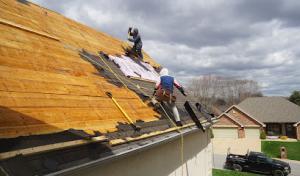
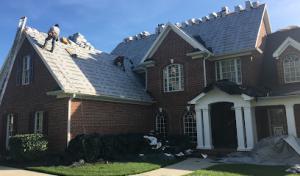
Re-roofing is more prevalent than niche specialty work, so prioritize contractors with a documented tear-off process, concrete site protection, and thorough post-job cleanup. In this market, crews should show you a rolling sequence: protective tarps and ground-cover where needed, careful removal of old roofing to avoid damaging underlying decks, and a clear plan for waste containment. Ask for references who can attest to how debris is contained during weather events and how nails and shingle remnants are swept up. A reliable crew will walk the job with you, point out temporary protections for landscaping, and explain how they minimize disruption to your daily routine.
Because permit and inspection compliance runs through the City of Cleveland Building Department, homeowners should verify that the contractor can document licensing and provide ventilation and flashing details when requested. Expect a precise explanation of underlayment choices, attic venting improvements, and drip edge and flashing placements tailored to your roof style. A trustworthy pro will bring written specifications for venting and flashing, show me a plan for protecting ridge and eave ventilation during tear-off, and outline how roof-to-wall transitions will be sealed to resist springtime wind-driven rain. In this market, the ability to provide or confirm these details quickly often correlates with a faster, smoother claim-oriented project.