
Last updated: Apr 19, 2026
Middle Tennessee wind and hail events are a major driver of roof-related claims in this area. When a storm sweeps through, shingles can be lifted, granules loosened, and attic moisture hidden behind ceilings can quietly accumulate. The risk isn't just cosmetic: missing damage today can turn into structural leaks tomorrow, especially as spring storms bounce between wind shifts and rapid temperature swings. The window to verify and document that damage is narrow, and delays can complicate both insurance and repairs down the line.
Spring storms in Hendersonville commonly affect both roof condition and replacement scheduling, making post-storm inspections especially time-sensitive. Start with a careful, ground-level survey after the rain stops and daylight returns. Look for lifted shingles, damaged flashing around chimneys and vents, dented gutters, and any new water stains on interior ceilings. If you're uncomfortable or if you suspect interior damage, don't hesitate to call a licensed, locally active contractor for a professional assessment. A rapid, thorough inspection helps separate cosmetic issues from structural problems that require immediate attention.
Local contractors prominently market storm damage, insurance claims help, and emergency repair, showing that homeowners here often start the roofing process after a weather event rather than during planned remodeling. To support a claim, photograph every area that looks damaged, including close-ups of hail impacts and wide shots of the roof's overall condition. Keep a dated log of observations, weather timelines, and any temporary fixes you implement (tarps, boards, or tarping around vulnerable openings). Collect all receipts for emergency work and any temporary protections, and organize professional assessment reports. Insurance adjusters rely on clear evidence, so precision in documentation speeds the claim process and reduces back-and-forth.
Do not wait to reach out to your insurer if you notice new leaks or visible damage after a storm. Initiate the claim as soon as you can, and request an inspection appointment within your policy's typical post-storm window. If a contractor is already on-site performing emergency repairs, coordinate with the insurer so the adjuster can tour the site with all relevant documentation in hand. Quick communication helps ensure that covered damages are recognized and that scheduling aligns with the insurer's assessment timelines.
In this market, quick-footed responses are essential. Beware of door-to-door storm chasing by out-of-area firms or crews pressuring for immediate work without a formal inspection. Stick with reputable, locally established contractors who understand the local hail patterns, wind behavior, and the typical roofing materials used in town. If a contractor offers an unusually rapid claim-approval path or asks for upfront cash without a formal estimate, pause and verify their licensing, references, and past storm projects. A cautious, documented approach reduces the risk of scams and ensures repairs reflect actual damage.
Spring weather swings make scheduling delicate. Roll weather windows into your planning by aiming to complete assessments and, if needed, emergency repairs within a few days of a storm, while avoiding peak rain periods that can delay replacements. Prioritize critical leak fixes first, followed by a phased roof replacement if needed, ensuring that the project aligns with the insurer's adjustment schedule and your own comfort with exposure to the elements. The faster you move from damage recognition to documented claim and repair authorization, the lower the risk of secondary damage and extended repair timelines.
Trusted Roofing
(629) 239-1101 middletnroof.com
129 Haven St B, Hendersonville, Tennessee
5.0 from 399 reviews
Trusted Roofing is a professional roofing company located in Hendersonville, TN that provides Roof Repair, Roof Replacement, Roof inspections, Asphalt Roofing, Flat Roofing, Metal Roofing, Emergency Roofing services and tarping, Roofing insurance claims, and Gutters installation to Nashville ,Brentwood, Franklin, Gallatin, Hendersonville, Mount Juliet, White House,Old Hickory, Murfreesboro, Clarksville, Bellevue, Lebanon, and the surrounding areas of Tennessee. We have years of experience in the Roofing industry and our expert roofing contractors provide the best roofing services in Nashville. Our Motto is "ITS WHO YOU TRUST". Contact us today for the best experience in the Roofing industry.
Pine Knot Roofing
(615) 348-5136 pineknotroofing.com
116 Maple Row Blvd, Hendersonville, Tennessee
5.0 from 115 reviews
Pine Knot Roofing - Nashville Roofing Experts Pine Knot Roofing is your go-to for expert roofing in Nashville and Middle Tennessee. With 18+ years in the business, we're a family-run, licensed provider of residential and commercial roofing services. Our blend of traditional craftsmanship and modern technology ensures durable, quality solutions. We offer roof repairs, replacements, and gutter installations, tailored to your needs. Integrity, professionalism, and customer satisfaction are our priorities. We also specialize in navigating insurance claims for storm and hail damage. For a free inspection and trusted roofing excellence, choose Pine Knot Roofing.
Intercept Roofing & Construction
(615) 586-6885 www.interceptroofing.com
132 Maple Row Blvd #530, Hendersonville, Tennessee
4.9 from 148 reviews
Protecting your largest investment with top-of-the-line roofing work is our mission at Intercept Roofing. We are your local full-service roofing company in Franklin, TN, dedicated to providing you with a quality roof guaranteed to last for years. We take pride in a job well done and guiding you through the entire process in the event of an insurance claim. You can rest assured that our expertise, specialized skills, 10-year warranty, and customized personal service will provide you with peace of mind. We're pleased to offer a 10 percent discount for the military and first responders. Contact us today for roof replacement or repairs done the right way and at an affordable price.
Pinaire Roofing
(615) 766-3464 www.pinaireroofing.com
44 Industrial Park Dr, Hendersonville, Tennessee
5.0 from 69 reviews
Pinaire Roofing. Nashville’s fastest growing roofing company. We are proud of our superb customer service and excellence in the field. With our highly trained staff we guarantee the highest quality and satisfaction for all of our customers no matter the size of your needs. Please don’t hesitate to call.
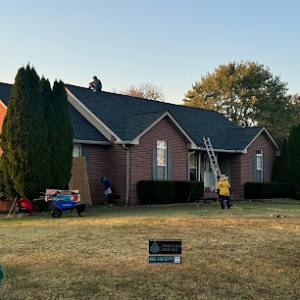
Provision Roofing & Restoration
(615) 418-9777 www.provisionroofingrestoration.com
114 Powell Dr, Hendersonville, Tennessee
5.0 from 97 reviews
Local, Veteran Owned and Operated Roofing Contractor located in the heart of Hendersonville. We specialize in Storm Damage Restoration offering help to all of our neighbors recover from storms that have affected Middle Tennessee. Offering FREE 24hr replacement estimates, and same day repair estimates, and FREE no obligation storm damage assessments! Call us today!
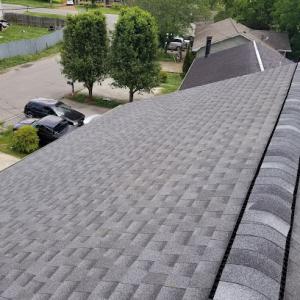
Sunset Home Improvement
(615) 987-5805 www.sunsethi.com
315 W Main St #102, Hendersonville, Tennessee
5.0 from 59 reviews
Combining years of experience with a dedication to client satisfaction, Sunset Home Improvement has established itself as the local leader in Roof Maintenance, Gutter Installation and Siding.
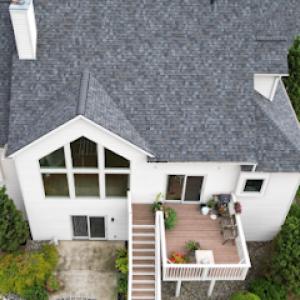
Landmark Roofing Nashville
(615) 573-2555 www.landmarkroofingexperts.com
206 Louise Ave, Hendersonville, Tennessee
4.9 from 86 reviews
Landmark Roofing Nashville is your go-to roofing contractor in Hendersonville, TN. With decades of experience, we’re here to handle everything from small repairs to full roofing replacement in Hendersonville. Whether you need help with your home or business, our team is dedicated to delivering durable, energy-efficient solutions that stand the test of time. We use quality materials and focus on making sure your roof is built to last. Ready to get started? Give us a call today, and let us take care of your roofing replacement Hendersonville needs with friendly service and a job done right.
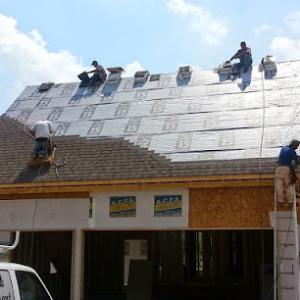
Mr. GoodRoof
273 W Main St, Hendersonville, Tennessee
4.8 from 245 reviews
Mr. GoodRoof is Nashville’s trusted local roofing company, providing expert roof repair, roof replacement, storm damage repair, and gutter services. Our certified team also specializes in skylight installation, attic ventilation, soffit and fascia repair, and preventative roof maintenance. We proudly serve Nashville, Franklin, Brentwood, Hendersonville, Gallatin, and all of Middle Tennessee. Known for free roof inspections, transparent pricing, and hundreds of 5-star reviews, we are committed to protecting your home with quality materials and professional service. Whether you need a small leak repaired, new seamless gutters, or a complete roof replacement, Mr. GoodRoof delivers dependable results you can count on.

Best Choice Roofing
(615) 488-4267 bestchoiceroofing.com
35 Executive Park Dr suite c, Hendersonville, Tennessee
4.8 from 551 reviews
Best Choice Roofing is your trusted roofing expert and the Best Choice when it comes to choosing a roofing company with a commitment to impeccable customer service and expert roof replacement, roof repairs, and custom roofing in Hendersonville, TN. In business since 2009, Best Choice Roofing’s industry-leading contributions to the roofing industry include a customer-first mentality, a dedication to top-quality products and a leadership team focused on the growth of its people. Because of this framework, we have created a loyal base of customers all over the United States.
Fry & Family Roofing
(615) 420-8103 fryfamilyroofing.com
Hendersonville, Tennessee
5.0 from 29 reviews
Welcome to Fry and Family Roofing, where excellence meets expertise. With a steadfast commitment to quality craftsmanship, we take pride in providing top-tier roofing solutions for your home or business . Our skilled team combines years of experience with the latest industry innovations to deliver durable, reliable, and aesthetically pleasing roofing solutions. Whether it's repairs, replacements, or new installations, trust Fry and Family Roofing for unparalleled service, reliability, and a roof that stands the test of time. Your satisfaction is our priority, and we're dedicated to ensuring your peace of mind under the protection of a superior roof."

Green Star Home
777 W Main St, Hendersonville, Tennessee
4.5 from 109 reviews
With more than twenty years of experience in Replacement Windows, Bathrooms, Sunrooms and Roofing, Green Star Home Remodeling is able to offer a wide variety of products and services to meet our customers’ needs. Serving the Nashville, Tn and Middle Tn areas, we are your go-to local home improvement company to answer any questions you may have. Our installers are factory certified and trained so that you know you can always trust the work to be done correct and on time! It is Green Star’s mission is to provide homeowners with the highest quality remodeling products and knowledge in the industry at the right price. Our friendly, knowledgeable staff will help educate and problem solve for our customers.
Southern Premier Roofing
(615) 234-0008 www.southernpremierroofing.com
177 E Main St STE 4, Hendersonville, Tennessee
4.8 from 18 reviews
Leading provider of professional commercial and residential roofing solutions in the Southeast United States, with locations in Nashville TN, Raleigh, Wilmington, Fayetteville, NC, and Charleston, SC.
In this area, Hendersonville sits along the damp edge of Old Hickory Lake, where moisture exposure can keep roofs damp longer than inland settings nearby. The lake's humidity and frequent spring storm activity shape what works best when choosing roof materials and planning replacement. Material choices should account for longer drying times after storms, higher attic humidity, and the need for reliable sealing against wind-driven rain.
The local material mix is led by asphalt shingles and metal roofing, while tile and slate appear more selectively and usually require structure-aware planning on higher-end homes. Asphalt shingles remain a common, practical option for most homes because they tolerate the local humidity well when paired with proper ventilation and underlayment. Metal roofing has become a reliable alternative in this climate, offering strong weather resistance and a cooler attic when paired with a well-ventilated attic space. Tile and slate, though durable in many climates, tend to appear on higher-end homes here where structural considerations and roof slope restrictions are carefully matched to the weight and installation needs.
When evaluating a material fit, start by assessing attic ventilation and insulation. Prolonged moisture exposure from the lake can elevate attic temperatures during hot summers, accelerating aging in asphalt-based systems and stressing roof sheathing if ventilation is inadequate. A robust ridge vent, soffit intake, and an air-permeable underlayment help manage moisture and temper attic heat. For metal roofs, guard against heat build-up by ensuring proper venting and, if possible, reflective coatings or light-colored finishes to reduce heat absorption. If clay or concrete tiles are considered, verify that the primary structure can handle the weight and that proper attic-to-roof bracing and rafter spacing are in place.
Durability under storm-driven moisture matters. Asphalt shingles perform well with quality sealants and a watertight underlayment, but prolonged dampness from frequent spring storms can reveal wear sooner if flashing around chimneys, vents, and valleys isn't meticulous. Metal roofing resists wind and rain well but benefits from solid fastener choices and continuous insulation at eave lines to prevent condensation and ice dam risk in shoulder seasons. For tile and slate, anticipate the need for professional evaluation of roof framing, as these materials demand careful substrate support and precise installation to avoid micro-cracks and panel movement that can compromise moisture barriers.
Maintenance and inspection cadence should align with Hendersonville's seasonal swings. After storms, inspect for curled shingles, lifted flashing, and any signs of moisture intrusion near valleys and chimneys. In rainy periods, check attic ventilation performance again and verify that insulation remains effective at reducing heat transfer into the roof assembly. If choosing asphalt or metal, prioritize a roof system that includes a high-quality underlayment and a moisture barrier strategy that accounts for lake-adjacent humidity. If tile or slate is chosen, plan for longer lead times and a willingness to address substrate and retrofit requirements as the structure ages.
In practice, match the material to the home's exposure and structure. A typical lake-adjacent home with moderate attic access and good ventilation often benefits from asphalt shingles for cost-effectiveness and reliable service if installed with careful detailing. A high-performance profile metal roof can offer longevity and cooler attic conditions in hot, humid summers, provided the installation emphasizes airflow and corrosion resistance in the coastal-chloride environment. Tile or slate remains an option for homes with the right roof structure and a commitment to ongoing maintenance, especially where high-end aesthetics and long service life are priorities.
In this area, asphalt shingles remain the most budget-accessible fit for the dominant replacement market. For a homeowner watching dollars, asphalt shingles are often the default starting point because they pair well with traditional homes and the region's humid springs. Metal roofing, by contrast, tends to command a premium here, reflecting its status as a common upgrade path rather than a niche product. That premium stacks up quickly when comparing long-term durability and maintenance versus the upfront cost. When a repair becomes a full replacement, metal often ends up costing significantly more per square, even before factoring installation complexity. For homeowners evaluating long-term value, the break-even horizon should be weighed against the likelihood of storm-driven damage and future upgrades.
Storms along Old Hickory Lake and across Sumner County can tighten scheduling after a major wind or hail event. When the area experiences severe weather, crews and materials can be in higher demand, which translates into shorter-term availability and, sometimes, higher pricing. In practical terms, if a hailstorm hits, expect bids to come in faster and with limited price flexibility. The tighter market also ups the chance of temporary price bumps for expedited work or emergency dry-in. If timing is flexible, a homeowner can often save by waiting a short window after the peak storm response to compare multiple reputable roofers and lock in a plan. If the roof needs immediate attention, prioritize trusted contractors with clear communication and documented scopes to minimize the risk of change orders during a hectic period.
Costs can shift based on the weather window you target. Hendersonville experiences distinct spring-to-fall swings, with wet springs and hot, dryer summers. Spring projects may encounter lingering rainfall and humidity, which can slow progress and extend the project timeline, potentially increasing labor costs if crews stretch a job into multiple weeks. Summer work tends to be more predictable for dries and set-up, but it also pushes heat-driven productivity concerns. Some crews price summer work higher to reflect heat-related scheduling challenges and the need for midday downtime to protect workers and materials. If timing is flexible, late spring or early fall can offer a balance between reasonable scheduling and stable material availability. For projects tied to insurance documentation or post-storm repairs, expect the combined factors of documentation, potential dry-in requirements, and the storm-impacted schedule to influence overall cost and timeline.
Begin with a frank comparison of material options in the context of your home's roof pitch, existing deck, and attic ventilation. Asphalt shingles provide the most predictable base price, while metal upgrades should be evaluated for long-term protection and resale value relative to the upfront premium. When storms loom, build a short, prioritized list of questions for contractors: delivery timelines, ability to secure materials quickly, and a clear work plan that minimizes exposure to rain during replacement. For weather-driven scheduling, request phased milestones and a firm start date with contingencies for weather delays. Documentation tied to insurance claims can add complexity; maintain organized records of bids, change orders, and material warranties to keep the project on track and within budget.
Get a clear picture of your project costs upfront - no commitment required.
Intercept Roofing & Construction
(615) 586-6885 www.interceptroofing.com
132 Maple Row Blvd #530, Hendersonville, Tennessee
4.9 from 148 reviews
Provision Roofing & Restoration
(615) 418-9777 www.provisionroofingrestoration.com
114 Powell Dr, Hendersonville, Tennessee
5.0 from 97 reviews
Best Choice Roofing
(888) 445-1831 www.bestchoiceroofing.com
105 Hazel Path, Hendersonville, Tennessee
4.2 from 216 reviews
A roofing project that qualifies for a permit is typically issued through the Hendersonville building department. In practice, the permit is usually filed by the contractor, not the homeowner, so it is important to confirm who is handling the paperwork before work begins. The permit ensures the project plan and materials comply with local codes and the county's wind-driven rain considerations that frequently shape repairs after spring storms. Because Hendersonville sits near Old Hickory Lake humidity and experiences seasonal weather swings, that permit review often focuses on venting, attic insulation, and proper underlayment choices to withstand local humidity and wind loads. If the contractor changes mid-project, verify there is an updated permit record reflecting the new team and any scope adjustments.
Inspections are commonly required at multiple points in the roof replacement process. The initial inspection typically occurs after the deck and underlayment installation, or when the roof system is sufficiently in place for the inspector to verify critical elements. A second inspection is often scheduled as work progresses to confirm shingle installation, flashing details, and proper ventilation meet code requirements. In practice, this means you should plan for access to the attic and roof line during the day of inspections, and keep a clear route for the inspector to view structural components, ventilation, and eave details. If weather causes delays, coordinate with the contractor to reschedule promptly so inspections stay on track and the permit remains active.
The final approval confirms code compliance and wind-related requirements, which are particularly relevant after the spring-to-fall weather swings that characterize this area. Expect inspectors to verify that fasteners, nailing patterns, and edge drip systems align with local wind resistance standards. In Sumner County projects, some jobs may require documentation related to wind mitigation-records that can impact insurance premiums by demonstrating reduced risk from improved fastener schedules, underlayment choices, and roof geometry. If wind mitigation paperwork is needed, your contractor or a licensed professional can provide the necessary forms and attestations, and these should be kept with the project files for future reference.
Effective coordination hinges on clear communication with both the contractor and the building department. Ensure all required documentation, including permit numbers, inspection appointments, and any wind mitigation certificates, is readily accessible. Maintain a copy of the final inspection report and the permit closure notice for your records, since these documents prove compliance and can simplify future claims or resale questions. In this local context, timely inspections and accurate wind-related documentation help the project wrap up smoothly and align with Sumner County expectations.
Because Tennessee sees recurring wind and hail losses, you should expect insurers to ask for photos, roof age, and condition records when filing claims. In practice, that means a clear, dated set of images taken from multiple angles and elevations, plus notes on any soft spots, curling shingles, or granule loss. If a storm comes through and you're considering a claim, organize your photos by year and season so you can show how the roof has held up over time, not just the moment of impact. That foresight can help prevent a drawn-out back-and-forth when the adjuster reviews the file.
Adjusters in this market may request prior damage history and contractor estimates to support settlement decisions. Expect questions about previous repairs, early aging signs, and whether any prior patches were addressed by licensed professionals. Having a concise record of past work, invoices, and inspection notes can streamline the process and reduce the risk of disputes over what is or isn't covered. If a contractor has already documented preexisting conditions, share that documentation with the insurer to avoid mismatches between your claim and the assessment.
In Hendersonville, documentation matters not just for claims but also for final project closeout when permits and inspections are part of the replacement process. Prepare a comprehensive file that includes the initial claim correspondence, the adjuster's notes, contractor estimates, material specifications, and the final inspection report. Lending a well-organized file to your contractor can help ensure the project proceeds smoothly through permit validation and inspections, and it reduces the chance of delays caused by missing or unclear information. Keep digital copies aligned with physical copies, and label everything by date and purpose so a successor or a new adjuster can quickly follow the trail.
Start a dedicated roof folder or cloud folder labeled with the claim year and project name. Create a simple spreadsheet that records when photos were taken, which areas were documented, and which repair milestones are scheduled. If you ever need to reference or update the file, you'll have a reliable roadmap. Build a dialogue with your insurer that invites clear expectations about required documentation, then preserve every receipt, certification, and note that emerges during the claim and replacement process. The more you assemble ahead of time, the fewer surprises creep into the spring-to-fall weather swings that shape Hendersonville's roof work.
In Hendersonville, spring and fall are commonly preferred for full replacements because they avoid the worst summer heat and winter sealant limitations. Those shoulder seasons give crews a steadier pace, better ventilation, and fewer interruptions from heat waves or freezing mornings. If a storm frontend rolls in, you're less likely to be pushed into rushed, last-minute choices that compromise long-term performance.
Spring storms can drop sudden heavy rain and gusty winds, so scheduling window work as early in the season as feasible helps keep interior crews on track and reduces weather-driven delays. Choose a window where forecast highs sit in the 60s to low 70s, with only moderate humidity. Dry days are essential for sealants and flashing, especially where roof lines meet walls and attic spaces. Have a backup plan for quick tarp deployment if unexpected showers arrive and a communications line open with the contractor to adjust timing without losing a full replacement day.
Fall wind and rain, followed by colder winter temperatures, can delay projects and affect sealing performance if homeowners wait too long after storm season. Plan to complete under a stretch of calm, cool days rather than chasing last-minute warm spells. Fall should bring steady weather with mornings that stay above freezing, reducing the risk of sealant setting problems. If a late-season storm interrupts progress, accept a short pause to let conditions stabilize rather than forcing work during saturated sheathing or muddy footing.
Coordinate a start date with a project window that anticipates at least a few dry, moderate-weather weeks. Build in buffer days for material delivery and potential contingency due to spring storms or fall wind. Confirm that the crew has a plan for attic ventilation and existing insulation so indoor temperatures stay manageable during installation. Finally, align on a clear sequence: roof removal, deck inspection, underlayment refresh, and final flashing review to avoid rework when weather shifts.
In Hendersonville, leaks are not always tied to the obvious shingle run. Local contractor signals show meaningful activity in skylight work and low-slope roofing, especially around penetrations and transitions. Homes here often feature 3-tab or architectural shingles paired with vents, skylights, and starter strips that create more potential leak points than a simple ridge line would suggest. The practical takeaway is to inspect around penetrations first, then assess the surrounding flashing and seals before considering a full roof tear-off.
Skylight work tends to show up when sealants age or flashing layers separate. If you notice condensation, fogging, or a halo around a unit during rain, treat it as a priority repair rather than a cosmetic issue. For a low-slope section, look for consistent wet spots near penetrations, seams, or where the roof deck meets a sidewall. In many Hendersonville homes, the transition from a vertical surface to a low-slope field requires precise flashing details and compatible sealants to manage wind-driven rain during those spring storms.
Step-by-step you can follow starts with a careful damage map. Mark visible stains on ceilings and trace them to the attic to identify which penetration or seam is most likely at fault. Inspect skylight flashing from the top edge to the sill, paying attention to the sealant joints and the base flashing's overlap with the curb. For low-slope areas, check the base flashing along all corners and the continuity of the membrane or modified bitumen layer. If you find pooled water or persistent damp spots after a rain, focus on the transitions between materials and the condition of any vent penetrations.
Emergency response consideration is real around spring storms or wind-driven rain. If a leak threatens insulation, wiring, or ceiling materials, prioritize a temporary patch to divert water and prevent further damage while arranging a longer-term fix. In practice, this means a quick seal around the skylight or a temporary overhang adjustment to direct runoff away from vulnerable seams, followed by a scheduled, targeted repair that resolves the underlying penetration and flashing issues.
Find contractors experienced in skylight installation, flashing, and leak repairs to bring natural light into your home.
Intercept Roofing & Construction
(615) 586-6885 www.interceptroofing.com
132 Maple Row Blvd #530, Hendersonville, Tennessee
4.9 from 148 reviews
Mr. GoodRoof
273 W Main St, Hendersonville, Tennessee
4.8 from 245 reviews
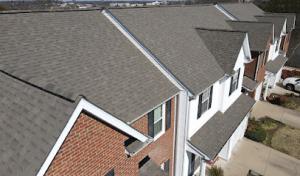
The local market leans heavily toward re-roofing rather than only new construction, so homeowners should evaluate contractors on replacement workflow and storm follow-up experience. In spring, quick turnaround matters because active leaks and insurance timelines can press hard on your schedule. A crew that treats a re-roof as a structured project-quick mobilization, organized tear-off, and a clear sequence of layers-will stand up better to Hendersonville's spring-to-fall weather swings. Look for teams that document a proven storm-response track record, not just a flashy portfolio.
Quick response and cleanup are standout hiring priorities in this area, reflecting a market where weather and insurance timing matter as much as price. Focus on communication during the estimate and after-signing, so you're not left waiting through rain delays or unclear follow-up. Family-owned and locally owned firms are common and can be dependable, but verification is essential. Ask for current licensing details, proof of up-to-date insurance, and a real plan for how the crew will handle debris control, tarping, and site safety. Verify that the team can manage permit filing and inspection coordination with the city, so the process doesn't stall after the crew finishes the roof.
Storm damage response is a real test here. A reliable crew should offer a documented timeline from removal to reinstallation, with specific dates for inspections and any required touch-ups. Ensure there is a clear point of contact for weather-related delays and a plan for protecting the interior during rain events. If a crew cannot guarantee organized cleanup and prompt follow-through after the first pass, you risk ongoing leaks and complaints from neighbors-risks that can ripple into insurance communications and timelines.
Trustworthy crews will provide references from local projects, explain their coordination with the city's inspection process, and demonstrate a workflow designed for rapid mobilization after storms. Favor teams that balance solid craftsmanship with accountable follow-through; in this climate, that combination saves headaches when the storm door opens and stays open for longer than expected.