Roofing in Tennessee
Last updated: Feb 28, 2026
Here in Tennessee, the roof over your head faces a lively mix of heat, humidity, and sudden storms—from sun-soaked afternoons along the rolling hills to spring deluges that roll through Nashville and Knoxville. Our weather tests shingles and flashing, and it rewards good maintenance with longer life and lower energy bills. Home styles here run from classic craftsman to modern ranch, each with its own shading, eaves, and decked-out parapets that influence roof choice. And because material costs, codes, and contractor availability ebb and flow, a practical, neighborly approach to upkeep isn't just smart—it saves real money over time.
This Tennessee page aims to answer real questions with advice you can trust. You'll find a practical overview that covers how our climate shapes roofs, which materials hold up best in heat and storms, and what local homeowners are choosing for durability and curb appeal. You'll also get a sense of typical costs in our area, the permits and regulations you'll encounter, and common Tennessee-specific roofing problems with straightforward fixes. It includes maintenance routines, guidance on when to repair versus replace, and when it's wise to bring in a professional. All of it is framed around Tennessee's conditions and backed by local resources, from supplier networks to permitting offices to vetted local pros.
What to expect at a glance:
- Local climate considerations and how they influence material choices and maintenance
- Materials and styles that perform well in Tennessee's heat, humidity, and storms
- Costs, budgeting tips, and value considerations for Tennessee homeowners
- Permits, codes, and other local regulations you'll likely run into
- Common Tennessee roofing problems and practical solutions
- Seasonal maintenance tips tailored to our weather patterns
- Guidance on repair vs. replacement decisions and when to hire a pro
Ready to dive in? Let's first look at how Tennessee's climate shapes your roof and your maintenance plan, so you can protect your home with confidence.
Local Climate & Its Impact on Roofs
Tennessee Climate Snapshot
Tennessee sits in a humid subtropical climate zone, with hot, humid summers and mild to cool winters. Regional differences matter: East Tennessee tends to be cooler and wetter in winter, while West Tennessee can feel hotter and more humid in summer. Across the state, frequent thunderstorms bring heavy rainfall, along with periodic hail and strong winds. Snow is occasional, but ice events can happen during cold snaps, especially in mountainous areas. These patterns influence how roofs age and how you should protect them.
Heat, Sun, and UV Exposure
- Prolonged heat and sun exposure accelerate asphalt shingle aging and can soften some underlayment. Dark colors absorb more heat, contributing to attic heat gain.
- If you have a metal roof, it reflects more sun and can reduce cooling loads, but expansion and contraction with temperature swings matter for seams and flashing.
- Roof longevity depends on proper attic ventilation to prevent heat buildup and moisture-driven damage.
Humidity, Moss, and Mold
- High humidity and shaded, damp roof areas encourage moss, algae, and mildew growth, especially on north-facing slopes or in dense tree cover.
- Moss can trap moisture against shingles, leading to faster deterioration and possible water infiltration after storms.
- Regular cleaning of debris and keeping gutters clear helps mitigate moisture-related damage.
Winter Weather: Ice Dams and Freeze-Thaw
- Freeze-thaw cycles can cause shingles to crack or lift at edges if attic insulation is inadequate and roof deck gets cold air intrusion.
- Ice dams form when warm attic air melts roof snow, which refreezes at the eaves. This can back up under shingles and cause leaks.
- East Tennessee's elevation and elevation-specific microclimates can produce more frequent ice buildup in some areas.
Severe Weather: Storms, Hail, and High Winds
- Thunderstorms, heavy rain, and gusty winds are common; wind uplift tests and proper fastening are essential for long-term performance.
- Hail damage is a real risk in certain seasons and locales; even if damage isn't obvious, it can compromise shingles and flashing over time.
- Tornadoes and microbursts can cause structural damage to roofs and chimneys; strong trees and limbs nearby amplify risk of impacting debris.
Maintenance Practices Tailored to Tennessee Roofs
1. Inspect after major storms (within 48–72 hours) for loose shingles, lifted flashing, and damaged gutters.
2. Keep gutters and downspouts clear to prevent water backup and ice dam formation.
3. Ensure attic insulation and venting are adequate to minimize heat transfer and condensation.
4. Schedule an annual professional roof inspection to catch hidden wear from sun, humidity, and wind.
5. Trim overhanging branches to reduce debris, shade-induced moss growth, and impact risk during storms.
Material Choices and Their Tennessee Fit
- Asphalt shingles: Widely used, with options rated for wind uplift; consider architectural (dimensional) shingles for better durability in storm-prone areas.
- Metal roofing: Excellent durability, high wind resistance, and reflective surface; ensure stainless steel or galvanized edges and proper sealants to handle humidity and thermal movement.
- Clay or concrete tiles: Durable in sun and heat but heavier; require a strong structure and careful underlayment to resist freeze-thaw cycles.
- Underlayment and decking: Use breathable, weather-resistant underlayment and ensure vented soffits, ridge vents, and attic baffles to balance moisture and heat.
Local Risks to Watch For
- Severe spring storms and hail events — have a plan for rapid damage assessment after storms.
- Dense tree cover and wind-driven debris — keep limbs trimmed and inspect for impact damage after storms.
- Ice dam potential in higher elevations or shaded areas during cold snaps — improve insulation and attic ventilation to mitigate.
- Prolonged shade and moisture in north-facing roofs — monitor for moss, algae, and rot; treat early.
Official Resources to Reference
- National Weather Service (severe weather and climate patterns in Tennessee):
- Tennessee Emergency Management Agency (storm readiness and safety):
- FEMA guidance on home resiliency and roof damage:
- Extension services for local roofing and weather considerations (University of Tennessee Extension):
Recommended Roofing Materials for Tennessee
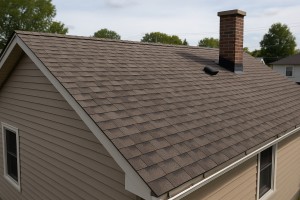
- The most common and cost-effective option for Tennessee homes. Architectural (laminated) shingles offer better wind resistance and a longer warranty than basic 3-tab shingles.
- In hail-prone areas, choose Class 4 impact-resistant shingles when available—it can improve durability and sometimes help with insurance discounts.
- Lifespan: roughly 15–30 years, with premium architectural types lasting longer.
- Proof you'll get: wide color choices, easy installation, straightforward repairs.
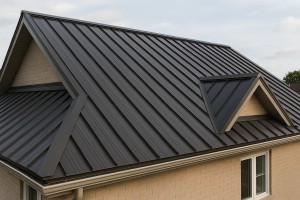
- A strong choice for Tennessee's thunderstorms and strong winds. Options include standing seam and metal shingles.
- Pros: excellent wind and hail resistance, long life (40–70 years), lightweight, energy savings from reflective coatings, low maintenance.
- Cons: higher upfront cost; some dents possible with large hail; professional, precise installation is important; can be noisier in heavy rain without proper insulation.
- Best for: steep-pitch roofs, modern or rustic looks, structures where long life and rain/wind performance matter.
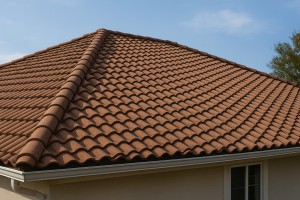
- A good option for hot, sunny summers and distinctive curb appeal. Offers durability and a long life in dry, warm climates.
- Pros: excellent heat resistance, low maintenance, very long life (often 50–100+ years) when installed on a solid, well-ventilated roof deck.
- Cons: heavy; requires reinforced structure; more expensive; can crack from hail or severe impact; weight makes replacement more complex.
- Best for: homes with strong framing and a desire for a classic, tile-driven appearance.
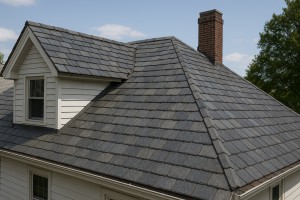
- Premium, timeless look with exceptional longevity and fire resistance.
- Pros: extremely durable, rarely wears out; very long life, beautiful aesthetic.
- Cons: very heavy and costly; requires skilled installers; fragile under hail and may be impractical on many TN homes.
- Best for: high-end projects with solid roof framing and a long-term investment mindset.
Wood Shingles and Shakes
- Classic, rustic charm but higher maintenance in Tennessee's humidity.
- Pros: natural insulation, distinctive texture.
- Cons: prone to rot, moss/mildew in humid climates, insect risk, fire risk if not treated, more maintenance and shorter practical lifespan in damp conditions.
- Best for: traditional or rustic designs where maintenance plan is solid and fire safety is addressed.
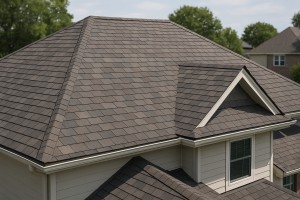
- Designed to mimic wood, slate, or tile without their drawbacks.
- Pros: good impact resistance, lighter than natural slate or tile, often come with strong warranties, resistant to rot and insects.
- Cons: quality varies by brand; price typically higher than basic asphalt.
- Best for: homeowners wanting the look of premium materials with better durability and easier maintenance.
Quick-Tips for Tennessee Roof Planning
- Algae and moss are common in the humid Tennessee climate. Consider algae-resistant or copper-infused products to reduce staining.
- For hail-prone counties, prioritize impact-resistant (Class 4) options or heavy-duty metal roofing for added protection.
- Reflective or light-colored roofing can reduce cooling costs during hot summers.
- Ensure your underlayment and ventilation are up to the task; synthetic underlayment and proper attic ventilation help prevent moisture buildup and ice dam issues.
Tennessee Considerations (Choosing What Fits Your Home)
1) Assess your region's weather exposure (West vs East Tennessee; hail frequency; wind).
2) Match roof slope and structure to the material (tile and slate require solid framing; metal and asphalt are more forgiving).
3) Plan for longevity and maintenance; longer-lasting materials often justify higher upfront costs.
4) Check warranty terms and contractor experience with your chosen material.
5) Talk with insurers about discounts or credits for Class 4 or metal roofs.
How to Decide in 3 Simple Steps
1. List priorities: cost, longevity, curb appeal, and maintenance tolerance.
2. Compare 2–3 materials that meet those priorities and fit your home's structure.
3. Hire a qualified local roofer to evaluate your roof deck, underlayment needs, and ventilation before choosing.
Popular Roof Styles & Architectural Trends in Tennessee
Classic Roof Styles You'll See Across Tennessee
Tennessee homes run the spectrum from cozy cottages to stately ranches and historic revival houses. The most common roof shapes you'll encounter are gable, hip, and cross-gabled designs. Gable roofs are economical, shed rain quickly, and pair well with traditional siding. Hip roofs offer greater wind resistance and are a solid choice for exposed hill country or storm-prone zones. Cross-gabled configurations add architectural interest on larger homes and create practical upper-level attic spaces.
- Gable: simple silhouette, good for shedding rain, and easy to ventilate.
- Hip: sturdy in wind, versatile with shingles, tiles, or metal.
- Cross-gabled: blends form and function on larger floor plans.
- Dormers: add headroom and light; often used with both gable and hip bases.
- Modern/low-slope: popular in urban and light-industrial-adjacent neighborhoods; metal or architectural shingles shine here.
Popular Roofing Materials in Tennessee
Across Tennessee, the climate drives material choices as much as curb appeal. Asphalt shingles remain the workhorse for most homes, with architectural shingles offering better durability and wind resistance. Metal roofs are rising in popularity for their longevity and low maintenance, especially on barns, outbuildings, and modern farmhouse designs. In rustic or historic neighborhoods, cedar shake or shingle evokes a timeless look but requires more maintenance in the humid East Tennessee climate. Slate and concrete tiles appear on higher-end or historic properties, especially where a slate look is desired without the weight or cost.
- Asphalt shingles: affordable, varied colors, easy to install; architectural shingles last longer.
- Metal roofing: standing-seam or metal shingles; excellent wind resistance and durability; lighter weight, great for replacing older roofs.
- Cedar shake/shingle: rustic, inviting texture; needs regular treatment and prone to moss in humid zones.
- Slate: ultra-durable and historic; high cost and heavier substrate requirements.
- Concrete/ferro tiles: Mediterranean or Mission style appeal; durable and fire-resistant.
- Synthetic/composites: mimic natural materials with lower weight and superior warranty.
Regional Trends by Area
Tennessee's landscape shapes roofing aesthetics from East to West. East Tennessee's mountain towns favor rustic, timber-frame vibes with stone accents and metal or shake roofs. Middle Tennessee blends Craftsman, cottage, and modern farmhouse influences, with dependable asphalt or metal roofs on many residences. Nashville and Knoxville areas see a resurgence of historic revival styles, paired with energy-efficient, solar-ready roofs. West Tennessee leans into practical, durable designs that hold up against heat and thunderstorms, with metal or architectural shingles common on newer builds.
- Rustic cabins: log or wood siding, metal or shake roofs.
- Craftsman/Bungalow: low-pitch, wide eaves, exposed rafter tails.
- Modern farmhouse: white or neutral exteriors, black trim, metal accents.
- Historic districts: slate or detailed shingle patterns on older homes.
- Solar-ready designs: clean lines with roof-integrated or rafter-free layouts.
Climate and Code Considerations for Tennessee Roofs
Tennessee's humid subtropical climate means hot summers, seasonal storms, and occasional hail. Roofing choices should account for wind uplift, precipitation, and energy efficiency.
- Wind and hail: choose impact-resistant shingles or metal; ensure proper nailing patterns and sealed flashing.
- Ventilation: effective attic ventilation lowers cooling loads and extends shingle life.
- Insulation: aim for a well-insulated attic to prevent heat transfer and ice dam risk where winters dip.
- Solar readiness: southeastern exposure makes solar a practical long-term option.
- Maintenance cadence: humid conditions encourage moss and algae in shaded areas; plan for anti-moss treatments and cleaning.
Maintenance and Longevity Tips
A Tennessee roof benefits from proactive care. Regular checks after storms and seasonal cleanups save money over time.
1. Inspect after major storms for damaged shingles, lifted flashing, and loose gutters.
2. Clear gutters and downspouts to prevent water backup and ice dams in cooler pockets.
3. Remove overhanging branches to reduce impact and debris buildup.
4. Treat moss and algae on shaded roofs with approved cleaners or zinc strips.
5. Schedule professional inspections every 3–5 years, or sooner after severe weather.
Quick Reference for Homeowners
- Pitch matters: steeper pitches shed rain better; flatter roofs require reliable drainage and materials.
- Material fit: asphalt for value, metal for longevity, cedar for character, slate or concrete for heritage feel.
- Ventilation and insulation: pair with a weather-ready attic for efficiency and longevity.
- Solar readiness: plan for future panels if you're in a sunny Tennessee region.
- Contractor vetting: verify licenses, warranties, and local references.
Average Roofing Costs in Tennessee
Typical cost ranges by material
- Asphalt shingles: $3.50–$6.50 per sq ft installed. For a 1,500–2,000 sq ft roof, expect roughly $6,000–$12,000 for standard 3-tab or lower-cost architectural shingles, and around $9,000–$14,000 for higher-end architectural variants. If a full tear-off is required, add about $1,000–$2,500.
- Architectural asphalt shingles: $4.50–$7.50 per sq ft (often included in the above category, just higher-end options).
- Metal roofs: $5.50–$12.00 per sq ft installed. A 1,500–2,000 sq ft metal roof runs about $8,000–$24,000, depending on panel profile (standing seam vs exposed-fastener), gauge, and installation complexity.
- Concrete tile: $8.00–$15.00 per sq ft. For 1,500–2,000 sq ft, roughly $12,000–$30,000; weight and structure considerations may require deck reinforcement.
- Clay tile: $12.00–$25.00 per sq ft. Typical total costs for similar-sized Tennessee roofs range from about $18,000–$50,000+, with installation complexity and weight driving the variance.
- Cedar shake: $6.50–$9.50 per sq ft. Expect about $9,750–$19,000 for 1,500–2,000 sq ft, factoring underlayment and potential maintenance needs.
- Synthetic slate or composite shingles: $8.00–$12.00 per sq ft. About $12,000–$24,000 for the size range; lighter and often easier to install than natural slate.
Factors that influence Tennessee roofing costs
- Roof pitch and complexity: steep or multi-hip designs add labor time and safety gear.
- Old roof removal: tear-off costs vary; upgrading underlayment and ventilation can change the price.
- Roof size and waste: larger roofs drive material, disposal, and staging costs.
- Deck condition: rotten decking requires replacement, adding to the bill.
- Insulation and ventilation upgrades: humid Tennessee climates benefit from enhanced attic airflow.
- Fasteners, underlayment, and flashing: higher-quality products add value but raise price.
- Local codes and permits: permit fees depend on city/county; plan for $50–$300 in typical Tennessee jurisdictions.
- Weather windows: storm seasons can delay work and affect pricing due to demand spikes.
Regional differences within Tennessee
- Nashville Metro and surrounding counties often see higher labor rates than rural East or West Tennessee.
- Memphis-area projects may incur premiums after hail events; Knoxville and its environs vary with seasonal demand.
- Rural projects can save on labor but may incur mobilization charges for smaller crews.
Local considerations: permits, disposal, and codes
- Permits: required for most re-roofs; costs vary by municipality.
- Debris disposal: sometimes included in bids, sometimes charged per ton; expect this to show up as a line item.
- Wind and hail resistance: Tennessee weather encourages higher-quality shingles (Class 4 impact-resistant options can influence long-term insurance costs and claims).
Quick planning steps
1. Measure and estimate: roof size in squares (1 square = 100 sq ft) to gauge material quantities.
2. Select material with Tennessee weather in mind: hail, wind, and humidity considerations.
3. Gather quotes from at least 3 local contractors; verify licenses and references.
4. Confirm whether bids include tear-off, disposal, and permit fees.
5. Schedule work with a weather-safe window; anticipate possible delays during peak storm seasons.
Style and architecture influence on cost
- Craftsmanship roofs with steep pitches, dormers, skylights, or historic details raise labor time and may require specialty installers.
- Shingle profiles that imitate slate or wood can push price above standard asphalt compared with more basic options.
Permits & Local Regulations
Do I need a permit to reroof in Tennessee?
In Tennessee, roof work typically requires a permit from your city or county building department. A permit helps ensure the project is properly inspected for structural integrity, correct nailing patterns, correct underlayment, venting, and safe connections to eaves and chimneys. Some rural or smaller jurisdictions may have exemptions for simple cosmetic replacements that use the same materials with no structural changes, but this is not guaranteed. When in doubt, assume you need a permit and verify with your local authority.
- Common triggers that require a permit:
- Structural changes (deck replacement, rafters, trusses, or supports)
- Replacing decking or changing roof slope
- Installing new skylights or vents
- Upgrading attic insulation or ventilation that affects the roof system
- Changing roofing material (e.g., from shingles to metal) that alters weight or attachment
- If you're working with an insurance claim or contractor-led project, the contractor should pull the permit on your behalf. However, homeowners can also pull permits in many Tennessee jurisdictions.
Local variations
- Regulations vary by city and county. Major cities like Nashville-Davidson County, Memphis, and Knoxville typically require a permit for reroofing and inspect the work at several stages.
- Some towns offer online permit portals; others require in-person visits. Check the official building department site or call to confirm.
- Historic districts or neighborhoods with an HOA often add layers of approval beyond the building permit. If your home is in a historic zone, you may need additional approvals.
What the permit covers
- A permit authorizes construction work and ensures inspections are scheduled.
- Typical inspections:
- Pre-work or framing inspection (where applicable)
- Underlayment, flashing, and venting inspection
- Final inspection to verify compliance with codes and manufactured product installation
- The permit also confirms you're using a licensed contractor (if your jurisdiction requires it) and that materials meet local code requirements, including wind uplift standards where applicable.
Steps to get a permit (typical process)
1. Confirm whether a reroof permit is required for your exact project.
2. Gather basic project details: address, scope of work, materials, and contractor information.
3. Have your contractor or yourself submit a permit application through the local building department. Include any required drawings or product data sheets.
4. Pay the permit fee and any plan-review fees if required.
5. Schedule inspections as specified by the department. Expect at least a framing, underlayment, and final inspection for most reroofs.
6. Obtain final approval and keep the permit card on-site during work.
Fees and timelines
- Permit fees in Tennessee typically range from modest to a few hundred dollars, depending on city/county and project scope.
- Processing times can vary from a few days to a couple of weeks, depending on whether plan review is required and current workload.
HOA and historic considerations
- Always check HOA covenants before starting; some HOAs have stricter rules or require architectural review approvals.
- In historic districts, you may need design review approvals in addition to the building permit. If your home is on a historic registry, contact the local historic preservation office for guidance.
Common Roofing Problems in Tennessee & Solutions
Hail Damage & Shingle Wear
- Symptoms: bruised shingles, chipped granules in gutters, curling or cracked tabs after a storm.
- Why it happens in TN: spring storms and occasional hail shipments can be common; older roofs are more vulnerable.
- Solutions:
1) Inspect after a severe storm; note any bruising or missing granules.
2) Photograph damage and contact your insurer if you have coverage for hail restoration.
3) Temporarily protect exposed areas with a tarp; avoid stepping on damaged areas.
4) Replace damaged shingles with matching products; check underlayment for moisture.
5) Consider impact-resistant shingles or a roof refresh if the roof is near the end of its life.
Wind Damage & Uplift
- Symptoms: missing or lifted shingles, creased tabs, loose flashing around vents or chimneys.
- Why it happens in TN: strong spring and fall storms can produce high winds.
- Solutions:
1) Do a careful visual check from ground level or with a ladder (have a helper).
2) Re-secure loose shingles with exterior roofing nails; replace broken ones.
3) Reseal or replace damaged flashing around chimneys, chimneys, skylights, and vents.
4) If the roof is older, upgrade to wind-rated shingles or add proper underlayment for stronger protection.
Heat & Sun Exposure
- Symptoms: accelerated granule loss, cupping or curling shingles, higher attic temperatures.
- Why it happens in TN: long, hot summers and high humidity ages materials faster.
- Solutions:
1) Improve attic ventilation: add soffit and ridge vents or seal temporary gaps.
2) Check insulation and aim for appropriate R-value (adjust to climate and ceiling height).
3) Consider reflective or cool-roof shingles or coatings to reduce heat absorption.
4) Schedule inspections to catch granule loss or delamination early.
Ice Dams & Winter Moisture
- Symptoms: ice build-up along eaves, water staining on ceilings, damp attic air.
- Why it happens in TN: occasional cold snaps with warm attic spaces create dams.
- Solutions:
1) Increase attic insulation and ensure proper ventilation to equalize attic and outdoor temperatures.
2) Keep eaves clear of snow; use a plastic snow rake carefully from the ground.
3) Clear gutters and downspouts; consider heated cables only as a last resort and follow safety guidelines.
4) Check flashing around chimneys and vents; seal gaps to prevent meltwater intrusion.
Moss, Algae & Humidity
- Symptoms: dark streaks, moss growth on shaded sections.
- Why it happens in TN: humid summers and shaded roofs.
- Solutions:
1) Use a soft wash with a mild, non-bleach solution or commercial roof cleaners; avoid pressure washing on shingles.
2) Trim back overhanging branches to reduce shade and moisture retention.
3) Install zinc or copper strips near the ridge to slow regrowth.
4) Maintain gutters to prevent moisture retention at the roof edge.
Gutter & Drainage Issues
- Symptoms: water spilling over gutters, fascia staining, fascia rot near the roofline.
- Why it happens in TN: heavy spring rains and leafy debris seasonally clog gutters.
- Solutions:
1) Clean gutters and downspouts at least twice a year; remove leaves and sediment.
2) Install gutter guards to reduce debris buildup.
3) Re-secure sagging sections and seal leaks with compatible sealant.
4) Ensure downspouts direct water away from the foundation.
Aging Roofs & Material Choices
- Symptoms: widespread wear, frequent leaks, missing granules on asphalt shingles.
- Why it happens in TN: typical life cycles vary; heat, storms, and humidity take a toll.
- Solutions:
1) Assess roof age and current condition with a professional inspection.
2) Decide between repair versus full replacement based on cost and roof slope, deck integrity, and warranty.
3) If replacing, choose TN-suitable materials: asphalt shingles with good wind resistance, or metal roofs with proper underlayment and ventilation.
4) Plan for upfront ventilation and insulation improvements to extend roof life.
Maintenance & Repair Tips for Tennessee
Regional Climate Considerations for Tennessee
Tennessee's climate blends hot, humid summers with cold snaps and frequent storms, heavy rain, and occasional hail. That mix influences how roofs age and what maintenance matters most. Keep these considerations in mind:
- Roof type and wind: Asphalt shingles dominate, but metal and wood shakes show up too. Choose products with good wind and impact resistance and solid flashing details.
- Sun and heat: Prolonged sun exposure speeds granule loss. Ventilation and insulation help prevent premature aging and heat buildup in the attic.
- Moisture management: Adequate attic ventilation plus continuous insulation reduces condensation, mold risk, and ice-damming potential.
- Moss and algae: Shaded, damp areas invite growth. Regular cleaning and proactive treatments help preserve life expectancy.
- Tree proximity: Overhanging branches dump debris and can scrape shingles during storms. Trim branches to reduce wear and debris.
Year-Round Maintenance Checklist
- After storms: Inspect for lifted shingles, damaged flashing, cracked vent boots, and any dents from hail.
- Gutter upkeep: Clear leaves and debris at least twice a year; more often if trees drop a lot of material. Ensure downspouts discharge away from the foundation.
- Shingle health: Look for curling, missing granules, cracks, or bald spots. Replace or repair shingles promptly to prevent leaks.
- Flashing and seals: Check around chimneys, vents, skylights, and along valleys. Re-seal any gaps and replace damaged flashing.
- Attic ventilation and insulation: Verify soffit intake is unobstructed, ridge vents are clear, and insulation is evenly distributed to minimize heat buildup and condensation.
- Moss and algae control: Gently remove surface moss with a soft brush; avoid pressure washing. Consider zinc or copper strips above flashing to slow regrowth.
- Tree management: Trim limbs that drape over the roof to prevent damage and debris buildup.
- Small leaks: Address even tiny drips quickly. Use temporary measures (tarp or sealant) if you're waiting on a professional repair.
Spring Maintenance
- Post-winter inspection: Check for shingle displacement from freeze-thaw cycles and clear debris from valleys and gutters.
- Gutter and drainage check: Ensure downspouts direct water at least 3–4 feet away from the foundation; test for proper flow.
- Moss control: Treat any green growth early to prevent it from taking hold during the humid Tennessee spring.
Summer Maintenance
- Ventilation check: Make sure attic fans, ridge vents, and soffit vents are unobstructed; verify baffles are in place above insulation.
- Heat-related wear: Look for signs of curling or blistering on shingles from intense heat; address promptly.
- Water concerns: Inspect flat or low-slope sections (if present) for standing water after heavy rainfall; address drainage as needed.
Fall Maintenance
- Pre-winter prep: Clean gutters thoroughly; reseal exposed flashing where needed.
- Insulation review: Ensure a continuous layer of insulation in the attic with minimal daylight showing through gaps.
- Professional inspection window: Schedule a roof check before harsh winter weather arrives, especially if you've had storms or hail.
Winter Maintenance
- Ice dam prevention: Keep gutters clear and monitor eaves for ice dam buildup; remove Icicles and ice safely from ground level when possible.
- Interior clues: Look for damp spots or staining on ceilings which can signal hidden roof leaks.
- Safe access: Avoid walking on a wet or icy roof; rely on a professional for risky tasks.
If you prefer a quick DIY rhythm, do a 15-minute monthly walk-around to spot early issues before they become costly repairs.
When to Repair vs. Replace
Key signs it's time to consider repair
- Localized damage: a small patch of curling, cracked shingles, or a handful of missing tabs.
- Leaks confined to a single area: water appears in one attic corner or around a vent, not across multiple zones.
- Flashing or vents: small gaps around chimneys, dormers, or stacks that can be sealed or re-flashed.
- Structural deck looks solid: no sagging, soft spots, or widespread rot under the shingles.
- Reasonable remaining life: your roof is relatively young for its material (for example, asphalt with 12+ years left, metal with 25+ years left).
When replacement is often the better option
- Widespread damage: multiple leaks, widespread curling, missing granules, or extensive shingle failure across the roof.
- Aging roof: asphalt shingles that are near or beyond 20–25 years, or any roof material showing major wear.
- Poor performance across seasons: repeated leaks after repairs, persistent heat gain, or insulation/heating issues tied to an aging roof.
- Structural concerns: sagging decking, mushrooming rot, or visible water damage in many attic spots.
- Energy efficiency or warranty goals: you want better insulation, upgraded underlayment, or a new warranty that comes with a full roof replacement.
Tennessee-specific considerations
- Climate and weather: Tennessee summers are hot and humid, with heavy thunderstorms and occasional hail. Localized hail damage or wind uplift can accelerate wear, nudging the decision toward replacement if the roof is near the end of its life.
- Moss, algae, and shade: shaded or mature neighborhoods in Tennessee can develop moss or algae that degrade shingles over time, especially on north-facing slopes or trees overhead. This can make repairs less effective and shorten repair intervals.
- Material lifespans vary by region: asphalt shingle lifespans are often shorter in high-heat areas, while steel or concrete tiles may perform longer but require proper attic ventilation and installation.
- Permits and codes: most Tennessee projects require proper permits and licensed contractors. A full replacement often involves code checks for ventilation, underlayment, and flashing; verify local requirements with your county or city.
Step-by-step decision guide
1. Inspect and document: note damaged areas, leaks, and the overall condition of the decking.
2. Assess age and material: estimate remaining life based on the roof type (e.g., asphalt 20–30 years; metal 40–70; tile 50+).
3. Evaluate leakage pattern: is the leak localized or widespread?
4. Consider goals: energy efficiency, warranty coverage, and roof aesthetics.
5. Get professional assessments: obtain at least two local roofers' opinions and written estimates.
6. Run a cost comparison: repair costs vs. replacement cost, factoring in expected lifespan and potential insurance considerations.
7. Make a phased plan if appropriate: some homeowners repair now and plan a replacement in a few years if life expectancy is near the end.
Quick decision checklist
- Is the damage localized and repairable without re-flashing or deck replacement?
- Is more than a third of the roof damaged or the shingles near end of life?
- Are there structural concerns or widespread rot in the decking?
- Will replacement improve energy efficiency or warrant better warranty coverage?
Practical repair considerations in Tennessee
- Use high-quality flashings and a durable underlayment suitable for humid climates.
- Address moss or algae promptly to protect shingles; treat and clean algae-prone areas before repairs.
- Ensure proper attic ventilation to extend roof life and mitigate heat-related wear.
- Choose a material appropriate for Tennessee conditions and your budget, noting local weather patterns and potential hail exposure.
How to proceed if you're unsure
- Start with a roof health assessment from a licensed Tennessee roofer.
- Request a written life expectancy and a side-by-side repair vs. replacement cost breakdown.
- Check references and local project histories to gauge long-term performance in your neighborhood.
When to Hire a Professional
Common signs it's time to call a pro
- You notice leaks, water stains, or damp ceilings after rain.
- Shingles are missing, curled, buckling, or have significant granule loss.
- You see sagging decking, roof deck rotting, or daylight visible through the attic.
- There was a severe storm ( hail, high winds, tornadoes) and you suspect hidden damage.
- You've attempted DIY repairs that didn't hold or you can't safely access the roof.
Tennessee-specific considerations
- Storm season realities: Tennessee experiences severe thunderstorms, hail, and strong winds that can cause concealed damage. After a major storm, have a professional inspect the roof even if you don't see obvious signs.
- Weather windows and temp requirements: Roofing work often needs mild temperatures for adhesives and sealants. In Tennessee winters and hot summers, timing matters. A pro can advise on the best window to prevent premature failure.
- Permits and inspections: Many Tennessee cities and counties require a roofing permit. Your contractor should handle the permit process and scheduling inspections. Failing to pull a permit can affect warranties and future resale.
- Local licensing and insurance: Hire a contractor who is properly licensed (where applicable in Tennessee) and carries general liability insurance and workers' compensation. Verify licenses and insurance before work begins using state resources and the contractor's certificate of insurance.
- Local scams to watch for: After storms, “storm chaser” contractors may target neighborhoods with urgent pressure tactics. Stick to locally established, verifiable businesses and ask for in-person references from nearby homeowners.
- HOA and neighborhood rules: Some Tennessee associations have rules about replacement materials, color, and contractor requirements. Check your HOA before selecting materials or signing a contract.
How to evaluate a roofing contractor (step-by-step)
1) Verify licensing and credentials
- Confirm the contractor is properly licensed for roofing or as a general contractor in Tennessee via the state licensing lookup.
- Check business address, years in business, and a verifiable local presence.
2) Confirm insurance and bonding
- Request current certificates of liability insurance and workers' compensation.
- Ask about coverage limits and how claims are handled if an accident occurs on your property.
3) Review references and past work
- Ask for at least 3 local references and photos of recent jobs, especially hail or storm repairs.
- Visit a finished project if possible to inspect workmanship and cleanup.
4) Get written estimates and material specs
- Obtain itemized, written bids that specify shingles or other roofing material, underlayment, flashing, venting, and removal of existing roofing.
- Compare material quality, expected lifespans, and manufacturer warranties.
5) Understand project plan, timeline, and permits
- Request a clear start-to-finish timeline, weather contingency plans, and permit handling.
- Confirm dumpster placement, debris removal, and daily cleanup expectations.
6) Review warranties and paperwork
- Materials: manufacturer warranties (shingles, underlayment, venting).
- Workmanship: duration and coverage of the contractor's warranty; understand transferability if you sell.
- Change orders and lien waivers: require written change orders; ask for lien waivers to protect you from subcontractor claims.
Red flags to avoid
- No local address, high-pressure sales, or requests for full upfront payment.
- Refusal to provide written estimates or to share licensing/insurance information.
- Vague timelines, vague contract terms, or inability to supply warranty details.
- Subcontractors you can't verify or a history of poor cleanup.
Quick decision guide
1) Check license and insurance within Tennessee resources.
2) Inspect local references and recent nearby projects.
3) Review a detailed, written estimate with material specs.
4) Ensure permits, inspections, and warranty details are settled before work begins.
Putting A Lid On It: Roof Maintenance, Repair, and Replacement in Tennessee
Tennessee's climate puts steady stress on every roof. Hot, humid summers, sudden thunderstorms, hail, and heavy rainfall can all take a toll on shingles, flashing, and gutters. A proactive maintenance habit helps protect your home from leaks, preserves energy efficiency, and extends the life of your roof. In this environment, small issues detected early become big savings later on.
Regular upkeep is your best defense. Schedule inspections after severe storms, keep debris and leaves out of gutters, and stay on top of attic ventilation and insulation. When trees lean over the roof, trim branches to reduce debris, shade, and potential damage from wind-driven limbs. A simple, consistent routine saves you the trouble—and cost—of major repairs down the road.
Seasonal maintenance snapshot
- Do a quick roof check biannually, plus after big storms, for damaged shingles, lifted edges, or flashing gaps.
- Clear gutters and downspouts so water flows away from the foundation; remove leaves and pine needles at least 2–3 times per year.
- Inspect attic space for signs of moisture, adequate ventilation, and insulation coverage.
- Trim overhanging limbs and address any moss or algae growth on shaded sections.
- Consider a professional roof inspection every few years to verify nail heads, flashing, and vent seals are sound.
Repair and replacement considerations
- Small leaks or damaged shingles can often be repaired, but widespread curling, missing shingles, or rusted flashing warrant professional evaluation.
- Flashing around chimneys, vents, skylights, and dormers is critical; flashing failures are a common source of leaks after storms.
- Material choices matter in Tennessee: asphalt shingles are common and affordable; architectural shingles offer extra durability; metal roofs excel against hail and high winds but involve different installation considerations.
- Ventilation and insulation: proper flow reduces condensation and helps extend roof life.
- Warranties and permits: review manufacturer warranties and local permit requirements; keep records of maintenance and repairs for warranty compliance.
A confident, connected homeowners' approach
You're part of a community that values a sturdy, attractive shelter. When in doubt, consult a licensed professional—a proper assessment and timely repairs keep your roof reliable for decades. With a little regular care and thoughtful material choices, your Tennessee roof can stay dry, efficient, and beautiful season after season. Here's to a well-loved home and a roof that stands strong for many years to come.
