
Last updated: Apr 19, 2026
Amarillo sits in the Texas Panhandle, where hail and strong wind events are common enough to drive frequent roof replacement claims. The risk isn't a quiet nuisance here; it's a living, walking concern that can change a roof's life cycle in a single storm season. Spring arrives with sudden hailstorms that flood local repair crews and insurance adjusters, turning your roof into a high-stakes deadline. You need a plan that helps you spot trouble fast, document damage clearly, and push for timely remediation before aging materials fail under another round of wrack-and-roll wind.
Spring is a major damage season locally, with hailstorms creating sudden surges in repair demand across the city. After a hail event, you should walk the roof only if it's safe to do so, but inspect from the ground with binoculars for bruises, soft spots, and a peppering of dimples on shingles. If you see granule loss in gutters or a waterfall of dinged metal in the attic vent areas, treat it as a potential red flag. In Amarillo, insurance claim activity spikes quickly after hail, so having clear, dated photos, a simple damage diary, and a running list of affected zones can shave weeks off a settlement. Be prepared to coordinate prompt repairs to prevent interior damage from water intrusion, especially in the attic and ceiling corners that tend to be overlooked.
Fall wind events in Amarillo can lift shingles, loosen ridge components, and blow debris across roof surfaces during seasonal transitions. High gusts yank at edges and seams, pushing you toward a proactive maintenance mindset. If you notice curling shingles, missing granules, or broken vent boot seams after a stiff wind, don't delay. Debris tracking across the roof is a telltale sign that wind forces have compromised the surface, increasing the risk of leaks just as leaves and trash clog gutters and vents. Ridge lines and flashing-critical barriers against water entry-are especially vulnerable during these shifts. Schedule a targeted inspection of those areas before the first cold snap tightens the roof's vulnerabilities with ice damming and further stress on seals.
Choosing the right materials matters when storms are the rule rather than the exception. In this climate, the most common stock types respond differently to hail and wind exposure: asphalt shingles can suffer granular loss and punctures, metal roofs may dent or loosen fasteners, and heavier options like clay or concrete tile demand robust substrate support to resist wind uplift. If you're replacing after a storm, think in terms of resilience and return on investment: a roof that holds up longer under Amarillo's wind cycles and hail hits reduces the need for frequent claims and minimizes the chance of secondary damage to the attic and living spaces. Ventilation and underlayment choices become part of the protective equation, reducing moisture buildup that accelerates rot in the attic and rafters.
Secure flashing and ventilation details are your frontline defense against water intrusion when storms hit hard. Pay special attention to chimney crickets, valley flashing, and transitions between roof planes where wind pressure concentrates. In high-wind environments, even small gaps act like wind tunnels, forcing moisture intrusion into attic spaces and drawing in debris that abrades the roofing layers. A tight, well-sealed perimeter around penetrations, plus properly integrated attic vents and soffit intakes, keeps air balanced and reduces condensation risks that can masquerade as hidden leaks after the storm passes. In Amarillo's climate, the combination of tight flashing and durable venting pays dividends in winter and spring alike.
Action now can save you grief later. Immediately after a hailstorm, document damage with timestamps and avoid contractors who pressure you into quick, low-fidelity repairs. Contact your insurer with a precise description of hail hits, wind damage, and any interior signs of water intrusion. Schedule a professional roof assessment within days of a storm, focusing on shingles, ridge components, flashing, and ventilation systems. If you receive an avoidant response from an insurer or a contractor, stay firm-detailed documentation and rapid follow-up keep your claim moving and reduce the risk of a lingered leak that escalates into mold or structural concerns. This is how you protect your home against Amarillo's most aggressive weather cycles.
The Texas Panhandle's frequent hail and wind losses create a high-claim roofing market in Amarillo. Storms arrive with little warning and leave uneven damage across neighborhoods, from flat roofs to steep pitches. In many blocks, a single hail season can drive up claim activity for months, making carriers more vigilant about scope, documentation, and timing. This section helps homeowners align expectations with what insurers typically require after a major event.
Insurers in this region often require thorough photo documentation, roof condition records, and detailed damage assessments before approving replacement scope. Before filing, gather a recent set of exterior photos: shingle edges, flashing around chimneys, vents, skylights, and any metal components. Document attic and ceiling signs, if present, such as staining or warped decking. A dated log of symptoms-curling shingles, granule loss, dented gutters, and wind-lifted flashing-speaks to the severity and helps prevent disputes about what happened and when.
Homeowners should expect carrier-specific deductible or endorsement changes during hail-prone periods, with terms varying by insurer. Some plans adjust deductibles upward temporarily, or introduce endorsements that affect replacement scope and materials. The underwriting posture commonly shifts toward more conservative estimates, especially when multiple structures in the same area are affected. Being proactive with documentation can shorten the path to approval and reduce out-of-pocket surprises.
After a storm, start with a walk-around of the roof, noting unlabeled impact marks, broken shingles, and torn seals at vent penetrations. Use a ladder safely, and capture close-ups of hail hits on shingles, gutters, and siding. Take wide-angle shots from ground level to show the overall roof condition. Obtain a recent loss-date calendar entry from the insurer, the adjuster's name, and a written scope of work if available. If a contractor is present, request a side-by-side photo comparison of pre-storm and post-storm conditions.
Coordinate timing with the insurer's adjuster and a trusted local roofing contractor who understands Amarillo's typical stock, including the balance between asphalt and metal options. Bring the documentation package to the initial meeting and maintain a clear, itemized list of recommended repairs and replacements. Ensure the scope addresses flashing integrity, attic ventilation, and any decking damage, as wind-driven storms frequently stress these components.
During the claim window, keep debris from accumulating on the roof and in the gutters. Protect interior spaces by addressing any leaks promptly. If the weather turns again, cover exposed penetrations with sturdy tarps, but avoid delaying permanent repairs. Clear communication with the insurer and the contractor reduces back-and-forth and helps ensure a timely, comprehensive settlement. Keep copies of every email, estimate, and receipt, and review the final scope for hidden costs tied to flashing upgrades or ventilation work. Ask for a written appeal.
Connect with contractors who help homeowners navigate the claims process from damage assessment to final approval.
Morgan & Myers Roofing & Exteriors
(806) 322-3650 www.morganmyersroofing.com
7845 Canyon Dr Space 200, Amarillo, Texas
5.0 from 347 reviews

BlueRidge Roofing & Construction
(806) 341-9438 www.blueridgeroof.com
6900 I-40 Suite 151, Amarillo, Texas
5.0 from 125 reviews
Flatland Roofing & Insulation
(806) 583-1382 flatlandroofinginsulation.com
915 SW 7th Ave, Amarillo, Texas
5.0 from 111 reviews
Morgan & Myers Roofing & Exteriors
(806) 322-3650 www.morganmyersroofing.com
7845 Canyon Dr Space 200, Amarillo, Texas
5.0 from 347 reviews
At Morgan & Myers Roofing and Exteriors, we’re ready and willing to go the extra mile. We promise to provide quality and performance. Morgan & Myers Roofing and Exteriors are one of the most trusted Amarillo based roofing companies in the panhandle. Our success is based on long-term client relationships, call us or read our testimonials to experience the difference yourself. We offer cost-effective and timely solutions to all our customers, with an emphasis on quality. We strive to be the best roofing company on the high plains. Our EnergyCore window line with triple-pane glass and argon gas has been designated as one of the Most Efficient ENERGY STAR® qualified products. Call us for the best Amarillo windows replacements solution

BlueRidge Roofing & Construction
(806) 341-9438 www.blueridgeroof.com
6900 I-40 Suite 151, Amarillo, Texas
5.0 from 125 reviews
BlueRidge Roofing & Construction is a West Texas based company founded on the pillars of superior quality and outstanding service. Our mission is to provide our customers with a seamless and stress-free experience. Our team is comprised of highly-skilled and knowledgeable professionals, dedicated to serving our customers with integrity and transparency.
Flatland Roofing & Insulation
(806) 583-1382 flatlandroofinginsulation.com
915 SW 7th Ave, Amarillo, Texas
5.0 from 111 reviews
Flatland Roofing & Insulation proudly serves Amarillo, TX, and surrounding areas as your premier residential roofing company. While our primary focus is on roof repairs and replacements for homeowners, we also offer expert spray foam insulation, metal roof restoration, and protective metal roof coatings. Our mission is to deliver unparalleled professional service, exceptional customer care, and lasting, energy-efficient solutions that consistently exceed our clients’ expectations. We take pride in our commitment to quality. Our team combines accurate knowledge of the trade with skill to ensure that we deliver as true professionals. Above all, we prioritize our customers' interests, making their concerns the foundation of our business.
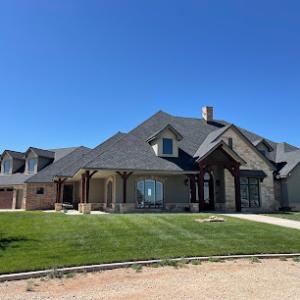
Pristine Roofing & Construction
(806) 557-0060 www.pristineroof.com
3350 Olsen Blvd #2000, Amarillo, Texas
5.0 from 106 reviews
We're a local roofing and construction company based out of Amarillo. We have more experience putting up new roofs, repairing damaged roofs, and helping people navigate tricky roof insurance than anyone. We also provide leading contracting services for whatever you may need.
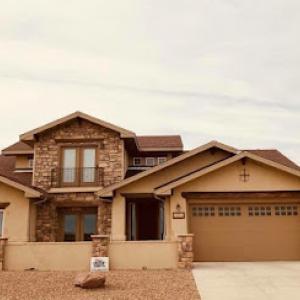
Roof Smith
(806) 622-9501 www.roofsmithconstruction.com
6435 S Osage St, Amarillo, Texas
4.9 from 343 reviews
Give your home the best protection with a professional residential, and commercial roofing company such as Roof Smith. With three locations, Roof Smith serves the Amarillo and the surrounding areas with top-quality roof replacement, roofing repair services, and courteous service for any need. Roof Smith works with roofs of all kinds, replacing or repairing damages. Whether you are suffering from wind damage, leaks or parts of your roof have been thoroughly damaged in a storm, Our roofing company’s team of experts will work closely with you to make sure your home receives strong, reliable and long-lasting protection!
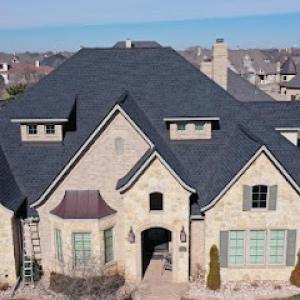
Quality Assurance Roofing
(806) 641-8841 www.qa-roofing.com
8910 SW 34th Ave #400, Amarillo, Texas
5.0 from 85 reviews
Quality Assurance Roofing is a licensed roofer that provides homeowners and businesses with professional roofing services, including roof repairs and roof replacements due to age, storms and other inclement weather. Specializing in storm damage repairs, our highly trained and certified roofing contractors provide reliable services and knowledgeable insight throughout the entire insurance claim process. We are an Owens Corning Platinum Preferred Contractor as well as a CertainTeed SELECT ShingleMaster™, allowing us to provide the highest quality of workmanship and most reliable materials, and ensure a durable, fully renovated roof to protect your home and your family.
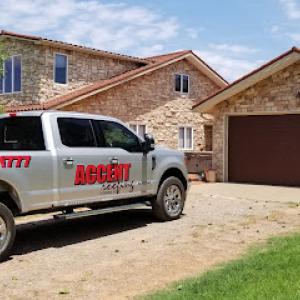
Accent Roofing of Amarillo
(806) 457-1777 www.accentroofingamarillo.com
610 S Georgia St, Amarillo, Texas
5.0 from 107 reviews
Accent Roofing of Amarillo is a professional roofing company serving the Amarillo area. Their experienced and certified contractors provide quality roofing solutions, including installation, wind damage, repair, and maintenance of various roofing systems. The company prioritizes safety, uses high-quality materials, and offers warranties and guarantees on their workmanship. They also provide excellent customer service, communicating clearly with their clients and offering flexible scheduling. Accent Roofing of Amarillo is committed to providing the best roofing solutions and customer service in the Amarillo area.
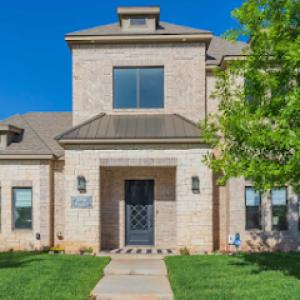
Venture Roofing & Construction
(806) 910-8104 www.ventureroofco.com
5801 Canyon Dr space B, Amarillo, Texas
5.0 from 68 reviews
Venture Roofing & Construction is a locally owned and operated company based in Amarillo, TX, proudly serving Canyon and the entire Texas Panhandle. We specialize in high-quality residential and commercial roofing, as well as custom shop builds, garages, and outdoor structures. With a focus on durability, craftsmanship, and customer satisfaction, our team brings years of hands-on experience to every project—whether it’s a roof replacement, emergency repair, or a full custom build. We work with both homeowners and contractors, offering free estimates and helping guide you through insurance claims when needed. At Venture Roofing, we don’t just put a roof over your head—we build long-lasting solutions that protect your home, your investment...
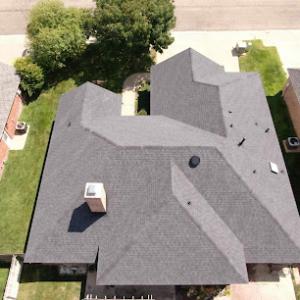
The Roof Gurus Roofing & Remodeling
(806) 203-0974 theroofgurus.com
1009 SW 10th Ave, Amarillo, Texas
5.0 from 53 reviews
With over 10 years of experience, we provide professional roofing and remodeling services in Amarillo and across the Texas Panhandle. From roof repairs and replacements to full home remodeling projects, our team is committed to quality craftsmanship, dependable service, and customer satisfaction. Whether you need storm damage repair, a new roof installation, or updates to your home, we’re here to protect and improve your property. Trust a local Amarillo roofing company dedicated to doing the job right the first time.
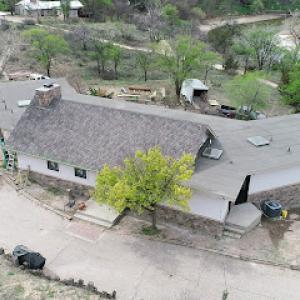
Roof Spotters
(806) 372-4149 www.roofspotters.com
2411 SW 6th Ave, Amarillo, Texas
4.8 from 122 reviews
Enjoy a roof that's as durable as the Texas Panhandle itself with Roof Spotters, your trusted roofing contractor since 1999. Our experienced team specializes in both residential and commercial roofing, seamlessly installing new roofs, repairing damaged ones, and providing expert estimates and appraisals. We also handle gutter installations, painting, siding additions, and water damage restoration, ensuring your home or business is protected from the elements. Call us today for a free consultation and let us help you safeguard your roof's integrity for years to come.

Shreiner’s Kanga Roof
(806) 414-6467 www.kangarooftx.com
513 Ross St, Amarillo, Texas
4.9 from 51 reviews
The Shreiner family has been serving Texas Panhandle homeowners and businesses needs since 1995. Our family works hard to make homeowners and businesses happy and their lives simple with amazing customer service. Shreiner’s Kanga Roof will ‘Hop to it’ when you need us for any of your roofing repair or replacement needs!

Excel Construction Group
(806) 414-4250 www.excelcg.com
500 S Harrison St, Amarillo, Texas
5.0 from 33 reviews
Excel Construction Group is the best roofing company in Amarillo for roofing and other construction needs. We've been roofing Amarillo and surrounding area homes and businesses for over 26 years, and we've built a reputation for high-quality roofing that is professionally installed and backed by the best warranty coverage in the industry. We are experts in repairing or replacing any roof; whether you have a flat, low-slope, or high-slope roof, our team can take care of all your needs.
Asphalt shingles and metal roofing are the most common practical choices in this market, pairing well with typical Amarillo rooflines and existing home styles. Asphalt shingles offer easy replacement paths after hail impacts and wind events, while metal roofs bring stiff panels and fast clip systems that resist gusts and rapid temp swings. In neighborhoods where you see a mix of two-story and ranch builds, these two options tend to blend with the streetscapes and are easier to source and repair after a severe storm. Heavy or ornate options like clay tile, concrete tile, or slate show up on select homes, but they require heavier framing, more precise flashing, and careful wind attachment planning to withstand Panhandle winds.
Amarillo's hot summers and frequent hail exposures demand more than curb-appeal considerations. Impact resistance matters, and that means looking for Class 3 or Class 4 rated shingles or metal systems with reinforced fasteners and concealed nailing patterns. Your roof should coordinate with drip edge, valley flashings, and hip-and-ridge details that seal against wind-driven rain. Quiet confidence comes from a well-planned attachment scheme: a robust concealed-fastener or corrosion-resistant nailing pattern, along with properly sealed penetrations for vents and pipes. In practice, that means choosing products with proven wind uplift ratings and ensuring the installer follows the exact panel or shingle manufacturer's installation sequence for wind zones near the Panhandle.
Heavy materials such as clay tile, concrete tile, and slate require careful consideration on homes exposed to Panhandle wind and rapid temperature swings. If a structure is not already reinforced for heavier roofing, those options can stress rafters and lead to fastener pull-out in wind storms. For homes with strong wind exposure, prioritize systems that balance weight with secure attachment, and discuss roof deck integrity and underlayment choices with the contractor. If a tile or slate path is chosen, demand enhanced fastener schedules, matched underlayment, and meticulous flashing around roof penetrations. On similar homes, metal roofs or asphalt with upgraded overlays can deliver comparable protection without the extra structural load.
When weighing options, align the roof system with how often storms hit and how your attic ventilation handles heat buildup. Prioritize products with certified impact resistance and wind uplift performance, and insist on a detailed installation plan that addresses flashing around skylights, chimneys, and vents. For homes with existing vents or complex roof lines, ask for a specialist to review vent placement, ridge cap details, and edge protection to prevent wind-driven leaks. The goal is a resilient, weather-smart roof that stands up to hail, wind, and rapid seasonal temperature changes while staying affordable to repair or replace.
Provided local cost ranges run from 350 to 700 USD per square for asphalt shingles, 700 to 1200 for metal, 1200 to 2600 for clay tile, 1000 to 2000 for concrete tile, 400 to 800 for synthetic/composite shingles, and 1500 to 3000 for slate. In this market, the right material choice balances hail resistance, wind performance, and long-term value. Asphalt remains common for budget-conscious projects, but when hail storms are expected, many homeowners lean toward metal or high-end composites to reduce future repair costs. Clay and concrete tiles offer rugged durability, but their weight and install complexity can shift overall project timing and price.
Spring hail drives a spike in demand that tightens labor availability and pushes scheduling pressure on re-roofs. When crews are scarce after a storm, you may see longer wait times to start, and some crews will adjust pricing to reflect the rush. If a roof has extensive hail damage, plan for potential multi-day job timelines and a crew that may pair several projects nearby to maximize efficiency. Material delivery windows can also compress during peak season, impacting both start dates and lead times for specific profiles.
For Amarillo's wind exposure, metal roofs often deliver the strongest performance against hail and wind loads, with reduced risk of cosmetic denting and better long-term resilience in extreme weather. Clay and concrete tiles resist hail better than asphalt but require careful flashing and underlayment to avoid wind-driven water leakage. Synthetic/composite shingles provide a balance of impact resistance and weight, while slate offers excellent durability at a premium price. When estimating, consider not only per-square cost but also compatibility with current flashing, ventilation needs, and the likelihood of needing edge repairs after a severe storm.
Full re-roofs can shift price due to material choice and the extent of damage to flashing, ventilation, or underlayment. If the existing system needs upgrades to meet current storm resistance expectations, that will influence the overall budget. While the headline per-square costs provide a baseline, the local reality is that each project must account for wind and hail resilience, weight considerations, and the installation crew's availability during peak season.
Get a clear picture of your project costs upfront - no commitment required.
Venture Roofing & Construction
(806) 910-8104 www.ventureroofco.com
5801 Canyon Dr space B, Amarillo, Texas
5.0 from 68 reviews
CRS Roofing & Construction
(806) 290-0639 www.crsroofer.com
3866 Business Park Dr, Amarillo, Texas
5.0 from 18 reviews
Golden Spread Roofing
(806) 379-8222 www.gsamarillo.com
10207 S Western St, Amarillo, Texas
4.9 from 8 reviews
A full re-roof in Amarillo typically requires a permit issued by the City of Amarillo Building Department. Before any shingle stack or metal panels go on, make sure the project is logged with the building department and that all necessary paperwork is in order. The permit process helps ensure that the roof reflects local expectations for wind and hail resistance, proper ventilation, and safe flashing details. Start by visiting the city's permit counter or checking the Building Department's online portal to confirm your project type and the documents you'll need.
The city may require a scope of work and material details as part of the roofing permit process. Be prepared to outline the roof's current condition, the planned roofing system, underlayment type, venting strategy, and flashing methods. For hail- and wind-prone conditions, inspections often focus on whether the underlayment is suitable for severe weather, whether attic ventilation remains adequate after replacement, and whether all flashing around penetrations and chimneys is robust and properly sealed. Having precise product names, specifications, and installation notes on hand speeds up review and reduces the chance of delays.
Inspections in Amarillo may occur during and after installation to verify underlayment, ventilation, and flashing work, and processing times can vary with department workload. Plan for at least one interim inspection during roofing removal or deck preparation, and a final inspection after installation to confirm everything is compliant with code and city standards. If gaps are found, expect requests for corrective work before the permit can be marked complete. Scheduling inspections promptly, coordinating with your contractor, and making sure access points are clear helps minimize slowdowns-especially during peak seasons when the department's workload can spike after major hail events.
Keep all receipts, permits, and product data readily accessible for the inspector. If you are replacing large sections, consider documenting the project with photos before, during, and after to support the permit record and any subsequent insurance documentation. Your contractor should be prepared to present a detailed scope of work and confirm adherence to flashing and ventilation standards that are critical in high-wind, hail-prone environments. Finally, factor in potential timing differences: during busy periods, plan for a little extra lead time between permit submission, inspections, and final approval to avoid weather-driven delays on an already tight Amarillo schedule.
In this city, roof repairs and replacements are most effectively scheduled in spring and fall when conditions are milder than peak summer or winter. Planned projects during these shoulder seasons help crews work more steadily, protect underlying decks, and reduce the risk of heat-related or cold-related delays that can push timelines out of alignment.
Summer heat can shorten safe working windows and affect how some roofing materials are handled on the roof. Plan start times early in the day, and keep daily expectations realistic if high temperatures persist. If a project must run through hot stretches, prioritize materials and fasteners rated for heat exposure, and build in extra ventilation to minimize hot-work fatigue.
Winter freezes and rapid temperature swings in the Panhandle can stress roofing materials and complicate installation timing. Freeze-thaw cycles can impact shingles, flashing, and sealants, so scheduling around more stable temperatures helps ensure proper adhesion and long-term performance. If winter work is unavoidable, anticipate shorter daily progress and potential condensation management needs.
Hail and wind storms are a reality here, and the aftermath often drives urgent repairs. Use dry, calm days for critical measurements, flashing checks, and securing loose components. Have a weather-friendly plan for temporary protection if a storm rolls through, and coordinate with your contractor to align the big steps with favorable forecasts.
Set a realistic start date in the spring or fall, then block out a window of 3-5 days for typical mid-sized projects. Build contingency days for weather or material delays, and confirm material handling plans with the crew to match the season's temperature realities.
Because inspections may specifically verify flashing and ventilation, these details are central to both code compliance and leak prevention on local re-roofs. In high-wind environments, even small gaps or loose fasteners can become pathways for water intrusion after a storm. Ensure step and flashing seals around chimneys, vent pipes, and transitions are tight, continuous, and mechanically secured with corrosion-resistant fasteners.
High wind exposure in Amarillo makes edge details, flashing security, and penetrations more vulnerable than on roofs in calmer climates. Pay close attention to the rake and eave edges, where loose shingles or lifted tabs often start. Reinforce drip edges and ensure the underlayment laps are continuous across overhangs. A secure roof-to-wall interface reduces the chance of wind-driven leaks near fascia boards.
Skylights and similar roof penetrations deserve extra scrutiny after Panhandle hail and wind events because impact and movement can compromise surrounding seals and flashing. After a storm, inspect for micro-movement, cracked sealant beads, and degraded flashing around skylights, vents, and solar arrays. Any signs of separation or old sealant should trigger a targeted reseal and reflash where appropriate.
Ventilation details must stay robust in a harsh climate. Improperly sealed roof vents can channel wind-driven rain into attic spaces. Check for continuous ventilated ridges, properly seated vent boots, and storm collars around exhausts. A tight, well-sealed attic approach lowers the risk of hidden moisture damage that weakens decking and interior ceilings after a powerful storm.
Find contractors experienced in skylight installation, flashing, and leak repairs to bring natural light into your home.
BlueRidge Roofing & Construction
(806) 341-9438 www.blueridgeroof.com
6900 I-40 Suite 151, Amarillo, Texas
5.0 from 125 reviews
Roof Smith
(806) 622-9501 www.roofsmithconstruction.com
6435 S Osage St, Amarillo, Texas
4.9 from 343 reviews
Accent Roofing of Amarillo
(806) 457-1777 www.accentroofingamarillo.com
610 S Georgia St, Amarillo, Texas
5.0 from 107 reviews