
Last updated: Apr 19, 2026
Plainview sits on the Texas High Plains, where spring thunderstorms and hail are a recurring roofing threat rather than an occasional event. The moment skies darken and hail starts beating on metal and asphalt, you should switch to a fast, methodical response. The wind-driven rain that follows hail can drive water into gaps you don't notice at first, and that damage compounds quickly if left unaddressed. In Plainview, the open, relatively treeless surroundings leave many roofs fully exposed to hail impact, making early detection and immediate documentation essential to protect your home's structure and interior. When a hail event hits, the clock starts ticking on what your insurer will expect and what your roof can endure before leaks become widespread.
In this climate, storm-related roofing demand can spike suddenly after spring weather, affecting inspection calendars, contractor availability, and replacement timing. After a hail event, a careful, rapid triage matters more than ever: start with a visual walk-around as soon as it's safe, then escalate to a professional inspection within a few days. The goal is to separate cosmetic denting from actual shingle or flashing failure, because the difference dictates whether you pursue a claim or schedule a replacement. If a contractor is delayed by backlogs, you're not alone; the best outcome still hinges on solid documentation you can present when a crew finally gains access.
Your best weapon is thorough, dated documentation. Photograph every angle of your roof from ground level and from the ladder, focusing on granule loss, broken shingles, lifted edges, and dented metal components. Capture gutters, vents, and flashings, because hail damage often hides in soft spots or flashing seams. Create an event log noting the exact time and date of storms, wind speeds if you can verify them, and any hail size you observed or were told occurred. If there are interior signs of water intrusion, document those leaks with timestamps and location maps for attic and ceiling spots. A simple, clear set of photos plus a dated storm log can reduce back-and-forth with adjusters and keep your repair plan on track.
Call a trusted local roofer promptly after a hail event, especially when local conditions produce heavy, rapid rainfall following hail. A qualified pro can perform a prompt roof evaluation, identify vulnerable areas, and advise on whether an insurance claim is appropriate. Expect an on-site inspection that targets damaged shingles, flashing, and the underlayment, plus an assessment of any interior staining or moisture intrusion. In Plainview, the first post-storm window often fills quickly with requests, so securing a timely appointment is part of protecting your claim and your home. If the roofer detects damage, you should move quickly to document it in a claim package and follow the insurer's process for claim-ready repairs and potential replacement.
With the likelihood of sudden demand after a storm, have a plan for how you will implement repairs. Identify a short list of preferred contractors and a preferred material type that suits your home's stock and the local climate. Prioritize roof sections most exposed to hail impact and wind-driven rain, and coordinate the repair timeline with expected weather windows to minimize the risk of additional storm-related damage. In a landscape where storms can turn the calendar on roofing needs overnight, staying proactive with documentation and scheduling can mean fewer surprises and quicker, safer restoration.
Plainview's exposed position on the Llano Estacado means roofs face strong solar radiation and hot, dry summers. Over time, sun-driven glare and radiant heat accelerate granule loss on asphalt and composite shingles, roughen surfaces, and hasten color fading. Metal roofs can heat up and expand, showing surface wear sooner if coatings aren't corrosion-resistant or properly sealed. This environment makes shingles and seals more susceptible to brittleness and micro-cracks, especially in edges and valleys where sun exposure concentrates. When evaluating a roof, prioritize those areas most sun-facing and remember that the heat budget of the home often translates into more frequent maintenance cycles than milder climates.
Dry heat in this region reduces the longevity of underlayment and sealants compared with temperate areas. Underlayment can dry out, soften, or become less flexible, increasing the risk of leaks during sudden spring storms or wind-driven rain events. Sealants around penetrations, flashing, and vent pipes may lose elasticity, leading to hairline cracks and slow leaks that aren't obvious until after a hail event or a hot day followed by a cool night. In Plainview, it pays to inspect the roof for blistering or detached edges, especially after the hottest months. Consider re-sealing vulnerable penetrations on a schedule that accounts for a couple of extra heat cycles each year, rather than waiting for visible signs alone.
Replacement timing in this area is often driven by cumulative UV aging as much as by visible storm damage. Shingles can appear to have plenty of life left visually but may be nearing the end of their protective usefulness due to granule loss, reduced granule adhesion, and saturation of UV degradation. When choosing a replacement strategy, test the roof's remaining life by evaluating granule retention, surface brittleness, and the condition of the underside of the shingles or panels when accessible. For metal roofing, check coating integrity and any signs of pitting or edge corrosion that can accelerate under sustained sun exposure. In practice, plan for proactive replacement if multiple sections show accelerated aging indicators, even in the absence of a major hail event.
Spring hail claims are a common concern in this climate, and a well-documented roof helps streamline the insurance process. In the wake of hail season, capture high-resolution photos focused on edge damage, granule loss patterns, and any raised or displaced flashing. Maintain a running record of maintenance: date-stamped notes on a repair to a puncture, a resealing job, or a temporary tarp-and-odor-free fix. Keep a simple map of roof areas with notes on where shingle tabs are loose or where sealants show cracking. If hail seasons align with periods of peak sun risk, document both the post-storm condition and the pre-storm baseline to illustrate the degree of deterioration that occurred during the interval. A neighborly tip: establish a shared roof inspection cadence with a trusted local contractor to catch micro-damages before they cascade into leaks.
Align inspections with seasonal transitions. After the harshest part of summer, check for surface brittleness, missing granules, and edge wear on asphalt or composite shingles, plus any metal panel swelling or coating degradation on metal roofs. In late winter, verify flashing integrity and sealants, since the combination of dry heat exposure and temperature swings can reveal unseen vulnerabilities. Before the hail season ramps up, walk the roof with a installed photos log to ensure a clear before-and-after comparison. For homes with clay or concrete tile, look for cracked or displaced tiles that may have occurred during wind or hail events, and verify the integrity of the underlayment beneath. Regular, targeted checks help maintain a resilient roof in Plainview's sun-soaked climate.
Asphalt shingles remain common in Plainview because they fit local housing stock and lower upfront budgets, but they are especially vulnerable to the city's hail and UV combination. In spring hail events, shingles can dent or crack, and prolonged sun exposure accelerates granule loss, which speeds aging and color fading. If asphalt is your choice, consider impact-resistant shingles labeled with a higher Class rating and plan for more frequent inspections after hailstorms. A practical step is to map a simple roof health log: note any denting, loose granules, or curling after each hail season, and keep photos from year to year. When choosing colors, pick lighter tones that reflect sunlight to reduce heat buildup on attic spaces, and pair with a ventilation plan that moves hot air out of the attic efficiently.
Metal roofing is locally relevant in Plainview because it performs well under intense sun and sheds rain quickly during sudden High Plains storms. The straight-shot drainage helps limit water infiltration during heavy rain and hail events, and metal resists hail better than many asphalt products when panels are installed with proper overlap and sealing. If you lean toward metal, pay attention to panel seams and fasteners; wind uplift can be a factor on exposed lots, so ensure there are appropriate fastener patterns and through-fastened versus standing-seam options suitable for your home's slope and orientation. Color and coating matter too: a light, reflective finish reduces attic heat and prolongs the life of underlayment. Have a qualified roofer verify the existing deck for metal compatibility, as some older structures may need reinforcement to handle the weight and wind loads.
Tile and wood options appear in the market, but Plainview homeowners must weigh their performance against hail exposure, wind uplift risk on exposed lots, and structural suitability. Clay tile delivers a classic look and strong durability, but hail can crack the surface and replacement tiles are heavier, which matters if the roof framing wasn't built to accommodate that weight. Concrete tile shares many of these characteristics with a broader palette and often better impact resistance, yet it still imposes greater roof load and requires solid structural support. If you're considering tile, have a professional assess whether the existing frame and rafters can handle the weight and wind loads, and discuss the potential need for additional bracing or reinforcements. Proper underlayment and a wind-rated installation method are essential to minimize the risk of panel or tile uplift during windy springs.
Wood options give a distinctive look, but in this climate they demand careful consideration of hail exposure and UV-related drying. Hail can gouge softer wood finishes, accelerating deterioration, and continuous sun exposure can dry out wood, increasing the risk of shrinkage and cracking. If choosing wood, opt for species with good resistance to sun and moisture, and insist on a high-quality sealant and protective coating. Regular maintenance becomes critical: expect more frequent inspections for moisture intrusion and repaints, and plan for potential higher costs to maintain the finish and structural integrity in the face of hail events and wind-driven debris.
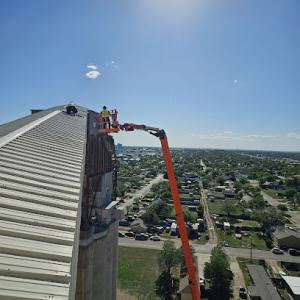
Texas Roofing Divison
(806) 388-0088 www.texasroofingdivision.com
801 E 6th, Plainview, Texas
4.7 from 29 reviews
Texas Roofing Division are the go to Roofers in West Texas. Will insurance cover your roof? Texas Roofing Division is a Better Business Bureau A+ rated roofing company. Are Metal roofs more expensive? Should they be? Call Texas Roofing Division @ (806)388-0088. The roofers in West Texas that want your home to be leak free are the guys and gals @ the Texas Roofing Division. Happy Roofing ya'll!
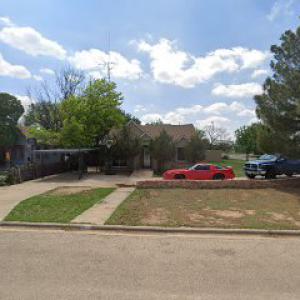
Gill Roofing
(806) 450-2420 roofingplainview.com
1213 Milwaukee, Plainview, Texas
3.6 from 12 reviews
Gill Roofing provides dependable residential and commercial roofing services built on quality, honesty, and craftsmanship. From roof repairs and replacements to inspections and new installations, our licensed and insured team delivers lasting protection for your home or business. We work with durable materials and proven techniques to ensure your roof stands strong year after year. Whether you’re dealing with leaks, storm damage, or planning a full roof upgrade, trust Gill Roofing for reliable results and transparent pricing. Call today to schedule a free roof inspection or estimate.
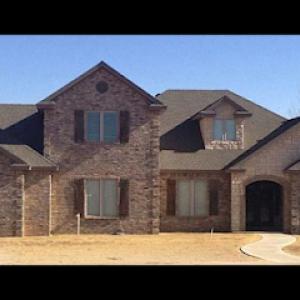
Dickerson Roofing & Foam
(806) 293-5829 www.dickersonroofingcompany.com
1001 E 5th St, Plainview, Texas
3.6 from 10 reviews
Since 1977, Dickerson Roofing and Foam have provided exceptional roofing contractor services for Lubbock, Texas and the surrounding area. We specialize in the following roofing materials: Metal Roofing Composite Roofing Wood Shakes Spray Foam If you need your roof replaced for your residence or business, call Dickerson Roofing and Foam today.
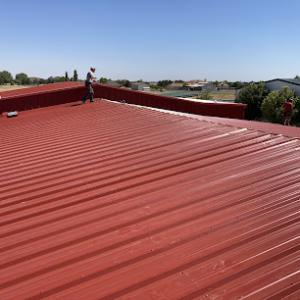
Armor Roofing & Exteriors
1023 Broadway, Plainview, Texas
5.0 from 1 review
We are a realible and committed company dedicating integrity and reliability where the customers is first ,established since 2003 we repair, replace and install any needs from commercial to residential homes. We do all types of roof work such as TPO,metal,composition,gutters,siding, etc.. The company provides great service and always wants what is best for our customers.
In Plainview, roofing costs swing with storm-driven demand after hail events, and that means labor scheduling and material lead times can tighten across the High Plains. When a hail spell hits, contractors juggle tighter crews and rushed orders, which can push a project from a clean two-week window into a longer timeline and higher labor rates. If you're planning a replacement soon after a storm, expect variation not just in material price but in availability as crews reallocate to storm claims.
Heavier systems such as clay and concrete tile can carry added practical constraints in Plainview because many homes are more commonly reroofed with lighter systems suited to local budgets and existing framing. If the structure wasn't engineered for a heavy tile, the edging, underlayment, and deck reinforcement may add to both cost and scheduling complexity. Lighter options-like asphalt, metal, or synthetic shingles-tend to align better with typical local framing and can offer a more predictable pathway during spring claim cycles, especially when hail-driven demand is high.
Permit processing in Plainview typically runs about 1-2 weeks when plans are straightforward, so scheduling can affect project cost and start dates. A tight timeline to begin after a hail event can lead to earlier crew dispatches, potential overtime, and, in turn, higher early-stage costs. If plans warrant revisions or material substitutions due to supply constraints, that 1-2 week window can shrink or extend, influencing the overall project timeline and cash flow decisions.
Asphalt Shingles: 350-600 USD per square.
Metal Roofing: 600-1100 USD per square.
Clay Tile: 1000-2500 USD per square.
Concrete Tile: 900-1800 USD per square.
Wood Shingles/Shakes: 500-1000 USD per square.
Synthetic/Composite Shingles: 450-900 USD per square.
When planning, you'll weigh the likelihood of a quicker install with lighter systems against the durability and hail resistance of heavier options, all within the context of spring claim pressure and local framing realities.
In this area, reroof work is not treated as a casual maintenance task. Plainview's building department generally requires a building permit for re-roof projects, so planning ahead helps prevent delays and protect your investment against hail season surprises. Before you or your contractor submit paperwork, gather the basics: address and parcel ID, a short scope of work description, planned roofing material type, underlayment details, and a rough timeline. Having these elements ready streamlines the review and reduces back-and-forth with the city. If you own the home, you'll likely need to authorize the permit under the contractor's license and ensure you have up-to-date contact information on file with the department. Knowing this upfront saves you from a snag when inspections are scheduled.
The typical city process centers on submitting the project details, paying the permit fee, and then coordinating inspections as work progresses. Your submittal should include the contractor's license number, a site plan showing the roof area to be replaced, and any structural or venting notes that affect the roof system. If there are any unusual features-such as a flat section, dormers, or a retrofit to a different roof class-include sketches or notes to help reviewers understand the scope. Once the permit is issued, you or your contractor will receive a permit card or digital confirmation that becomes the anchor for inspection scheduling. Keep a copy of every document on site; it helps when weather-related delays or hail-season contingencies push timelines.
Inspections are a core part of finishing a reroof in this climate. Expect at least a rough-weather inspection during installation, typically aligned with major milestones like underlayment and or venting installation, plus a final inspection after the roofing material is installed. The city inspector will verify that underlayment, flashing, ventilation, and drip edge meet code requirements and that the project adheres to the approved plan. If changes occur on site-from a switch in material to a modified landscape around the perimeter-inform the inspector to avoid a recheck. Scheduling coordination is usually done through the building department or the contractor; it's wise to pair access with calm weather windows to avoid rescheduling, which can trigger additional fees or delays.
A final city sign-off is required in Plainview before the reroof project is considered complete in the municipal record. Ensure all inspection approvals are documented and that any follow-up items noted by inspectors are addressed promptly. Once the final sign-off is issued, keep the permit closure notice with your home records; this documentation supports future property transactions and helps confirm that the reroof was completed under an approved, inspected process that stands up to storm-season scrutiny.
Plainview homeowners operate in a Texas hail-and-wind claim environment where insurers often expect detailed photo records, contractor notes, and clear storm-date documentation. When a storm rolls through, your roof becomes a file, and the more you can show a claims adjuster-before and after-the better your chances of a smooth review. Take wide shots of the whole roof, close-ups of damaged shingles, and notes that tie the damage to a dated event. Keep contractor observations on the same timeline as your photos so the narrative stays coherent for the adjuster.
Because Plainview sees recurring hail exposure, adjuster scheduling and claim review can directly delay permanent roof work after major storms. If you wait to contact a contractor, gaps in the record may appear, and that can complicate approvals. Build a simple, date-stamped sequence: storm date, earliest visible damage, first inspection, and the proposal for permanent repair. Having this sequence prepared keeps the claim moving and reduces unavoidable hold-ups caused by the weather-driven backlog.
Temporary repairs in Plainview should be documented carefully because insurer approval and reimbursement can depend on showing both emergency mitigation and the underlying storm damage. When you deploy tarps or stop-gap fixes, photograph the setup soon after installation and again after 24 to 72 hours. Attach notes from the contractor about why the temporary measure was necessary and how it relates to the documented storm event. Insurers tend to scrutinize emergency work against the broader damage pattern, so a tight, dated trail matters.
In practice, the most effective approach is to maintain a continuous log that links storm events to observed roof deterioration, temporary measures, and proposals for permanent repair. A clear chain of evidence helps prevent disputes over what happened and when, and it preserves the integrity of the claim through the messy, wind-driven reality of the High Plains.
Plainview's flat High Plains terrain leaves homes on open lots more exposed to fall winds than those tucked behind blocks, trees, or other sheltering features. That broad sky right above your roof means gusts can bite from angles that you might not expect, especially after a storm or a long stretch of hot, dry days that soften and dry out materials. When wind finds an edge, it tests fasteners, shingles, and edges first, so what seems minor at first can quickly become a noticeable draft on your roof's integrity.
Loose shingles, ridge components, and mechanically vulnerable roof edges are a practical concern in Plainview because of the city's broad exposure to seasonal wind events. On an open lot, even small gaps can act like sails, lifting loose tabs or nudging ridge vents enough to create leaks or micro-damage along the seams. Older roofs tend to show this vulnerability earlier, as summer UV weakens surface adhesion and prior hail strikes create hidden scars that let wind find new paths for entry.
Wind issues in Plainview often appear first on older roofs already weakened by summer UV and prior hail strikes. After a windy day or a storm, walk the ridge line and the overhanging edges for loose or curling shingles, missing granules, or raised fasteners. Pay attention to gaps at chimneys, vents, and along the eaves, where wind-driven debris can wedge into vulnerable corners. If you notice movement or that sections of edge sealant look compromised, investigate promptly to prevent a small issue from becoming a larger, shared vulnerability for your whole roof.
Spring is the most disruption-prone roofing season here. Hail events and quick-moving thunderstorms can create sudden damage and backlog. Plan for rapid damage assessment after every storm, and keep a simple, photo-backed log ready to share with contractors or insurers. You should prioritize tarping exposed areas during lulls in weather to prevent interior leaks, and set aside time for temporary repairs while awaiting longer-term fixes. When evaluating a damaged roof, document hail size, impact patterns, and GPS-stamped dates from your phone. Keep your deck clear so crews can work efficiently without tripping hazards or hidden damage from debris. Have a prepared list of trusted local roofers and a weather-smart schedule buffer, since spring work often gets knocked back by late-day storms.
Summer installations must account for extreme sun and heat that affect crew pacing and material handling on the roof deck. Schedule the hottest work for early morning or late afternoon slots, and plan interior tasks on the hottest days to reduce heat exposure risk. Ensure crews have ample shade breaks and access to drinking water; protect underlayment and flashing from rapid expansion or drying out in the sun. Communicate a realistic, weather-aware timeline to avoid rushed work that can compromise sealing and nail seating. Keep gutters cleared before major roofer access so debris doesn't back up and stall progress.
Winter fronts can slow installation with cool temperatures and occasional precipitation even though the city does not face prolonged freeze conditions seen farther north. Expect slower cure times for sealants and adhesives and shorter outdoor work windows on windy days. Prepare for intermittent shutdowns during cold snaps and plan for interior staging to keep crews productive when the roof is unsettled. Have a contingency plan for rain or light snow days and rehearse a quick debris cleanup to prevent damage to skylights and vents.