
Last updated: Apr 19, 2026
Spring hail storms are a primary roofing trigger in this city and create surges in insurance-related reroofing work across the city. That means after every notable storm, local crews see a spike in requests, and insurers tighten timelines to document damage. Your roof endures a brutal combination: intense UV from the High Plains, hail that can crater shingles, and gusty winds that drive debris into flashing and edge details. When the calendar flips to spring, prepare for a cycle of assessment, immediate action, and heightened scrutiny from both adjusters and contractors.
Lubbock's open High Plains setting leaves roof edges, ridges, and exposed slopes vulnerable to strong seasonal winds that can lift shingles and stress flashing. These winds come in gusts that can peel back the granules on asphalt shingles, push under underlayment at hips and valleys, and loosen vent and chimney flashing. If your roof runs along a wide slope or a flat, open exposure, you will notice the effects sooner after a storm. In many neighborhoods, the simplest signs are lifted tabs, creased shingles, or a small path of loose granules gathering at the eave line.
Because hail and wind claims are so common locally, homeowners often need photo documentation, contractor notes, and adjuster coordination soon after a storm. Start with wide exterior photos capturing the roof surface from multiple angles, plus close-ups of any impact marks, dents, or torn flashing. Keep a dated record of when you first noticed potential issues, then schedule a same-day inspection with a contractor who understands wind-driven damage patterns. Request written notes that distinguish hail impact from wind-related edge lifting, because adjusters rely on precise language to authorize repairs quickly.
Exposed slopes frequently show impact marks where hail strikes radiate from a central point, while edges and ridges reveal wind-driven lifting or curling of shingles. Flashing along chimneys, vents, and transitions often shows deformation or buckling after a storm. In neighborhoods with taller trees or nearby structures, impact marks can be less obvious, camouflaged by debris or granules; insist on a thorough inspection that includes underlayment exposure if there is suspected tile or shingle lifting. A skilled local contractor can differentiate between cosmetic surface wear and structural concerns that affect roof integrity and warrant emergency or expedited claims.
Coordinate an on-site assessment within 24 to 48 hours after a hail event or strong wind. Bring contractor notes that map damaged regions to roof sections, eaves, and flashing, with recommendations for temporary tarping if signs of active leakage appear. Share your photos and notes with the insurer promptly, and request a detailed adjuster report that itemizes affected components and the scope of work. If a discrepancy arises between the contractor's assessment and the adjuster's findings, arrange a joint inspection to reconcile the differences while the storm window remains open for documentation and remediation orders.
Prepare for a multi-staged remediation approach that aligns with the climate realities. After damage is confirmed, focus first on leak control and temporary protection, then move to structural inspection if underlayment or deck integrity is questioned. In this climate, a robust plan prioritizes edge and valley flashing integrity, proper fastener replacement to resist future wind uplift, and careful selection of roof products suited to High Plains exposure. Communicate clearly with the contractor about the wind-driven nature of much damage and insist on warranties that address both hail impact resistance and wind uplift performance.
Find local contractors experienced in assessing and restoring roofs after hail, wind, and severe weather events.
Jones & Associates
(806) 796-1913 www.thejonesboys.com
701 E 40th St, Lubbock, Texas
4.9 from 331 reviews

Maverick Roofing
(806) 705-8373 maverickroofing.com
3223 S Loop 289 Suite 410, Lubbock, Texas
5.0 from 143 reviews
Roof'd
4630 50th St # 618, Lubbock, Texas
5.0 from 126 reviews
Looking for top-notch roofing services? Look no further than Roof'd, the trusted roofing company that delivers exceptional workmanship to homeowners and businesses. Our experienced team of skilled roofers is dedicated to meeting your roofing needs and surpassing your expectations. As a local company built on honesty and integrity, we specialize in both commercial and residential roofing. Experience our outstanding customer service and excellent communication. Trust Roof'd to take care of your roof with the utmost professionalism.
Jones & Associates
(806) 796-1913 www.thejonesboys.com
701 E 40th St, Lubbock, Texas
4.9 from 331 reviews
Jones & Associates has been providing for the roofing, siding, and window replacement needs of Lubbock for more than 37years. From humble beginnings to a staff of more than 35 highly trained professionals. We are consistently recognized as one of the "Top 500 Contractors" in the US by Qualified Remodelers Magazine. We specialize in metal roof replacement and metal roof replacement, metal siding application, and installation of new windows and doors. No remodeling job is too small or too big for Jones & Associates as we've worked on small single family homes all the way to multi-million dollar mansions. When you need a new roof or siding, or replacement windows and doors for your home, trust the professionals at Jones & Associates.

Maverick Roofing
(806) 705-8373 maverickroofing.com
3223 S Loop 289 Suite 410, Lubbock, Texas
5.0 from 143 reviews
Maverick Roofing is a Lubbock-based roofing contractor with deep roots in this community. Servicing in West Texas and Eastern New Mexico. With extensive knowledge of local building codes, weather patterns, and architectural styles, Maverick Roofing provides top-notch roofing solutions tailored to your needs. Whether you need repairs, reliable roof restoration, or new roof installations, our skilled team delivers high-quality craftsmanship and reliable service for both residential and commercial roofing needs. Maverick also helps with every step of the insurance claim process. You can trust Maverick Roofing to protect your property with excellence and integrity.

Roof-Tech
2732 82nd St B, Lubbock, Texas
4.9 from 188 reviews
With a commitment to superior craftsmanship and personalized service, Roof-Tech is Lubbock's premier roofing contractor. Specializing in a full range of services from comprehensive roof replacements to detailed repairs and inspections, our team ensures a seamless experience from start to finish. We expertly manage every aspect of your project, including navigating complex insurance claims, to restore the safety and beauty of your property. Trust our dedicated professionals to handle your residential or commercial roofing needs with unparalleled expertise and care.
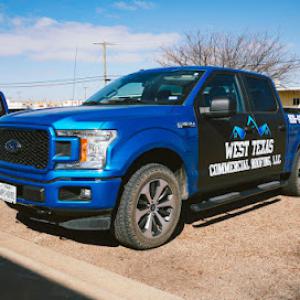
West Texas Commercial Roofing
(806) 416-7663 westtexascommercialroofing.com
3802 M.L.K. Jr Blvd, Lubbock, Texas
5.0 from 70 reviews
If you need a roof, we have the team, experience, and knowledge to get it done right. We offer industry-standard workmanship warranties and work with the top-leading manufacturers in the industry to provide the best product for the job. We also offer general contracting and spray foam insulation services.
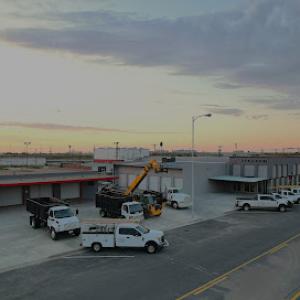
Schrader Roofing Company of Lubbock
(806) 853-4282 www.schraderroofinglubbock.com
1941 Texas Ave, Lubbock, Texas
5.0 from 60 reviews
From better, quality roofing products to a well-managed installation backed by a professional relationship, we’re committed to delivering a better commercial and residential roofing experience across the South Plains and Eastern New Mexico (License #405485). Our experienced teams are passionate about providing quality work that meets timelines, stays on budget, and exceeds customer expectations.
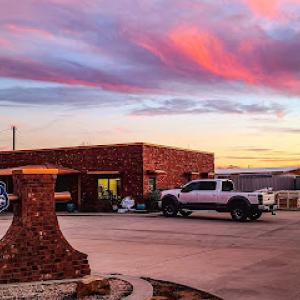
Kincaid Roofing & Remodeling L.P.
(806) 788-1460 www.kincaidroofing.com
5701 122nd Street, Lubbock, Texas
4.8 from 221 reviews
Kincaid Roofing & Remodeling is locally owned and operated by a Lubbock native and Tech graduate. Kincaid's goal is to install the absolute highest quality roof using superior materials and the most experienced installers...at a fair price. If the storms with hail, high winds & rain have caused you concern....let us come take a look, no charge!!!
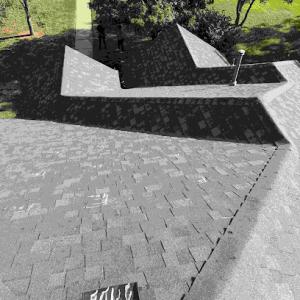
Rain Roofing Pros
(806) 808-1317 www.rainroofingpros.com
5716 40th St, Lubbock, Texas
5.0 from 43 reviews
Whether you need a roof inspection, repairs, or full replacement, we understand the challenges. Based in Lubbock, we are your trusted roofing expert in West Texas! Our dedicated team provides exceptional roofing solutions tailored to our community's needs. We prioritize quality craftsmanship and durable materials to keep your home safe. Our experienced professionals are committed to outstanding service and keeping you informed throughout the process. Contact us today for a free estimate and let us meet your roofing needs!
Leatherwood Roofing Pros
12109 Frankford Ave Ste 3, Lubbock, Texas
5.0 from 34 reviews
At Leatherwood Pros Roofing and Construction, we believe in combining extensive industry knowledge with a personal touch. Established in 2024 (with 20 years prior), the company is driven by a desire to deliver reliable, high-quality roofing and construction solutions. Our founder, Leslie Leatherwood, brings years of hands-on experience and a background in emergency services, which has shaped his approach to precision and care. With a focus on building trust through every project, we aim to create lasting relationships with our clients by ensuring each job is handled with the utmost professionalism and attention to detail.
Texas Roofing
(806) 241-5848 www.facebook.com
30151th, Lubbock, Texas
5.0 from 29 reviews
At Texas Roofing, we take pride in being one of the premier roofing companies serving the great city of Lubbock Texas and soriubding areas. With 17+ years of experience under our belt, we've established ourselves as a reliable and trustworthy partner for all your roofing needs. From minor repairs to complete roof installations, we've got you covered, quite literally!
Core Commercial Roofing & Coatings
(806) 404-1250 corecommercialroofing.com
6301 Indiana Ave Ste 107, Lubbock, Texas
5.0 from 28 reviews
At Core Commercial Roofing & Coatings, we specialize in providing high-quality roofing solutions for commercial properties. Our expert team delivers comprehensive services, including TPO, flat, and metal roofing systems, tailored to meet the unique needs of businesses across the region. In addition to commercial roofing, we offer innovative roof coating solutions designed to extend roof life, improve energy efficiency, and reduce maintenance costs. Whether you need a new roofing system or a fluid-applied coating to restore and protect your existing roof, we are committed to delivering exceptional results with long-lasting value.
Ryan Roofing
13037 Quaker Ave Ste #900, Lubbock, Texas
5.0 from 28 reviews
Ryan Roofing is the premier roofing contractor in Lubbock, TX, and the surrounding area. We proudly offer roof replacement, metal roof replacement, TPO roofing, flat roof coating, roof repair, and more in Lubbock, TX! We deliver high-quality, code-compliant, and long-lasting roofing solutions for residential and commercial properties. With a foundation built on trust, transparency, and excellence, we go beyond just installing roofs—we provide comprehensive inspections, expert craftsmanship, and dedicated insurance support to make the process seamless for our customers. Whether storm damage restoration or a complete roof replacement, Ryan Roofing is your trusted partner for superior roofing services designed to stand the test of time.
In this region, the hot, dry climate and intense sun push asphalt shingles to age faster than in milder Texas markets. UV exposure degrades the protective layers and can lead to brittleness, granule loss, and faster fading of color. The same sun accelerates wear on sealants and edge details, so flashing and upturned edges require extra vigilance after the first few summers. When you assess a roof's condition, look for curled or cupped shingles, especially along the southern exposure, where sun runs strongest. This isn't just about appearance-the age-related delamination raises the risk of leaks during spring storms.
The local climate favors materials that tolerate UV exposure and thermal cycling, which helps explain the strong presence of asphalt shingles and metal roofing in the city. Asphalt shingles remain a practical choice because modern UV-resistant coatings and granule blends hold up under high sun and rapid temperature swings. Metal roofs also perform well here, provided they're installed with proper venting, batt insulation, and appropriate underlayment to manage heat buildup along the deck. Clay and concrete tiles can be durable but are heavier and can crack if hail arrives with enough force; they also respond differently to the heat cycle, so thickness and profile matter for long-term performance. If you expect frequent sun exposure, prioritize materials with warranted UV resistance and consider color choices that minimize heat absorption.
Very hot summer installation conditions can affect handling and timing, which is why many replacements are scheduled in milder seasons. When planning a replacement, avoid peak heat windows and aim for mornings or shoulder seasons to reduce adhesive curing issues and worker heat exposure. Proper installation under these conditions means thorough surface preparation, correct decking ventilation, and attention to sealing around penetrations before heat-induced deck expansion begins. If your home has southwestern or southern exposure, discuss with the crew how they plan to manage heat during installation, including material handling, fastening patterns, and the sequence of underlayment application to prevent hot-weather setbacks.
To preserve a roof's lifespan in the High Plains, perform regular inspections after spring storms and summer heat waves. Look for UV-induced edge lifting, missing granules on shingles, and any signs of flashing wear around vents or chimneys. Clean gutters frequently to prevent water back-up that can exploit sun-brittled seams. For metal roofs, check for paint checking or panel deformation after hail events, and ensure sealant joints remain intact. The goal is to catch early signs of UV-driven aging and thermal stress before they compound into leaks or wind-driven damage during spring and storm season.
Asphalt shingles dominate the local reroof market, and for good reasons. They're familiar to most crews, widely available, and can be installed quickly after a storm when access to materials and labor tightens up. In a High Plains climate with intense sun, spring hail, and open-country winds, asphalt shingles offer a balanced mix of performance and repairability. You'll often see a broad range of shingle styles and grades, which means you can tailor a roof that resists wind uplift while still aligning with your home's curb appeal. The key practical note is to choose a design with strong impact resistance and a robust warranty, and to expect accelerated aging under the higher sun exposure common here. Local crews frequently emphasize proper attic ventilation and underlayment choice to maximize the shingles' lifespan in this environment. If hail damage is a frequent concern, opt for shingles with enhanced impact resistance ratings and ensure the installation includes secure fasteners and a solid roof deck.
Metal roofing has a meaningful specialist presence in the area and is often considered by homeowners looking for better performance against sun and wind exposure. Metal can shed hail impacts more predictably than some other materials and tends to hold up well under the pounding sun that drives heat buildup in attics. For homes facing frequent gusts, metal's lightweight profile and nail-down or standing-seam options can contribute to excellent wind resistance when installed by a skilled crew. Availability becomes a practical factor here: not every contractor stocks all metal profiles, and some local installers have deeper experience with certain systems, which translates to smoother installation and more reliable warranty coverage. If your roof line has complex geometry or you're aiming for a longer service life with lower maintenance, metal is worth evaluating alongside asphalt. Consider color choices and heat-reflective finishes that mitigate cooling loads, a meaningful benefit in the hot spring and summer months.
Tile, wood shake, and slate exist in the market but are less common specialties locally, so material choice should account for installer availability as well as climate fit. Clay and concrete tiles bring durable, long-lived performance, but their weight demands a solid structural assessment and may require additional framing in some mid-century or lighter structures. In this region, tiles can handle hail better than some asphalt shingle options when properly installed, yet the risk of breakage in severe hail storms remains a consideration. Wood shakes offer a distinctive aesthetic and strong wind performance when fastened correctly, but they require regular maintenance and can be susceptible to fire and moisture concerns if not properly treated and ventilated. Slate brings a premium look and exceptional longevity, but installation expertise is highly specialized, and the material's weight can necessitate structural adjustments. If you're choosing these materials, prioritize a builder with established local experience and proven performance in High Plains conditions, and discuss how your roof's slope, ridge lines, and eave detailing will influence performance during hail season and high winds.
In all cases, the key to a resilient roof in this climate is pairing the material with a knowledgeable local installer who understands how spring hail, UV exposure, and persistent winds interact with roof systems. Look for crews that can demonstrate performance history under local conditions, provide credible warranties, and offer guidance on maintenance routines-especially around attic ventilation, gutter protection, and fastener security. The most durable choice aligns with the home's structure, your climate realities, and ongoing care, ensuring the roof copes with both the bright sun and the sudden weather events that define the area's spring season.
After a hail season, the roof market in this high plains environment shifts quickly. Typical local pricing runs about $350 to $650 per square for asphalt shingles, $850 to $1800 for metal, $1000 to $2000 for clay tile, $900 to $1700 for concrete tile, $900 to $1800 for wood shingles or shakes, and $1800 to $3000 for slate. Those ranges reflect weather-driven demand, material choices, and local labor availability that can tighten up after a major hail event. Planning with those figures in mind helps you avoid sticker shock when the roofer starts tear-off and replacement work.
Spring hail storms in the High Plains leave more than cosmetic dents; they drive up demand for reroofs and quick repairs. Scheduling pressure can push installation timelines forward, and crews may prioritize storm-damaged homes, which can influence both timing and labor costs. If a tear-off reveals more damage than anticipated-underlayment, ventilation, or the need for a sturdier final installation-the final bill can extend beyond the basic material price. In a market that swings with the weather, it pays to reserve some flexibility in your budget for the possibility of additional underlayment or upgraded installation components.
Asphalt shingles sit at the low end of the spectrum and are often chosen for cost-conscious rebuilds after storm events. If metal, clay tile, concrete tile, wood shingles or shakes, or slate are considered, the price bands widen and the project timeline tends to lengthen, especially when hail has compromised underlayment or ventilation. In practical terms, a homeowner should expect that a reroof project will be priced per square, with the material choice and the extent of damage after tear-off shaping the final cost. Extreme weather years can push crews to prioritize urgent repairs, which may affect scheduling and cost-per-square, even if the material itself remains within its typical range.
Begin with a careful inspection focusing on underlayment, flashing, and ventilation, then map out whether a full tear-off is necessary or if a recover is sufficient. Get written estimates from at least two local companies who have experience handling spring storm work. Ask for a line-item breakdown that includes tear-off, disposal, underlayment, ventilation upgrades if needed, starter strips, and final installation. If possible, request references from neighbors who weathered a recent hail event to gauge how the contractor handled storm-season scheduling pressure and any follow-up work. This approach helps you compare apples to apples when the weather spike hits and labor availability tightens.
Get a clear picture of your project costs upfront - no commitment required.

Rain Roofing Pros
(806) 808-1317 www.rainroofingpros.com
5716 40th St, Lubbock, Texas
5.0 from 43 reviews
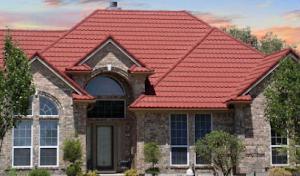
Johnson Roofing
(806) 214-1590 www.johnsonroofinglubbock.com
5313 50th St Suite D-7, Lubbock, Texas
4.6 from 34 reviews
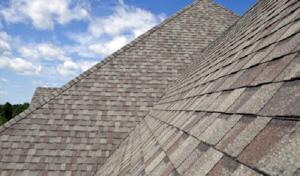
Sharkey Roofing
(806) 855-2080 www.sharkeyroofing.com
7302 82nd St #7, Lubbock, Texas
4.6 from 20 reviews
Reroofs require a permit through the City of Lubbock Building Inspections department. The process is not optional in practice, since a mistake on the permit can trigger delays, fines, or a denied inspection that stalls weather-sensitive work during high-wind and hail season. A reputable contractor often handles the permit filing for the homeowner, but you should still verify that the permit is pulled, tracked, and closed correctly. If the paperwork sits in limbo, a completed reroof can become a liability when weather shifts or an insurance claim prompts a redraw of the plan.
Local roofing inspections are typically scheduled after tear-off and again after final completion. The first check-after-tear-off ensures the roof deck is sound, the underlayment is correctly installed, and any necessary repairs are addressed before the new surface goes on. The final inspection verifies that materials match the approved plan, penetrations are properly flashed, and the overall installation meets code requirements. Missing or delayed inspections can create headaches when storms loom, so stay in close contact with the roofing crew to align the schedule with weather windows and permit timelines.
Lubbock inspections commonly verify underlayment, ventilation, and shingle installation. Underlayment quality and correct overlap matter for wind-driven rain and hail impact scenarios common on the High Plains. Proper attic ventilation is assessed to prevent heat buildup and moisture problems that can accelerate deck deterioration after a storm. Shingle installation is checked for alignment, nailing pattern, and secure fastening against gusts. If a contractor claims to have "taken care of the permit" but the inspection fails, the homeowner bears the risk of corrective work and potential occupancy or resale complications.
Begin by confirming the permit status before any tear-off begins. Schedule the pre-tear-off inspection if required by your jurisdiction, and keep the inspector informed of any deviations from the original plan. After tear-off, ensure the crew follows the approved underlayment and ventilation plan, and document the process with photos in case any questions arise during the final review. If a contractor offers to manage everything, request written confirmation of permit numbers, inspection dates, and the acceptance criteria the inspector will use. A timely, transparent inspection sequence protects your home from weather-driven surprises and keeps your reroof on a solid footing.
In a high-claim roofing market, spring hail and wind-driven damage drive a steady rhythm of insurance activity. Storms sweep across the High Plains, leaving dented metal edges, bruised shingles, and loose flashing that may not be obvious at first glance. When a homeowner waits to call, the window for timely assessment can shrink as neighboring roofs get scanned and reports pile up. Documented damage, clear photos, and a dated record of the storm event help ensure your claim is evaluated on solid footing rather than memory.
Insurers in this region commonly evaluate claims using storm timing, local risk conditions, prior claim history, and contractor or adjuster documentation. That means a rapid, organized response matters: when a claim is filed, expect inquiries about when the damage occurred, the storm's severity, and whether prior repairs have altered the roof's response to new impacts. Having your own notes on wind speeds you witnessed, hail sizes you measured, and mast-and-vent gaps you observed can support the adjuster's visit. A properly documented roof line, attic signs of moisture, and visible surface irregularities can shorten the path to resolution.
Homeowners benefit from documenting damage immediately because claim volume can rise quickly after spring storms. Start with a careful exterior walkaround, capturing hail impact patterns, twisted or missing shingles, and dented downspouts. Preserve weather and storm reports, and file promptly to secure a timely inspection. If a contractor is involved, ensure they provide a written scope tied to observed damage, not guesses. Quick, accurate documentation helps prevent a drawn-out process when insurers are juggling multiple after-storm claims.
Connect with contractors who help homeowners navigate the claims process from damage assessment to final approval.
Jones & Associates
(806) 796-1913 www.thejonesboys.com
701 E 40th St, Lubbock, Texas
4.9 from 331 reviews
Maverick Roofing
(806) 705-8373 maverickroofing.com
3223 S Loop 289 Suite 410, Lubbock, Texas
5.0 from 143 reviews
Although pitched residential reroofing dominates the local market, the contractor scene still shows active specialties for low-slope roofs and skylight repairs. In a High Plains spring, wind-driven rain can push water toward vulnerable transitions, so knowing where low-slope details and skylights sit in the risk map helps you spot problems before they become claims.
Wind-driven rain tends to exploit penetrations and seams around skylights, vents, and wall transitions. Look closely at curb seals, flashing under shingles or membrane, and any gaps where roof deck meets skylight framing. In older homes, sealants around skylights may have dried out or separated, allowing moisture intrusion even if the surface looks dry. Pay attention to sunken flashings at vents, as those can lift with gusts and leave a quiet path for leaks during the next squall.
When a storm hits, start inside at ceilings near skylights and along interior walls opposite exterior walls. Water stains or ringing sounds in quiet attics can point to flashing failures. On the roof, perform a careful skim of the skylight perimeter from a safe, stable stance. Check the integrity of any flat sections and ensure membrane overlaps extend properly over the curb. If your home uses a low-slope section that merges with steeper roofing, verify that step flashing transitions are clean and continuous across the change in pitch. Any cracking or blistering of sealant around skylight joints warrants attention before the next high-wind event.
Flat-roof and coating specialties exist locally but are secondary compared with the city's much larger storm and reroof market. Rely on a contractor with proven skylight and flashing expertise when wind or hail damage has shaved edge details or introduced micro-leaks. For best results, schedule routine inspections after severe weather to verify that problem spots stay sealed and stable through the windy season.
Find specialists in TPO, EPDM, and built-up flat roofing systems for residential and commercial properties.
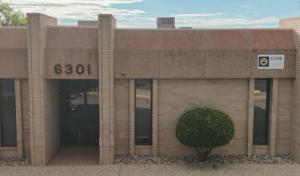
Core Commercial Roofing & Coatings
(806) 404-1250 corecommercialroofing.com
6301 Indiana Ave Ste 107, Lubbock, Texas
5.0 from 28 reviews
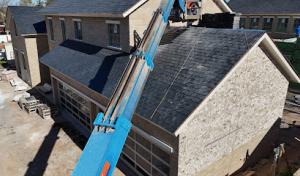
Ryan Roofing
13037 Quaker Ave Ste #900, Lubbock, Texas
5.0 from 28 reviews
Roofs By Nicholas of Lubbock
(806) 605-0880 www.roofsbynicholas.com
301 Paris Ave, Lubbock, Texas
5.0 from 25 reviews
Lubbock homeowners often hire based on quick response after storms, especially when leaks or exposed decking need immediate attention. When a hail event hits, the first call determines whether a contractor will stabilize the roof quickly or leave you chasing leaks through a growing problem. Look for a crew that can be on site within a day or two and can outline temporary measures to prevent further damage.
Cleanups matter in this market, and a contractor's ability to manage debris, tarping, and waste removal is a clear signal of reliability. A storm-focused job often spirals into a reroof in a matter of weeks, so a firm that cleans up thoroughly and leaves a tidy worksite shows respect for your curb appeal and your neighbors. Ask how they handle drippings, nails, and discarded underlayment so you aren't left with hazards after the crew finishes.
The market includes many reroof-focused and long-established local companies, so homeowners often weigh local tenure and responsiveness more heavily than niche luxury specialties. Favor firms with a solid local track record, visible crews, and a history of referrals from neighbors who faced similar weather. A long-standing local outfit is more likely to understand the quirks of High Plains exposure, from wind-driven shingle blow-off to hail-justified deck exposure.
Communication is essential once a claim is opened. Ensure the contractor can document damage with photos, track repairs, and provide a clear timeline. Ask for named project supervisors and a written plan that covers temporary protections, debris removal, and the sequence of work. Finally, confirm warranty coverage and what happens if a storm reoccurs in the same season.