
Last updated: Apr 19, 2026
In this Santa Cruz Valley pocket, the intense high-desert sun hits roofs hard every day. That relentless UV and heat bake shingles, underlayment, and flashing, accelerating aging far beyond milder climates. You'll notice faster granule loss, color fading, and insulation under rooftop surfaces that feel "soft" sooner than you expect. When you plan replacements, assume the roof won't last as long as the same materials would in cooler regions. That means accurate life expectancy isn't a guess-it's a precaution you can't ignore if you want to avoid mid-life surprises. For homeowners with aging or recently repaired roofs, this sun-driven wear translates into shorter windows for problem-free tear-offs and a higher risk of latent damage lurking under surface layers.
The monsoon season typically runs roughly July through September, a stretch that can turn a routine tear-off into a weather-sensitive race. Sudden downpours, gusty winds, and blowing dust can disrupt work schedules, flood exposed underlayment, and force crews to pause mid-project. If rain starts while the roof is open, moisture can seep into vulnerable areas, compromising decking, sheathing, and fasteners. Even a few hours of exposure after tear-off can intensify moisture damage in you-know-where you can't see it until it's too late. Because monsoon storms come with little warning, you need a plan that assumes the project will encounter weather interrupts rather than avoiding them entirely.
Project timing matters more here than in milder climates because summer heat can affect installation conditions in ways that officials in cooler regions do not experience. High daytime temperatures push crews to start earlier, limit asphalt work, and require extra hydration and shade to protect workers and materials. If you're scheduling a roof replacement, align start dates so you can complete critical, moisture-sensitive steps before July heat spikes and before the monsoon window opens. Build in buffer days for potential rain delays and dust interruptions, because even small weather setbacks can cascade into days of downtime. Don't assume a later start will be magically smoother; it can simply push labor into peak heat and the storm corridor, trading one set of risks for another.
Coordinate with a contractor to map out a two-phase plan that minimizes weather exposure: first, secure and secure-underlayment protection in anticipation of monsoon risk, then complete the final surface installation as weather windows allow. Have tarps and temporary weather barriers ready to cover exposed decking if a storm forecast appears. Ensure ventilation, attic access, and drip edge work are prioritized when conditions are favorable, so moisture intrusion is kept to a minimum if you do face an abrupt change in weather. Keep a close eye on monsoon forecasts and communicate wakeful contingency dates with your crew-timing isn't just a calendar issue; it's a moisture-management strategy tailored to this desert environment.
In Green Valley, the desert sun blasts roofs with high UV intensity for most of the year, which accelerates aging especially on lighter, less-reflective surfaces. Dust accumulation adds extra heat load and wind-driven debris can damage edges and fasteners. The monsoon season introduces a tight weather window that can turn a routine reroof into a race against rain and sudden storms. Roofing decisions should weight long-term sun exposure and the chance of sudden wet weather, not just initial appearance or cost. If a home sits on a tile-compatible slope or a compact lot with strong shade patterns from mature trees, that will influence which material holds up best and how often a roof should be inspected.
Southwestern architecture-low-pitched or medium-pitched roofs with clay or concrete tile-stays popular here for both form and function. Clay tile offers excellent color stability and a classic, durable silhouette that blends with the landscape. Concrete tile often delivers similar performance with a slightly broader range of profiles and lighter weight options. In practice, expect these tile systems to shrug off the desert sun reasonably well, but they require a solid substrate and proper underlayment. Debris and wind-driven sand can accelerate wear at edges and around penetrations, so close attention to flashing and fastener corrosion is essential. For homes with a long, uninterrupted monsoon season, ensure ridge lines and valleys are sealed to avoid water intrusion if a storm overruns the forecast. Tile roofs also benefit from periodic re-coating of surface glaze to maintain color and reflectivity, especially in areas facing persistent sun exposure.
Asphalt shingles continue to appear on many Green Valley homes due to familiarity and cost. In this climate, UV exposure drives faster aging compared to cooler regions, so shingles may fade, become brittle earlier, or show granule loss after several hot seasons. If choosing asphalt, look for high-performance, UV-resistant granules and consider reflective or cool-roof shingle options to reduce heat absorption. Proper installation matters: adequate attic ventilation, a solid underlayment, and careful flashing around vents and skylights help prevent premature delamination. Regular inspections after monsoon events address any wind uplift or shingle damage before leaks set in.
Metal roofs are attractive here because of heat deflection and long service life. A standing-seam or PBR-panel metal roof can shed heat effectively, potentially lowering cooling loads in peak afternoon sun. Metal stands up well to wind and dust, but panels must be installed with a careful seal along seams and penetrations to prevent leaks during monsoon downpours. If choosing metal, consider coating color and reflectivity to optimize thermal performance. Lightweight installation pairs well with existing structures and can reduce roof deck stress compared with heavier tile systems.
Synthetic or composite shingles provide a tile-like appearance with lighter weight and often higher impact resistance. They can mimic clay or concrete while offering faster installation and potential color stability benefits. In a climate where sun and wind batter roofs, composites can be tailored for UV resistance and long-term performance. Consider products with proven warranty support and colorfast finishes to maintain curb appeal after years of desert sun exposure. When paired with a compatible underlayment and ventilation strategy, synthetic options can deliver tile aesthetics without some of the structural demands of real tile.
In this desert environment, sun exposure wears roofs differently than in cooler climates. Exposed roof surfaces can show accelerated aging long before interior leaks become noticeable, so the first hints of trouble often appear as faded or chalky coatings, bent or curled shingles, or granules washing into gutters. You'll want to watch for those sun-bleached areas on south- and west-facing sections, where UV rays hammer the roof daily. That early aging is a warning sign: it points to compromised protection at the surface, which can silently shorten a roof's practical life if left unaddressed. Pay attention to laminations pulling apart or flashing that looks brittle, and don't assume a pristine exterior means the underlying layers are still sound.
Monsoon season in this region comes with more than dramatic skies; it brings strong dust-laden winds that scrub roof edges and stress vulnerable transitions. Edges, ridge caps, and any penetrations-chimneys, vents, skylights-are prime failure points when wind gusts slam through a home's crown. Older roofs, especially those nearing the end of their expected life, can experience accelerated wear at these interfaces, where sealants dry out, fasteners loosen, and the flashing loses its bite. The result is not always an obvious leak on a rainy day; instead, air and water find paths around imperfect seals, allowing moisture to work into decks, underlayments, and faster-than-expected deterioration of the roof system.
Tile roofs often get praised for longevity, yet in this climate the real vulnerability sits beneath the visible clay or concrete. The tile surface may look intact while the underlayment system beneath has already degraded from heat, sand infiltration, and repeated thermal cycling. When underlayment or flashing deteriorates, the roof's defense against moisture fails at the core, turning what seems like a tile replacement into a broader, more complex intervention. The real replacement trigger, in many homes, is the integrity of the underlayment and the transitions around chimneys, vents, and parapets, not just the tiles themselves. If tiles crack from wind-driven impacts, the consequential moisture access hastens the need for a more comprehensive repair.
You'll notice that sun and wind don't always announce themselves with dramatic leaks. Instead, look for subtle signs: granule loss, exposed substrate, and hairline edge cracks that coalesce over time. Proactive assessment matters because once the underlayment or flashing shows signs of fatigue, replacement decisions become more urgent and cost-effective when handled promptly. In this climate, durable protection means treating surface aging and vulnerable transitions as real indicators of remaining roof life, rather than waiting for a visible roof flood to prove the point.

Clint's Handyman Services
1091 W Beta St, Green Valley, Arizona
5.0 from 30 reviews
Hi. We are a local roofing and home repair company in Green Valley Arizona. Specializing in flat roof coatings, tile roofs, and we also do skylight replacement. Looking to get the exterior of your home painted? We got you covered ! We are Liscenced, Bonded, Insured. We have over 24 years experience in the roofing field. We have been voted best contractor award with the green valley news 2019,2020,2021,2022. Free estimates and the best warranties in the industry! Hire the best to keep you at rest !!! Thank you and god bless
Advanced Roofing
(520) 264-8776 www.advancedroofingaz.com
Serving
5.0 from 9 reviews
Advanced Roofing, LLC is a top-rated Gilbert roofing company with industry-leading roofing contractors who are qualified to provide a variety of roofing services for both commercial and residential customers. Licensed, bonded, and insured, Advanced Roofing is family owned and operated and properly equipped to handle a roofing job of any size and scope. Our trusted roofers offer a wide range of high quality roofing services including roof repairs, maintenance and installations on a variety of roofing materials including shingle, tile, foam, metal, roof coatings and more. From emergency roof repairs to new roof installations, Advanced Roofing has over 10 years of experience servicing commercial and residential roofs throughout the Valley.
AA Brite 24/7 Sahuarita, Green Valley Roof Coating Contractors
Serving
5.0 from 6 reviews
When you need Professional Roofing Services in Sahuarita, AZ, AA Brite is your #1 Best Option. Since 2004, AA Brite 24/7 has been providing reliable Roofing Services such as Elastomeric Roof Coating, Residential and Commercial Exterior Painting, and stucco repair services. We specialize in exterior work on Santa Fe style homes since we can paint the exterior, patch the stucco and also patch / recoat elastomeric roofs together as one project. We're proud to be the Professional Roofers you can trust with your home or business in Southern Arizona! -Licensed, Bonded & Insured -Free Estimates on All Services! -2-Year Workmanship Warranty -Locally Owned & Operated -Over 500 Five Star Reviews on Yelp and Google Contact us today!
Enhanced Roofing Tucson
(520) 380-8948 www.enhancedroofingaz.com
Serving
4.7 from 32 reviews
At our roofing company in Tucson, we understand the unique challenges that Tucson residents face when it comes to their roofs. Our team of experienced professionals is equipped to handle all types of roofing repairs, replacements, and maintenance services to ensure that your home is protected from the elements.
Desert Sun Roofing & Reflective Coating
(520) 370-1039 desertsunroofing.com
Serving
5.0 from 105 reviews
Desert Sun Roofing is a family-owned and operated business proudly serving the Tucson area for nearly two decades! We specialize in expert roof coating, leak detection, repairs, maintenance, and complete roof restoration systems. In addition to roofing services, we also offer skylight repair and replacement to keep your home protected and energy-efficient. Our team of roofers is dedicated to superior workmanship and complete customer satisfaction. Call today for a free estimate and trust us with all your roofing and skylight needs!

DC Roofing of Arizona
(520) 979-9095 www.dcroofingarizona.com
Serving
4.8 from 104 reviews
DC Roofing of Arizona is southern Arizona's go-to roofing contractor for high quality, affordable roof repairs and installations for your residential and commercial roofing needs. Whether you have a flat roof, tile roof, asphalt or any other material, we provide services to make sure you're satisfied with the work we do. David Contreras, owner and the "DC" in DC Roofing, has been roofing in and around Tucson since 2012, working from being the ground guy up to lead foreman at 2 different companies. Seeing the strengths and weaknesses of different business models, DC Roofing has pulled from the best, including providing quality workmanship, team development, affordability and ultimately customer satisfaction for your business or family.
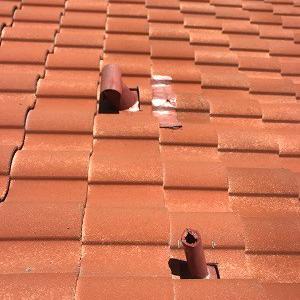
RoofSmart
(520) 797-5656 tucsonroofsmart.com
Serving
4.8 from 169 reviews
RoofSmart is a local licenced, bonded, and fully insured Roofing Company \ Contractor that does, maintenance and roof repairs on tile, built-up and shingle roofs. We do repairs such as cracked and broken tile replacement, roof re-coats and missing or damaged shingles replacement. We also do full roof replacements on tile and shingle roofs as well as membrane overlays on built-up roofs. RoofSmart is the #Trusted Smart Choice
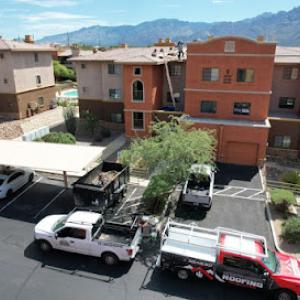
Modern Desert Roofing
(520) 445-5137 moderndesertroofing.com
Serving
4.8 from 76 reviews
Modern Desert Roofing is a fully licensed and insured roofing company specializing in installing and maintaining all roof systems to help our customers secure their homes. From concrete tile, clay tile, asphalt shingle, and a variety of flat roof systems, our technicians are equipped to handle all of your roofs needs.
Zebas Roofing
(520) 619-9791 zebasroofing.com
Serving
5.0 from 2 reviews
Specialized services in roofing, inspections, repairs and maintenance of roofs
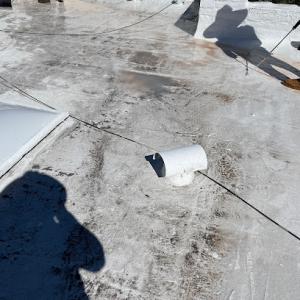
Erceg Roofing
(520) 873-8875 erceg-roofing.com
Serving
5.0 from 28 reviews
Roofing repairs Reparación de techos
Tucson Rubberized Coatings | Roof Coatings Tucson
(520) 293-3444 www.rubberized.com
Serving
4.8 from 37 reviews
Tucson Rubberized Coatings sells high-quality roof coating in Tucson. All our products are tested for quality and meet the standards of energy star, thus helping homeowners lower their energy bills. We provide customers with various options to choose—ranging from a 5 year to a 15-year product also we are the best companies for purchasing elastomeric emulsions to get off water leakage problems. So, get your roof coated by roof coating specialists in Tucson because we provide the best Elastomeric Reflective roof coatings for your home. In addition, we sell emulsions & primers, TRC paints, driveway & parking repair, roofing materials & supplies, etc.

Rob's Roofing
(520) 679-8201 www.robsroofingaz.com
Serving
4.8 from 145 reviews
Rob’s Roofing is Arizona’s Elite Roofing Company. Whether you need a free roof inspection or a full roof replacement, we’ve got you covered. This location proudly serves the Greater Tucson Area
Typical local pricing by material is: Asphalt Shingles $350-$700 per square, Metal Roofing $700-$1200, Clay Tile $900-$1800, Concrete Tile $750-$1500, Wood Shingles/Shakes $800-$1500, and Synthetic/Composite Shingles $600-$1100. In this market, those numbers reflect the heavy use of tile-friendly Southwestern designs, where heavier materials and more detailed flashing work can push labor above what a simple shingle roof would cost.
The Santa Cruz Valley climate bakes roofs with intense UV and persistent dust, which accelerates wear on seals, underlayment, and flashing. That means even a roof that starts out "standard" can drift into higher labor needs for longer-lived materials. Heavier tile systems, in particular, require careful staging, more precise field workmanship, and longer installation windows to ensure proper integration with parapet walls and skylight flashings. When you choose Clay Tile or Concrete Tile, plan for both higher material costs and proportionally higher labor, driven by the need for specialty fasteners, cutters, and careful tile alignment.
Asphalt Shingles stay the most budget-friendly entry point, typically in the $350-$700 per square range, but must be weighed against their shorter life in sun and monsoon cycles. Metal Roofing sits at $700-$1200 per square and can handle desert heat better, with fasteners and seam work that benefit from dry, wind-stable scheduling. Clay Tile lands between $900-$1800 per square, with labor emphasizing accurate lathing, flashing transitions, and wind-rated fasteners. Concrete Tile runs $750-$1500 per square and shares the same emphasis on tile layout and flashing. Wood Shingles/Shakes and Synthetic/Composite Shingles occupy $800-$1500 and $600-$1100 per square respectively, where synthetic often offers better UV resistance but still requires precise underlayment and edge detailing in high-dust air and seasonal winds.
Weather-driven demand spikes follow wind events and the monsoon season, which can compress crews and push project pace in this area. Reroofing during a calm stretch is more reliable for sticking to a planned budget and finish date, while monsoon-driven delays can create wait times for material shipments or crew availability. Communicate expected windows early, and coordinate with manufacturers and local crews who understand the nuances of the valley sunlight and seasonal dumping dust that can affect installation cleanliness and flashing performance.
When choosing materials, balance upfront cost against expected life in this desert environment, factoring in the extra labor that tile-rich designs command. Build a realistic budget that includes contingencies for weather-driven delays, especially if a tile roof is in the plan. If you lean toward tile or synthetic options, expect longer installation windows and a slightly higher overall day rate to accommodate the precise work those roof types demand.
Reroof projects typically require a building permit from the local building department serving the property jurisdiction. In this desert climate, the permit process helps ensure the work aligns with wind, heat, and monsoon season considerations that are common to Green Valley. Before any roofing material is stripped, contact the building office to confirm the permit timeline, required documentation, and any neighborhood or HOA stipulations that may apply. Having the permit lined up early helps avoid weather-driven delays during the monsoon window and reduces the risk of a rushed job that could compromise underlayment or venting details.
Inspections are commonly required at several pivotal stages to verify safety and code compliance, especially given the exposure to extreme sun and high winds. A typical sequence includes an inspection after tear-off or removal to confirm the deck or sheathing condition, another inspection at the underlayment or installation stage to ensure proper attachment, ventilation, and sealing, and a final approval before closeout to certify that the completed roof meets all applicable standards. In a climate like this, inspectors pay particular attention to lapped seams, flashing around vents and chimneys, and drainage details that prevent wind-driven leaks. Scheduling these inspections with the roofer and the building department early helps keep the project on a predictable timeline, which is crucial when monsoon alerts can appear on short notice.
If a reroof includes structural changes or venting modifications, plan review may be required rather than treating the work as a simple like-for-like replacement. Structural changes could impact the allowable roof load, and venting alterations influence attic moisture control and ridge ventilation effectiveness - both factors that matter in a desert environment with intense sun and seasonal humidity. When plan review is triggered, gather any engineered drawings, venting layouts, and product specifications the plan reviewers request. Submitting complete plans reduces back-and-forth, minimizes delays, and helps ensure the roof system integrates with the home's existing insulation and cooling strategies.
To keep the process smooth in Green Valley, start by identifying the permit jurisdiction early in the project, then align the contractor's schedule with anticipated inspection dates. Have documentation ready for the plan reviewer, including any changes to rafters, decking, or venting layouts. Confirm weather windows align with critical phases like tear-off and underlayment installation, and plan to secure a temporary hold on work if a monsoon alert could interrupt progress. Clear communication with the local building department and the roofing team reduces the risk of weather-driven setbacks and helps protect the investment against sun and wind exposure that stress aging roofs.
In this desert area, insurers commonly want current-condition documentation, including photos or an inspection summary, before or during underwriting and claims review. You should gather recent shots of the entire roof, attic vents, and any visible flashing, plus notes on previous repairs and maintenance. This evidence helps prevent disputes over what existed before a weather event and what happened afterward.
Claims activity tends to rise after severe weather and wind events, which matters locally because monsoon storms and dust-driven wind can produce disputed damage scenarios. After a storm, photographs taken within 24 to 48 hours are especially valuable, and documenting both interior and exterior effects minimizes confusion about what caused the damage.
Arizona claim handling and depreciation rules influence how homeowners should document roof age, maintenance history, and storm-related damage before filing. Be prepared to provide a clear timeline of when shingles or tiles were installed, any mid-life repairs, and how prior UV exposure has affected surface condition. The more precise the history, the smoother the review process tends to be.
When a storm is pending or has just passed, capture wide and close-up images of all roof planes, flashing, and gutters; note any granule loss or curling shingles. If an independent inspection is available, obtain a concise summary focusing on wind and sun-related wear. This documentation supports a more predictable conversation with the insurer and helps avoid surprises during claim resolution.
Weather and schedule drive every reroofing decision in this retirement-focused community. The desert sun brutalizes shingles and fasteners, and the monsoon season can turn a routine replacement into a weather-backed timeline shift. When planning, you want predictability: a coordinated crew, steady access, and minimal disruption to daily routines. Use this framework to align your project with Green Valley's typical home stock and yearly climate rhythms.
Choose installation windows that avoid the peak heat of midsummer and the heart of the monsoon. By late spring or early fall, temperatures are more tolerable for underlayment, adhesive, and fasteners, reducing the risk of improper cure or warping. Schedule reminders with your contractor for pre-monsoon checks and tarp readiness. Your goal is a clean stretch of dry days, not just a dry roof.
Residents favor low-maintenance materials that resist dust and UV. Metal and concrete tile offer long life with fewer color changes and minimal ongoing upkeep, making them practical under ongoing sun exposure. Ask for coating options or reflective finishes that help cut cooling loads and extend tile life. Plan for a reroof that minimizes skylight and vent disruption to reduce ongoing maintenance calls during hot months.
In this community, clear project documentation matters for future insurability. Get a written scope, a detailed sequence, material specs, and a warranty outline. Request a completion checklist, photos of the pre- and post-condition, and a signed closeout by the contractor. Keep every communication, change order, and receipt together in a single file for easy future reference.
Before signing any agreement, walk the roof with your contractor at a hour to review access routes, material storage, and dust control. Confirm a rain plan, including when to pause and resume work if sudden storms arrive. A predictable process helps neighbors and insures move-in and move-out dynamics.