
Last updated: Apr 19, 2026
Coolidge sits in Pinal County's hot desert environment, where prolonged sun exposure is a year-round roof-aging force rather than a seasonal issue. The heat and UV are constant stressors that quietly push underlayment, flashings, and fasteners toward failure, even before a storm arrives. The monsoon season from July through September brings wind, heavy rain, and the occasional hail after long dry spells, creating a period when the roof system faces a double challenge: degrade from heat and then cope with intense moisture and wind in a short window.
In this climate, the primary adversaries are UV-driven aging, thermal movement, dust infiltration, and storm-driven water intrusion. Shingles and tiles expand and contract with scorching days and cool nights, which can loosen fasteners or cause flashing seals to crack. Dust accumulation acts like a tiny abrasive and can hide signs of early wear. When the monsoon hits, wind-driven rain can force water under edges and through imperfect joints, particularly where underlayment has already fatigued from years of desert sun. Hail, while less frequent, can locally crater tiles or dent metal sections, creating new leaks or accelerated wear around the damaged spots. Expect that even a well-installed roof will show the fingerprints of this environment within a few seasons if maintenance isn't consistent.
Clay and concrete tiles respond differently than asphalt shingles to the heat cycle. Clay and concrete tile systems rely on integrated underlayment and precise flashing to keep water out where tiles butt against walls, vents, and chimneys. Your underlayment bears the first brunt of UV exposure and thermal cycling, so any signs of wrinkling, tearing, or delamination warrant attention sooner rather than later. Asphalt and synthetic shingles can blister or cup as temperatures swing, while metal roofs confront expansion stresses at seams and penetrations. In the desert, a roof that looks fine from the ground may hide stressed underlayment, loose fasteners, or corroded flashings beneath the surface.
Timing matters in this market. If a roof is installed late spring or early summer, heat exposure accelerates aging of the underlayment before a first big monsoon test. If work is scheduled in the shoulder seasons, ensure the crew accounts for heat-sensitive materials and potential wind-driven rain windows during and after installation. Flashing details at penetrations and transitions are particularly critical in monsoon-prone months; improper sealing here translates to leaks that recur with every downpour. A careful installer will check and re-seal all flashings after the first monsoon season, not just at the time of completion.
Routine inspections should focus on the most exposed areas: ridge lines, attic ventilation balance, flashing seams along chimneys and vent stacks, and all transitions where tiles meet other roof planes. Look for lift at edges, loose fasteners, or displaced seals after heavy winds. Clean gutters and downspouts so water can drain freely, reducing the risk of backflow or sheet flow under the eaves during a downpour. After the monsoon, pay attention to any damp spots in the attic or ceiling, which may indicate that water found a path through a compromised area. In this environment, proactive maintenance beats reactive repairs, and a small, timely fix can prevent a larger replacement later on.
Clay and concrete tile are dominant in this part of central Arizona, so many leaks originate below the tile field at aged underlayment, valleys, penetrations, and flashings rather than from broken tiles alone. In the heat, the exposed tile surface can outlast the waterproofing layers beneath it, making underlayment age a more important trigger for replacement than appearance from the street. Think of the underlayment as the hidden shield that saves you from hidden water intrusion during the monsoon season and the long, brutal summer days.
Monsoon wind can lift or shift individual tiles and force water into vulnerable transitions, especially around roof-to-wall intersections and metal flashings reviewed during local inspections. When a gusty downslope hits the ridge or the eave line, tiles can shift enough to expose underlayment seams, valleys, and penetrations. Those small gaps become big problems once rain arrives with wind behind it. A timely check of flashings and the metal pieces at corners can prevent a cascade of leaks that might otherwise be blamed on "just a few tiles."
Focus first on the valley flashings and the joints where tile field meets the wall. Valleys accumulate runoff and are prone to debris buildup, which compounds water tracking under the underlayment. Inspect around penetrations-pipes, vents, and skylights-for lifted nails or torn underlayment edges. Pay close attention to roof-to-wall transitions; those are common leakage pathways when monsoon winds rear up. In the heat, the underlayment ages quickly, so stress points near flashings and penetrations often show failure long before surface tiles crack or curl.
If you notice any staining on ceilings below roof lines, or if you hear rain sounds indoors during a monsoon thunderstorm, treat it as a red flag. Schedule a focused roof assessment that targets tile field integrity, underlayment age, and all flashings, not just broken tiles. Have a qualified roofer test the underlayment at critical junctions-valleys, roof-to-wall interfaces, and penetrations-so you understand whether the waterproofing layer still provides a solid barrier. In heat-heavy stretches, prompt attention to underlayment health reduces the risk of sudden, widespread leaks once the next monsoon rolls through.
Sun State Roofing
(623) 206-6620 sunstateroofingaz.com
Coolidge, Arizona
5.0 from 46 reviews
Commercial & Residential Roofing Contractor established in 2021 the owner is a 2nd generation roofer who has seen it all and actually has a passion for roofing.
Complete Roofing Systems
Serving
4.5 from 23 reviews
Complete Roofing Systems provides repair and replacement services for all roof types throughout the Phoenix & Tucson Arizona areas. Call today for roof repair, roof replacement, skylight installation, and maintenance services.
Arizona Sky Roofing Consultants - Roofing Contractor & Roof Repair Mesa
(602) 881-6073 azskyroofing.com
Serving
5.0 from 15 reviews
Arizona Sky Roofing Consultants is a trusted Local roofing company in Mesa, AZ, providing professional roofing services for residential and commercial properties. Our experienced roofers specialize in roof repair, roof replacement, new roof installation, emergency roof leak repair, and roofing inspections. We work with asphalt shingles, metal roofing, and flat roofing systems. Whether you need residential roofing, commercial roofing, or urgent roofing repairs, our roofing contractors deliver reliable workmanship and honest guidance. Homeowners and businesses in Mesa rely on us for quality roofing solutions, long-lasting materials, and dependable service.
Red Bull Roofing
(520) 709-9880 redbullroofing.com
Serving
4.8 from 114 reviews
Family-owned & operated, Red Bull Roofing serves Casa Grande, AZ, and surrounding areas. Our expert services include re-roofs, repairs, inspections, and installations of asphalt shingles, tile, metal, awnings, and more. Our Claim Specialist excels at navigating roofing claims, even denied ones. Trust us for quality work and personalized service. Licensed, bonded, and insured! Give us a call to schedule a FREE Inspection!!!
Arizona's Finest Roofing
(480) 292-7159 arizonasfinestroofing.com
Serving
4.9 from 164 reviews
Arizona's Finest Roofing, located at 36480 North Texas Ranger Road, is your premier local roofing contractor committed to excellence in roof replacement, roof repair, and new roof installation. Specializing in both residential roofing and commercial roofing, our skilled team ensures top-quality shingle roofing solutions tailored to your needs. Whether you need expert leak repair or roof damage repair, we are dedicated to delivering reliable service you can trust. As a trusted local roofing company, we pride ourselves on our expertise and customer satisfaction, ensuring your home or business is well-protected. Experience the finest in roofing services with Arizona's Finest Roofing
Roofing Repair Specialist
(520) 858-3503 maricoparoofrepair.com
Serving
5.0 from 15 reviews
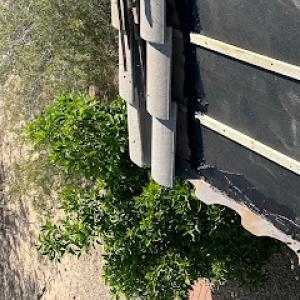
At Roofing Repair Specialist, we have refined our services to meet the specific needs of tile , flat and shingle roof homeowners in Maricopa, Casa Grande, and the surrounding areas. With over a quarter-century of experience, our mission is to deliver exceptional small-scale roof repairs and restorations, particularly for Arizona homes with classic tile roofing that has stood the test of time. We are the go-to experts for fixing leaks, addressing wear and tear, and restoring the integrity of your 15, 20 or 30-year-old tile roofs. Our dedication to precision, reliability, and customer satisfaction makes us the trusted partner for preserving the beauty and functionality of your home's crowning glory.
3D Roofing
(480) 466-6029 3droofingaz.com
Serving
4.9 from 94 reviews
Residential and Commercial Roofing Services. The roof is your home's/ business’s main line of defense against the elements. Let us walk you through the best options to fit your specific needs from repairs to full roof replacements. Once you feel comfortable with your choices, we'll take it from there and handle it all.
Master Roofing
(520) 256-4068 masterroofingllcaz.com
Serving
5.0 from 3 reviews
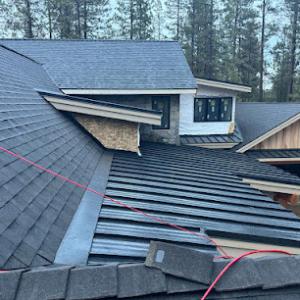
For over three decades, Master Roofing has stood as a monument to roofing excellence in Oro Valley, AZ. Founded on the principles of quality, reliability, and customer satisfaction, we have grown from a passionate local roofing contractor into a benchmark of professionalism and craftsmanship in the industry. Our journey, driven by a relentless pursuit of perfection, has been marked by countless successful projects, satisfied customers, and a portfolio that showcases the breadth of our expertise.
Arizona Pristine Roofing
(623) 257-7663 arizonapristineroofing.com
Serving
4.9 from 171 reviews
Arizona Pristine Roofing, LLC. is a licensed residential and commercial roofing contractor that provides 1st class customer service. All work comes with a 100% satisfaction guarantee. Why Choose Us? Over 100+ Five Star Reviews A+ Rating with BBB 90 Building Zoom Score Licensed, Bonded and Insured ROC #332702 Arizona Pristine Roofing, LLC. Get a Free Roof Inspection by an Insurance Claim Specialist Queen Creek / East Valley: 623-257-ROOF (7663) Tucson: 520-614-ROOF (7663)
Maverick Roofing & Exteriors | Gilbert, AZ
(480) 703-2584 maverickroofingaz.com
Serving
5.0 from 40 reviews
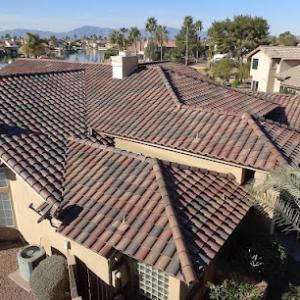
Maverick Roofing & Exteriors is a family owned roofing company proudly serving Gilbert, AZ and surrounding areas. Founded by JT Fulton, who began his career in 2015, our business was built on genuine relationships, quality workmanship, and a deep commitment to our community. We specialize in roof repairs, new roof installations, and tile underlayment replacement for both residential and commercial properties. With every project, we focus on communication, craftsmanship, and care delivering results that stand the test of time.
Roofing Specialists
(520) 836-3404 roofingspecialistinc.com
Serving
4.5 from 17 reviews
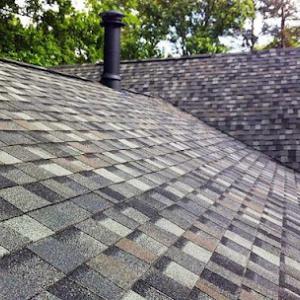
Roofing Specialist tackles residential and commercial roofing projects in Casa Grande, Arizona. Our team of experts offers roof repairs and replacements, ensuring the longevity and integrity of your roof. Kim Myers and his crew have proudly served Casa Grande, Maricopa, Coolidge, Eloy, Florence, Arizona City and surrounding areas of Pinal County since 1993.
First Response Roofing
(480) 924-4444 www.firstresponseroofingaz.com
Serving
4.9 from 59 reviews
Our nearby roofing company takes great pride in helping our friends and neighbors in Gilbert, Chandler, Scottsdale and the surrounding Arizona communities with their residential roofing replacement, maintenance and repair needs. First Response Roofing AZ offers access to the highest quality products and materials, and our craftsmen undergo continuous training to ensure our customers get only the best roofing products and services. As leaders in Arizona roofing, we provide light commercial roofing, multi-housing roofing and residential roofing services. Whether you’re interested in roof repairs, re-roofs or simple maintenance service for Tile, Shingle, Foam, or Patios we have a solution for you. We also install new seamless gutter systems!
Replacement projects in this area are typically planned during milder months, avoiding the peak heat of June through August. High temperatures slow crews, complicate material handling, and can make roof access more hazardous during the removal and installation process. Scheduling the work in late spring or early fall aligns better with the desert's temperate windows, helping sealants and underlayment components cure more predictably and reducing exposure to sun-driven expansion and contraction. In practice, a mid-season start minimizes the risk of heat-related delays and supports more reliable drying times for roof penetrations and flashing detail work.
Monsoon season-from roughly July through September-brings sudden wind-driven rain that can compromise an unfinished tear-off or replaced-assembly. A practical approach is to stage the project so critical flashing and sealant work finishes before the monsoon peaks. If a tear-off extends into monsoon months, ensure temporary weather protection and a clear plan for rapid tarp setup and drainage during brief downpours. The roof crew should establish flashings and underlayment transitions with an eye toward potential desert wind gusts, resisting shortcuts that could expose vulnerable seams to rapid moisture intrusion.
In this area, underlayment and flashing materials face extreme UV exposure and rapid temperature swings. Choose underlayments proven to resist UV degradation and to maintain pliability through heat without cracking. Metal flashings should be corrosion-resistant and properly lapped to shed monsoon rain efficiently. For tile roofs, ensure fasteners and sealants tolerate repeated solar loading and wind-driven rain without loss of adhesion. Even light debris from summer storms can foul ventilation paths, so select products that maintain airflow while preserving watertight interfaces around eaves, valleys, and penetrations.
Winter brings comparatively mild temperatures, but occasional cold snaps and moisture can affect drying times for sealants and certain roofing components. Plan for cooler morning installs when dew and moisture on roof surfaces are lowest, and schedule tasks requiring adhesives for dry, frost-free periods. Snow is rare, yet a prudent crew keeps interior temperatures in mind when using heat-accelerated setting products. If winter work cannot be avoided, document cure windows and ensure temporary interior protection to control humidity during adhesive or sealant use.
Coordinate with the contractor to lock a window that avoids the hottest weeks, then prepare for a dry, dust-free workspace on the roof edge. Clear access paths and secure vehicles away from high-traffic monsoon routes. Confirm that the team has a contingency plan for sudden storms, including rapid tarp deployment and protected storage for materials exposed to sun and wind. This approach keeps the replacement process predictable and minimizes time exposed to desert-wide weather shifts.
Asphalt shingles in this desert heat face accelerated aging from intense sun, making granule loss, brittleness, and shortened service life more relevant than in cooler climates. In practice, this means choosing a shingle with strong UV resistance and opting for a higher-quality underlayment covered by a sturdy ridge cap. Look for cool-color granules that reflect more sunlight and reduce surface temperatures. Regular inspections after the monsoon season are important, paying attention to granule loss along eaves and around flashing details where wind-driven rain can pry up unsecured edges. If you already have asphalt, consider a reflective roof coating on top of the shingles to buy several more hot-season cycles, and keep nearby shade vegetation trimmed to reduce radiant heat on the roof surface.
Metal roofing performs well against sun exposure and sheds monsoon rain quickly, which helps in a location famed for brief, intense downpours. In Coolidge's heat swings, however, thermal expansion and contraction can stress fasteners and flashings. When selecting metal, focus on systems designed for desert climates with integrated thermal movement joints and corrosion-resistant coatings. Pay careful attention to seam sealing and flashing at chimneys, skylights, and vents; these are common failure points after a few hot seasons if not properly detailed. Consider a standing-seam configuration over exposed fasteners to reduce recurring leak risk. A reflective finish or light color not only lowers heat gain but also helps preserve the underlayment and deck beneath.
Clay and concrete tiles hold up well in the heat and can resist the sun's UV on a long timeline, but installation quality matters more here than with other materials. Tile is heavy, so the roof structure must be engineered for it, and compatibility with underlayment and flashings is crucial to prevent wind-driven rain penetration around edges and penetrations. In monsoon winds, ensure tiles are properly fastened and that eave edges are sealed to deter wind uplift. Periodic inspections should check for cracked or displaced tiles after monsoon storms, as even a single compromised tile can create a path for moisture deep into the roof system. If replacing an existing roof, a lighter-weight concrete tile option can balance durability with reduced load, provided the substructure is evaluated.
Wood shingles and shakes are a niche choice in this desert market and are less aligned with the dominant local housing stock than tile, shingles, and metal. If installed, select rot-resistant species and apply a modern sealant system that helps resist arid sun and monsoon moisture. Regular resealing and prompt replacement of any warped or cupped boards are essential to prevent leaks. In areas with high wind, extra emphasis on secure fasteners and proper nailing patterns is critical to avoid uplift during monsoon storms.
Synthetic and composite shingles can appeal to homeowners who want a lighter roof system than tile while still addressing the UV and storm concerns common in central Arizona. Choose products with proven UV resistance and a warranty that covers thermal cycling. Installation should mimic tile logic where possible, including careful flashing details and underlayment compatibility. These options can offer a middle ground if tile or metal feels overly heavy or complex for the home's framing, while still standing up to the desert sun and monsoon winds.
Provided local cost ranges per square are: Asphalt Shingles 350-700, Metal Roofing 650-1100, Clay Tile 1000-2000, Concrete Tile 800-1600, Wood Shingles/Shakes 600-1200, and Synthetic/Composite Shingles 550-1000. In Coolidge, those figures reflect the desert climate and the region's typical home stock. A straightforward asphalt job stays toward the lower end, but if the roof is older and gutters, vents, or flashings need attention, the price can creep upward. Clay or concrete tiles carry higher material and labor costs, and the labor burden is noticeably affected by tile handling and careful lift-and-reset work after years of sun exposure. Synthetic or composite options sit in the middle, offering some durability without the ballast of heavy tile.
Costs in Coolidge often rise when tile roofs require underlayment replacement, tile lift-and-reset labor, or replacement of brittle field tiles and flashings after years of desert exposure. Underlayment deterioration, often driven by heat and UV exposure, is a common hidden expense that can surprise homeowners if the roof deck has been compromised. When tiles crack or break during removal, matching color and profile adds to the bill. If the existing system used unusual or older flashings, expect some custom fitting costs. All of these desert-specific details should be weighed early in the planning stage to avoid budget creep.
Prices can also move upward after monsoon storm activity when regional demand increases across Pinal County and the broader Phoenix-Tucson corridor. If a late-season storm damages multiple roofs in the area, suppliers and crews tighten schedules, which can push lead times and labor rates higher. Planning ahead for the design window helps lock in more predictable costs. It's common for inspection days and minor site-work to stack up during peak demand, so align expectations with a realistic replacement window.
Think through whether underlayment, flashings, or brittle tiles will need replacement, and factor those lines into the total. If you're weighing tile versus shingle options, the cost differential for tile includes both material heft and more intricate installation. For a typical Coolidge home, start with the basic per-square ranges, then add a contingency for underlayment and flashing work. Keep the scope narrow: specify tile type, color, underlayment, and any reinforcement for wind-rated components. This helps prevent scope creep when crews review the project and confirm the necessary repairs after years of desert exposure.
A full roof replacement in Coolidge typically requires a building permit through the Coolidge Building Department. The applicant is usually the homeowner or the contractor, and the local process includes plan review followed by inspections at key milestones. Don't assume an over-the-counter reroof is enough-the city expects documented plans and approvals before any work begins.
Plans reviewed by city staff focus on how the new roof will perform under the desert heat and monsoon conditions. Expect to provide structural notes, underlayment details, flashing layouts, attic venting strategy, and drainage considerations. The review can uncover items that aren't obvious when a crew starts tearing off: improper attic ventilation, undersized flashing, or gaps around vent stacks that could invite water intrusion during a sudden monsoon downpour. Have your contractor submit complete, stamped drawings and product spec sheets to avoid delays.
Inspections occur at key milestones, with the tear-off stage and the completion stage being critical. The tear-off inspection verifies that old roof materials have been removed and that the roof deck is sound and ready for new underlayment and coverings. The completion inspection confirms proper installation, ventilation balance, flashing, and overall workmanship. Missing one of these milestones can halt the job, creating weather exposure risks during the hot season. Coordinate access for city inspectors and have all required documentation on site to smooth the process.
Local review may include wind mitigation and flashing details, reflecting the region's monsoon winds and heat-driven faster underlayment degradation. Expect inspectors to scrutinize flashing around chimneys, skylights, and transitions, plus the attic ventilation plan. Inadequate ventilation and poor sealing at vents can trap heat, accelerate underlayment failure, and invite water entry during heavy rain. Align your plan with proven Coolidge practices: verify flashing compatibility with chosen roof system, and design an ventilation scheme that keeps attic temperatures in check.
Homeowners should expect fees and should confirm whether the city wants contractor-submitted documents before work begins rather than assuming a simple over-the-counter reroof process. Be prepared for administrative steps that can impact start dates, especially if the city requests additional plans or revisions. Having a clear, complete submission package from the outset reduces delay and helps protect the roof from weather exposure during the permit period.
Coolidge homeowners operate in an Arizona insurance environment where wind and hail claim activity is common after storms, especially during the monsoon season. The combination of high sun exposure and sudden wind bursts means roofs-whether tile or shingle-face stress from both UV-driven aging and rapid weather shifts. Understanding this context helps you anticipate how carriers respond after a big storm and why timing matters.
Insurers may ask for roof age documentation and evidence tied to a recent storm event, so keep installation records, permit paperwork, and dated photos organized and accessible. Having a clean file before any incident occurs makes a big difference when a claim is reviewed. If you've had recent work, note any changes in underlayment or flashing, because these details often come up in discussions with adjusters.
Adjuster inspections can strongly influence whether a roof is repaired or replaced, making prompt post-storm documentation important after monsoon wind or hail in this market. Photograph damage from multiple angles early, preserve debris, and record dates of storms. If roofing features were already showing wear from heat and sun, document that context too, so the claim isn't treated as pristine weather-only damage.
Because some Arizona carriers have adjusted terms or coverage nuances over time, Coolidge homeowners should review depreciation, cosmetic damage language, and matching issues before a loss occurs. Knowing how cosmetic wear is treated and whether partial replacements can cause color or texture mismatches helps set realistic expectations and avoids surprises when a claim is evaluated.
In Coolidge, the first red flags after summer storms are often displaced tiles, lifted shingle tabs, debris impact, and leaks appearing around penetrations or valleys during wind-driven rain. Stand on the ground or safe ladder height and note any tiles that look visibly shifted, cracked, or loose. Check for shingle tabs that have peeled back or curled edges, especially near roof hips and along the eaves where wind turbulence is strongest. Look for palm-sized debris clinging to vent boots, flashings, or inside gutter lines, since wind-driven rain tends to push material into vulnerable spots first.
For older tile roofs, homeowners should pay special attention to signs that the underlayment has failed even if most tiles still look serviceable from the ground. Lift a few tiles near valleys, penetrations, and roof-to-wall transitions with caution to see if the underlayment shows exposed, dry, or cracked spots. If the underlayment is visibly worn, blistered, or has exposed fiberglass, it's an early warning that heat and monsoon moisture are compromising the barrier you can't see from the street. Note any soft spots on the roof deck reported by a neighbor's drip edge sagging or a faint bounce when walking; those can indicate compromised support behind the tiles.
Dust, heat, and long dry stretches can hide roof deterioration until the first monsoon downpour exposes weak flashings or brittle materials. Inspect around chimneys, plumbing vents, and attic access penetrations for hairline cracks, rust, or missing sealant. Valleys deserve a careful look: if flashing appears compressed, lifted, or corroded at the joints, rain during storms will find its way through. Pay attention to any rust spots on metal flashings or corroded boot interiors, which often fail when heat concentrates along edge seams.
Make a simple diagram of roof areas with noted concerns: displaced tiles, lifted tabs, damaged flashings, and any interior signs of leaks (stains, musty smells, or water marks). Take clear photos from ground level and from an attic crawl space if accessible. This visual log helps prioritize maintenance and guides a professional assessment that targets the most vulnerable zones first. If patches appear frequent after a storm, arranging a roof inspection promptly can save longer-term damage.