
Last updated: Apr 19, 2026
In this climate, when the roof is due for replacement, the calendar matters almost as much as the materials. The triple threat of extreme sun, heavy monsoon rain, and gusty outflow winds creates a tough environment for tear-offs, installs, and the long-term performance of sealants and underlayment. The result is a predictable pattern: heat drives faster material expansion and sweating of tar bands, monsoon downpours can cancel or suspend work at a moment's notice, and cooler months become the window where projects actually stay on track and perform as intended.
During the hottest stretch from June through August, material handling becomes a real hurdle. Exposed underlayment and heat-sensitive sealants can degrade quickly if left uncovered, and roofing crews must manage heat-related safety and equipment concerns. In practice, this means you should expect longer staging times, more frequent breaks for both workers and materials, and a tighter schedule around peak sun hours. Exposed decking and underlayment can dry out rapidly, increasing the risk of wind-driven debris contamination or moisture ingress if a storm rolls in. If your project cannot be fully completed in one heat-sensitive session, plan for the possibility of temporary coverings and secure fastening of edges to avoid wind lift on hot afternoons.
The monsoon season typically runs July through September, bringing sudden heavy rain and gusty outflow winds. These events are famously abrupt and can interrupt re-roofing schedules with little advance warning. Open roof areas are suddenly vulnerable to fast water intrusion when a storm hits, and crews must be prepared to tarp, reseal, or pause work without compromising the roof's temporary protection. Expect revised timelines whenever a monsoon bursts over the ridge line, particularly if a storm track coincides with a major construction phase such as ridge cap installation or flashing seating. In practice, scheduling around the monsoon requires a built-in buffer for weather days and a readiness plan for emergency cover and rapid reseal.
Cooler months are generally the preferred window for planned replacement in this market. Lower daily temperatures reduce health and safety risks for crews and lessen stress on materials during installation. In cooler weather, sealants cure more predictably, roof tiles seat more evenly, and the risk of heat-related expansion or contraction problems decreases. This window also aligns better with dry, predictable conditions, making it easier to maintain a steady pace from tear-off through final assurance. If possible, coordinate start times so crews can progress through critical stages-stripping, underlayment, flashing, and final tile seating-without having to rush through peak heat hours or chase last-minute monsoon openings.
Begin with a realistic replacement calendar that prioritizes backing up the most critical steps before the peak heat arrives. Schedule removal and surface preparation for late morning or early afternoon in the shoulder months, when shade and cooler air reduce heat stress and improve control of underlayment handling. Build in weather contingencies for mid-summer and late monsoon periods-identify backup tarp strategies and rapid resealing protocols so a pause does not become a vulnerability. Before work starts, confirm that membrane overlaps and flashing details are fully secured, and that any heat-sensitive sealants are staged and available for timely application when conditions permit. Finally, align material deliveries and staging with the crew's daily rhythm to minimize open decking exposure during the most volatile times of the year, and keep a dedicated plan for fast water control should a sudden storm form.
In this climate, timing isn't just a matter of convenience; it directly influences the durability and performance of the roof system. Planning around heat, monsoon interruptions, and the cooler installation window helps protect underlayment, flashing, and tile from the stressors that otherwise shorten service life and complicate replacements.
Clay and concrete tile are common on homes with the Sonoran Desert heat, but in this climate the underlayment beneath the tile often reaches end of life before the tiles themselves. The combination of brutal sun, high UV exposure, and rapid temperature swings gnaws at the underlayment's water-shedding ability and its fasteners. When the underlayment breaks down, even a well-laid tile roof can begin to show hidden leaks that surface only after a monsoon pulse or a hot wind event. You may not notice the trouble on a sunny day, because the visible signs-cracked tile, chipped glaze, or a sun-bleached roof-mask the aging layer right underneath.
Intense Tucson UV exposure degrades exposed flashings, sealants, and roof penetrations, so leak sources are often at details rather than from the field of the tile. Flashings around vent pipes, skylights, and chimneys take the brunt of sun and heat cycling, and the sealants that were installed years ago can lose elasticity and adhesion. When sealants fail, water can wick into fasteners and into vulnerable joints. The result is a creeping water path that can travel far before it drips inside. In practice, that means a small drip at a joint may trace back to a distant corner of the roof where a seemingly sound tile row meets an aging or undersized flashing system.
Monsoon wind can dislodge or shift tiles and drive rain under laps, making securement, ridge details, and valley flashing especially important on tile roofs in this region. Even if the tiles themselves look intact, a wind-buried edge or a loose lap can become a conduit for a downpour. Over time, fasteners can back out or fail, and ridge caps may loosen, creating new entry points. The consequence is a leak path that is often found only after a significant storm, when water has had a chance to travel along the underlayment or along a counter-flashing channel.
When you plan a roof refresh, prioritize inspecting underlayment condition along with tile alignment and securement. After heavy rains or strong winds, climb up with a flashlight and look for moisture spots, staining, or soft spots around penetrations and at ridges and valleys. Have a reputable roofer evaluate both the tile layout and the underlayment's remaining life, especially where lifetime expectations differ between tiles and their supporting layers. In practice, consider replacing underlayment in concert with tile work, rather than deferring it to a later date, to avoid chasing multiple point leaks as the roof ages in this climate. Regular monitoring after monsoon season can prevent small issues from evolving into costly interior damage.
Find contractors who specialize in clay and concrete tile roofs, known for their durability and curb appeal.
Desert Sky Roofing
(520) 214-0172 dsrroofcoatingtucson.com
437 W Thurber Rd Suite 15, Tucson, Arizona
4.9 from 322 reviews

Lynch Roofing
(520) 214-8051 lynchroofingaz.com
3611 S Broadmont Dr unit #102, Tucson, Arizona
4.9 from 475 reviews
Level Line Roofers
(520) 243-3913 www.levellineroofers.com
3225 S 12th Ave, Tucson, Arizona
5.0 from 70 reviews

Desert Sky Roofing
(520) 214-0172 dsrroofcoatingtucson.com
437 W Thurber Rd Suite 15, Tucson, Arizona
4.9 from 322 reviews
Desert Sky Roofing (transitioning to DSR Roofing) is Tucson’s top-rated, licensed and bonded veteran-owned roofing contractor. We provide "legendary roofing experiences" by "roofing it right the first time." As a premier Tucson roofing company, we specialize in residential and commercial solutions, including tile roof replacements, asphalt shingle replacements, roof repairs, and cool roof coatings. From emergency roof leak repairs and free roof inspections to storm damage restoration and BUR installations, we serve Oro Valley, Marana, Sahuarita, and Green Valley. As we become DSR Roofing, our commitment to honesty remains. Trust our local experts for durable roof replacements and skylight repairs across the Greater Tucson area.
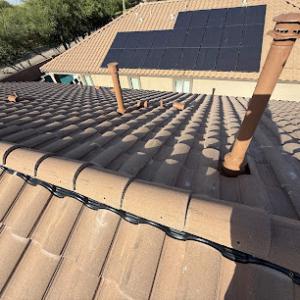
Canyon Roofing
(520) 288-8282 www.canyonroofing.com
6099 E Speedway Blvd, Tucson, Arizona
4.9 from 566 reviews
Canyon Roofing offers free roofing inspections in and around the Tucson, Arizona area. We're licensed, bonded and insured for your protection. Check us out today!
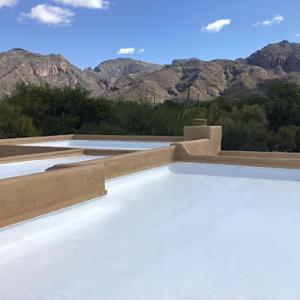
Desert Sun Roofing & Reflective Coating
(520) 370-1039 desertsunroofing.com
Tucson, Arizona
5.0 from 105 reviews
Desert Sun Roofing is a family-owned and operated business proudly serving the Tucson area for nearly two decades! We specialize in expert roof coating, leak detection, repairs, maintenance, and complete roof restoration systems. In addition to roofing services, we also offer skylight repair and replacement to keep your home protected and energy-efficient. Our team of roofers is dedicated to superior workmanship and complete customer satisfaction. Call today for a free estimate and trust us with all your roofing and skylight needs!

Lynch Roofing
(520) 214-8051 lynchroofingaz.com
3611 S Broadmont Dr unit #102, Tucson, Arizona
4.9 from 475 reviews
Lynch Roofing is a trusted roofing contractor serving Tucson and Phoenix, AZ, specializing in residential and commercial roofing solutions. Our services include roof repair, roof replacement, new roof installations, flat roofing, spray foam roofing, roof coatings, and detailed roof inspections. We work with shingles, tiles, metal, TPO and flat roof systems to deliver long-lasting protection and quality craftsmanship. Known for our honest approach, timely service, and attention to detail, Lynch Roofing helps property owners protect their homes and businesses with reliable roofing solutions built for Arizona’s climate.
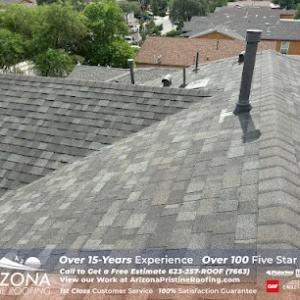
Arizona Pristine Roofing
(520) 614-7663 www.arizonapristineroofing.com
3601 E 44th St #103, Tucson, Arizona
5.0 from 115 reviews
Arizona Pristine Roofing, LLC. is a licensed residential and commercial roofing contractor that provides 1st class customer service. All work comes with a 100% satisfaction guarantee. Why Choose Us? Over 100 +Five Star Reviews A+ Rating with BBB 90 Building Zoom Score Licensed, Bonded and Insured ROC #332702 Arizona Pristine Roofing, LLC. Get a Free Roof Inspection by an Insurance Claim Specialist Queen Creek / East Valley: 623-257-ROOF (7663) Tucson: 520-614-ROOF (7663)
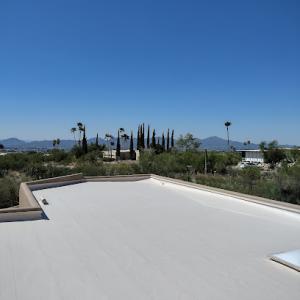
Pro Roof
(520) 382-7130 proroof.solutions
9501 N Rhea Pl, Tucson, Arizona
5.0 from 75 reviews
Proudly serving Tucson & surrounding areas. Pro Roof specializes in low-sloped roofing systems. Services range from major restorations, re-coats, maintenance programs, water tests, permanent fixes, skylights, etc. Free Estimates for Residential & most Commercial clients. Over 20 years experience. Lifetime Local & Loyal to Tucson. Family owned. New Customer & Veteran Discounts granted. ALWAYS taking PRIDE in every ROOF!
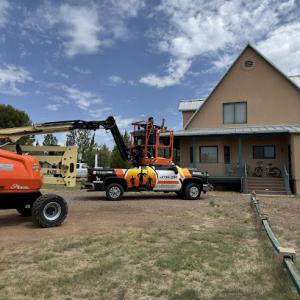
Level Line Roofers
(520) 243-3913 www.levellineroofers.com
3225 S 12th Ave, Tucson, Arizona
5.0 from 70 reviews
A Veteran Owned Small Business fully licensed and bonded. Providing services anywhere from roof leaks, Shingle, Tile, Metal installations to coatings and sealant services.
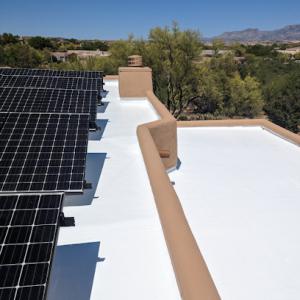
Repair First Roofing
Tucson, Arizona
4.9 from 114 reviews
Repair First Roofing in Tucson is your premier destination for all roofing solutions. Specializing in both residential and commercial projects, we excel in roof repair, roof coating, and full roof replacements. With a commitment to quality and local expertise, we proudly serve Tucson and its surrounding areas. Schedule your inspection with us and experience top-tier roofing services in Tucson!
Renewal Roofing, Remodeling & Air
(520) 699-7663 roofingrenewal.com
3430 E Sunrise Dr #180, Tucson, Arizona
5.0 from 55 reviews
At Renewal Roofing, Remodeling, & Air, we’re dedicated to bringing excellence to every home. Our team of experienced roofing contractors and remodeling experts is committed to delivering top-notch service for all your needs. Whether you’re searching for roofers, need a roof replacement estimate, or are looking to transform your space with a bathroom remodel, we’ve got you covered. From affordable roof repair costs to reliable AC repair and air conditioning service, we ensure comfort, safety, and beauty in every project. Contact the best roofing company and remodeling contractors today for a free consultation and start revitalizing your home now!
Apex Roof Pros
(520) 929-2739 apexroofpro.com
925 N 11th Ave unit 1, Tucson, Arizona
5.0 from 52 reviews
Apex Roof Pros is Tucson’s premier roofing experts, specializing in inspections, repairs, replacements, and storm damage insurance claim support. No shortcuts. No stress. Just experienced hands and trusted help throughout the process. When it comes to protecting your greatest investment, peace of mind is priceless.
B&M Roofing
(520) 460-5331 www.bandmroofing.com
6057 E Grant Rd, Tucson, Arizona
4.8 from 456 reviews
Rooted in Tucson, Arizona, B&M Roofing proudly stands as a family-owned and operated roofing contractor. Our skilled craftsmen are dedicated to providing exceptional workmanship, offering a complete range of services that cater to both residential and commercial properties. From the meticulous restoration of roofs to the creation of stunning new ones, B&M Roofing strives to deliver lasting results while prioritizing quality and customer satisfaction above all else.
SolTerra Home
(520) 539-4279 solterrahome.us
3955 E Speedway Blvd Unit 108-109, Tucson, Arizona
5.0 from 49 reviews
SolTerra Home is your trusted Tucson roofing contractor specializing in roof replacement Tucson. Our skilled team is dedicated to providing quality roofing solutions to keep your home safe and secure. We pride ourselves on delivering efficient and reliable services customized to your specific needs. Whether you need a new roof or repairs, SolTerra Home is here to help. We serve the Tucson community with a commitment to quality and customer satisfaction. Visit our website to learn more about our services and schedule your appointment today. Choose SolTerra Home for dependable roof replacement services.
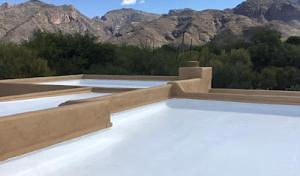
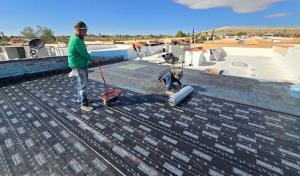
The Sonoran Desert heat and UV exposure rapidly age flat roof surfaces, especially on the mix of Southwestern and mid-century housing that features low-slope sections, porches, additions, and older adobe or stucco-style exteriors. On these roofs, reflective coatings and surface restoration are common local services because prolonged sun can dry out materials, leading to micro-cracks, chalking, and faster degradation of surface membranes. The desert's daily temperature swing also stresses roof assemblies, so you'll notice more frequent need for surface maintenance in spring and fall as the sun shifts and glare intensifies.
Monsoon cycles bring wind-driven rain that can overwhelm flat-roof drainage and highlight weak points. Drainage, scuppers, parapet transitions, and roof-to-wall flashing bear the brunt of pressure during sudden downpours. If any of these details are compromised, a routine summer rainstorm can expose the vulnerability in a hurry. Clay tile and concrete tile roofs have their own signature issues when cutouts or flush joints are exposed to monsoon winds, but it's the flat roof edges, flashing pans, and transitions where you'll often see the first signs of trouble after a storm.
On Tucson low-slope roofs, surface materials need reliable sun resistance and durable water shedding. Reflective coatings play a practical role by reducing heat buildup, slowing surface aging, and buying you more comfort inside while also extending the life of the roof membrane. If a flat roof uses a built-up, modified bitumen, or single-pply membrane, expect periodic coating or restoration work to maintain reflectivity and watertightness. Parapets and edge details should be examined for wind uplift and potential restoration needs after heavy monsoon events, since those zones take the brunt of wind-driven rain and debris.
Annual inspection should focus on seams, flashing, and the condition of any coping around parapets. After the monsoon season, check for ponding and verify that all drains have unobstructed flow; debris in downspouts and scuppers can create localized pooling that penetrates the edge details. Clean and inspect any sealants or elastomeric coatings, and recoat or reseal areas showing wear before the next hot season. When you see surface wrinkling, loss of adhesion, or exposed fasteners, plan for targeted restoration rather than a full replacement-this is often a cost-effective way to extend life in a desert climate.
Flat roofs rely on careful detailing at transitions-parapets, roof-to-wall joints, and scupper connections. In this market, weak flashing is a common source of leaks after monsoon events. Ensure metal flashings are corrosion-resistant and properly integrated with the roof membrane. Parapet caps should be securely sealed and any overlaps should be checked for weep holes or blocked drainage. If a maintenance visit reveals rust or compromised sealant around flashings, prioritize resealing and, if needed, upgrading the flashing assembly to resist wind-driven rain and UV exposure.
Find specialists in TPO, EPDM, and built-up flat roofing systems for residential and commercial properties.
Desert Sky Roofing
(520) 214-0172 dsrroofcoatingtucson.com
437 W Thurber Rd Suite 15, Tucson, Arizona
4.9 from 322 reviews
Desert Sun Roofing & Reflective Coating
(520) 370-1039 desertsunroofing.com
Tucson, Arizona
5.0 from 105 reviews
Lynch Roofing
(520) 214-8051 lynchroofingaz.com
3611 S Broadmont Dr unit #102, Tucson, Arizona
4.9 from 475 reviews
In Tucson, extreme sun and the monsoon cycle collide to stress roofs in a hurry. Monsoon storms can unleash abrupt wind gusts and bursts of rain, so leaks are often found during a single storm event rather than lingering, long-duration drizzles. That means you must treat sudden seepage as an urgent warning, not a nuisance that can wait for a convenient scheduling window.
When a storm hits, inspect accessibility points first: rooftops are hot, gutters fill quickly, and tile edges can lift with even the lightest breeze if flashing isn't secure. Look for water marks on ceilings or spots along interior walls under the attic hatch. If a flashing seam opens or a tile cracks, water can wick under layers and travel far from the visible drip. Monsoon winds can strip granules from shingles or loosen tile fasteners-areas around penetrations, vents, and skylights deserve extra scrutiny after every storm. Because the storms come fast, have a plan to document damage immediately with photos and notes for your chosen contractor.
Seasonal storm demand spikes after major monsoon events, and that surge can slow scheduling for emergency tarping, tile reset work, and flashing repairs. If you detect active leakage, deploy a temporary tarp or plastic sheeting to cover the affected area as a short-term shield. Secure it firmly with appropriate fasteners and avoid creating further roof damage in high winds. Do not rely on a makeshift cover alone for extended periods; arrange for a professional tarp and assessment as soon as possible. The goal is to limit water intrusion until a proper repair can be performed.
Pay special attention to seams around roof penetrations, valleys, and the roof-to-wall transition. In a single storm, wind-driven rain can exploit marginal sealants and underlayment, pushing moisture into attic vents and soffits. If shingles or tiles show signs of movement, that area becomes a higher priority for temporary protection and permanent securement. Occasional hail and winter wind events add to claim activity, but monsoon-related wind and water intrusion are the defining local roof stressors.
Find a contractor who can mobilize quickly after a major storm and who understands the local roofing mix-tile, underlayment, and flashing details that resist Tucson's heat and sudden downpours. A fast leak response isn't just about stopping water; it's about preserving the roof deck and preventing hidden damage from spreading into insulation and framing. The sooner a qualified roofer assesses and secures the site, the better the long-term outcome.
Find local contractors experienced in assessing and restoring roofs after hail, wind, and severe weather events.
Desert Sky Roofing
(520) 214-0172 dsrroofcoatingtucson.com
437 W Thurber Rd Suite 15, Tucson, Arizona
4.9 from 322 reviews
Lynch Roofing
(520) 214-8051 lynchroofingaz.com
3611 S Broadmont Dr unit #102, Tucson, Arizona
4.9 from 475 reviews
Arizona Pristine Roofing
(520) 614-7663 www.arizonapristineroofing.com
3601 E 44th St #103, Tucson, Arizona
5.0 from 115 reviews
In this city, the roofscape is built to handle intense sun and rapid monsoon cycles, so your material choices must balance heat reflection, durability, and structural load. Tucson's dominant residential materials include asphalt shingles, metal roofing, clay tile, concrete tile, wood shingles or shakes, and synthetic or composite shingles. Each has unique behavior under sun and rain, and each interacts differently with underlayment and flashing.
Tile remains especially relevant because it fits the Southwestern architectural aesthetic that defines many neighborhoods. Clay and concrete tiles shed heat well and resist wind-driven debris, but they're heavy and rely heavily on a solid underlayment and well-sealed flashing. Replacement planning must account for the underlayment's life as well as the weight of tile systems. If a tile roof is installed or repaired, ensure the roof deck and supports are evaluated for the added load, and verify that the underlayment is compatible with tile, as older layers may not hold up to rapid monsoon deluges or the Sahara-like sun exposure.
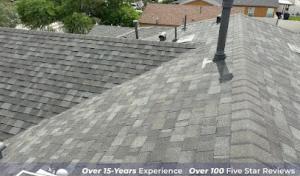
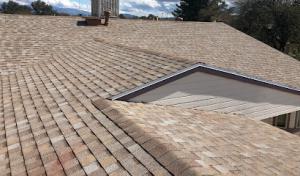
Asphalt remains a lower-cost option in a market where sun exposure can age roof components faster than in cooler climates. In practice, this means a homeowner might see faster granule loss and more accelerated deck and underlayment wear if the roof isn't protected with proper ventilation and a reflective or cool roof finish. For asphalt, pay close attention to flashing around penetrations and transitions, since heat and wind-driven monsoon activity test these weak points most.
Metal is attractive here for heat deflection and long service life. A metal roof can reflect a significant portion of solar radiation, reducing cooling loads, while resisting wind and hail. Select coatings that maximize UV resistance and color stability in intense sun. Proper seam sealing and securement are critical to withstand monsoon winds, so insist on a robust installation with sealant choices rated for high heat and moisture cycling.
Wood shingles or shakes provide a traditional look, but their vulnerability to sun drying, color fading, and moisture cycling means upfront ventilation and protective finishes matter. Synthetic or composite shingles offer some resilience to heat and UV exposure, with easier replacement paths if sections need attention after a heavy monsoon. As with other materials, the method of attachment and compatibility with underlayment play a decisive role in performance.
The most popular roofing material in the US. Find pros who install, repair, and replace asphalt shingles.
Desert Sky Roofing
(520) 214-0172 dsrroofcoatingtucson.com
437 W Thurber Rd Suite 15, Tucson, Arizona
4.9 from 322 reviews
Lynch Roofing
(520) 214-8051 lynchroofingaz.com
3611 S Broadmont Dr unit #102, Tucson, Arizona
4.9 from 475 reviews
Level Line Roofers
(520) 243-3913 www.levellineroofers.com
3225 S 12th Ave, Tucson, Arizona
5.0 from 70 reviews
In this market, asphalt shingles run about $350-$600 per square, while metal roofs sit in the $700-$1200 per square range. Clay tile clocks in from $1000-$1800 per square, concrete tile from $900-$1500, wood shingles or shakes $700-$1400, and synthetic or composite shingles $400-$900 per square. Those figures reflect Tucson's heat, UV exposure, and the large share of re-roof projects when tiles fail or underlayment ages out. If you're comparing bids, confirm whether the price includes underlayment, flashing, and fasteners, since those items are critical here.
Costs go up when tile roofs require underlayment replacement, broken tile matching, or deck repairs discovered after tear-off during permit review and inspection. The Sonoran Desert environment accelerates underlayment wear and can reveal deck rot or fastener corrosion once the old roof is stripped. Matching a rare clay or concrete tile profile can push up material and labor charges. If your roof deck shows structural or moisture concerns, expect incremental increases beyond the base per-square price.
Monsoon-season demand surges and Tucson's sizable re-roof market can affect scheduling and pricing. If you're aiming for spring or early summer, you may find tighter windows and higher bids than during drier months. Labor crews often swing between multiple jobs, so plan for potential delays and keep contingencies for weather-driven scheduling. On the flip side, lower-slope desert-style rooflines tend to reduce some labor complexity compared with steeper markets, which can moderate costs slightly in the right scenario.
Ask for a line-item breakdown that covers underlayment, flashing, fasteners, tile matching, and deck checks. If you have a tile roof, request a visual inspection of every other tile to gauge breakage risk and replacement needs. Have a plan for wind and rain contingencies-strong monsoon winds can affect installation quality and material handling. Finally, verify whether the bid accounts for disposal of old roofing debris, as Tucson sites accumulate debris quickly and disposal fees can quietly elevate total cost.
Get a clear picture of your project costs upfront - no commitment required.
Desert Sun Roofing & Reflective Coating
(520) 370-1039 desertsunroofing.com
Tucson, Arizona
5.0 from 105 reviews
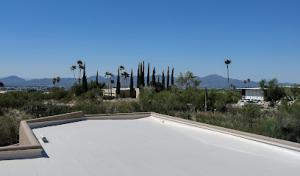
A full re-roof in Tucson typically requires a permit through the City of Tucson Building & Permits Department. This process protects structural integrity under the Sonoran Desert sun and the risk of monsoon activity, ensuring that the new roof meets local standards for durability and safety. The permit helps verify that the work aligns with zoning, wind uplift resistance, and energy code considerations relevant to hot, sunny conditions.
The city reviews project details before permit issuance, including roofing material specifications and roof deck conditions. Exactly what type of underlayment, flashing, fasteners, and connector details are proposed will be checked against local codes and wind uplift requirements. Materials should be chosen with Tucson's extreme sun exposure in mind, aiming for reliable UV resistance and long-term performance under heat and occasional heavy rain.
Tucson inspections are typically performed at key milestones including underlayment or installation stages and final roof inspection, with attention to code compliance and flashing. Expect a progression that confirms roof deck integrity, proper underlayment installation, secure flashings around penetrations, proper nailing patterns for chosen materials, and correct fastening methods for high-wuel wind zones. The final inspection verifies that the completed roof matches the permit plan and that all components meet current Tucson-adopted code.
Before scheduling, coordinate with the contractor to ensure that plan details reflect local climate challenges-especially how underlayment, flashing, and tile or shingle securement will perform during summer heat and monsoon winds. Retain all permit-related documents and inspection notices, and be prepared for possible corrective work if inspectors flag any discrepancies between the installed roof and the approved plan. Proper permitting not only aligns with code but also supports long-term performance in Tucson's demanding roof environment.
Roofing claims in this market come in waves tied to hail, wind, and the monsoon downbursts, not a constant catastrophe pattern. After a storm, the adjuster will want to see a clear picture of the roof's age and current condition, plus documentation that shows what happened and when. Photos should cover multiple angles: high-risk areas, penetrations, flashing, and any prior repairs. A contractor estimate helps the adjuster gauge scope, so have it ready when access is offered for an on-site inspection.
Coverage patterns in Arizona are generally stable, but Tucson homeowners should expect closer scrutiny after storm events. Quick, thorough documentation is essential: note the storm date, wind speeds if known, and any immediate leaks or saturated decking. Keep temporary fixes visible long enough for the adjuster to evaluate, then replace them with proof of repair. If a roof is older or has known weak spots, noninvasive photos that show gradual wear alongside storm damage can prevent later denial on age-related claims.
After storms, insurers will want access to the roof and interior spaces affected by water or debris. Facilitate this with clear paths, safety notes, and reminders of any prior maintenance history you've tracked. If a temporary patch was used, provide a before-and-after shot and the rationale for the repair. Clear, dated evidence helps avoid back-and-forth and reduces the chance of a dispute about what the storm caused versus what was already present.
Document damage quickly to preserve evidence before inspectors or contractors cover it up with temporary measures. If you notice new trails of granules, lifted shingles, or damaged flashing, report them promptly. Monsoon season can push assessments into tight windows, so timely photos and notes save headaches and help ensure the claim reflects the true scope of the storm's impact.
Connect with contractors who help homeowners navigate the claims process from damage assessment to final approval.
Arizona Pristine Roofing
(520) 614-7663 www.arizonapristineroofing.com
3601 E 44th St #103, Tucson, Arizona
5.0 from 115 reviews
Level Line Roofers
(520) 243-3913 www.levellineroofers.com
3225 S 12th Ave, Tucson, Arizona
5.0 from 70 reviews
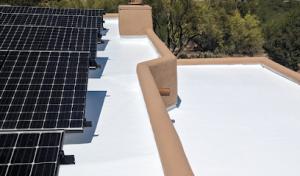
Tucson's high solar exposure makes rooftop solar especially common in the region, so reroof planning often needs to account for penetrations, mounting points, and sequencing with solar work. Before any tear-off or new install begins, map every penetration-pipe vents, flue collars, conduit, racking-so flashing can be sized to fit without creating stress points. Coordinate with the solar contractor to lock in a sequence that avoids rework and reduces the chance of flashing damage during simultaneous work.
Skylight and roof-penetration flashing are vulnerable in Tucson because UV exposure and monsoon-driven rain can exploit aging seals quickly. Use flashing materials rated for long-term UV exposure and ensure that sealants are compatible with both the chosen roofing surface and the skylight materials. Inspect all seals and flashing edges where the skylight meets the roof deck at initial installation and during routine roof checks, paying close attention to the corners and any micro-movements during storms.
On tile roofs common in Tucson, both skylight integration and solar attachment require careful flashing and tile detailing to avoid hidden leak paths. Plan for stepped, continuous flashing that follows the roof's contour and provides proper drainage away from the skylight and mounting hardware. Where tiles are cut for penetrations, double-check that the cut edges are fully sealed and that adjacent tiles remain securely fastened to resist wind uplift during monsoon gusts.
Because heat and UV accelerate material aging, treat every penetration as a potential failure point. Use compatible sealants and flashing compounds, and seal all screw heads or fasteners with gasketed hardware designed for exterior exposure. Consider adding inspection ports near skylights and solar rails to monitor moisture intrusion without a full roof teardown.
Develop a seasonal check rhythm focusing on skylight seams, flashing joints, and mounting hardware. After the monsoon season, perform a targeted inspection for any weather-related stress signals-lifted tiles, loose flashing, or damp insulation. Keeping these details tight reduces the chance of slow leaks escaping detection and causing interior damage.
Find contractors who integrate solar panels or solar shingles into your roof for long-term energy savings.
GreenGo Roofing
(520) 475-4000 www.greengoroofing.com
2460 N Calle De Maurer, Tucson, Arizona
5.0 from 46 reviews
Blueprint Home Services
(520) 675-6331 blueprinthomeservice.com
4235 W Ina Rd #121, Tucson, Arizona
4.9 from 57 reviews

Rob's Roofing
(520) 679-8201 www.robsroofingaz.com
4555 S Palo Verde Rd, Tucson, Arizona
4.8 from 145 reviews
You are a homeowner facing extreme sun and monsoon cycles. In this market, contractors focus on re-roofing more than new installs. When you interview crews, ask plainly how often they do full tear-offs versus only patch repairs. You want a crew that can tear off and reset if the deck and underlayment show heat-damaged or moisture-exposed, not a shop-worn patch. That willingness to commit to a full tear-off is a practical safeguard against hidden dry-rot and moisture traps.
Market reality. Quick response and cleanups are a priority here, because monsoon timing can leave homes exposed between tear-off and dry-in. Confirm they can mobilize fast after a storm and finish a clean-up to minimize dust and debris in the yard and pool area. A crew that stalls can extend your risk window. Also request a written plan for weather delays and site protection during the monsoon season.
Tile-focused demands. Given the heavy tile presence and storm-related service demand, verify experience with tile reset, flashing repair, and warranty-backed installation. Tile crews should show recent projects in your neighborhood and be able to document proper strapping, nail pattern, and sealant choices that hold up in monsoon winds. Ask for a brief portfolio and notes on coordination with tile components to prevent leaks.
What to look for. Don't pick on price alone. Check references who had similar weather exposure. Ask about their process: removal of old underlayment, replacement with a roof-grade underlayment, flashing at hips, valleys, chimneys, and benches, and how they handle vent flashings. Also confirm daily supervision and on-site point of contact. In Tucson.
On-site flow. On the day of work, confirm a clear plan: tarp or containment, parking for equipment, daily cleanup, and a written schedule. In this market, you need a crew that respects the schedule and your property so you don't get stuck with a half-done roof when the next storm moves in. Also confirm daily supervision and on-site point of contact. In Tucson.