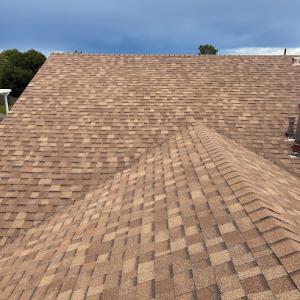
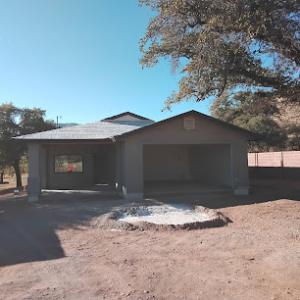
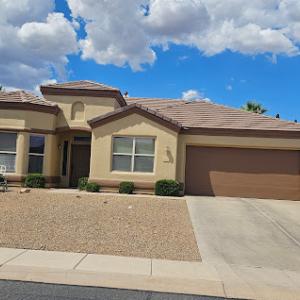
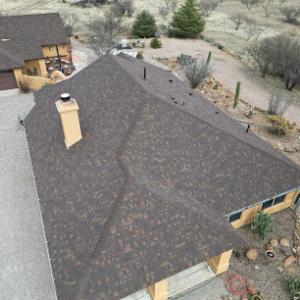
Roofing in Sierra Vista, AZ
Last updated: Feb 28, 2026
Welcome to Sierra Vista's roof care hub—where sun-drenched days and the occasional monsoon storm shape every shingle decision. In our high-desert climate, roofing isn't just about keeping rain out; it's about shedding heat, resisting wind-blown dust, and choosing materials that last under intense sun. The best roofs here balance curb appeal with energy efficiency and sensible maintenance, because a well-kept roof saves you money and headaches when the monsoon season rolls in. You'll often see clay and concrete tiles, durable asphalt shingles, and metal options that perform well in heat; the right choice depends on your home style, slope, and budget. We're here to help you navigate all of it with clear, practical guidance.
On this page you'll get a practical overview of what matters in Sierra Vista: how local climate informs roofing decisions; material options that hold up in heat and rain; popular styles and architectural trends here; what typical roof projects cost in our market; permits and local regulations you'll need to know; common roofing problems seen in our neighborhoods and proven fixes; maintenance routines to extend life; how to tell when a repair makes sense versus a replacement; and when it's best to bring in a licensed professional.
All guidance here is tailored to Sierra Vista's conditions and backed by local resources—from city and county building codes to recommendations from area roofing pros and suppliers who know what holds up in our sun and monsoon cycles. We translate that knowledge into practical steps you can take today, with transparency about costs, timelines, and safety.
Let's start by looking at how our climate shapes the materials and design choices that make Sierra Vista roofs durable and efficient.
Local Climate & Its Impact on Roofs
Climate Snapshot
Sierra Vista sits in the desert foothills of southeastern Arizona, which means long, hot summers and mild winters. Summer highs routinely push into the 90s and occasionally 100s, while winter nights can dip low enough for occasional frost. The area gets most of its rain during the summer monsoon (roughly July through September), bringing powerful thunderstorms, heavy downpours, and gusty winds. Annually, precipitation is relatively low, but when storms roll in, debris, wind, and hail can cause roof stress. Dust and wind-driven sand are common in many seasons, so roofs accumulate grime and grit more quickly than in milder, wetter climates. Snow is rare, but occasional freezes can occur at higher elevations or during cold snaps.
How Climate Affects Roofs
- UV exposure and heat: Intense sun bleaches and ages roofing materials. Asphalt shingles can blister, curl, or lose their granules faster in extreme heat; metal roofs and tiles expand and contract with temperature swings, stressing seals and flashing.
- Monsoon risks: Short, heavy downpours raise the chance of leaks if flashings, vents, or seals are compromised. Flash floods can overwhelm gutters and run along eaves, so proper drainage matters.
- Wind and hail: Thunderstorm winds can lift loose shingles or tiles. Hail, when it occurs, can dent metal, crack clay or concrete tiles, or bruise asphalt products.
- Debris and dust: Wind and storms deposit leaves, branches, and desert dust on the roof, which can trap moisture and promote algae growth or slow gutter performance.
- Temperature swings: Diurnal shifts between scorching days and cooler nights stress roofing adhesives and underlayments, especially on aging roofs.
Roofing Materials Best Suited for Sierra Vista
- Asphalt shingles (Class A): Good cost-to-performance value; look for heat- and algae-resistant granules and a robust underlayment to handle sun exposure.
- Clay/Concrete tiles: Excellent in heat and sun; heavy and require solid framing, but offer long life and good shade from radiant heat. Ensure proper attic ventilation to prevent deck heat buildup.
- Metal roofing: Reflective finishes can reduce heat transfer; durable against wind and hail but may be noisier in rain and require sound insulation options.
- Cool roof coatings: Reflective elastomeric coatings or color choices that maximize solar reflectance can dramatically lower attic temps and extend roof life.
Seasonal Impacts & Maintenance
1. Summer care (May–September):
- Inspect for blistering, curling, or granule loss on shingles; check for loose fasteners on metal roofs.
- Verify attic ventilation and insulation; aim for good air flow to reduce heat buildup.
2. Monsoon season (July–September):
- After storms, inspect flashing around chimneys, vents, and skylights; clear debris from gutters and downspouts.
- Trim overhanging branches to reduce impact in high winds.
3. Winter considerations (November–February):
- Frost or rare freezes can stress tiles; look for cracked or displaced tiles after cold snaps.
- Keep eaves free of ice dams where possible; ensure slope and drainage prevent standing water on the roof edge.
4. All-season checks:
- Clean gutters at least twice a year and after major storms.
- Look for leaks inside attic or ceilings after heavy rain; address promptly to prevent wood rot and mold.
Maintenance Checklist (action steps)
1. Schedule a biannual roof inspection, plus after any major storm.
2. Clear gutters and downspouts; ensure water drains away from the foundation.
3. Test attic ventilation and add insulation as needed to maintain cooler shingles and reduce attic heat.
4. Inspect flashing, seals around vents, skylights, and chimneys; reseal where needed.
5. Examine shingle edges or tile edges for lifts, cracks, or gaps; replace damaged sections.
6. Remove debris and check for algae or moss growth; treat with appropriate cleaners if needed.
7. For metal roofs, inspect fasteners and sealants; look for rust or loose panels.
Warnings & Official Resources
- Extreme heat and wind hazards to contractors and homeowners alike; take care during rooftop work in peak heat hours.
- Monsoon flash floods and dust storms can reduce visibility and create hazardous driving conditions; check local forecasts and plan ahead.
- After major storms, verify wind- and hail-damaged areas with a professional roofer before proceeding with repairs.
Official resources:
- National Weather Service – Monsoon safety and severe weather guidance:
- NWS climate information and alerts for the region: (search for Sierra Vista, AZ)
- Arizona Registrar of Contractors (licensing and consumer protections for roofing pros):
- Building codes and standards (ICC/International Building Code references used in AZ):
Recommended Roofing Materials for Sierra Vista
In Sierra Vista, asphalt shingles remain a practical, budget-friendly option. They're easy to install, widely available, and there are choices that perform well in heat and sun.
- Pros: low upfront cost, quick install, broad color range, easy repairs.
- Cons: shorter lifespan in extreme sun (typically 15-30 years depending on quality and climate).
- Tips: choose architectural (dimensional) shingles for better wind resistance; look for Class 4 impact resistance and a higher Solar Reflectance Index (SRI) to help keep attic temps down; pair with a synthetic underlayment and solid attic ventilation.
Metal roofs excel in hot, sunny climates and stand up well to wind and hail when properly installed.
- Pros: 40-70 year lifespan, excellent wind and hail resistance, reflective coatings reduce cooling loads, lightweight and quick to install.
- Cons: higher upfront cost; can be noisier in rain unless insulated; color choice matters for heat.
- Tips: opt for standing-seam or deeper-profile panels; go with light colors and high reflectivity; ensure proper flashing and condensation control to prevent leaks.
Concrete tile is a common Southwest choice—durable, fire resistant, and capable of covering wide roof areas with style.
- Pros: long life (40-60+ years with good maintenance), solid wind performance, good thermal mass.
- Cons: heavy; may require structural reinforcement and a higher installation cost; hail can still cause breakage in older designs.
- Tips: verify your roof framing can handle the weight; use interlocking or monolithic tiles designed for high desert sun; schedule regular post-hail inspections.
Clay tiles offer timeless Southwest aesthetics and strong heat resistance.
- Pros: excellent heat resistance, durable under sun, distinctive look.
- Cons: heaviest option, higher cost, more brittle under impact; can be fragile during hail.
- Tips: ensure the structure is rated for clay tile weight; consider impact-resistant variants if hail risk is a concern; lighter color options help keep roof cooler.
Synthetic or Composite Roofing
Synthetic options mimic tile, slate, or shake with lighter weight and often strong impact resistance.
- Pros: versatile styles, lower weight than natural tile, good hail resistance, lower maintenance.
- Cons: higher upfront cost; long-term performance varies by brand.
- Tips: choose products with proven warranties and verified hail impact ratings; confirm compatibility with solar or radiant barriers if you're considering energy upgrades.
How to Decide (5 Steps)
1. Verify the roof structure can support the material weight (tile and stone-on-tile require a sturdy frame).
2. Match climate: prioritize heat reflectivity, sun exposure, and monsoon-season wind tolerance.
3. Compare life expectancy and total cost of ownership, not just upfront price.
4. Prioritize impact resistance (Class 4) in hail-prone months; check product spec sheets.
5. Choose a color and profile that maximize reflectivity and suit your home style.
Local Considerations for Sierra Vista
- Wind uplift and monsoon debris demand strong fasteners and a robust underlayment.
- HOA or historic districts may influence allowable styles and colors.
- Post-storm inspections help catch hidden damage early and prevent leaks.
Popular Roof Styles & Architectural Trends in Sierra Vista
Common Roof Styles in Sierra Vista
- Spanish/Mediterranean: low-to-mid pitch, clay or concrete barrel tiles that reflect heat. This style pairs well with stucco exteriors and warm, earthy color palettes.
- Southwestern/adobe-inspired: often features parapets, flat or gently sloped sections, and chunky overhangs. Tile accents and adobe-look finishes complement hot, sunny days.
- Ranch-style: wide, single-story profiles with broad eaves and modest pitch. Asphalt shingles or metal can both fit this look, depending on regional zoning.
- Modern/flat or low-slope: clean lines, minimal ornament, and flat-to-low-slope roofs. Parapets or low-profile edges are common to accommodate solar installations and contemporary landscaping.
- Hip roofs: balanced slopes on all sides provide wind resistance and a calm silhouette, frequently used on both traditional and newer homes.
Materials That Work Well Here
- Concrete tile: durable, excellent for cooling, and available in light colors that reflect heat.
- Clay barrel tile: iconic Southwestern look; superb longevity and heat resistance, but heavier and requires a strong roof deck.
- Asphalt architectural shingles: cost-effective, versatile, and available in cool-tone colors suitable for Sierra Vista's heat.
- Standing-seam metal: highly durable, excellent for hot climates, and easy to integrate with solar mounts; many homeowners appreciate its modern aesthetic.
- Wood shakes/shingles: attractive, but higher maintenance and fire considerations; choose fire-rated options where required.
- Composite or synthetic tiles: often designed to mimic tile or shake with lower weight and good durability in desert conditions.
Climate-Responsive Design Elements
- Overhangs and shading: wide eaves help shade walls and windows, reducing heat gain.
- Light colors and reflective coatings: reflect solar radiation and keep roof surfaces cooler.
- Ventilation and insulation: ridge or soffit vents plus attic insulation and radiant barriers to minimize heat transfer.
- Durable underlayment: moisture barriers and heat-resistant underlayment improve long-term performance.
- Solar-ready layouts: roof planes oriented for optimal solar exposure, with clean attachment points for panels.
Trends Shaping Sierra Vista Homes
- Solar-ready and solar-integrated rooftops: more homes are designed to accommodate or already host photovoltaic systems with minimal roof penetrations.
- Hybrid aesthetics: blending traditional Spanish/Mediterranean cues with modern lines and materials for a timeless, low-maintenance look.
- Cool roofs and energy efficiency: emphasis on reflective coatings, lighter hues, and better insulation to lower cooling costs.
- Low-maintenance materials: preference for durable tiles, metal, or high-quality composites that stand up to sun, wind, and monsoon season.
- Rainwater awareness: occasional monsoon rains encourage designs that facilitate drainage and potential rainwater harvesting.
Maintenance Tips for Sierra Vista Roofs
- Schedule semiannual inspections, with a post-monsoon check after storms.
- Inspect for cracked or loose tiles, shifted fasteners, and flashing around chimneys and vents.
- Clean gutters and downspouts; ensure proper drainage away from the foundation.
- Verify attic ventilation and insulation are functioning; add or refresh radiant barrier if needed.
- If you have solar, ensure mounts and sealants are intact and inspect attachment points during regular roof checks.
Local Considerations for Roof Projects
- Check with the county and any applicable HOAs for permit requirements and architectural guidelines.
- Hire a licensed Arizona roofer familiar with tile and metal systems common here, plus the local wind and monsoon considerations.
- Plan color choices in harmony with the home's exterior palette and the local climate to maximize reflectivity and curb appeal.
Average Roofing Costs in Sierra Vista
Climate and local needs
- Sierra Vista's hot, sunny summers and occasional monsoon storms push homeowners toward durable underlayment, ventilation, and reflective coatings.
- Heat and UV exposure shorten some materials' lifespans, so premium underlayment and venting can save long-term costs by extending roof life.
Material-specific cost ranges (installed per square)
Note: 1 square = 100 sq ft.
- Asphalt shingles
- 3-tab: typically $450–$700 per square
- Architectural (dimensional): typically $650–$900 per square
- Why it matters: lowest upfront cost, good for many Sierra Vista homes with moderate to steep pitches.
- Metal roofing
- Typical range: $900–$1,600 per square
- Why it matters: excellent durability in heat, lighter weight, faster install, but higher upfront price.
- Concrete tile
- Typical range: $1,000–$1,800 per square
- Why it matters: common in Southwest style homes; very durable, good for heat management, heavier means structural checks.
- Clay tile
- Typical range: $1,200–$2,400 per square
- Why it matters: iconic Southwest look; excellent longevity but heavy and target for proper framing and attic clearance.
- Wood shakes/shingles
- Typical range: $900–$1,400 per square
- Why it matters: distinct aesthetic; requires maintenance and moisture management in some yards.
- Synthetic slate or composite shingles
- Typical range: $1,000–$1,700 per square
- Why it matters: lighter than real slate, can mimic look of natural materials with good durability.
Additional cost factors in Sierra Vista
- Tear-off and disposal: most jobs add $100–$200 per square if a full tear-off is needed; extra layers or contaminated decking raise this.
- Decking repairs: if rotten boards are found, repairs may run $300–$800 per day of work.
- Permits and code upgrades: $100–$300 depending on city requirements and scope.
- Ventilation and radiant barriers: upgrades can add $200–$600, but improve energy efficiency in heat.
- Flashing, vents, and pipe boots: plan for $200–$600 depending on roof complexity.
- Solar readiness: if you plan to add solar later, some contractors include a package that accommodates racking and wiring; price varies.
Local styles and architectural impact
- Southwestern, Spanish, Mission, and ranch homes often feature clay or concrete tile; these can influence weight, structure reinforcement, and pitch choices.
- Low-pitch (1:12 to 4:12) roofs common in the area may require higher-quality underlayment and specialized installation, increasing cost slightly.
- Flat or low-slope sections are more sensitive to moisture and drainage concerns, potentially raising underlayment and flashing costs.
Quick size guide (rough estimates)
- Small roof (12–14 squares; about 1,200–1,400 sq ft): Asphalt $5,400–$9,800 (3-tab) or $7,800–$12,600 (architectural); Metal $10,800–$22,400; Concrete tile $12,000–$22,800; Clay tile $14,400–$30,800.
- Large roof (18–22 squares; about 1,800–2,200 sq ft): Asphalt $8,100–$15,400 (3-tab) or $11,700–$19,800 (architectural); Metal $16,200–$35,200; Concrete tile $18,000–$31,000; Clay tile $21,600–$48,000.
How to estimate your budget (steps)
1) Measure roof size (in squares) and note pitch; get a few quotes that break out tear-off, disposal, and underlayment separately.
2) Choose a material and color that matches your home style and climate needs (durability vs. cost).
3) Consider additional work: flashing, venting upgrades, moisture barrier, and potential deck repairs.
4) Add a 10–15% contingency for weather delays, inspections, and unanticipated repairs.
Local considerations by roof style
- For a clay or concrete tile roof, ensure the structure can handle the weight and that attic clearance is sufficient for ventilation in hot months.
- Flat or low-slope sections may require extra drainage solutions and moisture barriers, especially after monsoon events.
- Aesthetics matter in Sierra Vista: colors that reflect heat (light grays, beiges, and whites) can reduce cooling loads while preserving curb appeal.
Permits & Local Regulations
Do I need a permit to roof in Sierra Vista?
In Sierra Vista, most reroofs require a permit from the City's Building Safety Department. A permit helps ensure the roof replacement is structurally sound, properly vented, and weatherproofed for our climate. If the project is purely cosmetic and involves only tearing off old shingles and replacing them with the same materials without structural work or decking changes, some small repairs might not require a permit—but that varies by project and year. When in doubt, treat it as a permit job: starting without a required permit can lead to fines, stop-work orders, or a later re-inspection. If you're outside the city limits, Cochise County or your Homeowners Association may handle permits differently.
Who issues permits in Sierra Vista?
Permits for Sierra Vista are issued by the City of Sierra Vista Building Safety Department. If your property sits in an unincorporated part of Cochise County, or in a nearby town, the permitting authority may be different. Always verify your jurisdiction before pulling permits. Most homeowners or their licensed contractor submit applications online or in person at the Building Safety office and receive guidance on required plans and inspections.
What documents are typically needed?
- Property address and assessor's parcel number (APN)
- Project description: reroof with estimated start and finish dates, scope (tear-off, decking work, underlayment, flashing, venting)
- Contractor information: licensed contractor name, license number, and proof of liability insurance; homeowners may pull permits in some cases but may need to sign a homeowner affidavit
- Structural details if applicable: roof deck condition, any replacement or repair to rafters/joists, sheet good sheathing data
- Roof materials specs: type of shingles/tiles, underlayment type, venting products, flashing details
- Elevation plan or photos if required by plan review
- HOA approval letter if your community requires it
Note: The exact list can vary by project size and year. The Building Safety Department will confirm the needed documents when you start the application.
Process & timeline
1) Verify jurisdiction and HOA rules. Confirm whether a permit is required for your specific roof scope.
2) Gather documents and prepare details. Have your contractor ready to provide license info and product data.
3) Submit the permit application (online or in person) and pay the applicable fees. Some projects qualify for expedited review if uncomplicated.
4) Plan review and conditions. The city may request additional details, such as ventilation calculations, underlayment ratings, or flashing layouts.
5) Schedule inspections in stages:
- Pre-inspection or initial inspection (decking and sheathing, if there's decking work)
- Underlayment and ventilation inspection once the roof is opened and underlayment is installed
- Final inspection after installation is complete and all components are in place
6) Receive final clearance and close the permit. Work may not be considered complete until the final inspection passes.
HOA & neighborhood rules
- Check your HOA covenants, conditions, and restrictions (CC&Rs) and architectural guidelines. Many HOAs require prior approval for color, shingle type, or installation details. Submitting HOA documents along with the city permit application can prevent delays and potential conflicts.
- Some HOAs impose additional inspection or maintenance requirements after reroofing. Coordinate with the HOA as early as possible to align timelines.
Practical tips to stay on track
- Start early: permit reviews can take time, and contractors may have scheduling bottlenecks during peak seasons.
- Choose a licensed local roofer familiar with Sierra Vista codes and typical inspections.
- Keep a copy of all permit documents and inspection notices in a job folder—digital copies help if you ever sell or need to reference details later.
- If you're unsure about wind or seismic requirements, ask the Building Safety Department for guidance on minimum fastener counts, underlayment ratings, and ventilation specs appropriate for our desert climate.
Common pitfalls to avoid
- Pulling permits after starting work or finishing without a final inspection
- Skipping required plans or product data during the plan review
- Ignoring HOA approval, which can halt occupancy or trigger fines
- Underestimating the inspection timeline and delaying project completion
Resources
- City of Sierra Vista Building Safety Department website for permit applications, fee schedules, and inspection checklists
- Contact information for the Building Safety Office to confirm jurisdiction, required documents, and any recent code amendments
- Your HOA guidelines for any additional roof-related requirements or approvals
Common Roofing Problems in Sierra Vista & Solutions
Asphalt Shingle Aging and UV Damage
- Symptoms: curling or cupping edges, missing granules, dark staining, blistering or soft spots.
- Why it happens: intense desert sun, high heat, and extended UV exposure accelerate aging; often worsened by poor attic ventilation.
- Practical solutions:
- Inspect after the hottest months and after severe sun exposure. If more than a quarter of the roof shows damage, plan replacement.
- Replace damaged shingles with matching profiles and proper nail placement; seal seams and re-secure loose tabs.
- Improve attic ventilation: add or optimize soffit vents, baffles, and ridge vents to reduce heat buildup under the roof deck.
- Consider upgrading to impact-resistant or architectural/laminated shingles for longer life in hail-prone Sierra Vista years.
- Schedule preventative maintenance every 2–3 years and perform a full professional roof assessment if you notice rapid aging signs.
Wind, Monsoon, and Hail Damage
- Symptoms: lifted, cracked, or missing shingles; dented metal components; leaks after storms; exposed fasteners.
- Why it happens: seasonal monsoons bring wind-driven rain and hail; high winds loosen fasteners and shift flashing.
- Practical solutions:
- After a storm, do a quick exterior check for lifted edges, missing granules, or damaged flashing.
- Secure loose shingles with corrosion-resistant nails and reseal seams as a temporary fix.
- Clean gutters and downspouts to prevent water backup during heavy rain.
- Have a professional inspect all flashings around chimneys, vents, and valleys; replace damaged flashing and rebalance fasteners as needed.
- If hail damage is suspected, document with photos for an insurance claim and schedule a thorough inspection to assess hidden damage.
Tile Cracks and Broken Tiles (Clay/Concrete)
- Symptoms: visible cracks, chipped edges, or broken tiles; occasional leaks in wet weather.
- Why it happens: hail, fallen branches, and strong winds; foot traffic during cleaning or inspection can also crack tiles.
- Practical solutions:
- Replace cracked or missing tiles with exact matches to maintain water shedding and appearance.
- Check underlayment and felt for moisture or damage; repair as needed to restore a watertight seal.
- Avoid walking on tile roofs; if maintenance is required, hire a skilled roofer to minimize further breakage.
- Inspect after storms and before the next monsoon; address cracked tiles promptly to prevent deck rot or interior leaks.
Flashing and Penetration Leaks
- Symptoms: small drips around chimneys, vents, skylights, or along valleys; damp ceiling corners inside.
- Why it happens: heat expansion, sealant failure, or old/misaligned flashing.
- Practical solutions:
- Re-seal or replace compromised sealant and install proper counter flashing at joints.
- Refasten or replace corroded step flashing where it meets vertical walls or chimneys.
- Use compatible sealants and flashing materials designed for Arizona climates to resist sun and heat cycling.
- For skylights and vents, ensure proper flashing integration and gasket replacement to prevent ongoing leaks.
Attic Ventilation and Insulation Issues
- Symptoms: hot, stuffy attic; increased attic condensation in rare cold snaps; higher energy bills.
- Why it happens: incomplete or blocked ventilation; insufficient insulation allowing heat transfer into living spaces.
- Practical solutions:
- Audit attic by measuring insulation depth and checking for air gaps; add insulation where needed to R-38 (or as recommended locally).
- Install or upgrade soffit and ridge vents; consider a small attic fan for high-load days.
- Seal attic penetrations to reduce air leakage into living areas and protect roof deck from moisture stress.
Gutter, Drainage, and Roof Surface Maintenance
- Symptoms: water spilling over gutters; fascia staining; algae growth in shaded areas.
- Why it happens: clogged gutters, improper slope, or debris buildup during monsoon season.
- Practical solutions:
- Clean gutters and downspouts at least twice a year and after heavy storms; check slope and adjust if necessary.
- Install gutter guards or screens to reduce debris buildup.
- Ensure downspouts direct water well away from the foundation and roof edges.
- Trim nearby branches to minimize debris and impact risk.
Solar Panels and Roof Penetrations
- Symptoms: slow leaks near mounting brackets; discoloration or corrosion around penetrations.
- Why it happens: improper flashing, thermal movement, or degraded sealants around mounting kits.
- Practical solutions:
- Have a licensed roofer inspect panel mounts, flashing, and sealants after installation and after major weather events.
- Use compatible sealants and ensure flashing integrates with your roof type.
- Schedule periodic checks as part of your solar system maintenance to catch small leaks before they grow.
Maintenance Schedule and Quick Checks
- Do a visual walkaround of the roof twice a year, after significant storms, and before winter.
- Look for lifted tabs, cracked tiles, missing granules, damaged flashing, and clogged gutters.
- Call a qualified roofer for any uncertain damage, especially on steeper or tile roofs.
Maintenance & Repair Tips for Sierra Vista
Regular inspections you should do
- Inspect your roof at least twice a year and after major monsoon storms. Look for curling, missing, or cracked shingles; loose flashing around chimneys, vents, and skylights; and any exposed nails or fasteners.
- Look in the attic after rain for signs of moisture, staining, or mold. A small drip can mean a hidden leak that needs attention before it enlarges.
- Keep an eye on fasteners and sealants. In the desert heat, expansion and contraction can loosen seals around penetrations.
Seasonal maintenance schedule
- Spring: clear debris from the roof and gutters; inspect attic insulation and ventilation; reseal any minor gaps around penetrations.
- Summer: monitor for heat-related damage to shingles or tiles; ensure attic vents and soffits are unobstructed to vent hot air.
- Monsoon season (roughly July–September): check for wind or hail damage after storms; promptly address any flashing gaps or cracked tiles.
- Fall/Winter: verify that drainage is directing water away from the house; inspect chimney and vent seals for winter precipitation.
Gutter and drainage care
- Clean gutters and downspouts at least twice a year and after heavy storms. Debris during monsoon can block water flow and cause overflows.
- Ensure downspouts direct water at least 3–4 feet away from the foundation. If water pools near walls, consider extending downspouts or adding splash blocks.
- Check for sagging sections and re-secure with proper hangers. Leaks often start where gutters separate from the roof edge.
Roof material care
- Asphalt shingles:
- Look for curling edges, cracks, or bald spots with exposed granules. Replace damaged shingles promptly.
- If you find loose shingles, re-secure with roofing cement and proper nails; reseal around the edges.
- Tile (concrete or clay):
- Inspect for cracked or loose tiles after hail or heavy winds. Replace broken tiles with a matching piece; avoid stepping on tiles to prevent breakage.
- Check underlayment and flashing where tiles meet vents or chimneys; reseal as needed.
- Metal roofs:
- Check for loose or missing screws and raised seams. Tighten screws with rubber washers; don't overtighten.
- Look for rust spots or paint wear; treat rust and recoat as needed to extend life.
Flashing and sealant checks
- Inspect around chimneys, vents, skylights, and wall/floor intersections. Any gaps or deteriorating sealant should be resealed with a compatible roof sealant or tar, ensuring a watertight transition.
- Pay special attention to transitions between roof planes and walls; improper flashing is a common source of leaks in Sierra Vista's storms.
Ventilation and attic health
- Ensure attic baffles and soffit vents are not blocked by insulation or debris so outside air can flow freely into the attic.
- Maintain proper insulation to reduce heat transfer into the attic, minimizing premature shingle deterioration.
- Check for signs of moisture or condensation; moisture can lead to wood rot and mold behind the ceiling.
Common repair steps (small issues)
1. Identify the exact leak or damage source and dry the area.
2. For shallow leaks, apply roofing cement around the damaged area or around a small patch.
3. Patch with a compatible repair shingle or tile, securing with roofing nails and sealant.
4. Recheck for leaks after a rain shower to confirm the fix.
Dealing with monsoon leaks
- After a heavy storm, inspect the roof and interior ceiling for fresh water marks. If you suspect a leak around flashing or near a vent, address it promptly to prevent interior damage.
- If multiple shingles or tiles are damaged, or if you notice widespread leaking, it's time to bring in a professional to reflash or reseal the affected roof sections.
When to call a pro
- Structural sagging, widespread water intrusion, or extensive cracked tiles/shingles.
- Persistent leaks after standard patches, or damage from hail during a monsoon storm.
- If you're unsure about walking on your roof safely or handling flashing replacement, a licensed roofer can assess and execute proper repairs.
When to Repair vs. Replace
When to Repair
- Localized damage: small leaks around flashing, vent boots, or a handful of cracked shingles or tiles. If the rest of the roof is sound, targeted repairs often make the most sense.
- Age and surface condition: asphalt shingles typically last 20–25 years; if the roof is mid-life and there's only limited damage, repair can extend life. For tile or metal roofs, small patches may be practical if decking is solid and there's no widespread cracking.
- Leaks from weather events: a single leak from flashing or a small seam after a storm is usually fixable with resealing, replacing flashing, or patching one area.
- No signs of structural failure: no visible sagging, excessive mold, or widespread moisture in the attic. If those exist, replacement is usually wiser.
- Warranties and cost: if a repair preserves a valid warranty and the cost is a fraction of a full replacement, repair is the prudent choice.
Steps to decide on repair:
1) Inspect and document damage: photograph the affected area, measure the extent, and note whether you see moisture in the attic.
2) Get professional assessments: ask two or three local roofers to evaluate decking condition and ventilation in addition to surface patches.
3) Compare repair options: patch vs. partial replacement; confirm product compatibility with your current roof.
4) Weigh the long-term value: consider how often you've patched in the past few years and whether another patch is likely to fail soon.
5) Schedule during dry weather: in Sierra Vista, aim for a dry window outside the monsoon season if possible.
When to Replace
- Widespread damage: more than 30% of the roof shows wear, or there are multiple leaks that recur after repairs; decking rot or sagging is present.
- Age plus repair history: roof nearing end of life and already required several major repairs in recent years.
- Structural concerns: visible sagging, attic moisture, or mold that indicates the decking may be compromised.
- Climate-ready material: desert-friendly options like clay/concrete tile or properly finished metal can offer better longevity and heat resistance; high-quality asphalt with a cool roof coating is another viable option.
- Energy and warranties: a replacement can improve insulation and cooling costs, and newer warranties may be available; insurance incentives may apply after severe storms.
Steps to replace:
1) Schedule a full roof evaluation to assess decking, underlayment, ventilation, and flashing needs.
2) Choose a material suited to Sierra Vista's climate, budget, and aesthetics, and factor in long-term maintenance.
3) Obtain multiple estimates and compare lifespans, warranties, and installation timelines.
4) Plan permits and HOA approvals if needed; coordinate tear-off, disposal, and material delivery.
5) Build a realistic budget that includes removing the old roof, flashing, underlayment, vent work, and potential attic insulation upgrades.
When to Hire a Professional
Signs you need a pro
- You see active leaks, water stains on ceilings, or mold growth. In Sierra Vista's hot, dusty climate, attic moisture can worsen quickly and lead to framing damage if not addressed.
- Shingles are curling, cupping, or are missing large sections. Damaged roofing can fail fast in heat and monsoon winds.
- Flashing around chimneys, vents, or skylights is cracked or rusted, or you notice daylight through the roof deck.
- A prior patch job is deteriorating or you suspect structural damage after a severe thunderstorm or hail event common to the monsoon season.
- Your roof is older (often 15–25+ years for asphalt, 20–40+ for tile or metal) and you're facing frequent repairs rather than long-term protection.
- You're uncomfortable working at height or dealing with ladder safety, or you're unsure about what materials and underlayment are appropriate for Sierra Vista's heat and sun exposure.
- Local requirements or HOA rules apply to your property, and you want a contractor who can navigate permitting and approvals.
How to evaluate a roofing contractor in Sierra Vista
- Verify licensing and registration
- Confirm the contractor is properly licensed to do roofing work in Arizona. Ask for their license number and verify it with the Arizona Registrar of Contractors (AZ ROC).
- Ensure they have current liability insurance and workers' compensation coverage. Request certificates and confirm they remain valid.
- Check experience and local track record
- Look for contractors with recent Sierra Vista projects and positive local references. Ask for at least three recent jobs and call or visit to inspect workmanship.
- Prefer crews that understand local conditions: heat exposure, sun-related wear, wind-driven debris, and monsoon season.
- Get multiple, detailed bids
- Each bid should include scope of work, materials (brand, gauge, color, warranties), teardown/disposal, replacement of flashing, ventilation, and attic insulation if applicable.
- Compare start dates, projected timelines, and site protection plans (tarps, debris containment, landscaping protection).
- Demand written warranties
- Material warranties from the manufacturer and workmanship warranties from the contractor. Ask how long the workmanship warranty covers and what it includes (labor, re-flashing, nail holes, leaks).
- Understand permits and codes
- The contractor should handle permit applications with the City of Sierra Vista or Cochise County as required. Confirm who will pull the permit, what inspections are needed, and how inspections are coordinated.
- Ensure compliance with local building codes, wind mitigation standards, and any HOA requirements if you live in a planned community.
- Review safety and site practices
- Ask about jobsite safety plans, ladder safety, fall protection for workers, and how they protect landscaping, irrigation, and gutters from damage.
- Confirm cleanup practices and disposal of old roofing materials, nails, and debris.
- Read the contract carefully
- Look for clear payment terms, a fixed price or clearly defined change-order process, a start and completion date, and a lien waiver schedule to protect you.
Sierra Vista-specific considerations
- Climate and material choices
- Light-color asphalt shingles, concrete or clay tile, and reflective metal options perform well under high sun and heat. Tile is common in Southwest climates but requires structural assessment due to weight.
- Consider a cool roof option to reduce heat gain and energy bills over time.
- Weather windows for the job
- Schedule reroofs in cooler months if possible; extreme summer heat can affect material handling and crew comfort. Plan around monsoon activity (roughly July–September) to avoid storms that could complicate tear-offs and debris control.
- Wind and debris factors
- Sierra Vista can experience strong winds; verify that the contractor uses wind-rated underlayment and properly sealed flashing to reduce wind uplift risks.
- Local permitting and HOA considerations
- Many Sierra Vista neighborhoods and HOA Communities have design guidelines and permit processes. A local contractor familiar with city processes will expedite approvals and inspections.
Steps to take now
1) Inspect your roof from the ground for obvious signs of damage or leaks; take photos of any problem areas.
2) Gather basic information: roof type, age, visible damage, and recent weather events (storms, hail).
3) Call or email at least three local Sierra Vista roofing pros for preliminary, no-pressure consultations.
4) Check each candidate's license status, insurance certificates, references, and the details of written bids.
Putting A Lid On It: Roof Maintenance, Repair, and Replacement in Sierra Vista
In Sierra Vista, your roof endures a sun-drenched, high-UV environment most of the year, plus sudden monsoon downpours and dusty winds. Regular maintenance keeps shingles and flashing in good shape, protects insulation, and helps your home stay cool in the heat. A proactive plan—small repairs done early, gutters kept clear, and vents and seals checked—saves money, prevents leaks, and extends the life of your roof.
With our dry heat and dramatic seasonal shifts, even minor wear can escalate quickly. A thoughtful, consistent approach to maintenance means fewer surprise repairs and a more comfortable home interior. When in doubt, a local professional can diagnose issues accurately and safely, so you can rest easy knowing your roof is seaworthy against Sierra Vista's weather patterns.
What to Watch For
- Damaged, curled, or missing shingles; exposed felt or granule loss.
- Cracking or rust on metal panels and flashing around chimneys, vents, and skylights.
- Leaks or staining in ceilings and attic, especially after rain storms.
- Deteriorated sealant around flashing and vents.
- Clogged gutters and downspouts, causing water back-up near the eaves.
- Signs of hail impact, fasteners coming loose, or wind uplift on roof edges.
- Pesky pests or unusual heat-warp patterns in attic insulation (check for proper ventilation).
Seasonal Tips
- Spring: clear debris from gutters, inspect for sun-worn shingles, and check attic ventilation to reduce heat buildup.
- Pre-monsoon (early summer): inspect flashing and sealants, trim overhanging branches, and ensure attic fans and vents are unobstructed.
- Monsoon season: after storms, do a quick exterior check for loose shingles or flashing; keep gutters clear to prevent water backup.
- Fall: re-check chimney flashing, vent boots, and edges; ensure soffits and ventilation paths remain unblocked.
Repair vs Replacement
- Small repairs: feasible for isolated issues like a few loose shingles, minor flashing fixes, or sealant touch-ups.
- Major wear or age: if the roof is near the end of its expected life, or multiple areas show damage, replacement may be more cost-effective in the long run.
- Local considerations: in hot, sunny climates, opting for reflective or energy-efficient materials can reduce cooling costs and improve comfort.
Working with the Pros
- Hire a licensed, local roofer with good references and a clear written plan.
- Ask about warranties and material options suitable for Sierra Vista's climate.
- Get multiple quotes and a clear scope of work before approving any work.
You aren't alone in this—our Sierra Vista community keeps each other informed, and with steady, practical care you can enjoy a beautiful, durable roof for years to come. A well-maintained roof is a quiet source of pride and protection for your home, and it reflects the care you bring to your neighborhood. Here's to many worry-free years under a roof that stands up to the sun, the storms, and the shared, sunlit days we love in our desert community.