
Last updated: Apr 19, 2026
Sahuarita sits in the Santa Cruz Valley south of Tucson, where low-elevation desert heat and intense UV exposure push roof systems to their limits. Tile roofs are common in the area, but the underlayment beneath those tiles bears the brunt of daily sun, heat cycling, and dust. Over time, heat and sun degrade synthetic and traditional underlayment materials, reducing their ability to shed moisture and seal fastener penetrations. In southwestern-style tile installations, where the clay or concrete tiles carry most of the outward look, the underlayment must still perform as the ultimate water barrier. When underlayment ages out or deteriorates, even minor flashing gaps can become leak pathways after a hot day followed by evening cooling and sudden monsoon rain.
Arizona's summer monsoon pattern shapes Sahuarita's roofing calendar in a very real way. After long dry spells, roofs experience sudden, heavy downpours, high wind gusts, and blowing dust. Those conditions test underlayment integrity quickly: wind-driven rain can find micro-tears or seam gaps, and the combination of heat-soaked material with rapid cooling can cause delamination or seam lift. Outflow winds push rain toward eaves and penetrations; if the underlayment has started to fail, the roof system may exhibit staining on ceilings or damp spots before a storm is even fully underway. Regular post-monsoon inspections are not optional but essential to catch signs of wear that worsens with each monsoon cycle.
Southwestern-style tile roofs create a distinct climate-ready surface, but heat load shifts the burden downward to the underlayment. Tiles protect the underlayment from direct sun only when they're properly vented and sealed. In many Sahuarita homes, underlayment that was installed to meet older standards ages out sooner than the tiles themselves. When evaluating a roof, consider not only the tiles' condition but also whether the existing underlayment can still provide a continuous water barrier around penetrations, joints, and eave returns. A common concern is whether the underlayment remains flexible enough to accommodate thermal expansion and contraction without tearing at the fastener lines or around chimney and vent penetrations. A stiff, brittle layer after years of sun may no longer seal effectively.
Look for several telltale indicators that the underlayment may be failing. Dark staining or damp spots on the ceiling after a rain suggests moisture intrusion. Cracking or blistering along roof seams, vents, or skylight flashing points can indicate compromised underlayment or improper installation. If you hear sudden drafts or see flashing lift during wind-driven rain, the barrier layer under the tiles is not maintaining its seal. On a visually inspected roof, check for uneven tile seating, movement underfoot when stepping on a tile, or areas where water appears to pool near eave lines after a storm. These are symptoms that merit a closer look at the underlayment.
When considering an underlayment strategy, prioritize moisture resistance, UV durability, and compatibility with clay or concrete tile systems. Modern synthetic underlayments designed for high heat and UV resistance often outperform older felt-like products in desert climates. If a roof already shows signs of aging under the tiles, replacing the underlayment during a re-roof or major repair can prevent future leaks, especially in areas with heavy monsoon activity. Proper installation around flashing, valleys, and penetrations is critical; even the best material fails without meticulous detailing at those convergence points.
In this desert environment, a proactive maintenance rhythm beats reactive repairs. Schedule a visual roof inspection after the monsoon season and again mid-summer before the next heat peak. During inspections, pay close attention to underlayment areas near hips, valleys, chimneys, and dormer penetrations. Clean any debris from eaves and roof planes to reduce moisture retention and header stress on the underlayment. If the roof is nearing the end of its expected service life or shows recurring leaks after storms, plan for a conservative underlayment upgrade and resealing of penetrations to preserve the integrity of the tile system through Sahuarita's seasonal cycles.

AA Brite 24/7 Sahuarita, Green Valley Roof Coating Contractors
126 W Camino Rancho Quito, Sahuarita, Arizona
5.0 from 6 reviews
When you need Professional Roofing Services in Sahuarita, AZ, AA Brite is your #1 Best Option. Since 2004, AA Brite 24/7 has been providing reliable Roofing Services such as Elastomeric Roof Coating, Residential and Commercial Exterior Painting, and stucco repair services. We specialize in exterior work on Santa Fe style homes since we can paint the exterior, patch the stucco and also patch / recoat elastomeric roofs together as one project. We're proud to be the Professional Roofers you can trust with your home or business in Southern Arizona! -Licensed, Bonded & Insured -Free Estimates on All Services! -2-Year Workmanship Warranty -Locally Owned & Operated -Over 500 Five Star Reviews on Yelp and Google Contact us today!
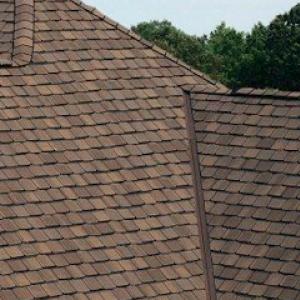
Leak Seekers Roofing
(520) 306-9089 leakseekersroofing.com
17036 S Mann Ave, Sahuarita, Arizona
3.4 from 5 reviews
Leak Seekers Roofing, LLC, a Sahuarita, Arizona roofing contractor, offers a comprehensive range of residential and commercial roofing services across southern Arizona and the Phoenix metro area. Their team of expert licensed professionals utilizes cutting-edge technology and high-quality materials to ensure long-lasting roof repairs and installations built to withstand Arizona's harsh climate. Leak Seekers Roofing, LLC provides a full spectrum of roofing solutions, from inspections and maintenance to repairs, replacements, and coatings, guaranteeing complete property protection and fully warrantied products and services.

Clint's Handyman Services
Serving
5.0 from 30 reviews
Hi. We are a local roofing and home repair company in Green Valley Arizona. Specializing in flat roof coatings, tile roofs, and we also do skylight replacement. Looking to get the exterior of your home painted? We got you covered ! We are Liscenced, Bonded, Insured. We have over 24 years experience in the roofing field. We have been voted best contractor award with the green valley news 2019,2020,2021,2022. Free estimates and the best warranties in the industry! Hire the best to keep you at rest !!! Thank you and god bless

Zebas Roofing
(520) 619-9791 zebasroofing.com
Serving
5.0 from 2 reviews
Specialized services in roofing, inspections, repairs and maintenance of roofs
Enhanced Roofing Tucson
(520) 380-8948 www.enhancedroofingaz.com
Serving
4.7 from 32 reviews
At our roofing company in Tucson, we understand the unique challenges that Tucson residents face when it comes to their roofs. Our team of experienced professionals is equipped to handle all types of roofing repairs, replacements, and maintenance services to ensure that your home is protected from the elements.
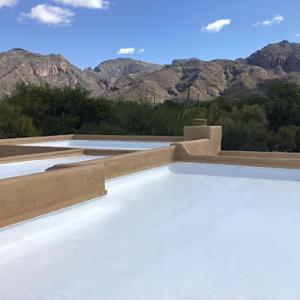
Desert Sun Roofing & Reflective Coating
(520) 370-1039 desertsunroofing.com
Serving
5.0 from 105 reviews
Desert Sun Roofing is a family-owned and operated business proudly serving the Tucson area for nearly two decades! We specialize in expert roof coating, leak detection, repairs, maintenance, and complete roof restoration systems. In addition to roofing services, we also offer skylight repair and replacement to keep your home protected and energy-efficient. Our team of roofers is dedicated to superior workmanship and complete customer satisfaction. Call today for a free estimate and trust us with all your roofing and skylight needs!

DC Roofing of Arizona
(520) 979-9095 www.dcroofingarizona.com
Serving
4.8 from 104 reviews
DC Roofing of Arizona is southern Arizona's go-to roofing contractor for high quality, affordable roof repairs and installations for your residential and commercial roofing needs. Whether you have a flat roof, tile roof, asphalt or any other material, we provide services to make sure you're satisfied with the work we do. David Contreras, owner and the "DC" in DC Roofing, has been roofing in and around Tucson since 2012, working from being the ground guy up to lead foreman at 2 different companies. Seeing the strengths and weaknesses of different business models, DC Roofing has pulled from the best, including providing quality workmanship, team development, affordability and ultimately customer satisfaction for your business or family.
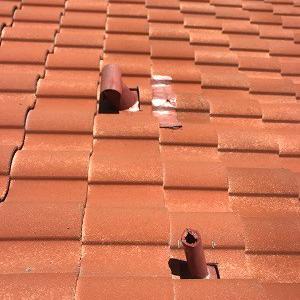
RoofSmart
(520) 797-5656 tucsonroofsmart.com
Serving
4.8 from 169 reviews
RoofSmart is a local licenced, bonded, and fully insured Roofing Company \ Contractor that does, maintenance and roof repairs on tile, built-up and shingle roofs. We do repairs such as cracked and broken tile replacement, roof re-coats and missing or damaged shingles replacement. We also do full roof replacements on tile and shingle roofs as well as membrane overlays on built-up roofs. RoofSmart is the #Trusted Smart Choice
Modern Desert Roofing
(520) 445-5137 moderndesertroofing.com
Serving
4.8 from 76 reviews
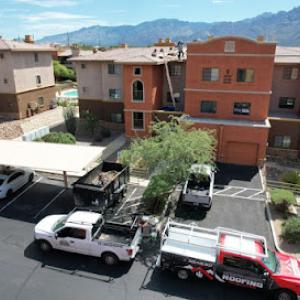
Modern Desert Roofing is a fully licensed and insured roofing company specializing in installing and maintaining all roof systems to help our customers secure their homes. From concrete tile, clay tile, asphalt shingle, and a variety of flat roof systems, our technicians are equipped to handle all of your roofs needs.
Tucson Rubberized Coatings | Roof Coatings Tucson
(520) 293-3444 www.rubberized.com
Serving
4.8 from 37 reviews
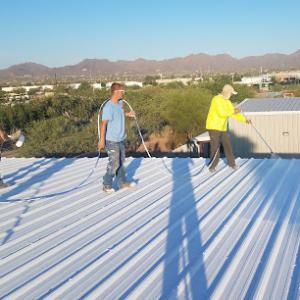
Tucson Rubberized Coatings sells high-quality roof coating in Tucson. All our products are tested for quality and meet the standards of energy star, thus helping homeowners lower their energy bills. We provide customers with various options to choose—ranging from a 5 year to a 15-year product also we are the best companies for purchasing elastomeric emulsions to get off water leakage problems. So, get your roof coated by roof coating specialists in Tucson because we provide the best Elastomeric Reflective roof coatings for your home. In addition, we sell emulsions & primers, TRC paints, driveway & parking repair, roofing materials & supplies, etc.
Erceg Roofing
(520) 873-8875 erceg-roofing.com
Serving
5.0 from 28 reviews
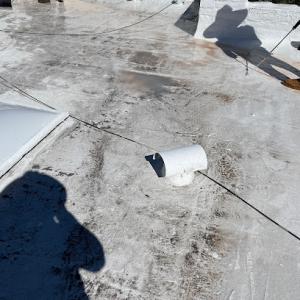
Roofing repairs Reparación de techos
Master Tech Roofing
(520) 991-6244 www.mastertechaz.com
Serving
4.9 from 57 reviews
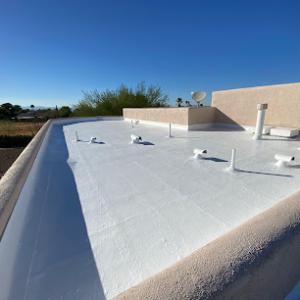
As a locally owned and operated company proudly serving Tucson, Vail, and the surrounding communities, we are committed to delivering dependable roofing solutions tailored to your needs. Timely roof repair is essential—small issues can quickly escalate into major problems if left unaddressed. Whether you need minor repairs, a full roof replacement, or roofing for new construction, our experienced team is here to help extend the life of your roof and protect your home for years to come.
Roofing in this desert climate faces a distinct mid-year risk window when monsoon storms can combine wind-driven rain with gust fronts that expose weaknesses at ridges, valleys, and flashing details. The harsh sun has aged underlayment and sealants in ways that aren't obvious on a clear day. When a storm arrives with strong outflow winds, those hidden spots become entry points for water that travels along underlayment seams and into attic spaces. You need to treat the weeks of July through September as a pulse of risk, not a quiet season.
Desert roofs in this area can go long periods without rain, so minor defects may stay hidden until the first major monsoon event produces sudden interior leaks. A small crack around a vent boot or a loose tile edge may look insignificant until overnight rain tests it under pressure. Once interior water shows up, it often tracks along the underside of tile underlayment and into the ceiling. If underlayment has aged out or was improperly matted, the damage can spread before you notice it from the attic or upstairs closets. Regular checks after the monsoon season are essential because the first big storm can reveal a cascade of failed details.
Storm scheduling matters locally because active monsoon periods can interrupt tear-off and dry-in work, increasing the importance of timing replacements for fall through spring. If crews chase a storm window, you risk rushed installations that leave flashing gaps or improperly seated tiles. Plan replacements so the most vulnerable areas-ridges, valleys, penetrations, and boot flashing-are addressed during a dry spell, not in the heart of a storm front. Coordination with a trusted roofer who understands the local wind directions and spray patterns will help ensure the roof remains weather-tight when rains arrive.
After a storm, focus on exposed ridge and valley lines, flashing details around chimneys and vents, and any shingles or tiles that have shifted or lifted. Look for water staining in the attic near seams or along rafter lines, and check for loose fasteners along edges where high winds tend to pull. If you notice any moisture, bubbling, or soft spots in the ceiling, don't wait-address the most critical penetrations first and contact a local roofing pro who can verify underlayment integrity and flashing continuity before the next monsoon arrives.
Asphalt shingles are common in this town, but the high sun exposure accelerates aging compared to milder climates. In practical terms, you'll notice the dimensional shingle colors fading and the granules washing away sooner, which can shorten their effective life. If you choose asphalt, plan for a stout underlayment and regular inspection after the peak summer heat and the monsoon season. Look for shingles with higher UV resistance and consider lighter colors to reduce heat buildup on the roof surface.
Metal roofing sheds monsoon rain efficiently and handles prolonged sun well, which is why it's a frequent choice for new builds and re-roofs here. The main caveat is expansion and contraction in Sahuarita's heat-metal panels can flex with daytime highs and cooler night air, so you want properly spaced fasteners and floating seams. If you opt for metal, ask for a panel system designed for desert climates, with a good coating grade to resist chalking and a color that reflects heat. Regular checks for loose fasteners after storm events help prevent small leaks from becoming bigger problems.
Clay and concrete tile match the local Southwestern aesthetic and hold up well under desert conditions. They handle heat without warping, yet their weight demands a reinforced roof structure and correctly sized underlayment. The underlayment needs to be compatible with tile systems and age-relentant to heat cycling. Because tile can crack from sharp impact or foot traffic, careful maintenance and selective replacement are more complex than with shingles. Consider this option if you're aiming for a long-lived, distinctive roof and a structure prepared to bear the weight.
Tile and metal roofs depend on a robust underlayment to bridge sun exposure and occasional downpours. In desert conditions, underlayment can age out before the tiles or panels, so regular roof health checks after monsoon storms are essential. If you notice any moisture, discoloration, or loose fasteners, address it promptly to avoid cascading damage through the roof deck.
The decision hinges on roof weight, underlayment compatibility, and the ease of future repairs. Asphalt offers simplicity and upfront familiarity, while metal provides durability against sun and wind with attention to expansion details. Tile options demand structural readiness and a considered maintenance plan, but they align with the town's architectural vernacular and desert resilience.
Fall through spring is the preferred replacement window for many homeowners in this area. The hot season brings labor challenges, noise concerns, and blistering rooftop temps that slow crews. By arranging a replacement as temperatures begin to drop, you reduce heat-related fatigue and keep material handling safer. Monsoon patterns are typically most disruptive from midsummer into early fall, so planning outside that window helps avoid storm-related delays and hurried, riskier work.
Summer roof work can be slower and more expensive operationally because extreme rooftop temperatures reduce productivity and can affect handling of some materials. In Sahuarita, the sun bakes plywood and underlayment, which makes certain adhesives cure too quickly or unevenly. If a project cannot avoid summer, expect longer workdays and more adjustments to installation sequences. Hydration, shade strategies, and dehydration breaks become part of the daily rhythm to protect crews and materials.
Even a mild winter can bring occasional cold fronts that influence adhesive and sealant curing on certain systems. If a winter installation window is used, plan for potential pauses during chilly mornings or nights when temperatures dip near or below manufacturer recommendations. Concrete or clay tile roofs, in particular, respond to cold weather differently than asphalt or metal, so the choice of underlayment and sealant timing should align with the forecasted few days of milder, steadier temperatures.
Outflow winds and Sahuarita's dry, dusty environment can stress a roof during installation and early service life. If the current underlayment is aging or showing signs of failure, you may want to time replacement before the next monsoon season to reduce the risk of water intrusion during heavy downpours. When planning, consider how the chosen roofing type responds to desert sun, including tile and underlayment compatibility, to prevent premature degradation and ensure a longer service life.
In this desert town, the roof you end up with should account for the way sun and monsoon cycles wear materials differently than in milder markets. Typical cost ranges you'll see are around 350 to 800 per square for asphalt shingles, 700 to 1,300 for metal, 1,000 to 1,800 for clay tile, 900 to 1,700 for concrete tile, 700 to 1,100 for wood shingles or shakes, and 550 to 1,100 for synthetic or composite shingles. Those numbers cover the visible roof, but the internal layers are where Sahuarita's heat and dust really show up in your budget.
Costs in Sahuarita often rise when a tile roof needs lift-and-reset work with new underlayment rather than simple replacement of the visible roof covering. If the underlayment has aged out in the Sonoran sun, you'll pay more for labor and materials to lift the tiles, install a fresh underlayment, and reset the tiles with proper flashing. This approach protects against early leaks and helps the new roof last longer under expected monsoon cycles.
Pricing can also move based on desert heat scheduling, monsoon-related demand spikes after storm damage, roof access in subdivision layouts, and permit fees tied to project scope and value. Accessibility can shave or add several hundred dollars, especially in dense or tight lots common in tile-heavy neighborhoods. For a typical home, plan for a project timeline that factors in the hottest months and sudden monsoon surge times, when crews are busiest and material orders are prioritized.
In Sahuarita, the list below captures the realities you'll face in budgeting your replacement. Knowing where your project may climb helps you coordinate timing, select the right underlayment, and avoid repeat repairs from premature underlayment failure under the desert sun.
A full roof replacement in Sahuarita typically requires a permit through the Sahuarita Building Division. The process helps ensure that a roof just like yours stands up to desert heat, monsoon downpours, and outflow winds. The permit is not just a stamp of approval for the shingles; it is a milestone for the entire system that sits above your living space. Expect the review to look beyond the material description and into how the roof system is assembled.
The local permit process commonly requires project details such as underlayment, venting, and flashing information rather than only a basic material description. In practical terms, plans should show underlayment type and coverage, roof vent placement and capacity, and how flashing around chimneys, valleys, and skylights will be integrated. This is especially critical in the desert where sun exposure ages underlayment faster and monsoon activity tests flashing and edge detailing. Having these specifics documented up front can help prevent delays at the job site.
Inspections are scheduled as work progresses, with a final inspection needed to close the permit. The timing matters: as crews lift, seal, and cap penetrations, inspectors will verify that each stage meets code and local standards. The final inspection confirms that the entire system-venting, drainage, underlayment, and flashing-functions together as intended. Fees are generally based on project scope and value, so expect administrative steps to align with the documented plan rather than the mere presence of new shingles.
Engage a licensed contractor who understands local requirements and can anticipate documentation needs. Keep all permit-related paperwork accessible, including plan sets and inspection notices, and ensure the permit is visible at the job site. If a monsoon window opens during replacement, coordinate with the contractor about containment and temporary protections to avoid weather-related setbacks that trigger re-inspection.
In this desert playground, roof claims tend to follow hail and wind events rather than snow or hurricane damage. A sudden monsoon downpour can drive granular loss in asphalt or dent metal panels, while outflow winds can lift edge fasteners on clay or concrete tiles. The result is often a claim that hinges on visible impact, lifted tiles, or interior signs of water intrusion after a storm, not a gradual wear-and-tear scenario. Understanding what triggers a claim helps avoid surprises when the adjuster arrives under the blazing July sun.
Carriers in this region expect strong documentation. Before-and-after photos that clearly show the roof surface, flashing, and any interior water marks set a solid baseline. A contractor scope of work helps the adjuster visualize the intended repair or replacement. Proof that required permitting was obtained is also important, since some carriers scrutinize whether the project conforms to local standards. If possible, keep a dated rain-damage diary and catalog any supplementary damage from subsequent storms, as turnover between monsoon events can complicate a single claim.
Coverage treatment can vary by roofing material in southern Arizona, so tile, metal, or specialty products should be reviewed carefully. Tile roofs, in particular, may involve material-specific matching questions, where exact color and profile influence scope and payout. Metal roofs present different matching expectations, especially for flashings and roofing backplates. Specialty products (slate-look, synthetic tiles, or high-profile textures) can trigger exclusions or tailored adjustments. The insurer's stance on matching and partial replacements will shape post-loss decisions, so verify how a repair aligns with the existing architecture and warranty.
If a storm hits, limit immediate assumptions; photograph damage carefully from multiple angles, and contact the insurer with a concise, factual description. Request a damage assessment window and have a trusted local contractor prepare a scope that reflects Sahuarita's sun exposure and monsoon cycle. Keep communications documented and organized so the claim can progress without gaps, especially when tile underlayment or underlayment-adjacent components come into play during repair planning.
A common local mistake is judging a Sahuarita tile roof by surface appearance alone and missing deteriorated underlayment beneath otherwise reusable tiles. The desert sun can dry out or bake away underlayment years before the tiles show wear. Inspect not just the tops of tiles, but pull back shingle or tile edges at corners, valleys, and along vents to check for cracking, blistering, or soft spots. If the underlayment is past its prime, a reroof or staggered replacement may be wiser than replacing tiles alone, because failure here undermines the whole roof's wind and rain resistance.
Another Sahuarita-specific issue is delaying small repairs until monsoon season, when wind-driven rain reveals defects all at once and emergency demand rises. Dry-season fixes can seem affordable, but the first strong monsoon downpour will expose gaps, loose flashing, and soaked underlayment that compromises the entire roof. Plan for a proactive schedule: address small leaks, resealed seams, and vulnerable flashing before the monsoon, not after the first storm knocks on the door.
Homeowners in Sahuarita should be wary of contractors who do not clearly address flashing, venting, and permit closeout, because those items are part of the local review and long-term leak performance. It's not enough to lay tiles neatly; proper metal flashing at hips, chimneys, and vent stacks, thorough venting to prevent condensation, and a complete closeout that seals joints, fasteners, and transitions are essential. If any of these items are rushed or skipped, the roof's resilience against heat, wind, and sudden downpours weakens quickly.
Tile roofs are common here, but aging underlayment often outlives tiles. Even if tiles appear reusable, check their seating, alignment, and the condition of their edge fasteners. Replacing tiles in place without renewing beneath or re-evaluating roof pitch can trap moisture in hidden pockets. When in doubt, treat the tiles as part of a system, not as individual pieces.
Beware of contractors who offer fast-tix solutions without detailing flashing, venting, and closeout steps. A clear plan that names underlayment condition, fastener type, and transition details reduces the chance of leaks after the next monsoon. In this climate, thoroughness today prevents repeated repairs tomorrow.